
Desert Palafox (Palafoxia arida)
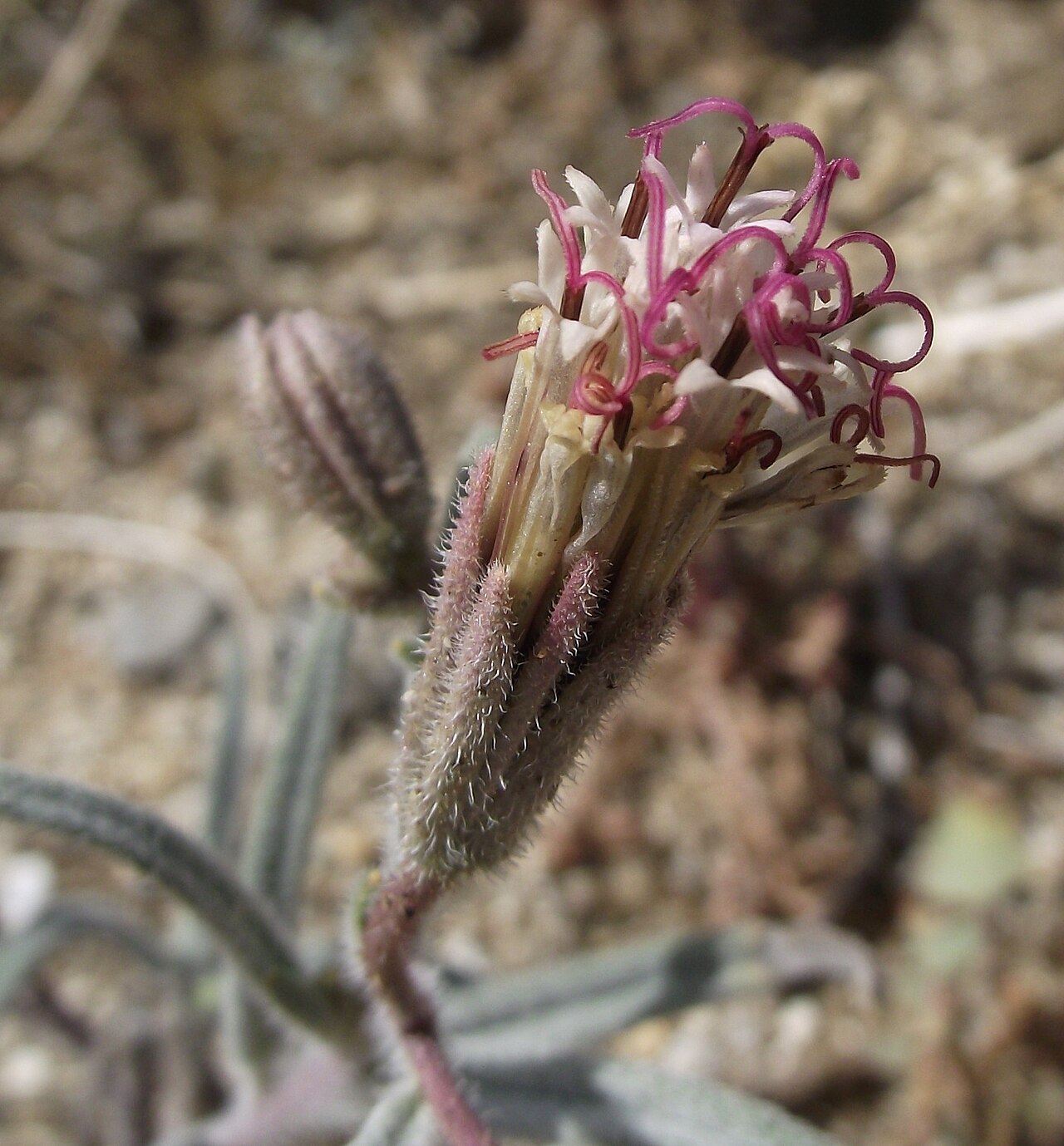
Palafoxia arida, known as Desert Palafox, desert needle or Spanish needle, is a slender, upright wildflower of the aster family (Asteraceae) that grows on the sandy flats, washes and dunes of the Mojave and Sonoran Deserts. It is usually an annual, 1 to 2 feet tall, with narrow, gray-green, rough-haired leaves and loose clusters of narrow, pale pink to white flower heads that look like small shaving brushes.
Desert palafox has no ray petals. Each head is a slim, cylindrical bundle of tubular disk flowers, which open into five narrow lobes and push out long, curling, pink styles. The name Spanish needle refers to the long, slender buds and to the needle-like seeds that follow. It flowers mainly in spring, and it can bloom again after summer and fall rains, so it is often one of the last wildflowers still in bloom on the sand.
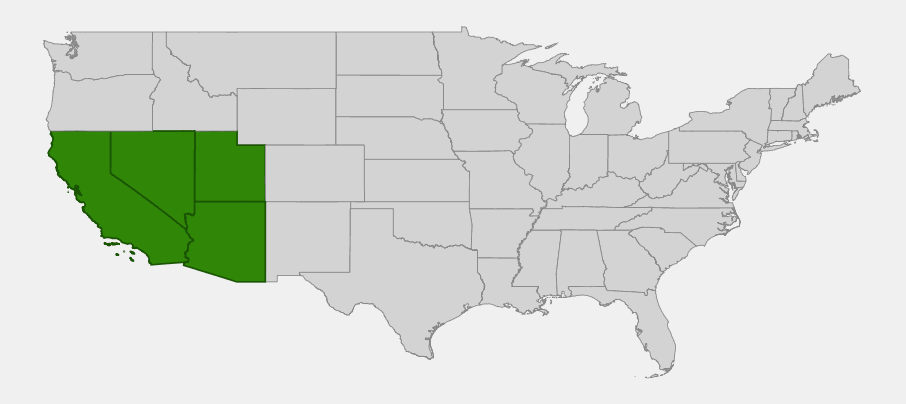
It is native to southeastern California, southern Nevada, southwestern Utah, western Arizona and northwestern Mexico. On PlantNative it goes by its USDA name, desert palafox, to keep it distinct from Spanish needles (Bidens alba), an unrelated plant of the Southeast. This guide covers how to identify it, where it grows, how to grow it from seed, and its value to bees and butterflies.
Identification
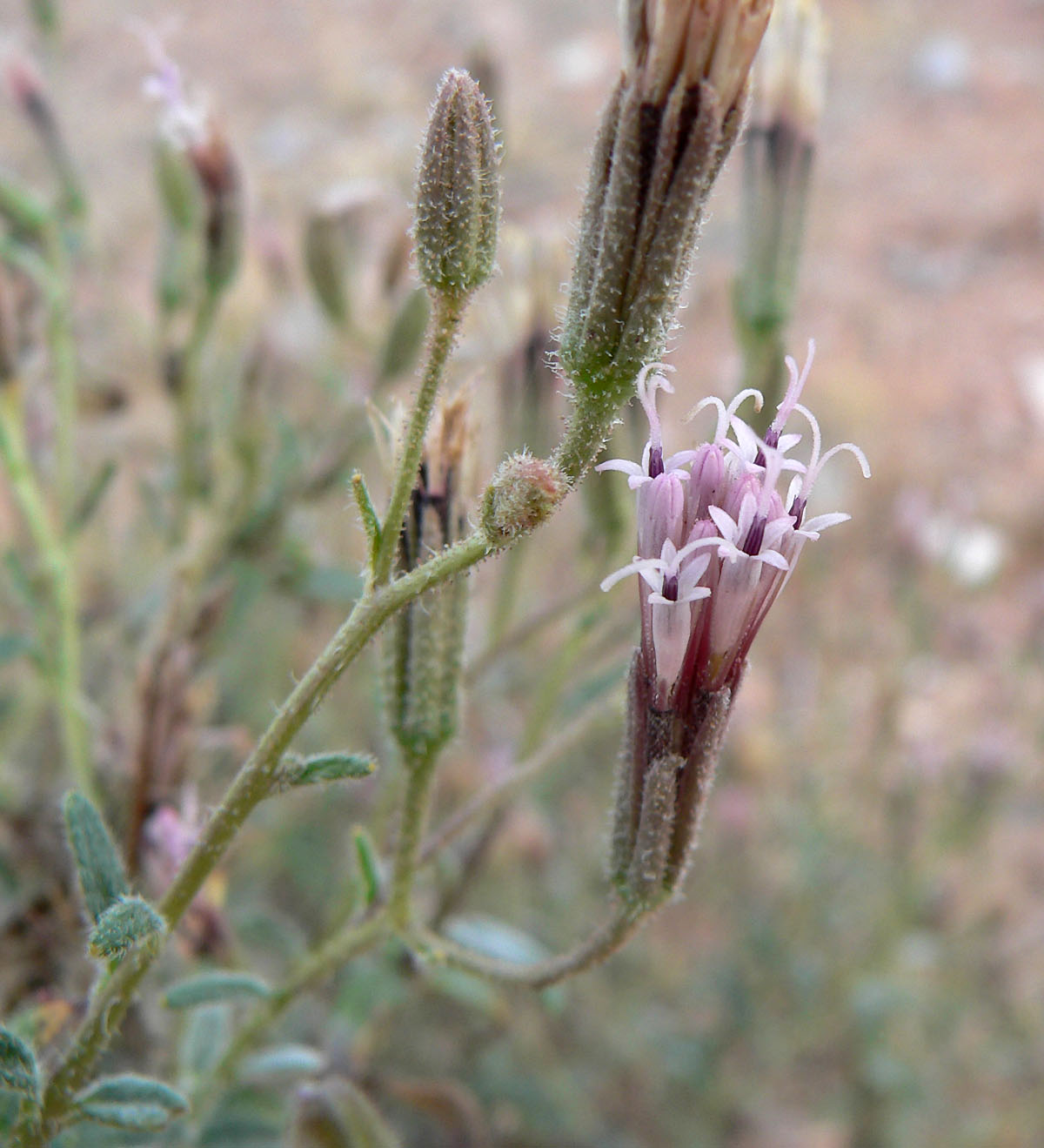
Desert palafox is easy to recognize when in flower: an open, wiry, gray-green plant on sand, carrying narrow pinkish heads with no petals and long, curling styles.
Growth Habit
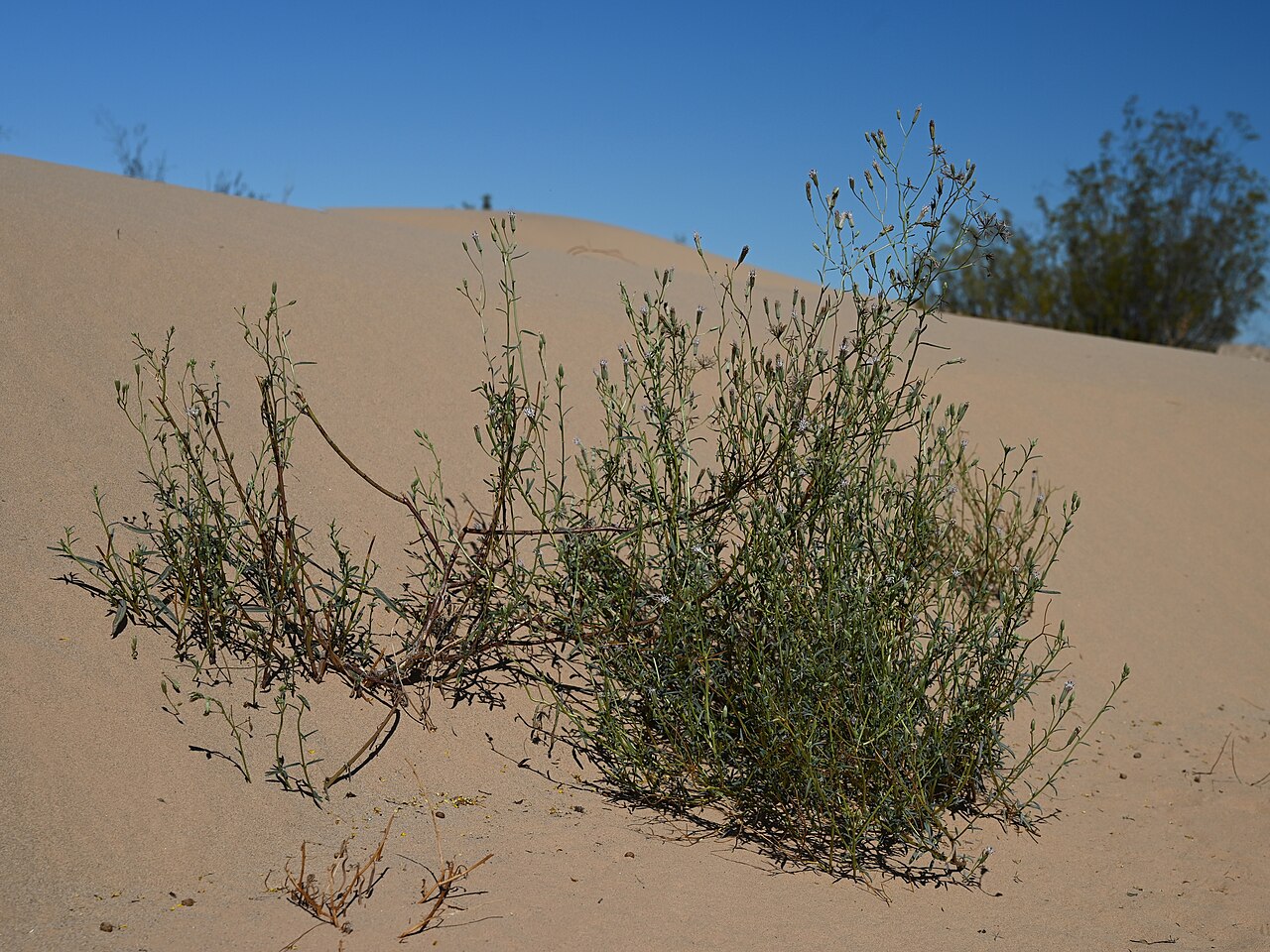
It is an erect, branching annual, sometimes living a little longer in a wet year. The stems are slender, rough with stiff hairs and sticky with glands near the top, often purplish below. Most plants are 1 to 2 feet tall, but large plants on dunes can be much taller and bushier.
Leaves
The leaves are alternate, linear to narrowly lance-shaped, up to about 4 inches long, and grayish green. They are covered in short, stiff hairs that make them rough to the touch. Lower leaves often wither by the time the plant is in full flower.
Flowers
The flower heads are borne at the ends of the branches in loose clusters, often a dozen or more per plant. Each head is about 1 inch long, narrow and cylindrical, wrapped in long, pointed, glandular-hairy bracts (phyllaries), and holds up to about 40 tubular disk flowers. The flowers are white to pale pink or lavender, with dark anthers and long, curling, pink styles. Flowering is mainly from late winter to spring, with a second bloom after summer and fall rains.
Fruit & Seeds
The seeds (achenes) are slender, dark and hairy, about 1/2 inch long including a crown of narrow, pointed scales (the pappus). They drop near the parent plant or blow across the sand.
Look-alikes
The related Texas palafoxia and the other palafoxes of the central and southeastern United States do not grow in the Mojave or Sonoran Deserts. Desert palafox might be confused with desert asters or chicory-like plants at a distance, but it has no ray petals, only the narrow, brush-like heads of disk flowers.
Quick Facts
| Scientific Name | Palafoxia arida B.L. Turner & M.I. Morris |
| Family | Asteraceae (aster family) |
| Plant Type | Annual wildflower (occasionally short-lived) |
| Mature Height | 1–2 ft (taller on dunes) |
| Mature Spread | 6–18 in |
| Growth Rate | Fast |
| Sun Exposure | Full sun |
| Water Needs | Very low; relies on seasonal rain |
| Soil Type | Loose sand, sandy washes and gravelly desert flats |
| Soil pH | About 7.0–8.5 |
| Bloom Time | February–May; again after summer and fall rains |
| Flower Color | White to pale pink or lavender |
| Fall Color | None |
| Fruit | Slender, hairy achenes with a crown of pointed scales |
| Deer Resistant | Not well documented |
| USDA Hardiness Zones | 8–11 (grown as an annual) |
Native Range
Desert palafox is a plant of the hot deserts of the American Southwest. USDA PLANTS lists it as native to Arizona, California, Nevada and Utah, and its range extends south into Sonora and Baja California, Mexico.
In California it grows across the Colorado and southern Mojave Deserts, including Anza-Borrego Desert State Park, Joshua Tree National Park and the dunes of Imperial County. In Nevada it occurs in the southern part of the state, around Lake Mead and the Moapa Valley; in Utah it reaches the southwestern corner near St. George; and in Arizona it grows in the western deserts along the Colorado River and inland across the Sonoran Desert.
It favors loose sand: dunes, sandy plains, sandy washes and roadsides, usually at low elevations. Very large plants on the Algodones Dunes of southeastern California and adjacent Arizona have been called giant Spanish needle (Palafoxia arida var. gigantea); this dune form is considered rare and is tracked by the California Native Plant Society.
📋 Regional plant lists featuring Desert Palafox: Utah & Western Colorado · Arizona & New Mexico · California & Nevada
Growing & Care Guide
Desert palafox is a wildflower for sandy desert gardens, wildflower meadows and dune restoration in the low desert. It is grown from seed, which is sometimes offered in Southwest desert wildflower mixes. Treat it like other desert annuals: sow with the rains, give it sun and sand, and let it reseed.
Light
Grow it in full sun. It is a plant of open sand with no shade at all, and it becomes weak and sparse in shade.
Soil & Water
Use sandy or gravelly, fast-draining soil; it is ideal for sandy lots where many other plants struggle. Rely mainly on natural rainfall. In a dry winter, light watering every couple of weeks after sowing helps germination and extends flowering, but rich soil and frequent watering make plants floppy and short-lived.
Planting Tips
Sow seed directly in fall or early winter, before the winter rains, raking it lightly into the surface of the sand. A second sowing before the summer monsoon can give late-season flowers in Arizona. Combine it with desert sand verbena, desert sunflower, desert marigold and other sand-loving annuals for a long display.
Pruning & Maintenance
No pruning is needed. Leave plants standing until the seeds have dropped, then pull the dry stems. If you want the plant to return, avoid heavy mulch, which keeps the seeds from reaching bare sand.
Propagation
Propagate it from seed. Collect the slender seeds as the heads dry and turn brown, then sow them in fall. Once established in a garden with bare sand, desert palafox usually reseeds on its own in years with enough rain.
Landscape Uses
- Desert wildflower gardens: pink-and-white flowers in spring and again after summer and fall rains
- Pollinator gardens: nectar and pollen for native bees and butterflies
- Dune and sandy-soil restoration: a native annual adapted to loose, shifting sand
- Low-water landscapes: grows on natural rainfall in the low desert
- Natural areas: a characteristic wildflower of desert sand flats and washes
Wildlife & Ecological Value
Because it can bloom both in spring and after late-season rains, desert palafox provides nectar at times when few other desert wildflowers are in flower.
For Pollinators
The tubular disk flowers are visited by native bees and by butterflies, which reach the nectar with their long tongues. The long, exposed styles and anthers make the pollen easy for bees to collect.
For Butterflies & Moths
Butterflies and day-flying moths nectar on the flowers, especially in late summer and fall, when desert palafox may be one of the few plants in bloom on the sand. Planting it alongside other late-blooming desert plants helps carry pollinators through the hot season.
For Birds & Mammals
Seed-eating birds, such as sparrows, and small rodents, such as kangaroo rats and pocket mice, eat the seeds of desert annuals like desert palafox. The plants also provide a little cover on open sand.
Ecosystem Role
As a fast-growing annual of open sand, desert palafox helps stabilize loose sand in wet years and adds seed to the soil seed bank that sustains desert wildlife through dry years. It is part of the characteristic plant community of desert dunes and sandy plains.
Cultural & Historical Uses
The genus Palafoxia honors José de Palafox y Melzi, a Spanish general of the Napoleonic Wars, and was named by the Spanish botanist Mariano Lagasca. The species name arida refers to its dry desert home. Billie Lee Turner and Michael I. Morris described the species in their study of the genus.
Its common name Spanish needle is shared with several unrelated plants, including Bidens alba of the Southeast, which is why PlantNative uses the USDA name desert palafox for this species. Other names include desert needle and simply palafox.
Desert palafox is a familiar sight to visitors of Joshua Tree National Park, Anza-Borrego and the dunes of the Colorado Desert. Because it can bloom in spring, summer and fall depending on rain, it rewards desert wildflower watchers at times of year when the spring show is over.
Frequently Asked Questions
Why is desert palafox called Spanish needle?
The name refers to its long, narrow buds and slender, needle-like seeds. Several unrelated plants share the name, including Bidens alba of the Southeast, so the USDA name desert palafox is less confusing.
Is desert palafox an annual?
Yes, it is usually an annual that germinates after rain, flowers and sets seed in a single season. In a wet year some plants live a little longer.
When does desert palafox bloom?
Mainly from late winter through spring, and again after summer and fall rains in years when they come. In some places you can find it in flower from February into fall.
Where does desert palafox grow?
It grows on sand dunes, sandy plains and washes in the Mojave and Sonoran Deserts of southeastern California, southern Nevada, southwestern Utah, western Arizona and northwestern Mexico.
How do I grow desert palafox?
Sow seed on sandy, well-drained soil in full sun in fall, before the winter rains. Water lightly only in dry spells, and let the plants reseed by leaving some bare sand.

Looking for a nursery that carries Desert Palafox?
Browse our native plant nursery directory: Arizona · California · Nevada · Utah

