
Fly Poison (Amianthium muscitoxicum)
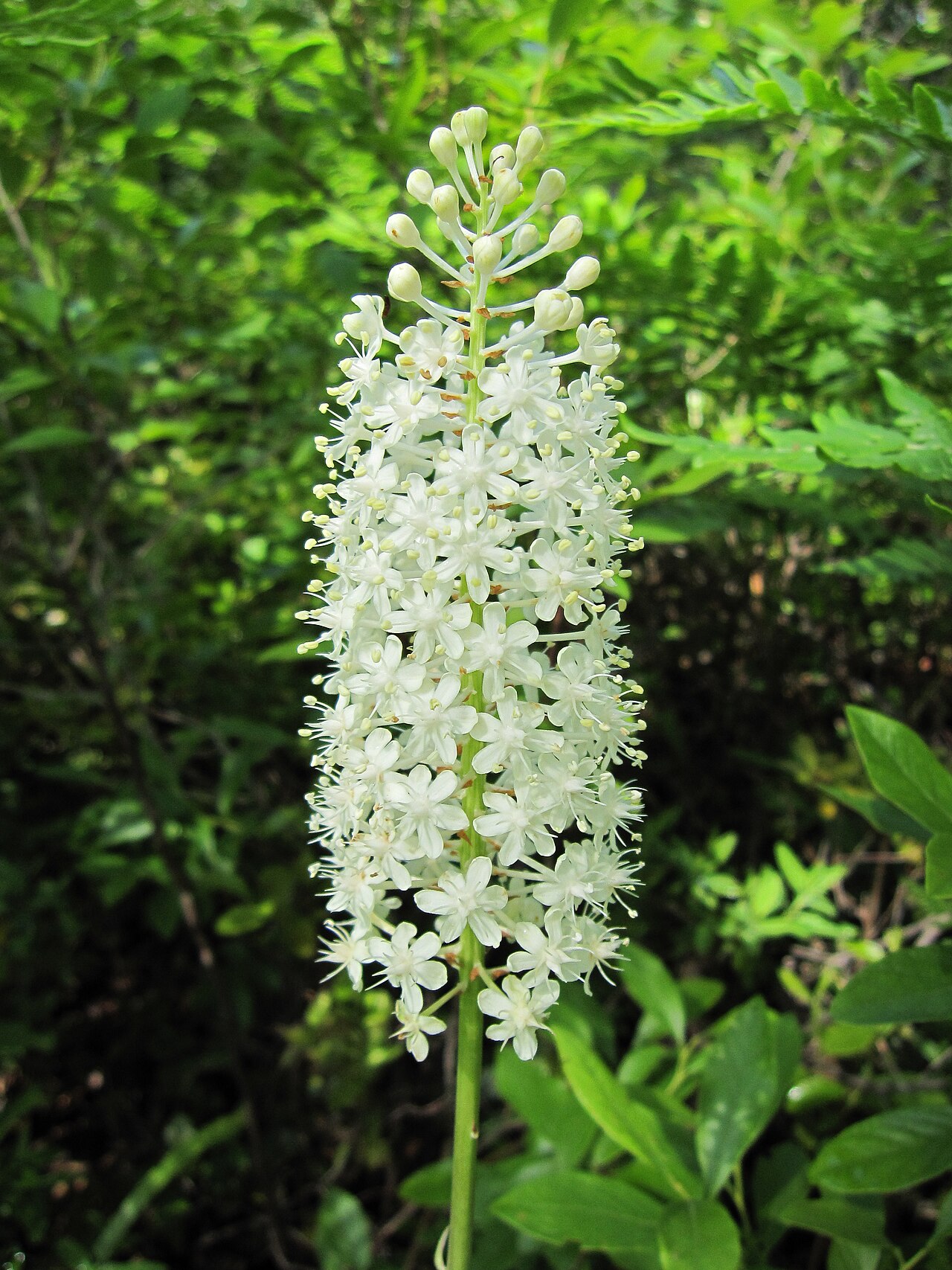
Amianthium muscitoxicum, known as Fly Poison, is a native perennial of the bunchflower family (Melanthiaceae) and the only species in its genus. It grows from a bulb in open woods, sandy pinelands, bogs and grassy openings across the eastern United States. In late spring and early summer it raises a leafless stalk 1 1/2 to 3 feet tall, topped with a dense, cylindrical spike of small white flowers, above a fountain of narrow, strap-shaped leaves.
The flowers are bright white when they open, then turn green and finally bronze or purplish brown, so a stand in bloom often shows several colors at once. It is a handsome plant in a woodland or meadow garden, and native bees and beetles visit its flowers.
Safety note: fly poison is highly toxic to people, pets and livestock. All parts contain poisonous alkaloids, and the bulb is the most toxic part. Eating even a small amount can cause vomiting, slowed heart rate, breathing problems and death; cattle, sheep and horses have been poisoned when grazing it. Never eat any part of the plant, wear gloves when handling the bulbs, and do not plant it where children, pets or livestock might eat it.
Identification
Look for a clump of long, grass-like, shiny leaves and, in late spring or early summer, a straight stalk with a dense, bottlebrush-like spike of white flowers that age to green and brown.
Growth Habit
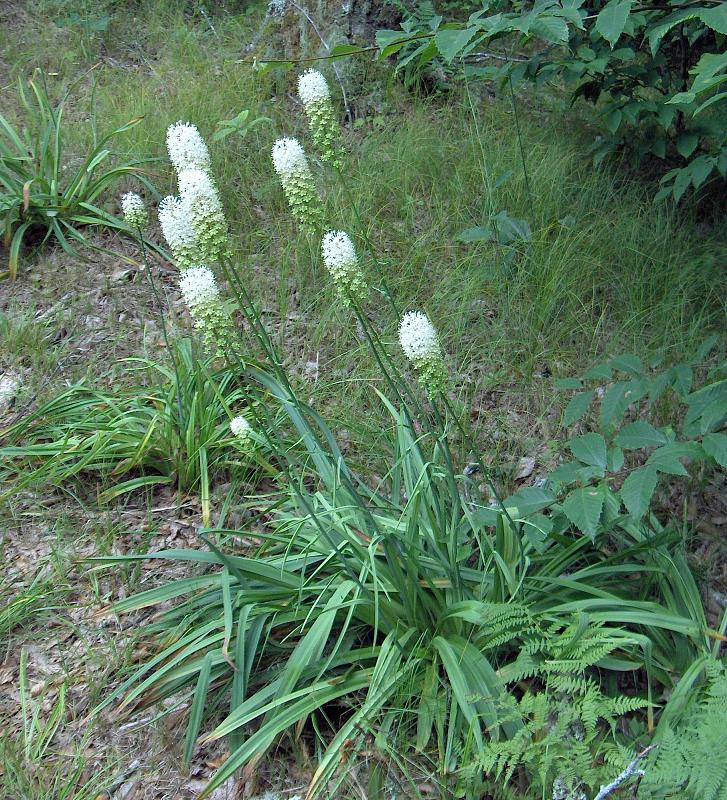
Fly poison grows from an onion-like bulb, but it has no onion smell. It forms a clump of basal leaves and one flowering stalk, 1 1/2 to 3 feet tall (occasionally to 4 feet). The flowering stalk has only a few small, bract-like leaves.
Leaves
The basal leaves are linear and strap-shaped, 8 to 24 inches long and 1/4 to 3/4 inch wide, smooth, bright green and somewhat shiny, with a blunt tip. They arch outward in a fountain-like clump and look much like a grass or a lily.
Flowers
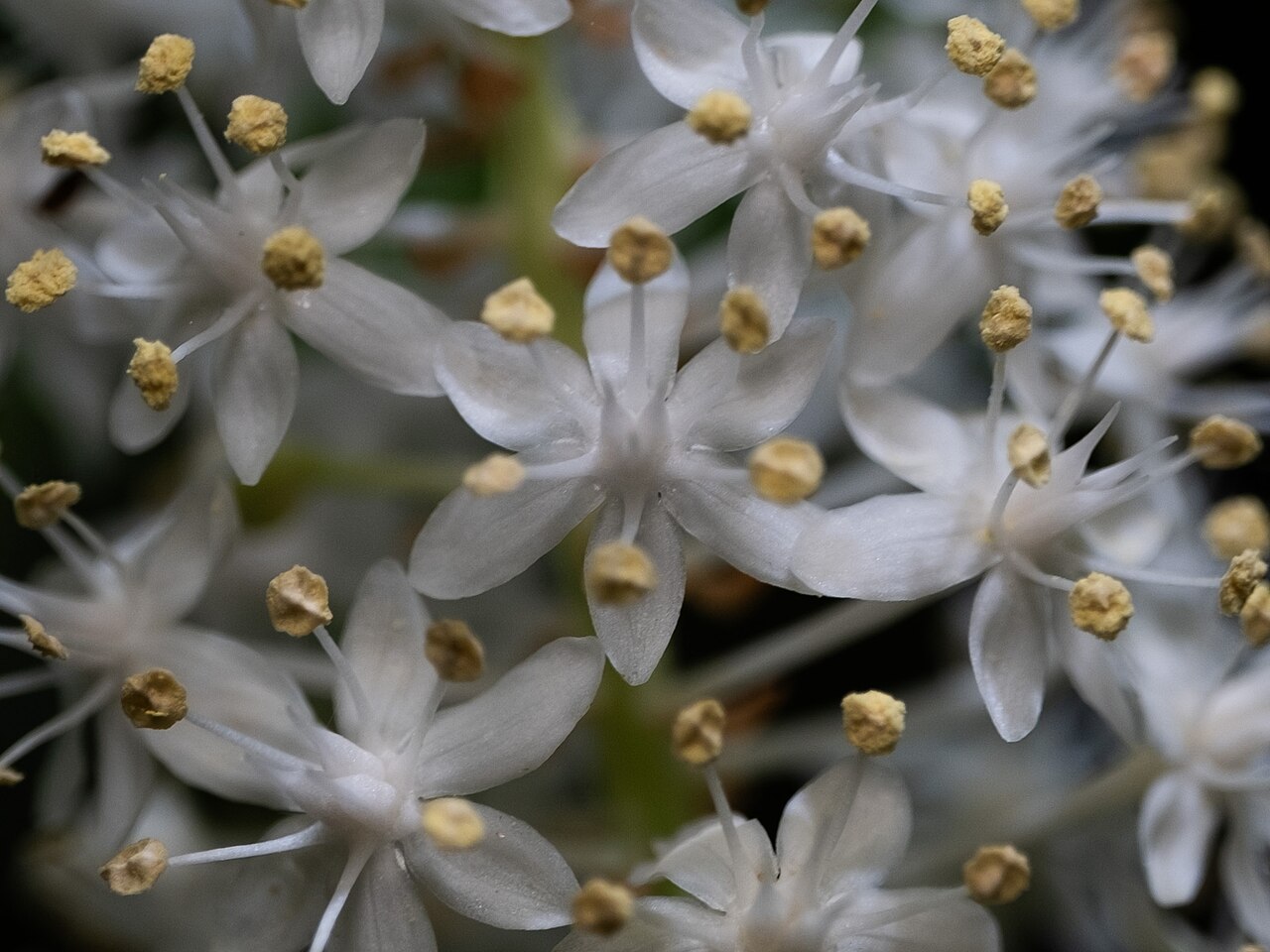
The flowers are borne in a dense, cylindrical raceme 2 to 5 inches long at the top of the stalk. Each flower is about 1/2 inch across, with six spreading, white, oblong tepals and six stamens. The flowers open from the bottom of the spike upward, and as they age they turn green, then purplish or reddish brown, and they stay on the plant. Flowering is from May to July, depending on latitude.
Fruit & Seeds
The fruit is a three-lobed capsule about 1/2 inch long, with three short beaks, which ripens in late summer and releases shiny, reddish-brown seeds. The dry, dark spikes often persist into fall.
Look-alikes
Featherbells (Stenanthium gramineum) has narrower, more open, branched flower clusters. Devil’s bit (Chamaelirium luteum) has a basal rosette of broad, spoon-shaped leaves and a slender, nodding spike. Death camas species, such as meadow death camas, are related, equally poisonous plants of the West with creamy flowers in looser clusters. Eastern turkeybeard (Xerophyllum asphodeloides), a relative of the western beargrass, has wiry, needle-like leaves.
Quick Facts
| Scientific Name | Amianthium muscitoxicum |
| Family | Melanthiaceae (bunchflower family) |
| Plant Type | Bulbous herbaceous perennial |
| Mature Height | 1.5–3 ft (flower stalk) |
| Mature Spread | 1–1.5 ft |
| Growth Rate | Slow |
| Sun Exposure | Part shade to full sun |
| Water Needs | Medium; tolerates dry to moist soils |
| Soil Type | Acidic sandy, loamy or peaty soils |
| Soil pH | Acidic (about 4.5–6.5) |
| Bloom Time | May–July |
| Flower Color | White, aging to green and purplish brown |
| Fall Color | None |
| Fruit | Three-lobed capsule |
| Deer Resistant | Yes; highly toxic |
| USDA Hardiness Zones | 5–9 |
Native Range
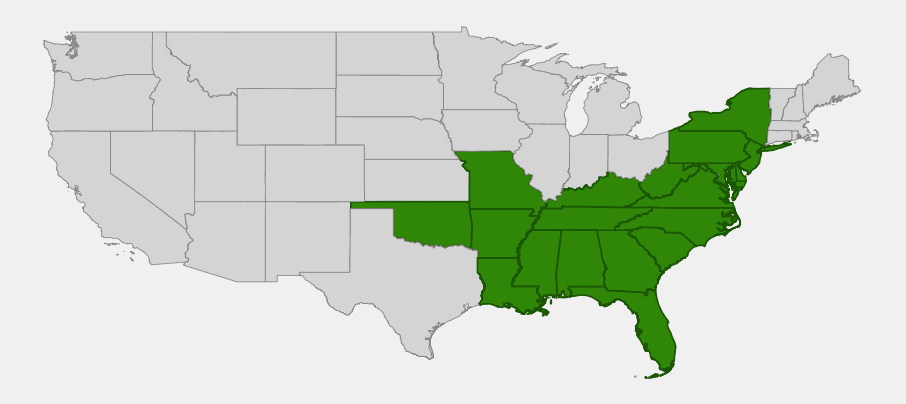
Fly poison is native to the eastern United States, from Pennsylvania and New Jersey south to northern Florida and west to Missouri, Arkansas, Oklahoma and Mississippi. It is most common in the Appalachian Mountains and the Piedmont and on the Atlantic and Gulf Coastal Plains from Virginia to the Florida Panhandle.
It becomes rare at the edges of its range. NatureServe considers it extirpated in New York, historical in Louisiana, critically imperiled in Kentucky and Oklahoma, and imperiled in Delaware, Maryland and New Jersey. In Oklahoma it is confined to the far southeast, and in Missouri to the Ozarks.
It grows in open, acidic woods of oak and pine, on dry ridges and rocky slopes, in grassy balds and clearings in the mountains, in sandy pine savannas and flatwoods, and at the edges of bogs and seepage slopes. It is often most abundant where fire or thin soils keep the woods open.
📋 Regional plant lists featuring Fly Poison: New York, Pennsylvania & Northern New Jersey · Kentucky & Tennessee · Maryland, Virginia & West Virginia · Delaware, Southern New Jersey & Long Island · Illinois, Iowa & Missouri · Alabama, Georgia & Mississippi · North & South Florida · North & South Carolina · Arkansas, Louisiana, Eastern Oklahoma & Eastern Texas
Growing & Care Guide
Fly poison is an attractive, long-lived plant for woodland and meadow gardens, but because it is so poisonous, plant it only where children, pets and livestock will not eat it. Buy nursery-propagated plants or seed from native plant nurseries; never dig bulbs from the wild.
Light
Part shade to full sun. It does well in the dappled light of open woods and in sunny openings, and flowers best with at least a few hours of sun.
Soil & Water
Give it acidic soil that is well drained but holds some moisture: sandy, loamy or peaty soils with organic matter. It tolerates dry, rocky ridges as well as moist bog edges, but not alkaline soil or standing water.
Planting Tips
Plant bulbs or container plants in fall or early spring, with the top of the bulb a few inches deep, about 12 inches apart. Group them for a better show. Wear gloves when handling the bulbs, and wash your hands afterward. Pair it with ferns, blueberries and woodland grasses and sedges.
Pruning & Maintenance
Little care is needed. Remove the old flower stalks in fall if you wish, wearing gloves, or leave them for their dark color. Keep plants away from vegetable gardens and from areas where grazing animals have access.
Propagation
Grow it from seed sown outdoors in fall; it needs cold stratification and takes several years to reach flowering size. Established clumps can be divided in fall. Always label plants clearly as poisonous.
Landscape Uses
- Woodland gardens: bright white spikes in late spring and early summer
- Acidic, sandy sites: pine and oak gardens on the Coastal Plain
- Meadows and grassy openings: an upright accent among grasses
- Bog and seepage edges: tolerates moist, acidic soil
- Deer-prone gardens: rarely touched by deer
Wildlife & Ecological Value
Despite its toxicity, fly poison is a useful part of eastern woodland and pineland plant communities.
For Pollinators
The flowers are visited mainly by beetles, especially flower and longhorn beetles, as well as small bees and flies, which feed on the pollen and nectar.
For Birds
It offers little food for birds, but the insects it attracts are eaten by songbirds.
For Mammals
All parts are toxic, so deer, rabbits and other mammals avoid it. Livestock have been poisoned when grazing it, usually in early spring, when few other green plants are available.
Ecosystem Role
Fly poison is a long-lived member of fire-adapted woodland and savanna communities, resprouting from its bulb after fire. Its presence often marks open, acidic woods and grassy balds with a healthy native ground layer.
Cultural & Historical Uses
The common name comes from an old practice: the crushed bulb was mixed with sugar or honey to make a bait that killed flies. The scientific name muscitoxicum means “fly poison” in Latin, and Amianthium comes from Greek words meaning “unstained flower,” referring to its clean white blooms.
Some Cherokee and other Southeastern peoples used the plant externally to treat itch and other skin problems,. Because of its toxicity, it should never be used as a home remedy.
Fly poison is the only species in the genus Amianthium. It belongs to the same family as green false hellebore and death camas, which also contain toxic alkaloids.
Frequently Asked Questions
Is fly poison poisonous?
Yes, highly. All parts contain toxic alkaloids, and the bulb is the most poisonous part. Eating it can be fatal to people, pets and livestock. Never eat any part of the plant and wear gloves when handling it.
Why is it called fly poison?
The crushed bulb was traditionally mixed with sugar or honey to make a bait that killed flies.
When does fly poison bloom?
From May to July, depending on location. The white flowers turn green and then purplish brown as they age.
Can I grow fly poison in my garden?
Yes, in acidic, well-drained soil in part shade or sun, but plant it only where children, pets and livestock will not eat it. Buy nursery-propagated plants rather than digging wild bulbs.
Is fly poison deer resistant?
Yes. Deer and other mammals avoid it because it is toxic.

Looking for a nursery that carries Fly Poison?
Browse our native plant nursery directory: Alabama & Arkansas · Delaware, Florida & Georgia · Kentucky, Louisiana, Maryland, Mississippi & Missouri · New Jersey, New York, North Carolina & Oklahoma · Pennsylvania, South Carolina, Tennessee & Virginia · West Virginia

