
Rhexia-Leaved Paintbrush (Castilleja rhexiifolia)
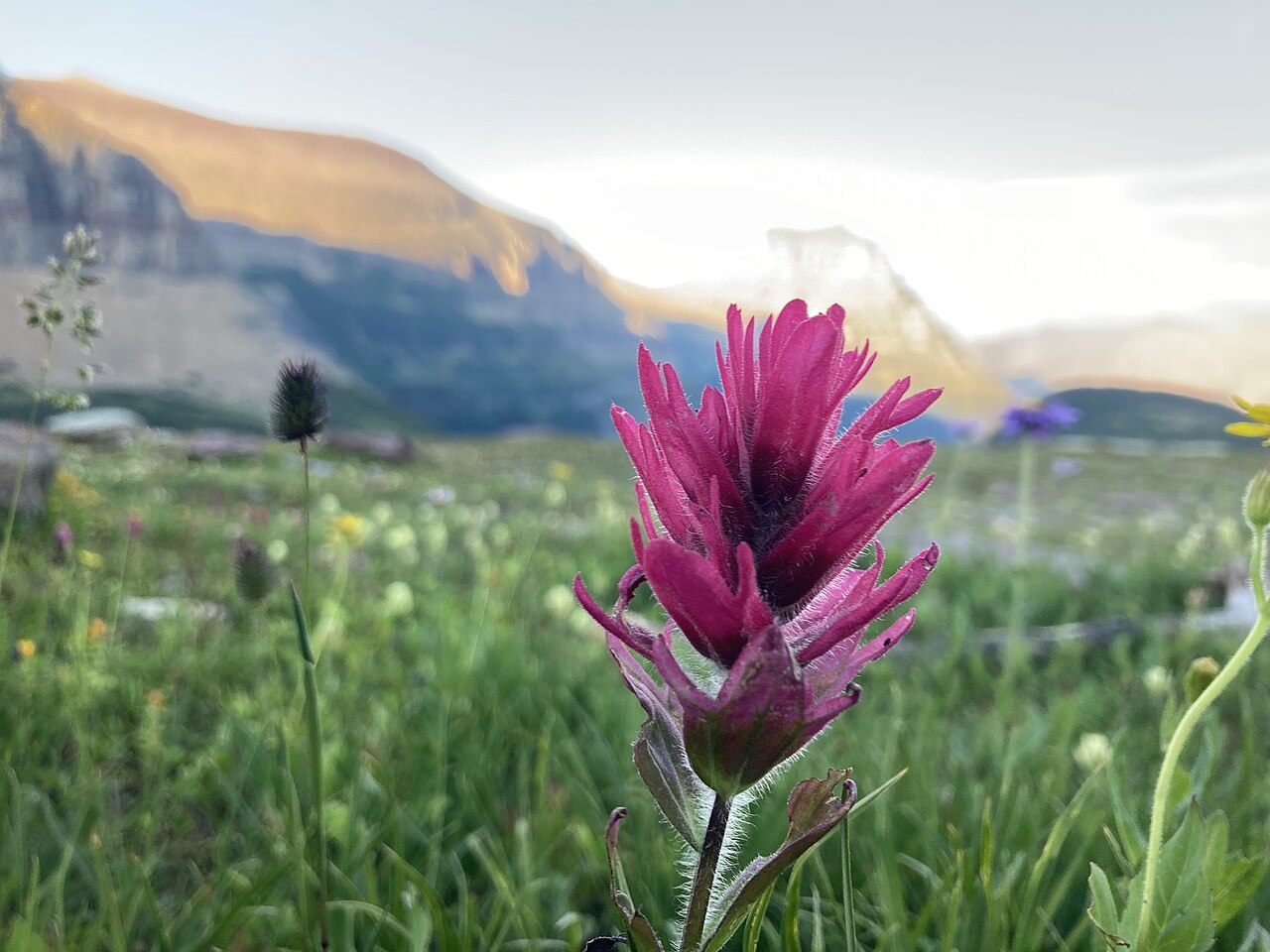
Castilleja rhexiifolia, known as Rhexia-Leaved Paintbrush or splitleaf Indian paintbrush, is a perennial wildflower of high mountain meadows in the Rocky Mountains and the ranges of the interior Northwest. In midsummer its short, leafy stems are topped with dense spikes of bracts in vivid magenta, rose-purple or crimson, among the brightest colors of the subalpine and alpine wildflower season.
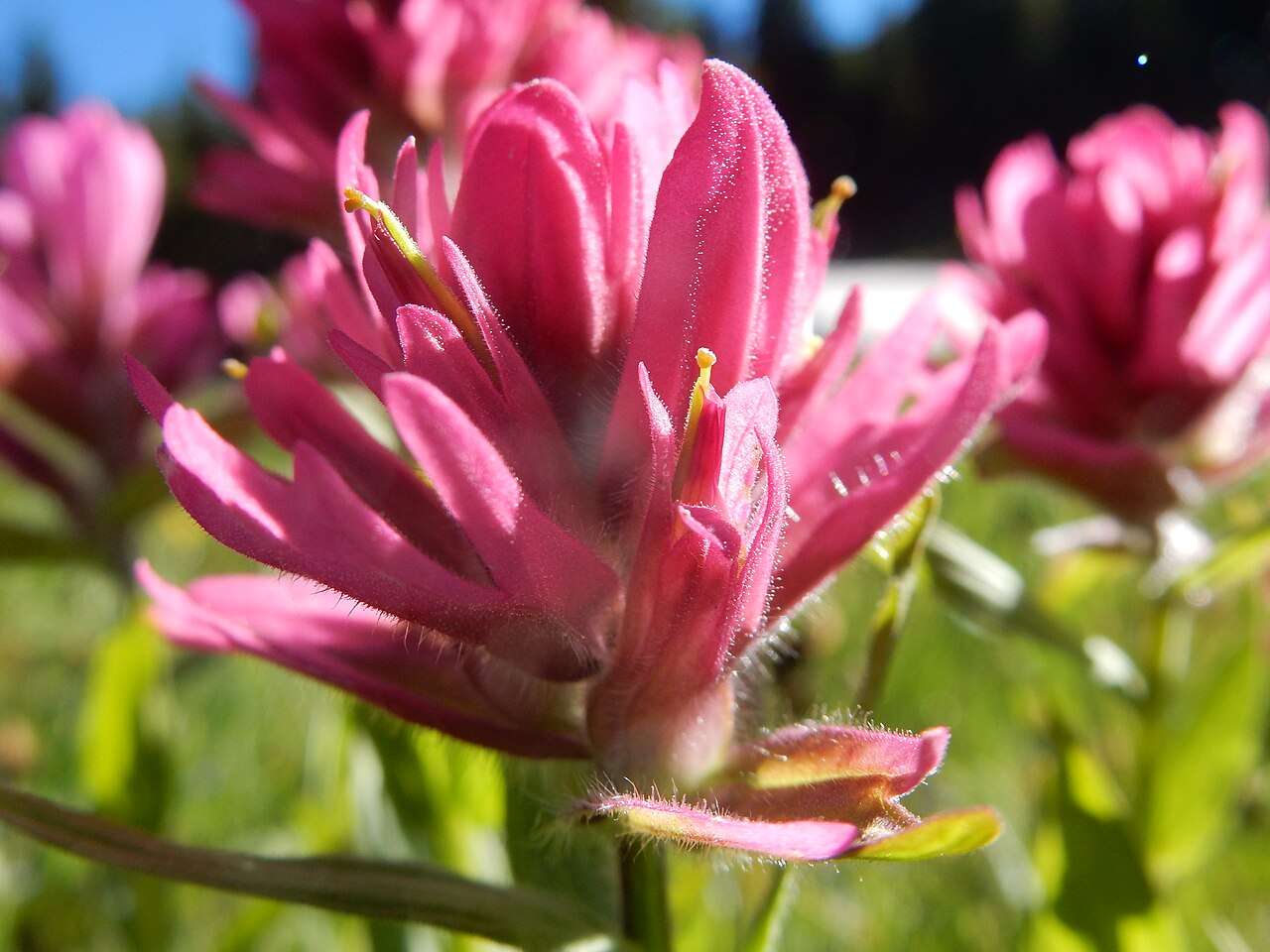
Like other paintbrushes, it is a member of the broomrape family (Orobanchaceae) and a hemiparasite: it has green leaves and makes its own food, but its roots also tap into the roots of neighboring plants to take water and nutrients. The colorful parts are bracts, modified leaves that surround the small, narrow, greenish flowers, and they are what draw in its pollinators, chiefly bumble bees and hummingbirds.
Rhexia-leaved paintbrush grows from British Columbia and Alberta south through Montana, Idaho and Wyoming to Utah, Colorado and northern New Mexico, and west to the Wallowa and Blue Mountains of Oregon and the eastern Cascades of Washington. Because it depends on host plants, it is very difficult to grow and should never be dug from the wild. This guide covers how to identify it, where it grows, and where to see it.
Identification
Rhexia-leaved paintbrush is one of the common pink-to-purple paintbrushes of the Rocky Mountain high country. It can be told from most relatives by its low height, mostly unlobed leaves and rose-purple to crimson bracts, though it hybridizes freely with other species.
Growth Habit
It is a clumping perennial from a woody root crown, with several unbranched, leafy stems usually 4 to 16 inches tall. Stems are smooth to slightly hairy and often purplish.
Leaves
The leaves are lance-shaped, up to about 3 inches long, and alternate along the stem. Most are entire (unlobed), but upper leaves sometimes have one or two pairs of short, narrow lobes, which explains the name splitleaf. The name rhexia-leaved refers to the resemblance to the leaves of meadow beauties (Rhexia).
Flowers & Bracts
The spike-like inflorescence is dense and short, about 1 to 3 inches long at first and lengthening in fruit. The color comes from the broad bracts and the calyx, usually rose-purple, magenta or crimson, sometimes pink, pale yellow or whitish. The true flowers are slender, greenish tubes, about 3/4 to 1 1/4 inches long, with a beak-like upper lip that barely protrudes from the bracts. It blooms from about June to August, depending on elevation and snowmelt.
Fruit & Seeds
The fruit is a small capsule that splits to release many tiny seeds with a netted coat.
Look-alikes
Scarlet paintbrush (Castilleja miniata) is taller, usually scarlet, and grows at lower elevations, but the two hybridize where they meet, producing plants with intermediate colors. Western paintbrush (Castilleja occidentalis) and sulphur paintbrush (Castilleja sulphurea) have yellowish to creamy bracts. Magenta paintbrush (Castilleja parviflora) of the Cascades has more deeply lobed leaves.
Quick Facts
| Scientific Name | Castilleja rhexiifolia Rydb. |
| Family | Orobanchaceae (broomrape family); formerly Scrophulariaceae |
| Plant Type | Herbaceous perennial; root hemiparasite |
| Mature Height | 4–16 in |
| Mature Spread | 6–12 in |
| Growth Rate | Slow |
| Sun Exposure | Full sun to light shade |
| Water Needs | Moderate; moist meadows fed by snowmelt |
| Soil Type | Moist, well-drained mountain loams and gravelly soils |
| Soil pH | About 5.5–7.5 |
| Bloom Time | June–August |
| Flower Color | Rose-purple, magenta or crimson bracts; greenish flowers |
| Fall Color | None; dies back after frost |
| Fruit | Small capsule with many tiny seeds |
| Deer Resistant | Not well documented |
| USDA Hardiness Zones | Not cultivated; grows wild in very cold mountain climates (about zones 3–6) |
Native Range
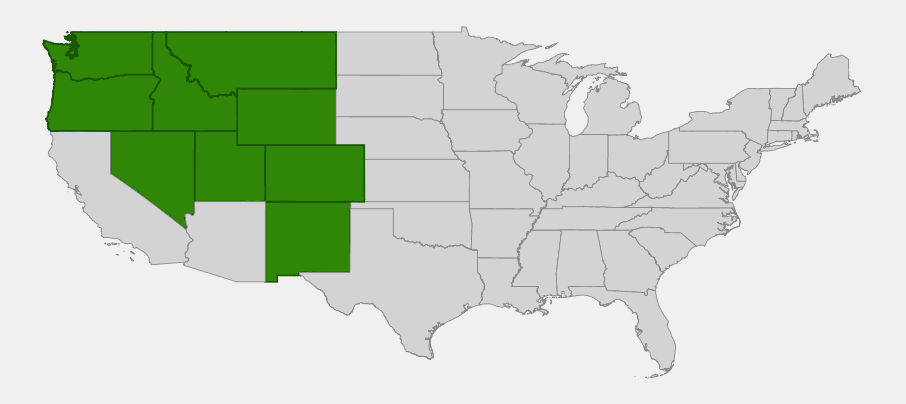
Rhexia-leaved paintbrush is native to the mountains of western North America. USDA PLANTS lists it in Colorado, Idaho, Montana, Nevada, New Mexico, Oregon, Utah, Washington and Wyoming, and in Alberta and British Columbia in Canada.
It is most common in the Rocky Mountains, from the Canadian Rockies and Glacier National Park south through the ranges of Montana, Idaho and Wyoming, including the Tetons and Yellowstone region, to the Wasatch and Uinta Mountains of Utah and the high country of Colorado and northern New Mexico. In Oregon it grows in the Wallowa and Blue Mountains, and in Washington on the east side of the Cascades and in the northeastern mountains. Nevada records come from its high eastern ranges.
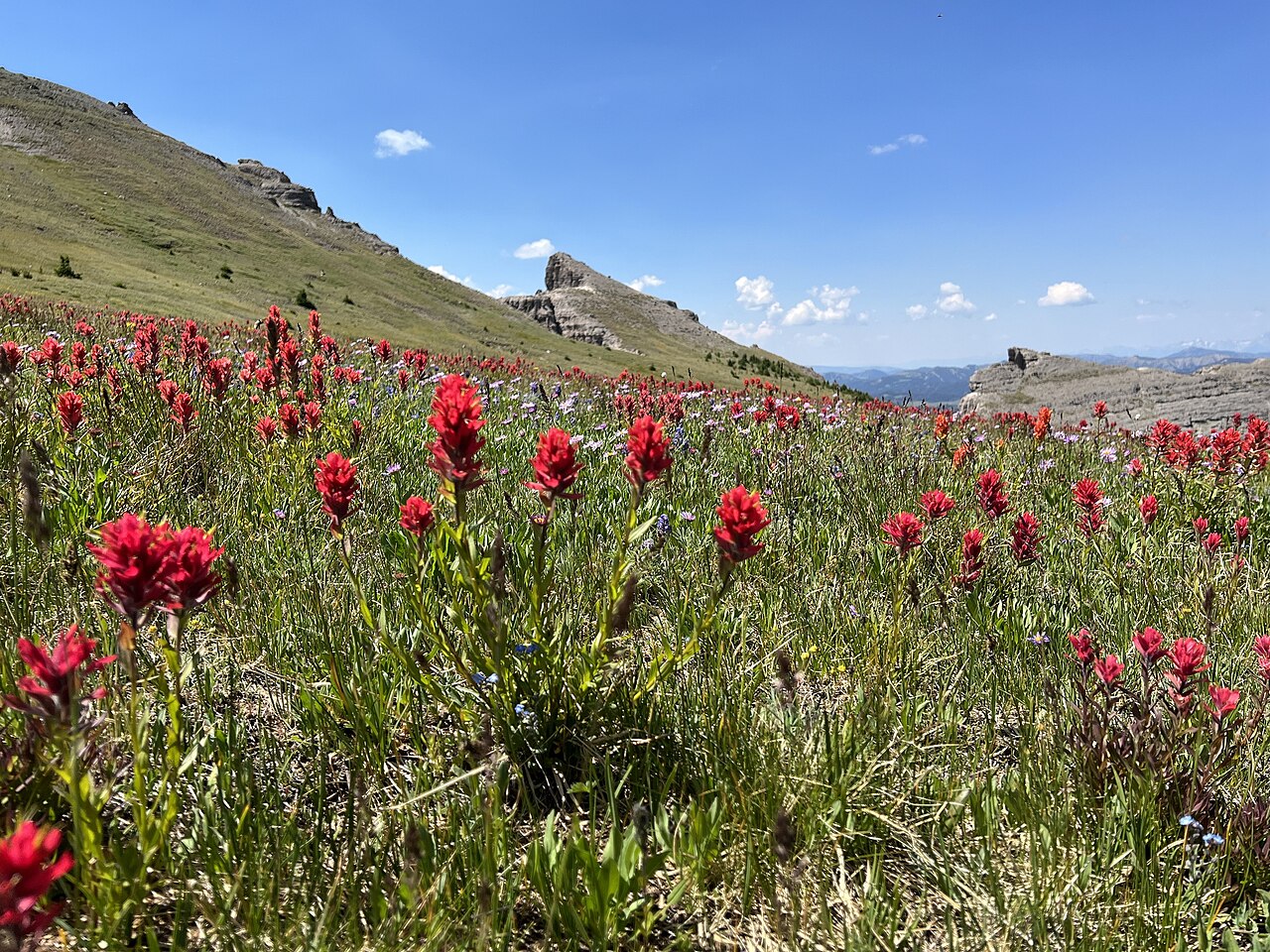
It grows in moist subalpine and alpine meadows, along streams, on open slopes and in clearings in spruce-fir forest, mostly from about 6,000 to over 11,000 feet, lower in the north. It often blooms in large numbers in meadows that stay moist from melting snow.
📋 Regional plant lists featuring Rhexia-Leaved Paintbrush: Montana & Wyoming · Utah & Western Colorado · California & Nevada
Can You Grow It?
Only with great difficulty, and only from seed. Rhexia-leaved paintbrush is a hemiparasite of high mountain meadows and is not sold by nurseries. It is not a practical garden plant outside of specialist alpine gardens in cold climates. Never dig plants from the wild: transplanted paintbrushes almost always die because their roots are cut off from their hosts.
Why It Needs a Host
Paintbrush roots form connections (haustoria) with the roots of nearby plants, often grasses, sedges and other meadow perennials, and draw water and nutrients from them. A paintbrush can survive briefly on its own, but it grows and flowers far better with a host growing right next to it.
Growing It from Seed
Experienced growers of mountain wildflowers sometimes raise paintbrushes from seed, sown in fall outdoors or after several weeks of cold, moist stratification, with a host plant such as a native bunchgrass or a small sagebrush sown or planted in the same pot. Seedlings are moved to the garden together with their host. Success is uncommon at low elevations or in hot summers.
Site Conditions
If you try it, give it full sun, cool summers, moist but well-drained gravelly soil, and a long winter under snow, conditions like those of a mountain meadow. It does poorly in heat and humidity.
Why You Should Not Dig It
Digging separates the roots from their hosts, and the plant soon declines. Wild meadows are slow to recover from trampling and digging, so photograph the plants instead.
Propagation
It is propagated only from seed, collected in small amounts where permitted. Never collect seed in national parks or other protected areas.
Where to See It
- Glacier National Park: abundant in subalpine meadows such as those around Logan Pass
- Greater Yellowstone and the Tetons: in moist meadows and on open slopes at high elevation
- Wasatch and Uinta Mountains of Utah: common in summer meadows above the canyons
- Colorado Rockies: in subalpine and alpine meadows across the state
- Wallowa Mountains of Oregon: in high meadows and basins of northeastern Oregon
Wildlife & Ecological Value
Rhexia-leaved paintbrush is an important nectar source in the short mountain summer, and its showy bracts guide pollinators to the hidden flowers.
For Pollinators
Bumble bees, including queens building colonies, are frequent visitors and important pollinators at high elevations. The flowers produce nectar at the base of a long tube.
For Birds
Hummingbirds, especially broad-tailed and rufous hummingbirds, feed from paintbrush flowers in mountain meadows. Red and magenta paintbrushes are among their preferred nectar sources.
For Butterflies
Paintbrushes are larval host plants for checkerspot butterflies (Euphydryas), whose caterpillars feed on the leaves and absorb defensive chemicals from them. Adult butterflies of many species also visit the flowers.
Ecosystem Role
As a hemiparasite, it takes some resources from the grasses and other plants around it. Studies of paintbrushes and related hemiparasites suggest this can reduce the dominance of vigorous grasses and help keep meadows diverse. It also hybridizes with other paintbrushes, which is why color forms vary so much in the mountains.
Cultural & Historical Uses
The genus Castilleja honors the Spanish botanist Domingo Castillejo. The species name rhexiifolia means “with leaves like Rhexia“, the meadow beauty genus of eastern North America. The species was described by the Swedish-American botanist Per Axel Rydberg.
Indian paintbrushes are emblems of the West. Wyoming’s state flower is a paintbrush, Wyoming paintbrush (Castilleja linariifolia), and paintbrushes of many colors are among the most photographed wildflowers in western national parks. Rhexia-leaved paintbrush provides much of the purple and magenta in Rocky Mountain wildflower displays.
Paintbrushes are notoriously variable, and botanists continue to study how hybridization between species such as C. rhexiifolia, C. miniata and C. sulphurea shapes the colorful mixtures seen in mountain meadows.
Frequently Asked Questions
Why is it called rhexia-leaved paintbrush?
Its smooth, lance-shaped leaves resemble those of the meadow beauties (Rhexia). It is also called splitleaf Indian paintbrush because some upper leaves have narrow side lobes.
Is rhexia-leaved paintbrush a parasite?
It is a hemiparasite. It has green leaves and photosynthesizes, but its roots also attach to the roots of nearby plants to take water and nutrients.
Can I grow it in my garden?
Only with great difficulty. It needs a host plant, cool summers and a long winter. It is not sold by nurseries. Never dig it from the wild.
Where can I see it?
In moist subalpine and alpine meadows of the Rocky Mountains, such as Glacier, Yellowstone, Grand Teton and Rocky Mountain National Parks, and in the Wasatch and Wallowa Mountains, from about June to August.
What pollinates it?
Mainly bumble bees and hummingbirds, which feed on nectar from the slender flowers hidden among the colorful bracts.

Looking for a nursery that carries Rhexia-Leaved Paintbrush?
Browse our native plant nursery directory: Colorado · Idaho · Montana · Nevada & New Mexico · Oregon · Utah · Washington · Wyoming

