
Marsh Saxifrage (Saxifraga hirculus)
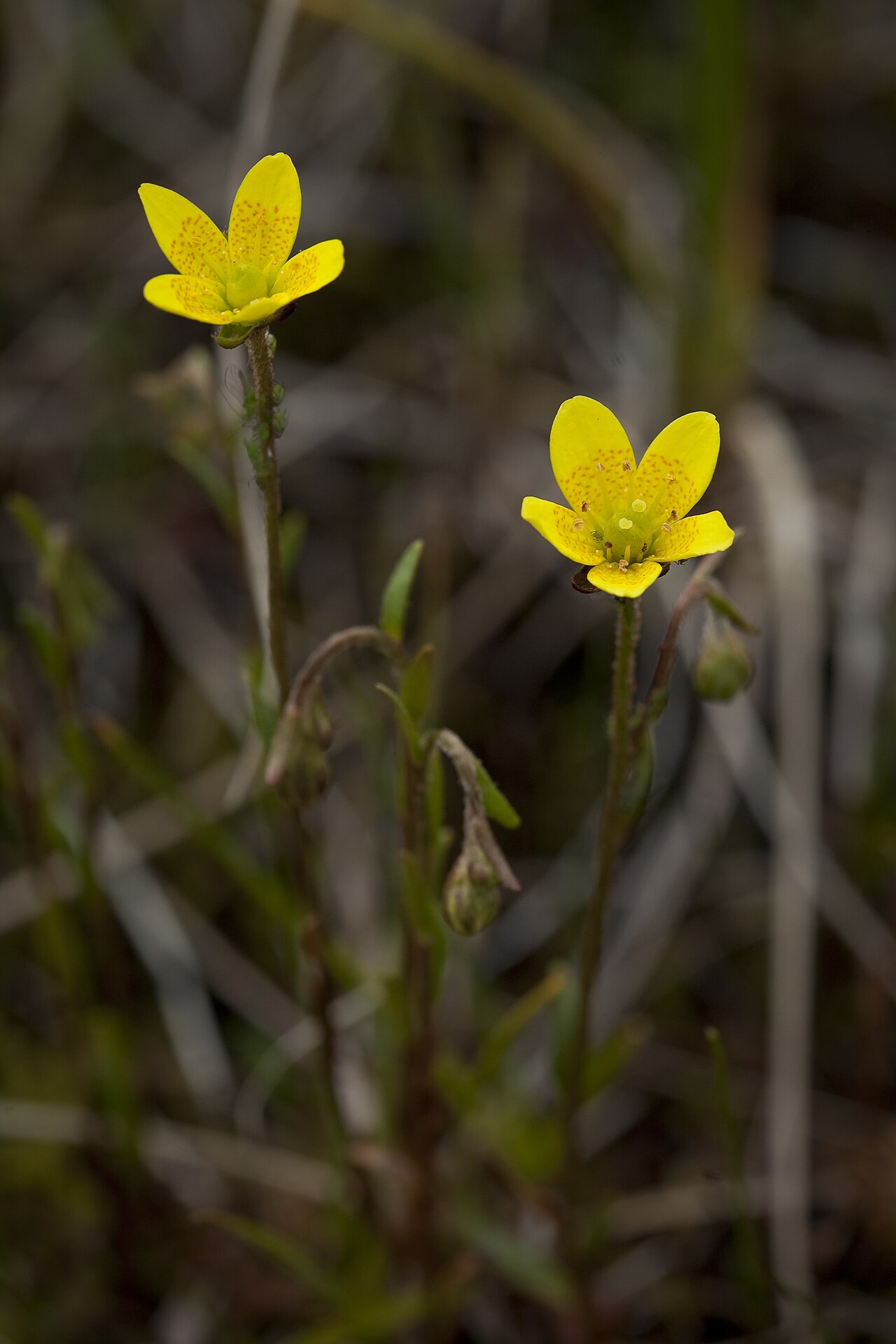
Saxifraga hirculus, called Marsh Saxifrage, yellow marsh saxifrage or bog saxifrage, is a small perennial wildflower of cold, wet, mossy ground. It is one of the few saxifrages that grows in wetlands rather than on rocks. From late June into August it carries one to a few bright yellow, five-petaled flowers, often finely dotted with orange, on slender reddish stems 2 to 12 inches tall.
Marsh saxifrage is circumboreal: it grows across the Arctic and the northern mountains of North America, Europe and Asia. In the United States it is common in parts of Alaska, but in the Lower 48 it is a genuine rarity, confined to a scattering of high-elevation fens and wet meadows in the Rocky Mountains of Colorado, Utah, Montana and New Mexico. State natural heritage programs track these populations as plants of conservation concern.
This guide covers how to recognize marsh saxifrage, where it grows, why its Rocky Mountain fens matter, and why it is a plant to admire in the field rather than in the garden.
Identification
Marsh saxifrage looks more like a small buttercup or cinquefoil than a typical saxifrage. Look for single yellow flowers on leafy, reddish stems rising from moss in a wet place.
Leaves & Growth Habit
A low perennial that forms loose patches. The leaves are alternate, simple, untoothed and lance-shaped to narrowly oblong, about ½ to 1¼ inches long and slightly fleshy. The lower leaves have stalks, while those higher on the stem are smaller and stalkless. The plant spreads by slender leafy runners that creep through moss, so a single plant can become a sizeable patch over time.
Stems
The flowering stems are 2 to 12 inches tall (rarely to about 14 inches), upright and often reddish. They are covered, especially near the top, with crinkled reddish-brown hairs. This shaggy look is one clue to its identity.
Flowers
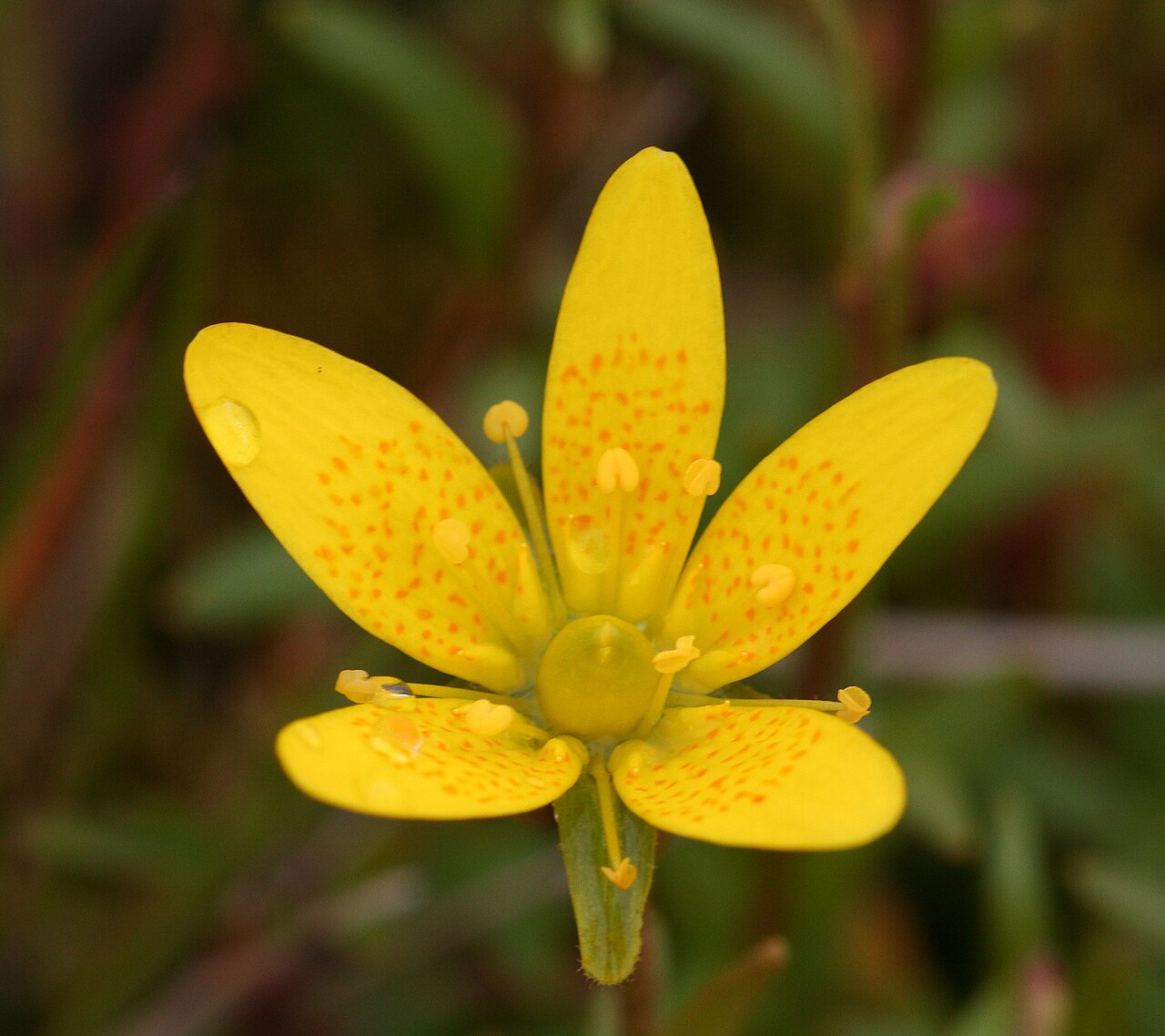
Flowers are usually borne singly, sometimes two or three per stem, and are about ¾ to 1 inch across. The five petals are bright yellow, oval to oblong, and often marked with tiny orange dots toward the base, where there are also two small raised bumps. The ten stamens surround a green ovary. The sepals spread at first and bend back as the fruit develops. Blooming runs from late June to August, depending on elevation and latitude.
Fruit & Look-alikes
The fruit is a small two-beaked capsule containing many tiny seeds. Buttercups (Ranunculus) have glossy petals and many stamens. Yellow Mountain Saxifrage has crowded, narrow, fleshy leaves and smaller flowers, often with orange spots too, but grows on wet gravel and rocks rather than in moss. Golden saxifrage (Saxifraga chrysantha) of Colorado’s alpine tundra forms tight cushions on dry, rocky ground. Spider saxifrage (Saxifraga flagellaris) sends out bare, reddish, whip-like runners from a rosette of glandular leaves.
Quick Facts
| Scientific Name | Saxifraga hirculus L.; North American plants are sometimes treated as var. propinqua |
| Family | Saxifragaceae (saxifrage family) |
| Plant Type | Herbaceous perennial wildflower; spreads by runners |
| Mature Height | 2–12 in |
| Mature Spread | Patches 6–18 in or more |
| Growth Rate | Slow |
| Sun Exposure | Full sun to light shade |
| Water Needs | Wet; constantly saturated, mossy soil |
| Soil Type | Peat and wet organic soil in fens and mossy tundra |
| Soil pH | Mostly neutral to somewhat alkaline fens; also acidic tundra |
| Bloom Time | Late June–August |
| Flower Color | Bright yellow, often dotted with orange |
| Fall Color | Not significant |
| Fruit | Small two-beaked capsule with many tiny seeds |
| Deer Resistant | Not documented |
| USDA Hardiness Zones | About 1–5 (arctic and high alpine climates) |
Native Range
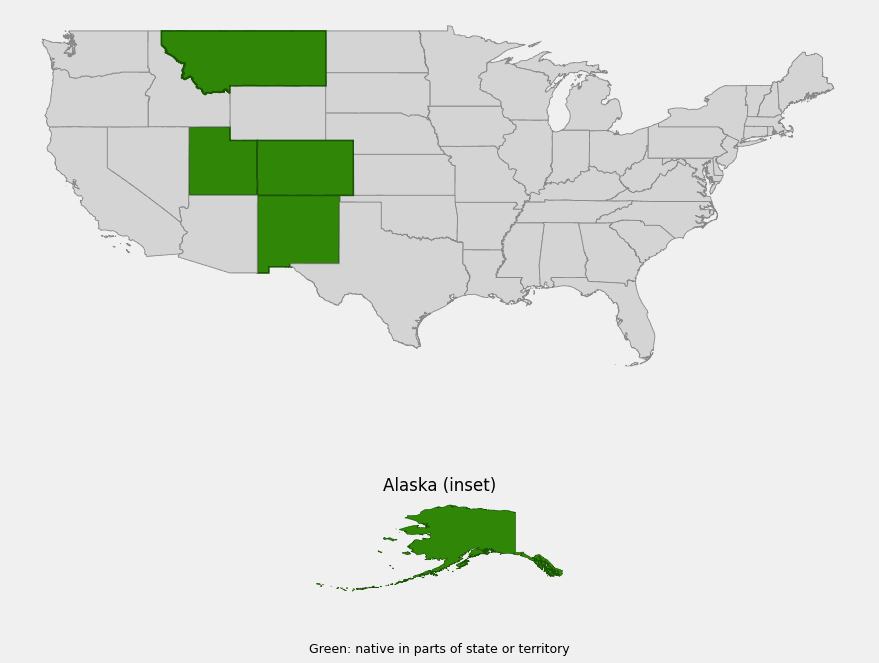
USDA PLANTS lists marsh saxifrage as native in Alaska, Colorado, Montana, Utah and New Mexico, and in Canada from Yukon, the Northwest Territories and Nunavut south to British Columbia, Manitoba, Ontario, Quebec and Newfoundland and Labrador. It also grows in Greenland, across northern Europe and through northern and central Asia. In Alaska it is widespread in wet tundra and boggy meadows, from coastal lowlands to the mountains.
South of Canada its range breaks into small, isolated populations in the Rocky Mountains, mostly in high-elevation fens in central Colorado, with fewer sites in Montana and Utah. The New Mexico record in USDA PLANTS lies at the far southern edge of its range and is best read as an outlying record. These southern populations are thought to be relicts from colder periods, when arctic plants ranged farther south and survived only where the cold, saturated soils of high fens still suit them.
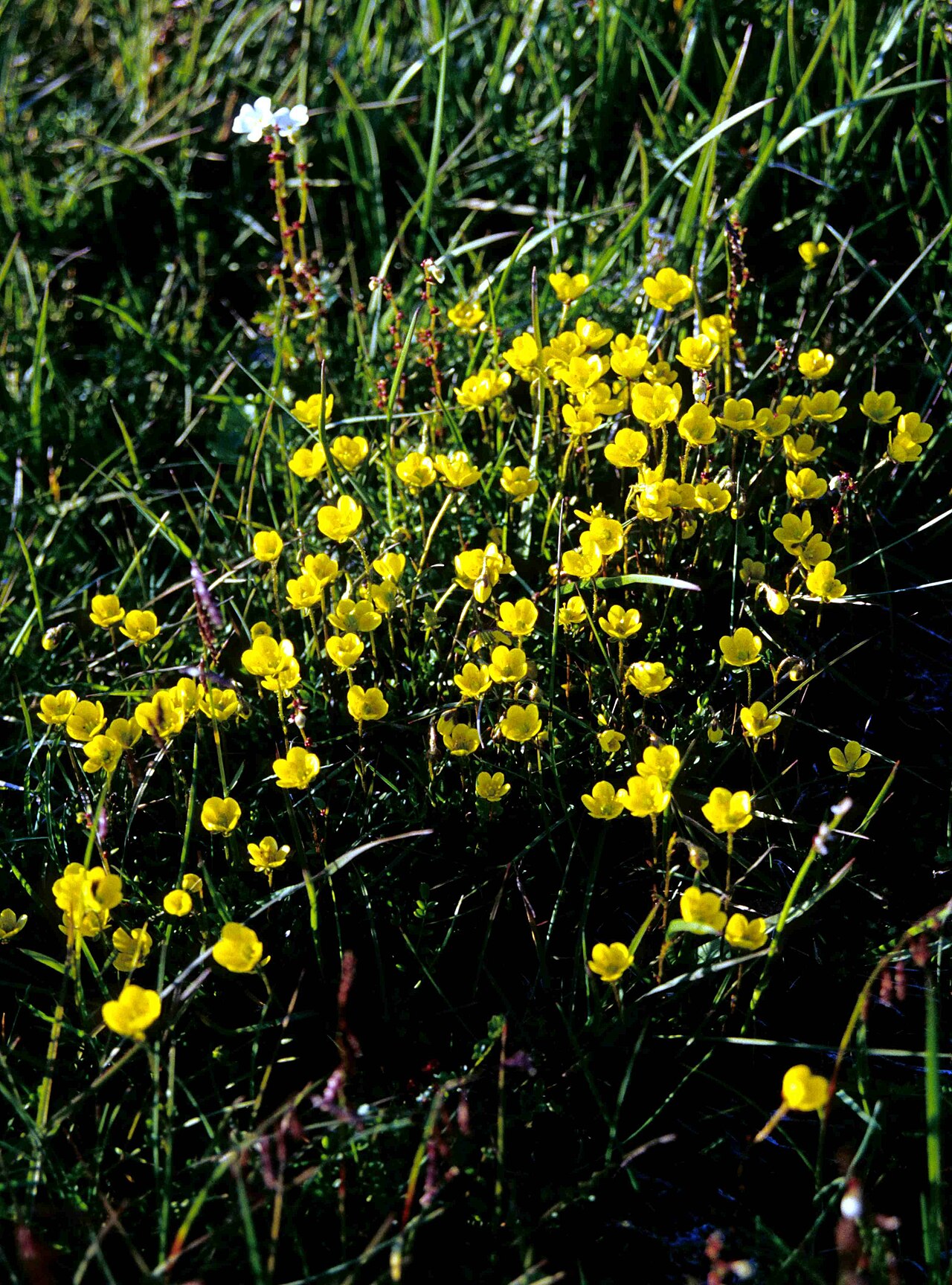
Its habitat is consistently wet: fens fed by groundwater, mossy stream margins, wet sedge meadows and saturated tundra, usually among mosses, sedges and low willows. In Colorado most sites are at roughly 9,000 to 12,000 feet. Peat fens like these take thousands of years to form, and they are easily damaged by ditching, peat mining, roads, heavy trampling and changes in groundwater flow.
📋 Regional plant lists featuring Marsh Saxifrage: Alaska · Montana & Wyoming · Utah & Western Colorado
Can You Grow It?
Realistically, no. Marsh saxifrage is not sold by native plant nurseries in the United States, and it is very difficult to keep alive outside the cold, saturated, low-competition conditions of an arctic or alpine fen. Because its Lower 48 populations are rare and tracked by state natural heritage programs, it should never be dug up or collected, and even seed collection should be left to permitted conservation work.
Light
In the wild it grows in full sun in open fens and tundra. Summers there are short and cool, with long days, and the plant does not tolerate heat.
Soil & Water
It needs soil that never dries, usually peat or moss kept wet by cold groundwater. Warm, stagnant or fertile soils let taller plants crowd it out. Lowering of the water table is one of the main reasons it has disappeared from many sites in Europe.
Planting Tips
A few alpine garden specialists in cool, northern climates have grown it in a constantly wet trough or bog bed. For most gardeners, a better choice for a wet, sunny spot is a widely grown native such as Marsh Marigold.
Pruning & Maintenance
In the field, the most helpful “maintenance” is to stay on trails and boardwalks. Fens are spongy and slow to recover from footprints, and trampling crushes the moss in which the runners grow.
Propagation
In nature it spreads by runners and by seed. Propagation for restoration is a job for botanic gardens and conservation agencies working under permits, using seed or material from appropriate local populations.
Where to See It
- Alaska: widespread in wet tundra and mossy meadows, including areas of Denali National Park and Preserve
- Colorado high country: high fens of central Colorado in July and August; ask local land managers before entering a fen
- Northern Canada: common in wet tundra across the Arctic, from Yukon to Nunavut and Labrador
- Wetland conservation: a flagship species for protecting groundwater-fed mountain fens
Wildlife & Ecological Value
Marsh saxifrage is a small plant, but it is part of some of the most specialized plant communities in North America.
For Pollinators
Its open, bowl-shaped yellow flowers offer easily reached nectar and pollen. Like other arctic and alpine flowers, it is visited mainly by flies, along with small bees and other insects that are active in short northern summers. The orange dots and raised bumps near the petal bases may help guide visitors toward the nectar.
For Birds
It is not an important food plant for birds, but the wet tundra and fens where it grows are nesting and feeding grounds for shorebirds, ptarmigan and songbirds that feed on the abundant insects.
For Mammals
It is too small and scattered to be a significant food for mammals. Grazing and trampling by livestock can damage fen plants where cattle concentrate around water.
Ecosystem Role
It is an indicator of cold, intact, groundwater-fed fens. In the Rocky Mountains these peatlands store carbon, hold water that feeds streams through late summer, and shelter a number of rare, arctic-alpine plants at the southern edges of their ranges.
Cultural & Historical Uses
Carl Linnaeus named the species in 1753. Saxifraga comes from Latin words for “stone” and “break,” a reference to saxifrages growing in rock crevices (and, by old herbal tradition, to their supposed use against kidney stones). The species name hirculus is Latin for “little goat”; the reason is not certain, though it may refer to the shaggy hairs on the stem.
In Europe marsh saxifrage has declined sharply as wetlands were drained, ploughed and fertilized. It is listed on Annex II of the European Union’s Habitats Directive and on the Bern Convention, which require member countries to protect its habitat, and it is the subject of conservation projects in Britain, Ireland and central Europe.
In the United States, its rare Rocky Mountain fen populations have been studied by state natural heritage programs and federal land managers, who regard them as relicts of the last ice age. Protecting them means protecting the water that feeds the fens, which also benefits the many other plants and animals that depend on these wetlands.
Frequently Asked Questions
Where does marsh saxifrage grow in the United States?
Mostly in Alaska, where it is widespread in wet tundra. In the Lower 48 it is rare, found in a small number of high-elevation fens and wet meadows in Colorado, Montana and Utah, with an outlying record in New Mexico.
Is marsh saxifrage rare?
Worldwide it is not rare, because it is common across the Arctic. In the Lower 48 and in much of Europe it is rare and declining, and state natural heritage programs in the Rocky Mountains track it as a plant of conservation concern.
How can I tell it from a buttercup?
Marsh saxifrage has ten stamens and matte yellow petals often dotted with orange, on reddish, shaggy-haired stems with narrow untoothed leaves. Buttercups have glossy petals, many stamens and usually lobed or toothed leaves.
Can I grow marsh saxifrage in my garden?
It is not sold by native plant nurseries and rarely survives outside cold, wet, arctic or alpine conditions. Never dig it up or collect it from the wild. For a sunny wet spot, choose a nursery-grown native wetland plant instead.
When does it bloom?
From late June to August. In Colorado’s high fens it usually flowers in July and August.

Looking for a nursery that carries Marsh Saxifrage?
Browse our native plant nursery directory: Alaska · Colorado · Montana · New Mexico · Utah

