Annual Hairgrass (Deschampsia danthonioides)
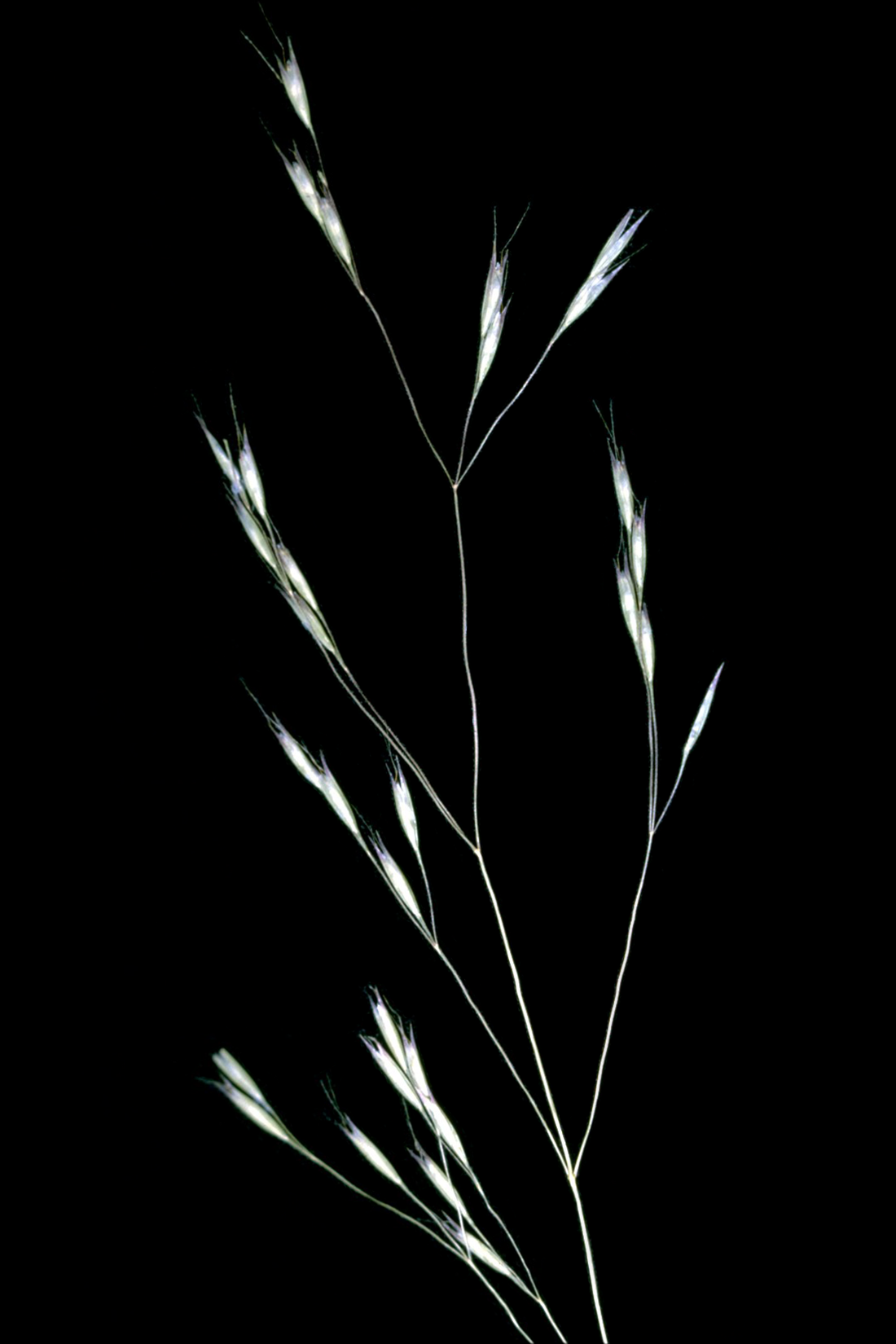
Deschampsia danthonioides, commonly called annual hairgrass, is a slight, fine-textured native grass that quietly fills a specific and important niche across the western United States: the shallow, seasonally wet margins of vernal pools, moist meadows, and other places that are wet in winter and spring and dry out by summer. Growing from a single season’s seed rather than persisting from year to year, it sends up thin, wiry stems 1 to 2 feet tall topped by an airy, open panicle of tiny spikelets that shimmer and nod in the wind — easy to overlook individually, but often forming soft, translucent drifts where conditions suit it.
Annual hairgrass is one of the characteristic plants of California’s vernal pools, where it typically grows in a ring around the drying pool margin alongside other specialists adapted to that same boom-and-bust wet-to-dry cycle. Its range extends well beyond California, however, reaching north into the Pacific Northwest and British Columbia and east through the Great Basin and Rocky Mountain states, wherever similarly ephemeral wet ground occurs in montane meadows, chaparral openings, and grassland swales.
For a native plant gardener, annual hairgrass is a specialist tool rather than an everyday choice: it belongs in a vernal pool restoration, a seasonally wet meadow planting, or the damp edge of a rain garden that dries out completely by midsummer, where its fine texture and seasonal reappearance add authentic ecological character that few ornamental grasses can match.
Identification
Annual hairgrass is a true annual, completing its entire life cycle — germination, growth, flowering, and seed set — within a single wet season before dying as the ground dries. Plants grow solitary or in small, loose clumps, with thin, wiry stems reaching about 1 to 2 feet (40–60 cm) tall.
Stems & Leaves
The stems are slender and mostly upright, arising from a small tuft of narrow, thread-like basal leaves. Leaf blades are short and fine, contributing little bulk to the plant compared with the airy flowering structure above them — this is very much a “see-through” grass, more presence than mass.
Flowers & Seedheads
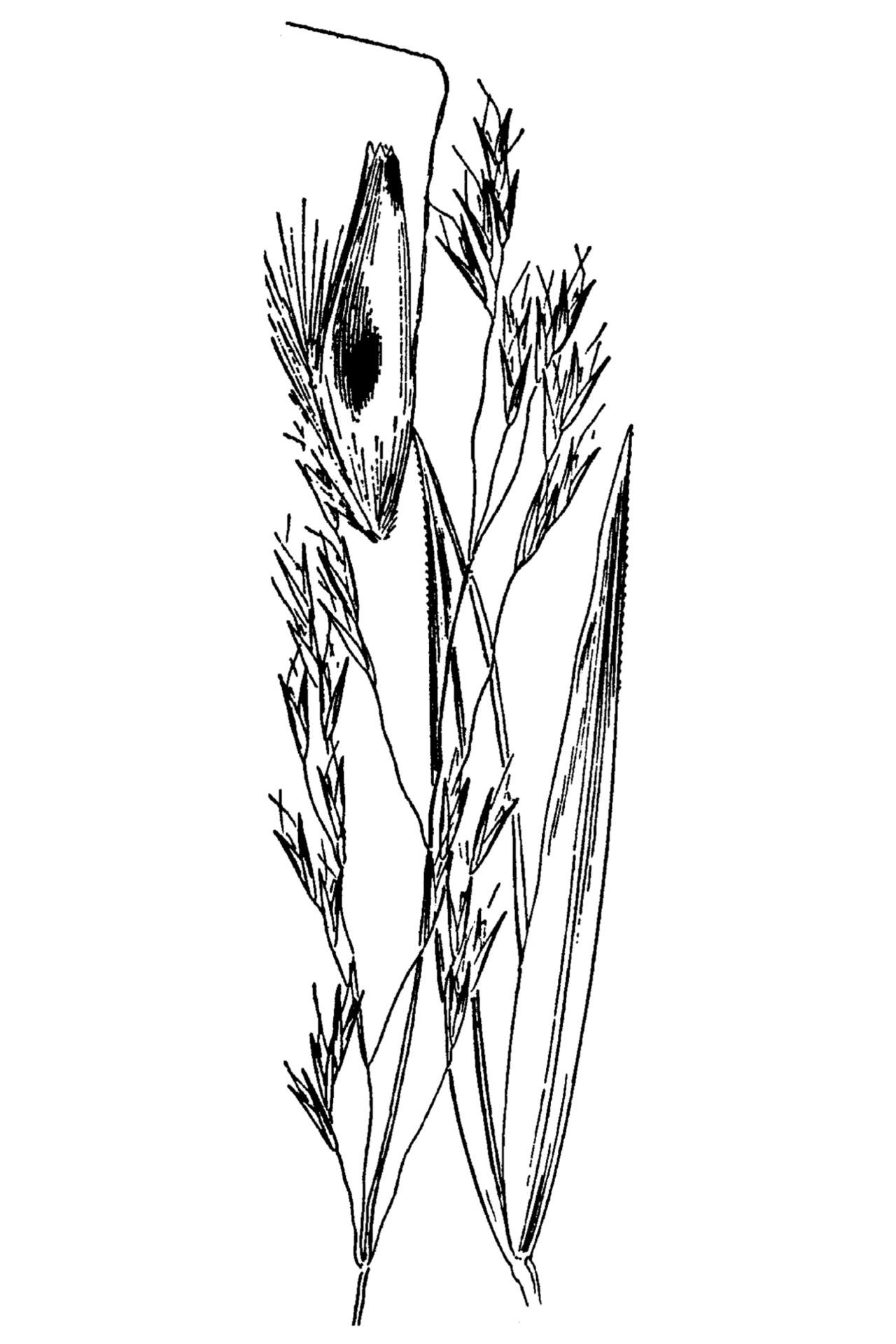
The inflorescence is an open, loosely branched panicle, with thin, spreading to ascending branches bearing small, V-shaped spikelets, each only a few millimeters long. The overall effect, especially backlit by low sun, is a fine, shimmering haze above the foliage — a texture many vernal pool and wet meadow specialists share. Flowering typically occurs in late spring as the surrounding ground is drying out, with seed maturing quickly afterward as the parent plant dies back.
Fruit & Seeds
Each spikelet produces one to a few small grains (caryopses), typical of grasses, which drop to the drying soil and remain dormant until the following wet season triggers germination — the key to this species’ persistence as an annual in an unpredictable, seasonally flooded habitat.
Quick Facts
| Scientific Name | Deschampsia danthonioides |
| Family | Poaceae (Grass) |
| Plant Type | Annual Grass |
| Mature Height | 1–2 ft |
| Mature Spread | 4–8 in |
| Growth Rate | Fast (single season) |
| Sun Exposure | Full Sun to Part Shade |
| Water Needs | Seasonally wet, then dry |
| Soil Type | Seasonally saturated clay or loam |
| Soil pH | Neutral to slightly acidic |
| Bloom Time | Late spring |
| Flower Color | Green, maturing straw/tan |
| Fall Color | None (annual, dies back by summer) |
| Fruit | Small grain (caryopsis) |
| Deer Resistant | Yes, generally not browsed |
| USDA Hardiness Zones | 5–10 (grown as a reseeding annual) |
Native Range
Annual hairgrass is native across western North America, from British Columbia south through Washington, Oregon, California, and the Great Basin and Rocky Mountain states to Arizona and New Mexico, with its range extending south into Baja California and, remarkably, reappearing as a native in parts of southern South America (Chile and Argentina).
Within the western United States it occupies seasonally wet microhabitats wherever they occur: the drying margins of vernal pools, wet montane meadows, seasonal swales in grassland and chaparral, and similar sites that flood briefly in winter and spring and dry completely by summer. It is especially characteristic of California’s vernal pool ecosystems, where it is a regular component of the ring of vegetation zoned around each pool according to how long the ground stays wet.
Because its life cycle depends on this specific wet-then-dry pattern, annual hairgrass does not persist in permanently wet ground or in uniformly dry upland sites; it is a true specialist of the seasonal transition zone between the two.
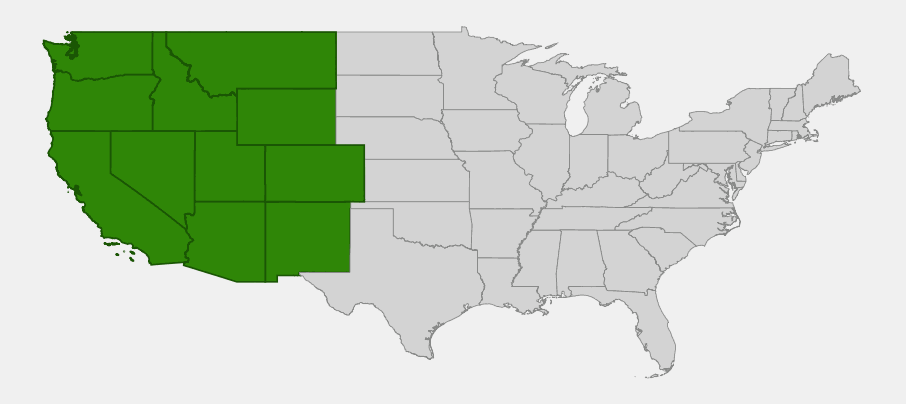
📋 Regional plant lists featuring Annual Hairgrass: California & Nevada · Idaho, Eastern Oregon & Eastern Washington · Western Oregon & Western Washington · Utah & Western Colorado · Montana & Wyoming · Arizona & New Mexico
Growing & Care Guide
Annual hairgrass is not a general-purpose landscape grass — it is a specialist for seasonally wet ground, and it performs best when its specific wet-then-dry cycle is respected rather than fought.
Light
Full sun to light part shade suits this species, matching the open vernal pool margins, meadows and grassland swales where it grows naturally.
Soil & Water
The single most important factor for success is replicating its native hydrology: standing or saturated water through winter and early spring, followed by a complete dry-down by early to midsummer. It performs poorly in soil that stays wet all summer, and equally poorly in soil that never floods at all. Heavier clay or loam soils that naturally perch water in the wet season suit it better than fast-draining sandy soils.
Planting Tips
Sow seed in fall directly onto the soil surface of a seasonal wetland, vernal pool restoration, or rain garden low point that is known to flood in winter and dry out by summer. Because it is an annual that regenerates entirely from seed, avoid soil disturbance that would bury seed too deeply, and avoid mulching the site, which can prevent germination.
Pruning & Maintenance
None needed beyond allowing the plant to complete its natural cycle. Leave dead plants in place through summer so seed can fully mature and shatter back onto the site; removing them too early interrupts the reseeding that keeps an annual hairgrass population going year to year.
Landscape Uses
Because of its specific habitat needs, annual hairgrass is best used in intentionally seasonal wet sites:
- Vernal pool restoration and recreation plantings
- Seasonal wet meadows that dry out by summer
- Rain garden basins engineered to flood and then dry
- Wildlife and pollinator habitat around seasonal wetlands
- Native grassland restoration in swales and low points
Wildlife & Ecological Value
As a defining species of vernal pool and seasonal wetland margins, annual hairgrass contributes to one of California and the West’s most distinctive and threatened habitat types.
For Pollinators & Invertebrates
While wind-pollinated and not a nectar source itself, annual hairgrass provides structural habitat within vernal pool plant communities that support the specialized invertebrates — including fairy shrimp and other vernal pool fauna in the wettest zones, and a range of native bees visiting the showier wildflowers it grows among — that depend on intact seasonal wetland ecosystems.
For Birds & Small Wildlife
The small grass seeds contribute to the broader seed resources available to grassland and wetland-edge birds foraging around drying vernal pools and wet meadows in late spring and summer.
Ecosystem Role
Annual hairgrass is an indicator and structural component of healthy vernal pool and seasonal wetland systems, habitats that have been dramatically reduced across California and the West by agricultural conversion and development. Its presence, along with its characteristic neighbors, signals an intact seasonal hydrology — the specific pattern of winter flooding and summer drying that a huge number of specialized plants and animals depend on and that is difficult to recreate once lost.
Cultural & Historical Uses
Annual hairgrass has no significant documented history of direct human use; as a small, wind-pollinated annual grass without notable food, fiber, or medicinal value, it was not a focus of historical use in the way that larger or more conspicuous native plants were. Its significance has always been primarily ecological, as a component of the vernal pool and seasonal wetland plant communities that Indigenous peoples throughout California and the West would have recognized as reliable, if unassuming, markers of seasonally wet ground.
The species was first described from material collected in the 19th century and placed in the grass genus Deschampsia, named for French naturalist Louis Auguste Deschamps; the species name danthonioides references its resemblance to the related grass genus Danthonia.
Today, annual hairgrass is primarily significant to botanists, restoration ecologists, and land managers as a reliable indicator species for identifying and restoring functioning vernal pool and seasonal wetland habitat across its range.
Frequently Asked Questions
Why is annual hairgrass hard to find in nurseries?
Because it is a true habitat specialist rather than a general ornamental grass, it is mainly propagated for vernal pool and wetland restoration projects rather than typical garden use, so seed and plants are usually sourced through native plant restoration suppliers rather than mainstream nurseries.
Will annual hairgrass survive in a normal garden bed?
Not reliably. It needs a genuine wet-winter, dry-summer cycle to complete its life cycle and reseed. In a standard garden bed with regular irrigation or no winter flooding at all, it typically fails to establish a self-sustaining population.
Does annual hairgrass come back every year on its own?
Yes, where its habitat conditions are met. Although individual plants are annuals that die after setting seed, a population will reseed itself indefinitely as long as the site continues to flood in winter and dry out in summer.
Is annual hairgrass related to tufted hairgrass?
Yes, both belong to the genus Deschampsia, but tufted hairgrass (Deschampsia cespitosa) is a long-lived perennial bunchgrass of consistently moist meadows, while annual hairgrass is a true annual specialized for seasonally flooded-then-dry ground such as vernal pools.
What does annual hairgrass indicate about a site?
Its presence is a strong indicator of intact seasonal wetland hydrology — ground that floods in winter and spring and dries completely by summer — making it a useful diagnostic species for restoration ecologists assessing vernal pool and wet meadow health.

Looking for a nursery that carries Annual Hairgrass?
Browse our native plant nursery directory: Arizona · California · Colorado · Idaho · Montana · Nevada & New Mexico · Oregon · Utah · Washington · Wyoming