
Bajada Lupine (Lupinus concinnus)
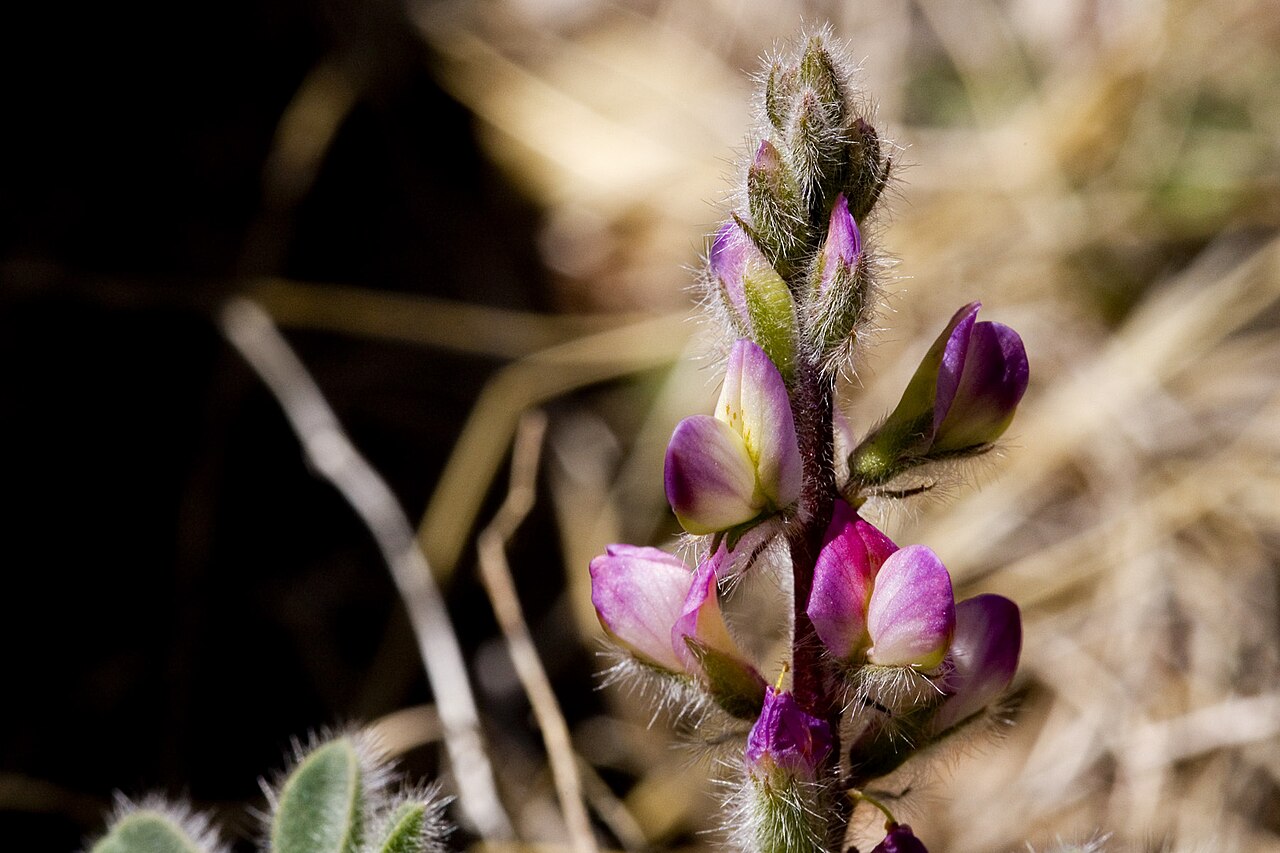
Lupinus concinnus, known as Bajada Lupine, is a small, hairy annual lupine of the deserts and dry foothills of the Southwest. It belongs to the pea family (Fabaceae). Its name comes from the bajadas, the broad, gently sloping aprons of gravel and sand at the foot of desert mountains, where it is one of the common spring wildflowers.
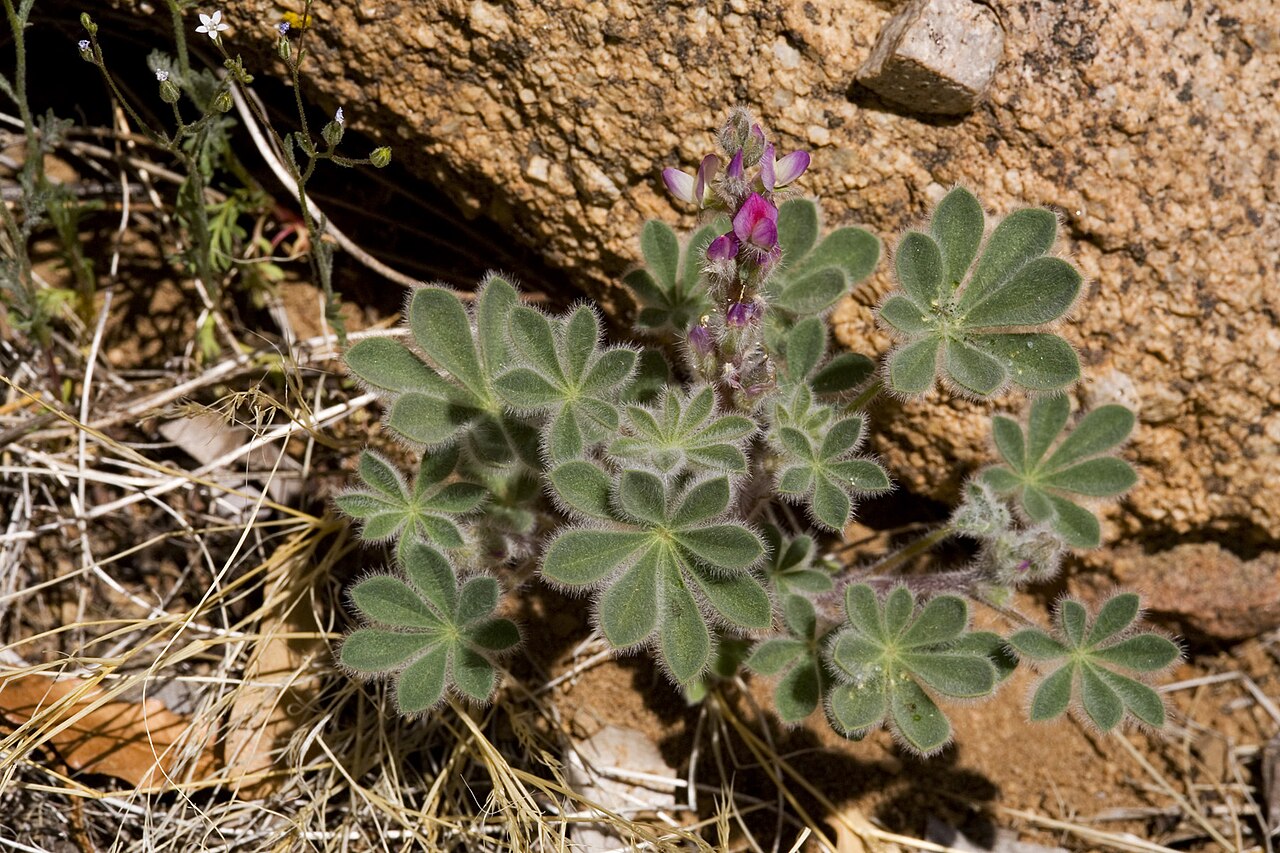
This is a little plant, usually just 2 to 8 inches tall, with silvery, shaggy-haired leaves divided like fingers on a hand. In spring it bears short spikes of small pea flowers in shades of magenta, pink-purple or lavender, each with a white or yellowish spot on the upper petal. After a wet winter, it can carpet sandy flats and washes alongside poppies, chia and other desert annuals.
Bajada lupine grows from coastal Southern and central California across the Mojave and Sonoran Deserts to southern Utah, Arizona, New Mexico and far West Texas, and south into Mexico. Like other lupines it fixes nitrogen and feeds native bees, and like other lupines its seeds are toxic if eaten.
Identification
Look for a low, silvery-hairy annual with palmate leaves and short spikes of small, two-toned magenta and white pea flowers on sandy or gravelly ground in spring.
Growth Habit
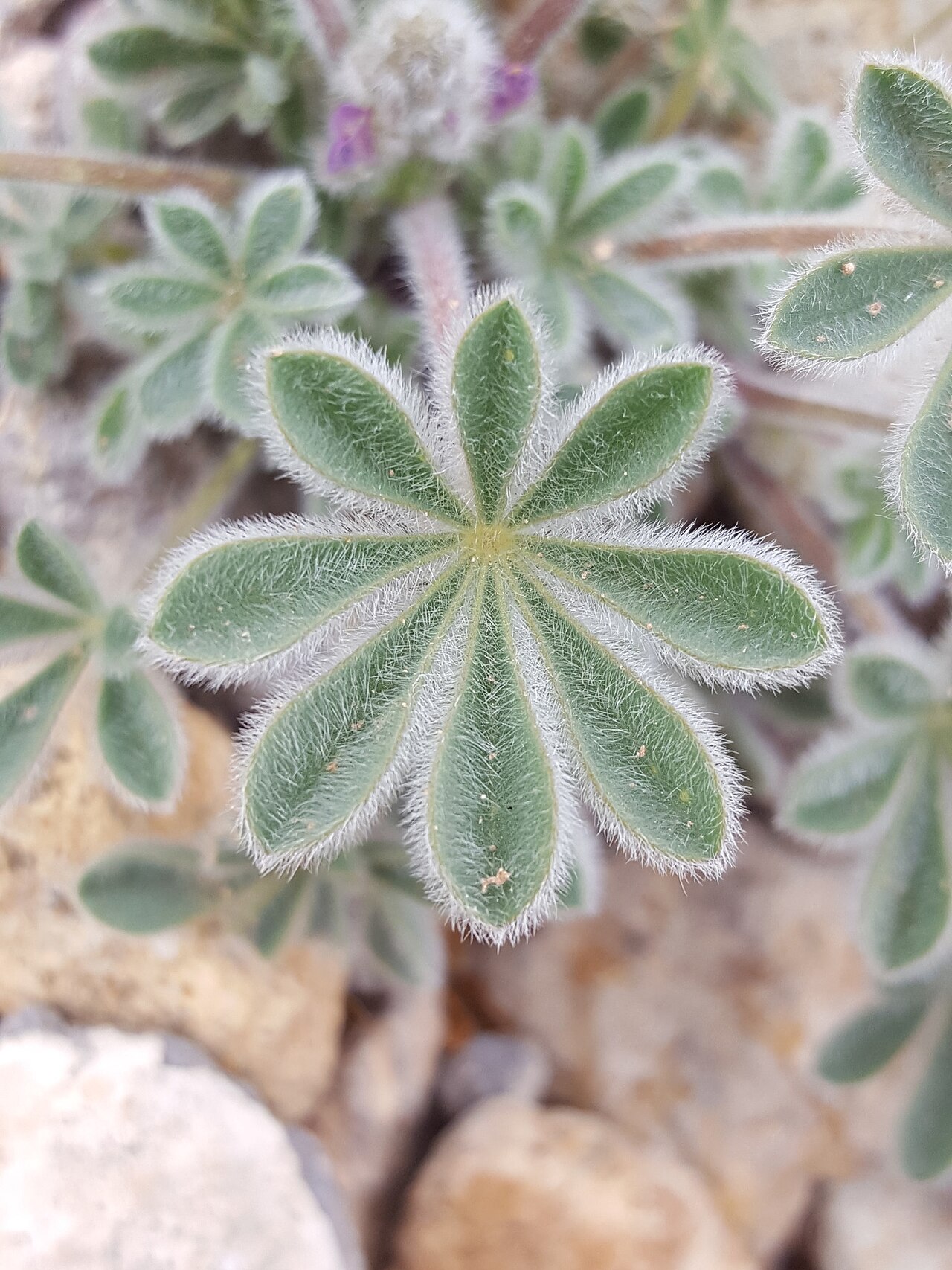
Bajada lupine is a winter annual. Seeds germinate after fall or winter rains, and plants grow as a small rosette before sending up one or several short, upright to spreading stems. Most plants are 2 to 8 inches tall and a few inches across, though well-watered plants can be somewhat larger. The whole plant is covered with long, soft, spreading hairs.
Leaves
The leaves are palmately compound, with about five to nine narrow, oblong leaflets about 1/2 to 1 1/4 inches long radiating from the tip of a long stalk. Both surfaces are hairy, giving the leaves a gray-green or silvery look.
Flowers
Flowers appear from about February to May, depending on elevation and rainfall. They are small, about 1/4 to 1/2 inch long, and are crowded in short, dense spikes at the stem tips, often barely rising above the leaves. The petals are magenta, pink-purple, lavender or occasionally whitish; the upper petal (banner) has a white to yellowish central spot that can darken with age after pollination.
Fruit & Seeds
The fruit is a small, hairy pod, usually under an inch long, holding a few seeds. Pods dry in late spring and split open, flinging the seeds a short distance. Seeds have hard coats and can lie dormant in the soil for years until a wet winter.
Look-alikes
Coulter’s lupine (Lupinus sparsiflorus) and Arizona lupine (Lupinus arizonicus) are larger desert annuals with taller, looser flower spikes. Miniature lupine (Lupinus bicolor) has blue and white flowers and less shaggy foliage. Bajada lupine is distinguished by its small size, very hairy leaves and short, dense spikes of small magenta flowers that sit close to the leaves.
Safety Notes
All parts of bajada lupine, especially the seeds and pods, are toxic if eaten. Lupines contain bitter alkaloids that can poison people, pets and livestock, particularly sheep. Do not eat any part of the plant, and keep children and animals from chewing on the pods and seeds.
Quick Facts
| Scientific Name | Lupinus concinnus |
| Family | Fabaceae (pea family) |
| Plant Type | Annual wildflower |
| Mature Height | 2–8 in |
| Mature Spread | 3–8 in |
| Growth Rate | Fast (completes its life in one season) |
| Sun Exposure | Full sun |
| Water Needs | Low; winter rain, dry summers |
| Soil Type | Sandy, gravelly or rocky; well-drained |
| Soil pH | About 6.5–8.5 |
| Bloom Time | February–May |
| Flower Color | Magenta, pink-purple or lavender with a white banner spot |
| Fall Color | None; dies back after seeding |
| Fruit | Small, hairy pods |
| Deer Resistant | Generally yes; bitter alkaloids |
| USDA Hardiness Zones | Annual; grows where winters are mild (about zones 7–10) |
Native Range
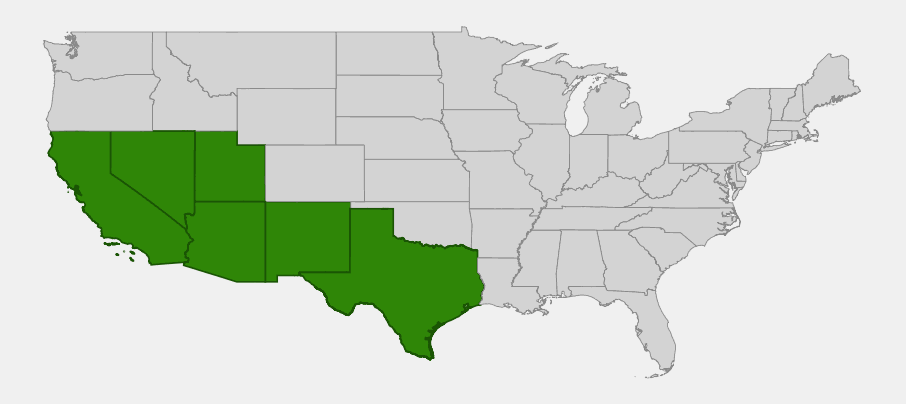
Bajada lupine is native to the southwestern United States and northwestern Mexico. USDA PLANTS lists it as native in Arizona, California, Nevada, New Mexico, Texas and Utah. In Mexico it ranges into Baja California, Sonora and Chihuahua.
In California it grows both in the deserts and in the coastal and inland foothills of Southern and central California, including the Santa Monica Mountains and the Peninsular Ranges. It is widespread in the Mojave and Sonoran Deserts of southern Nevada, southwestern Utah and Arizona, and reaches the Chihuahuan Desert of southern New Mexico and far West Texas around El Paso.
It favors open, sunny ground with sandy or gravelly soil: desert bajadas and washes, creosote bush scrub, desert grasslands, rocky slopes and openings in chaparral and coastal sage scrub. It also comes up readily on disturbed ground and recent burns. Numbers vary greatly from year to year with winter rainfall.
📋 Regional plant lists featuring Bajada Lupine: Utah & Western Colorado · Arizona & New Mexico · South & West Texas · California & Nevada
Growing & Care Guide
Bajada lupine is rarely sold as plants but sometimes appears in Southwest native wildflower seed mixes. It is grown like other desert annuals: sown in fall on open, sunny, well-drained ground and left to bloom with the winter rains.
Light
Give it full sun. It will not bloom well in shade or among taller plants.
Soil & Water
Sow it on sandy, gravelly or rocky soil with good drainage; it does not need fertile soil, since it fixes its own nitrogen. In its home range, winter rain is usually enough. In a dry winter, a few deep waterings from germination to bloom help, but stop watering once pods form. Rich, wet soil leads to rot and weak plants.
Planting Tips
Scatter seed in fall, from October to December, just before winter rains. Lightly rake it into bare ground and do not cover it deeply. Lupines resent transplanting because of their taproot, so sow in place rather than in pots. Mix it with other desert annuals such as poppies, chia and phacelias for a spring display.
Pruning & Maintenance
No pruning is needed. Leave plants in place after flowering until the pods split and drop their seed, so the patch can reseed for future years.
Propagation
Grow it from seed. The hard seed coat germinates better if nicked with a file or soaked in hot water overnight before sowing. Expect germination to vary from year to year, as in the wild. Collect seed only in small amounts and only where permitted.
Landscape Uses
- Desert wildflower gardens: a small, silvery accent among spring annuals
- Pollinator plantings: spring nectar and pollen for native bees
- Restoration and burns: a nitrogen-fixing pioneer on disturbed, sandy or gravelly ground
- Rock gardens and gravel beds: fits small, sunny pockets between rocks
- Seed mixes for the Southwest: pairs with poppies, chia and phacelias after wet winters
Wildlife & Ecological Value
Bajada lupine is small, but in good rain years it blooms in large numbers and supplies food to desert insects and wildlife in early spring.
For Pollinators
Native bees, including bumble bees and other medium-sized bees, visit the flowers for pollen and nectar. Like other lupines, the flowers must be opened by a bee pushing down on the keel, which releases the pollen onto the bee’s body. Lupines are also host plants for caterpillars of several blue butterflies.
For Birds
Quail and other ground-feeding birds eat lupine seeds and tender leaves in spring, and the plants attract insects that birds feed to their young.
For Mammals
Desert rodents such as kangaroo rats and pocket mice collect and cache the seeds. The bitter alkaloids discourage heavy grazing by larger mammals.
Ecosystem Role
Root nodules on bajada lupine host bacteria that take nitrogen from the air, adding nitrogen to poor desert soils when the plants die back. It is one of many winter annuals whose seed banks carry desert plant communities through dry years.
Cultural & Historical Uses
The species was described in 1835 by the Swedish botanist Jacob Georg Agardh. The species name concinnus means “neat” or “elegant,” a nod to its tidy small size and pretty flowers, which is why it is sometimes called elegant lupine.
Several varieties have been named, including the Southern California form once called Lupinus concinnus var. orcuttii, but most modern treatments include them in a single variable species.
The common name “bajada lupine” ties it to the alluvial fans of the desert Southwest. Desert wildflower watchers know it as one of the small, low-growing annuals that fill in bare ground between shrubs in a good bloom year, often overlooked beside larger, showier lupines.
Frequently Asked Questions
Is bajada lupine poisonous?
Yes. Like other lupines, it contains alkaloids, especially in the seeds and pods, that are toxic to people, pets and livestock if eaten. Admire it but do not eat it.
Why is it called bajada lupine?
A bajada is the sloping apron of gravel and sand at the base of desert mountains. This small lupine is common on those slopes in the Southwest.
When does bajada lupine bloom?
Mainly from February to May, earlier in the low deserts and later at higher elevations. In dry years few plants appear.
Can I grow bajada lupine from seed?
Yes. Nick or soak the hard seeds, then scatter them in fall on sunny, well-drained, sandy or gravelly soil where they can grow with the winter rains.
Where does bajada lupine grow?
In the southwestern U.S. from California and southern Nevada and Utah to Arizona, New Mexico and far West Texas, and in northern Mexico, on sandy and gravelly desert slopes and foothills.

Looking for a nursery that carries Bajada Lupine?
Browse our native plant nursery directory: Arizona · California · Nevada & New Mexico · Texas & Utah

