Black Mangrove (Avicennia germinans)
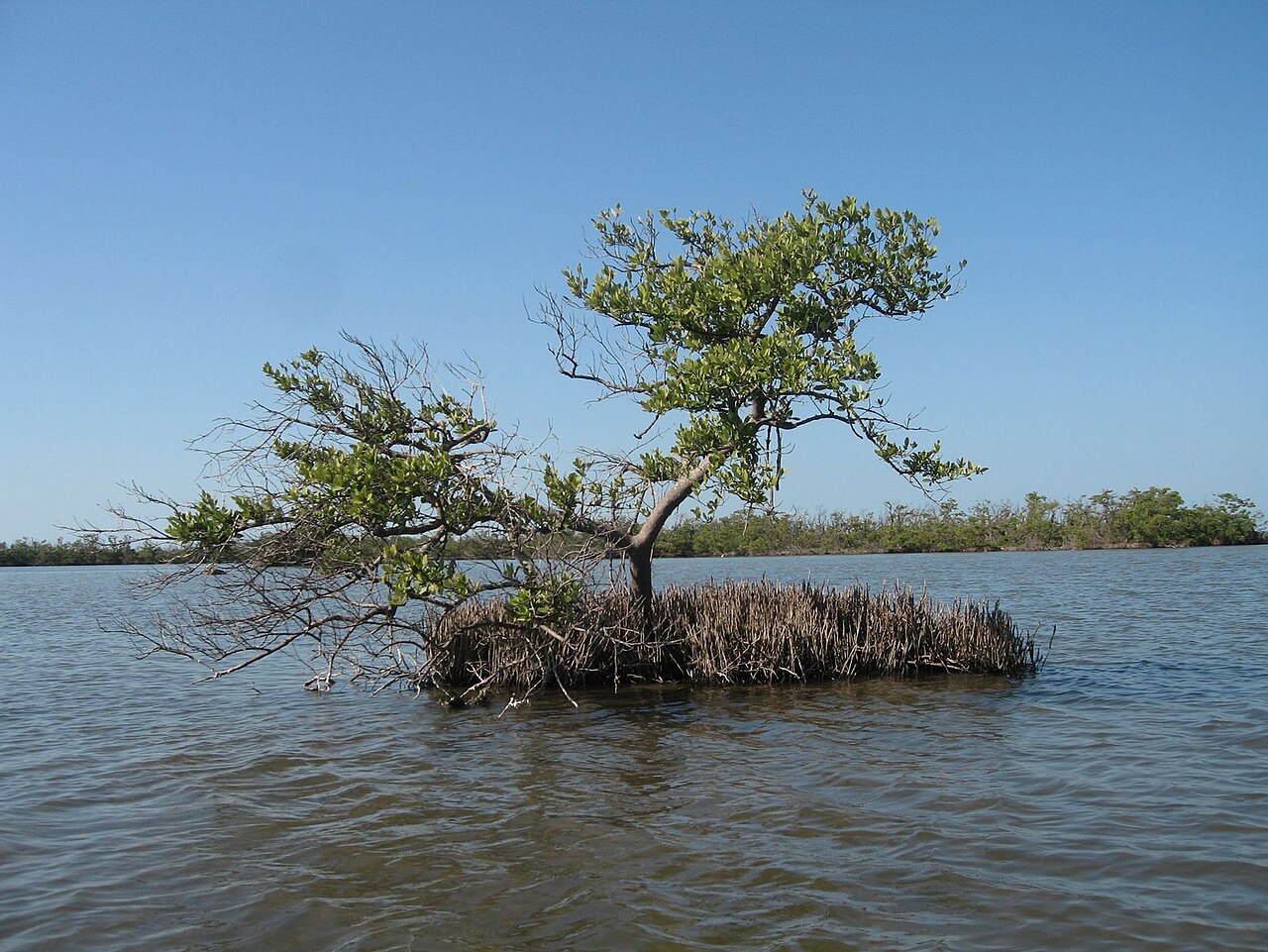
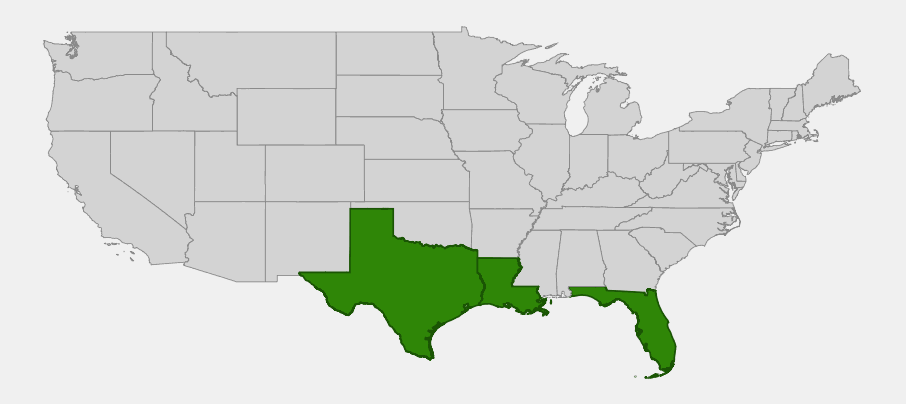
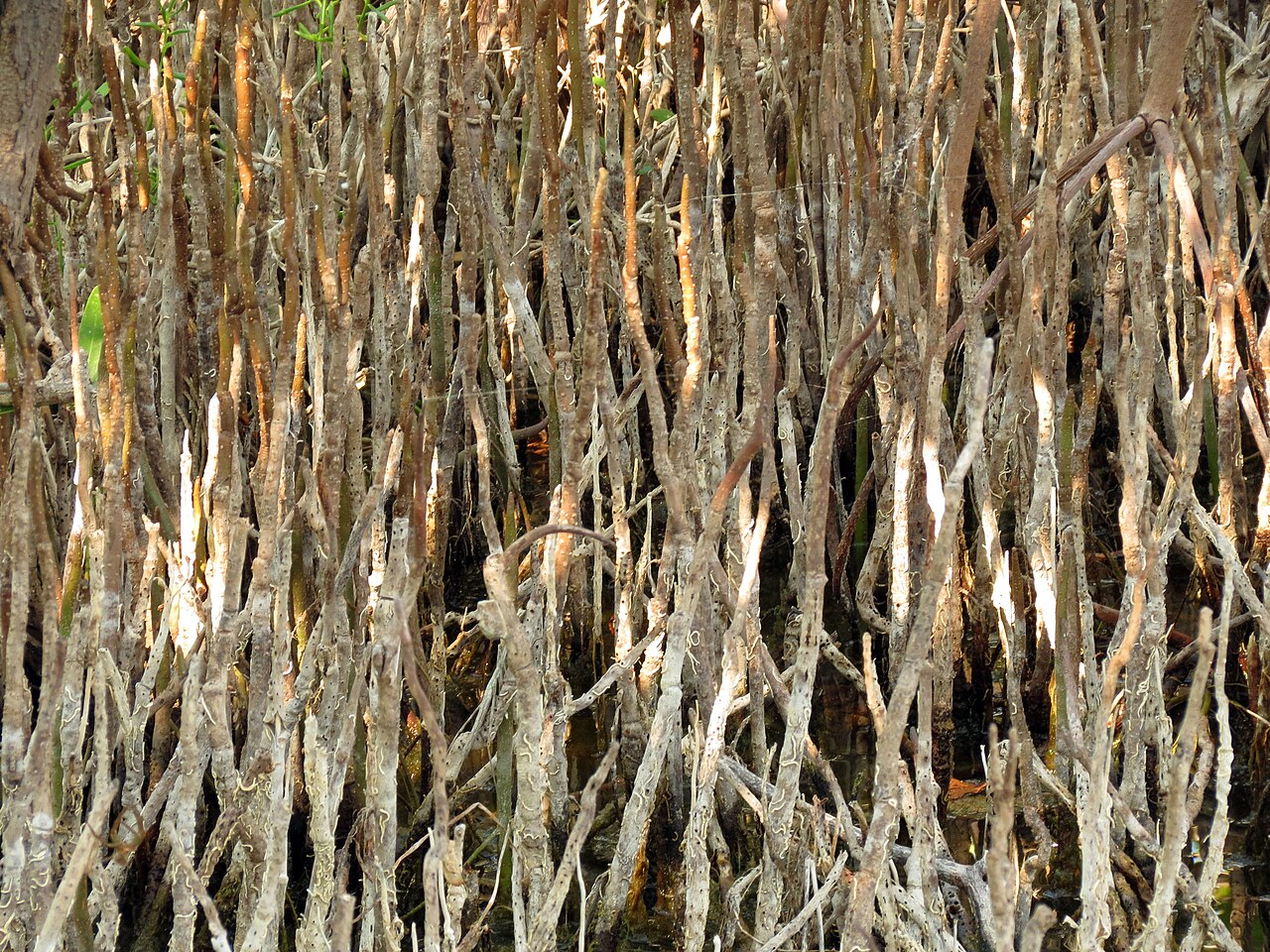
Avicennia germinans, the Black Mangrove, is the most cold-hardy and widely distributed of the three mangrove species native to the Gulf Coast of the United States, found along sheltered shorelines in Florida, Texas and Louisiana. It typically occupies slightly higher, less constantly flooded ground than red mangrove, forming distinctive stands marked by thousands of pencil-like roots poking straight up out of the mud — one of the most recognizable sights in a Gulf Coast salt marsh or mangrove flat.
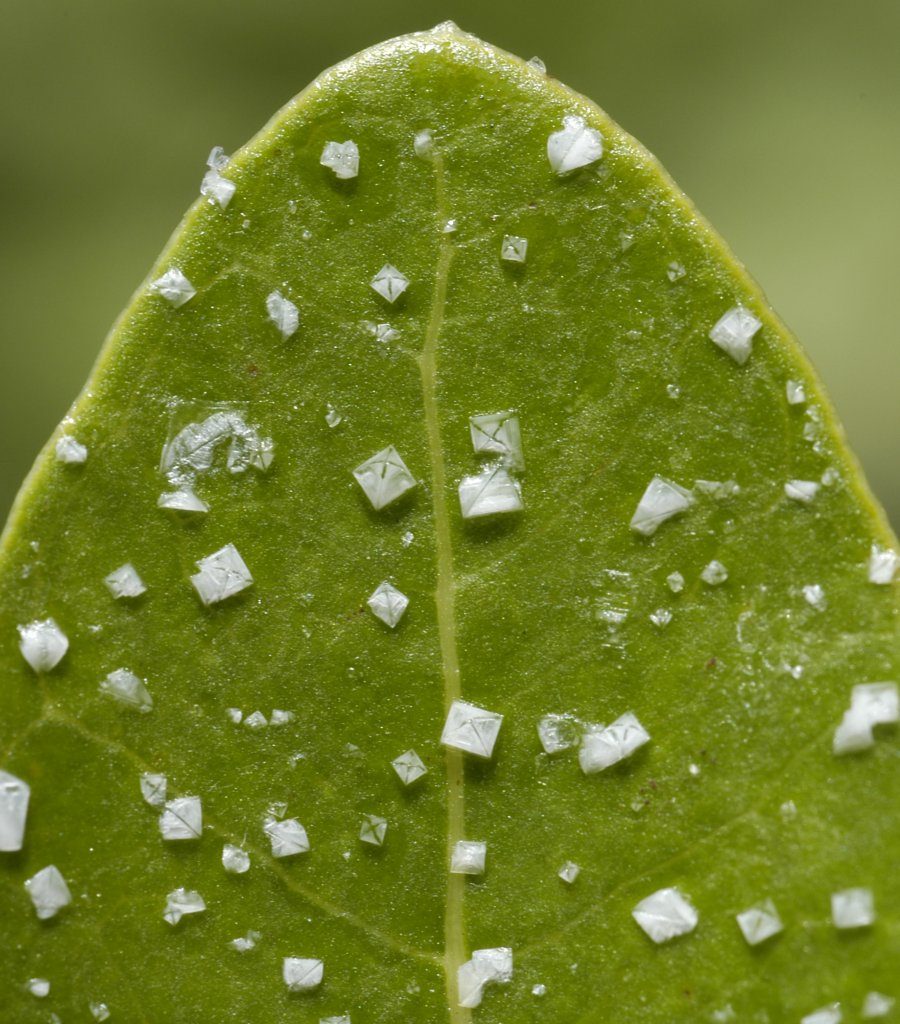
Black mangrove grows as a shrub or small to medium tree, usually 10 to 40 feet tall in the U.S. though capable of much greater size in the tropics, with a dense, rounded crown of narrow, leathery leaves that are dark green above and often whitish or grayish beneath. Rather than the arching prop roots of red mangrove, black mangrove sends up numerous slender, vertical breathing roots called pneumatophores from a wide-spreading underground root system, allowing the plant to take up oxygen even when the surrounding mud is waterlogged and anoxic. Its leaves also actively excrete excess salt through specialized glands, often leaving visible salt crystals on the leaf surface — a useful field mark and one of the clearest adaptations to its saline habitat.
Black mangrove and the other native mangroves along Florida’s coast are legally protected, with trimming and removal regulated under state law because of the critical role mangroves play buffering storms, filtering water and supporting fisheries. Along the Texas and Louisiana coasts black mangrove is near the cold-sensitive northern edge of its range, so hard freezes periodically kill back or kill outright the northernmost stands, with the species recolonizing warmer stretches in the years that follow.
Identification
Black mangrove’s overall form ranges from a low, wind-pruned shrub on exposed, frequently frozen-back sites to a substantial rounded tree 30 to 40 feet tall in the warmest, most sheltered parts of its range, such as South Florida.
Bark & Stems
The bark is dark gray to blackish-brown, rough and scaly on older trunks — the likely source of the “black” in its common name, in contrast to red mangrove’s smoother, reddish bark. Young twigs are slender and often have a slightly four-angled cross-section.
Leaves
Leaves are opposite, narrowly elliptical to lance-shaped, 2 to 4 inches long, leathery, glossy dark green above and pale grayish-green to whitish and finely hairy beneath. Salt-excreting glands on the leaf surface frequently leave behind visible white salt crystals, especially on the upper surface in dry, sunny weather — a distinctive and reliable identification feature not shared by Florida’s other mangroves.
Flowers
Small, fragrant, white to pale yellow flowers with four petals cluster in dense, rounded spikes at the branch tips, blooming mainly in summer. The flowers are a significant nectar source and are well known among Gulf Coast beekeepers for producing a prized, light-colored mangrove honey.
Fruit & Seeds
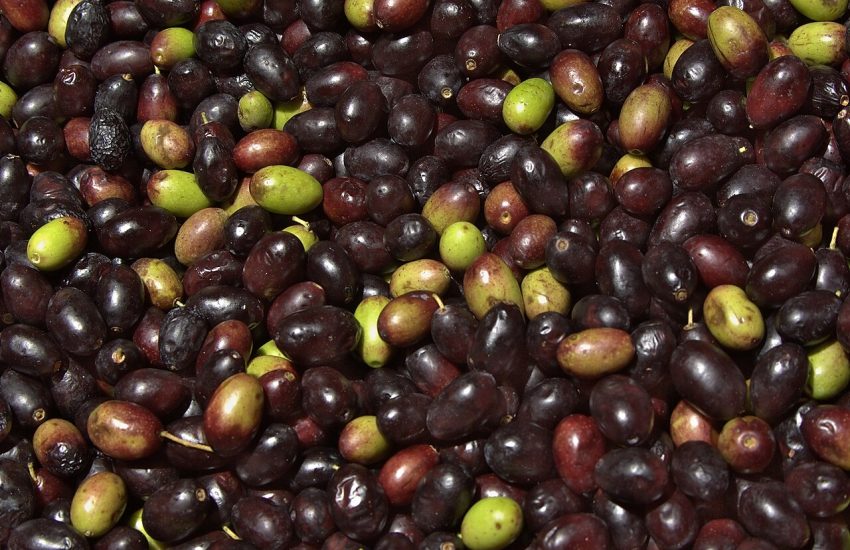
Fruits are flattened, somewhat bean- or lima-bean-shaped capsules about 1 to 1.5 inches long, light green, that mature and drop in late summer and fall. Like other mangroves, black mangrove shows a degree of vivipary — the seed begins to germinate before or soon after the fruit drops — helping seedlings establish quickly once they reach suitable mud.
Quick Facts
| Scientific Name | Avicennia germinans |
| Family | Acanthaceae (formerly Avicenniaceae) |
| Plant Type | Evergreen shrub or small-to-medium tree |
| Mature Height | 10–40 ft (U.S. Gulf Coast) |
| Mature Spread | 10–30 ft |
| Growth Rate | Moderate |
| Sun Exposure | Full Sun |
| Water Needs | High; requires tidal or saturated saline/brackish soil |
| Soil Type | Saline to brackish mud, somewhat higher/drier than red mangrove |
| Soil pH | Wide tolerance in saline conditions |
| Bloom Time | Summer |
| Flower Color | White to pale yellow |
| Fall Color | Evergreen; no notable fall color |
| Fruit | Flattened, bean-shaped capsules, lightly viviparous |
| Deer Resistant | Not typically applicable (tidal habitat) |
| USDA Hardiness Zones | 9b – 11 (periodic freeze dieback at northern range edge) |
Native Range
Black mangrove is native to the Gulf and Atlantic coasts of Florida, the Texas Gulf Coast, and coastal Louisiana, making it the most broadly distributed of the three U.S. native mangroves. It is the most freeze-tolerant of the group, which is why it persists farther north and west along the Gulf than red or white mangrove, occasionally forming scattered, low, shrubby stands as far as the upper Texas coast and Louisiana even where hard freezes periodically kill back above-ground growth.
Within a mangrove community, black mangrove typically occupies the middle intertidal zone — higher and less constantly flooded than red mangrove along the open water’s edge, but lower and wetter than white mangrove or buttonwood farther inland — giving Gulf Coast mangrove forests their characteristic banded, zoned structure.
Beyond the continental U.S., black mangrove ranges throughout the Caribbean, the Gulf and Pacific coasts of Mexico and Central America, and much of tropical South America and West Africa, making it (along with red mangrove) one of the most widespread mangrove species in the Western Hemisphere.
📋 Regional plant lists featuring Black Mangrove: South and West Texas, Arkansas, Louisiana, Eastern Oklahoma & Eastern Texas (no Florida list currently exists on plantnative.org).
Growing & Care Guide
Black mangrove, like Florida’s other native mangroves, is a specialized tidal species suited to shoreline restoration and waterfront mitigation plantings rather than an ordinary home landscape, though it tolerates a somewhat wider range of conditions than red mangrove.
Light
Black mangrove needs full sun and grows poorly in shaded or crowded conditions.
Soil & Water
It thrives in saline to brackish, saturated mud and typically occupies slightly higher, somewhat less continuously flooded ground than red mangrove within a mangrove community, though it still depends on regular tidal or brackish moisture. The extensive, shallow root system and upright pneumatophores are specifically adapted to waterlogged, low-oxygen mud, and the species does not perform well in ordinary well-drained garden soil.
Planting Tips
As with other Florida mangroves, planting is usually part of a permitted shoreline restoration, living shoreline, or mitigation project rather than a casual landscape choice; confirm permitting requirements with state and local agencies before planting or removing mangroves. Black mangrove is somewhat more cold-tolerant than red mangrove, so it is more often the species attempted at the colder, northern edge of mangrove range along the upper Texas and Louisiana coasts.
Pruning & Maintenance
Mangrove trimming in Florida is regulated under the Mangrove Trimming and Preservation Act, and similar protections or permitting requirements may apply along the Texas and Louisiana coasts; confirm current state rules before trimming or removing any black mangrove. In its native range, periodic freeze damage at the northern edge is a natural process the species recovers from by resprouting from undamaged roots and stems.
Landscape Uses
Black mangrove serves primarily ecological and restorative purposes along the Gulf Coast:
- Shoreline and marsh-edge stabilization on saline and brackish sites
- Living shoreline and mitigation plantings along Gulf Coast waterfronts
- Storm buffer plantings for low-lying coastal properties
- Habitat restoration in degraded mangrove and salt marsh transition zones
Wildlife & Ecological Value
Black mangrove stands are a vital part of Gulf Coast estuarine ecosystems, providing structure, food and shelter across the mid-intertidal zone where they typically dominate.
For Birds
Black mangrove canopies offer nesting and roosting sites for wading birds, including herons and egrets, often alongside red mangrove in mixed-species rookeries; the dense branching also shelters smaller songbirds moving through coastal habitat during migration.
For Mammals
Along the Gulf Coast, black mangrove stands provide cover and foraging edges for raccoons and other small mammals, and the broader mangrove-marsh complex they help form supports the productivity that many larger coastal species, including bottlenose dolphins hunting in adjacent waters, ultimately depend on.
For Pollinators
Black mangrove flowers are a major nectar source for bees along the Gulf Coast, prized by beekeepers for producing a light, distinctively flavored mangrove honey; the summer bloom period provides forage during a season when other nectar sources can be scarce in coastal habitats.
Ecosystem Role
Black mangrove’s dense network of pneumatophores and lateral roots stabilizes sediment in the mid-intertidal zone, filters pollutants and excess nutrients from runoff before they reach open water, and provides structurally complex habitat that shelters juvenile fish, crabs and other invertebrates. Along with red and white mangrove, it helps buffer the Gulf Coast against storm surge and erosion, making mangrove stands some of the most ecologically valuable and storm-resilient habitat on the coast.
Cultural & Historical Uses
Black mangrove honey has long been a regionally prized product along the Gulf Coast and throughout the Caribbean, produced by bees that forage heavily on the plant’s abundant summer flowers; it remains a specialty product from beekeepers working near mangrove coastlines today. The wood, while not large enough in most U.S. stands for major lumber use, has traditionally been used locally for small construction and fuel throughout the species’ broader Caribbean and Latin American range.
As with Florida’s other mangroves, black mangrove’s modern cultural significance in the United States is tied closely to coastal conservation. Recognition of mangroves’ role in protecting shorelines from hurricanes and erosion, and in supporting commercial and recreational fisheries, led to Florida’s mangrove protection laws beginning in the 1980s and to ongoing restoration efforts along the Texas and Louisiana coasts, where black mangrove’s greater cold tolerance makes it a particular focus of research into how mangrove range may shift northward as winters warm.
Historically, early Gulf Coast communities also made informal use of mangrove bark, which — like that of red mangrove — contains tannins that were sometimes used locally in small-scale leather curing, though this was never a major commercial industry for black mangrove specifically.
Frequently Asked Questions
How do I tell black mangrove from red mangrove?
Black mangrove sends up numerous slender, pencil-like roots (pneumatophores) straight up out of the mud, rather than the arching, above-ground prop roots of red mangrove. Black mangrove leaves also often show visible white salt crystals on their surface, a feature red mangrove does not share.
Is black mangrove protected by law?
In Florida, yes — it falls under the state’s Mangrove Trimming and Preservation Act along with red and white mangrove, which regulates trimming and generally requires a permit for removal. Check current Texas and Louisiana coastal regulations as well, since protections and permitting requirements can apply there too.
Why does black mangrove grow farther north than other mangroves?
It is the most cold-tolerant of the Gulf Coast mangroves, able to resprout from undamaged roots and lower stems after a freeze kills back above-ground growth, which lets it persist in marginal, periodically frozen habitat where red and white mangrove cannot survive.
What is the white crust sometimes seen on black mangrove leaves?
That’s excreted salt. Black mangrove actively pumps excess salt out through glands on its leaves, and in dry, sunny conditions the salt can crystallize visibly on the leaf surface — a helpful and distinctive identification feature.
Is black mangrove honey safe to eat?
Yes — mangrove honey produced from black mangrove flowers is a normal, edible honey variety sold commercially along parts of the Gulf Coast and Caribbean, valued for its distinctive flavor.

Looking for a nursery that carries Black Mangrove?
Browse our native plant nursery directory: Florida · Texas · Louisiana
For its companion species along the Gulf Coast shoreline, see our page on Green Buttonwood. If you’re planning a Florida coastal landscape, see our guide to shade trees for South Florida.