
Marsh Valerian (Valeriana dioica)
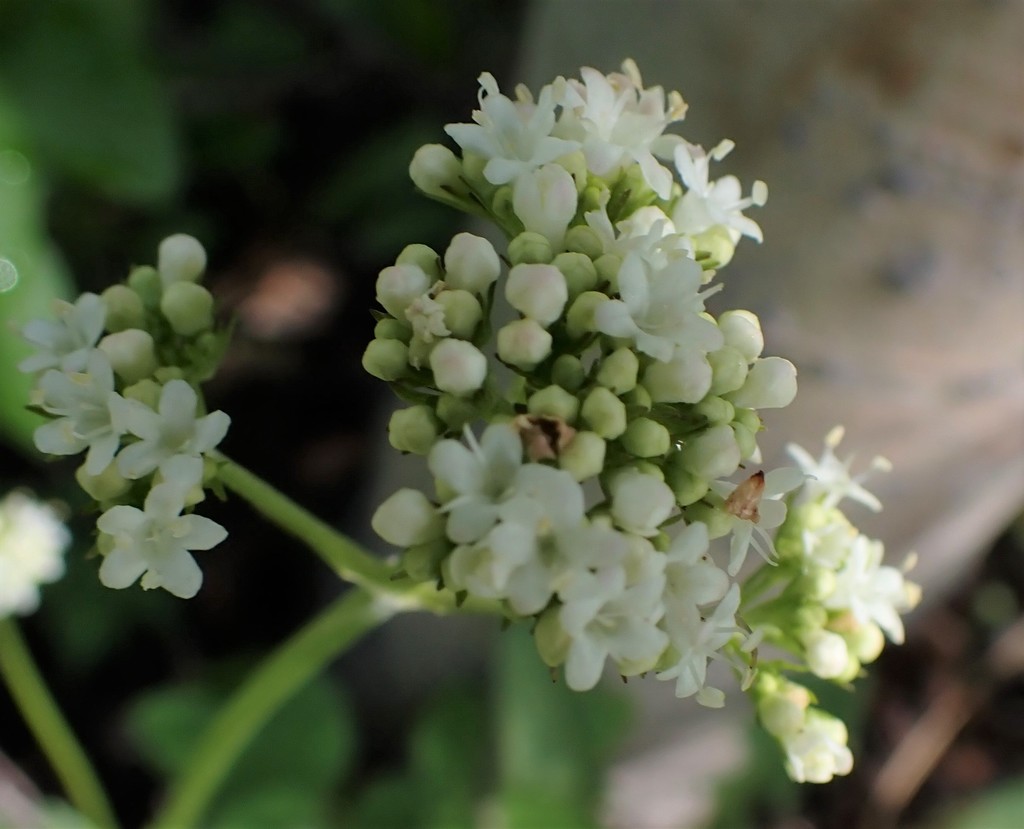
Valeriana dioica, the Marsh Valerian, is a small native wildflower of wet meadows, fens, streambanks and moist woods across the boreal north. North American plants belong to the variety or subspecies sylvatica, often called wood valerian or northern valerian. It ranges across Canada from Yukon and British Columbia to Newfoundland, and south into the northern Rocky Mountains, the Black Hills and northern Maine.
It is a modest plant, usually 6 to 18 inches tall, with a rosette of smooth, spoon-shaped basal leaves, pairs of deeply lobed stem leaves and rounded, flat-topped clusters of tiny white to pale pink flowers in late spring and early summer. The flowers are sweetly scented, and the roots have the strong, musky smell typical of valerians.
Marsh valerian is not well known in gardens, but it is a charming plant for bog gardens, rain gardens and wet meadow restorations in cold climates. This guide covers how to identify it, where it grows, how to grow it and its value to wildlife.
Identification
Marsh valerian is a small perennial of wet places with smooth, undivided basal leaves, opposite stem leaves cut into narrow lobes, and dense, rounded clusters of tiny white to pinkish flowers.
Growth Form
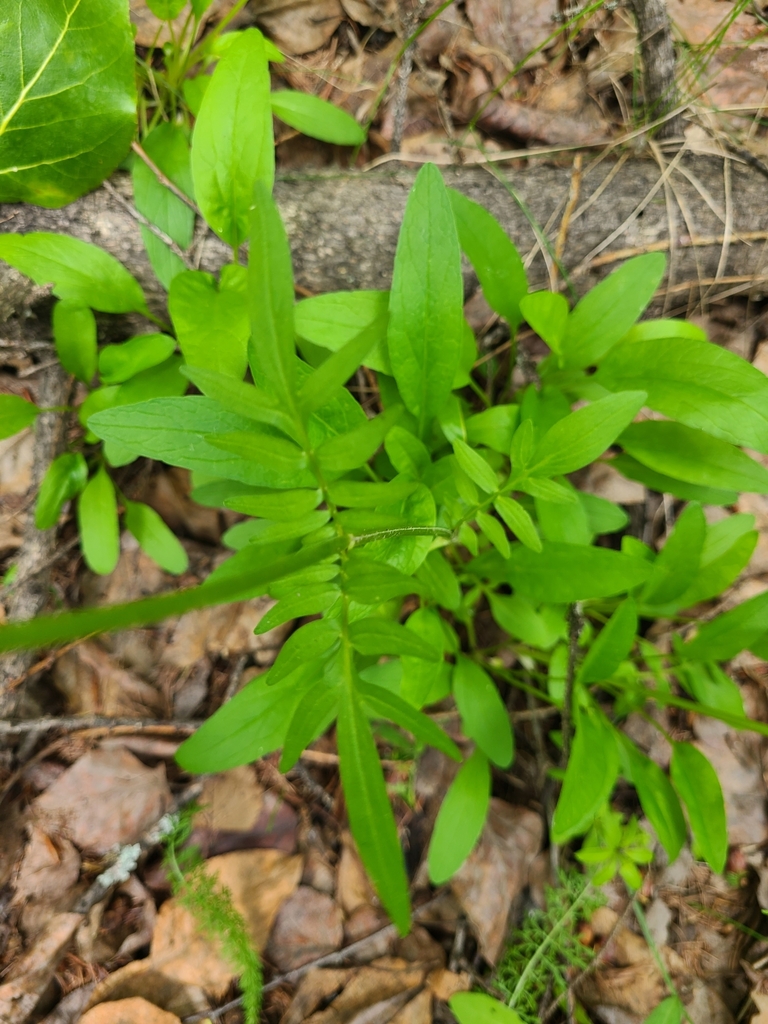
It grows from a short rhizome with fibrous roots, often forming small patches. Each plant has a rosette of basal leaves and one or a few upright, mostly smooth flowering stems, usually 6 to 18 inches tall and occasionally taller.
Leaves
The basal leaves are undivided, oval to spoon-shaped, smooth-edged and about 1 to 3 inches long on long stalks. The stem leaves are in two to four opposite pairs and are deeply cut (pinnately divided) into narrow lobes, with a larger end lobe. The leaves are smooth and slightly fleshy.
Flowers
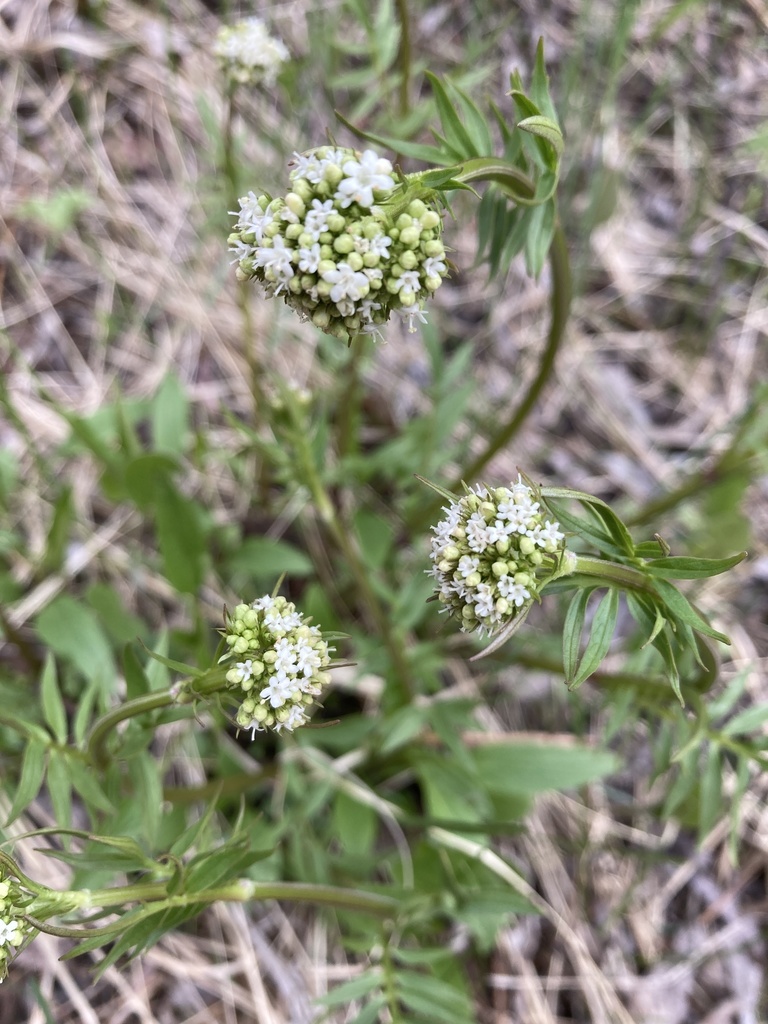
From about May to July, depending on latitude and elevation, each stem ends in a compact, rounded to flat-topped cluster of many tiny, funnel-shaped, five-lobed flowers, white or tinged pink. As the name dioica suggests, plants tend to separate sexes: some carry slightly larger flowers with prominent stamens, others smaller, mostly female flowers. The clusters loosen and spread as they go to seed.
Fruit & Look-alikes
The small, flattened seeds carry a crown of feathery bristles that unroll and act as a parachute. Sitka Valerian is a larger mountain plant with broad, coarsely toothed leaflets on the stem leaves and showier, pinkish-white clusters. Edible Valerian has a thick taproot and narrow, thick, parallel-veined leaves, and grows in drier meadows. The introduced garden valerian (V. officinalis) is much taller, up to 5 feet, with all leaves divided into many leaflets.
Quick Facts
| Scientific Name | Valeriana dioica L. (North American plants: var. or subsp. sylvatica) |
| Family | Caprifoliaceae (honeysuckle family; formerly Valerianaceae) |
| Plant Type | Herbaceous perennial wildflower |
| Mature Height | 6–18 in (occasionally to 2 ft) |
| Mature Spread | 6–12 in |
| Growth Rate | Moderate |
| Sun Exposure | Full sun to partial shade |
| Water Needs | High; moist to wet soil |
| Soil Type | Moist to wet loam, peat or mucky soil |
| Soil pH | About 5.5–7.5 |
| Bloom Time | May–July |
| Flower Color | White to pale pink |
| Fall Color | None notable |
| Fruit | Small achene with feathery bristles |
| Deer Resistant | Moderate |
| USDA Hardiness Zones | 2–6 |
Native Range
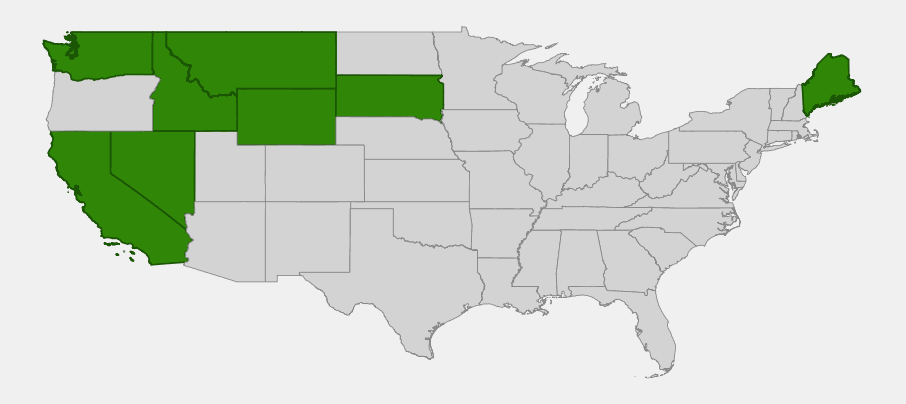
Marsh valerian has a wide northern range. In Canada it grows from Yukon, the Northwest Territories and British Columbia across the Prairie Provinces and Ontario to Quebec, the Maritimes, Newfoundland and Labrador. USDA PLANTS lists it as native in Washington, Idaho, Montana, Wyoming, South Dakota and Maine, with outlying records in California and Nevada.
In the United States it is mainly a plant of the northern Rocky Mountains: northeastern Washington, northern Idaho, Montana and Wyoming. In South Dakota it grows in the Black Hills, and in Maine in the cool northern part of the state. The European subspecies (Valeriana dioica subsp. dioica) is a well-known marsh plant from Britain to central Europe.
It grows in wet to moist places: sedge meadows, fens, bog margins, streambanks, seeps, wet aspen and spruce woods and moist mountain meadows, from low elevations in the north to the montane zone in the Rockies. It is a facultative wetland plant across most of its range.
📋 Regional plant lists featuring Marsh Valerian: Idaho, Eastern Oregon & Eastern Washington · Montana & Wyoming · North Dakota, South Dakota & Western Minnesota · California & Nevada · New Hampshire, Maine & Vermont
Growing & Care Guide
Marsh valerian is rarely offered by nurseries, though seed is sometimes available from northern native seed suppliers. It is an easy, low-growing plant for permanently moist ground in cool climates. Do not dig plants from wild wetlands; start from seed or nursery stock.
Light
Full sun to partial shade. In warmer areas give it light afternoon shade so the soil stays cool and moist.
Soil & Water
Plant in moist to wet, humus-rich loam or peaty soil that never dries out. It does well in the saturated edge of a pond or bog garden and tolerates short periods of standing water in spring, but not deep, permanent flooding.
Planting Tips
Plant in spring in groups of three to five, about 8 to 12 inches apart, so the small flower clusters make a show. Combine it with sedges, marsh marigold, blue flag iris and other low wetland plants. It is best suited to northern and mountain gardens; it often fades in hot, humid summers.
Pruning & Maintenance
Little care is needed. Keep the soil wet through summer, remove taller competing weeds, and leave the dried stems until spring if you want it to self-sow.
Propagation
Sow fresh seed in fall, or cold-stratify it for about two months before spring sowing; press it onto the surface of a moist mix. Established clumps can be divided in early spring.
Landscape Uses
- Bog and rain gardens: low white flowers for permanently moist soil
- Wet meadow and fen restoration: native forb for northern wetlands
- Pond and stream edges: small-scale planting for cold climates
- Pollinator plantings: early summer nectar for flies, bees and butterflies
Wildlife & Ecological Value
Marsh valerian adds early summer flowers to northern wetlands and wet meadows.
For Pollinators
The tiny, fragrant flowers are visited by small bees, flower flies, other flies, beetles and small butterflies, which feed on the nectar at the base of the short floral tubes.
For Birds
Birds rarely feed on the plant directly, but its insects are food for wetland songbirds, and the sedge meadows and fens it grows in provide nesting habitat for many birds.
For Mammals
Deer, elk and moose may graze it lightly in wet meadows.
Ecosystem Role
It is a typical member of the wildflower community of northern fens, sedge meadows and wet woods, and its spreading roots help hold soil along streams and seeps.
Cultural & Historical Uses
Carl Linnaeus named Valeriana dioica in 1753 from European plants. The species name means “two houses,” because individual plants tend to bear mostly male or mostly female flowers. North American plants were described separately as Valeriana sylvatica, and many botanists now treat them as a variety or subspecies of V. dioica.
Valerians have long been used medicinally; the roots of the European garden valerian are a familiar herbal sedative. Some Indigenous peoples of the boreal region used the roots of northern valerians in remedies as well. Do not use wild plants medicinally without expert guidance.
The genus name Valeriana is thought to come from the Latin valere, “to be strong or healthy,” a reference to its medicinal reputation. The valerian family is now usually included within the honeysuckle family, Caprifoliaceae.
Frequently Asked Questions
Where does marsh valerian grow?
Across Canada and in the northern Rocky Mountains, the Black Hills and northern Maine, in wet meadows, fens, bog edges, streambanks and moist woods.
How do I recognize marsh valerian?
Look for a small plant with smooth, undivided, spoon-shaped basal leaves, opposite stem leaves cut into narrow lobes, and rounded clusters of tiny white to pinkish flowers in late spring and early summer.
Is marsh valerian the same as the herbal valerian?
No. Herbal valerian is the much taller European Valeriana officinalis. Marsh valerian is a small native relative of wet places.
Can I grow marsh valerian in my garden?
Yes, in permanently moist to wet soil in a cool, northern or mountain garden, such as a bog garden or pond edge. Start it from seed.
What is wood valerian?
Wood valerian, or Valeriana sylvatica, is the name often used for the North American form of marsh valerian, now usually treated as Valeriana dioica var. or subsp. sylvatica.

Looking for a nursery that carries Marsh Valerian?
Browse our native plant nursery directory: California · Idaho · Maine & Montana · Nevada · South Dakota · Washington · Wyoming

