
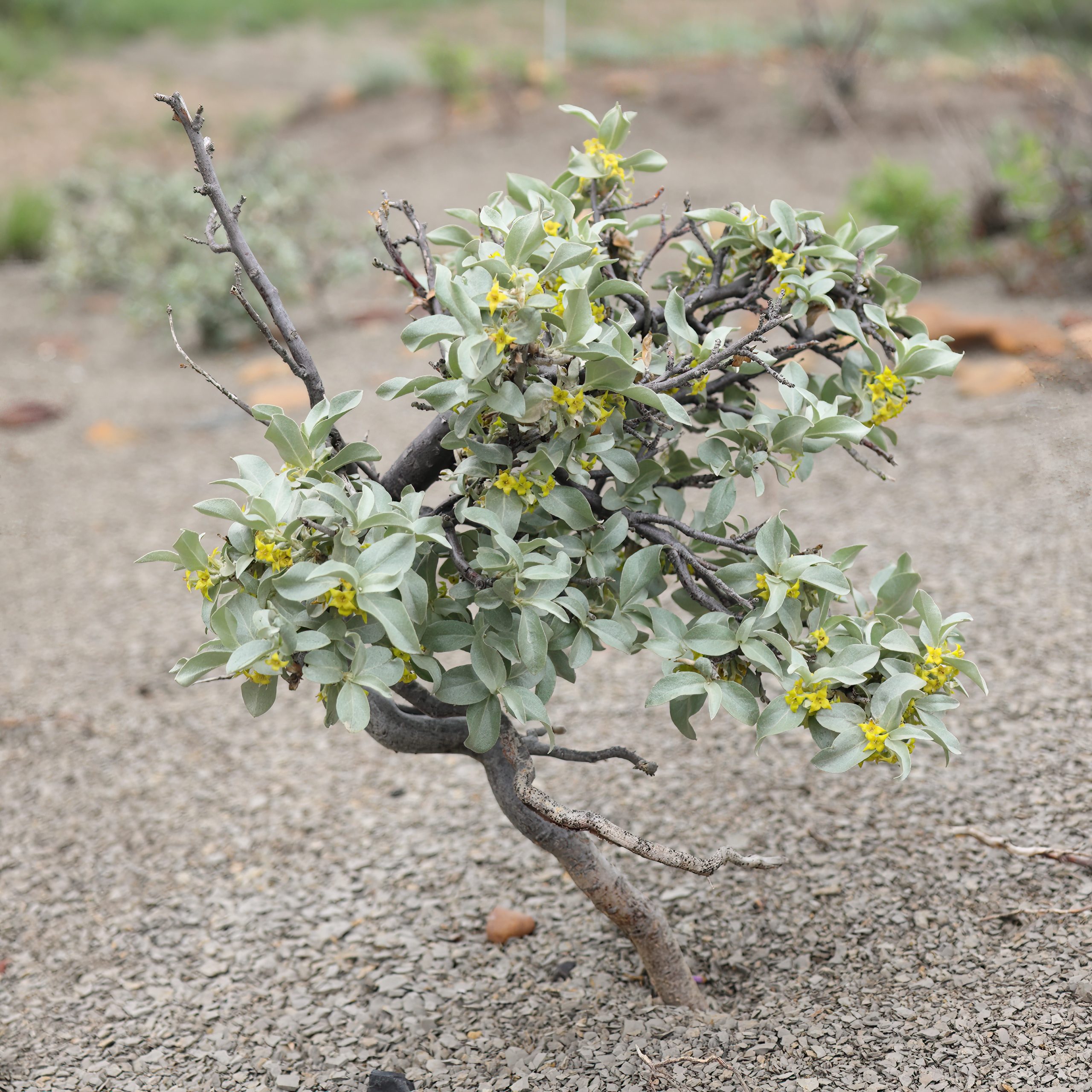
Silverberry’s distinctive silver-scaled foliage, photographed in Glacier National Park, Montana. Photo: Wikimedia Commons (CC BY-SA 4.0) Elaeagnus commutata, commonly known as Silverberry or Wolf-Willow, is
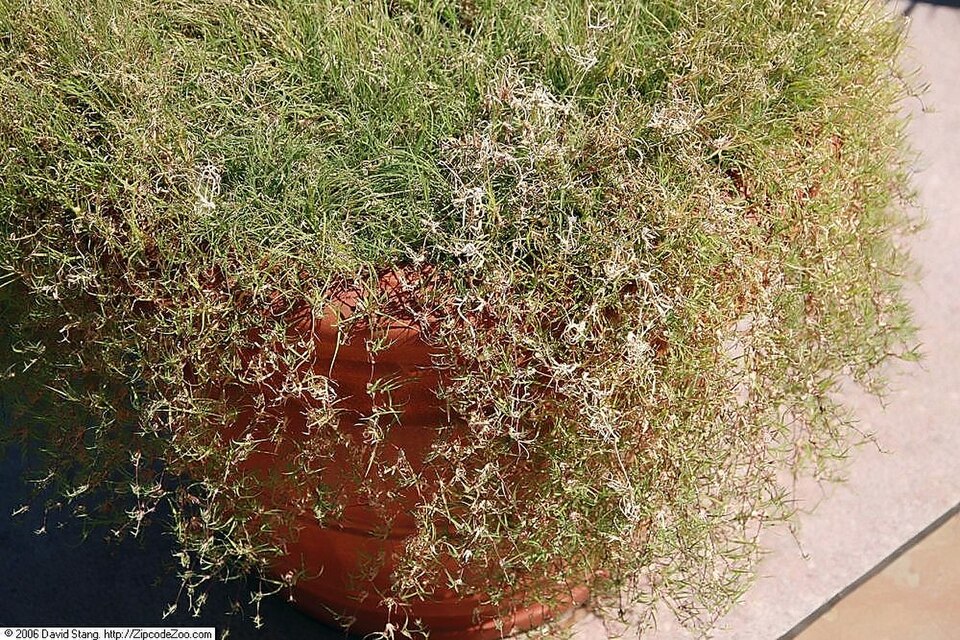
Buffalograss forming its characteristic dense, fine-textured native turf on the Great Plains. Photo: Wikimedia Commons (CC BY-SA 4.0) Bouteloua dactyloides (syn. Buchloe dactyloides), commonly known
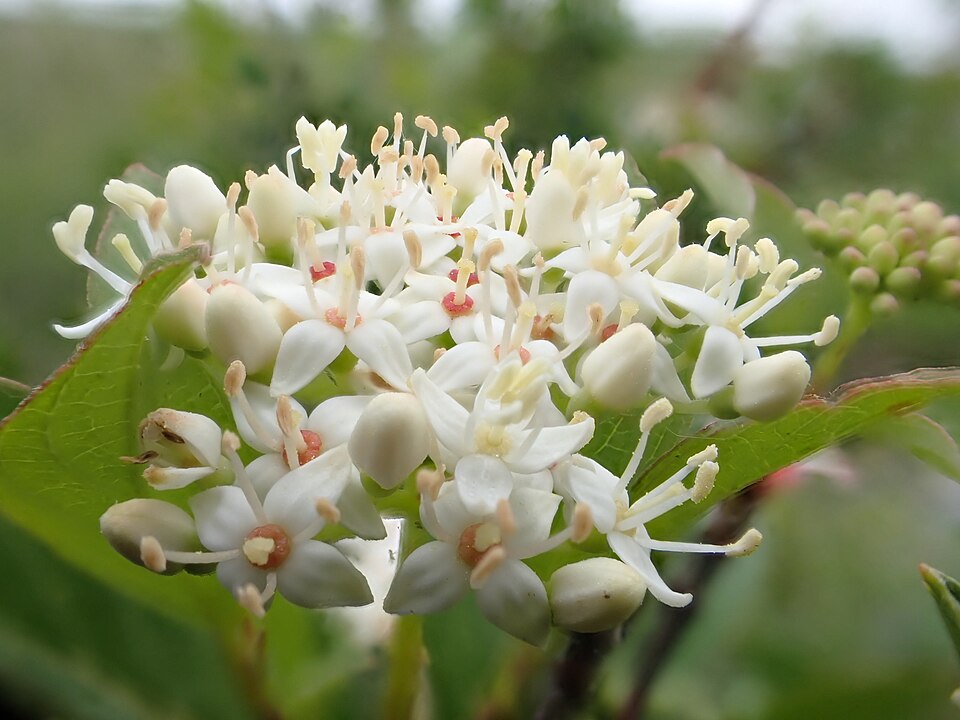
Redosier Dogwood’s brilliant red stems light up the winter landscape along streambanks and wetland edges. Photo: Wikimedia Commons (CC BY-SA 2.0) Cornus sericea (formerly Cornus
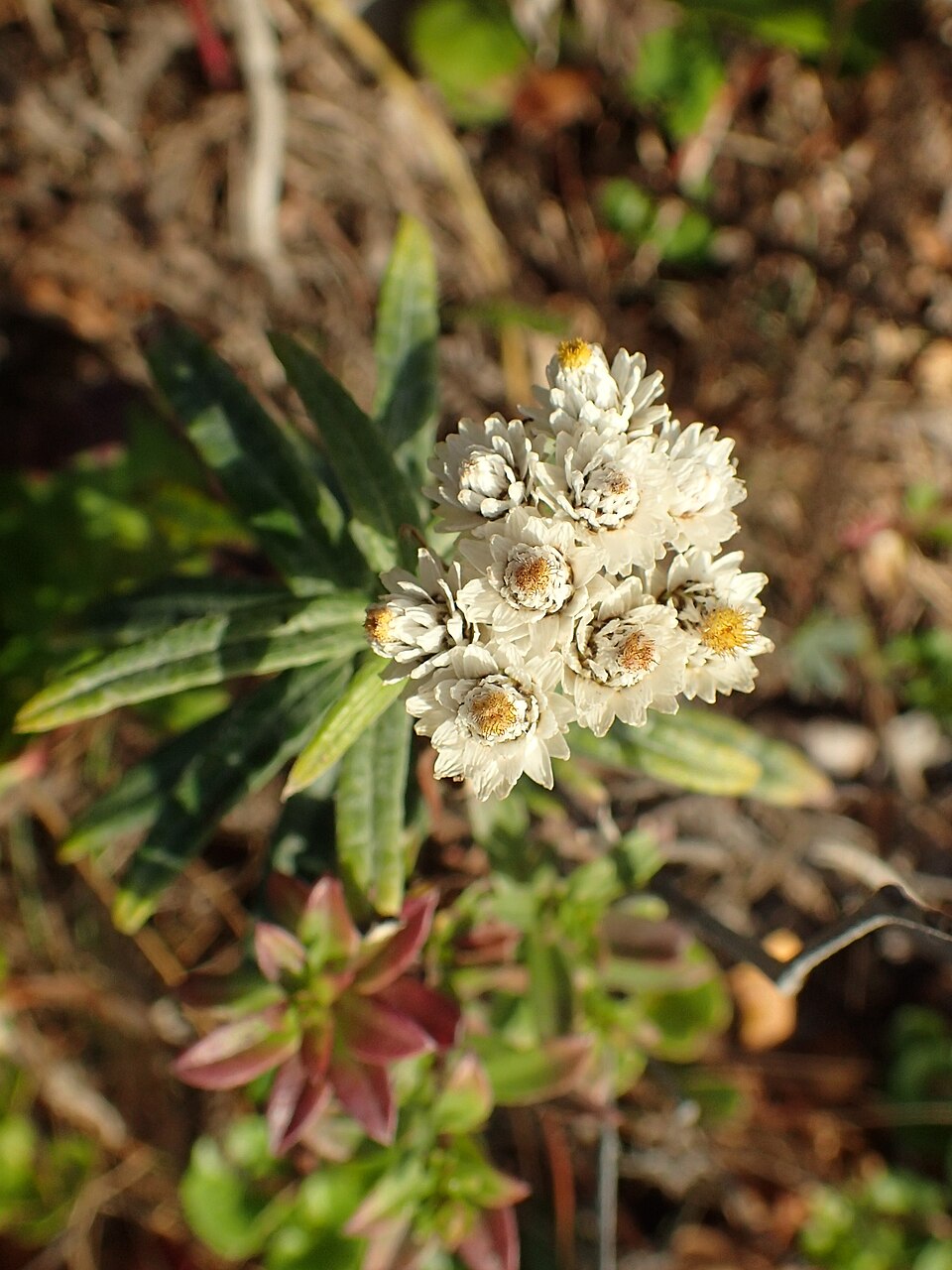
Pearlyeverlasting in full bloom, with its distinctive white papery flower clusters and woolly foliage. Photo: Wikimedia Commons (CC BY-SA 4.0) Anaphalis margaritacea, known as Pearlyeverlasting,
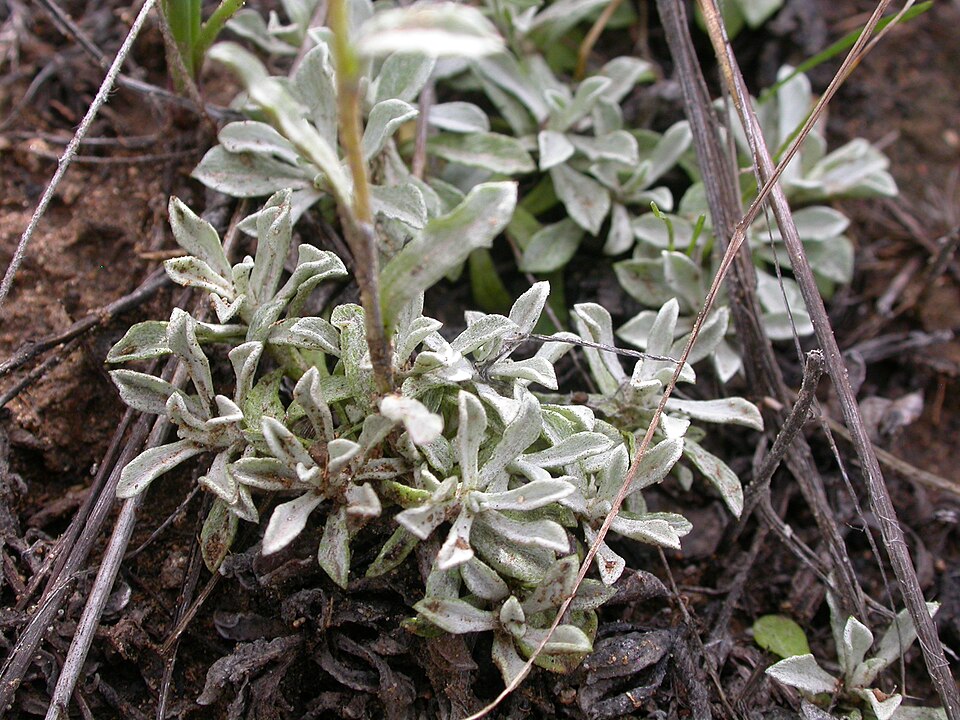
Little Pussytoes in bloom — the papery, fluffy flower heads resemble tiny cat’s paws. Photo: Wikimedia Commons (CC BY-SA 2.0) Antennaria microphylla, commonly known as
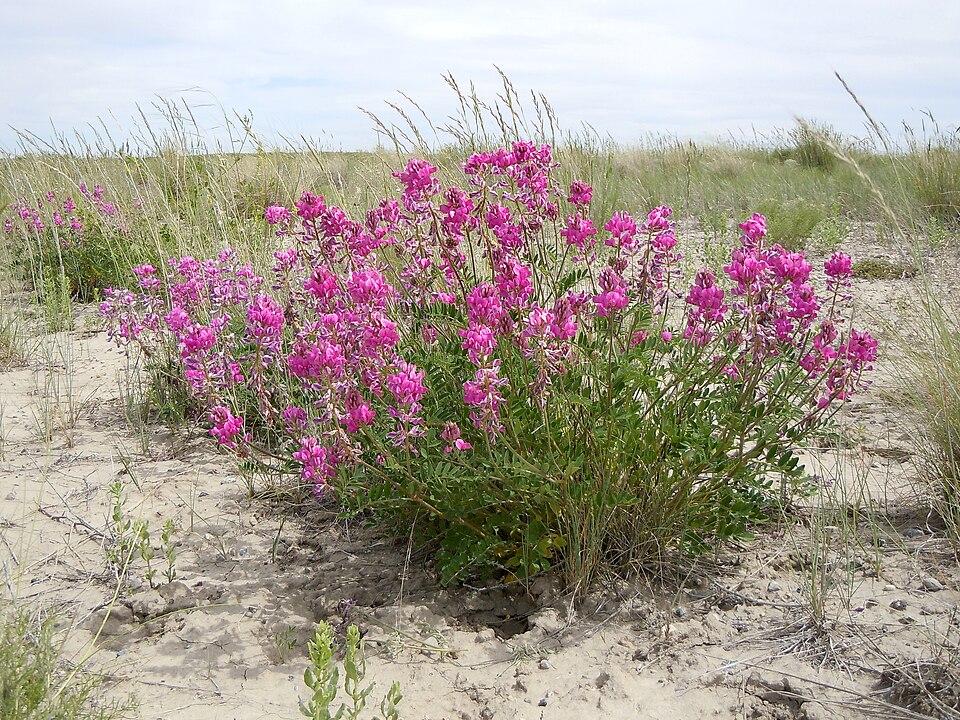
Boreale Sweetvetch in full bloom with its characteristic deep rose-pink racemes. Photo: Wikimedia Commons (CC BY-SA 2.0) Hedysarum boreale, known as Boreale Sweetvetch or Northern
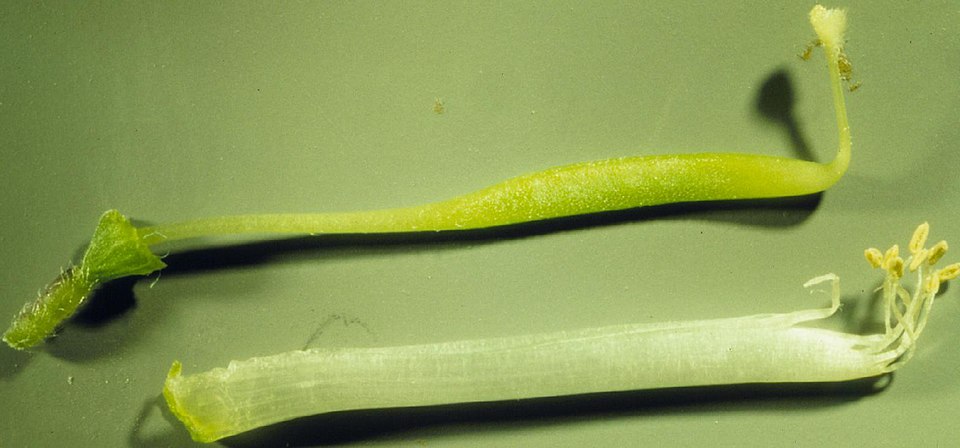
American Vetch in bloom with characteristic purple flowers and slender tendrils. Photo: Wikimedia Commons (CC BY-SA 2.0) Vicia americana, commonly known as American Vetch, is
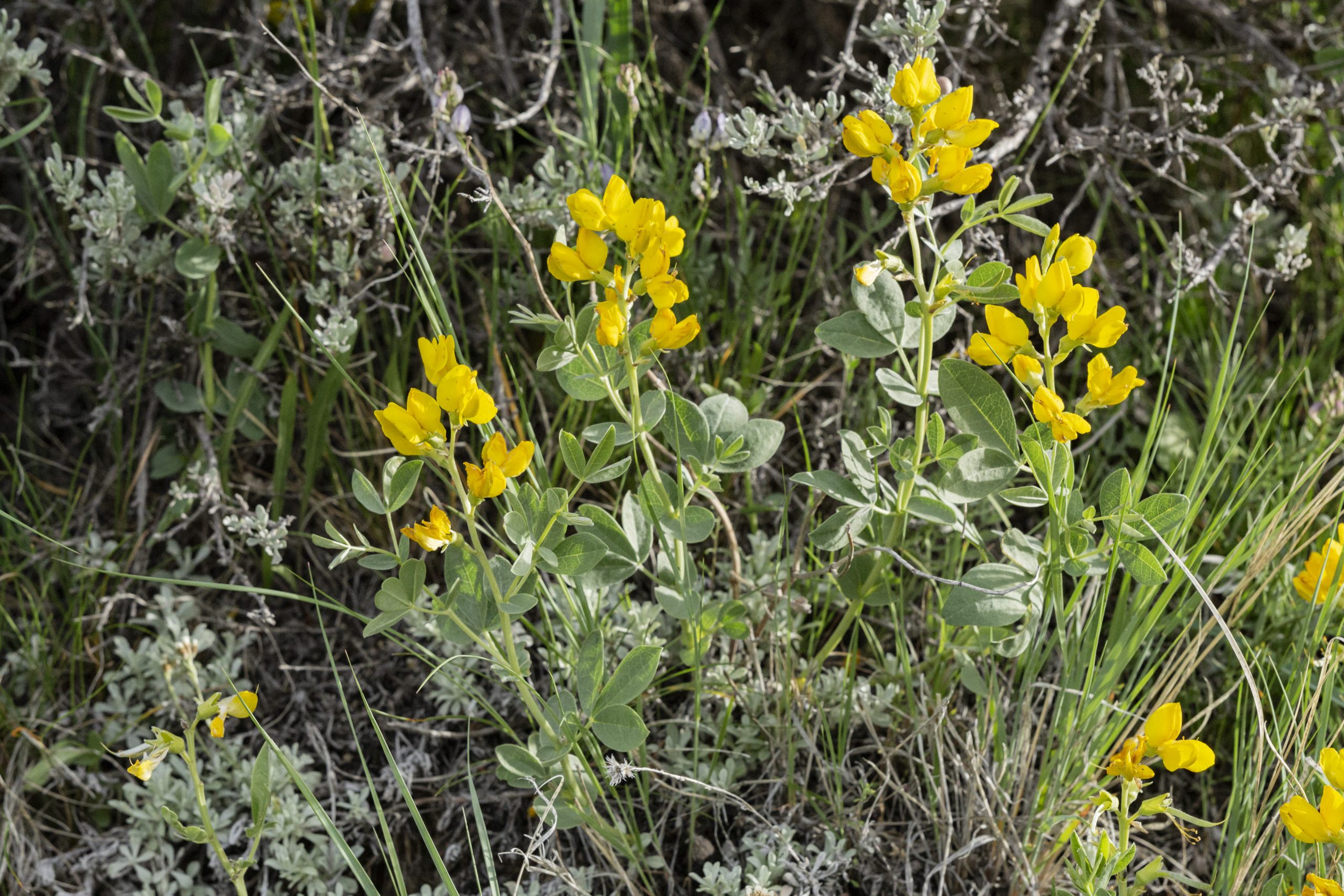
Prairie Thermopsis in full bloom — one of the first bright wildflowers of the Rocky Mountain spring. Photo: Wikimedia Commons (CC0) Thermopsis rhombifolia, commonly known
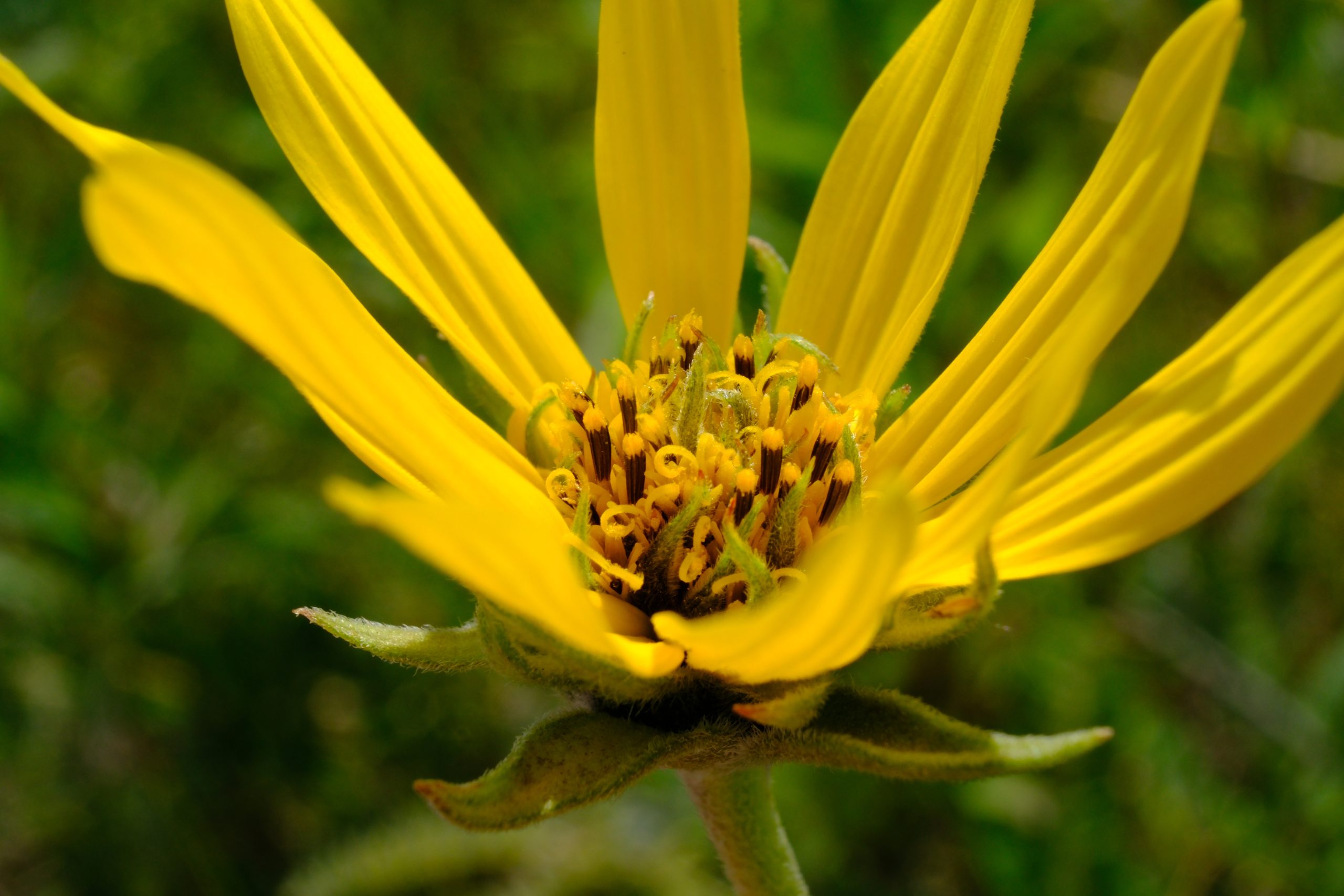
Maximilian Sunflower transforms late summer prairies into seas of gold — one of the Great Plains’ most spectacular native wildflowers. Photo: Wikimedia Commons (CC0) Helianthus
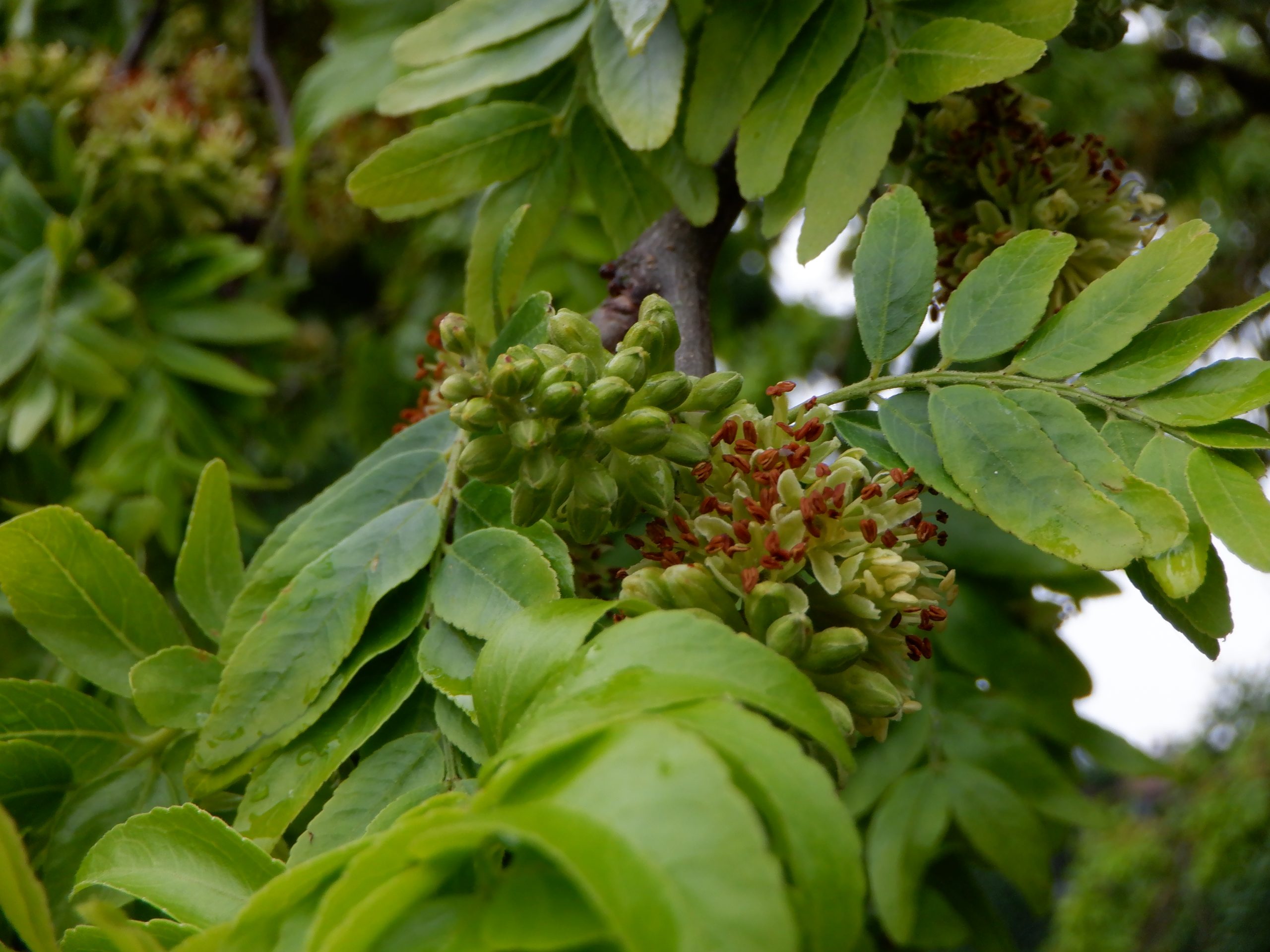
Honeylocust flower clusters — small but intensely fragrant, an important nectar source for bees and other pollinators. Photo: Wikimedia Commons (CC BY-SA 4.0) Gleditsia triacanthos,
View More