
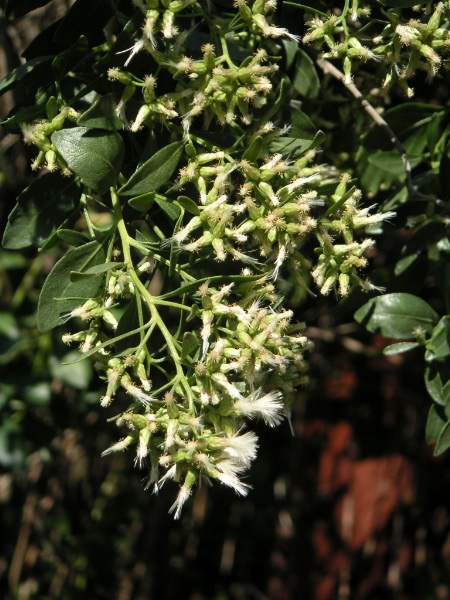
Groundsel Tree in full fall fruiting display — the mass of white, silky seed heads creates a dramatic ornamental effect. Photo: Wikimedia Commons (CC BY-SA
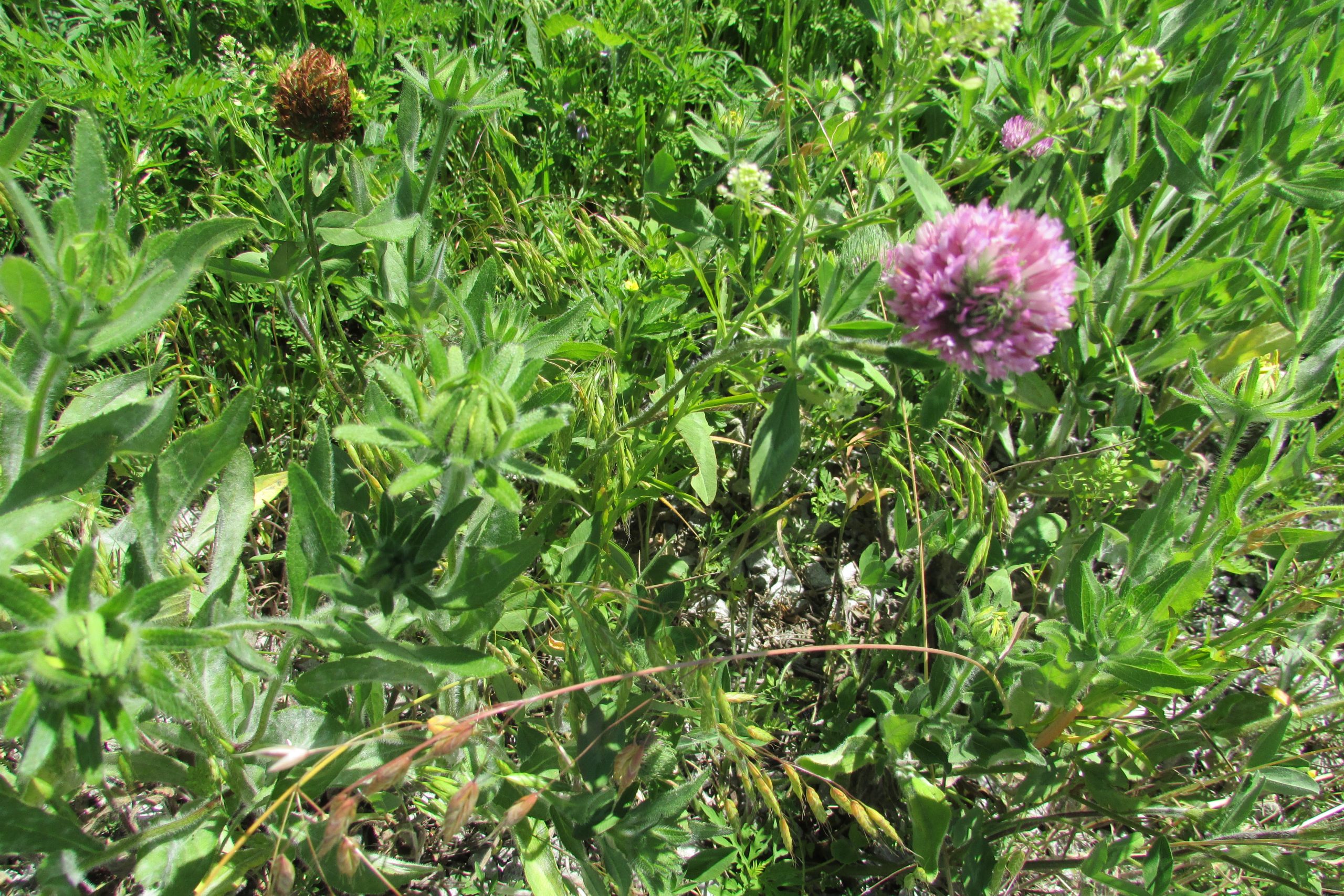
Joe-Pye-Weed’s large, domed clusters of pink-purple flowers tower above the midsummer garden, attracting swallowtails and many other pollinators. Photo: Wikimedia Commons (CC BY-SA 4.0) Eupatorium
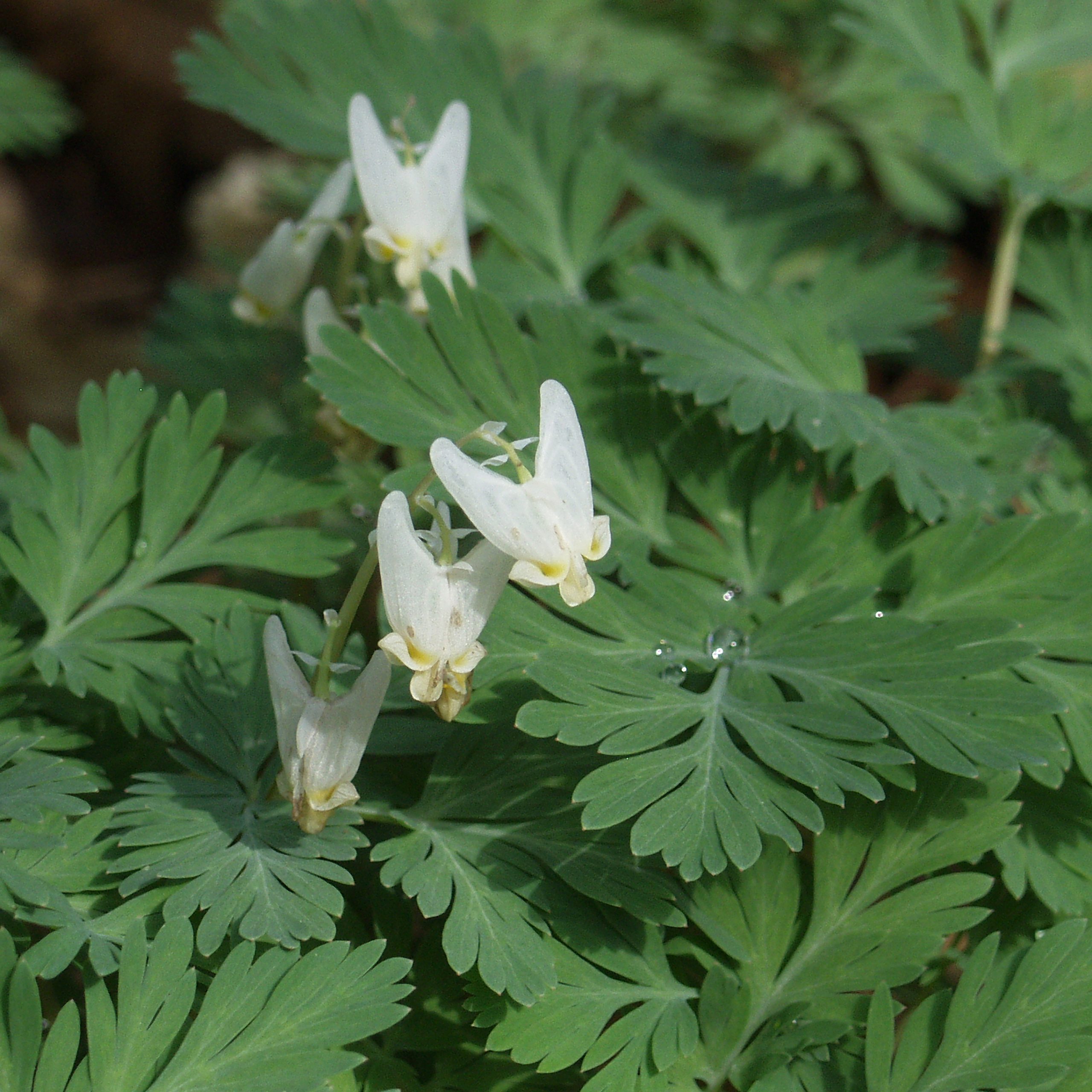
Dutchman’s Breeches in full spring bloom — the distinctive pantaloon-shaped flowers are one of the most charming sights of the early woodland floor. Photo: Wikimedia
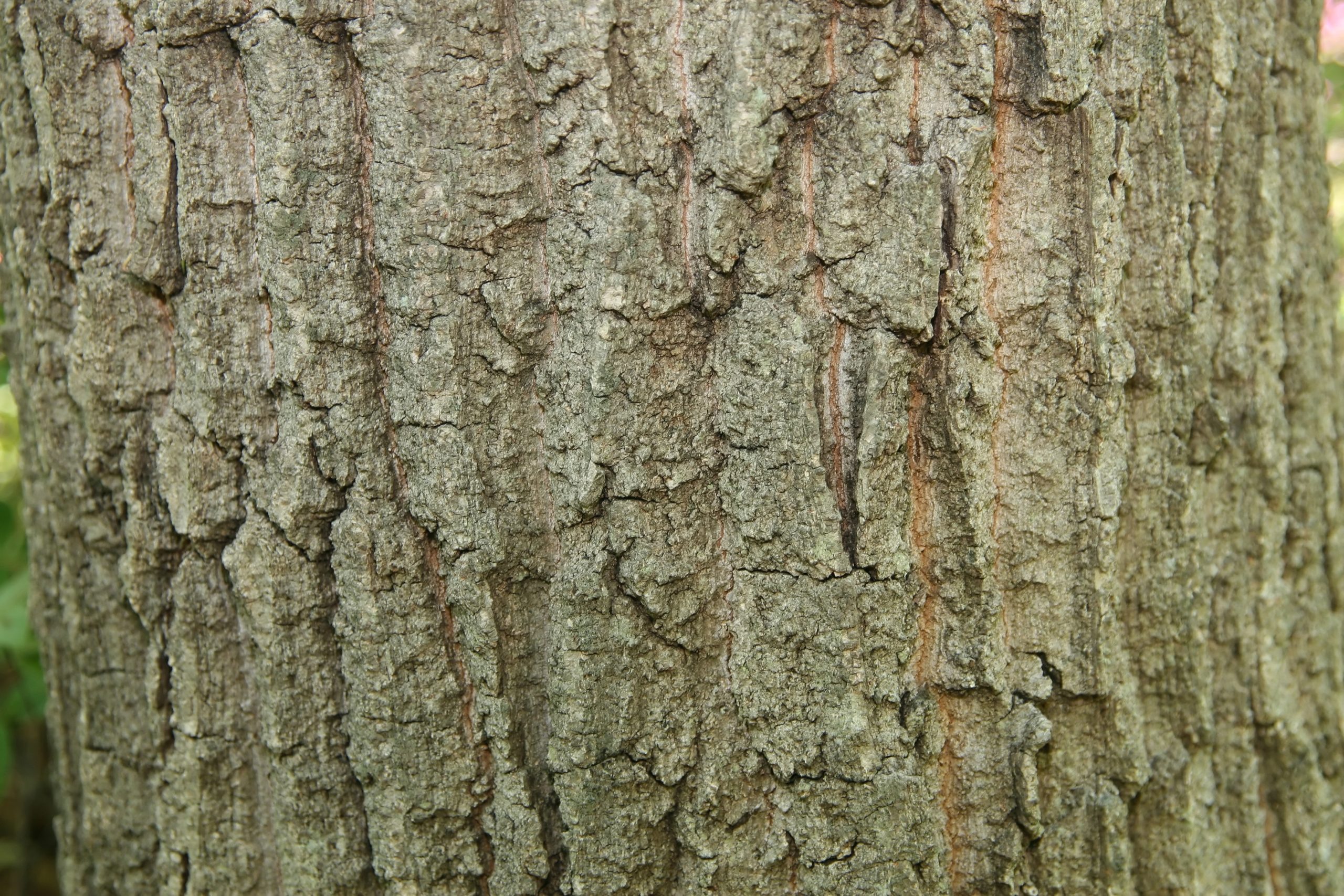
Chestnut Oak foliage and acorns — a critical wildlife food source. Photo: Wikimedia Commons (CC BY-SA 4.0) Quercus prinus, the Chestnut Oak, is a stately
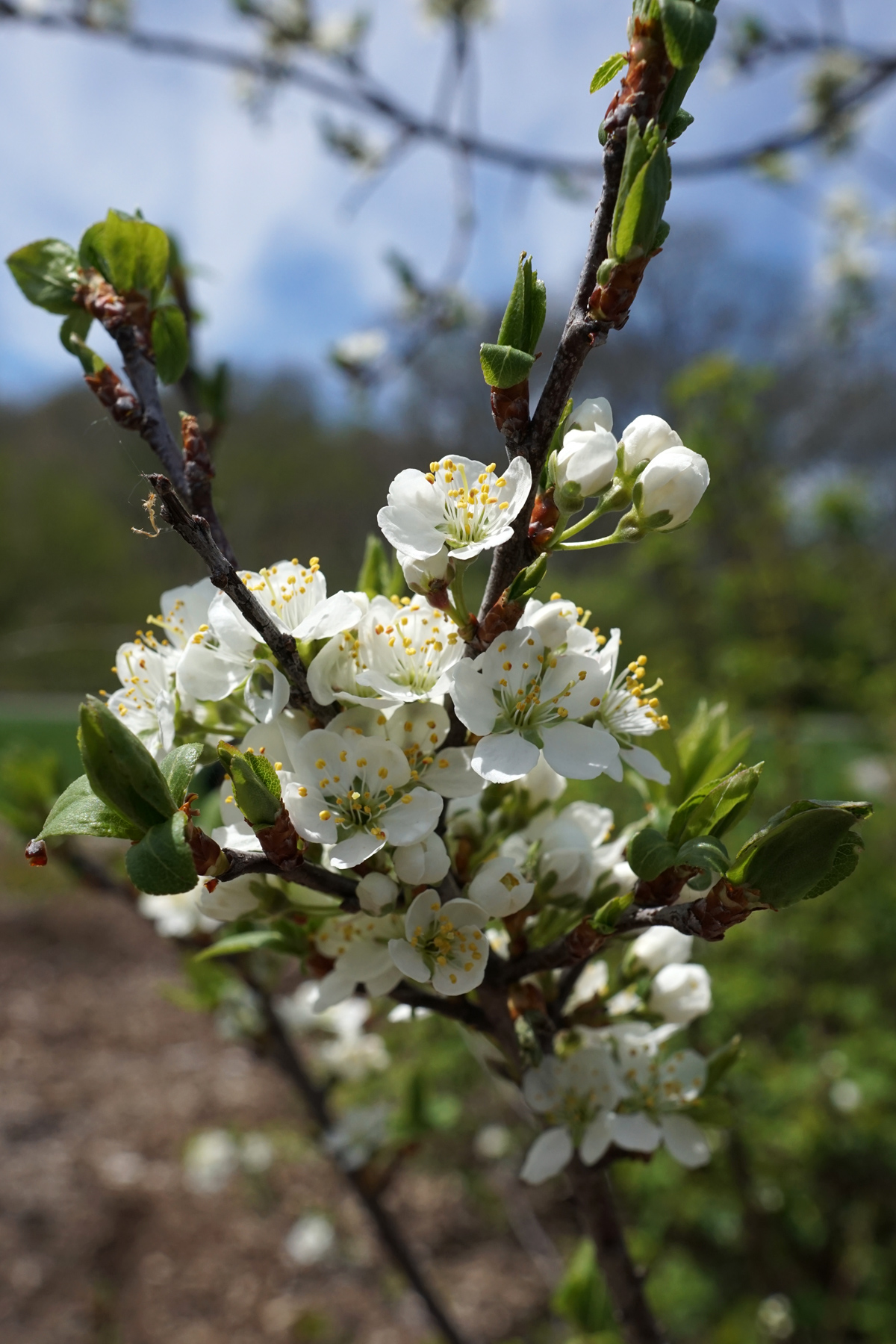
Beach Plum in spectacular spring bloom. Photo: Wikimedia Commons (CC BY-SA 2.0) Prunus maritima, commonly known as Beach Plum, is a tough, sprawling native shrub
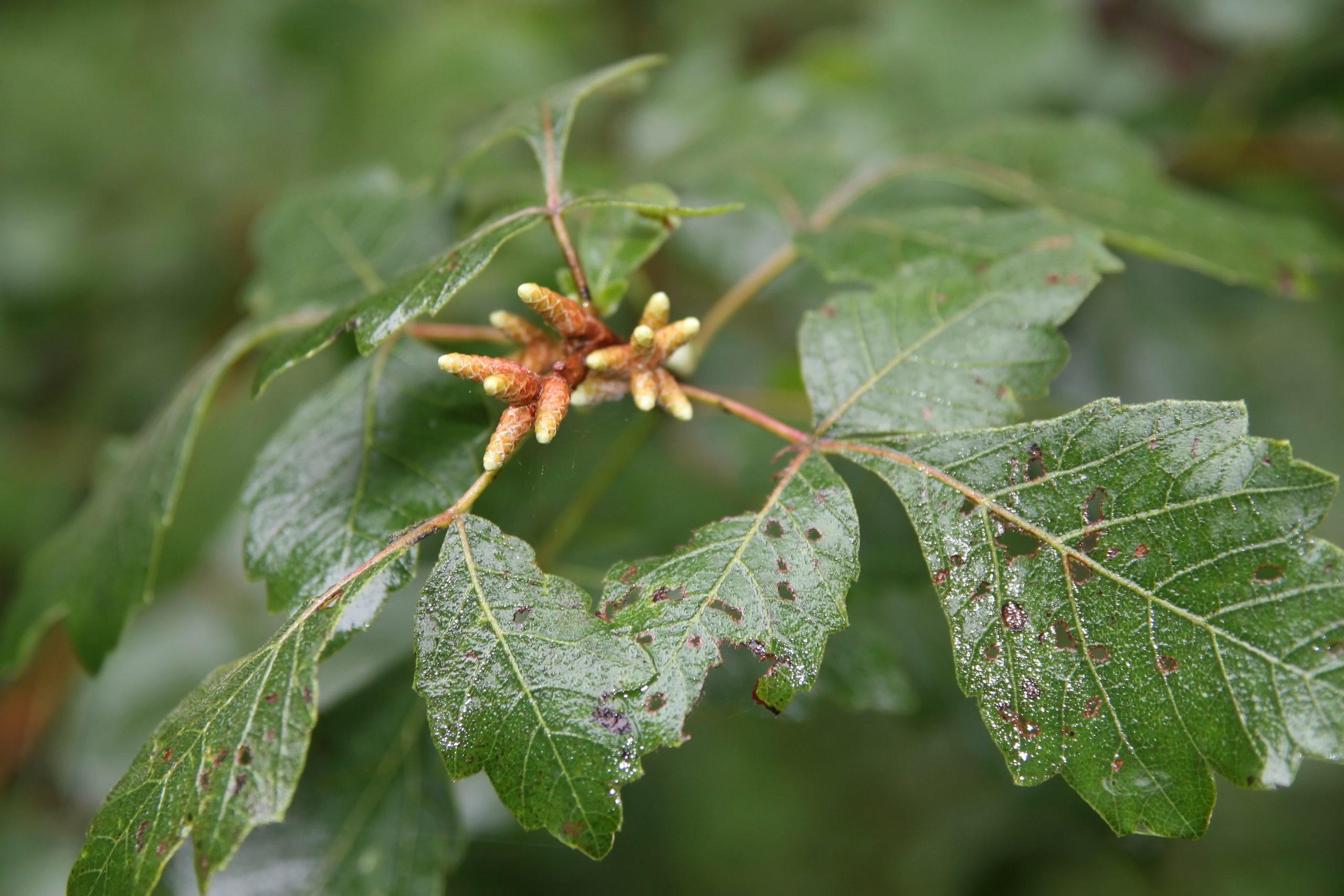
Fragrant Sumac delivers one of the finest fall color displays of any native shrub, with foliage turning vivid shades of orange, red, and purple. Photo:
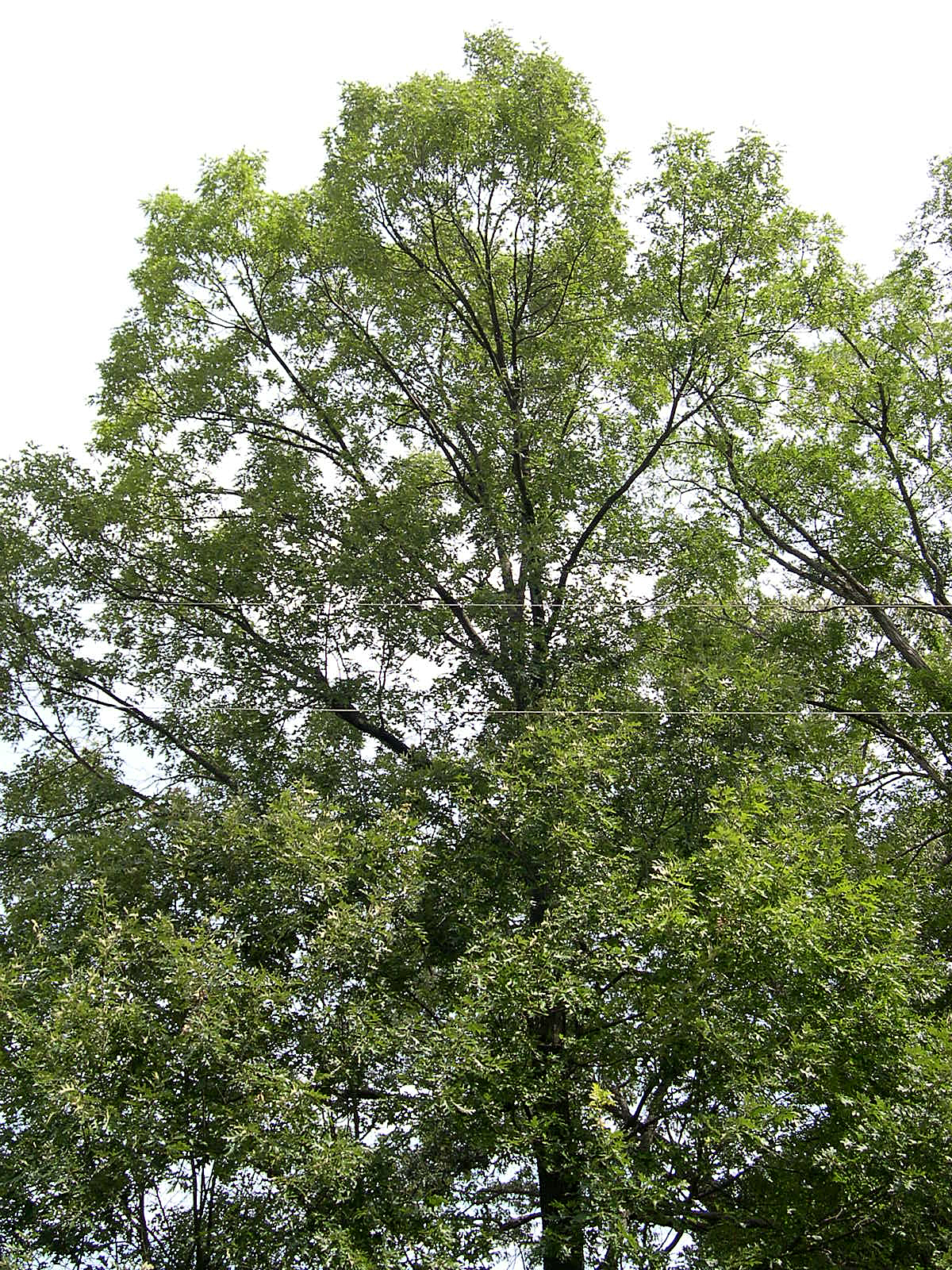
Black Oak (Quercus velutina) growing in a savannah landscape. Photo: Wikimedia Commons (CC BY 2.0) Quercus velutina, commonly known as Black Oak, is one of
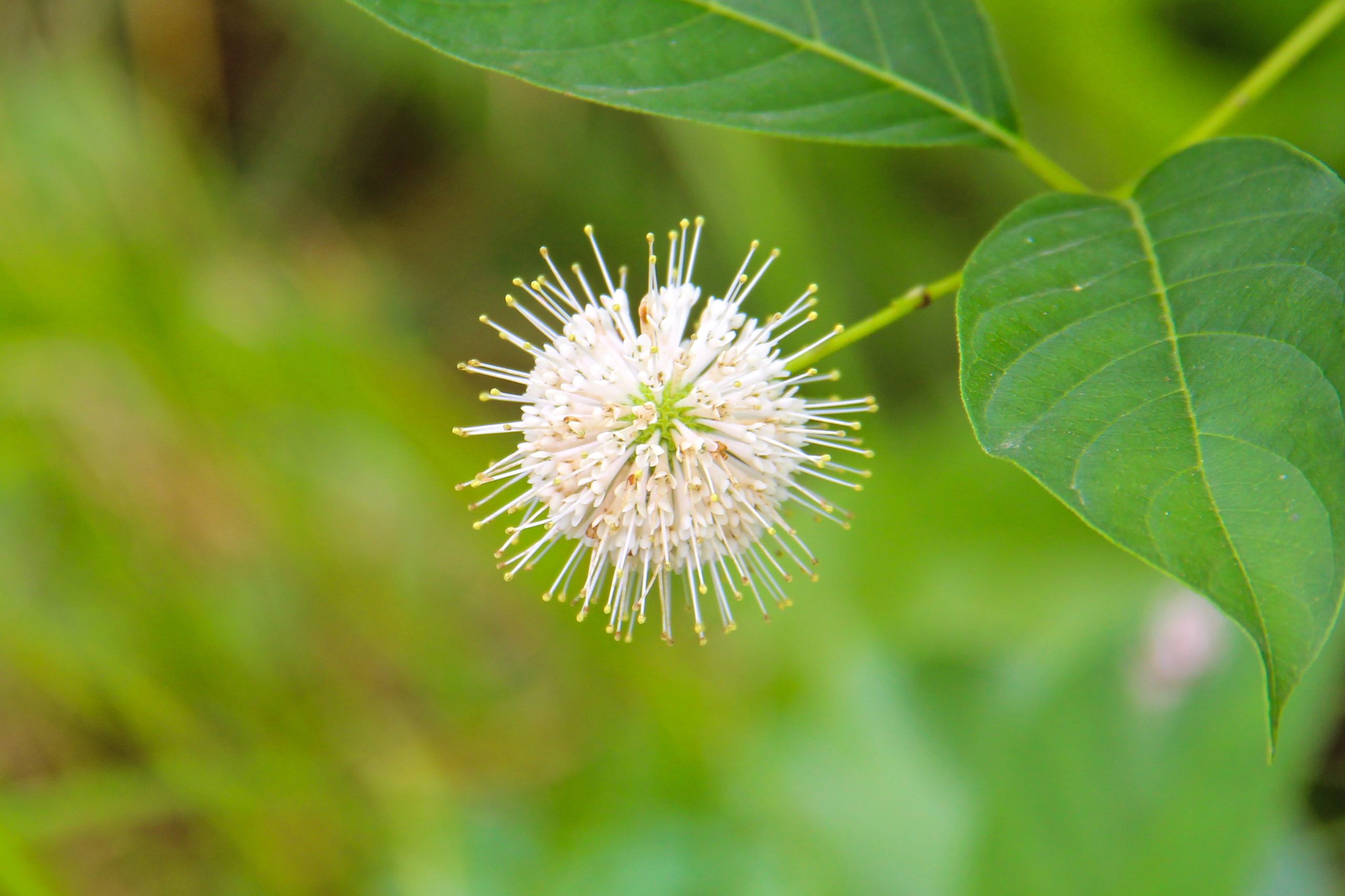
Buttonbush’s distinctive spherical, pincushion-like white flower globes in full summer bloom. Photo: Wikimedia Commons (CC BY-SA 4.0) Cephalanthus occidentalis, commonly known as Buttonbush, Common Buttonbush,
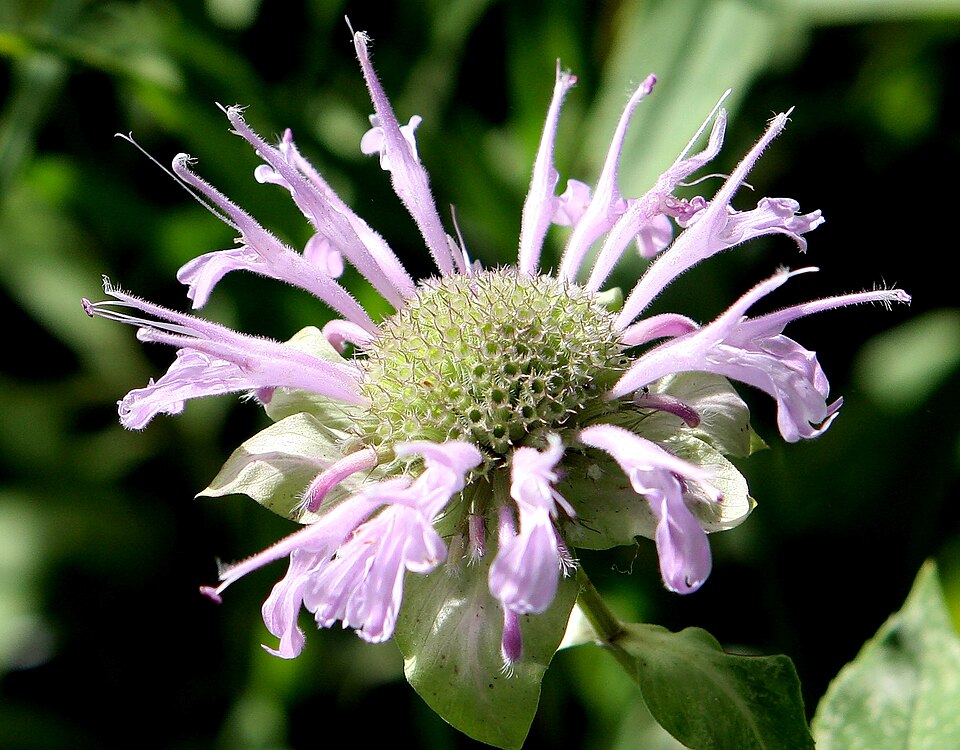
Wild Bergamot flourishing in its natural prairie habitat, showing the distinctive lavender flower heads and square stems typical of the mint family. Photo: Hardyplants, Wikimedia
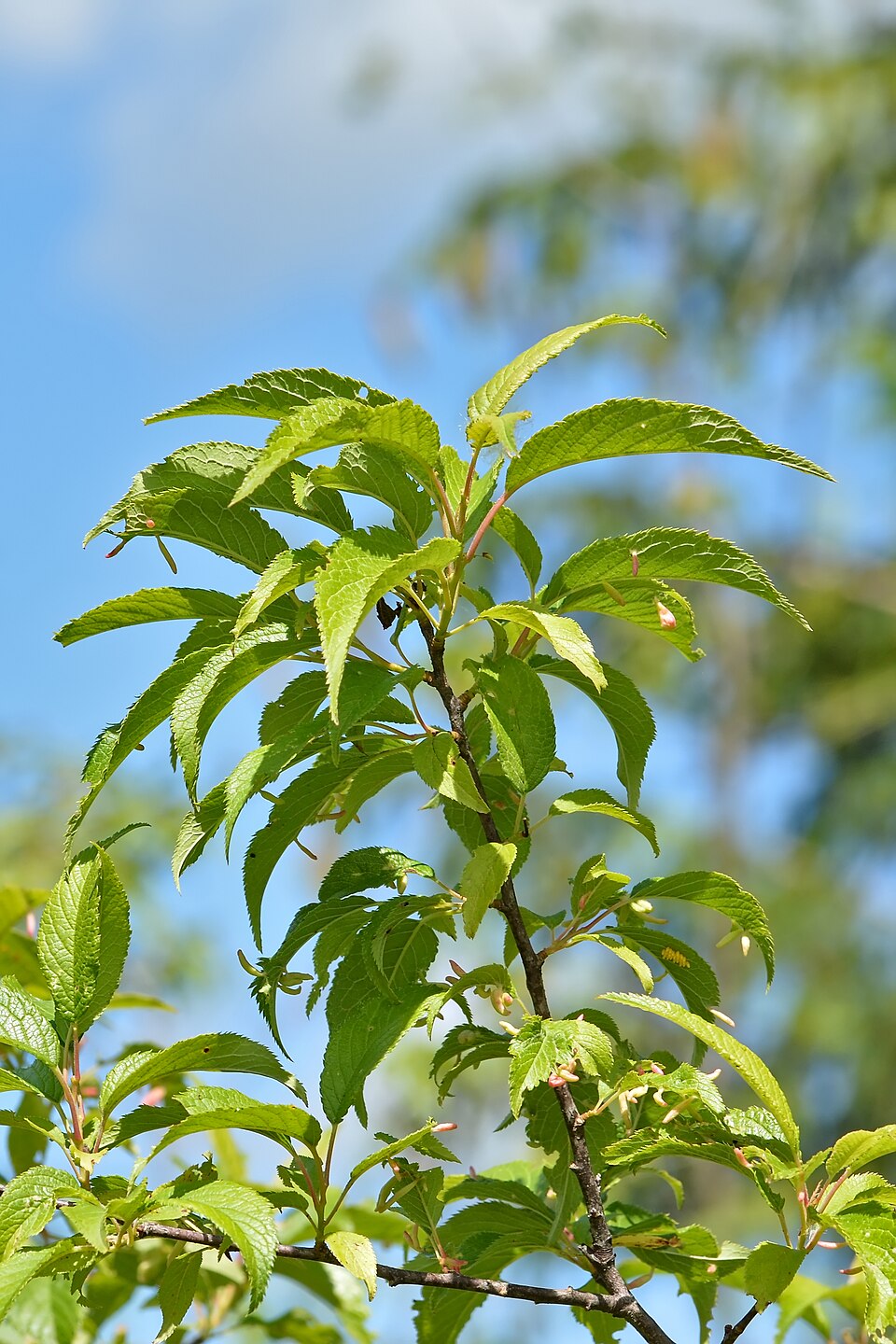
Wild Plum fruit ripening from yellow to red in late summer. Photo: Wikimedia Commons (CC BY-SA 4.0) Prunus americana, commonly known as Wild Plum, American
View More