
Resurrection Plant (Selaginella lepidophylla)
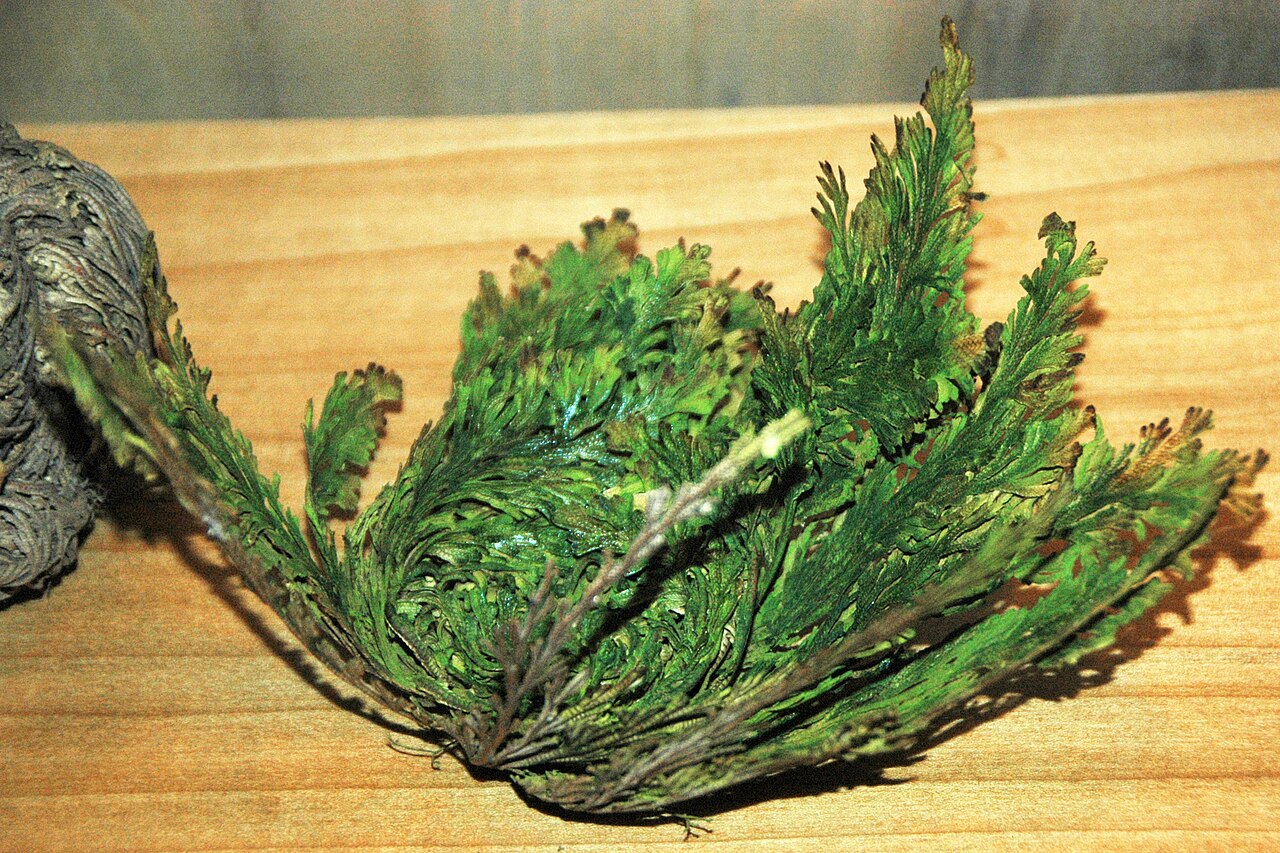
Selaginella lepidophylla, the Resurrection Plant, is the famous “plant that comes back to life.” In dry weather its stems curl inward into a tight brown ball that looks completely dead. Give it water and within a few hours the ball unfolds into a flat, green, fern-like rosette a few inches across. It can repeat this cycle many times and survive for months or even years in the dry state.
It is sold in markets, garden centers and online as rose of Jericho, false rose of Jericho, dinosaur plant, siempre viva, flower of stone or doradilla. Despite its fern-like look it is not a fern or a moss but a spikemoss, a member of the lycophytes, an ancient group of spore-bearing vascular plants. It never flowers or sets seed.
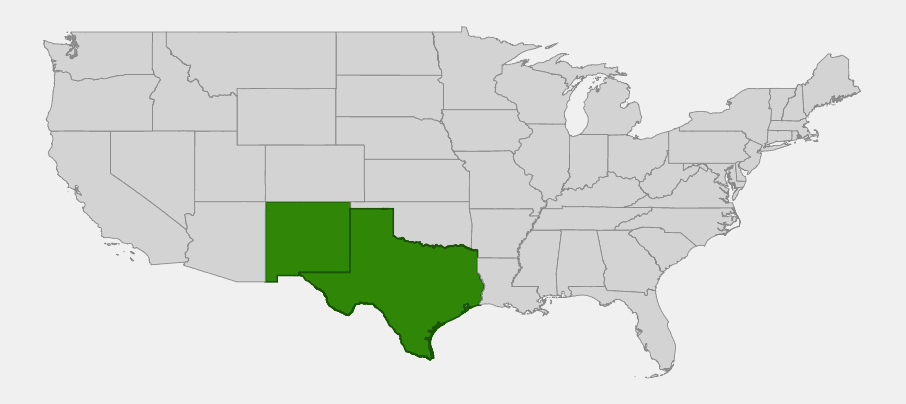
Resurrection plant is native to the Chihuahuan Desert of Mexico, and in the United States it reaches its northern limit in western Texas and southern New Mexico, where USDA PLANTS lists it as native. This guide covers how to recognize it, where it grows wild, how to keep one alive at home without rotting it, and the science and folklore behind its revival.
Identification
Resurrection plant is easy to recognize in either of its two states. No other plant sold in stores rolls up into a fist-sized, nest-like ball and then flattens into a green rosette when wet.
Rosette & Stems
A mature plant is a single rosette roughly 4 to 6 inches across and only an inch or two tall when open. The stems radiate from a short central stalk and fork repeatedly in one plane, so each branch looks like a small, flat fern frond. The upper surface is bright to olive green when hydrated; the undersides and older stems are reddish brown.
Leaves
The “leaves” are tiny scale-like microphylls, the kind of leaf found in spikemosses and clubmosses, packed tightly along the stems in four rows. They are only a millimeter or two long, overlapping like shingles, which gives the plant its species name: lepidophylla means “scaly-leaved.”
Dry, Curled State
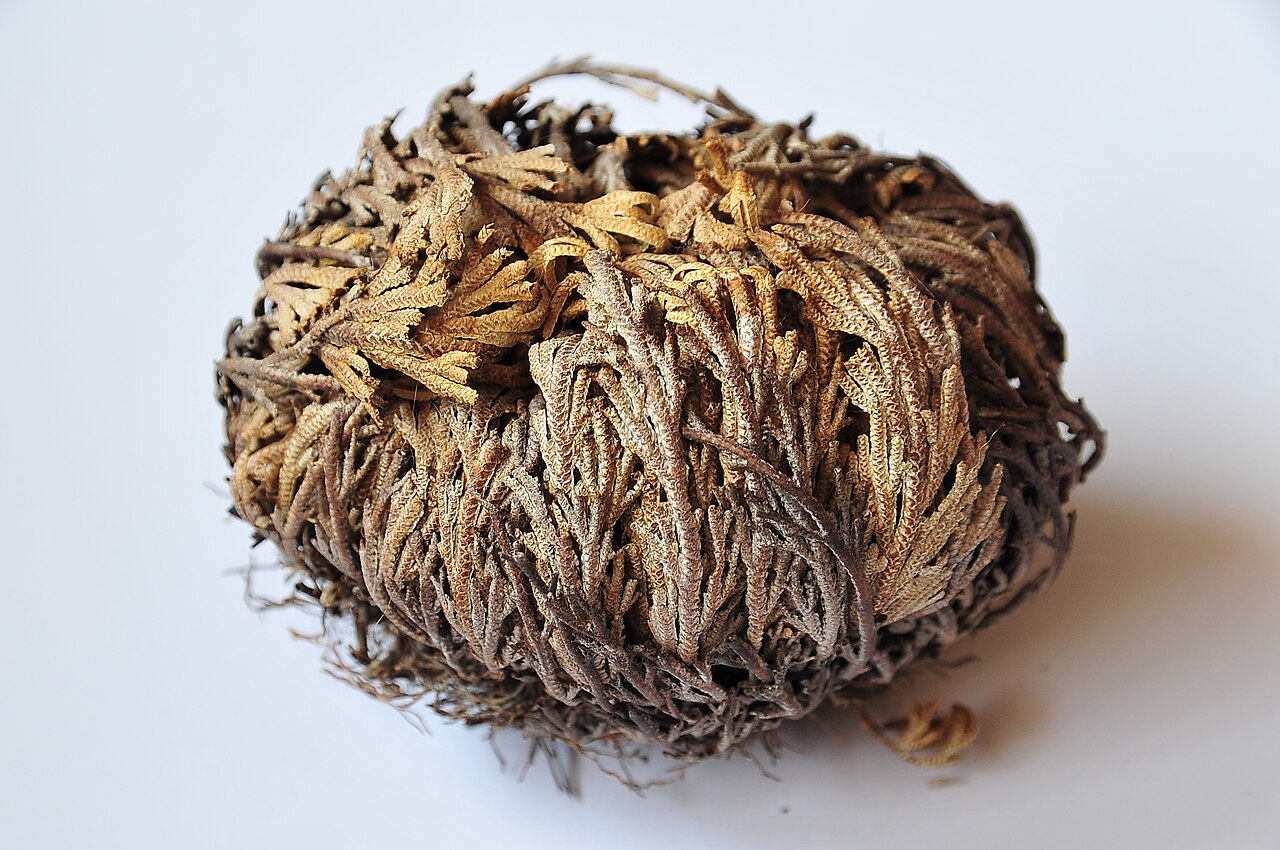
As it dries, the outer stems bend into rings and the inner stems coil into spirals, until the whole plant forms a ball about the size of a fist. In this state it is brown to gray-brown, light, and brittle. The curling protects the green inner tissues from intense sun and slows water loss. The ball is not a tumbleweed: wild plants stay rooted in place, though loose balls sold in shops have been pulled from the ground.
Spores & Similar Species
Resurrection plant reproduces by spores borne in small, four-sided cones (strobili) at the branch tips. It is not related to the true rose of Jericho (Anastatica hierochuntica), a small Middle Eastern mustard whose dead, woody skeleton also opens when wet but does not come back to life. Other native spikemosses, such as Bushy Spikemoss and Rock Spikemoss, form mats or tufts of narrow stems instead of a single flat rosette.
Quick Facts
| Scientific Name | Selaginella lepidophylla (Hook. & Grev.) Spring |
| Family | Selaginellaceae (spikemoss family) |
| Plant Type | Evergreen spikemoss (lycophyte); desiccation-tolerant perennial |
| Mature Height | 1–2 in open; up to about 5 in |
| Mature Spread | 4–6 in rosette |
| Growth Rate | Slow |
| Sun Exposure | Full sun to part shade in the wild; bright indirect light indoors |
| Water Needs | Very low in the wild; occasional soaking with dry spells indoors |
| Soil Type | Rocky, gravelly, fast-draining soil; limestone and igneous slopes |
| Soil pH | Neutral to alkaline |
| Bloom Time | Does not flower; spores form in small cones |
| Flower Color | None |
| Fall Color | None; curls up and turns brown in drought |
| Fruit | None; reproduces by spores |
| Deer Resistant | Yes; too small and tough to attract browsers |
| USDA Hardiness Zones | 8–11 outdoors; any zone as a houseplant |
Native Range
Resurrection plant is a Chihuahuan Desert native. Most of its range lies in northern and central Mexico, from Chihuahua and Coahuila south through the high desert and into drier parts of eastern Mexico. USDA PLANTS lists it as native in only two U.S. states, New Mexico and Texas, and the Lady Bird Johnson Wildflower Center describes its range as “New Mexico and Texas south into Mexico.”
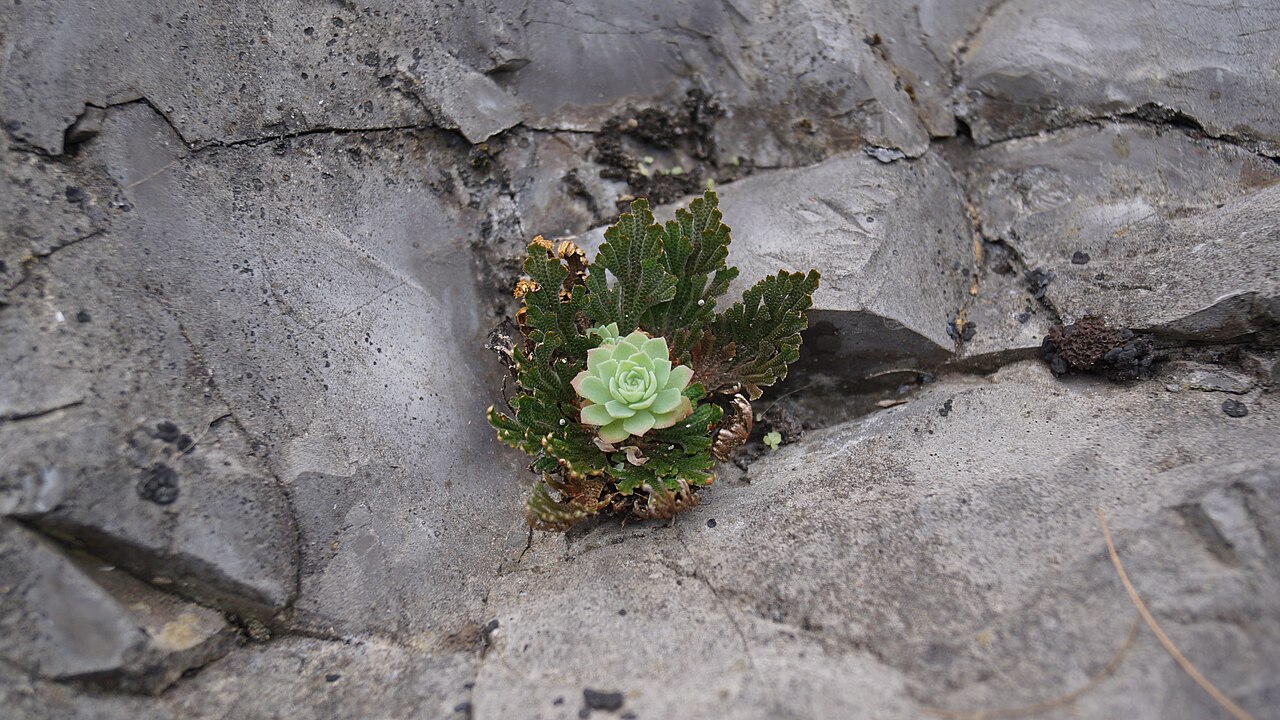
In Texas it grows in the Trans-Pecos, the desert mountains and canyons west of the Pecos River, including the Big Bend region. USDA also lists it for New Mexico, at the northern edge of the Chihuahuan Desert. Within this range it is a plant of rock: limestone ledges, igneous outcrops, crevices and gravelly slopes, often tucked into the shelter of a boulder where a little extra moisture collects.
The dried balls sold around the world are gathered mostly from wild populations in Mexico. If you buy one, treat it as a long-lived houseplant rather than a novelty to discard. Never collect plants from the wild in Texas, New Mexico or anywhere else; the species grows slowly, and harvest for the novelty trade removes whole plants.
📋 Regional plant lists featuring Resurrection Plant: South & West Texas · Arizona & New Mexico
Growing & Care Guide
Most resurrection plants are bought as dry balls, and the most common mistake is leaving them sitting in water forever. In the wild the plant spends most of its life dry and only wakes up after rain. Copy that rhythm and it can live for many years.
Light
Indoors, give it bright, indirect light, such as a spot near an east- or south-facing window, but out of hot direct midday sun when it is in water, which can cook it. Outdoors in the desert Southwest it does best tucked among rocks with morning sun and afternoon shade.
Soil & Water
To revive a dry ball, set it right-side up (roots down) in a shallow dish of lukewarm water, or on a layer of gravel with water just reaching the base. It opens over a few hours to a day. Change the water every day or two so it does not turn sour. After about a week, let it dry out completely for several days, then rehydrate again. Plants kept constantly wet tend to rot or grow mold; plants given wet and dry cycles stay healthy. Distilled or rainwater is best if your tap water is very hard.
For a longer-term planting, pot it in a shallow container of gritty cactus mix with extra gravel, water when the mix is dry, and let it curl up between waterings.
Planting Tips
In zones 8 to 11 with dry winters, it can be grown in a rock garden or a crevice garden made of limestone or other stone, where it gets good drainage and some shelter. Elsewhere, treat it as a houseplant or terrarium specimen; open terrariums work better than closed ones, which stay too humid.
Pruning & Maintenance
No pruning is needed. Brown outer stems are normal; the plant grows new green tissue from the center. If a section turns black and mushy, cut it away and let the plant dry out completely before watering again. Not every store-bought ball is alive; if the center never turns green after several soakings, the plant has likely died, but the stems will still open and close mechanically when wet.
Propagation
It reproduces by spores, which is slow and difficult at home. Gardeners occasionally separate small offset rosettes from a large clump. Buy plants from responsible sellers, and avoid collecting from the wild.
Landscape Uses
- Houseplant and curiosity: a living lesson in drought survival for classrooms and children
- Rock and crevice gardens: a small accent among limestone in Chihuahuan Desert landscapes
- Terrariums and dish gardens: open, well-ventilated containers with gravel and occasional water
- Desert native displays: paired with agaves, sotols and small cacti in xeriscape plantings
- Gifts and tradition: given as a symbol of renewal and good luck in many cultures
Wildlife & Ecological Value
Resurrection plant is small, but on bare desert rock it is part of the thin living skin that holds soil and moisture in place.
For Pollinators
As a spore-bearing plant it has no flowers and offers nothing to bees or butterflies. Pair it with flowering desert natives if you want pollinator value in a rock garden.
For Birds
It provides no seeds or fruit, but the dried balls and loose stems may be pulled apart by birds for nesting material, and the small rosettes shelter insects that birds eat.
For Mammals
Its tough, dry tissues are of little food value to deer, rabbits or livestock, so it is rarely browsed.
Ecosystem Role
Together with mosses, lichens and other small plants, resurrection plant colonizes crevices and thin soils on desert slopes, trapping dust and organic matter and slowly building soil. It photosynthesizes only during wet periods and switches off completely in drought, a strategy that lets it occupy rock faces where few other plants can survive.
Cultural & Historical Uses
Scientists study Selaginella lepidophylla as a model of desiccation tolerance. It can lose most of its water without its cells being destroyed, protecting them with sugars such as trehalose and other compounds, and it restarts photosynthesis within hours of rehydrating. Researchers have also studied the mechanics of its curling, which depends on differences in stiffness along the stems.
In Mexico and among Latino communities in the United States, the plant is known as doradilla or siempre viva (“always alive”). It is kept at home as a symbol of renewal, prosperity and good luck, and it is often placed in water around the New Year or Easter. It has also been used in traditional herbal medicine as a tea, but there is little scientific evidence for those uses and it should not be taken as medicine without professional advice.
The name “rose of Jericho” was borrowed from an unrelated Old World plant, Anastatica hierochuntica, whose dead skeleton also unfolds when wet and has been carried by pilgrims for centuries. The American plant is the true resurrection plant of the two, because it actually comes back to life.
Frequently Asked Questions
Is the resurrection plant really dead when it is dry?
No. When it is healthy, a dry resurrection plant is dormant, not dead. Its cells are protected so that it can recover and resume photosynthesis within hours or days of getting water. Even a dead plant will still uncurl when wet, though, so look for the center turning green.
How long can a resurrection plant stay dry?
It can survive for months and, according to many sources, several years in the dry state. Plants that cycle between wet and dry periods regularly tend to stay healthier than those left dry for very long times.
Can I leave my resurrection plant in water all the time?
It is better not to. Keep it in water for about a week, changing the water every day or two, then let it dry out for several days. Constant soaking leads to rot and mold.
Is the resurrection plant native to the United States?
Yes. USDA PLANTS lists Selaginella lepidophylla as native to Texas and New Mexico, where it grows on rocky slopes in the Chihuahuan Desert. Most of its range is in Mexico.
Is resurrection plant safe for pets?
It is not known as a significant toxic plant, but as with any houseplant, keep it away from pets that chew plants. Do not use it as an herbal remedy without professional advice.

Looking for a nursery that carries Resurrection Plant?
Browse our native plant nursery directory: New Mexico · Texas

