
Silver Ponysfoot (Dichondra argentea)
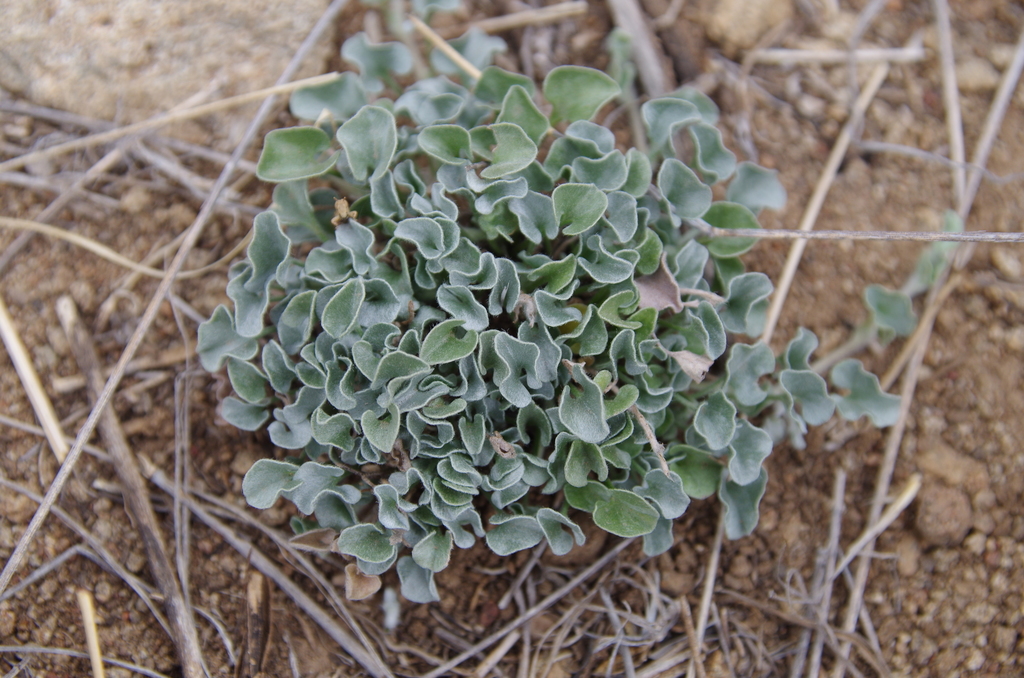
Dichondra argentea, known as Silver Ponysfoot or silver dichondra, is a low, creeping perennial in the morning glory family (Convolvulaceae). Its small, rounded, fan- to kidney-shaped leaves are covered with silky hairs that give the whole plant a bright, metallic silver color. If the name sounds familiar, it is because the hugely popular trailing container plant ‘Silver Falls’ dichondra is a selection of this species.
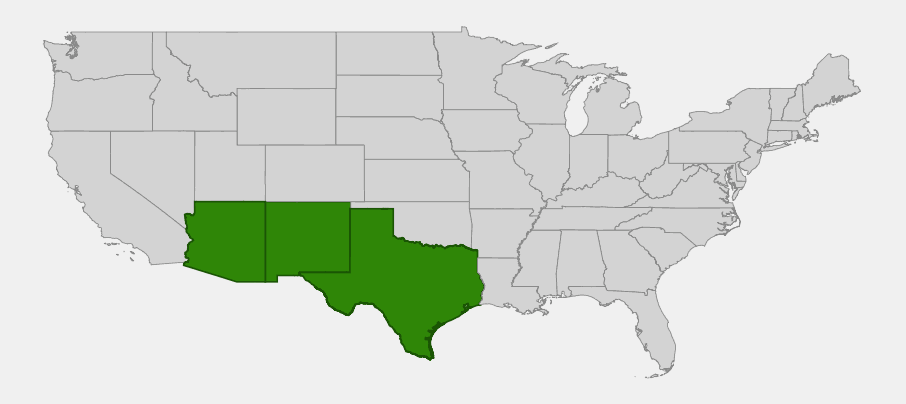
Silver ponysfoot is native to the Southwest. USDA PLANTS lists it in Arizona, New Mexico and Texas, and its range continues south into Mexico. In the wild it grows on rocky slopes, canyon sides and gravelly ground in desert grassland and oak and juniper woodland, usually tucked into the partial shade of rocks and shrubs.
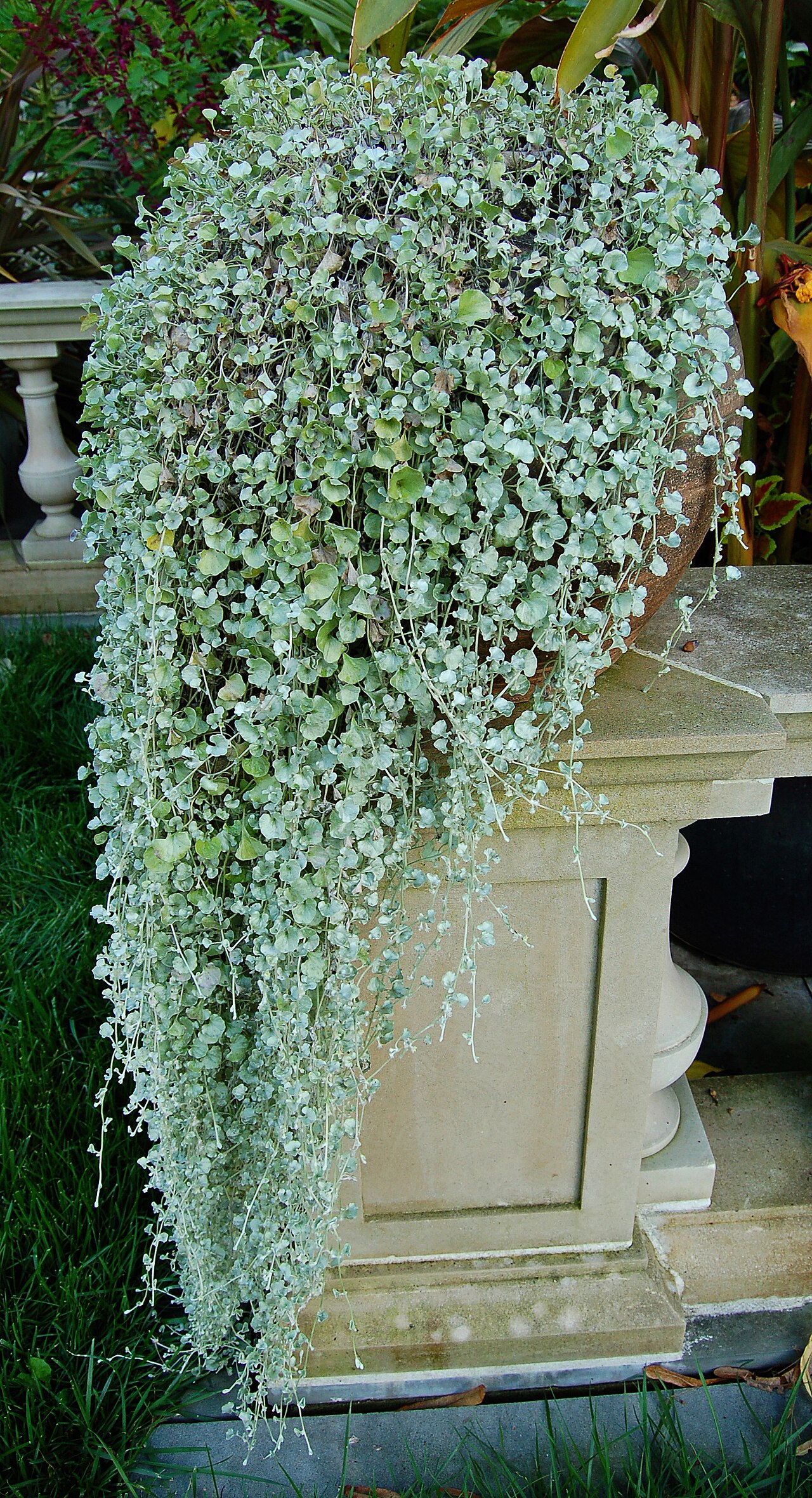
In gardens it is a drought-tolerant groundcover for hot, dry places and a favorite “spiller” for hanging baskets, window boxes and tall planters, where its silver stems can trail 3 to 6 feet. This guide covers how to recognize the wild plant, where it grows, and how to grow it as a native groundcover or a container plant.
Identification
Look for a low, creeping plant with small, round to kidney-shaped, silvery, silky leaves on long, slender, trailing stems, with tiny pale flowers hidden among the leaves.
Growth Habit
Silver ponysfoot is a low, mat-forming or trailing perennial, usually only 2 to 4 inches tall. Its slender stems creep along the ground or hang over rocks and ledges and can root where they touch moist soil. Wild plants form loose patches a foot or two across; garden plants given water and fertilizer can trail several feet.
Leaves
The leaves are alternate, simple, about 1/2 to 1 inch wide, fan-shaped to kidney-shaped or nearly round, on stalks longer than the blades. Both sides are densely covered in fine, flattened, silky hairs that make them silver-gray to silvery green. In deep shade or after rain, the leaves look greener.
Flowers
The flowers are tiny, less than 1/4 inch across, borne singly on short stalks in the leaf axils. Each has a hairy calyx and a pale greenish, cream or yellowish, bell-shaped corolla with five lobes. They are easily overlooked. In the wild they appear in spring and again after summer rains.
Fruit & Seeds
The fruit is a small, hairy capsule made of two rounded lobes, each holding one or two seeds. The name Dichondra means “two grains,” referring to this two-lobed fruit.
Look-alikes
Carolina ponysfoot (Dichondra carolinensis) of the Southeast has bright green leaves that are hairless or only sparsely hairy. Lawn dichondra (D. repens, sometimes sold as ‘Emerald Falls’ or D. micrantha) is also green. Silver ponysfoot’s silver-silky leaves on both sides set it apart.
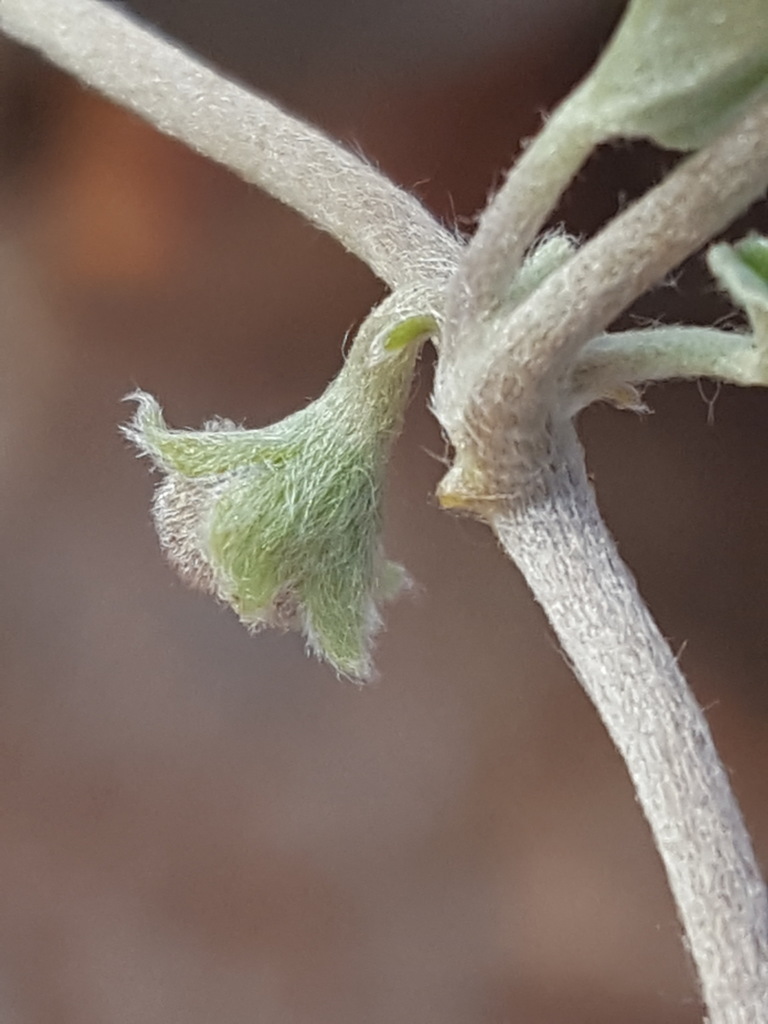
Quick Facts
| Scientific Name | Dichondra argentea |
| Family | Convolvulaceae (morning glory family) |
| Plant Type | Low, creeping or trailing perennial groundcover |
| Mature Height | 2–4 in (trailing 3–6 ft in containers) |
| Mature Spread | 1–3 ft |
| Growth Rate | Moderate to fast |
| Sun Exposure | Full sun to part shade |
| Water Needs | Low; drought tolerant once established |
| Soil Type | Rocky, gravelly or sandy, well-drained soil |
| Soil pH | Neutral to alkaline (about 6.5–8.5) |
| Bloom Time | Spring to fall after rain |
| Flower Color | Pale green, cream or yellowish |
| Fall Color | None; silver evergreen in mild winters |
| Fruit | Small, two-lobed hairy capsule |
| Deer Resistant | Moderately |
| USDA Hardiness Zones | 8–11 (annual in colder areas) |
Native Range
Silver ponysfoot is native from West Texas and southern New Mexico to southeastern Arizona and south through much of Mexico. USDA PLANTS lists it as native in Arizona, New Mexico and Texas, and the Lady Bird Johnson Wildflower Center describes its range as West Texas to southeastern Arizona and Mexico.
In Texas it is most common in the Trans-Pecos, including Big Bend National Park and the Davis Mountains, and there are scattered records farther east on the Edwards Plateau and in Central Texas, some of which may be garden escapes of ‘Silver Falls’. In New Mexico it grows in the southern part of the state, and in Arizona in the southeastern mountains and canyons.
It grows in dry, rocky places at about 2,000 to 6,500 feet: canyon walls and ledges, rocky hillsides, gravelly washes and slopes in desert grassland, desert scrub and oak and juniper woodland. It is usually found in the shelter of rocks, shrubs and trees, where it gets some shade and extra moisture.
📋 Regional plant lists featuring Silver Ponysfoot: Arizona & New Mexico · South & West Texas
Growing & Care Guide
Silver ponysfoot is easy to grow and very heat tolerant. In zones 8 to 11 it is a perennial groundcover; in colder climates it is grown as a summer annual in containers and hanging baskets.
Light
Full sun to part shade. In the low desert and hot inland areas it looks best with afternoon shade. In cooler and northern gardens, full sun gives the brightest silver color. Too much shade makes the leaves greener and the stems lanky.
Soil & Water
Give it well-drained soil: rocky, gravelly or sandy ground in the garden, or a good potting mix with extra perlite in containers. Once established in the ground, it needs only occasional deep watering in hot, dry spells. Containers and hanging baskets dry out quickly and need regular water in summer, but let the top of the mix dry slightly between waterings, because soggy soil causes rot.
Planting Tips
Plant after the last frost, about 12 inches apart for groundcover. Use it between flagstones, over walls, in rock gardens and on slopes. In containers, place it at the edge so it can spill over; it looks striking with purple, blue or red flowers and dark foliage. Feed container plants lightly every few weeks in summer; in-ground native plants need no fertilizer.
Pruning & Maintenance
Trim long stems any time to keep it in bounds or to thicken a container plant. Mature plants take light foot traffic poorly, so use stepping stones in paths. In colder climates, cuttings can be overwintered indoors in a sunny window.
Propagation
Grow it from seed, which is tiny and needs light to germinate: press it onto the surface of moist mix and keep it warm (about 70–75°F); seedlings are slow at first. It is easier from stem cuttings or by pinning down trailing stems until they root, then cutting and potting them. ‘Silver Falls’ is propagated from seed and cuttings by commercial growers.
Landscape Uses
- Hanging baskets & containers: a cascading silver “spiller” that trails several feet
- Groundcover: a low, drought-tolerant mat for dry, sunny or lightly shaded ground
- Rock gardens & walls: softens rocks, ledges and retaining walls
- Between pavers: fills gaps in flagstone paths and patios
- Xeriscapes: silver foliage for low-water Southwest gardens
Wildlife & Ecological Value
In the wild, silver ponysfoot is a small but useful part of the ground layer of Southwestern canyons and rocky hillsides.
For Pollinators
The tiny flowers are visited by small native bees, flies and other small insects. They offer a modest amount of nectar and pollen close to the ground.
For Birds
Quail and other ground-foraging birds may eat the small seeds and the insects that shelter under the mats.
For Mammals
Rabbits and rodents occasionally browse it, but its hairy leaves are not a favorite, and deer usually leave it alone.
Ecosystem Role
Its creeping stems help hold thin, rocky soils on slopes and ledges, and its mats shade the soil, keeping it cooler and moister for seedlings and small animals.
Cultural & Historical Uses
The genus name Dichondra comes from the Greek for “two grains,” describing the two-lobed fruit. The species name argentea means “silvery.” The common name ponysfoot refers to the rounded, hoof-like shape of the leaves.
The cultivar ‘Silver Falls’ has become one of the most widely sold trailing container plants in North America and Europe. Many gardeners who grow it every summer never realize that it comes from a wild plant of the Texas and Arizona mountains.
Because it tolerates heat and drought, silver ponysfoot is a good native alternative to non-native silver groundcovers in Southwest gardens, and a good reminder that some popular “annuals” are native perennials grown outside their range.
Frequently Asked Questions
Is Silver Falls dichondra native?
Yes. ‘Silver Falls’ is a selection of Dichondra argentea, which is native to Arizona, New Mexico and West Texas, and to Mexico.
Is silver ponysfoot a perennial?
Yes, in zones 8 to 11. In colder climates it is grown as an annual, or cuttings are brought indoors for winter.
Does silver dichondra need sun or shade?
It grows in full sun to part shade. Full sun gives the brightest silver color; afternoon shade helps in very hot, dry climates.
How far does Silver Falls dichondra trail?
In a hanging basket or tall planter with regular water and fertilizer, the stems can trail 3 to 6 feet in one season. Wild plants stay much smaller.
Can silver ponysfoot replace a lawn?
It works as a groundcover for small areas with little foot traffic, especially between pavers and on slopes, but it does not tolerate heavy wear like turfgrass.

Looking for a nursery that carries Silver Ponysfoot?
Browse our native plant nursery directory: Arizona · New Mexico · Texas

