Desert Zinnia (Zinnia acerosa)
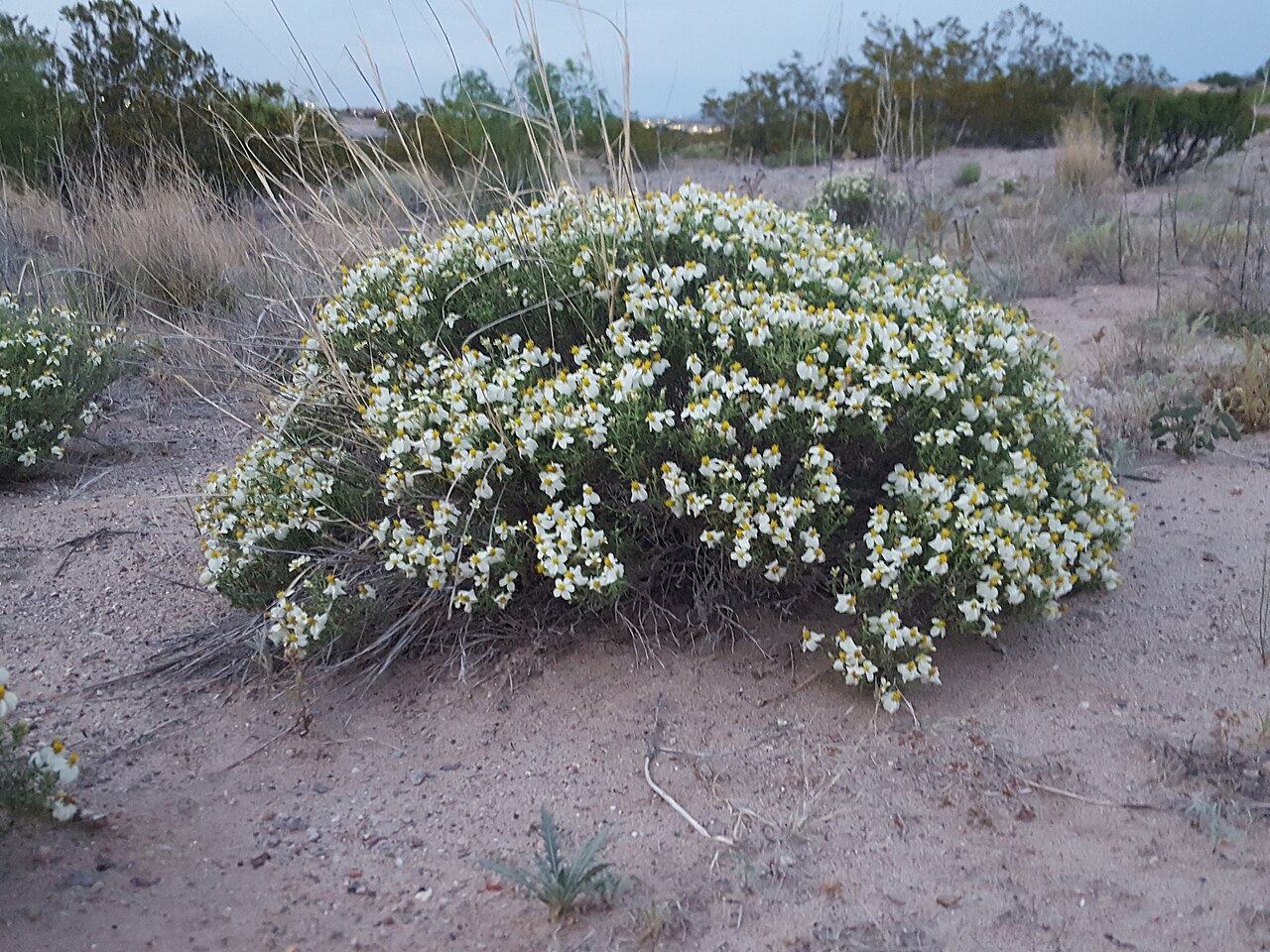
Desert Zinnia (Zinnia acerosa) is a tough little perennial of the Chihuahuan and Sonoran desert grasslands, forming low, tidy mounds of silvery, needle-fine foliage that disappear under a blanket of small white, daisy-like flowers whenever rain arrives. Its species name, acerosa, means “needle-like,” a direct reference to the narrow, awl-shaped leaves that set it apart from its larger, more familiar garden cousin, the common zinnia (Zinnia elegans). Unlike that Mexican bedding-plant favorite, Desert Zinnia is a true Southwestern native, woody at the base, drought-adapted, and built to survive on rocky, sun-baked ground with almost no supplemental water.
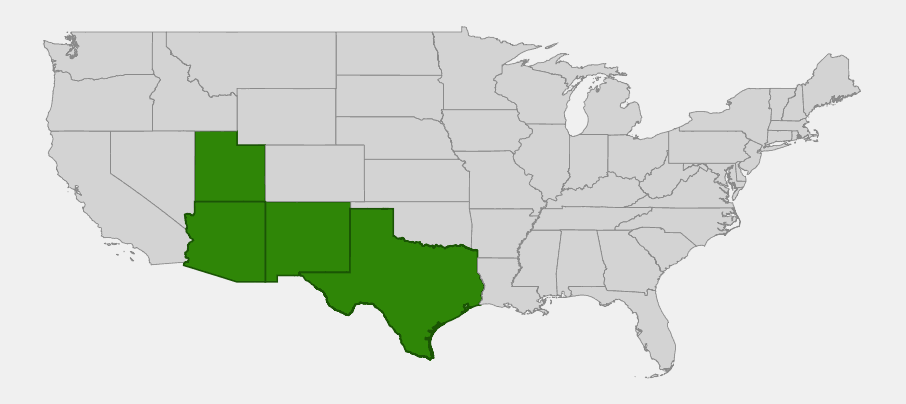
In the wild, Desert Zinnia grows scattered across limestone flats, creosote-bush grassland, and rocky desert slopes from southern Arizona and New Mexico into the Trans-Pecos and Edwards Plateau country of Texas, with a few outlying populations reaching into southwestern Utah. It rarely grows taller than knee height and usually stays closer to ankle height, but what it lacks in stature it makes up for in persistence — established plants can keep blooming on and off for most of the year, flaring into a full flush of flowers within days of a good soaking rain.
For home gardeners in hot, dry climates, Desert Zinnia is an excellent low-water groundcover and edging plant. It asks for almost nothing once established — full sun, sharp drainage, and infrequent water — and rewards that neglect with months of cheerful white blooms that draw small butterflies, skippers, and native bees. It is a mainstay of xeriscape and rock-garden plantings throughout the low desert Southwest.
Identification
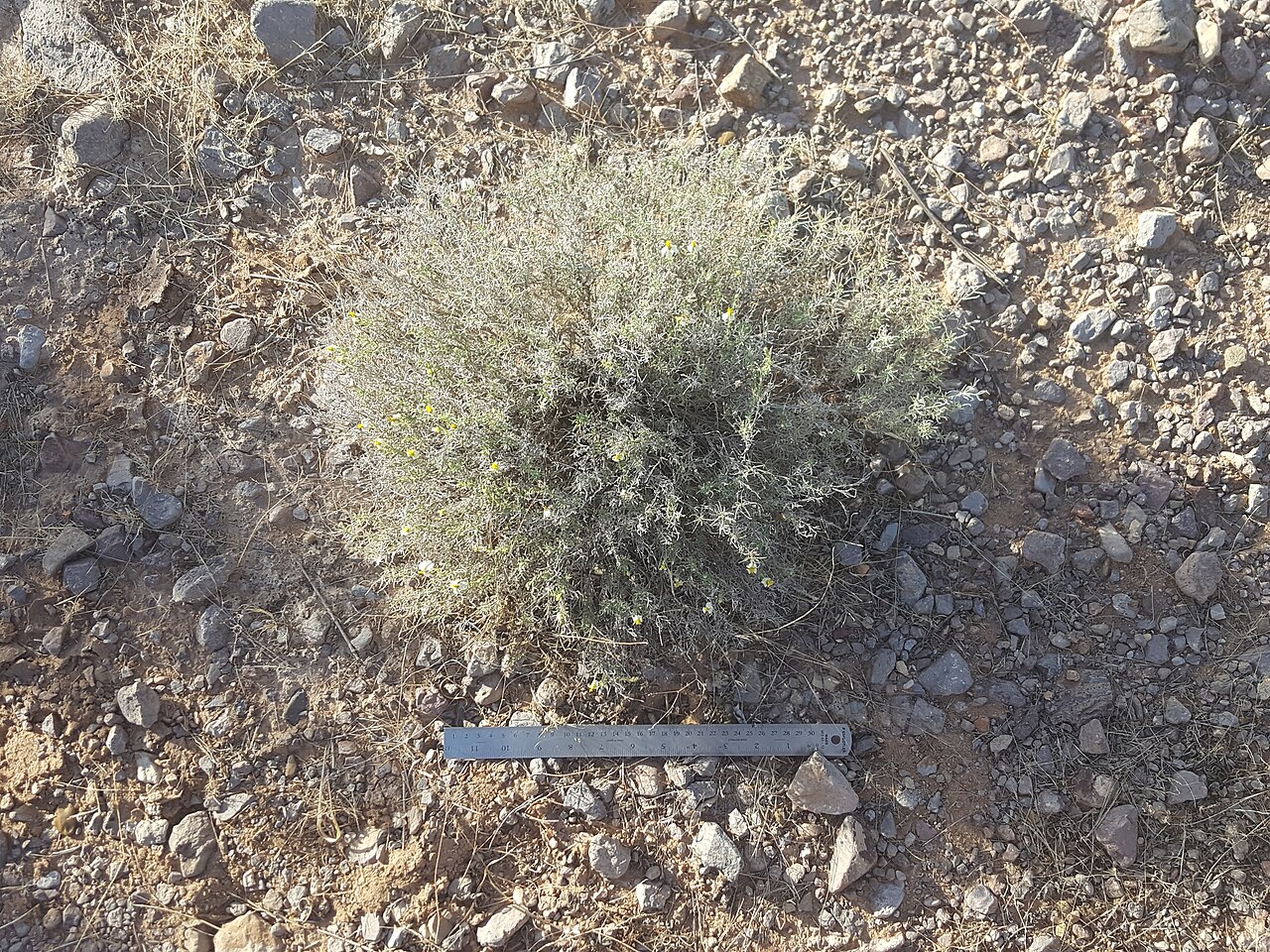
Desert Zinnia is a small, rounded, semi-woody perennial subshrub, typically 4 to 10 inches tall and spreading 10 to 20 inches wide, with multiple stiff stems branching from a woody base to form a dense, tidy mound.
Stems
The base of the plant becomes distinctly woody with age, sending up numerous slender, brittle, gray-barked stems that branch repeatedly near the tips. Older plants often look like a miniature, rounded shrublet even when not in flower.
Leaves
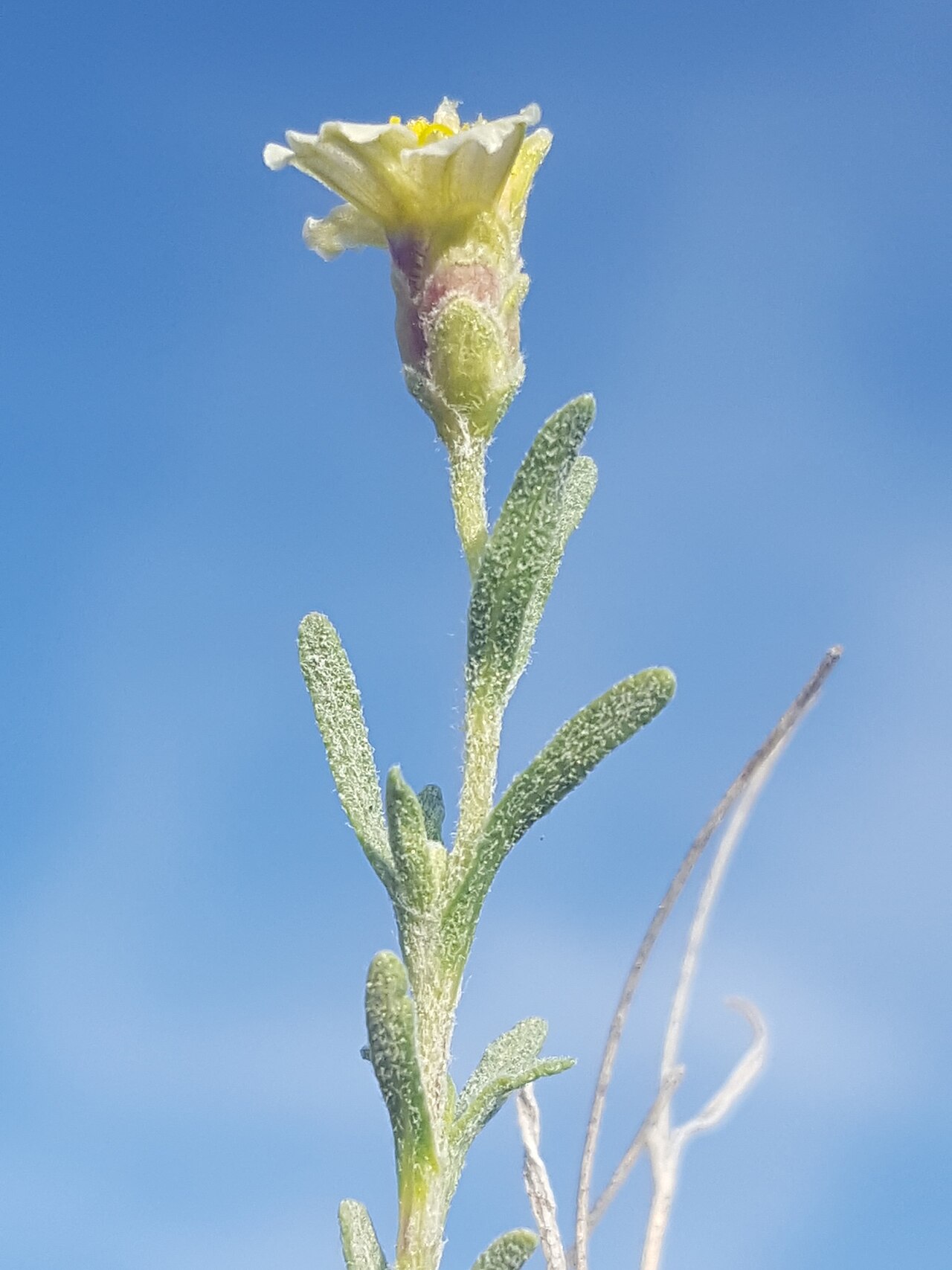
Leaves are opposite, narrow, and linear to awl-shaped — ¼ to 1 inch long and only about 1/16 inch wide — giving the plant its “needle-like” (acerosa) common epithet. They are gray-green to silvery, finely hairy, and rigid to the touch, an adaptation that reduces water loss in intense desert sun.
Flowers
Flower heads are small, daisy-like, and borne singly on short stalks at the branch tips, about ½ to ¾ inch across. Each head has 4 to 6 broad, white (occasionally cream or pale pink-tinged) ray florets surrounding a cluster of yellow to orange disc florets. The ray florets are sterile and, after pollination, persist on the plant and dry to a straw-colored, papery texture rather than dropping away quickly, which is why spent flower heads often linger on the plant for weeks. Bloom can occur nearly any time of year that moisture allows, but is heaviest from spring through fall, especially after summer monsoon rains.
Fruit & Seeds
Like other members of the aster family, Desert Zinnia produces small, dry, single-seeded fruits (achenes) rather than fleshy fruit. They are inconspicuous and are dispersed primarily by wind and gravity close to the parent plant.
Quick Facts
| Scientific Name | Zinnia acerosa |
| Family | Asteraceae (Aster/Daisy) |
| Plant Type | Perennial Subshrub / Groundcover |
| Mature Height | 4–10 in (10–25 cm) |
| Mature Spread | 10–20 in (25–50 cm) |
| Growth Rate | Slow to Moderate |
| Sun Exposure | Full Sun |
| Water Needs | Low; Excellent drought tolerance |
| Soil Type | Rocky, sandy or calcareous; sharp drainage essential |
| Soil pH | 7.0–8.5 (neutral to alkaline) |
| Bloom Time | Spring–fall, heaviest after rain |
| Flower Color | White with yellow-orange center |
| Fall Color | None notable (evergreen gray-green foliage) |
| Fruit | Small dry achenes (inconspicuous) |
| Deer Resistant | Yes (fuzzy, needle-like foliage is rarely browsed) |
| USDA Hardiness Zones | 6–9 |
Native Range
Desert Zinnia is native to the warm deserts and desert grasslands of the American Southwest, with its core range centered on southern and central Arizona and southern New Mexico. From there it extends east across the Trans-Pecos and into the limestone hill country of central and south-central Texas, and it reaches a few disjunct, isolated populations in the extreme southwest corner of Utah. The species also occurs south of the border in the Mexican states of Sonora, Chihuahua, and Coahuila.
Across this range, Desert Zinnia favors open, sun-baked sites: desert grassland, creosote-bush and mesquite scrub, limestone hillsides, and rocky or gravelly flats, typically from around 1,000 to 5,500 feet in elevation. It is frequently found growing alongside creosote bush (Larrea tridentata), ocotillo (Fouquieria splendens), and various cacti and other low desert perennials, and it tolerates the thin, mineral soils and intense sun exposure typical of the Chihuahuan and Sonoran desert floor.
Because Desert Zinnia is so tightly adapted to arid, well-drained, calcareous ground, it struggles in heavier clay soils or regions with high summer humidity, and it is not considered reliably winter-hardy much north or east of its native range. Within its home range it is a reliable, long-lived component of the native plant community rather than a weedy or opportunistic species.
📋 Regional plant lists featuring Desert Zinnia: Arizona & New Mexico · Utah & Western Colorado
Growing & Care Guide
Desert Zinnia is about as low-maintenance as a flowering native perennial gets, provided it is given the sharp drainage and full sun it needs. It is a poor fit for rich, wet garden beds, but ideal for xeriscapes, gravel gardens, and rock gardens throughout the hot, dry Southwest.
Light
Give Desert Zinnia full sun. It is a true sun-lover adapted to open desert flats and performs poorly, becoming sparse and leggy, in shade or even partial shade.
Soil & Water
Sharp drainage is essential — Desert Zinnia is adapted to thin, rocky, often calcareous (limestone-derived) soils and will not tolerate soggy or heavy clay ground, especially in winter. Once established, it needs very little supplemental water and is one of the more drought-tolerant native perennials available for low-desert gardens; occasional deep watering during the hottest, driest stretches of summer will keep it blooming, but it can otherwise rely on natural rainfall.
Planting Tips
Plant from containers in fall or early spring to allow roots to establish before the heat of summer. Amend heavy soils with coarse sand or gravel to improve drainage, or plant on a slight mound. Space plants about 12 to 18 inches apart for a filled-in groundcover effect, or use singly as a rock-garden accent.
Pruning & Maintenance
Little pruning is needed. An occasional light shearing after a heavy bloom flush can tidy up spent flower heads and encourage a fuller, more compact mound, but Desert Zinnia generally holds its tidy shape on its own. Avoid heavy irrigation or fertilizer, both of which can shorten the plant’s lifespan by encouraging rot or excessive, weak growth.
Propagation
Desert Zinnia is most commonly propagated from seed sown in fall, which benefits from the sharp drainage of a gritty seed-starting mix. Established clumps can occasionally be divided at the woody base, though cutting-grown or seed-grown plants generally transplant more reliably.
Landscape Uses
- Xeriscaping — a workhorse low-water groundcover for hot, dry gardens
- Rock gardens and gravel beds where its mounding form reads well against stone
- Edging and border fronts along walkways and driveways
- Pollinator gardens that need long-blooming, drought-proof nectar sources
- Erosion control on dry, sunny slopes with rocky or calcareous soil
Wildlife & Ecological Value
Despite its small stature, Desert Zinnia pulls real ecological weight in the desert plant communities it inhabits, offering a dependable nectar source in a landscape where blooms can be scarce for long stretches between rains.
For Pollinators
The flower heads attract a range of small native bees, as well as butterflies and skippers that work the open, daisy-shaped blooms. Because Desert Zinnia can flower intermittently through much of the warm season, it provides a more reliable nectar source than many desert annuals that bloom only briefly after rain.
For Birds & Small Wildlife
The small seed heads provide modest forage for seed-eating desert birds, and the dense, low mounds offer minor cover for ground-dwelling insects and small reptiles in an otherwise open, exposed landscape.
Ecosystem Role
As a long-lived, low-growing perennial, Desert Zinnia helps stabilize thin desert soils against wind and water erosion and contributes structural diversity to desert grassland and scrub communities that are otherwise dominated by taller shrubs like creosote bush and mesquite.
Cultural & Historical Uses
Desert Zinnia has no significant documented history of medicinal or food use among Indigenous peoples of the Southwest, and no part of the plant is known to be eaten. Its main historical value has been ecological and aesthetic rather than utilitarian — a durable, ever-present bloom across the desert grasslands it calls home.
In more recent decades, Desert Zinnia has become a staple of the xeriscape and native-plant gardening movements that took hold across the arid Southwest in response to water scarcity. Its combination of low water use, long bloom season, and tidy habit made it an early favorite for municipal and residential water-wise landscaping in Arizona, New Mexico, and West Texas.
No toxicity to people or pets has been documented for Desert Zinnia, though as with any plant it is not intended for consumption.
Frequently Asked Questions
Is Desert Zinnia the same as the zinnias sold at garden centers?
No. Garden-center “zinnias” are almost always Zinnia elegans, an annual bedding plant native to Mexico with larger, showier flowers and no drought tolerance to speak of. Desert Zinnia (Zinnia acerosa) is a much smaller, woody-based perennial native to the U.S. Southwest, grown for toughness and low water use rather than flashy color.
How much water does Desert Zinnia need?
Very little once established. It is adapted to desert rainfall patterns and performs best with infrequent, deep watering rather than regular irrigation. Overwatering, especially in heavier soils, is the most common way to lose this plant.
Will Desert Zinnia survive a hard freeze?
It is reliably hardy through USDA zones 6–9, which covers most of its native range. In colder pockets it may die back to the woody base in a hard winter and resprout from there in spring.
Does Desert Zinnia spread aggressively?
No. It grows slowly into a neat, contained mound and is not considered weedy or invasive anywhere in or outside its native range.
Can Desert Zinnia grow in Utah?
Yes, though only in a narrow, hot, low-elevation pocket in the extreme southwest corner of the state where desert conditions prevail; it is not suited to Utah’s higher, colder elevations.

Looking for a nursery that carries Desert Zinnia?
Browse our native plant nursery directory: Arizona · New Mexico · Texas & Utah