Tarbush (Flourensia cernua)
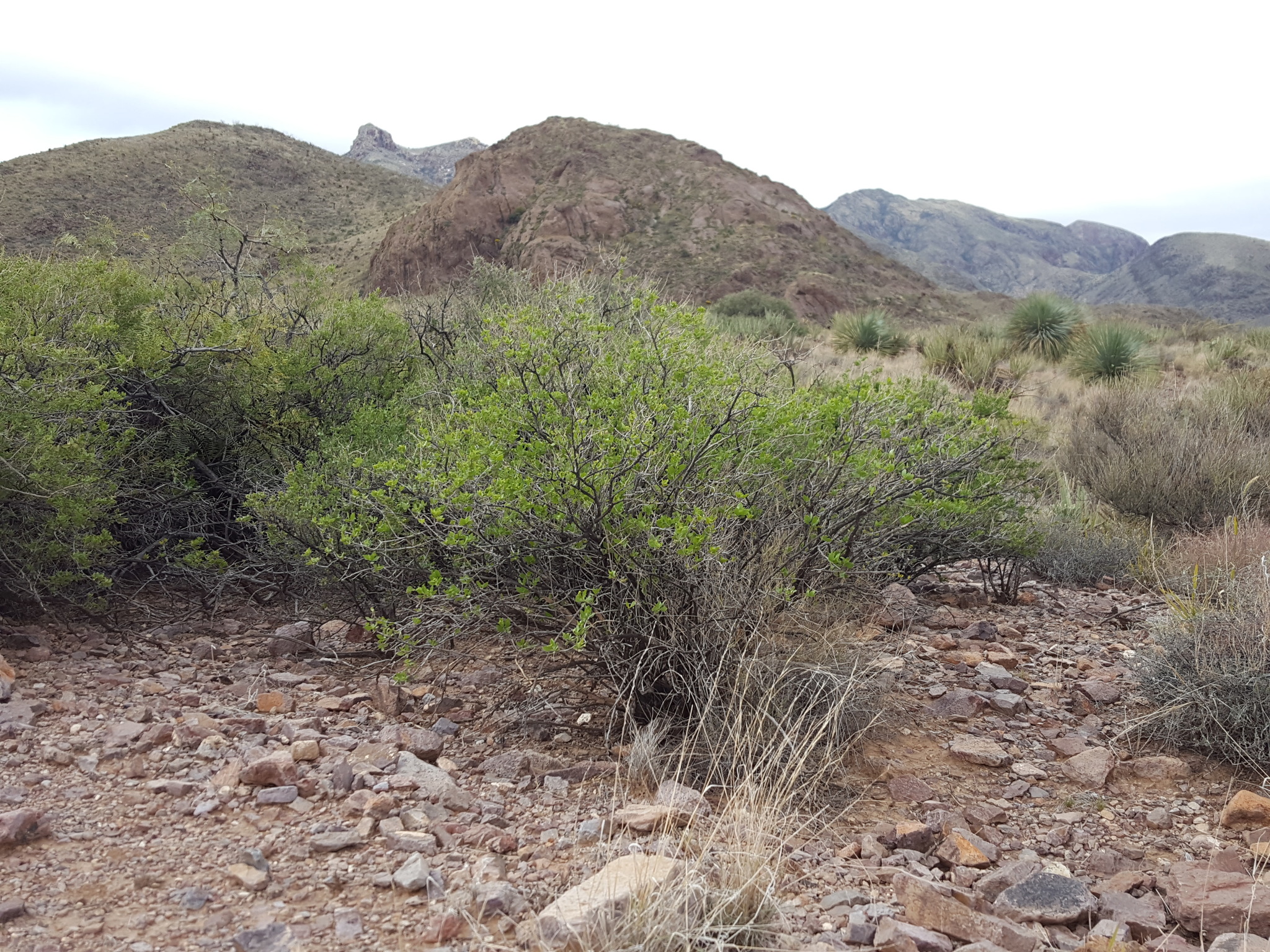
Flourensia cernua, commonly known as Tarbush or American Tarwort (and locally by its Spanish names hojasé or hojasén), is a small, rounded, resinous shrub of the aster family (Asteraceae) and one of the defining plants of the Chihuahuan Desert. Its common name comes from the sharp, tar-like or creosote-like odor released by its small, resin-coated leaves, especially after rain or when crushed — a scent as diagnostic of this desert as the smell of creosote bush itself.
Tarbush forms a dense, twiggy, rounded shrub typically 2 to 4 feet tall, with small, narrow, dark green leaves coated in a sticky, aromatic resin that helps the plant conserve moisture in one of North America’s driest landscapes. It is frequently co-dominant with creosote bush (Larrea tridentata) across vast stretches of desert flats and gently sloping bajadas in the Trans-Pecos region of Texas, southern New Mexico, and southeastern Arizona, where the two shrubs together define the look of the low desert scrub.
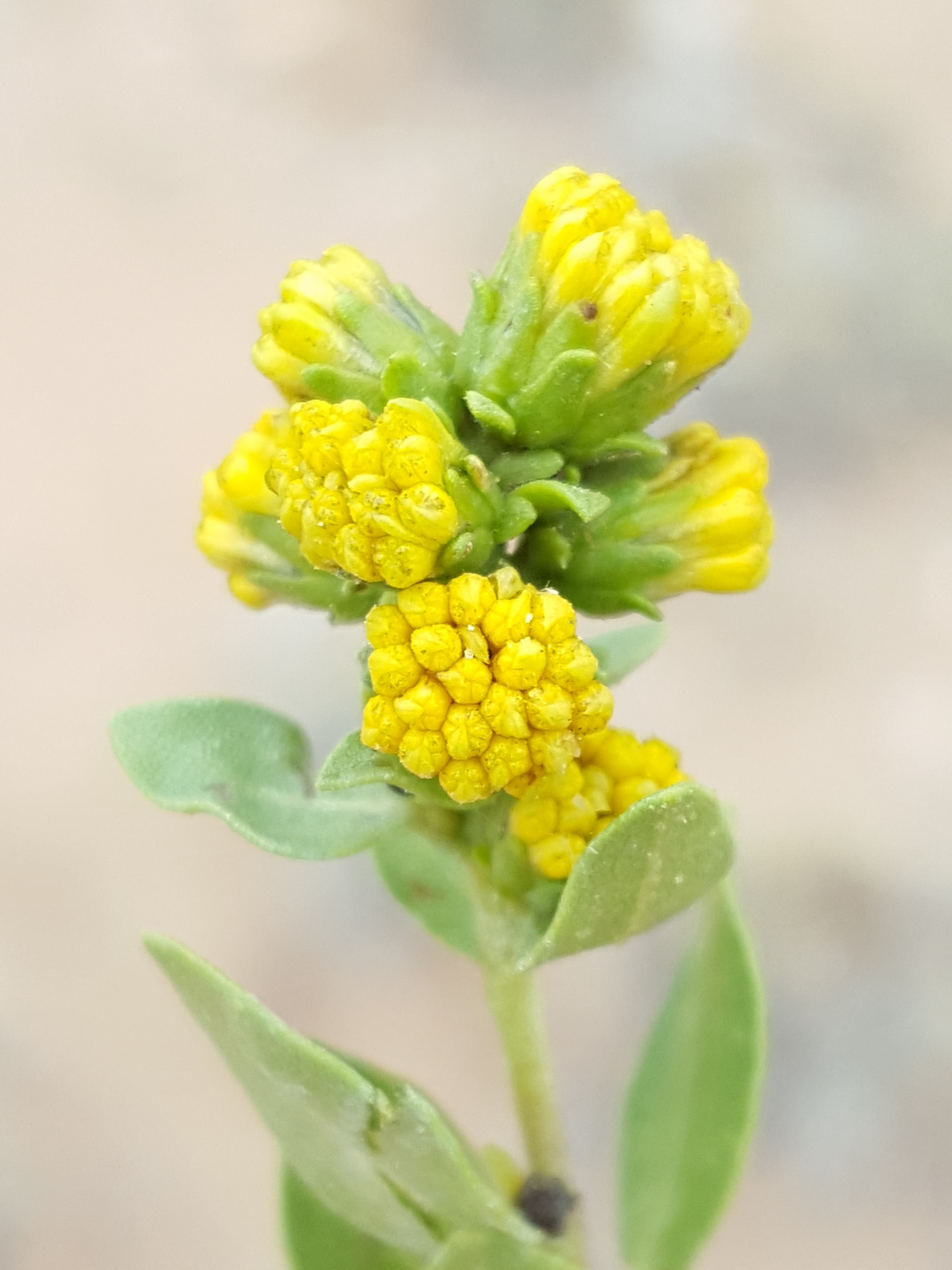
Though unassuming for most of the year, tarbush produces a distinctive late-season show: small, dangling, yellow flower heads in fall, followed by distinctive papery, straw-colored seed heads that give the whole shrub a soft, tan, almost wind-chime texture through winter. For a water-wise desert garden in the Southwest, tarbush offers an authentic, low-maintenance native shrub that asks for almost nothing once established.
Identification
Tarbush is best identified by its combination of small resinous leaves, a compact rounded form, and a sharp, tar-like smell that is unmistakable once learned.
Stems
Stems are slender, woody, and much-branched from the base, building a dense, rounded to irregular shrub form. Bark on older stems is gray-brown and finely fissured; younger twigs are more flexible and often coated in the same resin found on the leaves, giving them a slightly varnished look.
Leaves
Leaves are small — typically ½ to 1 inch long — narrow to lance-shaped, and coated in a sticky, aromatic resin that darkens the foliage and gives it a glossy, almost varnished appearance, especially after rain. This resin coating is a key drought adaptation, reducing water loss through the leaf surface, and is the source of the plant’s characteristic tar-like odor. Tarbush is drought-deciduous: in extended dry periods, especially in late spring before summer rains, it may drop most of its leaves, resuming growth quickly once rain returns.
Flowers
Flower heads are small, yellow, and composite (as in other aster-family plants), borne in loose clusters and nodding or drooping slightly — a trait reflected in the species name cernua, Latin for “nodding” or “drooping.” Bloom occurs mainly in fall, typically September through November, often triggered by late-summer monsoon rainfall in its desert range.
Fruit & Seeds
Following bloom, tarbush produces small, dry, papery seed heads that fade to a soft tan or straw color and persist on the shrub well into winter, giving the whole plant a distinctive pale, textured look that stands out against the surrounding desert scrub. The seeds themselves are small achenes typical of the aster family, dispersed primarily by wind.
Quick Facts
| Scientific Name | Flourensia cernua |
| Family | Asteraceae (Aster/Sunflower) |
| Plant Type | Evergreen to Drought-Deciduous Shrub |
| Mature Height | 2–4 ft (occasionally to 6 ft) |
| Mature Spread | 2–4 ft |
| Growth Rate | Slow |
| Sun Exposure | Full Sun |
| Water Needs | Very Low |
| Soil Type | Alkaline, often limestone-derived gravelly or loamy soils; good drainage |
| Soil pH | 7.0–8.5 (alkaline) |
| Bloom Time | Fall (September–November), following summer rains |
| Flower Color | Yellow |
| Fall Color | Not notable; foliage stays dark green or drops in drought |
| Fruit | Small, dry, papery tan seed heads persisting into winter |
| Deer Resistant | Yes (resinous, bitter foliage is rarely browsed except by goats) |
| USDA Hardiness Zones | 8–10 |
Native Range
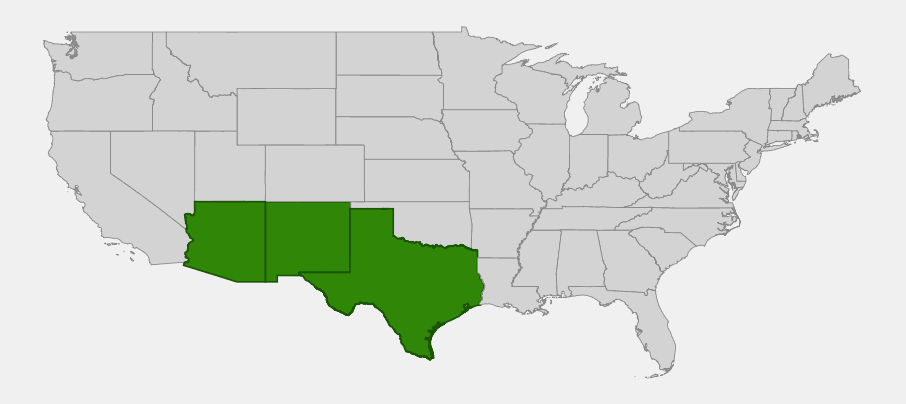
Tarbush is a true Chihuahuan Desert endemic, native to the U.S. portion of that desert in far western Texas (the Trans-Pecos), southern New Mexico, and southeastern Arizona, and continuing south into the Mexican states of Chihuahua, Coahuila, Sonora, Durango, San Luis Potosí, and Zacatecas, where the Chihuahuan Desert extends across the border.
Within its U.S. range, tarbush grows on desert flats, gentle bajadas, and limestone-derived alluvial soils, typically between about 2,500 and 6,500 feet elevation, where it is frequently co-dominant with creosote bush on the vast, gravelly desert plains that characterize the region. It favors calcareous (limestone-based) soils in particular, and dense stands of tarbush are often a visible indicator of alkaline, limestone-derived ground.
Tarbush is not native east of the Trans-Pecos — it does not occur naturally in central or eastern Texas, nor in the Sonoran Desert proper of central and western Arizona, remaining instead a specialist of the Chihuahuan Desert’s characteristic basin-and-range terrain in far western Texas, southern New Mexico, and the southeastern corner of Arizona.
📋 Regional plant lists featuring Tarbush: Arizona & New Mexico
Growing & Care Guide
Tarbush is built for extremes: blazing summer heat, scant and unpredictable rainfall, and alkaline soils that defeat many other shrubs. In a water-wise desert garden it is nearly maintenance-free once established, though its slow growth rate means patience is part of the deal.
Light
Full sun is essential — tarbush is adapted to open desert flats with no overhead competition, and it will not perform well in shaded conditions. Give it the hottest, sunniest spot available.
Soil & Water
Tarbush wants lean, alkaline, well-drained soil, ideally with some limestone or caliche content, mirroring the calcareous desert flats where it grows wild. It is extremely drought tolerant once established and should be watered sparingly — occasional deep soaks during the driest stretches are more appropriate than regular irrigation, which can encourage root rot and shortens the plant’s life in cultivation. Avoid rich, organic soils and heavy clay; both hold more moisture than this desert specialist is adapted to tolerate.
Planting Tips
Plant in spring or fall from container stock, in a site with excellent drainage and full sun exposure. Because tarbush is slow-growing, start with the largest healthy container size practical, and expect several years for a young plant to reach a substantial, well-branched form. Space plants 3 to 4 feet apart to allow for their mature rounded spread.
Pruning & Maintenance
Tarbush needs very little pruning — an occasional light shaping to remove dead or storm-damaged twigs is usually sufficient. Avoid heavy pruning, which can stress this slow-growing shrub; let it keep its naturally rounded, twiggy form. No regular fertilization is needed or recommended for a plant adapted to such lean native soils.
Propagation
Tarbush can be propagated from seed collected from the fall seed heads, though germination can be slow and uneven, consistent with many desert shrubs adapted to germinate opportunistically after rain. Semi-hardwood cuttings offer an alternative route for gardeners wanting a faster-establishing plant.
Landscape Uses
- Xeriscape and low-water desert gardens requiring minimal irrigation once established
- Authentic Chihuahuan Desert plantings paired with Creosote Bush and other regional natives
- Erosion control on open, sunny desert flats and gentle slopes
- Wildlife habitat plantings, especially for ground-foraging desert birds
- Low informal hedges or screens in regional, water-conserving landscape design
- Winter-interest plantings for the pale, papery seed heads
Wildlife & Ecological Value
As one of the two or three most widespread shrubs of the Chihuahuan Desert lowlands, tarbush plays an outsized structural and ecological role across the desert flats and bajadas where it dominates.
For Birds
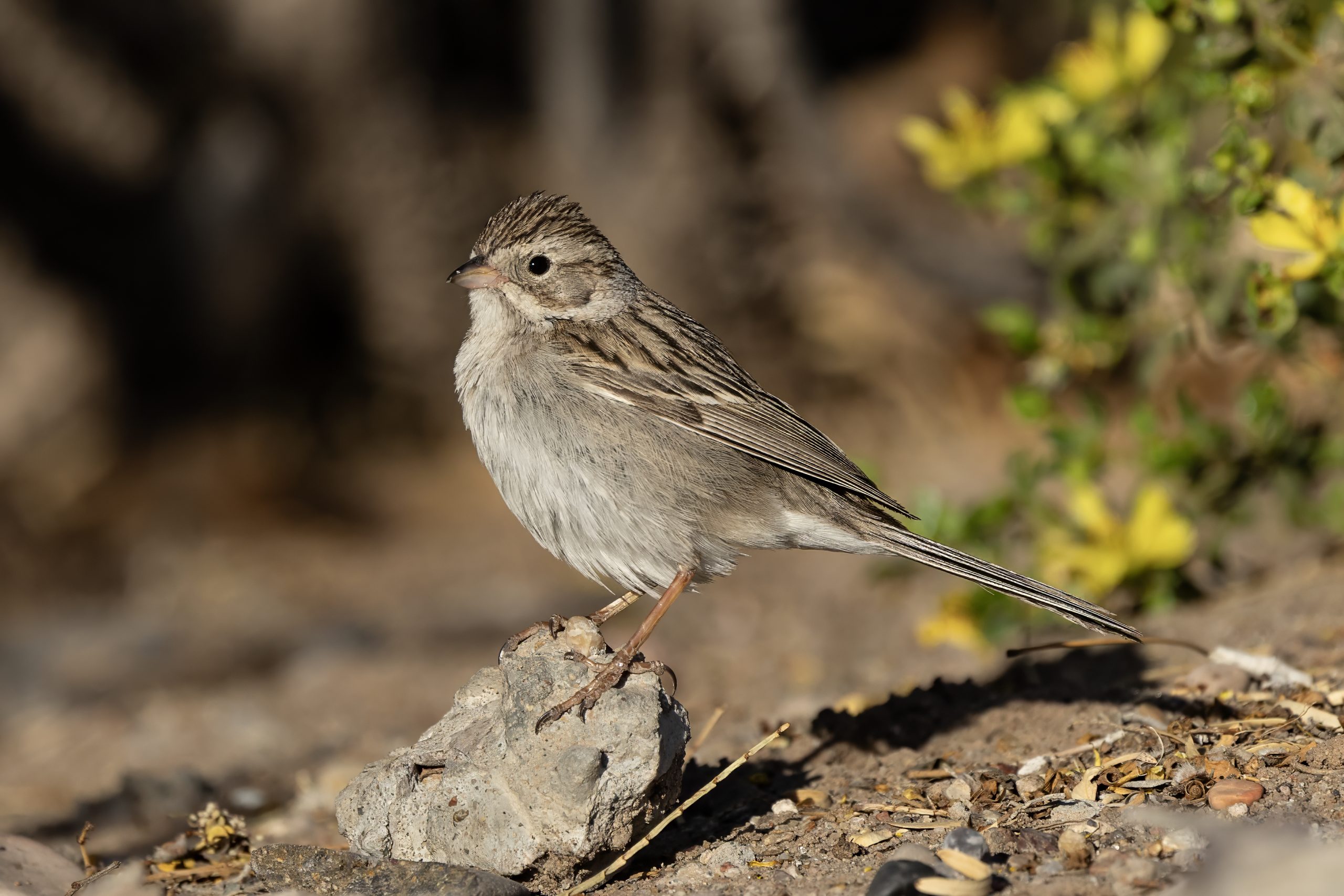
Dense tarbush stands provide important cover and foraging habitat for desert birds, including sparrows such as Brewer’s Sparrow and migrating warblers like Townsend’s Warbler, which use the shrub’s branches for both shelter and insect foraging during migration through the Chihuahuan Desert.
For Mammals
Various small desert mammals use tarbush stands for cover, and the shrub’s foliage — though generally avoided by cattle and most wildlife due to its bitter, resinous taste — is browsed to some extent by goats and by native herbivores such as mule deer and jackrabbits when more palatable forage is scarce, particularly in drought.
For Pollinators
The fall flower clusters, blooming after summer monsoon rains when many other desert plants have finished flowering for the year, provide a valuable late-season nectar and pollen source for native bees and other insects at a time when floral resources in the Chihuahuan Desert are otherwise limited.
Ecosystem Role
Tarbush is a defining, co-dominant shrub of Chihuahuan Desert scrub, often forming extensive, relatively uniform stands on desert flats alongside creosote bush. Its presence is also used by range scientists as an indicator of past grassland-to-shrubland conversion in parts of the Southwest, where historical overgrazing and fire suppression allowed tarbush and other desert shrubs to expand into what were once desert grasslands — making the plant ecologically significant both as native desert vegetation and as a marker of broader rangeland change.
Cultural & Historical Uses
Tarbush has a long history of traditional use among Indigenous peoples and Mexican and Mexican-American communities throughout its range, where it is known by the Spanish names hojasé or hojasén (“broad leaf”). Historical ethnobotanical accounts describe tarbush leaves being used in traditional remedies, prepared as a tea or wash for digestive and other complaints, as historical folk practice rather than an established medicinal use.
The plant’s bitter, resinous compounds — the same chemistry responsible for its sharp tar-like smell — made it largely unpalatable to livestock, a trait ranchers have long recognized; heavy tarbush cover is sometimes treated as a sign of degraded rangeland because cattle avoid it in favor of more palatable grasses, allowing tarbush to spread where grazing pressure has reduced grass competition over time.
In the broader ecology and economy of the Trans-Pecos and adjacent Chihuahuan Desert borderlands, tarbush has functioned less as a resource plant in its own right and more as a defining, instantly recognizable backdrop to ranching, trail use, and desert life — its sharp smell after a rare desert rain is, for many longtime residents, one of the most evocative scents of the region.
Frequently Asked Questions
Why does tarbush smell like tar?
Its leaves are coated in an aromatic resin — the same adaptation that helps the plant retain moisture — which releases a sharp, tar- or creosote-like scent when crushed or wetted by rain. This resinous smell is the origin of both its English common name and its Spanish names, hojasé and hojasén.
Is tarbush the same as creosote bush?
No, though the two are often confused because they share similar desert habitat, a similarly resinous, aromatic quality, and frequently grow side by side as co-dominant shrubs on Chihuahuan Desert flats. Creosote bush (Larrea tridentata) is in the caltrop family and has small, paired, glossy leaflets, while tarbush is in the aster family with narrower, single leaves and a very different flower structure.
Why is my tarbush dropping its leaves?
Tarbush is drought-deciduous and will shed leaves during extended dry periods, especially in late spring before summer monsoon rains arrive. This is a normal water-conserving response, not a sign of a dying plant; expect new leaves to flush out again once rain returns.
Does tarbush need fertilizer?
No. Tarbush is adapted to extremely lean, alkaline desert soils and does not need or benefit from regular fertilization; rich, amended soil is more likely to cause problems than to help.
Is tarbush good for wildlife gardens?
Yes. Its fall flowers provide late-season nectar when few other Chihuahuan Desert plants are blooming, and its dense branching structure offers valuable cover for desert birds — making it a solid, low-water choice for a wildlife-friendly Southwest garden.

Looking for a nursery that carries Tarbush?
Browse our native plant nursery directory: Arizona · New Mexico · Texas