
West Indian Elm (Guazuma ulmifolia)
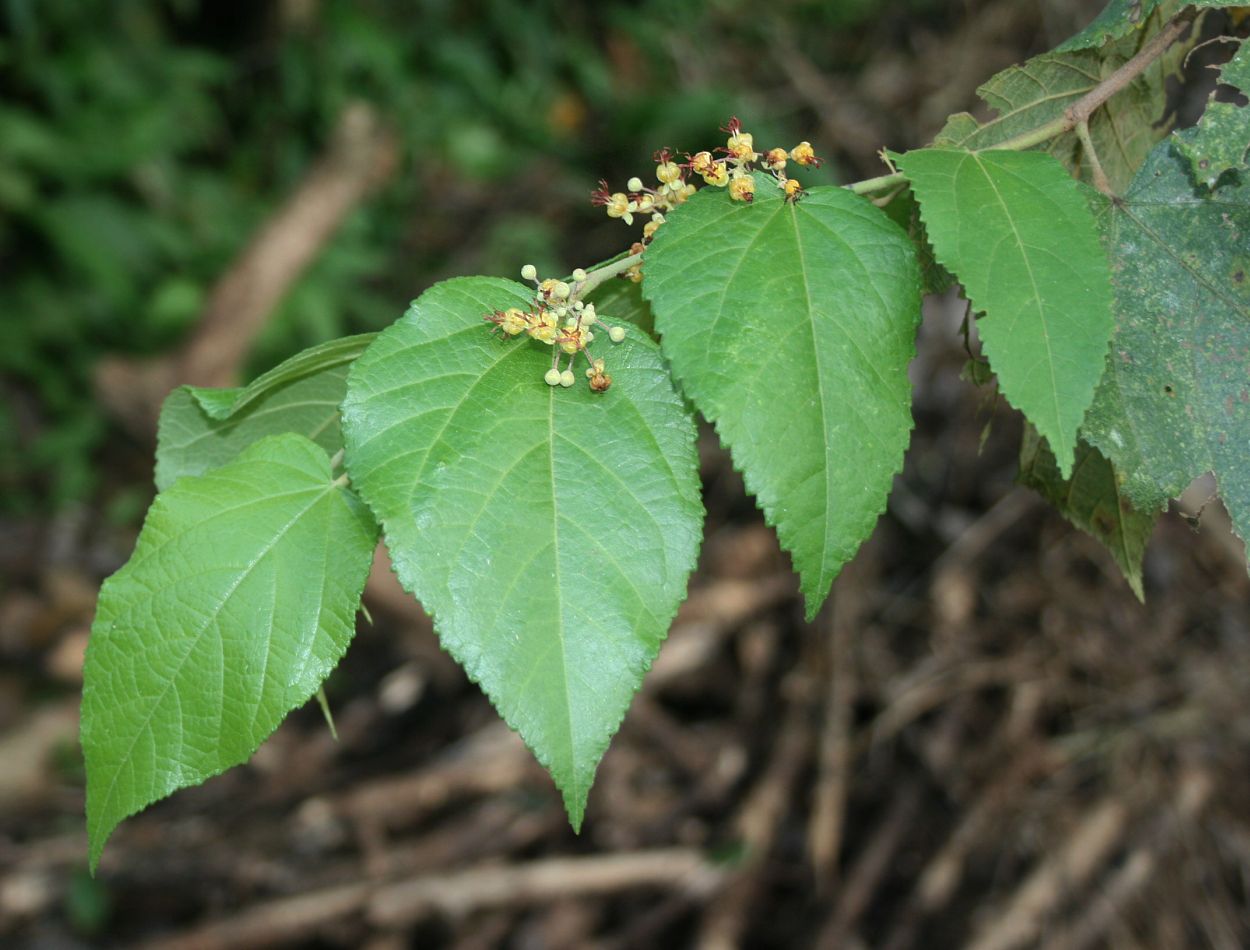
Guazuma ulmifolia, the West Indian Elm, is a medium-sized tropical tree known across Latin America and the Caribbean as guácima or guácimo. It is not a true elm. It belongs to the mallow family (Malvaceae), in the same subfamily as cacao, and its name refers to its toothed, elm-like leaves. Other English names include bay cedar, bastard cedar, pigeonwood and, in USDA PLANTS, bastardcedar.
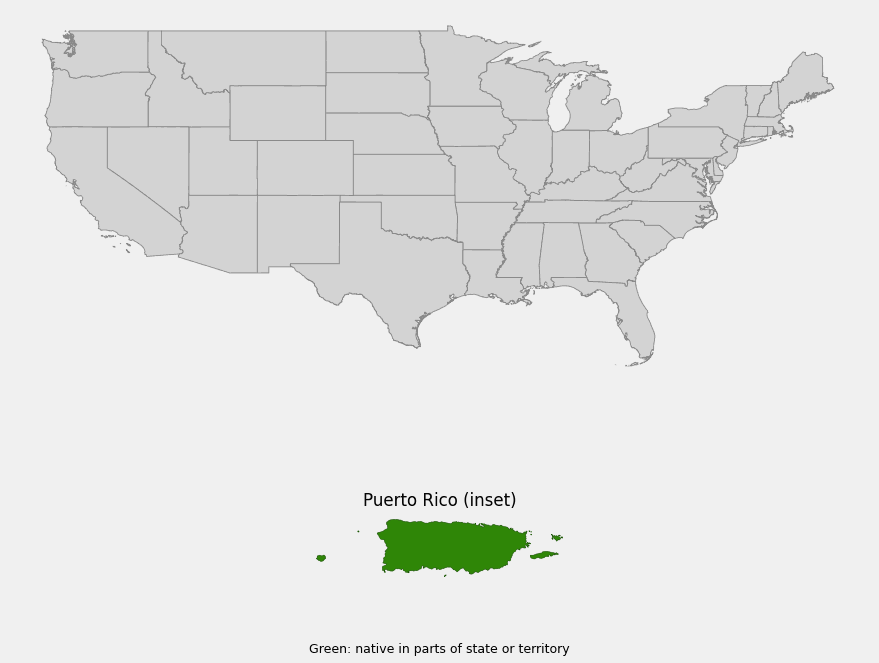
Within the United States, USDA PLANTS lists it as native in Puerto Rico and the U.S. Virgin Islands. Its native range is enormous, extending from Mexico through Central America and the Caribbean to Argentina. In Puerto Rico it is one of the most familiar trees of dry and moist lowlands, pastures and fence lines, where farmers have long valued it for shade, for its fruit as cattle feed, and for its wood.
This guide covers how to identify West Indian elm, where it grows in Puerto Rico, how to grow it in zones 10–13, and its value for wildlife. It is a fast-growing, drought-tolerant shade tree, and one of the most useful native trees for farms and restoration plantings in the Caribbean lowlands.
Identification
West Indian elm is easiest to recognize by the combination of lopsided, toothed leaves with star-shaped hairs, clusters of tiny yellow flowers, and round, warty fruits that turn black and hang on the tree for months.
Trunk & Crown
It is usually a tree 25 to 50 feet tall, occasionally taller, with a short, often crooked trunk and a broad, spreading crown of long, nearly horizontal branches. On farms it is often pruned or browsed into a smaller, multi-stemmed tree. The bark is gray to brown, furrowed and fibrous on older trees. In dry areas it may drop many of its leaves in the dry season.
Leaves
The leaves are alternate and arranged in two rows along the twigs. Each is ovate to lance-shaped, about 2 to 6 inches long, with a pointed tip, finely toothed edges and an uneven, often heart-shaped base, like an elm leaf. The upper surface is green and slightly rough; the underside is paler and covered with tiny star-shaped (stellate) hairs that you can see with a hand lens.
Flowers
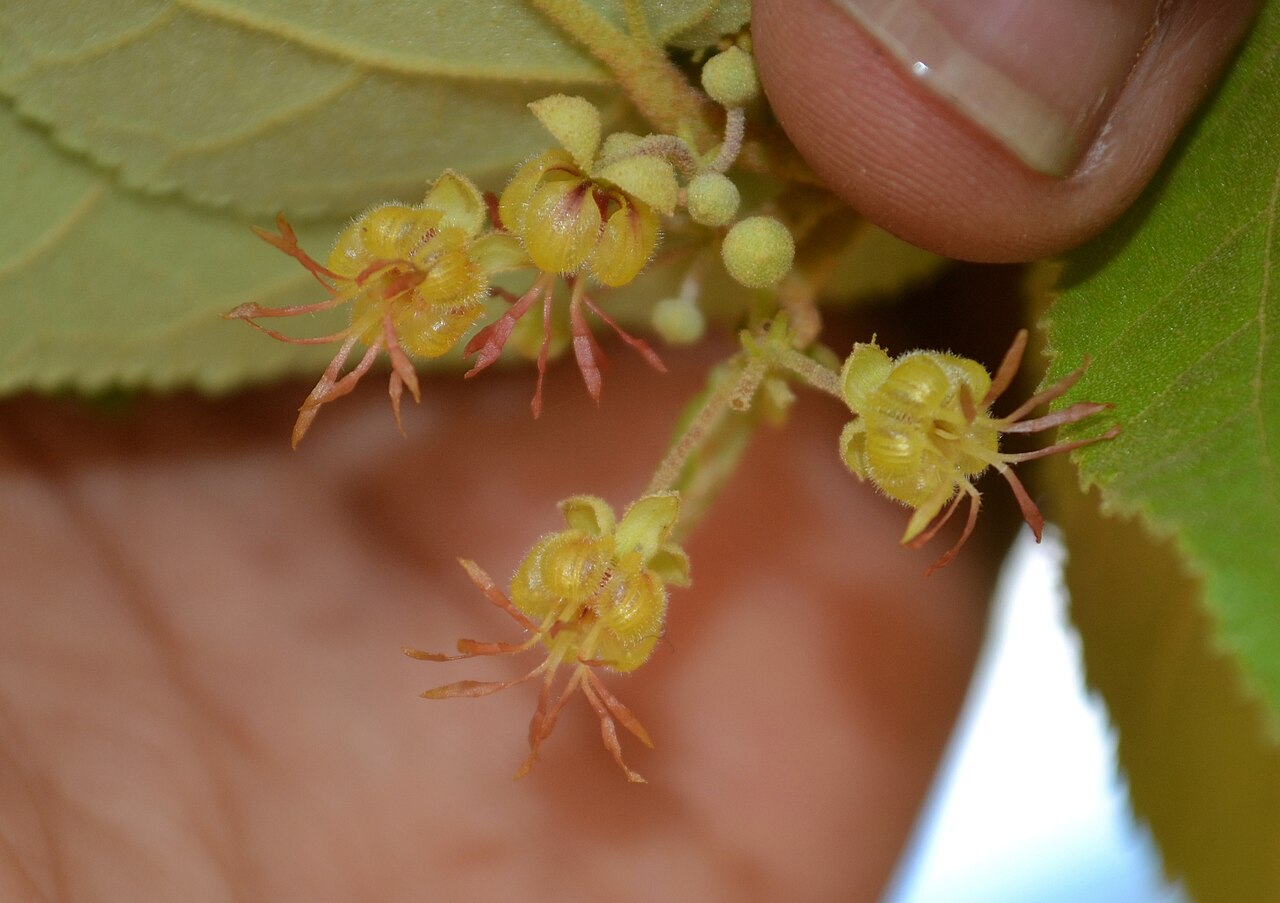
The small flowers are borne in branched clusters in the leaf axils, mostly in the warm, rainy months. Each flower is about ¼ inch across, yellowish with brownish or purplish markings, with five hooded petals that end in slender, forked appendages. They have a light, sweet scent.
Fruit
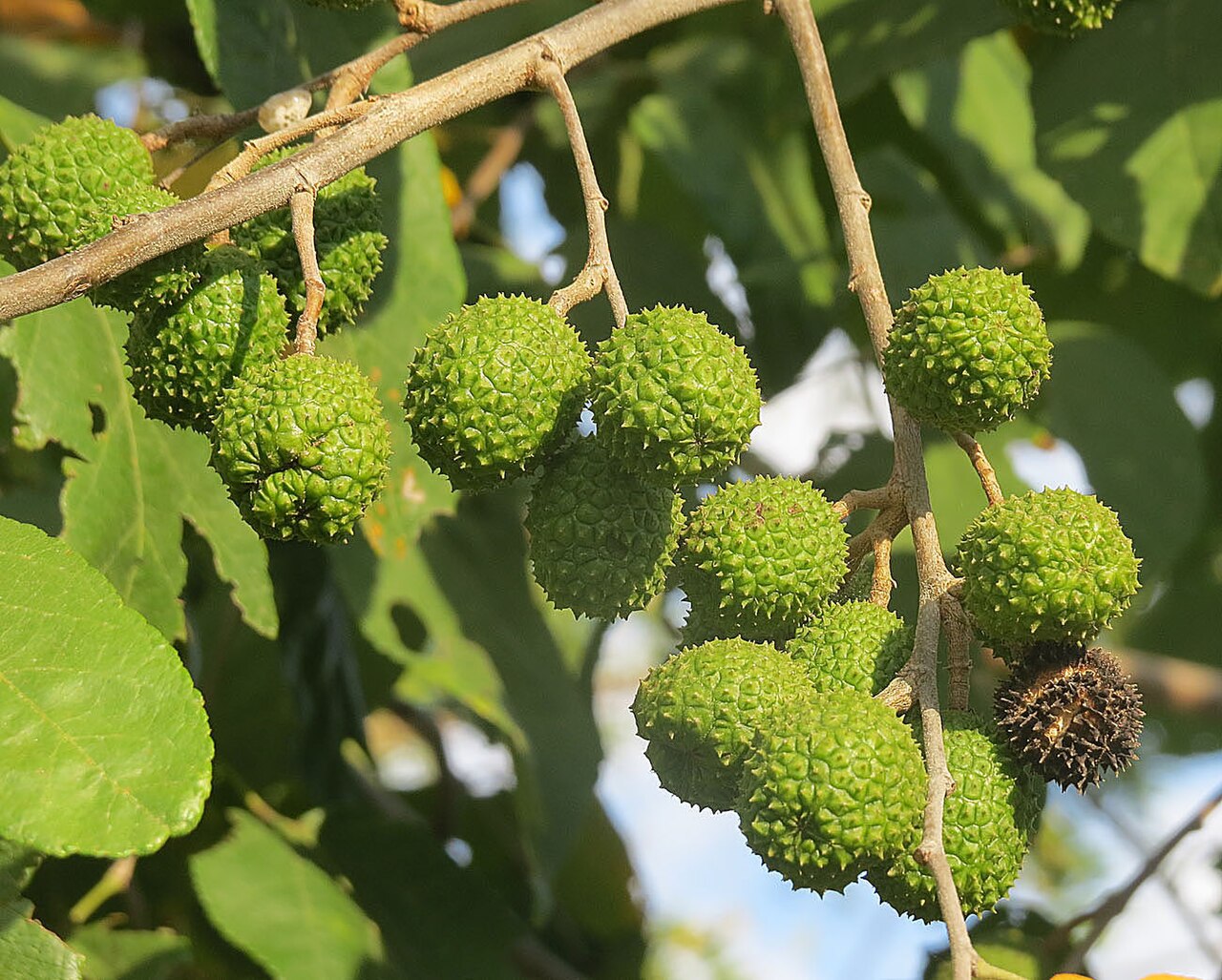
The fruit is a round to egg-shaped capsule about ¾ to 1½ inches long, covered in conical bumps like a small, warty ball. It ripens from green to black and becomes hard and woody, and many fruits stay on the tree for months. Inside are many small, hard seeds surrounded by a sweetish, mucilaginous pulp that smells of molasses. The fruits are edible but dry; they are eaten mainly by animals.
Quick Facts
| Scientific Name | Guazuma ulmifolia Lam. |
| Family | Malvaceae (mallow family; formerly Sterculiaceae) |
| Plant Type | Semi-deciduous to evergreen tree |
| Mature Height | 25–50 ft (occasionally to about 65 ft) |
| Mature Spread | 25–40 ft |
| Growth Rate | Fast |
| Sun Exposure | Full sun |
| Water Needs | Low to moderate; drought tolerant once established |
| Soil Type | Adaptable: clay, loam, sand, limestone; tolerates poor soils |
| Soil pH | About 5.5–8.5 |
| Bloom Time | Mostly spring through summer (rainy season) |
| Flower Color | Yellow with brownish or purplish markings |
| Fall Color | None; may drop leaves in the dry season |
| Fruit | Round, warty capsule, green ripening to black, with many small seeds |
| Deer Resistant | No; leaves and fruit are browsed by livestock and deer |
| USDA Hardiness Zones | 10–13 (frost-tender) |
Native Range
USDA PLANTS lists Guazuma ulmifolia as native in Puerto Rico and the U.S. Virgin Islands; it does not occur naturally on the U.S. mainland. Its native range runs from northern Mexico through Central America and the Caribbean islands to Bolivia, Paraguay, Argentina and Brazil, and it has been introduced to parts of tropical Asia and Africa.
In Puerto Rico it is common in the lowlands, especially in the drier southern and western parts of the island and in pastures, fence rows, roadsides and secondary forest. It grows from the coastal plains into the lower hills, in both dry and moist forest, and is one of the trees that quickly returns to abandoned farmland. Its seeds are spread by cattle, horses and other animals that eat the fruit, which is why it is so often found in and around pastures.
In South Florida and Hawaii it is occasionally grown in botanical gardens but is not native and is not widely planted. Gardeners in other frost-free areas can grow it as a fast shade tree, but in Puerto Rico it is the native choice.
📋 Regional plant lists featuring West Indian Elm: Puerto Rico
Growing & Care Guide
West Indian elm is an easy, fast-growing tree for warm, frost-free climates. It needs sun and room to spread, tolerates drought and poor soil, and recovers quickly from heavy pruning. It is not for small yards or cold climates: it is damaged by frost and grows into a broad shade tree.
Light
Plant it in full sun. Young trees tolerate light shade, but the tree grows best and flowers most in open, sunny sites such as pastures, field edges and large yards.
Soil & Water
It is adaptable to almost any well-drained soil, including clay, sandy soil and thin soil over limestone, from slightly acidic to alkaline. Water young trees regularly for their first year. After that, they need little care and handle long dry seasons by dropping some of their leaves. Avoid planting in permanently wet ground.
Planting Tips
Give it plenty of space: plant at least 20 feet from buildings, as the branches spread wide. In Puerto Rico it is a good choice for pastures, living fences, windbreaks and restoration of dry and moist lowland forest. Mixing it with other native trees such as gumbo limbo and pink trumpet tree creates better habitat than single-species plantings.
Pruning & Maintenance
Prune young trees to develop a single trunk if you want a shade tree, or let them branch low for a shrubby screen. The tree resprouts vigorously after cutting, which is why farmers traditionally lop it for fodder and firewood. Fallen fruits can be messy near patios and walkways.
Propagation
Grow it from seed. Soak the small, hard seeds in hot water (some growers pour boiling water over them and let them stand) to soften the coat, then sow in a sunny nursery bed or pots. Germination usually takes one to three weeks. Seedlings grow quickly and can be planted out within a few months. Large cuttings (stakes) also root and are used to make living fence posts.
Landscape Uses
- Shade tree for pastures and farms: its spreading crown shades livestock, and its fruit and leaves are used as fodder
- Living fences and windbreaks: grows quickly from seed or stakes and resprouts after cutting
- Forest restoration in Puerto Rico: a fast, hardy pioneer for dry and moist lowland sites
- Wildlife plantings: fruit for birds, bats and other animals; flowers for bees
- Large yards and parks: a fast shade tree for frost-free climates
Wildlife & Ecological Value
West Indian elm is a hardworking tree in Caribbean ecosystems. As a pioneer, it is one of the first trees to colonize pastures and cleared land, and its fruits and flowers feed a wide range of animals.
For Pollinators
The small, fragrant flowers attract bees and other small insects, which feed on nectar and pollen. Small native bees are thought to be its main pollinators.
For Birds
Birds pick at the fruits, and its dense, spreading crown offers shelter and nest sites for many species in pasture landscapes where other trees are scarce.
For Mammals
Cattle, horses, goats and other livestock eat the leaves and fallen fruit, and wild mammals do as well in its native range. Fruit bats feed on the fruit in parts of its range, and animals that eat the fruit spread the seeds widely.
Ecosystem Role
As a pioneer tree that tolerates drought, poor soil and grazing, it helps start the recovery of forest on abandoned pastures and degraded land. Its shade lowers soil temperatures and allows other, more shade-tolerant native trees to establish beneath it.
Cultural & Historical Uses
Lamarck described Guazuma ulmifolia in 1789. The genus name comes from guácima, a name of Indigenous Caribbean origin that was adopted into Spanish, and the species name means “elm-leaved.” In Puerto Rico and Cuba, guácima is a household word for the tree, and it appears in place names across the Spanish-speaking Caribbean.
Few trees have been as useful to rural people in the American tropics. The wood is used for posts, tool handles, light construction and charcoal; the fruit and leaves feed livestock in the dry season; and the tree provides shade in pastures. The mucilage from the bark has traditionally been used to clarify cane sugar syrup during sugar making, and bark fibers have been used for rope.
The bark, leaves and fruit are also used in traditional medicine throughout its range. Those uses are part of its cultural history, but they have not been shown to be safe or effective, and the plant should not be used as a remedy without medical advice.
Frequently Asked Questions
Is West Indian elm a true elm?
No. Despite the name and its elm-like leaves, Guazuma ulmifolia belongs to the mallow family (Malvaceae), in the same group as cacao. True elms (Ulmus) are temperate trees in a different family.
Is Guazuma ulmifolia native to the United States?
Yes, in Puerto Rico and the U.S. Virgin Islands, according to USDA PLANTS. It is not native to the U.S. mainland or Hawaii.
Is the fruit of West Indian elm edible?
The ripe fruit is edible and has a sweet, molasses-like taste, but it is dry and woody, and people seldom eat it except as a snack. It is mainly used as livestock feed. Do not eat unripe fruit or large amounts of any part of the tree, and avoid using it as a home remedy.
How fast does West Indian elm grow?
Fast. In warm, sunny conditions young trees can grow several feet a year, and seedlings often reach 10 to 15 feet within a few years. It is one of the quickest native shade trees for Puerto Rican lowlands.
Can I grow West Indian elm outside the tropics?
Only in frost-free areas (zones 10–13). Frost damages or kills it. In colder regions it is occasionally grown in large greenhouses but is not suited to containers long term.

Looking for a nursery that carries West Indian Elm?
Our nursery directory does not yet include Puerto Rico. Browse the native plant nursery directory by state: Alabama–Arkansas · California · Colorado–Hawaii · Idaho–Kansas · Kentucky–Montana · Nebraska–Oklahoma · Oregon · Pennsylvania–Virginia · Washington · West Virginia–Wyoming

