
Western Snakeroot (Ageratina occidentalis)
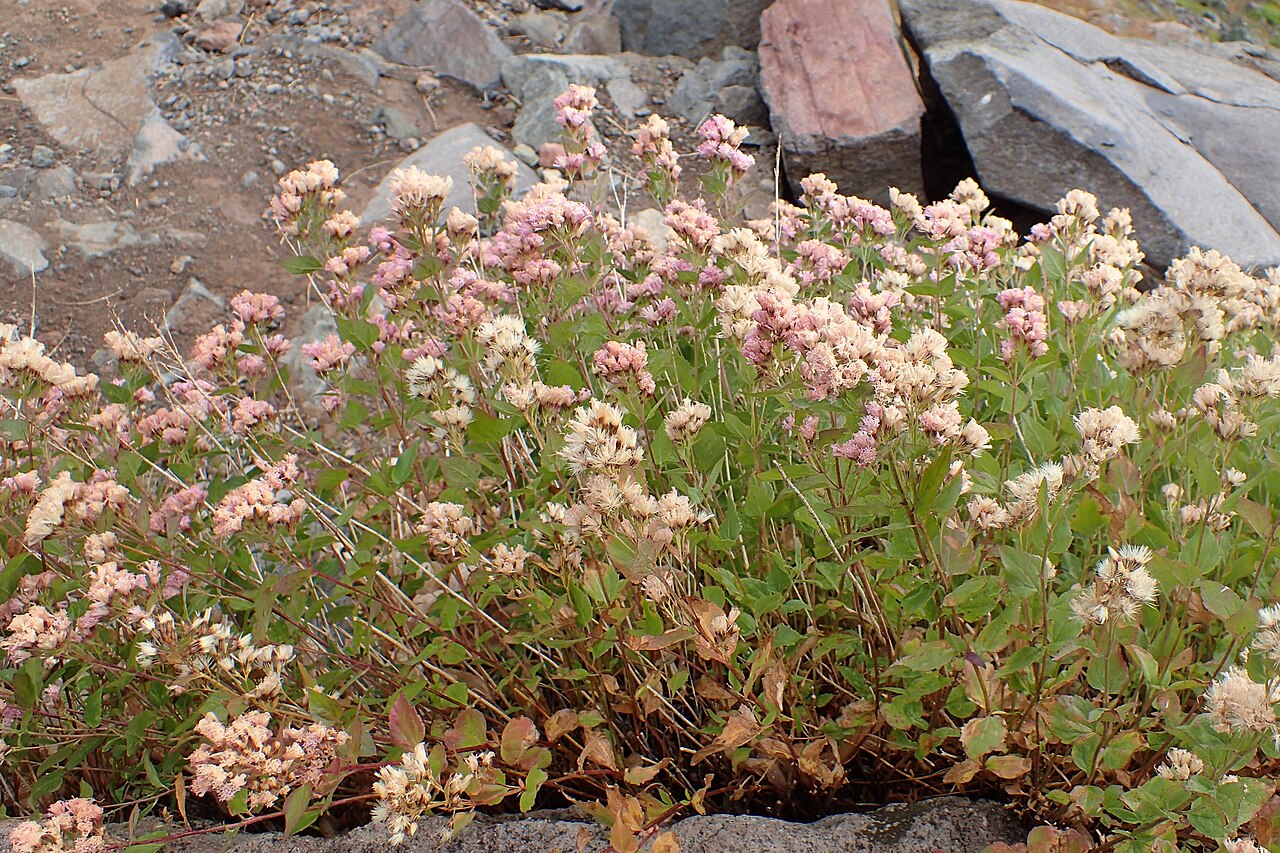
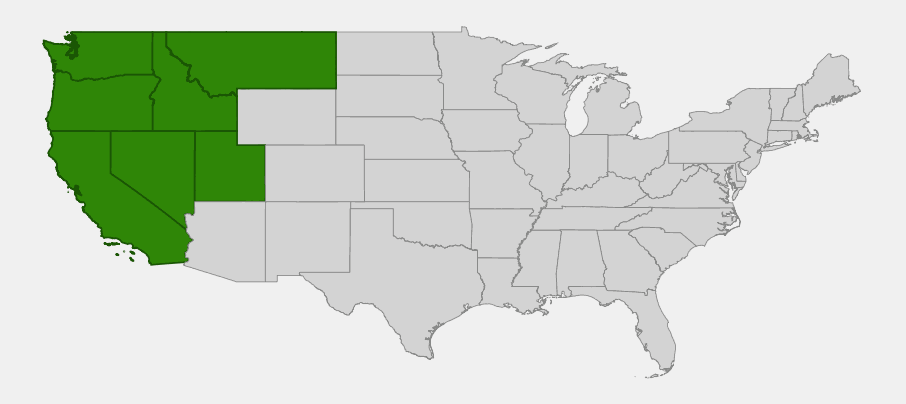
Ageratina occidentalis, Western Snakeroot (also called western eupatorium or western boneset), is a bushy native perennial of rocky mountain slopes in the western United States. It grows in talus, cliff crevices and rock outcrops from the Cascades and Sierra Nevada east to Idaho, western Montana, Nevada and Utah, often at high elevations.
From midsummer into fall it is covered with small, fuzzy clusters of pink, lavender or nearly white flower heads that look a little like ageratum. The flowers are a magnet for butterflies, and the rounded, rock-hugging clumps brighten otherwise bare scree and boulder fields late in the season, when few other mountain wildflowers are blooming.
It was long known as Eupatorium occidentale and is a western relative of the eastern White Snakeroot. This guide covers how to identify it, where it grows, how to grow it in a rock garden and its value to pollinators.
Identification
Western snakeroot is a many-stemmed perennial, usually 8 to 28 inches tall, that forms rounded clumps in rocky places. Look for its triangular, toothed leaves and flat-topped clusters of small, rayless pink to whitish flower heads.
Stems & Leaves
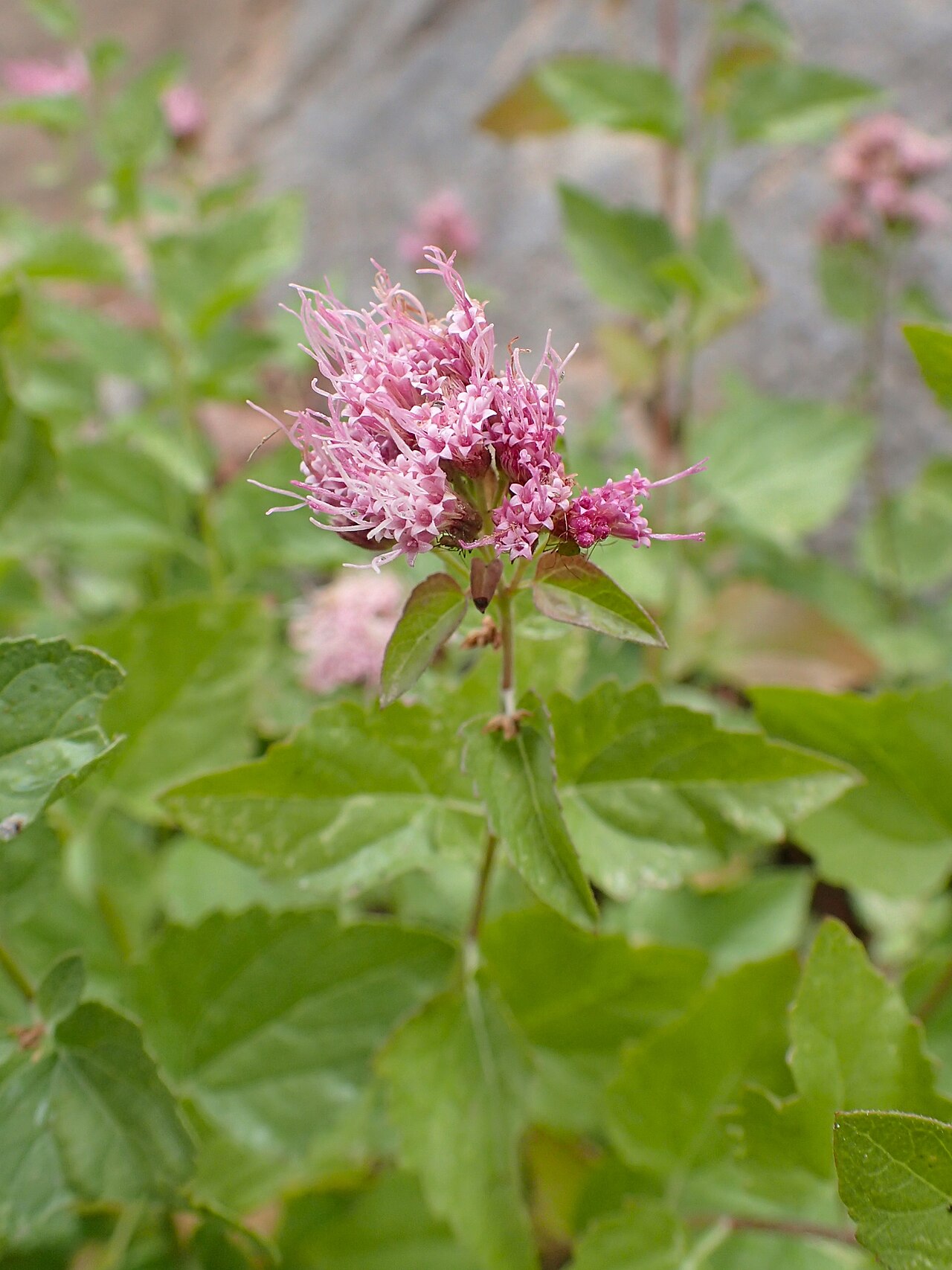
Many slender stems rise from a woody base. Unlike most of its relatives, which have opposite leaves, western snakeroot has mostly alternate leaves. They are triangular to oval, ¾ to 2 inches long, with coarsely toothed edges and short leaf stalks, and are often slightly sticky or glandular.
Flowers
From July to September, the stems end in rounded or flat-topped clusters of small flower heads. Each head is about ¼ inch across and has no ray petals, only 10 to 25 small tubular disk flowers. The corollas are pink, rose-purple or whitish, and long, thread-like styles stick out of them, giving the clusters a fuzzy look.
Fruit
The fruits are small, dark achenes, each topped with a tuft of white bristles (pappus) that carries it on the wind in fall.
Look-alikes
White Snakeroot of eastern forests has bright white flowers and opposite leaves. Pink-flowered Sulphur-flower Buckwheat and other buckwheats in the same rocky habitats have flowers with petal-like sepals, not fuzzy disk flowers. Rubber rabbitbrush and other rabbitbrushes have yellow flowers.
Quick Facts
| Scientific Name | Ageratina occidentalis (Hook.) R.M. King & H. Rob. |
| Family | Asteraceae (aster family) |
| Plant Type | Herbaceous perennial to subshrub |
| Mature Height | 8–28 in |
| Mature Spread | 1–2 ft |
| Growth Rate | Moderate |
| Sun Exposure | Full sun to partial shade |
| Water Needs | Low to moderate; dry, well-drained soil |
| Soil Type | Rocky talus, scree, cliff crevices, gravelly soil |
| Soil pH | Slightly acidic to neutral (about 5.5–7.5) |
| Bloom Time | July–September |
| Flower Color | Pink, rose-purple or whitish |
| Fall Color | Fluffy seed heads in fall |
| Fruit | Small achene with white bristles |
| Deer Resistant | Moderate |
| USDA Hardiness Zones | 4–8 |
Native Range
Western snakeroot is native to the mountains of the western United States. USDA PLANTS lists it in California, Oregon, Washington, Idaho, Montana, Nevada and Utah. It is most common in the Cascades of Oregon and Washington, the Klamath Mountains and the Sierra Nevada, and it extends east into the mountains of Idaho, western Montana, northern Nevada and Utah, including the high ranges of the Great Basin.
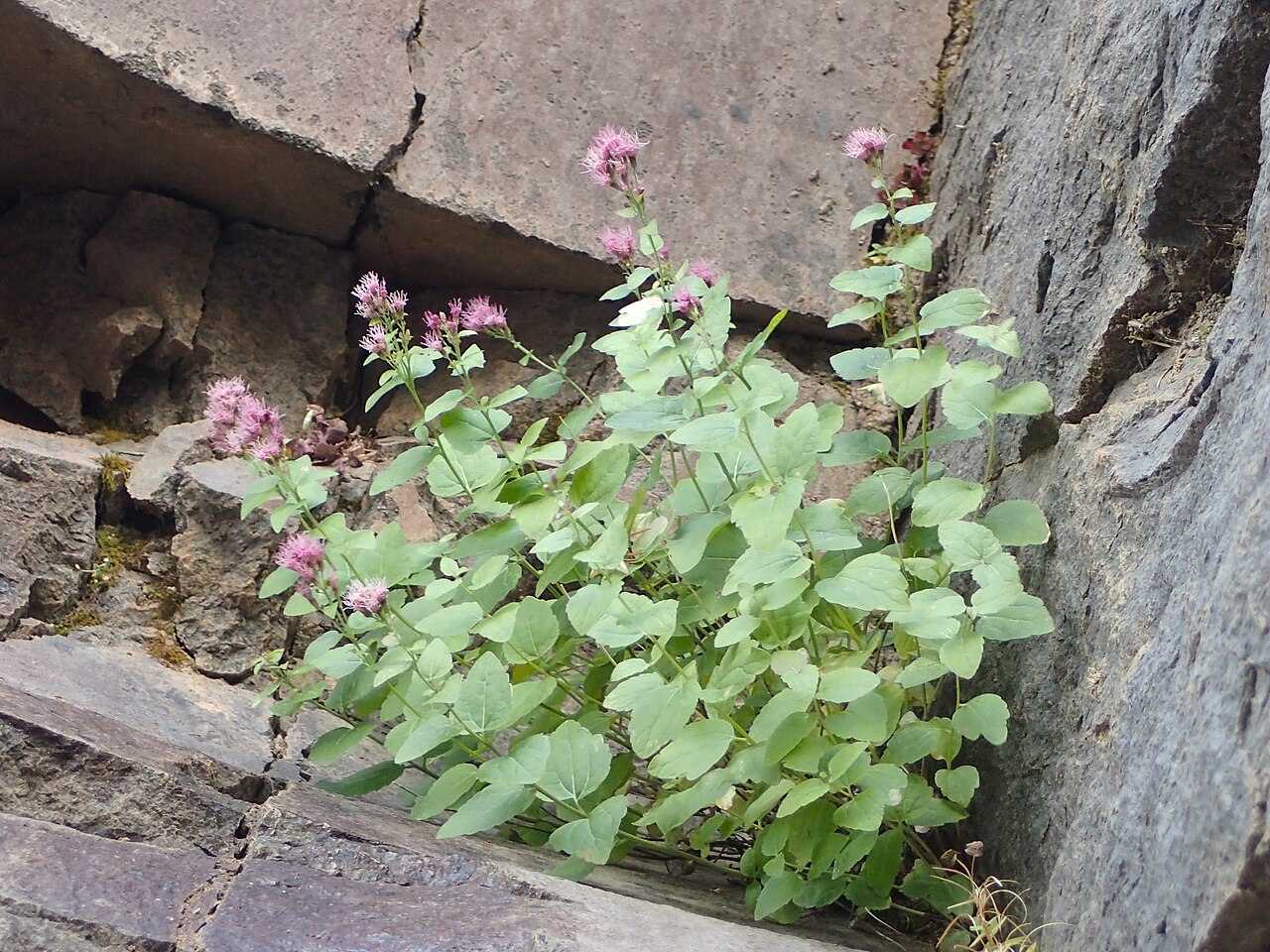
It is a plant of rock. It grows in talus and scree, on cliffs and ledges, in crevices of rock outcrops and on rocky, open slopes, mostly in the montane to subalpine zones. In the Sierra Nevada and Great Basin it reaches more than 11,000 feet.
At Crater Lake National Park and in other Cascade parks, it is a familiar late-summer wildflower of the pumice and rock slopes along rim drives and trails. In the Great Basin, it grows in the rocky high ranges, sometimes with whitebark pine and limber pine.
📋 Regional plant lists featuring Western Snakeroot: Idaho, Eastern Oregon & Eastern Washington · Western Oregon & Western Washington · Montana & Wyoming · Utah & Western Colorado · California & Nevada
Growing & Care Guide
Western snakeroot is an excellent late-blooming plant for rock gardens, walls and dry slopes in the western mountains and the Pacific Northwest. Native plant nurseries in California, Oregon and the Intermountain West occasionally offer it, and it is easy from seed. Its main requirement is fast drainage.
Light
Full sun to light shade. In hot, low-elevation gardens, afternoon shade helps it.
Soil & Water
Plant it in rocky, gravelly or sandy soil that drains quickly, such as a rock garden, crevice garden or dry stone wall. It tolerates dry summers once established; water occasionally in hot, dry spells at lower elevations. Avoid heavy, wet soils, which cause rot.
Planting Tips
Set plants in spring or fall between rocks or in a gravel bed, where their roots can stay cool under stone. Space them 12 to 18 inches apart.
Pruning & Maintenance
Leave the seed heads for winter interest and to feed birds, then cut stems back to the woody base in late winter or early spring.
Propagation
From seed sown outdoors in fall or after a month of cold, moist stratification. It can also be grown from cuttings taken in early summer or by dividing older clumps.
Safety Note
Its eastern relative, white snakeroot, contains a toxin (tremetol) that sickens livestock and caused “milk sickness” in people in the 1800s. The toxicity of western snakeroot is not well documented, so treat it as potentially toxic: don’t eat it, and keep it away from grazing animals.
Landscape Uses
- Rock and crevice gardens: late-summer pink color among stones
- Butterfly gardens: a top late-season nectar plant
- Dry slopes and walls: drought-tolerant once established
- Mountain restoration: for talus and rocky slopes
Wildlife & Ecological Value
Western snakeroot blooms late in the short mountain summer, when nectar is scarce, so it is heavily used by pollinators.
For Pollinators
Butterflies such as fritillaries, checkerspots and blues crowd onto the flower clusters, along with bees, flower flies and beetles. In late summer it can be one of the busiest plants on a rocky slope.
For Birds
Small seed-eating birds such as finches and juncos pick the achenes from the seed heads in fall.
For Mammals
It is not a preferred food for deer or livestock. Small mammals that live in talus, such as pikas, gather many kinds of plants from rocky slopes for their winter hay piles.
Ecosystem Role
As one of the few plants that thrives in loose talus and cliff crevices, it helps stabilize rock debris and provides food and cover in harsh, rocky habitats.
Cultural & Historical Uses
William Jackson Hooker described this plant in the 1830s as Eupatorium occidentale in his Flora Boreali-Americana. In 1970 Robert King and Harold Robinson moved it to Ageratina, a genus that includes the snakeroots and mistflowers. Occidentalis means “western.”
The name Ageratina refers to the resemblance of its fuzzy flower heads to those of garden ageratum. The common name “snakeroot” was given to several plants that were once believed to treat snakebite, though there is no evidence that they work.
For hikers in Crater Lake, Lassen and the Sierra Nevada, western snakeroot is a familiar sign that summer is ending, blooming on rocky slopes after most other wildflowers have gone to seed.
Frequently Asked Questions
Where does western snakeroot grow?
On rocky slopes, talus, cliffs and outcrops in the mountains of California, Oregon, Washington, Idaho, western Montana, Nevada and Utah, often at high elevations.
When does western snakeroot bloom?
From July to September, later than most mountain wildflowers.
Is western snakeroot poisonous?
Its toxicity is not well documented, but its eastern relative white snakeroot is poisonous to livestock and caused milk sickness in people. Treat it as potentially toxic and don’t eat it.
Can I grow western snakeroot in my garden?
Yes, in a sunny, fast-draining rock garden, crevice garden or dry wall. It is drought-tolerant once established and easy from seed.
Is western snakeroot the same as white snakeroot?
No. White snakeroot (Ageratina altissima) is an eastern woodland plant with white flowers and opposite leaves. Western snakeroot grows in western mountain rocks and has pink to whitish flowers and mostly alternate leaves.

Looking for a nursery that carries Western Snakeroot?
Browse our native plant nursery directory: California · Idaho · Montana · Nevada · Oregon · Utah · Washington

