
Wax Currant (Ribes cereum)
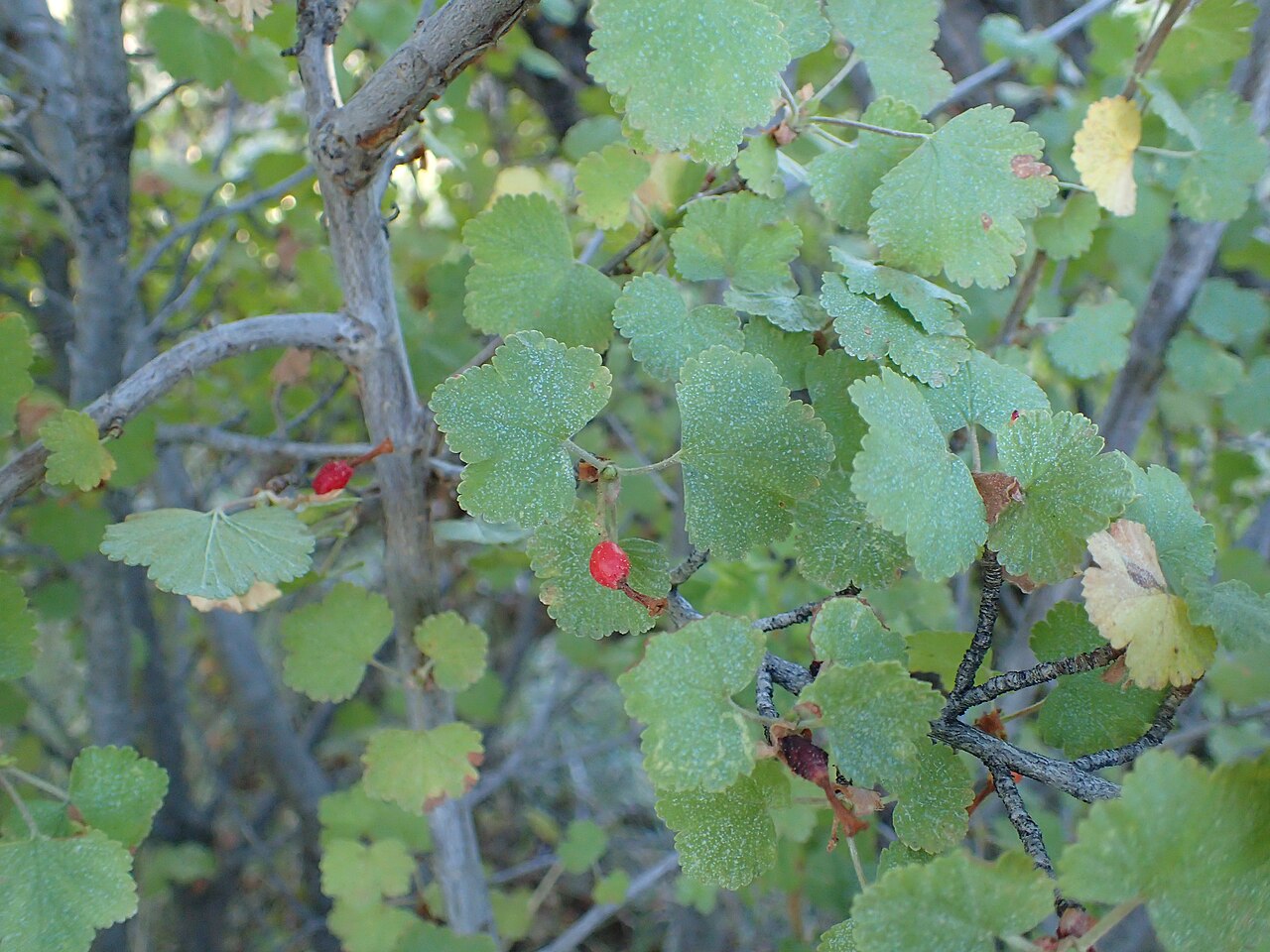
Ribes cereum, the wax currant, is a tough, spineless shrub of the western mountains and high deserts, found from British Columbia and Alberta south through the Rocky Mountain and Great Basin states to Arizona and New Mexico. Unlike its spiny gooseberry relatives, wax currant has smooth stems, making it easier to handle and a common sight along dry trails, lava flows and sagebrush flats from the Pacific Northwest to the central Rockies and high plains.
The plant takes its common name from the resin-coated, waxy feel of its small, rounded leaves, which are aromatic when crushed and often lightly fuzzy. In spring the shrub produces tubular pink-and-white flowers in small clusters, followed by orange-red berries that persist into late summer, hanging on through dry months when little else in its habitat is fruiting. It is an unassuming but ecologically important shrub, providing one of the more reliable sources of browse and fruit for wildlife across huge stretches of the arid West.
For gardeners in dry-climate regions, wax currant is valued less for its fruit — which is edible but of distinctly middling quality — and more for its extreme drought tolerance, adaptability to poor soils, and value to deer, birds and pollinators. It is a workhorse shrub for xeric native gardens, restoration plantings and wildlife habitat work throughout its wide native range.
Identification
Wax currant is a spreading to erect shrub, generally 2 to 6 feet tall, sometimes smaller in harsh alpine sites and occasionally larger in favorable low-elevation spots. It typically forms a rounded, twiggy mound rather than a single dominant stem.
Bark & Stems
Stems are without spines or prickles, a key difference from the true gooseberries in the same genus. Young twigs are often fuzzy and can be faintly sticky or glandular, while older stems turn gray-brown and somewhat shreddy with age.
Leaves
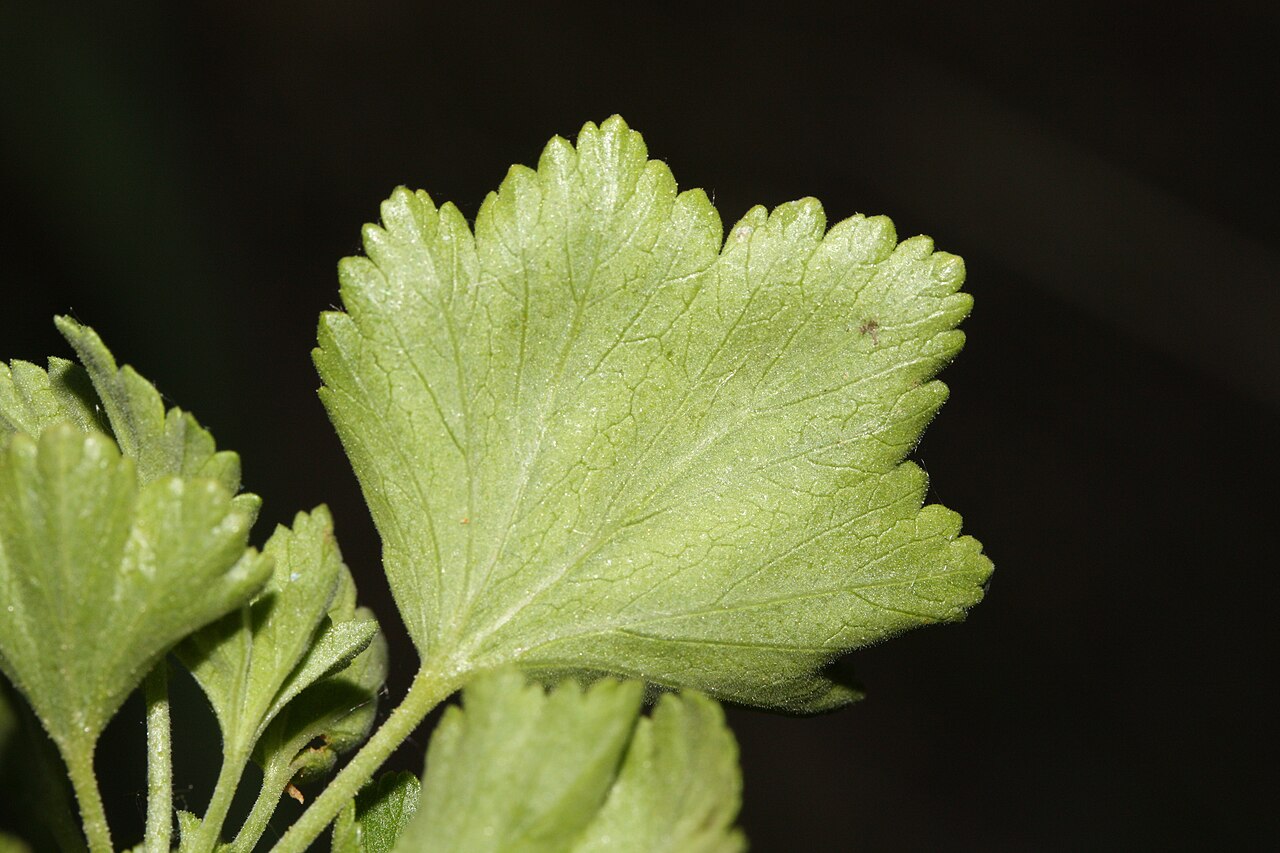
Leaves are small, usually under an inch across, gray-green, rounded in outline and shallowly divided into three to five toothed lobes. The leaf surface often has a waxy or resinous feel and a spicy, somewhat musky scent when crushed, and the foliage can be variably hairy depending on the population.
Flowers & Fruit
Flowers are borne in small drooping clusters of two to nine, tubular and pink to whitish, with the sepals forming most of the showy part of the bloom around a smaller true corolla. They open in mid- to late spring and are visited by bees and other insects. The fruit is a smooth, orange-red berry around a third of an inch across, often with a dried floral remnant still attached at the tip; it ripens through summer and can persist on the shrub well into fall.
The berries are edible, but reports on their quality vary — some describe them as bland or slightly dry, while others note that eating a large quantity can cause an unpleasant burning sensation in the throat. They are not toxic in ordinary amounts, but this is not a fruit worth cultivating for the table; its real value is to wildlife, especially deer and birds, which rely on it heavily in dry months.
Quick Facts
| Scientific Name | Ribes cereum |
| Family | Grossulariaceae (Currant/Gooseberry) |
| Plant Type | Deciduous spineless shrub |
| Mature Height | 2–6 ft |
| Mature Spread | 2–5 ft |
| Growth Rate | Slow to moderate |
| Sun Exposure | Full Sun to Part Shade |
| Water Needs | Low |
| Soil Type | Sandy, rocky or clay; tolerates poor, shallow and even volcanic or serpentine soils |
| Soil pH | Adaptable; widely tolerant |
| Bloom Time | April – June, later at high elevation |
| Flower Color | Pink to whitish |
| Fall Color | Minimal; yellowish before leaf drop |
| Fruit | Orange-red berries, edible but mild-to-bland flavor |
| Deer Resistant | No — an important deer browse and fruit source |
| USDA Hardiness Zones | 4–8 |
Native Range
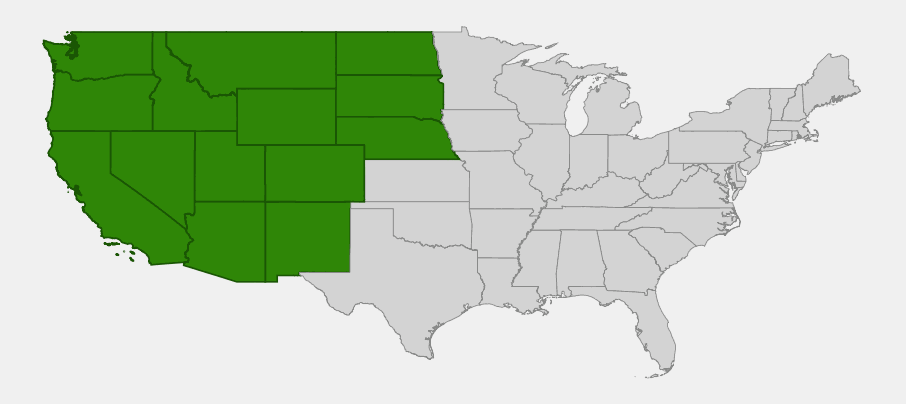
Wax currant has one of the broadest ranges of any western Ribes, native from British Columbia and Alberta in Canada south through Washington, Oregon and California, east across the Great Basin and Rocky Mountain states — Idaho, Nevada, Utah, Montana, Wyoming, Colorado, Arizona and New Mexico — and onto the northern Great Plains in North Dakota, South Dakota and Nebraska. County-level mapping shows it reaching into the western edge of Oklahoma as well, though it is not established farther east onto the main body of the southern Great Plains or in Texas.
Habitat varies enormously across this range: sagebrush steppe and pinyon-juniper woodland in the Great Basin, montane conifer forest margins in the Rockies and Sierra Nevada, lava flows and volcanic soils in the Pacific Northwest, and rocky slopes up to subalpine elevations approaching 12,000 feet in the Sierra Nevada. This adaptability to poor, rocky and even volcanic substrates is part of why wax currant turns up in so many different western plant communities.
Despite this wide range, wax currant is a true dryland and montane species — it is not native to the moist Pacific coastal strip, the humid Midwest or the eastern United States, and gardeners outside its arid-to-semiarid native territory should not expect it to thrive without careful attention to drainage.
📋 Regional plant lists featuring Wax Currant: Idaho & Eastern Oregon/Washington · Western Oregon & Western Washington · Montana & Wyoming · Utah & Western Colorado · Nebraska, Kansas & Eastern Colorado · Arizona & New Mexico · North Dakota, South Dakota & Western Minnesota
Growing & Care Guide
Light
Wax currant thrives in full sun across most of its range and tolerates part shade, especially at lower, hotter elevations. It is naturally adapted to intense high-desert and alpine sunlight, so shading it heavily tends to produce a leggier, less floriferous shrub.
Soil & Water
This is a genuinely drought-tolerant shrub once established, needing little to no supplemental water in most gardens within its native range. It handles sandy, rocky, clay and even volcanic or serpentine soils, and good drainage matters more than fertility — soggy, poorly drained sites are the main way to lose this plant. Water regularly only through the first year to establish roots.
Planting Tips
Plant in fall or early spring to take advantage of cool, moist conditions while roots establish. Choose an open, sunny site with sharp drainage; raised beds or slopes work well in gardens with heavier native soils. Avoid rich, amended planting holes, which can encourage rot in a shrub built for lean ground.
Pruning & Maintenance
Wax currant needs very little pruning. An occasional thinning of old, dead wood in late winter keeps the shrub looking tidy, but the natural rounded, twiggy form is part of its charm in a dryland or rock garden setting. It has no spines, so pruning is far easier than with gooseberry relatives.
Propagation
Propagate from seed collected in late summer, which typically benefits from cold, moist stratification over winter before spring germination, or from semi-hardwood cuttings taken after the current season’s growth has firmed up. Cuttings can be slow to root and benefit from rooting hormone and bottom heat.
Landscape Uses
- Xeriscaping and dryland native gardens
- Rock gardens and slope stabilization on lean, rocky soil
- Wildlife and deer-habitat plantings
- Sagebrush-steppe and pinyon-juniper restoration projects
Wildlife & Ecological Value
For Pollinators
Spring flowers attract native bees and other insects at a time when nectar sources are limited across its often harsh, high-elevation or arid habitats.
For Birds
Many bird species feed on the orange-red berries through summer and fall, and the twiggy branching provides nesting structure in otherwise open shrub-steppe and woodland-edge habitats.
For Mammals
Wax currant is one of the more important browse and fruit shrubs for mule deer and other wildlife across the arid West, especially valuable because it holds its fruit and remains accessible through dry late-summer months when other forage is scarce.
Ecosystem Role
As a widespread, hardy shrub of sagebrush steppe, pinyon-juniper woodland and montane forest margins, wax currant helps stabilize soil on rocky slopes and adds a reliable food resource to plant communities shaped by drought, fire and cold winters.
Cultural & Historical Uses
Indigenous peoples across the shrub’s wide range made use of wax currant as a food plant; historical ethnobotanical records note that the Zuni people of New Mexico ate the berries and also cooked the leaves with mutton or deer fat. Given the shrub’s enormous native range, it is likely other groups made similar use of its fruit, though specific, well-documented accounts are less common than for showier food plants.
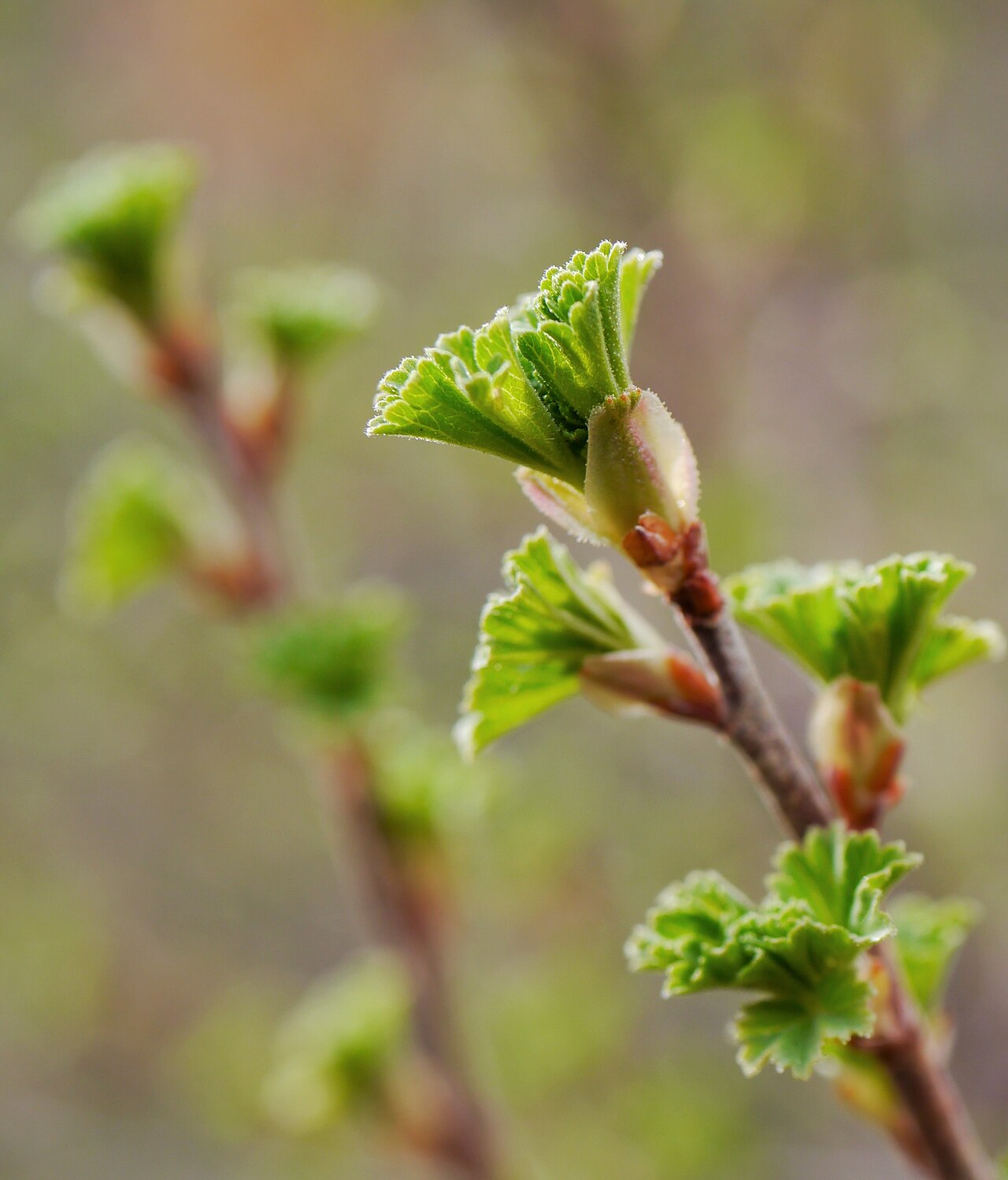
Its emergence in early spring, when wax currant is often among the first shrubs to show noticeable green growth in high-desert and montane landscapes, made it a seasonal marker in some traditional knowledge — a sign that the growing season was beginning even while snow lingered nearby.
Like every species in the genus Ribes, wax currant is a biologically possible alternate host for white pine blister rust (Cronartium ribicola). In practice, regulatory concern has focused overwhelmingly on cultivated European black currant rather than wide-ranging native shrubs like this one, and the old nationwide quarantine on Ribes was lifted decades ago in favor of state-by-state rules. Gardeners near stands of susceptible five-needle pines, or in a state that still regulates currant and gooseberry planting, should confirm current restrictions before adding this or any Ribes to the landscape.
Frequently Asked Questions
Can you eat wax currant berries?
Yes, in modest amounts — they are not toxic — but reports describe the flavor as bland to mildly unpleasant, and eating a large quantity has been known to cause throat irritation in some people. They are best appreciated as wildlife food rather than a garden fruit crop.
Does wax currant have spines like a gooseberry?
No. Wax currant is spineless, which makes it noticeably easier to handle, plant and prune than the true gooseberries in the same genus, such as California gooseberry.
How much water does wax currant need?
Very little once established. It is adapted to some of the driest native plant communities in North America and generally needs supplemental water only during its first year or two in the ground.
Is wax currant a blister rust risk in my state?
All Ribes are capable of hosting white pine blister rust biologically, but current state regulations target cultivated black currant far more than this species. If you garden near susceptible white pines or live in a state that still restricts Ribes plantings, check your state agriculture department’s current rules.
Why does my wax currant smell strange when I touch it?
The waxy, resinous coating on the leaves gives off a spicy, somewhat musky scent when crushed or brushed against — this is normal and is part of where the “wax” in its common name comes from.

Looking for a nursery that carries Wax Currant?
Browse our native plant nursery directory: Washington · Oregon · California · Idaho · Nevada, New Mexico, North Dakota & Nebraska · Utah & South Dakota · Montana · Wyoming · Colorado · Arizona