Blue Wildrye (Elymus glaucus)
Elymus glaucus, commonly called blue wildrye, is one of the most widely distributed native bunchgrasses in western North America, found from Alaska south through the Rocky Mountains and Pacific states into Mexico. A cool-season perennial in the grass family, it forms slender, upright clumps 2 to 4 feet tall with bluish-green foliage and distinctive bristly seed heads that resemble a wild, open version of cultivated rye. Its adaptability to a wide range of soils, elevations, and light conditions has made it a workhorse species for restoration projects across the West.
Blue wildrye typically grows as a minor but persistent component of mixed grassland, open woodland, and forest-edge plant communities, often appearing after fire or other disturbance and then persisting for years in the understory. It is not an aggressive colonizer in the way of many introduced grasses — rather, it establishes modest, well-spaced bunches that fit naturally among shrubs, wildflowers, and other grasses without crowding them out.
For native-plant gardeners and restoration practitioners, blue wildrye offers fast establishment from seed, genuine drought tolerance once rooted in, and a light, airy texture that works equally well in a naturalistic meadow, a woodland garden, or an erosion-control planting on a disturbed slope. Its seed is also relatively easy to collect and propagate, which has made it a go-to species for revegetation work throughout its enormous native range.
Identification
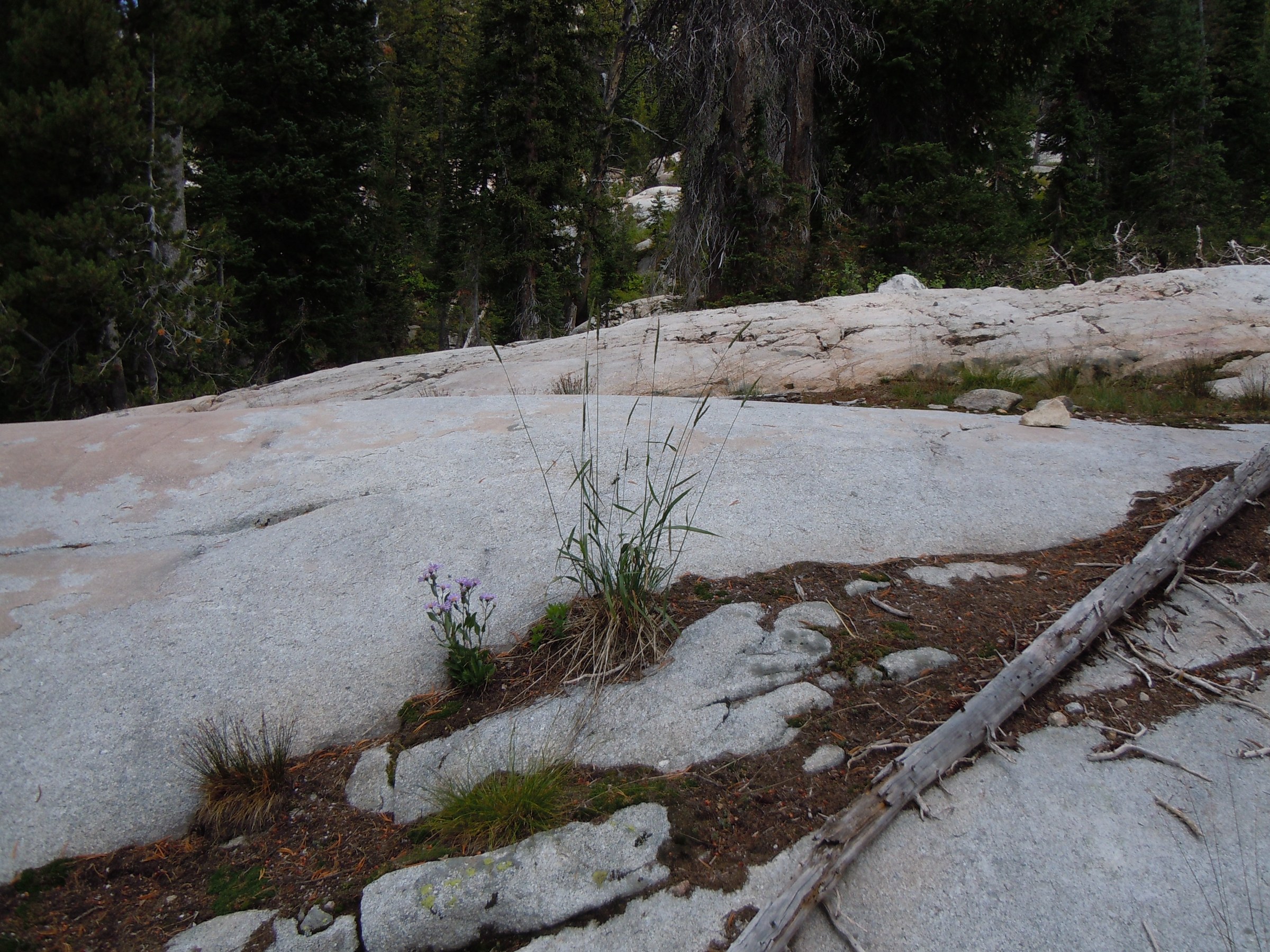
Blue wildrye is a loosely to densely tufted perennial bunchgrass, typically 2 to 4 feet tall, occasionally reaching 5 feet in favorable conditions. It lacks rhizomes, so it stays in discrete, well-defined clumps rather than spreading into a sod or mat.
Leaves & Stems
The leaf blades are flat, 4 to 12 inches long and roughly ¼ to ½ inch wide, with a color that shifts from green to a distinctive blue-green or gray-green as the season progresses, often with a whitish, waxy bloom. Stems are upright and unbranched, rising well above the basal leaves at flowering time.
Flowers & Seedheads
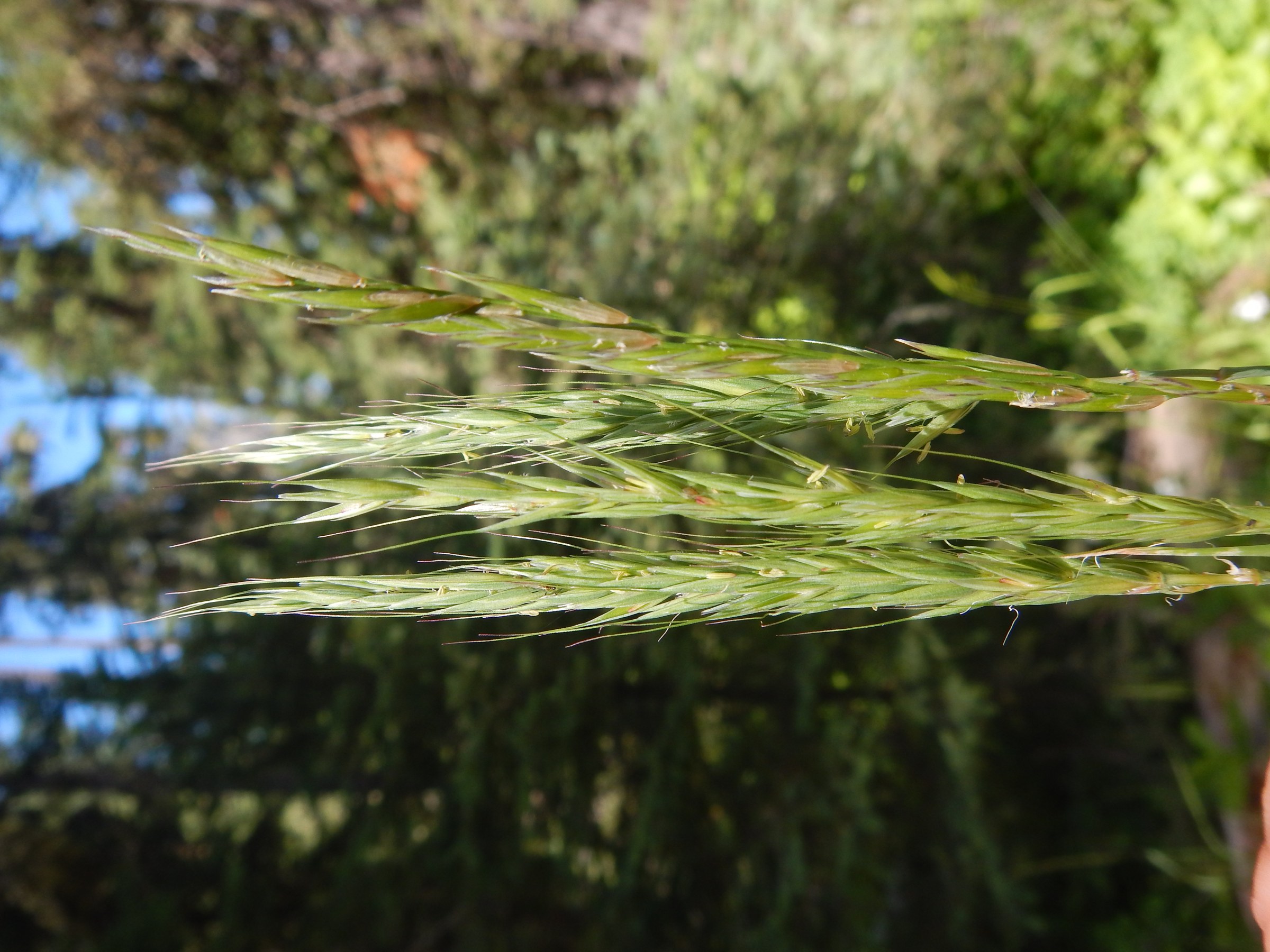
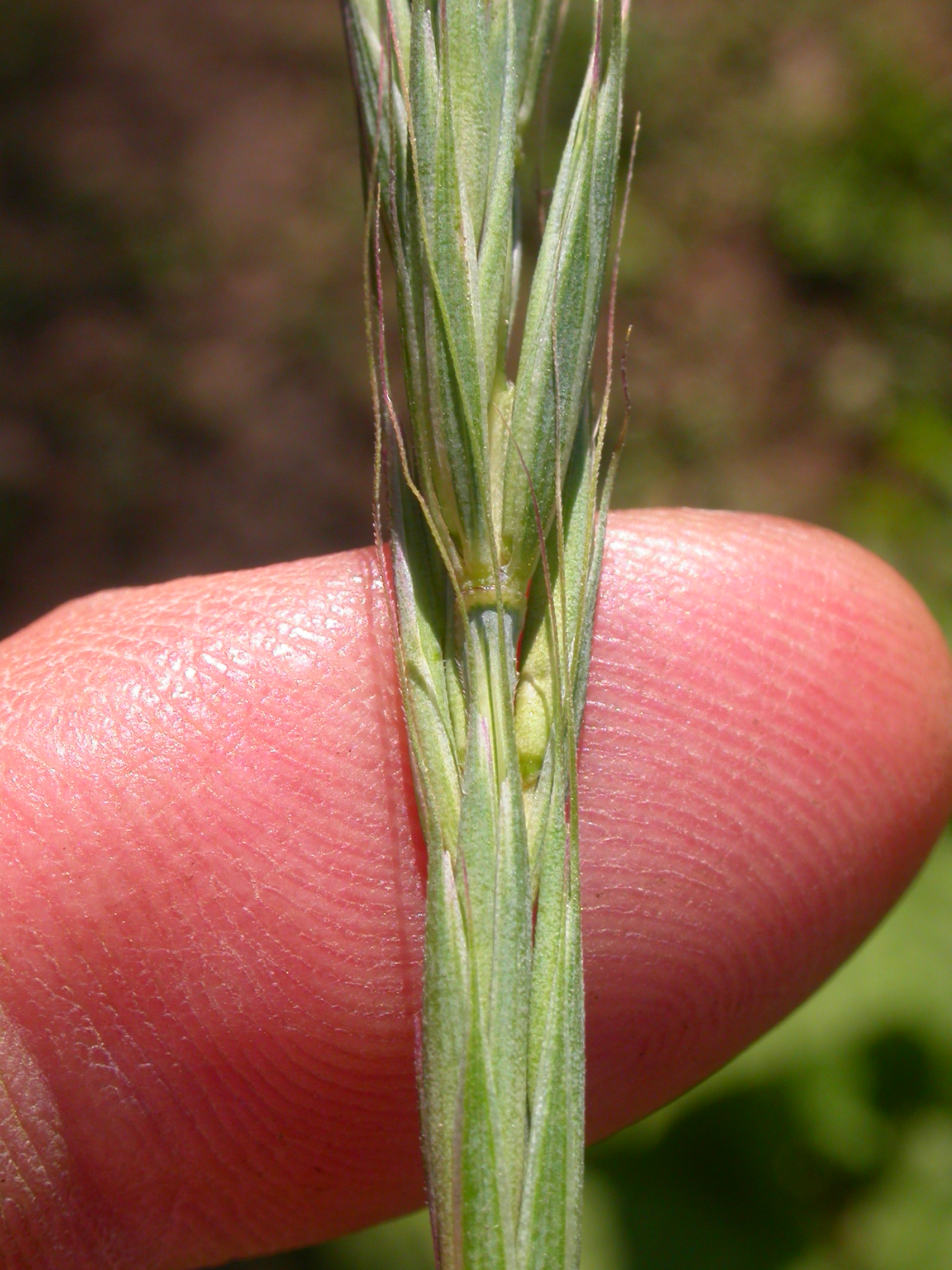
The flowering head is a narrow, bristly spike 3 to 10 inches long. At each node along the spike, two spikelets are arranged in a palmate (hand-like) pattern rather than the single, opposite-paired arrangement typical of many other wheatgrasses, a useful identification feature up close. Each spikelet carries long, straight awns up to 1½ inches long, giving the whole seed head a shaggy, bristled appearance that is conspicuous even from a distance. Flowering generally occurs from May through July, varying with elevation and latitude.
Roots
Blue wildrye produces a dense, fibrous root system without rhizomes, allowing quick establishment from seed and effective soil-holding without the spreading habit of rhizomatous grasses — a trait that makes it valuable for erosion control without the risk of it overtaking neighboring plants.
Quick Facts
| Scientific Name | Elymus glaucus |
| Family | Poaceae (Grass) |
| Plant Type | Perennial Bunchgrass |
| Mature Height | 2–4 ft, to 5 ft in bloom |
| Mature Spread | 1–2 ft |
| Growth Rate | Fast (from seed) |
| Sun Exposure | Full Sun to Part Shade |
| Water Needs | Low to moderate once established |
| Soil Type | Adaptable; loam, clay or rocky soils |
| Soil pH | 6.0–7.5 |
| Bloom Time | May – July |
| Flower Color | Green, ripening tan |
| Fall Color | Straw-tan (summer dormant) |
| Fruit | Dry grass seed (caryopsis) with long awns |
| Deer Resistant | Yes |
| USDA Hardiness Zones | 4–9 |
Native Range
Blue wildrye has one of the broadest native ranges of any western bunchgrass, occurring from Alaska south through British Columbia, across the Pacific states, and throughout the Rocky Mountain states into the northern Great Plains and south into Arizona, New Mexico, and northern Mexico. It is absent as a native from most of the southeastern and south-central United States.
Throughout this range, blue wildrye grows across an unusually wide span of habitats and elevations: coastal bluffs and dune margins, oak woodland and mixed-conifer understory, dry mountain meadows, rocky outcrops, and forest-edge openings that receive at least partial sun. It is frequently among the first native grasses to reestablish after fire or logging disturbance, functioning as an early-seral species that helps stabilize soil while longer-lived perennials recover.
Because its range is so extensive, growing conditions for blue wildrye vary considerably by region — coastal populations tend to be larger and more shade-tolerant, while high-elevation interior populations are shorter and more drought- and cold-hardy. Gardeners should favor locally sourced seed or nursery stock where possible to match regional conditions.
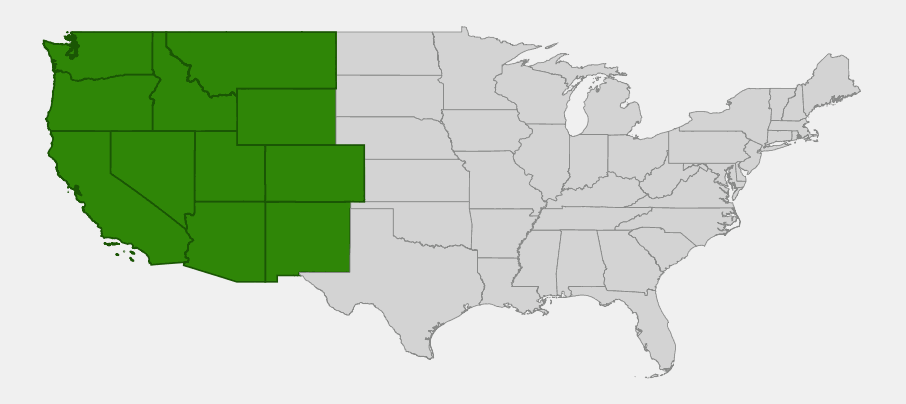
📋 Regional plant lists featuring blue wildrye: California & Nevada · Western Oregon & Western Washington · Idaho, Eastern Oregon & Eastern Washington · Arizona & New Mexico · Utah & Western Colorado · Montana & Wyoming · Nebraska, Kansas & Eastern Colorado
Growing & Care Guide
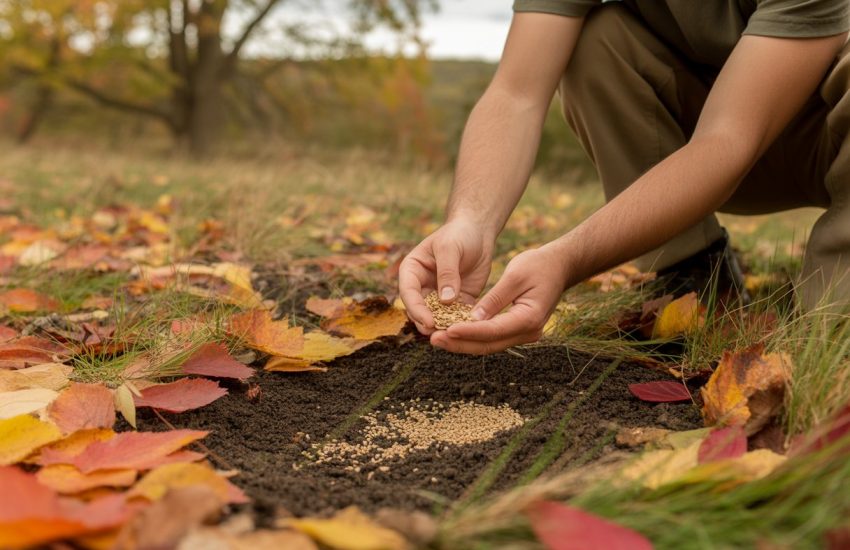
Blue wildrye is one of the easiest native grasses to establish from seed, germinating readily and growing quickly in its first season — a useful trait for restoration plantings that need fast cover.
Light
Full sun to part shade suits blue wildrye well; it tolerates more shade than many prairie and grassland bunchgrasses, which is part of why it thrives at forest edges and in open woodland understory. In hot, dry interior climates, some afternoon shade helps keep the foliage from browning too early in summer.
Soil & Water
This species is remarkably adaptable to soil type, growing in loam, clay, and rocky or gravelly soils with equal success, provided drainage is reasonable. Water regularly through the first growing season to establish deep roots; once established, blue wildrye handles seasonal drought well, though it looks its best with occasional summer water in the driest climates. It is not well suited to soggy or poorly drained ground.
Planting Tips
Direct-seed in fall to take advantage of winter and spring moisture, or set out container plants in fall or early spring. Because blue wildrye is a relatively short-lived perennial compared with some bunchgrasses — often most vigorous in its first three to five years — it works well seeded alongside longer-lived companion grasses that will take over as it declines, mimicking its natural role as an early-successional species.
Pruning & Maintenance
Cut back old growth in late winter before new shoots emerge to keep clumps tidy. Deadheading is unnecessary and the seed heads provide food for birds; allowing some seed to drop also helps the planting self-sustain as individual clumps age out.
Landscape Uses
- Erosion control on slopes, burned areas, and disturbed soil
- Naturalistic meadow or prairie plantings
- Woodland-edge and understory restoration
- Quick-cover seed mixes for post-fire revegetation
- Habitat garden grass for texture and bird forage
Wildlife & Ecological Value
Blue wildrye’s broad range and adaptability translate into wide-reaching, if understated, ecological value across many plant communities in the West.
For Birds
Seed-eating birds, including native sparrows and finches, feed on the ripe seed heads through summer and into fall. The upright stems and seed heads also provide perching and foraging structure in open grassland and woodland-edge habitats.
For Mammals
Deer and elk browse blue wildrye foliage lightly, particularly when it is green and actively growing in spring, and small mammals use clumps for cover. Because it is not a preferred forage species compared with more palatable grasses, it is often rated deer resistant in garden settings.
For Pollinators
As a wind-pollinated grass, blue wildrye does not provide nectar or pollen resources to bees and butterflies directly, but its structural presence supports the broader insect communities that shelter and forage within bunchgrass stands.
Ecosystem Role
Blue wildrye plays an outsized role as an early-successional species, often among the first native grasses to reestablish after wildfire, logging, or other disturbance. Its fast germination and fibrous root system stabilize soil and reduce erosion while slower-growing perennials recover, making it a cornerstone species in restoration seed mixes throughout its range.
Cultural & Historical Uses
Blue wildrye was one of many native grasses utilized incidentally by Indigenous peoples across its wide range, though it was not typically a primary food grain the way some other native grasses were. Historical ethnobotanical records note its occasional use, alongside other wild grasses, as material in basketry and as general forage understanding among tribes managing rangeland and woodland resources.
In the twentieth century, blue wildrye became important to range scientists and restoration practitioners as research identified it as a fast-establishing, broadly adapted native grass well suited to revegetation after fire, logging, and grazing disturbance. Its ease of seed collection and propagation made it a standard component of native seed mixes developed by agencies such as the USDA Natural Resources Conservation Service for erosion control and habitat restoration across the western United States.
Today blue wildrye remains a staple of restoration seed mixes and native plant nurseries throughout its range, valued by land managers for its reliability as a quick-establishing, non-aggressive native grass that helps hold soil and provide habitat structure while longer-lived vegetation becomes established.
Frequently Asked Questions
Is blue wildrye the same as cultivated rye?
No. Despite the common name, blue wildrye (Elymus glaucus) is unrelated to cultivated rye (Secale cereale); the “wildrye” name refers to the superficial resemblance of its bristly seed head.
How long do blue wildrye clumps live?
Individual clumps are relatively short-lived for a perennial bunchgrass, often most vigorous for three to five years before declining, which is part of its natural role as an early-successional species that gives way to longer-lived grasses over time.
Does blue wildrye spread aggressively?
No. It lacks rhizomes and does not form a spreading sod or mat; it stays in discrete bunches, though it does reseed itself where conditions are favorable.
Can blue wildrye grow in shade?
It tolerates more shade than many native bunchgrasses and is often found at woodland edges and in open forest understory, though it flowers and seeds best with at least several hours of direct sun.
Is blue wildrye good for erosion control?
Yes. Its dense fibrous root system and fast germination from seed make it one of the most commonly used native grasses for stabilizing disturbed soil and burned slopes across the West.

Looking for a nursery that carries Blue Wildrye?
Browse our native plant nursery directory: California · Nevada & New Mexico · Oregon · Washington · Idaho · Arizona · Utah · Montana & Wyoming · Colorado