Bebb Willow (Salix bebbiana)
Salix bebbiana, commonly called Bebb willow (also beaked willow, beak willow, or diamond willow), is one of the most widespread native willows in North America. It is a fast-growing, multi-stemmed shrub or small tree of the Salicaceae (willow) family, ranging from the Alaskan interior and the Yukon across nearly all of Canada and south through the Rocky Mountains, upper Midwest, and Northeast into the mountains of Arizona and New Mexico. Few native shrubs cover so much ground, from boreal muskeg to mountain streambanks, and almost none support as many pollinators and moths along the way.
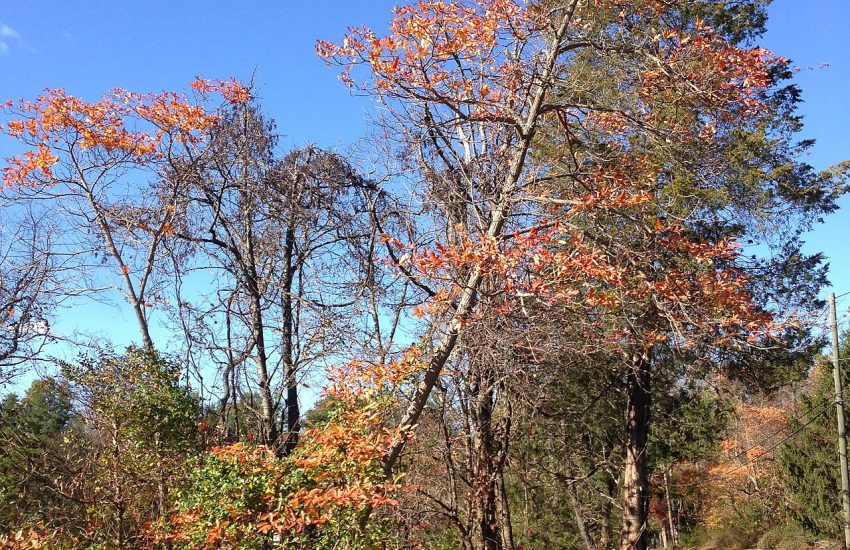
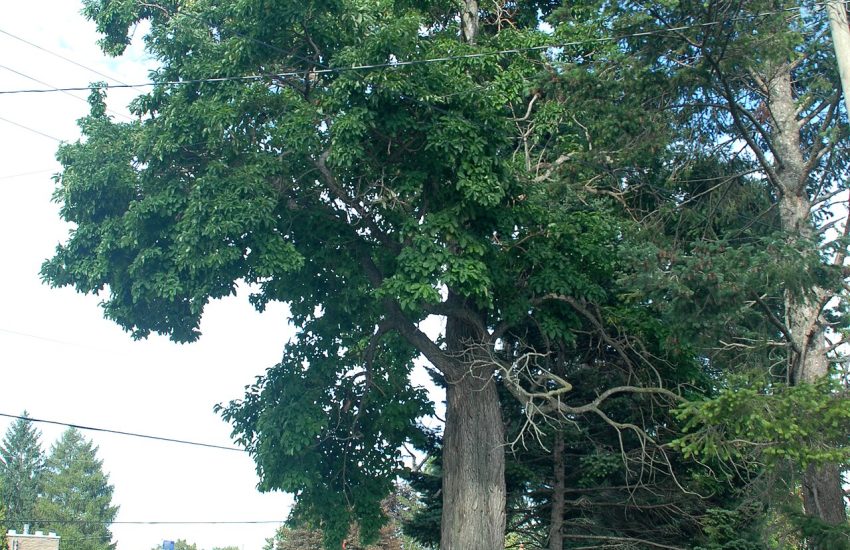
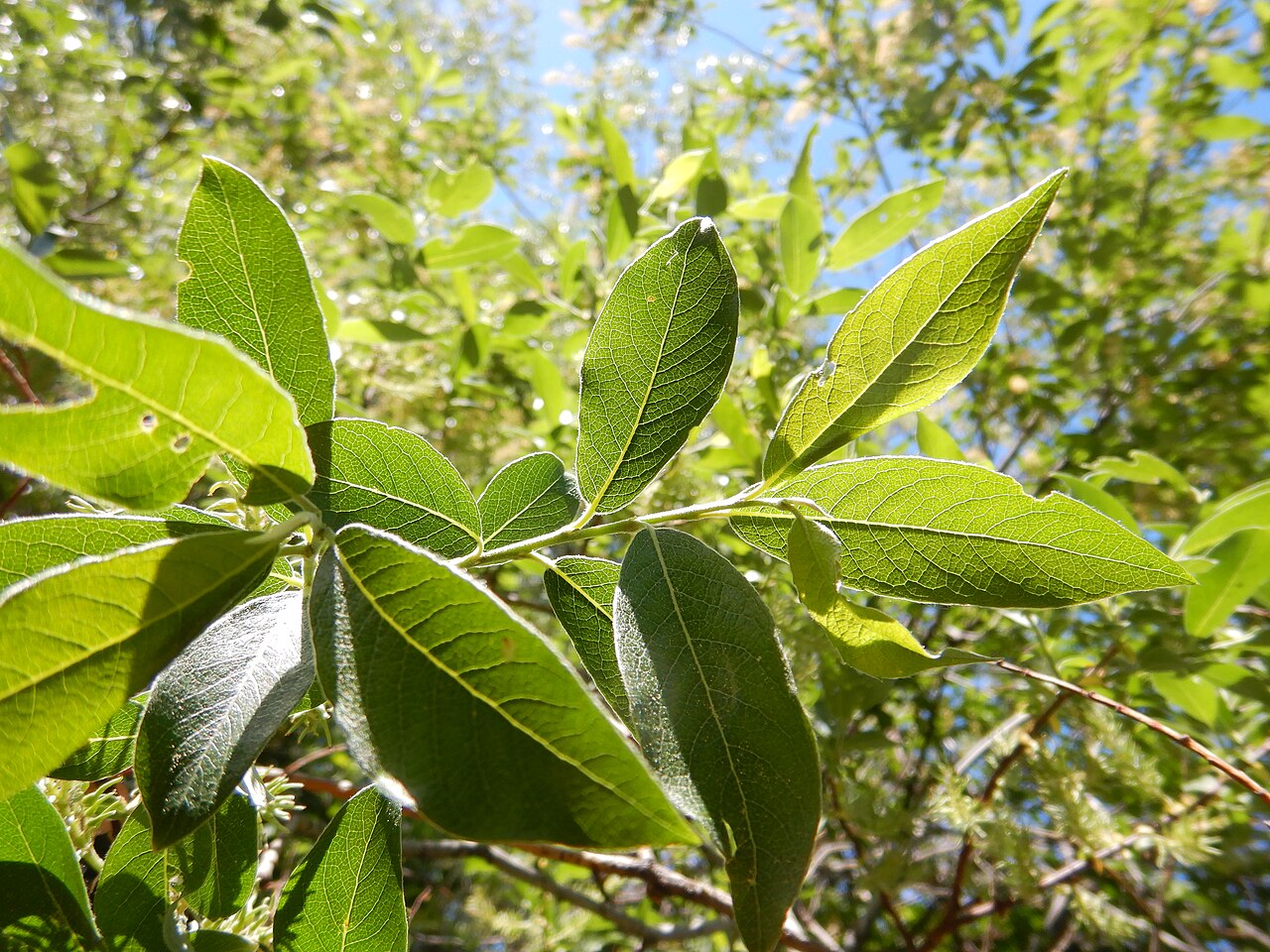
Bebb willow typically grows as a loosely branched shrub or small tree 5 to 20 feet tall, with a short, often twisted trunk and a rounded, airy crown. Its grayish-green, oval leaves are dull above and distinctly pale and net-veined below, a reliable field mark among the notoriously difficult willow genus. In spring, male plants put out soft gray catkins (“pussy willows” in the broad sense) that are an early nectar and pollen source for native bees, while female plants develop narrow seed capsules that split open to release cottony, wind-borne seed.
Because it colonizes disturbed, wet, or recently burned ground so readily, Bebb willow is an important early-successional species in riparian corridors, beaver meadows, and avalanche chutes. It is also the willow most often responsible for “diamond willow” — the diamond-shaped figure that forms in the wood around old branch scars, prized by woodcarvers. For home landscapes in its native range, it is a tough, low-maintenance choice for wet soils, streambank stabilization, and wildlife plantings.
Identification
Bebb willow is usually a multi-stemmed shrub, though it can grow into a small single-trunked tree under good conditions. Mature plants reach 5 to 20 feet (1.5–6 m), occasionally taller in favorable sites, with a trunk up to about 8 inches (20 cm) across. The crown is loose, rounded, and somewhat irregular, and the plant often forms colonial thickets by resprouting from the base and by layering where low branches touch moist soil.
Bark & Stems
Young twigs are slender, purplish, and finely hairy, aging to smooth grayish-brown bark on older stems. The wood beneath the bark often develops the diamond-shaped scars, caused by a canker fungus at old branch junctions, that give rise to the “diamond willow” prized by carvers. Winter buds are reddish, hairy, and covered by a single scale, typical of willows.
Leaves
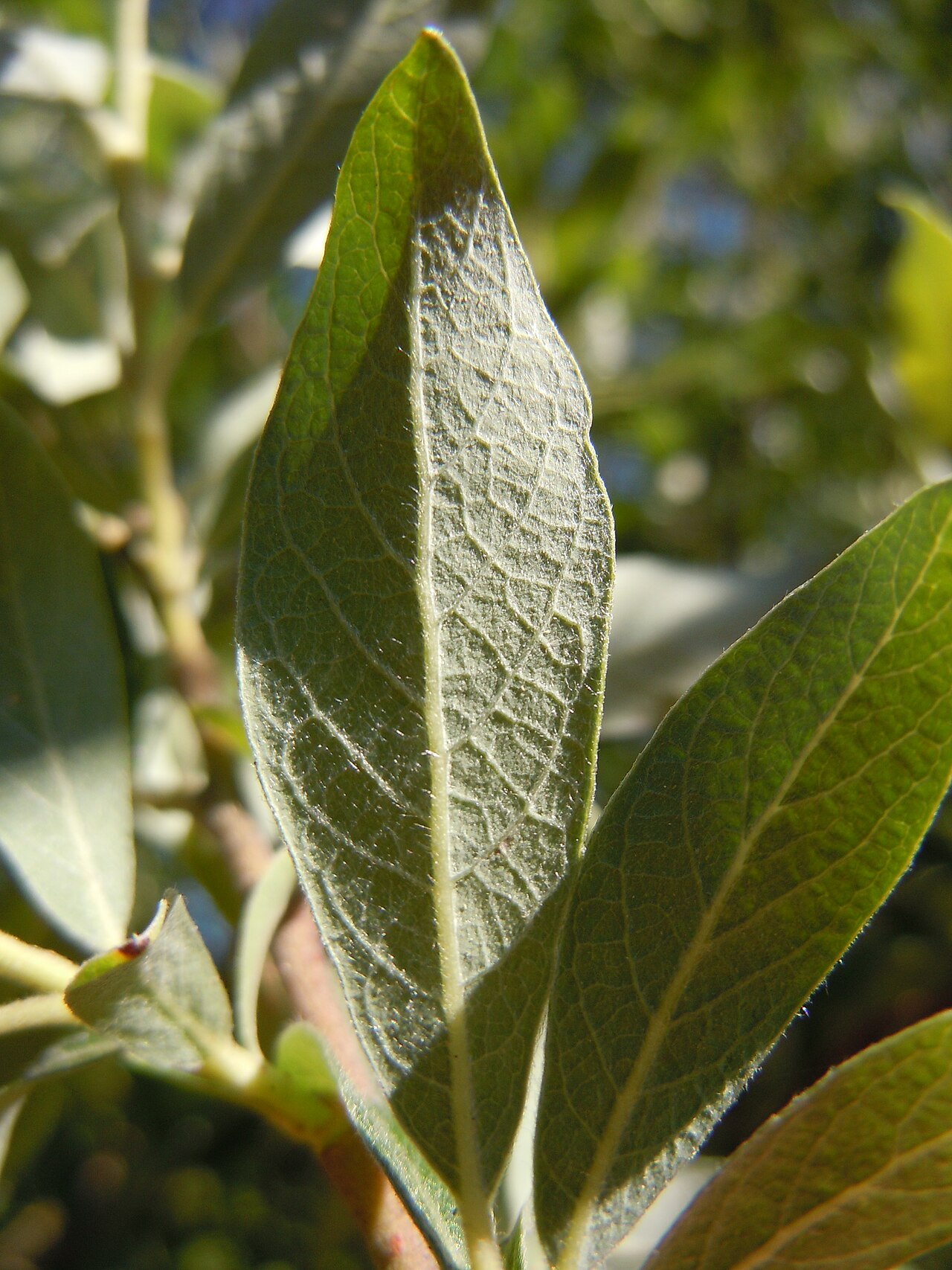
Leaves are simple, alternate, and oval to elliptic, 1 to 3 inches (2.5–7.5 cm) long, widest near or below the middle with a short-pointed tip. The upper surface is dull green and sparsely hairy when young, becoming smoother with age; the lower surface is distinctly paler, often whitish-glaucous, with a prominent, net-like (reticulate) pattern of raised veins — the single best field character for telling Bebb willow apart from the many similar native willows. Margins are entire to finely wavy-toothed.
Flowers & Fruit
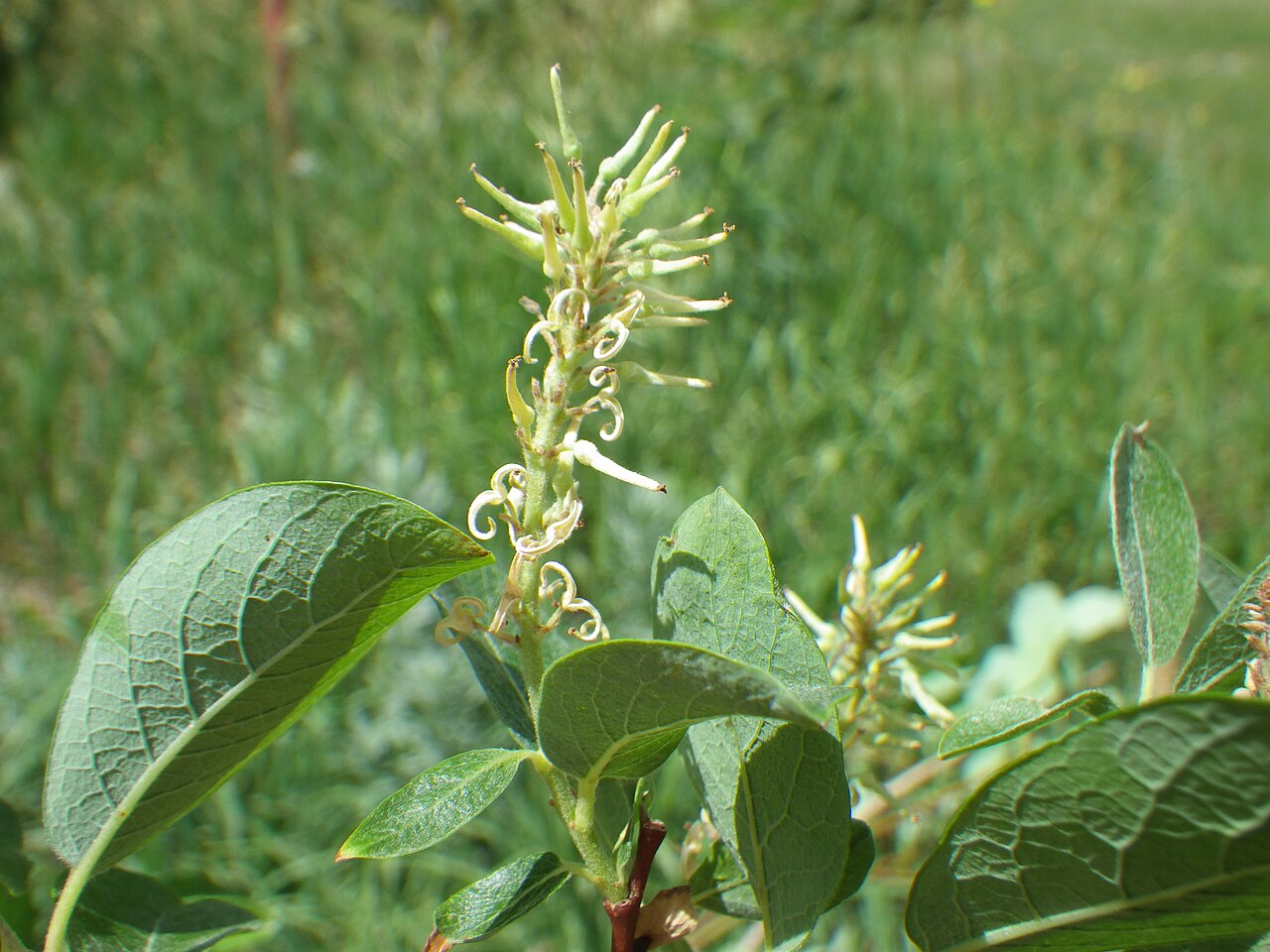
Like all willows, Bebb willow is dioecious, with male and female catkins on separate plants. Catkins appear before or with the leaves in early to mid-spring, 1 to 2 inches (2.5–5 cm) long, soft and grayish before opening into small yellow (male) or green (female) flowers. There are no petals; pollination is by both wind and the many early-season bees the catkins attract. Female catkins lengthen as they mature, and by early summer the narrow, hairy seed capsules split to release tiny seeds bearing tufts of silky, cottony hair that carry them on the wind, often drifting long distances to colonize bare, moist ground.
Quick Facts
| Scientific Name | Salix bebbiana |
| Family | Salicaceae (Willow) |
| Plant Type | Deciduous Shrub / Small Tree |
| Mature Height | 5–20 ft (1.5–6 m) |
| Mature Spread | 6–15 ft, often colonial |
| Growth Rate | Fast |
| Sun Exposure | Full Sun to Part Shade |
| Water Needs | Moderate to High |
| Soil Type | Moist to wet; tolerates clay, sand, and rocky soils |
| Soil pH | 5.5–7.5 |
| Bloom Time | March – May |
| Flower Color | Gray catkins, opening yellow (male) or green (female) |
| Fall Color | Dull yellow |
| Fruit | Narrow capsules with cottony seeds |
| Deer Resistant | No (browsed by deer, elk, and moose) |
| USDA Hardiness Zones | 1–7 |
Native Range
Bebb willow has one of the broadest ranges of any North American willow, occurring from interior Alaska and the Yukon across virtually all of boreal Canada to Newfoundland, and extending south through the Rocky Mountains, the upper Midwest, and New England. In the Lower 48, it reaches its southern limits in the high mountains of Arizona and New Mexico and in scattered wetland and upland sites across the northern tier of states.
Throughout this huge range, Bebb willow favors open, moist to wet ground: streambanks, lakeshores, swamp and marsh edges, beaver meadows, moist mountain slopes, and disturbed or recently burned sites. It tolerates heavier, poorly drained clay and rocky soils better than many willows, which lets it colonize sites other shrubs avoid. In the Rocky Mountain states it is common in subalpine and montane riparian zones; in the upper Midwest and Northeast it turns up in bogs, fens, and wet prairie margins as well as streamside thickets.
Because it spreads so readily from wind-blown seed and resprouts vigorously after fire, flooding, or cutting, Bebb willow is often one of the first woody plants to establish on bare, disturbed, or recently exposed moist soil, paving the way for later-successional shrubs and trees.
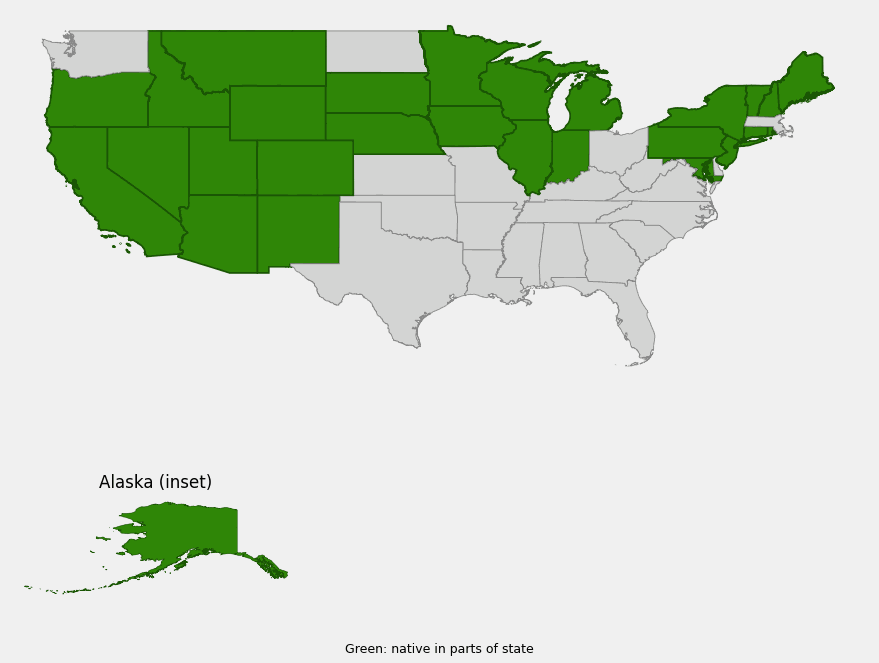
📋 Regional plant lists featuring Bebb Willow: Alaska · Arizona & New Mexico · California & Nevada · Connecticut, Massachusetts & Rhode Island · Idaho, Eastern Oregon & Eastern Washington · Illinois, Iowa & Missouri · Ohio & Indiana · New Hampshire, Maine & Vermont · Maryland, Virginia & West Virginia · Michigan, Wisconsin & Eastern Minnesota · North Dakota, South Dakota & Western Minnesota · Montana & Wyoming · Nebraska, Kansas & Eastern Colorado · New York, Pennsylvania & Northern New Jersey · Utah & Western Colorado
Growing & Care Guide
Bebb willow is one of the easiest native shrubs to establish on wet or seasonally wet ground, and it asks for very little once it has rooted in. Gardeners who already grow the related ornamental pussy willow (see our pussy willow care guide) will find Bebb willow just as forgiving, and considerably better suited to naturalistic wildlife plantings.
Light
Grows best in full sun to light shade. In full sun it develops a denser, more compact habit and flowers more heavily; in part shade it stretches toward the light and becomes looser and more open.
Soil & Water
Bebb willow is adapted to consistently moist to wet soil and is a natural fit for streambanks, pond margins, rain gardens, and low spots that stay damp through the growing season — the same low areas that benefit from harvested rainwater in drier climates. It tolerates heavy clay and rocky soils better than most willows and is not fussy about pH within a broad moderate range. Established plants can handle brief dry spells but perform best with reliable soil moisture.
Planting Tips
Plant bare-root or container stock in early spring or fall. Bebb willow also roots readily from dormant hardwood cuttings pushed directly into moist soil — a traditional, low-cost way to establish streambank plantings. Space plants 6 to 10 feet apart for a naturalistic thicket, or further apart for a single specimen shrub.
Pruning & Maintenance
Little pruning is needed. Cut out dead, damaged, or overly leggy stems in late winter; plants respond to hard cutting back by resprouting vigorously from the base, which can be used to renew an older, woody clump. Watch for willow sawfly larvae and leaf-feeding beetles, which are usually cosmetic rather than serious problems.
Landscape Uses
Bebb willow earns its keep in practical, restoration-minded plantings:
- Streambank and shoreline stabilization — fibrous roots hold wet soil
- Rain gardens and bioswales that see standing water after storms
- Wildlife and pollinator plantings — early catkins feed native bees
- Wetland and beaver-meadow restoration
- Screening or informal hedgerows on moist sites
- Diamond willow crafting — mature stems for woodcarvers
Wildlife & Ecological Value
Few native shrubs do more quiet ecological work across so much of the continent than Bebb willow.
For Pollinators
Early spring catkins are a critical nectar and pollen source for native bees — including some of the first queen bumble bees out of hibernation — at a time when little else is blooming. Honeybees also work the catkins heavily where the two overlap.
For Birds
Dense willow thickets provide nesting cover and foraging habitat for many songbirds, including warblers, sparrows, and flycatchers. Willow seeds and the insects the foliage attracts are important food for breeding birds in riparian corridors.
For Mammals
Moose, elk, deer, and snowshoe hare all browse the twigs and foliage, especially in winter when other forage is scarce; willow thickets are a staple winter food for moose across their range. Beavers use willow stems for both food and dam-building material.
Ecosystem Role
As one of the most important host plants for moths and butterflies among native willows — supporting well over 100 species of Lepidoptera — Bebb willow underpins the insect food web that songbirds depend on to raise their young. Its rapid colonization of bare, disturbed, or recently burned moist ground also makes it a key early-successional species that stabilizes soil and shades out competing vegetation while longer-lived trees and shrubs establish.
Cultural & Historical Uses
Bebb willow has long been valued by Indigenous peoples across its vast range. The flexible young stems were woven into baskets, mats, and fish traps, and straighter shoots were shaped into arrow shafts. Willow bark, like that of many Salix species, contains salicin, the compound related to aspirin, and was used in traditional preparations for pain and fever by various northern and plains peoples — a historical use, not a modern medical recommendation.
The species is also the source of most commercial “diamond willow” — distinctively patterned wood that forms around old branch scars where a canker fungus has altered the grain, creating diamond-shaped figuring prized by woodcarvers for walking sticks, lamps, and decorative items. Diamond willow crafting remains a living folk art in Alaska and across the northern Great Plains and Rocky Mountain states.
Because it establishes so easily from cuttings and tolerates wet, disturbed ground, Bebb willow has also been widely used in erosion-control and wetland-restoration plantings, often alongside other native willows and dogwoods, for decades before “native plant landscaping” became a popular term.
Frequently Asked Questions
How do I tell Bebb willow apart from other native willows?
Look at the underside of the leaf: Bebb willow’s leaves are pale, almost whitish, with a strongly raised, net-like pattern of veins — more pronounced than in most other willows in its range. The short, twisted trunk and loose, rounded crown are also helpful clues on mature plants.
Does Bebb willow need wet soil to survive?
It grows best with consistent moisture, but it is more tolerant of heavier clay and rocky soils than many willows and can handle brief dry spells once established. It is not a good choice for consistently dry, sandy sites.
Is Bebb willow good for bees?
Yes. Its early spring catkins are an important nectar and pollen source for native bees, including newly emerged queen bumble bees, at a time of year when few other plants are flowering.
What is “diamond willow,” and does it come from this species?
Diamond willow is figured wood prized by carvers, formed where a canker fungus distorts growth around old branch scars into diamond shapes. Bebb willow is the species most often responsible for it, especially in Alaska and the northern Great Plains.
Can I grow Bebb willow in a typical home garden?
Yes, if you have a consistently moist spot — a low area, rain garden, or pond edge. It grows quickly and may need occasional pruning to keep it in bounds, but it asks for little else once established.

Looking for a nursery that carries Bebb Willow?
Browse our native plant nursery directory: Alaska & Arizona · California · Colorado & Connecticut · Idaho, Illinois, Indiana, Iowa & Kansas · Maine, Maryland, Michigan, Minnesota & Montana · Nebraska, Nevada, New Hampshire, New Jersey, New Mexico & New York · Oregon · Pennsylvania, Rhode Island, South Dakota, Utah & Vermont · Wisconsin & Wyoming