When to Cut Back Little Bluestem: Balancing New Growth and Wildlife Shelter
Last updated: November 5, 2026
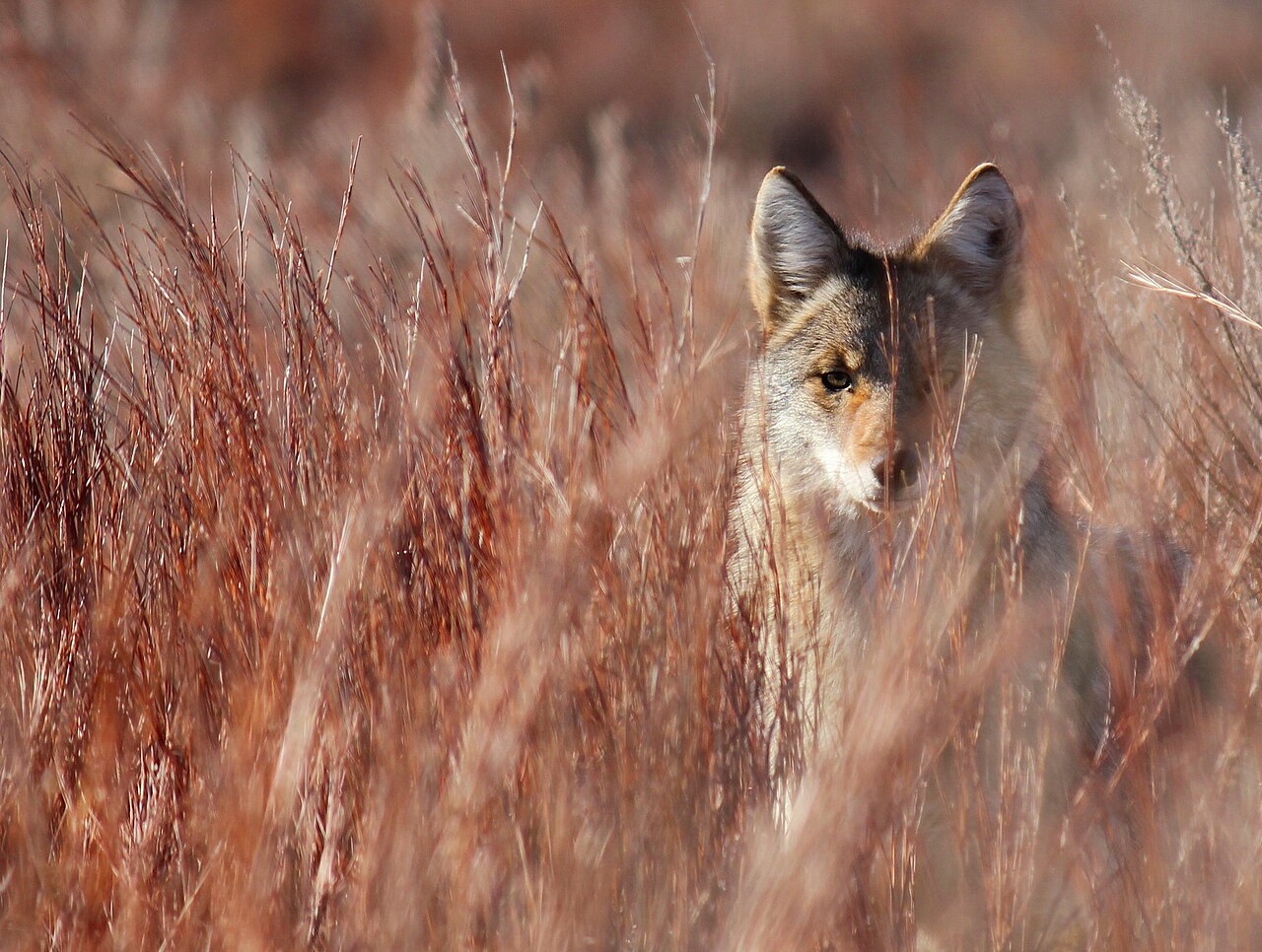
Little bluestem needs one cutback a year. The question is when, and the answer depends on what you want from the plant.
Cut too early and you remove seeds, cover, and overwintering insects during the months they matter most. Cut too late and you clip off the new spring shoots along with last year’s stems.
The good news is that there is a wide window between those two mistakes. This guide shows how to find it in your garden and how to make the cut so both the grass and the wildlife come out ahead.
The Short Answer
Cut little bluestem (Schizachyrium scoparium) back once a year, in spring, before the new shoots get tall. To balance growth and wildlife:
- Leave it standing all fall and winter. The seeds feed birds and the clumps shelter insects and small animals.
- Wait until spring is well underway, as late as you can before new growth gets going.
- Cut to a few inches, or leave a taller stubble if you want to protect overwintering insects.
- Leave the cuttings nearby for a while instead of bagging them right away.
- In larger plantings, cut in sections or on alternate years so some cover always remains.
Why the Old Stems Are Worth Keeping Through Winter
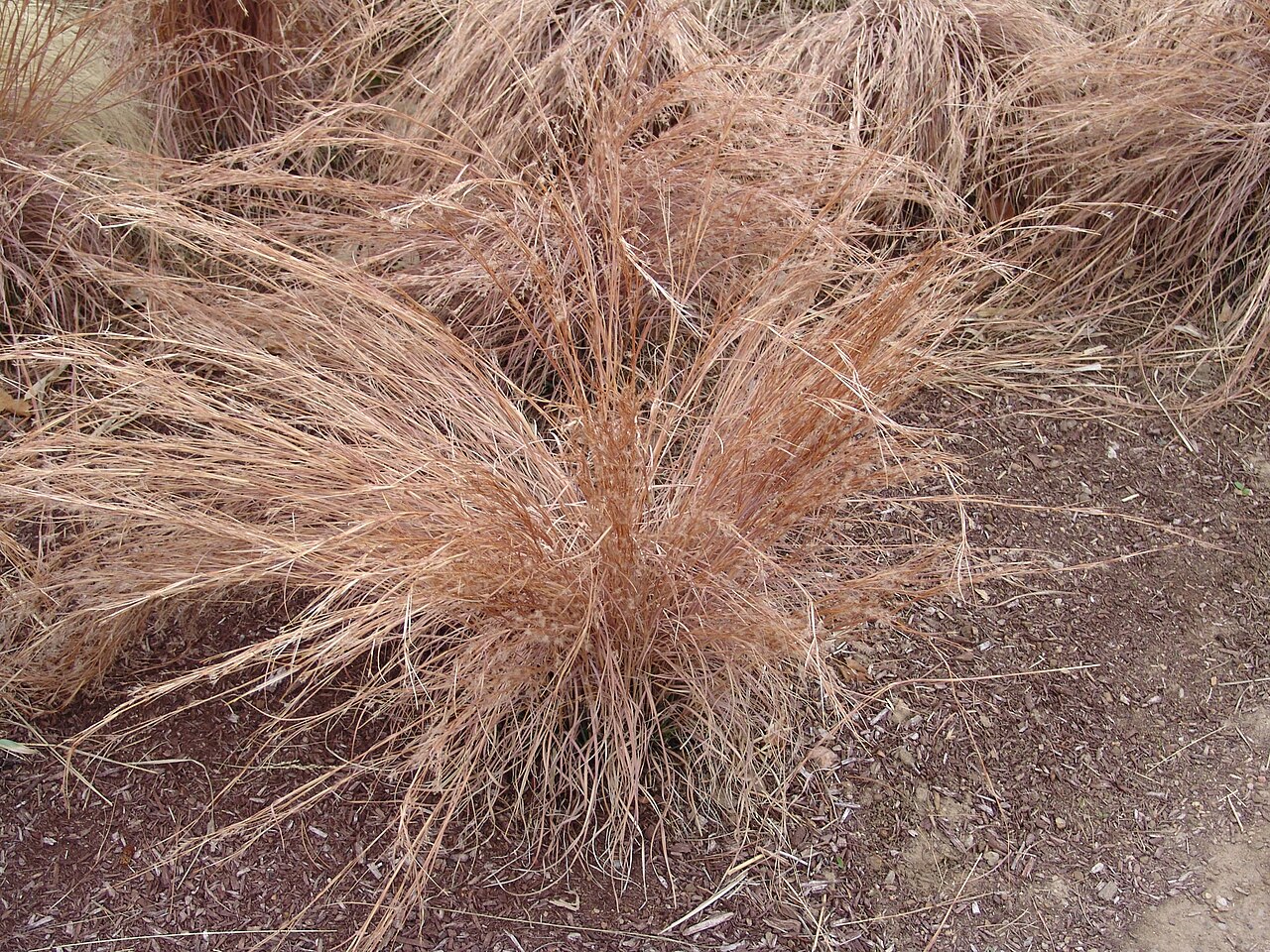
Little bluestem is a warm-season grass. It goes dormant after frost, but the stems don’t collapse. They turn copper and red and usually stay upright all winter.
Those standing clumps do a lot of work. The USDA NRCS plant guide calls little bluestem one of the best grasses for nesting and roosting habitat, thanks to its clumping form and many fine leaves near the base.
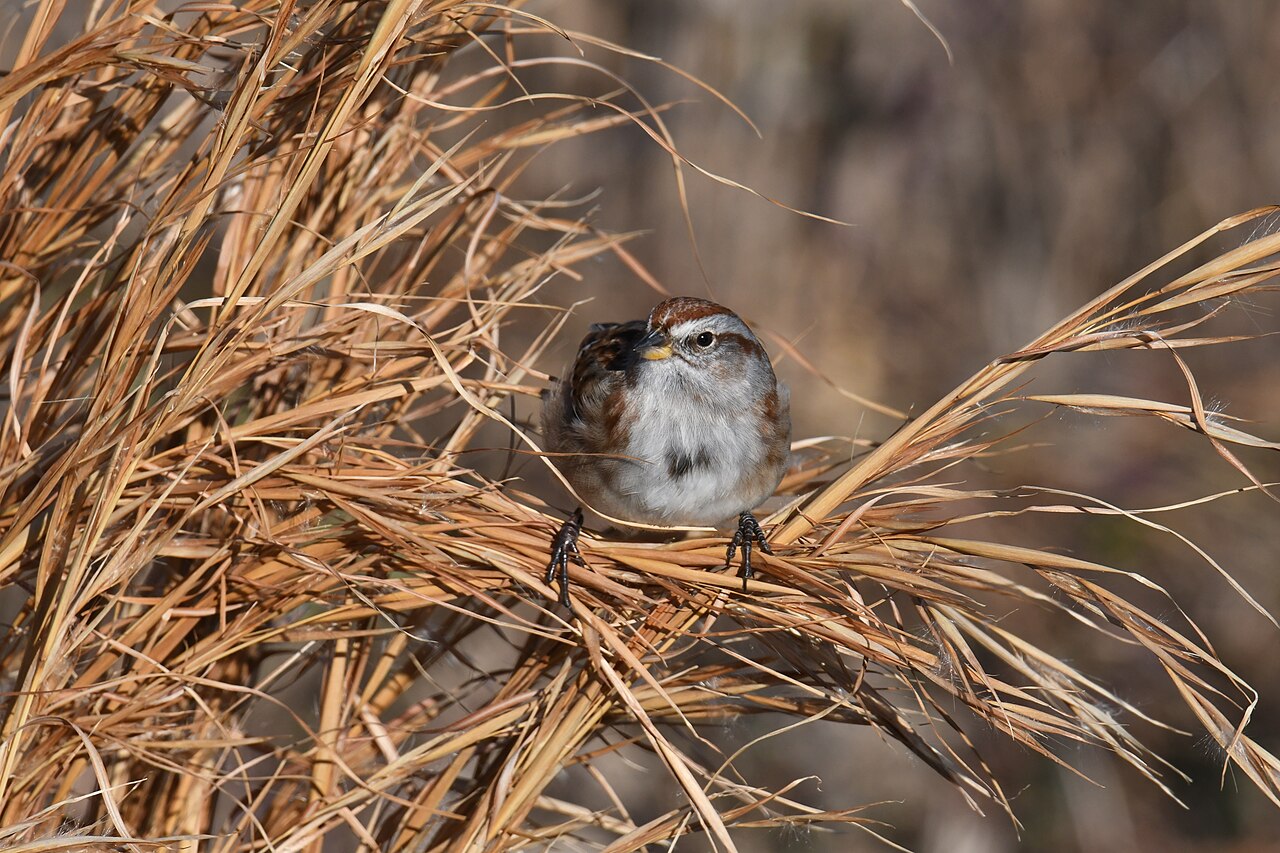
The seeds are eaten by small mammals and birds. The plant guide names juncos and chipping, field, and tree sparrows among them, plus upland game birds. The Lady Bird Johnson Wildflower Center notes that the seeds are of particular value to small birds in winter.
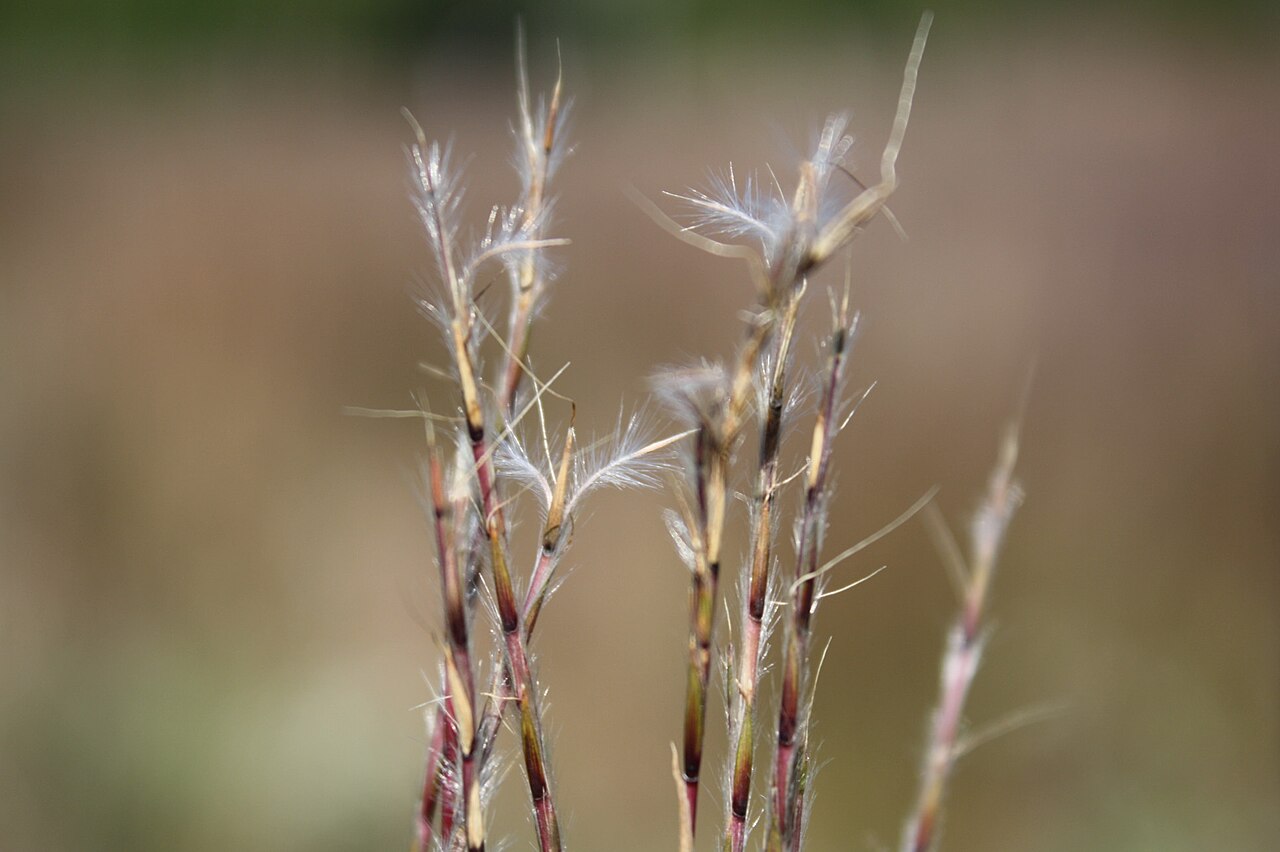
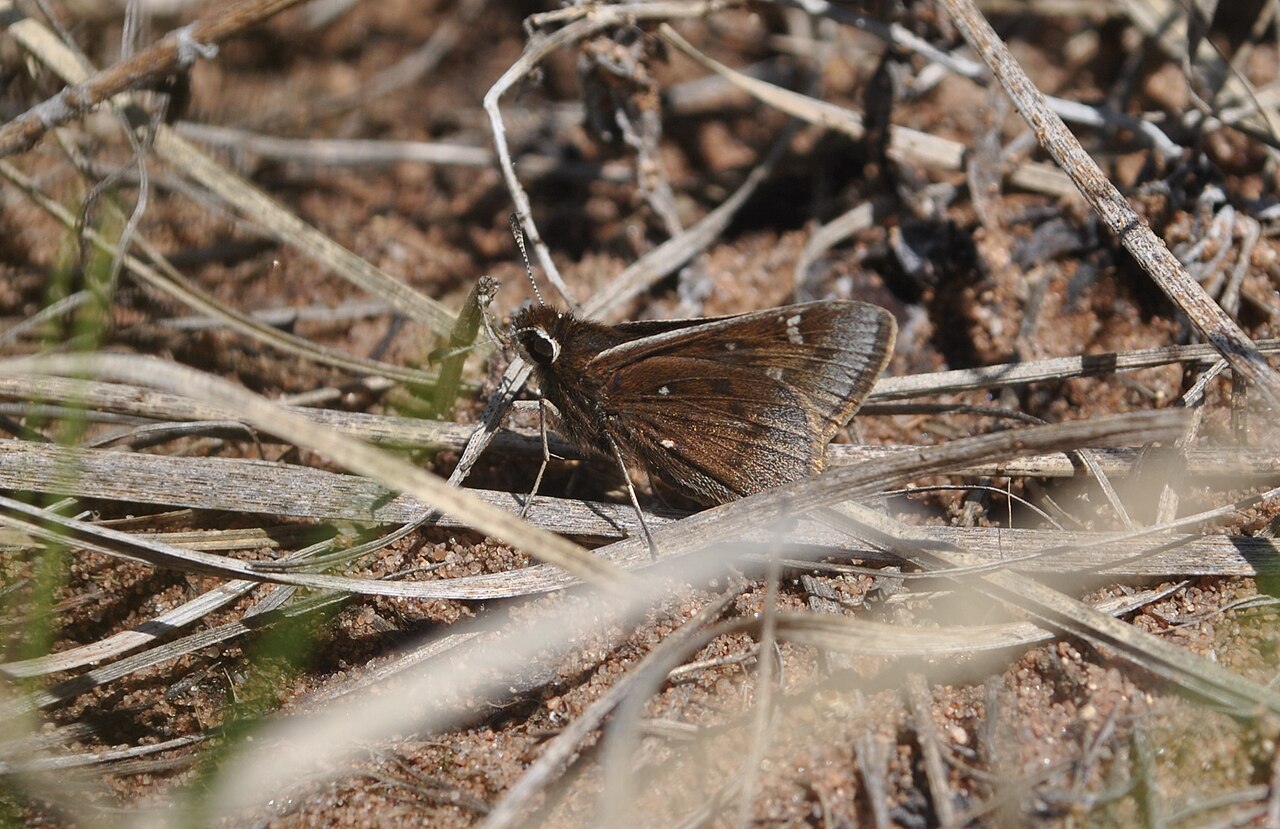
Insects use the clumps too. Little bluestem is a larval host for several skippers, small butterflies whose caterpillars feed on grasses. The plant guide notes that skipper caterpillars spend the winter in tube-shaped shelters above the base of the clump.
Prairie Moon Nursery adds that bumble bee queens nest at the base of bunch grasses like little bluestem, where they are protected until they emerge in spring.
The Little Bluestem Cutback Calendar
| Fall | Seeds ripen and turn fluffy. Leave everything standing. |
| Winter | Copper stems provide cover, seeds, and insect shelter. Leave standing. |
| Early spring | Acceptable time to cut, but wildlife may still be using the clumps. |
| Mid-spring | The best balance in most gardens. Cut before new shoots get tall. |
| Late spring – summer | Too late for a full cutback. You would be cutting this year’s leaves. |
Step 1: Leave It Standing Through Fall and Winter
Every extension source we checked agrees on this part. The Morton Arboretum says little bluestem should not be cut back until early spring, because it remains attractive through winter. University of Wisconsin Extension recommends letting plants stand through winter for shape, texture, and color.
The Xerces Society makes the wildlife case: stems and seed heads left standing feed goldfinches and other birds and shelter insects through the cold months.
If a neighbor or HOA expects tidy beds in winter, a neat edge goes a long way. Mow or trim a clean strip along the front of the bed and leave the grass itself alone. A small sign about winter habitat also helps.
Step 2: Wait for Real Spring, Not the First Warm Day
There’s no single date that works everywhere, so use local signs instead. The Xerces Society suggests a few practical tests for when spring cleanup is less likely to harm pollinators:
- You’ve put away the snow shovel and winter coat.
- It would be safe to plant tomatoes outdoors.
- The lawn is growing enough to need regular mowing.
- Apple and pear trees have finished blooming.
For northern states, Xerces suggests mid to late April as the earliest time to consider cutting back perennials and clearing debris. Some bees don’t emerge until late May, so the longer you can wait, the better.
Little bluestem gives you extra room here. As a warm-season grass it starts growing late, after cool-season grasses are already green. Prairie Moon Nursery notes that its old foliage can be trimmed back any time during spring.
Step 3: Check the Base for New Shoots
The other end of the window is new growth. The Morton Arboretum and Nebraska Extension both advise cutting before new growth begins or appears.
Part the old stems with your hands and look at the crown. New little bluestem shoots are flat and bluish, according to University of Wisconsin Extension.
- No green at all: you have time. Cut whenever your local signs say spring is underway.
- Green tips just showing: cut this week, and keep the blades above the new shoots.
- New leaves several inches tall: you waited a bit long. Cut higher, just above the new growth, and accept a slightly shaggy look until the fresh leaves fill in.
Don’t panic if you miss the window by a little. The USDA NRCS plant guide says little bluestem’s growing points sit slightly more than an inch above the soil, so a cut at a few inches doesn’t remove them.
Step 4: Choose Your Cutting Height
Recommendations vary a little, and that’s useful. It means you can choose a height to fit your goals:
- 2 to 4 inches: University of Wisconsin Extension’s recommendation. Clean and tidy, and well above the growing points.
- Close to the ground: NC State Extension and the Morton Arboretum both say it can be cut to the ground. This is the neatest option, but it removes the most shelter.
- 6 to 8 inches: Prairie Moon Nursery’s suggestion for the best support of caterpillars. New foliage quickly grows past this height and hides the stubble.
In a wildlife garden, the taller stubble is an easy compromise. In a formal bed near the house, the shorter cut looks better. The same cutback also resets clumps that flopped the year before.
Step 5: Make the Cut
The job is quick with the right tool. Hand pruners or grass shears work well for a few clumps. Hedge shears or a string trimmer speed things up in a big planting.
- Wrap a length of twine around the middle of the clump and tie it snug. This keeps the stems together.
- Cut below the twine at your chosen height, working around the clump.
- Lift off the bundle in one piece.
- Rake out loose bits from the crown by hand. Avoid scraping the crown itself.
Wear gloves and eye protection. Dry grass stems can be sharp, and debris flies when you use power tools.
Step 6: Don’t Bag the Cuttings Right Away
Some of the insects using the clump will still be inside the cut stems. If you send the bundles straight to the curb, they go too.
A simple fix is to lay the bundles loosely at the back of the bed, or in a pile in an out-of-the-way corner, for a few weeks. Insects can finish emerging, and the stems break down into mulch.
Chopped stems also make a light mulch around nearby plants. Keep it thin and away from the crowns, as you would with any leaf mulch.
Step 7: In Bigger Plantings, Don’t Cut Everything at Once
In a meadow or prairie planting, you don’t need to cut every clump every year. Our little bluestem profile notes that in naturalistic settings, cutting every other year or even less often is acceptable and may benefit wildlife.
A practical approach is to divide the area into sections and cut half each spring. That way some standing cover is always available for nesting and overwintering animals.
Large prairie restorations are often managed with prescribed fire in late winter or early spring instead of cutting. That is a job for trained crews working under local burn regulations, not a home-garden technique.
Quick Reference
| It’s fall and the grass looks messy | Leave it. Trim a neat edge along the bed instead. |
| Snow has flattened the clumps | Still leave them. Cut in spring as usual. |
| First warm week of spring | Wait. Check for local spring signs first. |
| Spring is underway, no green at the base | Ideal. Cut to 2–8 inches depending on your goals. |
| New shoots already several inches tall | Cut just above the new growth. |
| Large meadow planting | Cut in sections or on alternate years. |
| You forgot entirely, and it’s summer | Skip this year. The new leaves will hide most of the old stems. |
So When Should You Cut Yours?
It depends on where the grass grows and what it’s there for.
In a wildlife or pollinator garden: wait until mid-spring, after your local signs say it’s warm, and leave a 6- to 8-inch stubble. Pile the cuttings nearby. Our guide to creating a backyard habitat shows how this fits a whole-yard plan.
In a front-yard border: cut in early to mid-spring to 2 to 4 inches for a clean look. You still get the winter display and most of the winter wildlife value.
In a meadow or large planting: cut half the area each year, or mow every other year. Leave the rest standing as refuge.
In warm southern gardens: spring comes early and so does new growth. Watch the crowns closely from late winter on, and cut as soon as you see green tips if you haven’t already.
If you grow other warm-season grasses, the same logic applies. Our guide to pruning switchgrass covers a taller relative, and when to cut back grasses compares warm- and cool-season types.
A Season-by-Season Plan
- Fall: let seed heads ripen. Don’t cut, rake, or shear the clumps.
- Winter: leave everything standing. Enjoy the copper color and watch for sparrows and juncos working the seed heads.
- Early spring: start checking the crowns every week or two. Note your local signs, like apple bloom and the first lawn mowing.
- Mid-spring: make your cut at your chosen height. Lay the cuttings at the back of the bed.
- Late spring – summer: new blue-green foliage covers the stubble. Compost the old bundles once the weather is reliably warm.
📋 More on this plant: read the full Little Bluestem (Schizachyrium scoparium) profile, or see it in our native plant lists for North Dakota, South Dakota & Western Minnesota, Arkansas, Louisiana, Eastern Oklahoma & Eastern Texas, South & West Texas, Maryland, Virginia & West Virginia, and Delaware, Southern New Jersey & Long Island.
Frequently Asked Questions
Can I cut back little bluestem in the fall?
It won’t kill the plant, but extension sources recommend waiting until spring. Fall cutting removes the seeds, winter color, and shelter that make the grass valuable to wildlife.
How short should I cut little bluestem?
Anywhere from near the ground to about 8 inches. University of Wisconsin Extension suggests 2 to 4 inches, and Prairie Moon Nursery suggests 6 to 8 inches if you want to protect overwintering caterpillars.
What happens if I don’t cut it back at all?
The new growth comes up through the old stems, and the clump looks grayer and messier for part of the season. Skipping a year occasionally is fine, especially in naturalistic plantings.
Is it too late to cut back little bluestem if it’s already green?
Not if the new shoots are short. Cut just above them. Once the new leaves are tall, skip the full cutback this year.
Can I mow little bluestem instead of cutting it by hand?
Yes, in a meadow or large planting. Set the mower high and mow in spring, not fall, so the stems stand through winter.
Sources
- USDA NRCS, Plant Guide: Little Bluestem: nesting and roosting value, birds that eat the seed, overwintering skipper caterpillars, growing point height, prescribed fire.
- University of Wisconsin–Madison Extension, Wisconsin Horticulture, Little Bluestem: winter standing, cutting height, new shoot appearance.
- The Morton Arboretum, Little bluestem: wait until early spring, before new growth.
- North Carolina Extension Gardener Plant Toolbox, Schizachyrium scoparium: late-winter or early-spring cutback.
- Nebraska Extension in Lancaster County, Little Bluestem: cut before new growth appears.
- Lady Bird Johnson Wildflower Center, Schizachyrium scoparium: winter seed value, larval host skippers.
- The Xerces Society, Don’t Spring into Garden Cleanup Too Soon and Leave the Leaves: spring timing cues, leaving stems and seed heads.
- Prairie Moon Nursery, Little Bluestem: spring trimming, 6–8 inch stubble, bumble bee queens nesting at the base of bunch grasses.