Dividing Little Bluestem: Recognizing an Overcrowded or Declining Clump
Last updated: November 5, 2026
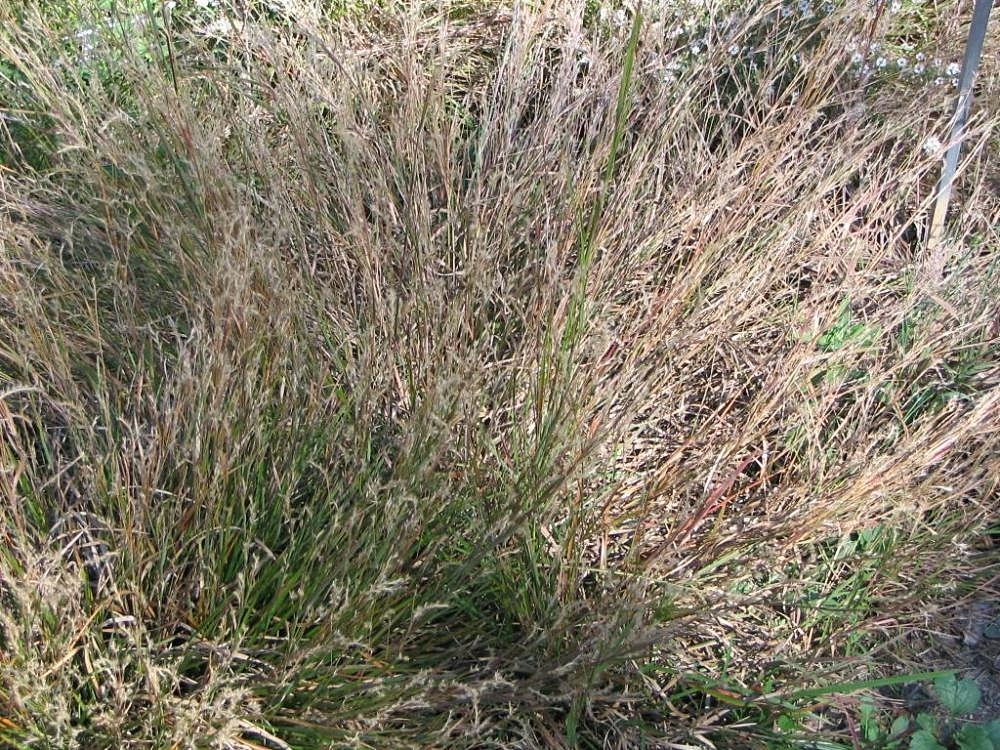
Most little bluestem clumps never need dividing. In a sunny, lean spot a single plant can look good for many years with nothing more than a yearly spring cutback.
But older garden clumps sometimes go hollow in the middle, crowd into their neighbors, or simply look tired. Division can fix some of those problems and not others.
This guide helps you tell an overcrowded clump that will benefit from division from a declining one that needs a different fix. Then it walks through the division itself, step by step.
The Short Answer
Divide little bluestem (Schizachyrium scoparium) in spring, just before or as new growth starts, and only when the clump shows a clear reason:
- A dead or thin center with healthy growth only around the edge.
- Clumps merging into each other or smothering nearby plants.
- You want more plants to fill gaps elsewhere.
If the whole clump is weak, thin, or floppy, check light, drainage, and mulch first. Dividing won’t fix a bad site.
How a Little Bluestem Clump Ages
Little bluestem is a bunchgrass. It grows in a tight tuft that widens slowly over the years as new shoots form around the outside of the crown.
The Lady Bird Johnson Wildflower Center describes clumps up to about a foot in diameter. On wetter sites, the USDA NRCS plant guide notes, short rhizomes can form looser mats instead of distinct bunches.
As a clump gets older, the oldest shoots in the middle can lose vigor while young shoots keep growing around the rim. Iowa State University Extension notes that the centers of ornamental grasses often die as the plants age.
Overcrowded or Declining?
| Healthy | Even, dense growth from the edge to the center. No action needed. |
| Overcrowded | Vigorous ring of growth around a brown, thin center, or clumps grown into each other. Division helps. |
| Declining | Thin and weak all over, slow to green up, or rotting at the base. Fix the site first. |
| Just young | Small and sparse in its first year or two. Normal. Leave it alone. |
Check 1: Look at the Center in Spring
The best time to judge a clump is in spring, right after you cut it back. With the old stems gone, you can see exactly where new shoots are coming from.
Colorado State University Extension says division is necessary when the center of a grass clump dies, leaving blades only around the edges. Look for these signs:
- A brown or bare patch in the middle of the crown.
- New green shoots only in a ring around the outside.
- Old, dead stubble that pulls out easily from the center.
- A clump that looks like a doughnut from above.
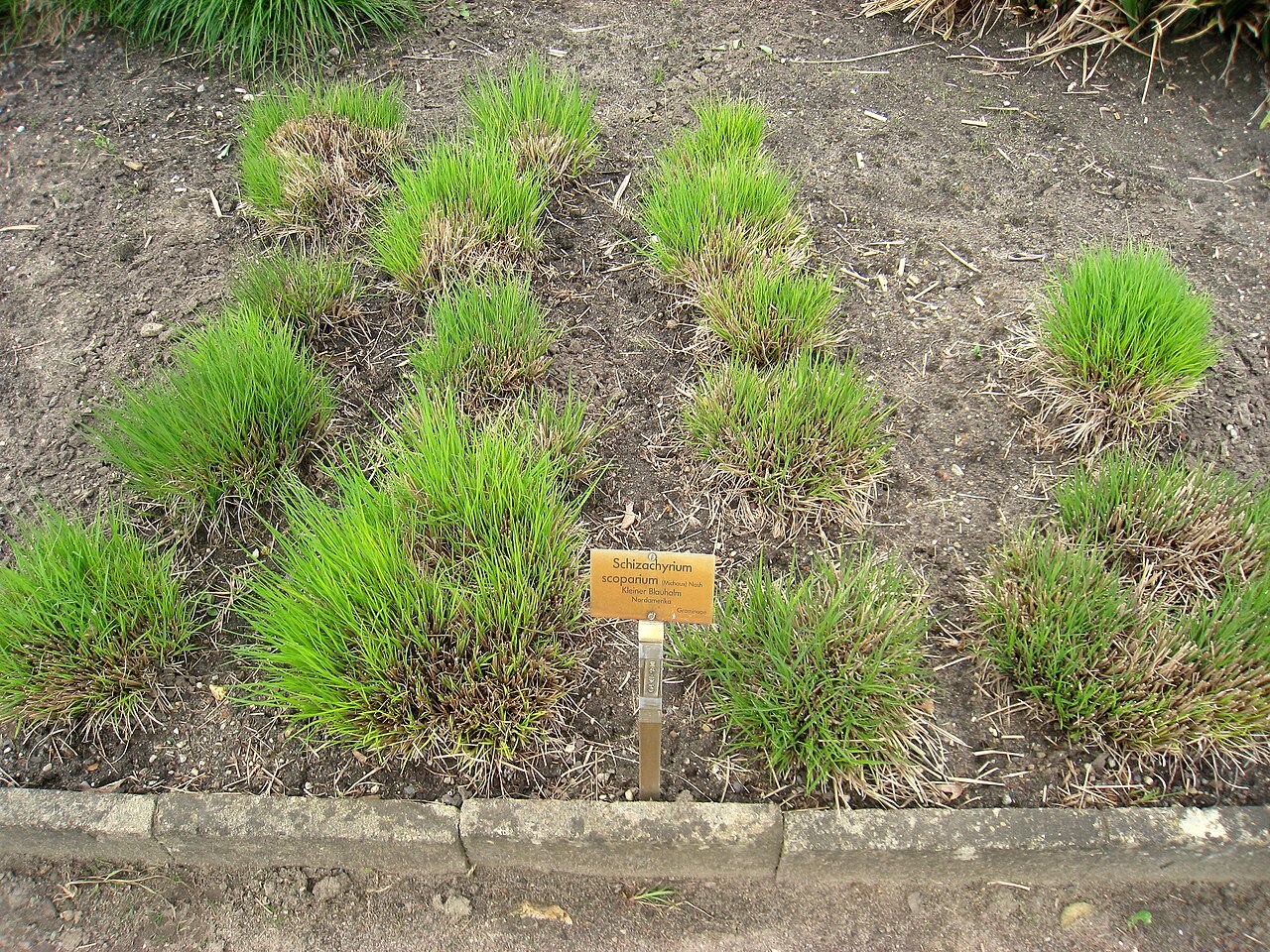
A small dead spot in an otherwise full clump can wait a year or two. A large hollow center with growth only around the rim is a good reason to divide this spring.
Check 2: See If the Clumps Are Crowding Each Other
Colorado State University Extension also notes that overcrowded grasses can lose vigor and become less appealing. With little bluestem, this usually happens in beds where plants went in close together for quick coverage.
Our species profile recommends spacing plants 18 to 24 inches apart for quick coverage, or 2 to 3 feet for a more naturalistic look. Prairie Moon Nursery recommends 2 to 3 feet, or about a foot apart for a quick clumped effect.
Close spacing is fine at first. After several years, though, closely planted clumps can merge into a single tangled mass. Signs of crowding include:
- You can no longer see where one clump ends and the next begins.
- Forbs or smaller perennials planted between the clumps have disappeared.
- The grass is spilling over edging or paths.
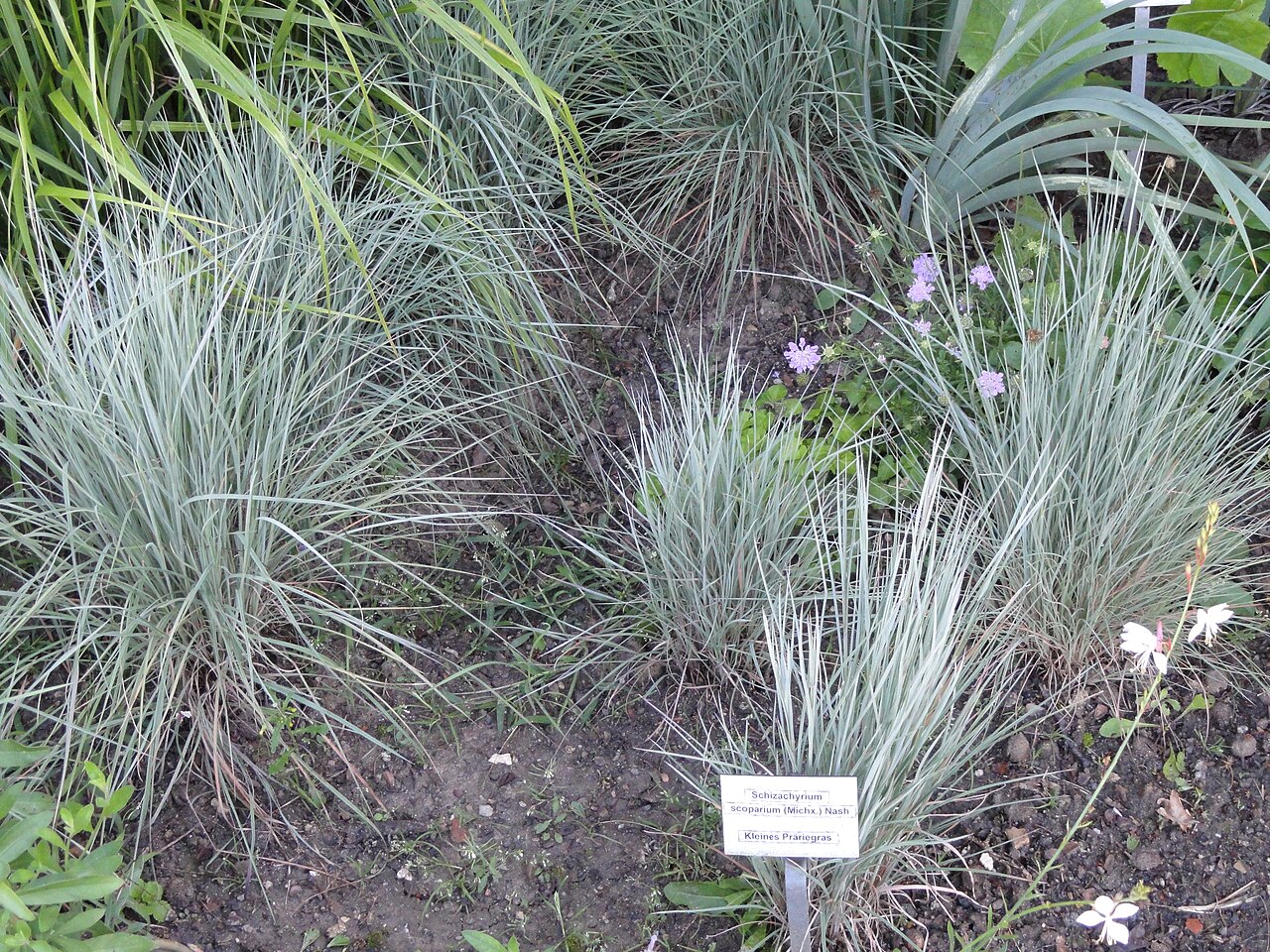
Remember that little bluestem also reseeds. The Wildflower Center notes that it readily reseeds, so some “crowding” may actually be seedlings filling in. Those can be dug and moved, or pulled while small.
Check 3: Rule Out a Site Problem
Division is for clumps that are healthy but congested. A clump that’s weak all over is telling you something about where it’s growing. Check these before you reach for a spade:
- Shade. Little bluestem grows best in full sun. In shade it grows thin, open, and floppy. See our guide to little bluestem flopping over for the light check.
- Wet soil. The Wildflower Center says it won’t tolerate wetlands or constantly wet subsoil. Soft, dark, or rotting crowns point to poor drainage.
- Buried crowns. NC State Extension advises keeping mulch away from the crown. Mulch piled against the base holds moisture where you don’t want it.
- Drought stress. The USDA NRCS plant guide notes that clumps sometimes die from the center out if they become too dry.
- Too much fertilizer. Rich soil makes soft, lush growth that flops and looks ragged.
Dividing a clump in the wrong spot just gives you several weak plants. If the site is the problem, move the divisions to a better place, or fix the drainage, light, or mulch first.
Check 4: Decide Whether It’s Worth Dividing
University of Wisconsin Extension points out that little bluestem clumps do not need to be divided very often. In prairies, plants live for years without anyone touching them.
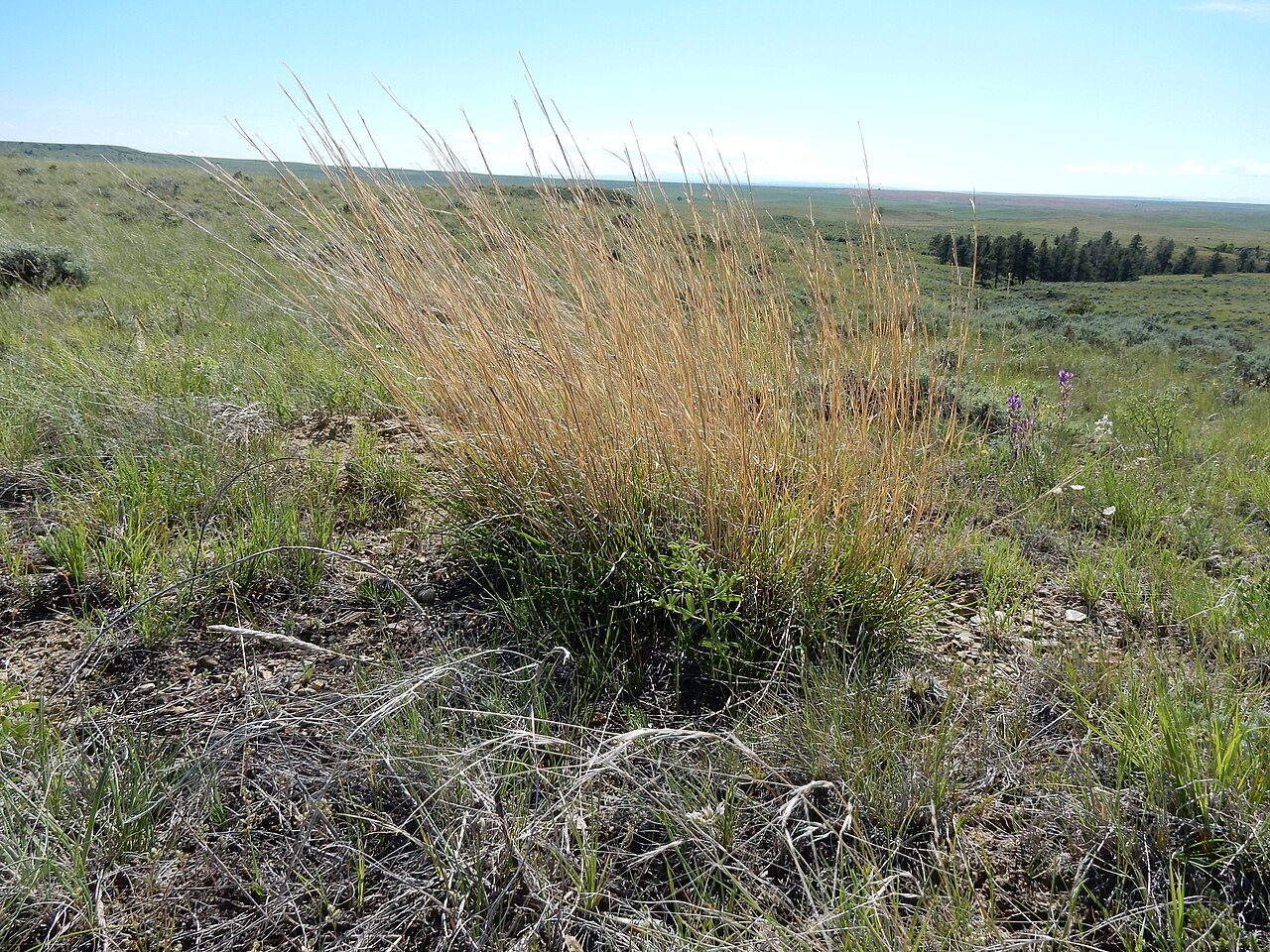
Divide if the center is dying, if clumps are crowding the design, or if you want more plants. Skip it if the clump is full and healthy, or if it’s in a naturalistic planting where a few hollow clumps don’t matter.
Division is also a good way to stretch a planting budget. The Wildflower Center lists root division as an easy way to propagate little bluestem.
How to Divide Little Bluestem, Step by Step
Step 1: Pick the right time. Divide in spring. Colorado State University Extension says spring division, before growth resumes, is the most successful for warm-season grasses, and it names little bluestem specifically. Iowa State suggests digging as the grasses begin to grow.
Avoid fall. University of Wisconsin Extension warns that grasses planted or transplanted in fall may not establish well enough to survive winter. Our fall planting guide covers perennials that do better then.
Step 2: Cut it back. If you haven’t done your spring cutback yet, do it now. Colorado State suggests cutting the foliage to 4 to 6 inches before dividing. See when to cut back little bluestem for timing.
Step 3: Dig the whole clump. Use a sharp spade to cut a circle a few inches outside the edge of the clump. Work around it, then lever the root ball out of the ground.
Step 4: Split it. Lay the clump on its side. Cut straight through the crown with a sharp spade or a large knife, first in half and then into quarters, as Colorado State describes. Old clumps can be very tough, so work slowly and keep your hands clear of the blade.
Step 5: Throw out the dead center. Pull or cut away the brown, lifeless core and compost it. Keep only pieces with live shoots and a good mass of roots attached.
Step 6: Replant right away. Set each division at the same depth it grew before, with the crown level with the soil. Firm the soil around the roots and water well.
Step 7: Mulch lightly. Colorado State mentions mulch up to 3 inches deep for new divisions. Keep it pulled back from the crown itself. Our mulching techniques guide covers the details.
The process is much the same for other native bunchgrasses. Our guide to propagating prairie dropseed covers the same basic approach for another clump-forming prairie grass.
Caring for New Divisions
Treat divisions like new transplants for their first season. The Dyck Arboretum’s planting guidance is a good model: water as soon as they go in, then daily for the first couple of weeks depending on the weather, and skip watering when it rains.
After that, water when the top inch or two of soil is dry, deeply and less often. Don’t fertilize. Fertilizing during establishment pushes top growth the young roots can’t support.
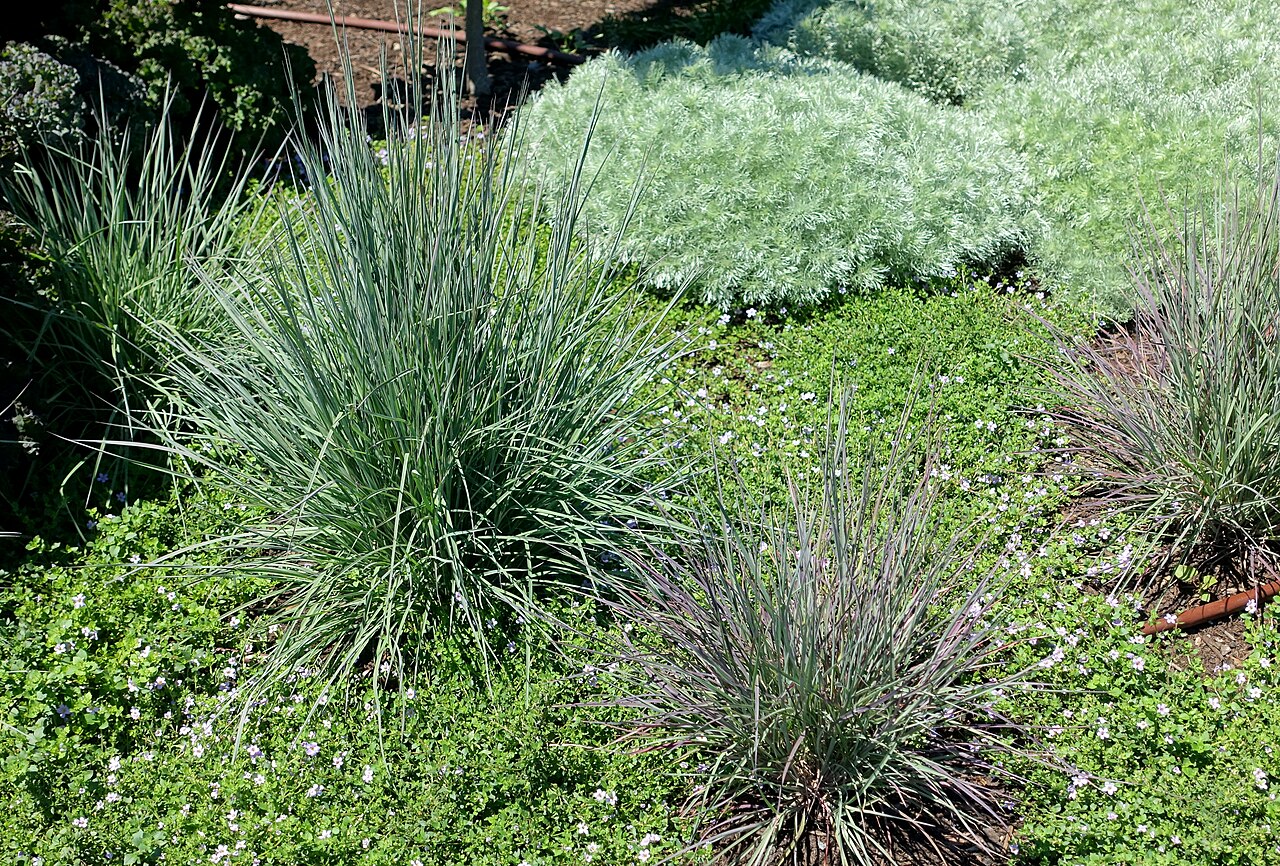
Expect a modest first season. Like new plants, divisions spend much of their first year putting down roots, and they fill out in the second and third years.
Troubleshooting at a Glance
| Dead center, healthy rim | Divide in spring and discard the center. |
| Clumps merged into one mass | Divide and replant at 2 to 3 feet apart. |
| Thin and floppy all over | Probably shade or rich soil. Move it rather than divide in place. |
| Soft or rotting at the base | Poor drainage or buried crown. Fix the site; salvage healthy pieces. |
| Center browned after a hot, dry summer | Possible drought dieback. Wait for spring green-up before deciding. |
| Seedlings popping up nearby | Normal reseeding. Pull or transplant them while small. |
| Small, sparse, first or second year | Still establishing. Leave it alone. |
What to Do Right Now
If it’s fall or winter: leave the clump standing for winter wildlife cover. Mark the clumps you want to divide so you remember in spring.
If it’s early to mid-spring: this is the window. Cut back, check the centers, and divide the clumps that need it.
If it’s late spring or summer: wait. Dividing in summer heat stresses the plant. Note the problem and plan for next spring.
If the clump is declining rather than crowded: spend this season fixing the site. Divide and move the healthy pieces next spring if the spot can’t be improved.
A Season-by-Season Plan
- Spring: cut back, inspect the centers, and divide crowded or hollow clumps as new growth starts. Replant at full spacing and water in.
- First summer after dividing: water during dry spells while the divisions establish. No fertilizer.
- Fall: leave all clumps standing. Note any new hollow centers once the leaves color up.
- Winter: enjoy the copper color. Plan which clumps, if any, need attention next spring.
- Every few years: recheck older garden clumps. Many will never need dividing at all.
📋 More on this plant: read the full Little Bluestem (Schizachyrium scoparium) profile, or see it in our native plant lists for North Dakota, South Dakota & Western Minnesota, Arkansas, Louisiana, Eastern Oklahoma & Eastern Texas, South & West Texas, Maryland, Virginia & West Virginia, and Delaware, Southern New Jersey & Long Island.
Frequently Asked Questions
How often should little bluestem be divided?
Not on a schedule. University of Wisconsin Extension notes the clumps do not need dividing very often. Divide when you see a dead center, crowding, or when you want more plants.
Can I divide little bluestem in the fall?
It’s not recommended. Warm-season grasses establish best when divided in spring, and fall divisions may not root in well enough to survive winter.
Why is my little bluestem dying in the middle?
Centers of bunchgrasses often die out as the clump ages. Drought can also cause center dieback. If the rim is healthy, divide in spring and discard the dead core.
How big should each division be?
Large enough to have several live shoots and a good mass of roots attached. Larger pieces generally establish more reliably than tiny slivers.
Will dividing fix a little bluestem that keeps flopping?
Usually not by itself. Flopping is mostly caused by shade, rich soil, or too much water. Dividing and moving the plant to a sunnier, leaner spot can help.
Sources
- Colorado State University Extension, PlantTalk Colorado, Dividing Ornamental Grasses: dead centers and overcrowding, spring timing for warm-season grasses, division method, mulching.
- Iowa State University Extension, Yard and Garden, The central portions of my ornamental grasses are dead. Why?
- University of Wisconsin–Madison Extension, Wisconsin Horticulture, Little Bluestem: infrequent division, spring vs. fall planting.
- USDA NRCS, Plant Guide: Little Bluestem: growth habit, center dieback when too dry.
- Lady Bird Johnson Wildflower Center, Schizachyrium scoparium: clump size, root division, reseeding, intolerance of wet sites.
- North Carolina Extension Gardener Plant Toolbox, Schizachyrium scoparium: keeping mulch away from the crown.
- Dyck Arboretum of the Plains, Water Smart: Steps to Establishing Your Native Plants: watering and no fertilizer during establishment.
- Prairie Moon Nursery, Little Bluestem: recommended spacing.