New England Aster Buds Not Opening: Weather, Water, and Pest Checks
Last updated: November 5, 2026
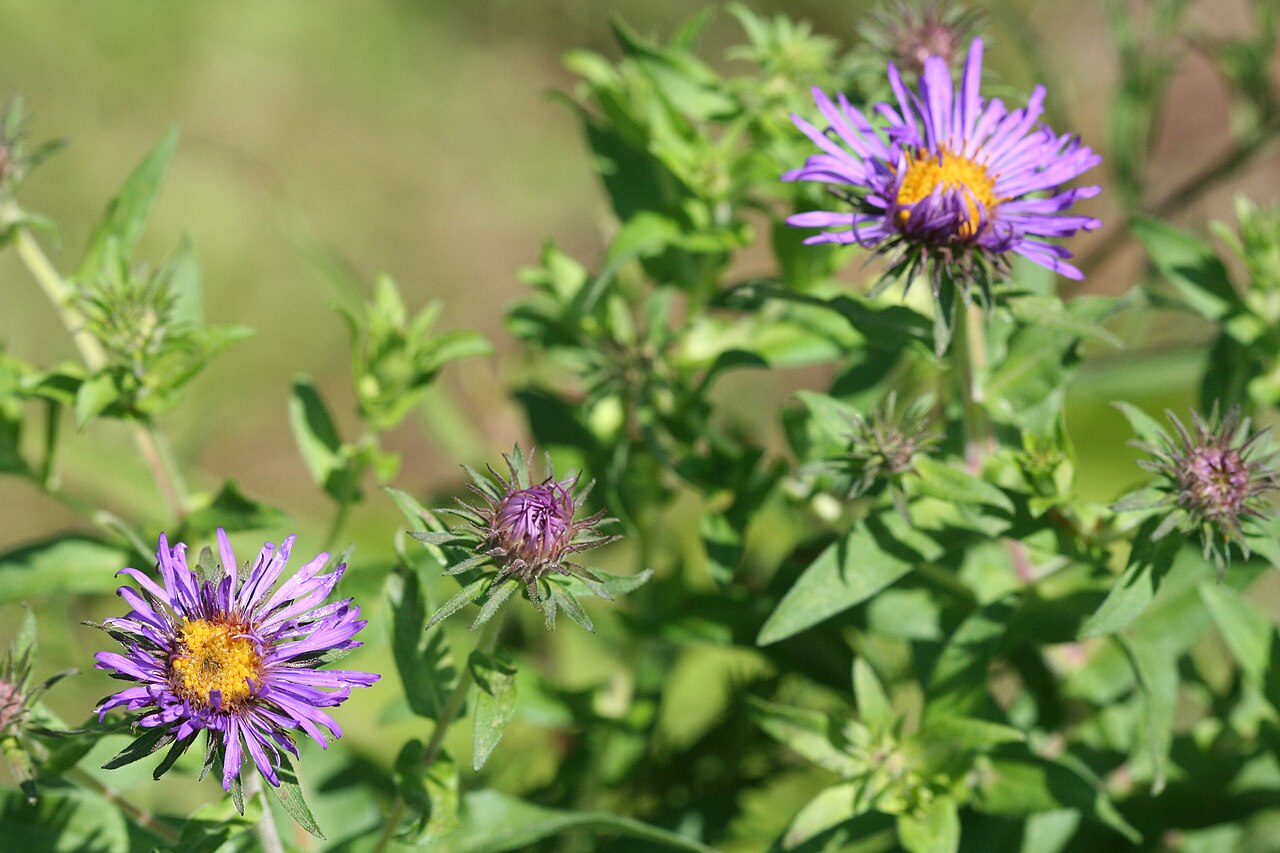
Your New England aster is covered in buds. Weeks go by, and most of them are still closed, or they open halfway, or they turn brown before you see any purple.
Before you decide something is wrong, check the calendar. This aster blooms late, and its buds open in waves over a long season. Some “stuck” buds are simply waiting their turn.
If buds really are stalling, the cause is usually weather, water, light, or a pest or disease. This guide walks through each one so you can figure out which applies to your plant.
The Short Answer
New England aster (Symphyotrichum novae-angliae) buds usually fail to open for one of these reasons:
- It’s still early. Bloom runs from late summer into fall, and buds open in sequence.
- Cold weather or frost arrived before late buds could open.
- A late pinch or cut pushed bloom too close to frost.
- Drought stress during bud development.
- Too much shade, which delays and weakens flowering.
- Insects feeding on buds, or aster yellows, a disease that leaves flowers green and distorted.
How New England Aster Buds Develop
The plant spends spring and summer growing tall, leafy stems. In late summer the tops branch out, and a bud forms at the tip of each small branch.
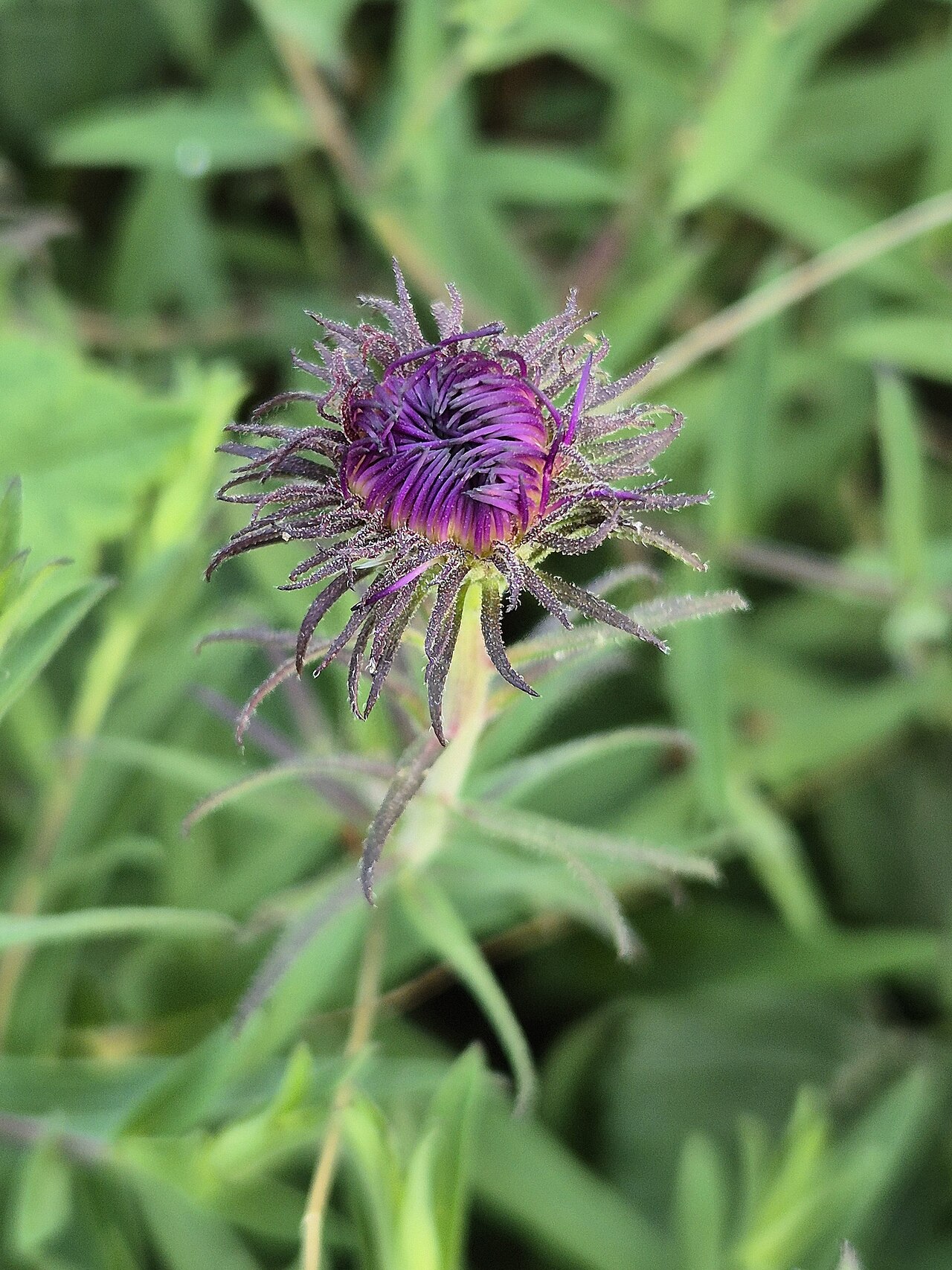
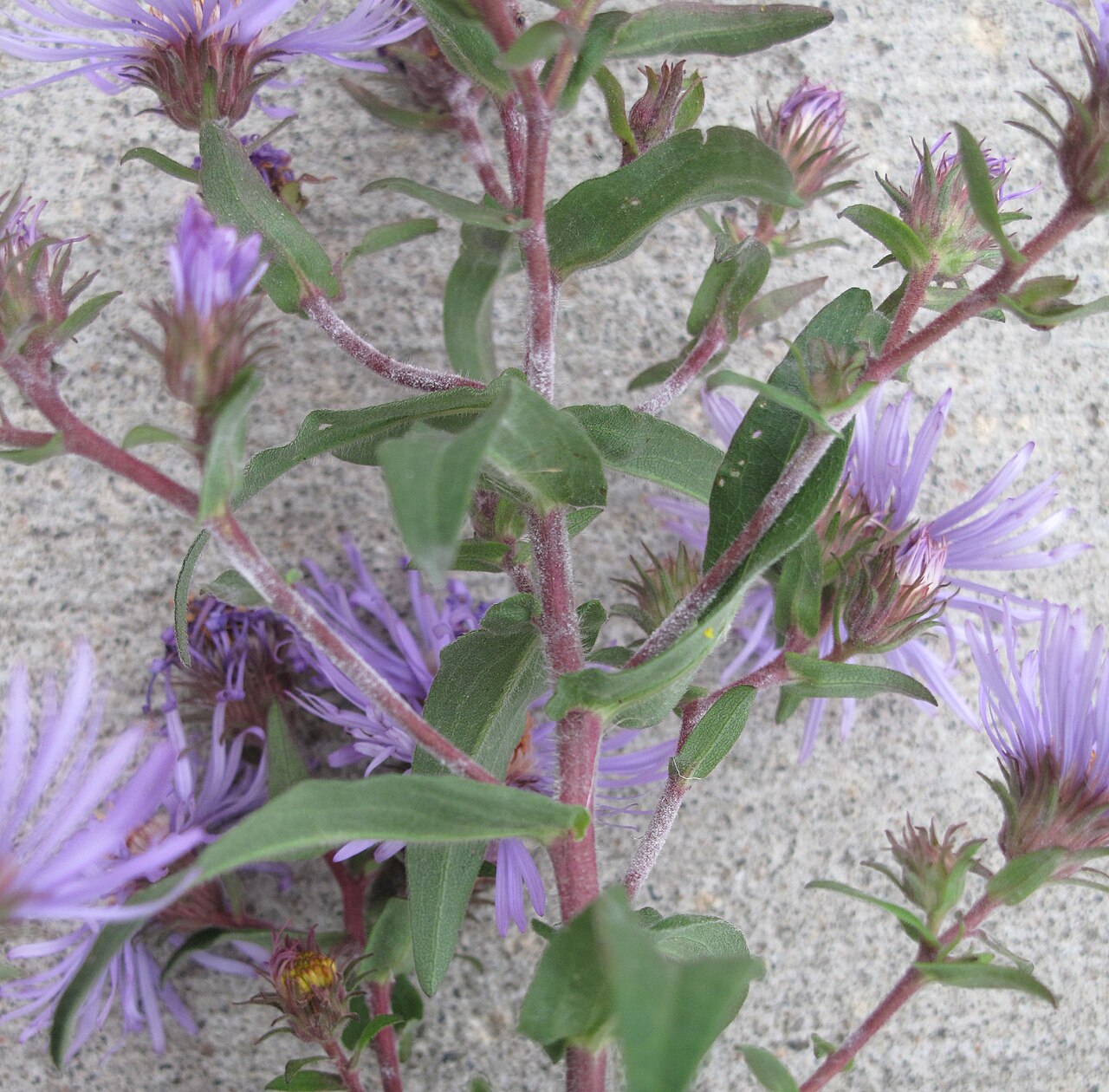
Each bud is wrapped in narrow green bracts called phyllaries. On New England aster they are glandular, sticky to the touch, and often spread or curl outward, so even healthy buds can look shaggy.
The Lady Bird Johnson Wildflower Center lists bloom from August through October and notes that the plant flowers until frost. Wikipedia’s species account says flower heads open as early as August in some places and as late as November in others.
The Bud-to-Bloom Season
| Mid – late summer | Stem tips branch. Small green buds form in clusters. |
| Late summer – early fall | The first buds show purple and open. Many others are still tight. |
| Early – mid fall | Peak bloom. Older heads fade while younger buds keep opening. |
| Late fall | Hard frost ends the season. Unopened buds stay closed and dry out. |
Exact timing varies with your region and the plant’s genetics. Our article on New England aster bloom time covers what to expect where you live.
Check 1: Is It Just Early?
Start by looking for any open flowers on the plant, even one or two.
If some flowers are open and the rest are tight buds, the plant is almost certainly fine. Buds near the tips of the branches usually open first. The rest follow over the next few weeks.
Gently squeeze a few closed buds. Healthy buds are firm and green, and you may see a hint of purple at the top. Give them another week or two of warm weather before you worry.
Check 2: Look at the Weather
Because New England aster blooms so late, it often races the first frost.
Warm, sunny fall days keep buds opening steadily. A cold snap can slow everything down, and a hard frost ends the season. Unopened buds won’t open after that, and the open flowers often curl and fade.
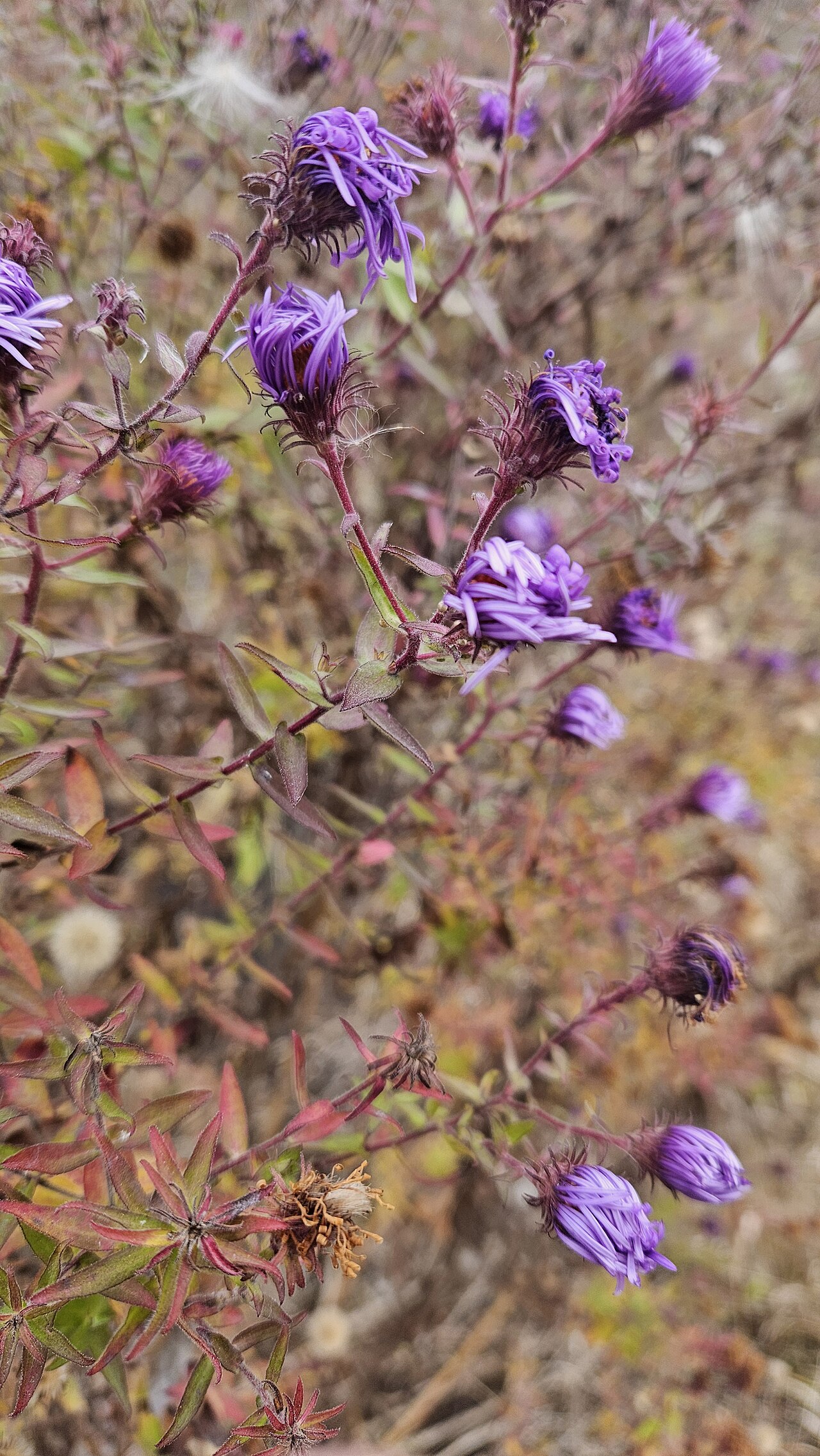
Signs that cold is the cause:
- The problem started after a chilly week or the first frost.
- Buds are firm but haven’t changed in a while, and nights are near freezing.
- Open flowers have curled petals or a darkened, water-soaked look.
There’s no fix for weather. But if frost catches your buds most years, look at the next two checks. Both can push bloom later than it needs to be.
Check 3: Think Back to Pinching and Pruning
Pinching back stems is a common way to keep asters shorter. NC State Extension notes that pinching in spring creates a bushier plant and delays blooming.
That delay is usually modest. A cut made too late in summer, though, can push bloom so far into fall that frost arrives first. Nebraska Extension recommends finishing any pinching by about mid-June.
Ask yourself, or whoever maintains the yard:
- Were the asters cut back or sheared in July or August?
- Did a mowing crew or string trimmer take off the tops?
- Did deer or rabbits browse the stem tips in summer?
If yes, the plant may have had to grow new flowering branches, and it ran out of season. Next year, finish pinching early. If height and flopping are the reason you cut, see our guide to New England asters flopping for support options that don’t delay bloom.
Check 4: Check Soil Moisture
New England aster is a plant of moist meadows and prairies. The Lady Bird Johnson Wildflower Center lists moist soils, and NC State Extension recommends moist, fertile, well-drained soil.
The Illinois Wildflowers site notes that the plant can become stressed in hot, dry weather, often dropping its lower leaves. Late-summer drought hits right when buds are forming. Stressed plants can produce fewer buds, and buds may brown or stall.
Look for these clues:
- Dry, cracked soil a few inches down.
- Lower leaves brown and dropping well before bloom. See our guide to New England aster leaves drying from the bottom.
- Buds that turn brown and crispy at the tips.
If the soil is dry, give the plant a slow, deep soak at the base once a week until rain returns. Mulch helps hold moisture through the bud stage.
Check 5: Measure the Light
NC State Extension recommends growing New England aster in full sun. In shade, plants stretch toward the light and tend to bloom later and more sparsely.
Later bloom means less time before frost. A shaded aster in a northern garden may be full of buds when the cold arrives.
Count the hours of direct sun in late summer. If the plant gets less than about six, more light is likely to help. Trim back overhanging branches, or move the clump in spring to a sunnier spot.
Check 6: Look for Insects on the Buds
Several insects feed on New England aster. The Illinois Wildflowers site lists the tarnished plant bug, four-lined plant bug, chrysanthemum lace bug, and potato aphid, and notes that the larvae of many moths feed on various parts of the plant. NC State Extension adds aphids and spider mites.
Sap-feeding bugs and aphids on developing buds can leave them distorted, spotted, or stunted. Caterpillars can chew into bud clusters.
Examine several stalled buds closely, ideally with a hand lens:
- Small soft insects clustered on the stems just below the buds: aphids.
- Quick, flattened bugs that drop or fly when disturbed: plant bugs.
- Holes, droppings, or silk in the bud cluster: caterpillars.
Most of these insects are part of the plant’s normal community, and the damage is usually limited to some buds. Avoid insecticides on a plant that’s about to flower, because bees and butterflies depend on its fall nectar.
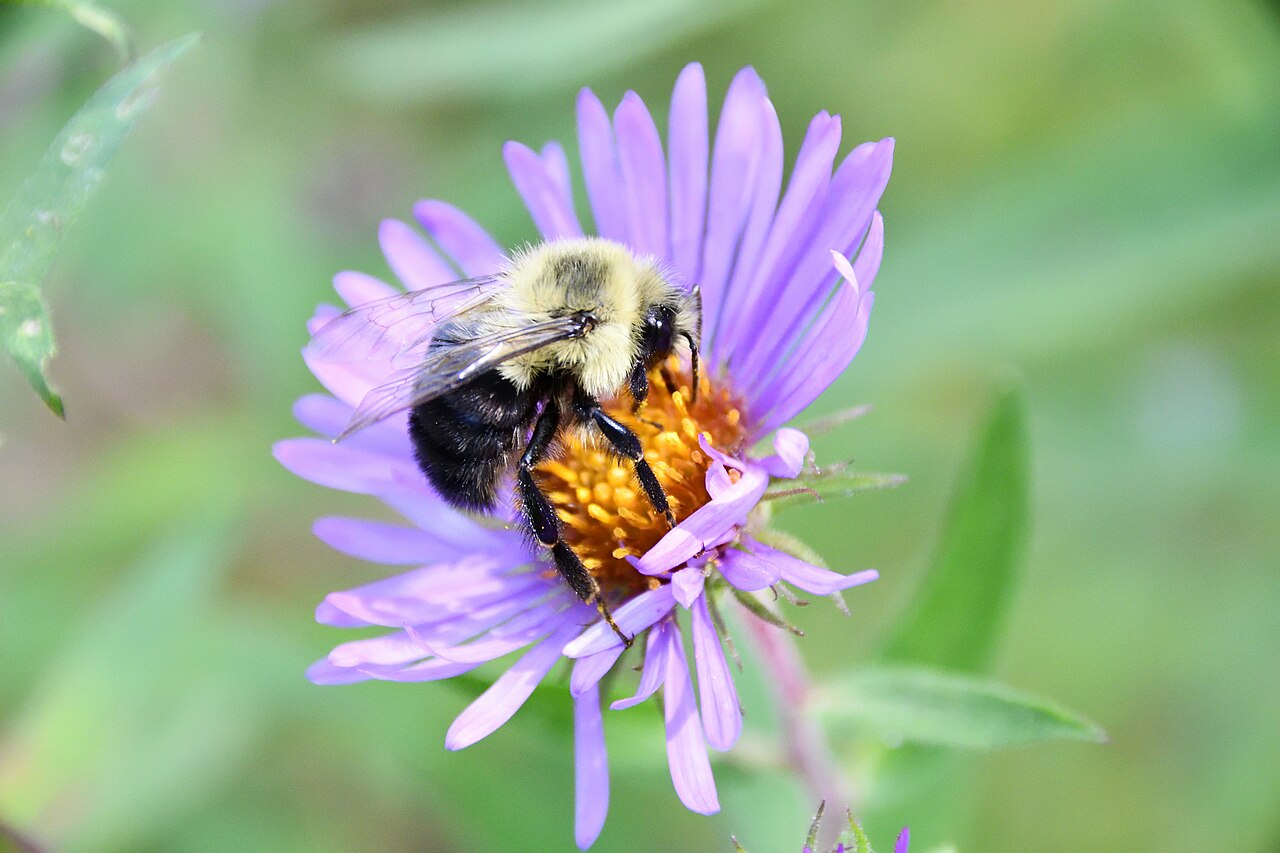
If one pest is heavy, start with the gentlest approach: hand-pick caterpillars, knock aphids off with a strong spray of water, and see our guide to organic pest control for asters. Treat only the affected stems, and never while bees are active.
Check 7: Rule Out Aster Yellows
Aster yellows is the one cause on this list that calls for removing the plant. It’s caused by a phytoplasma, a bacteria-like organism, spread by the aster leafhopper.
University of Minnesota Extension describes the symptoms: flowers that are small, malformed, and often stay green or fail to color properly; yellowed foliage; stunted growth; and clusters of thin, weak stems. Wisconsin Extension adds that floral parts may be green, puckered, or distorted, and infected plants are often sterile.
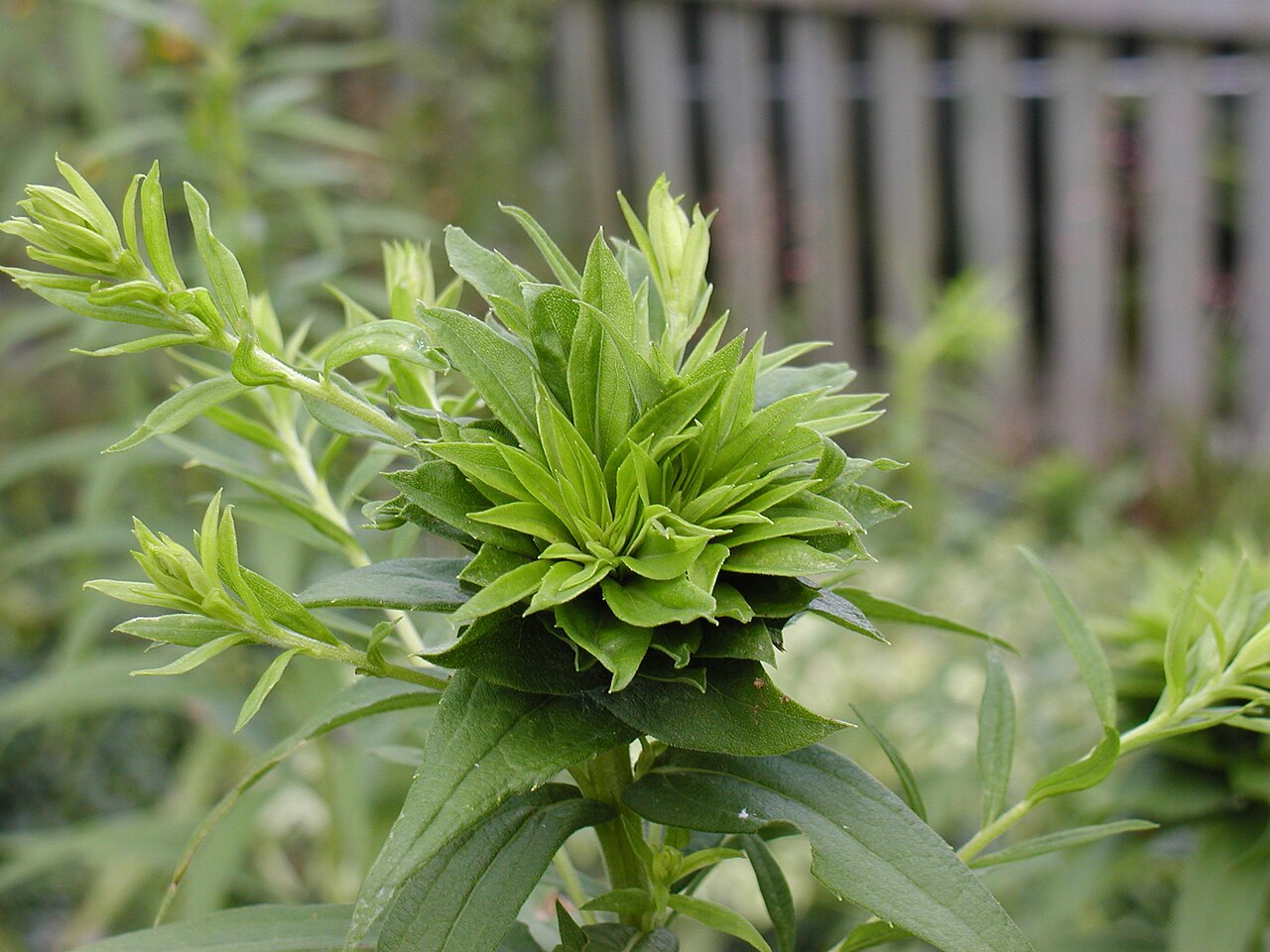
The key difference from the other causes: aster yellows buds don’t just stay closed. They look wrong, with green, leafy, or twisted flower parts, usually on stems that are yellowish or stunted.
Both Extension services say there is no cure. Remove infected plants promptly so they can’t serve as a source for leafhoppers to spread the disease. Wisconsin Extension notes that spraying to control leafhoppers in home landscapes is typically not effective and not recommended.
Diagnosis by eye can be tricky. If you’re unsure, contact your local Extension office or plant diagnostic clinic before pulling out a large clump.
Troubleshooting at a Glance
| Some flowers open, many buds tight | Normal sequence. Wait a week or two. |
| Buds stalled after a cold snap | Weather. Nothing to fix. Aim for earlier bloom next year. |
| Plant was cut back in midsummer | Late pinch delayed bloom. Finish pinching by mid-June. |
| Dry soil, brown bud tips | Drought stress. Water deeply once a week and mulch. |
| Shaded, tall, late, sparse buds | Too little light. Open up the site or move the plant. |
| Insects, holes, or sticky buds | Bud-feeding insects. Hand-pick or hose off. Avoid sprays during bloom. |
| Green, leafy, twisted flower parts | Possible aster yellows. Confirm, then remove the plant. |
What to Do This Season
If buds are firm and green: water if the soil is dry and wait. Warm days can still open them.
If frost has hit: enjoy what bloomed. Leave the stems and seed heads standing for birds, and plan for an earlier bloom next year.
If you see pests: remove them by hand or with water, and skip insecticides while the plant is in flower.
If flowers look green and distorted: get a diagnosis. If it’s aster yellows, remove the affected plant.
A Season-by-Season Plan for Next Year
- Spring: move plants out of shade if needed. Set up supports early instead of planning on a summer cut.
- Late spring – early summer: if you pinch, finish by about mid-June.
- Summer: keep the soil from drying out, especially in August as buds form. Protect tips from deer if browsing is common.
- Late summer: check bud clusters weekly for insects and for any green, distorted flowers.
- Fall: water during dry spells until frost. Note when the first and last flowers opened.
📋 More on this plant: read the full New England Aster (Aster novae-angliae) profile, or see it in our native plant lists for New Hampshire, Maine & Vermont, Connecticut, Massachusetts & Rhode Island, New York, Pennsylvania & Northern New Jersey, Maryland, Virginia & West Virginia, Ohio & Indiana, Michigan, Wisconsin & Eastern Minnesota, Illinois, Iowa & Missouri, North Dakota, South Dakota & Western Minnesota, and Nebraska, Kansas & Eastern Colorado.
Frequently Asked Questions
Why are my New England aster buds not opening?
Often it’s simply early, since buds open over several weeks in late summer and fall. If they truly stall, check for cold weather, a late pinch, dry soil, too much shade, insects on the buds, or the green, distorted flowers of aster yellows.
Will aster buds open after a frost?
It depends on how cold it got. The Wildflower Center notes that the plant flowers until frost, and a hard freeze generally ends the season. After a light frost, check the buds: if they’re still firm and green, they may yet open in a warm spell.
Does pinching New England aster delay flowering?
Yes. NC State Extension notes that spring pinching delays bloom and makes the plant bushier. Finish pinching by about mid-June so bloom isn’t pushed too close to frost.
Why are my aster flowers green?
Green, leafy, or twisted flower parts are a classic sign of aster yellows, a disease spread by leafhoppers. There’s no cure, and Extension services recommend removing infected plants.
Should I spray my asters for bugs on the buds?
Usually not. Most insects on New England aster cause limited damage, and the plant is a key late-season food source for bees and butterflies. Hand-pick or hose off pests instead.
Sources
- Lady Bird Johnson Wildflower Center, Symphyotrichum novae-angliae: August–October bloom, flowering until frost, moist soils.
- Wikipedia, Symphyotrichum novae-angliae: bloom range from August to November and glandular, spreading phyllaries.
- North Carolina Extension Gardener Plant Toolbox, Symphyotrichum novae-angliae: full sun, soil, pinching delays bloom, and insect pests.
- Nebraska Extension in Lancaster County, Plan for Late Summer Color with Asters: pinching amounts and mid-June cutoff.
- Illinois Wildflowers, New England Aster: stress in hot, dry weather and insects that feed on the plant.
- University of Minnesota Extension, Aster yellows: symptoms, leafhopper spread, and removal of infected plants.
- Wisconsin Horticulture (UW–Madison Extension), Aster Yellows: flower distortion, no cure, plant removal, and leafhopper control not recommended.