Blazing Star Corms Not Sprouting: How to Check Storage, Planting, and Rot
Last updated: November 6, 2026
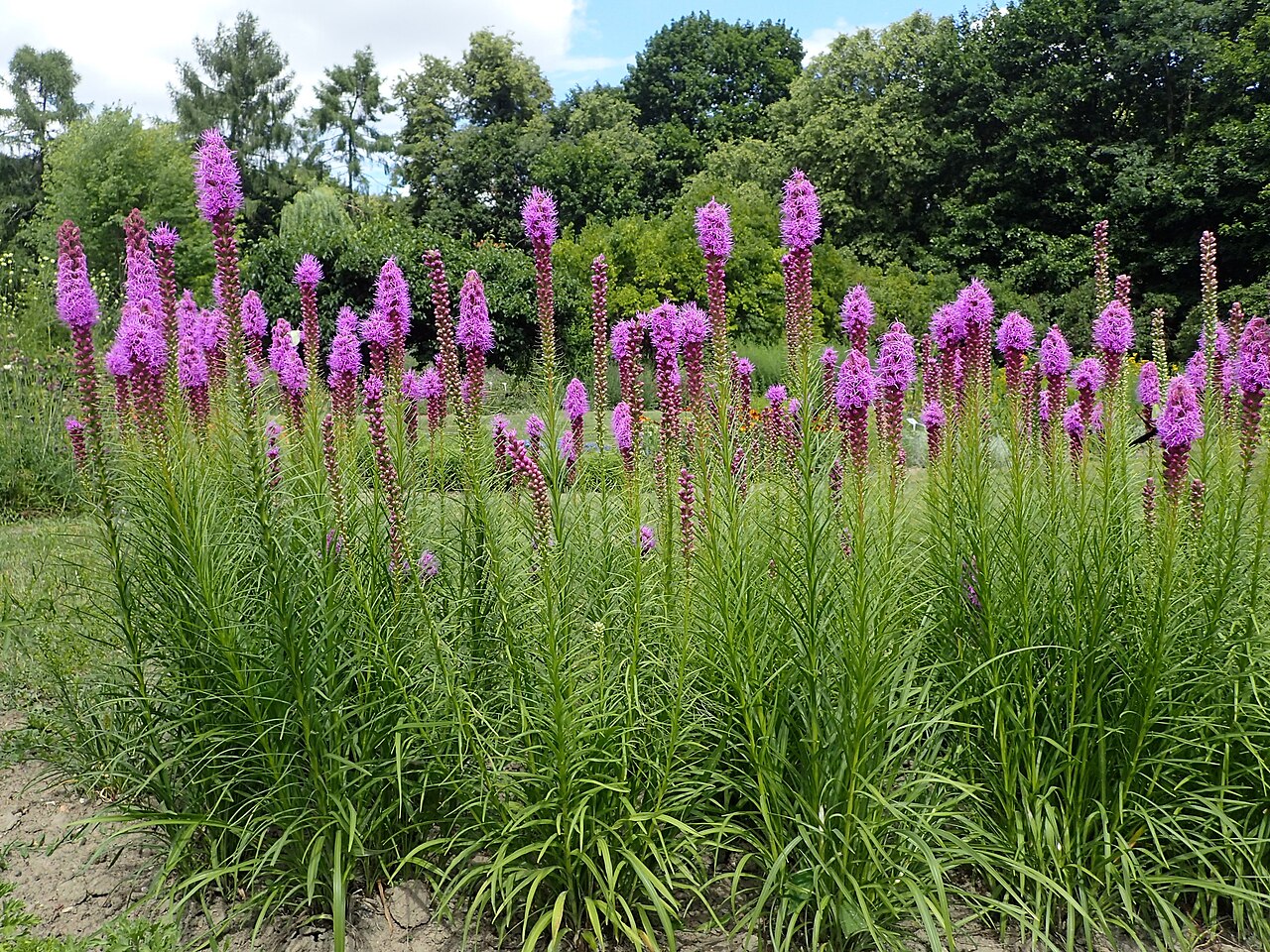
You planted a bag of blazing star corms this spring. Weeks later, the spot is still bare soil, and you’re starting to wonder whether anything is happening down there.
Don’t dig the whole bed up yet. A blazing star corm can be slow, it can be dormant, or it can be gone. Each of those looks the same from above, and each needs a different response.
This guide walks you through the checks in order, from the easiest (timing) to the most hands-on (lifting a corm to look at it). Most gardeners find the answer by the fourth check.
The Short Answer
Blazing star (Liatris spicata) grows from a small, knobby corm. When corms fail to come up, the cause is usually one of these:
- It’s still too early. Freshly planted dry corms have to make roots before they make leaves.
- The corms dried out or warmed up in storage before they went in the ground.
- They’re planted too deep, too shallow, or upside down.
- Rot in wet or heavy soil, the most common cause of outright loss.
- Animals, especially voles, that eat the corms underground.
- The shoots came up and were weeded out because they look like grass.
How a Blazing Star Corm Wakes Up
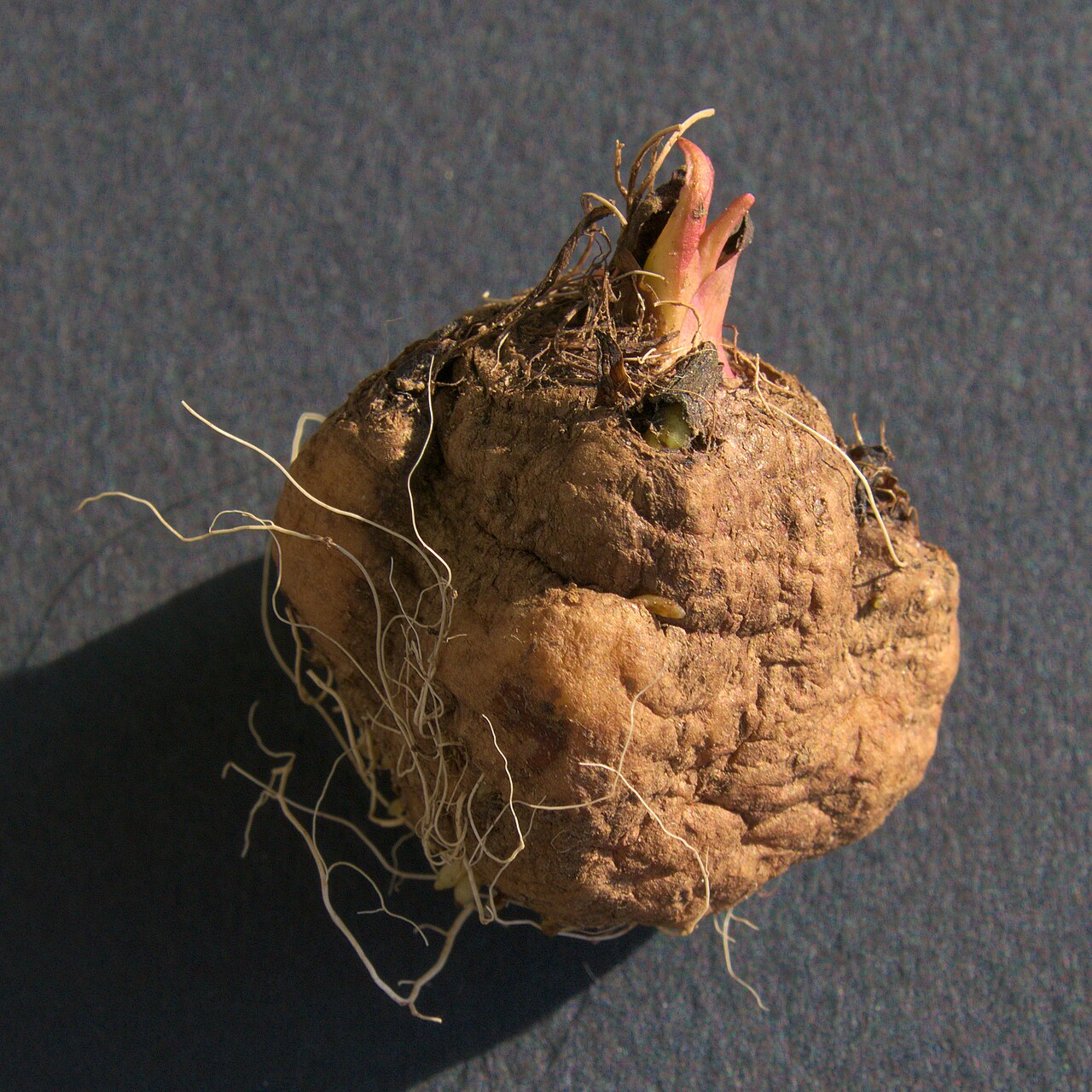
A corm is a swollen underground stem base that stores food. It isn’t a seed, and it isn’t a true bulb, but it behaves a lot like one. The growing point, or “eye,” sits on top. Fibrous roots grow from the bottom and sides.
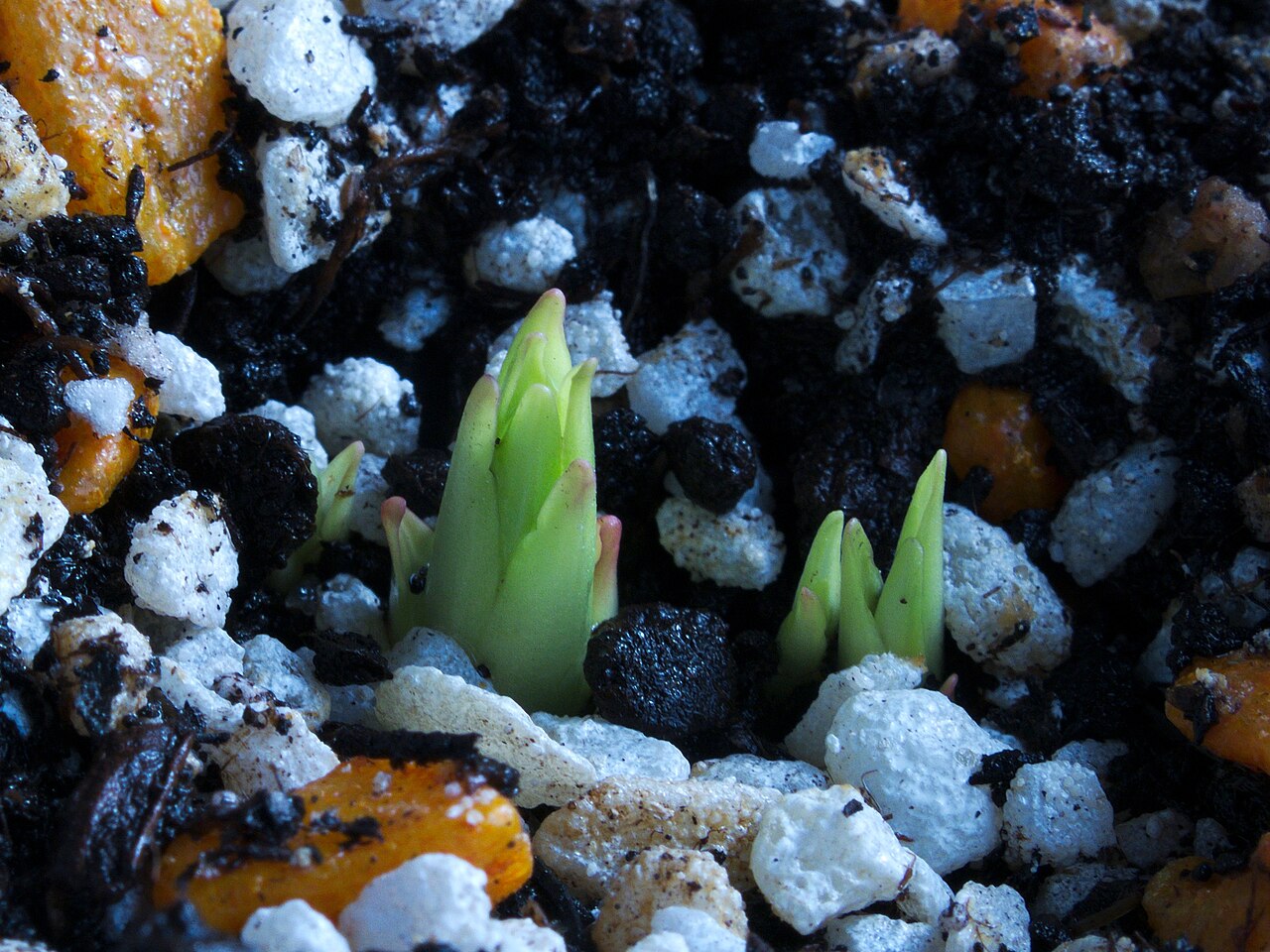
Corms sold in bags are dormant. Once they’re planted in moist, warming soil, they first push out new roots, then send up a tight bundle of narrow, grass-like leaves. The flowering stem comes later, and blazing star blooms from July into September across most of its range.
The Corm’s First Year
| Before planting | Dormant corm. Keep it cool and protected so it neither dries out nor starts growing. |
| Spring planting | Roots form first. Nothing shows above ground yet. |
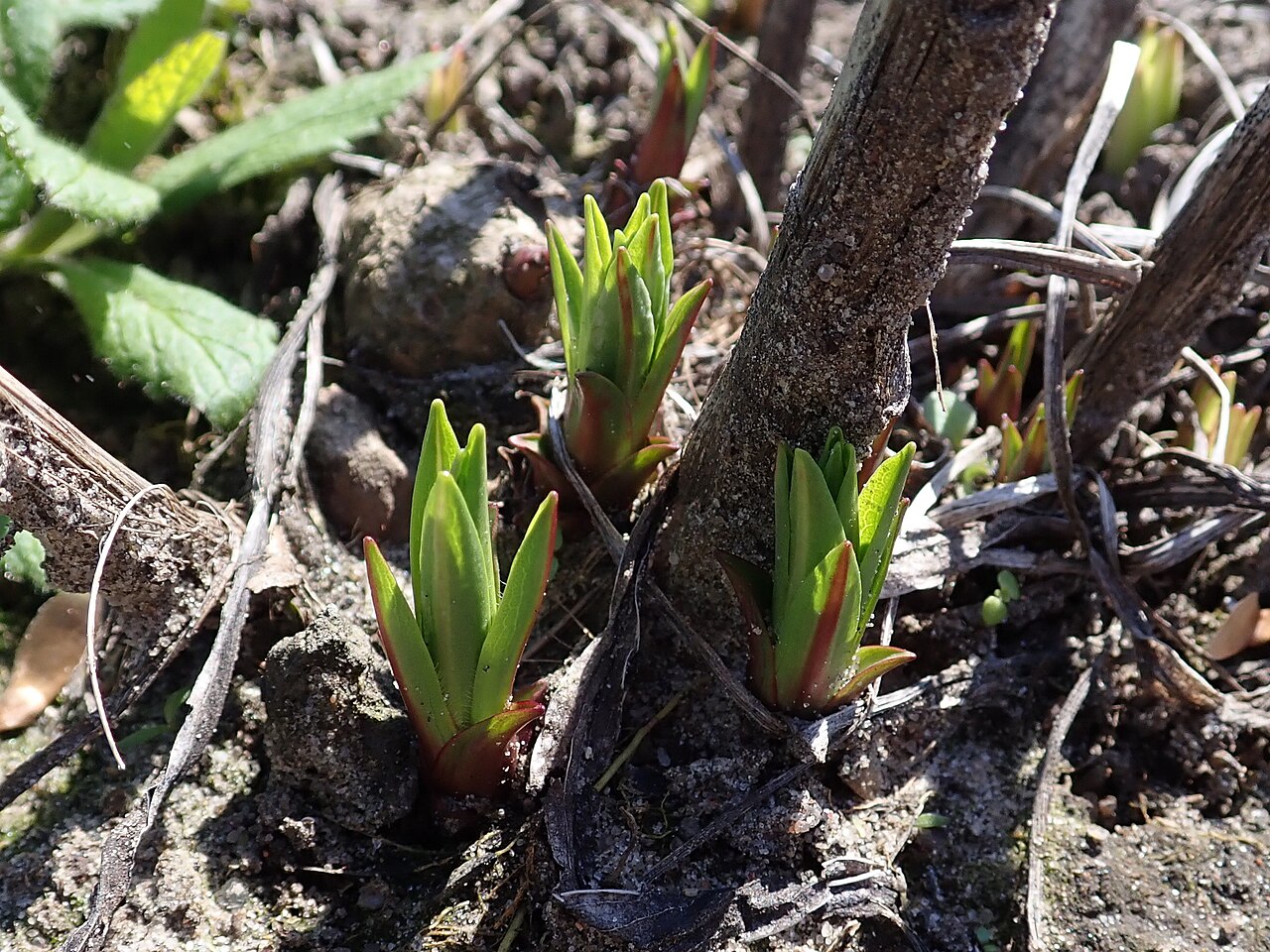
| Late spring | Grassy leaf tufts appear. They are easy to mistake for weeds. |
| Summer | A flower spike may follow on large, healthy corms. Smaller ones may only make leaves this year. |
| Fall | Leaves turn bronze and die back. The corm stays alive underground. |
Keep that order in mind. A corm that has rooted but hasn’t shown leaves is working normally. A corm that has done neither is the one to worry about.
Check 1: Give It Enough Time
Established blazing star clumps send up their grassy leaves in early spring. A newly planted dry corm is a different case. It is starting from scratch, and it needs warm, moist soil to get going.
Corms planted into cold, early-spring soil can sit for weeks without visible change. The same corm planted a month later into warm soil may come up faster. If the weather has been cool, patience is a reasonable first step.
Mark the planting spots with labels or short sticks the day you plant. This makes the next checks much easier, and it keeps you from cultivating right over the top of slow shoots.
Check 2: Think Back to Storage
How the corms were kept between purchase and planting matters more than most people realize. The NC State Extension Plant Toolbox advises storing Liatris corms in a cool, protected spot, and refrigerating them if storage will last longer than about three weeks.
Corms that sat in a warm car, a sunny window, or a heated garage for a month often arrive in the soil shriveled or exhausted. Corms kept in a sealed plastic bag can go the other way and turn moldy.
Ask yourself a few questions:
- Were they hard and plump when you bought them, or light and wrinkled?
- Did any show gray or blue mold, or soft spots, in the bag?
- How long did they wait before planting, and where?
If you still have spares from the same bag, squeeze one. A healthy corm feels firm, like a small potato. A hollow, papery, or mushy one is unlikely to grow.
Check 3: Confirm Depth and Which Side Was Up
Published planting depths for Liatris corms vary. The Old Farmer’s Almanac and our own blazing star profile suggest 2 to 3 inches. The NC State Plant Toolbox gives about 5 inches for the genus. Either range works in loose, well-drained soil.
Trouble starts at the extremes. A corm buried 8 or 10 inches down in heavy soil can spend its stored energy before the shoot reaches light. A corm barely covered can dry out or be pushed up by frost.
Orientation is the other common slip. Blazing star corms are lumpy and not obviously “pointed.” Look for the bud or old stem scar on top and the root remnants underneath. If you truly can’t tell, planting the corm on its side lets the shoot find its own way up.
An upside-down corm will often still grow. It just takes longer, because the shoot has to curve around before heading for the surface.
Check 4: Look Hard at Drainage
This is the big one. Wisconsin Horticulture Extension notes that blazing star needs good drainage and aeration to survive wet periods, and that plants rot if the soil stays too moist. Even dense blazing star, which grows naturally in moist meadows and marsh edges, does poorly in soil that stays wet in winter.
A newly planted corm has no leaves to pull water out of the soil. It just sits there. In heavy clay, a low spot, or a bed that gets daily irrigation, it can rot before it ever roots.
Test the site before you blame the corm. Dig a hole about a foot deep, fill it with water, let it drain, then fill it again. If the second fill is still standing several hours later, the soil holds too much water for corms.
Our guide to the best soil for blazing star covers texture and pH. If you’re working with clay, see these soil improvement tips for clay soil before you replant.
Check 5: Dig One Up and Look
If the first four checks don’t settle it, it’s time for direct evidence. Pick one marked spot and dig carefully around it with a trowel. Work from the side so you don’t slice into the corm.
What you find tells you almost everything:
- Firm corm with fresh white roots: it’s alive and working. Replant at the same depth, firm the soil, and wait.
- Firm corm with a pale shoot curling sideways: it was planted upside down or too deep. Replant it right way up at a shallower depth.
- Firm corm, no roots, no change: still dormant. This is common in cold spring soil. Replant and give it a few more warm weeks.
- Soft, brown, smelly, or collapsing: rot. Remove it and fix drainage before planting again.
- Hollow shell or nothing at all: likely eaten.
Check two or three spots, not just one. If they all show the same thing, you have your answer for the whole planting. Lifting an established clump is a different job; our guide on when to divide blazing star covers that.
Check 6: Rule Out Voles and Other Animals
Small rodents like corms as much as gardeners do. The Illinois Wildflowers account of prairie blazing star notes that prairie voles and meadow voles sometimes eat the corms, and that heavy vole populations can make it hard to establish the plant at all.
Signs to look for include small surface runways in grass or mulch, small open holes near the bed, and empty planting holes with no corm remains. Thick winter mulch and tall, matted grass next to the bed give voles cover.
Rabbits and deer browse blazing star leaves rather than corms. If shoots appeared and then vanished, look for clipped stubs at soil level, which point to rabbits.
If voles are a problem, keep mulch thin near the planting. Our guide to mulching techniques for native gardens explains how to mulch for weeds without building rodent habitat. Lining the planting holes with hardware cloth is another option for small beds.
Check 7: Make Sure They Weren’t Weeded Out
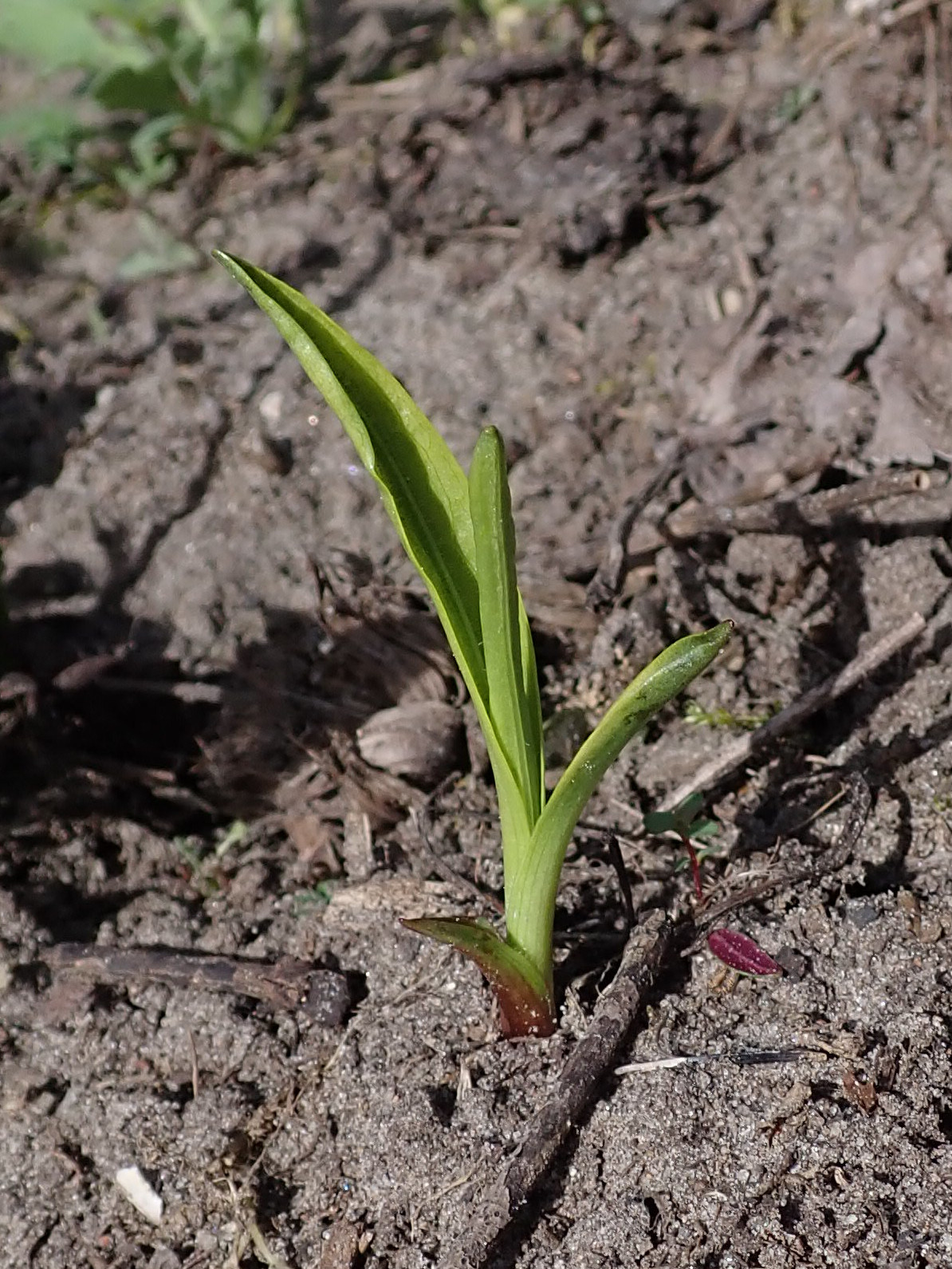
Here’s an embarrassing but common one. Young blazing star leaves are narrow and strap-like. Coming up in a patch of bare soil, they look a lot like a clump of grass or a sprouting onion.
Ask anyone who weeds or edges the bed. A string trimmer pass or a quick hand-weeding session can clear a whole row of new shoots. The corms often survive this and regrow, but the first flush of leaves is gone.
Look closely, too. Blazing star comes up as a tight tuft of narrow leaves from a single point, and as it grows the leaves crowd up an upright central stem. A clump of grass never forms that stem.
Troubleshooting at a Glance
| Firm corm, white roots, no leaves yet | Normal. Replant and wait for warmer soil. |
| Firm corm, no roots, cold spring | Still dormant. Give it a few more warm weeks. |
| Shoot curling sideways underground | Upside down or too deep. Replant right way up, shallower. |
| Soft, brown, smelly corm | Rot. Fix drainage or move to a raised, gritty spot. |
| Shriveled or hollow before planting | Storage failure. Buy fresh stock and plant promptly. |
| Empty holes, runways nearby | Voles. Thin the mulch and protect new plantings. |
| Shoots appeared, then vanished | Rabbits or accidental weeding. Mark and protect the spots. |
What to Do Now
If you found live corms: replant them at a sensible depth, firm the soil, and water once. Then leave them alone. Constant watering of a dormant corm is how rot starts.
If you found rot: don’t replant in the same spot until you’ve dealt with the water. Raise the bed, choose a slope or higher ground, or blend in coarse grit. Blazing star tolerates poor soil, so you don’t need rich compost, just good drainage. If your ground is heavy clay throughout, growing blazing star in a pot with a gritty mix is another option.
If the corms are gone: consider switching to nursery-grown potted plants. They already have roots and leaves, so they’re less vulnerable to rot and easier to spot and protect. Potted plants are best set out in early spring, according to Wisconsin Horticulture, though early fall planting also works.
If it’s already midsummer: any live corm you find will likely only make leaves this year. That’s fine. It’s building size for next season’s flowers. If it’s still leafy and flowerless a year from now, work through our blazing star no-flowers checklist.
Once your planting does come up, our common blazing star problems guide covers what can go wrong later in the season, from powdery mildew to floppy stems. If the spikes lean or fall once they bloom, see blazing star spikes falling over.
A Season-by-Season Plan for Next Time
- Late winter: buy corms from a seller who ships close to planting time. Check that they’re firm on arrival and store them cool and dry, refrigerated if planting is weeks away.
- Early to mid-spring: choose a full-sun spot that drains quickly. Run the two-fill drainage test if you aren’t sure.
- Planting day: set corms bud-side up at a moderate depth, water once, and mark every spot.
- Late spring: watch for grassy tufts. Water only when the soil is dry an inch or two down. Keep mulch thin.
- Summer: expect leaves on every corm and flowers on the larger ones. Water during long dry spells in this first year.
- Fall: let the foliage die back naturally. That’s the corm storing energy for next year.
📋 More on this plant: read the full Blazing Star (Liatris spicata) profile, or see it in our native plant lists for North Carolina & South Carolina, Georgia, Alabama & Mississippi, Arkansas, Louisiana, Eastern Oklahoma & Eastern Texas, Ohio & Indiana, and Michigan, Wisconsin & Eastern Minnesota.
Frequently Asked Questions
How long do blazing star corms take to sprout?
It depends on soil temperature and how the corms were stored. In warm, moist spring soil, healthy corms usually show leaves within several weeks. In cold soil they can sit much longer, so dig one up to check before you give up.
Which way up do you plant liatris corms?
Put the bud or old stem scar on top and the root remnants on the bottom. If you can’t tell, plant the corm on its side. The shoot will find its way up.
Can I plant blazing star corms in fall?
Some sources list fall as an option in milder regions, and our profile mentions fall or early spring planting. In cold, wet winters, spring planting is safer because the corm isn’t sitting dormant in soggy soil for months.
Will a rotted corm come back?
No. A soft, mushy corm is dead. Remove it so rot doesn’t spread to neighbors, and fix the drainage before replanting.
Should I soak liatris corms before planting?
It isn’t necessary, and long soaks add rot risk. Plant firm corms into moist soil, water once to settle them, and let the soil do the rest.
Sources
- Wisconsin Horticulture, Division of Extension, Liatris: corm growth habit, rot in overly moist soil, drainage for wet winters, spring foliage emergence, planting timing.
- North Carolina Extension Gardener Plant Toolbox, Liatris: corm planting depth and spacing, corm storage and refrigeration.
- Lady Bird Johnson Wildflower Center, Liatris spicata: native range, habitat, bloom season.
- Illinois Wildflowers, Prairie Blazingstar: corm root system and voles eating corms.
- Wikipedia, Liatris spicata: wet winter soil intolerance, growing from corms.
- The Old Farmer’s Almanac, Liatris (Blazing Star): corm planting depth and spring planting.