A Great Lakes Clay-Soil Border Built Around Native Grasses and Fall Flowers
Last updated: November 7, 2026
Heavy clay is common across the Great Lakes states, and it is the reason many borders in Michigan, Ohio and northern Illinois look tired by August. Water sits in spring, the surface cracks in a dry summer, and plants chosen for “average garden soil” sulk.
The native plants that grew on the region’s old clay prairies and wet meadows handle both swings. A border built on those grasses and late-blooming flowers looks its best from August until snow, when most perennial beds are fading.
This plan is for sunny clay sites in Michigan, Wisconsin, eastern Minnesota, Ohio, Indiana, northern Illinois, western New York and Pennsylvania, and southern Ontario. Every plant was checked for native status across those states, and the plan tells you where to swap plants if your clay stays wet.
Plan at a Glance
| Site | A sunny border along a fence, driveway or lot line, or an island bed in lawn |
| Size | Example: 25 feet long by 7 to 8 feet deep; repeat the pattern for longer runs |
| Sun | Full sun, at least six hours of direct light; part sun at one end is fine |
| Soil | Clay or clay loam, unamended or lightly amended; one end may stay wet in spring |
| Maintenance | Low: one spring cutback, occasional division of asters, editing spreaders |
| Best regions | Great Lakes states and southern Ontario; most plants also native across the Midwest |
Sort Your Clay Before You Choose Plants
“Clay soil” describes particle size, not drainage. Utah State University Extension notes that clay particles are the smallest soil particles, feel sticky when wet and can compact into hard layers. Two clay beds can behave very differently depending on slope and subsoil.
Watch the border after a soaking spring rain. If water stands for more than a day at one end, mark that end as your wet zone. If the soil drains within hours but bakes hard in July, you have the drier clay that suits most prairie plants.
This border uses both: the main run for mesic clay and a short low end for damp clay. Our heavy clay native garden guide goes deeper on wet-clay versus dry-clay plant lists for any region.
Don’t Fight the Clay With Sand
Utah State warns that sand is not a good amendment for clay, because the wrong mix can create a material close to low-grade concrete. Organic matter is the amendment it recommends.
For this border you need less amendment than you might think. Prairie grasses and asters evolved in heavy soil, and Illinois Wildflowers notes that stiff goldenrod tends to flop over in overly fertile soil or with too much water.
Loosen compacted ground and work in a modest layer of compost only where construction or traffic packed the soil. Don’t dig clay when it’s wet enough to smear, since that destroys the soil structure you’re trying to keep.
The Layout: Grasses Hold the Structure
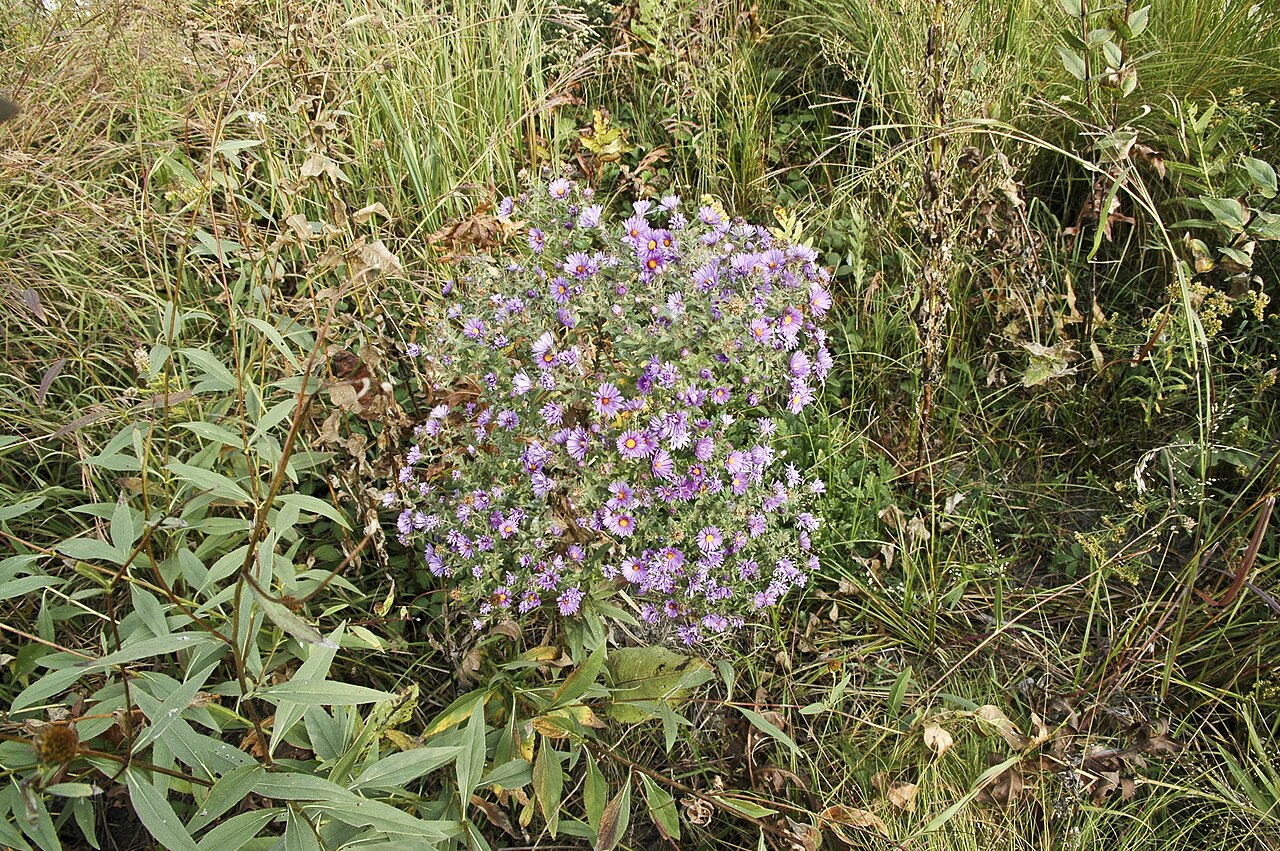
Most fall-blooming natives are tall, leafy and a little floppy by themselves. Illinois Wildflowers notes that New England aster stems often flop when there is no supporting vegetation around them.
That is why the grasses come first. Plant them in a repeating rhythm along the back and middle, then tuck the flowers in between so the grass stems hold them upright. It is the same arrangement you see on an intact prairie, scaled down to a border.
Think in three bands. The back band is 5 to 7 feet tall, the middle band 3 to 5 feet and the front band 1 to 3 feet. Each band repeats its plants at least twice along the length so the border reads as one design.
Back Band: Tall Grasses for Height and Winter Form
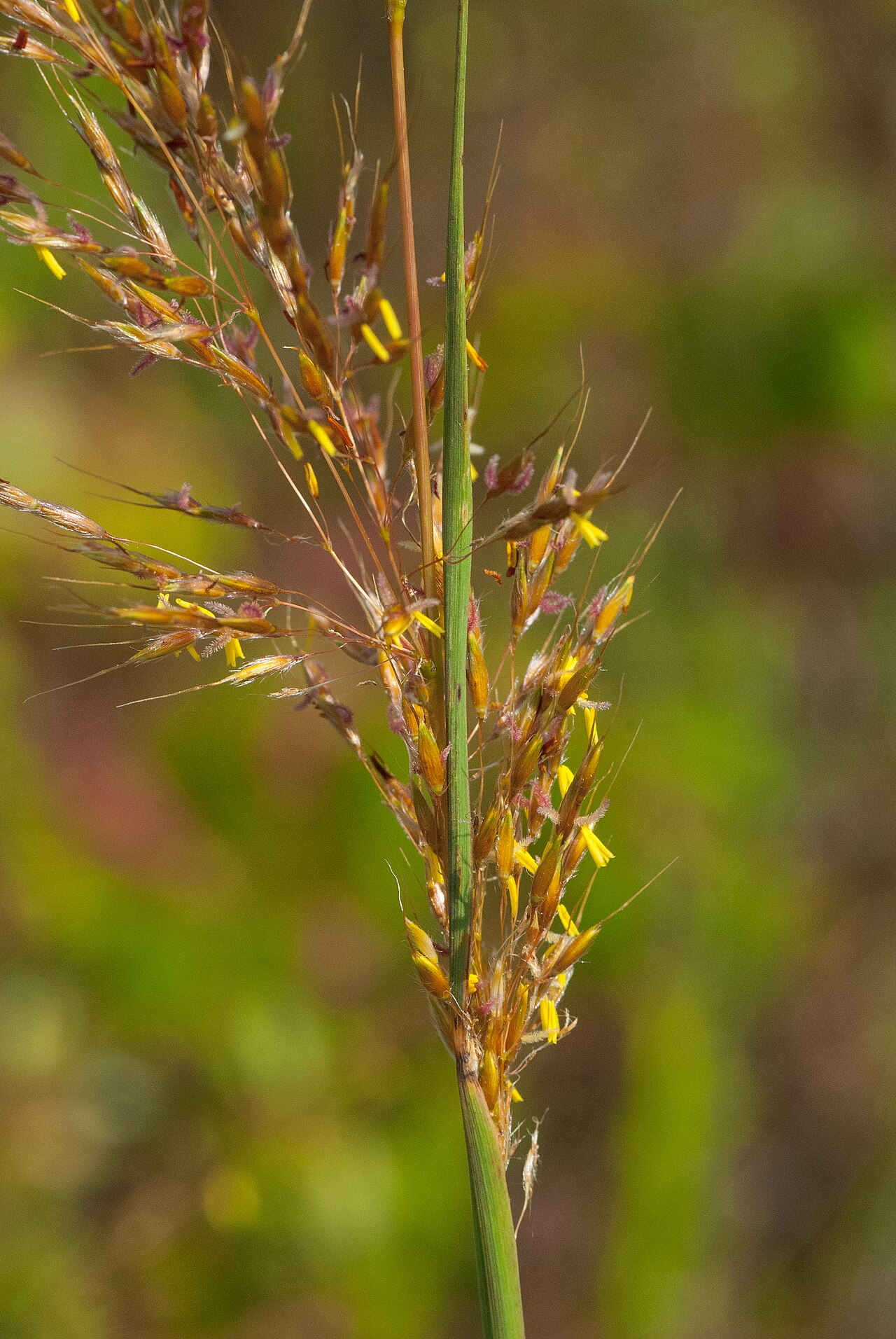
Indian grass gives the border its gold. NC State lists a height of 5 to 7 feet, and the Lady Bird Johnson Wildflower Center lists clay and clay loam among its soils, with flowering from August to October.
Switchgrass is the most forgiving grass for clay. Illinois Wildflowers gives a height of 3 to 6 feet and says it tolerates practically any kind of soil, and its native habitats include clay prairies and the edges of marshes.
Alternate the two along the back. Illinois Wildflowers notes switchgrass also reproduces from rhizome offsets, so give each clump room rather than cramming them together.
Middle Band: Asters and Goldenrods for September
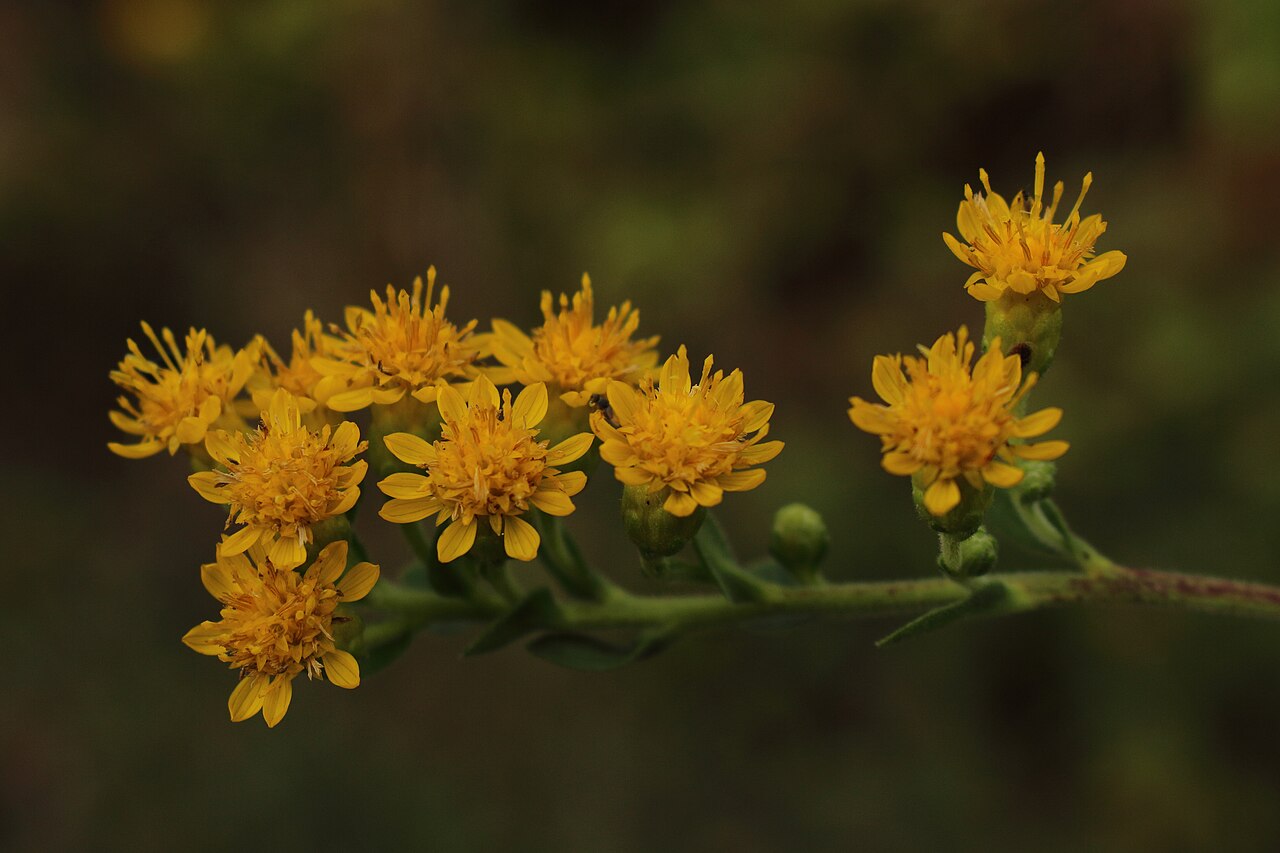
Stiff goldenrod is a clay specialist. Illinois Wildflowers says it is not particular about soil, grows in loam, clay loam or gravel, and is found in clay prairies; it stands 2 to 5 feet tall and blooms late summer into fall for about a month.
New England aster adds purple from August into October, per the Wildflower Center. Illinois Wildflowers lists loam or clay soil and notes plants grow up to 4 feet tall, so set them right in front of switchgrass for support.
Showy goldenrod is the third flower. The Wildflower Center lists rocky or clay soils and warns it can become aggressive in moist soil, so use it in the drier part of the border.
Front Band: Shorter Plants That Stay Upright
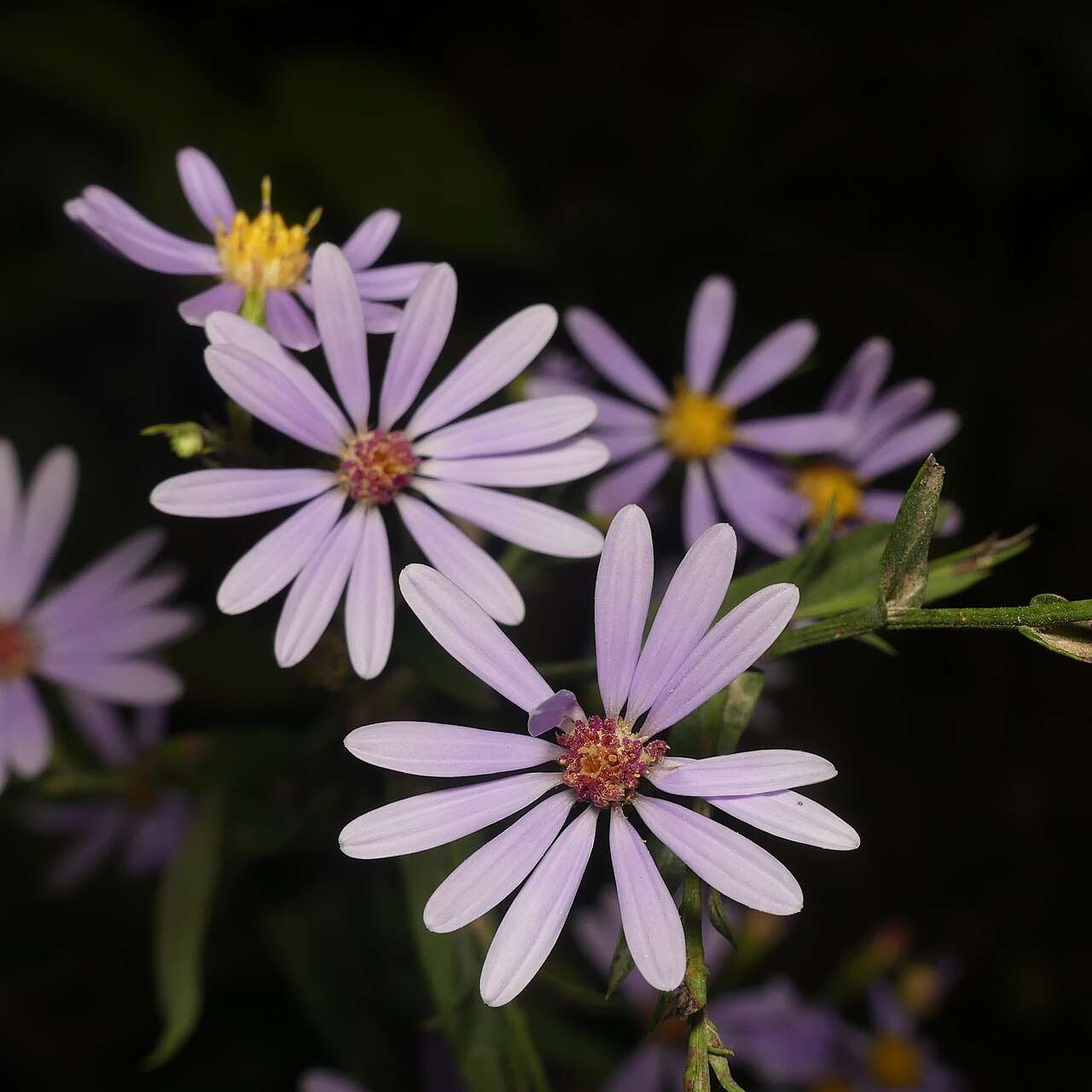
Smooth blue aster is the best front-row flower for clay. Illinois Wildflowers gives a height of 1 to 3 feet, lists clay loam among suitable soils and notes that it usually stays erect while blooming.
Little bluestem is the front-row grass, but only on the better-drained stretch. The Wildflower Center lists clay among its soils but describes it as a plant of well-drained, dry sites; NC State gives a height of 2 to 4 feet. Our little bluestem border guide covers its spacing and repetition in detail.
Prairie dropseed is often suggested here, but Illinois Wildflowers describes its preferred soil as loamy, rocky or gravelly, and the Wildflower Center lists dry, sandy soil. Skip it on heavy clay.
Wet End: Plants for Clay That Stays Damp
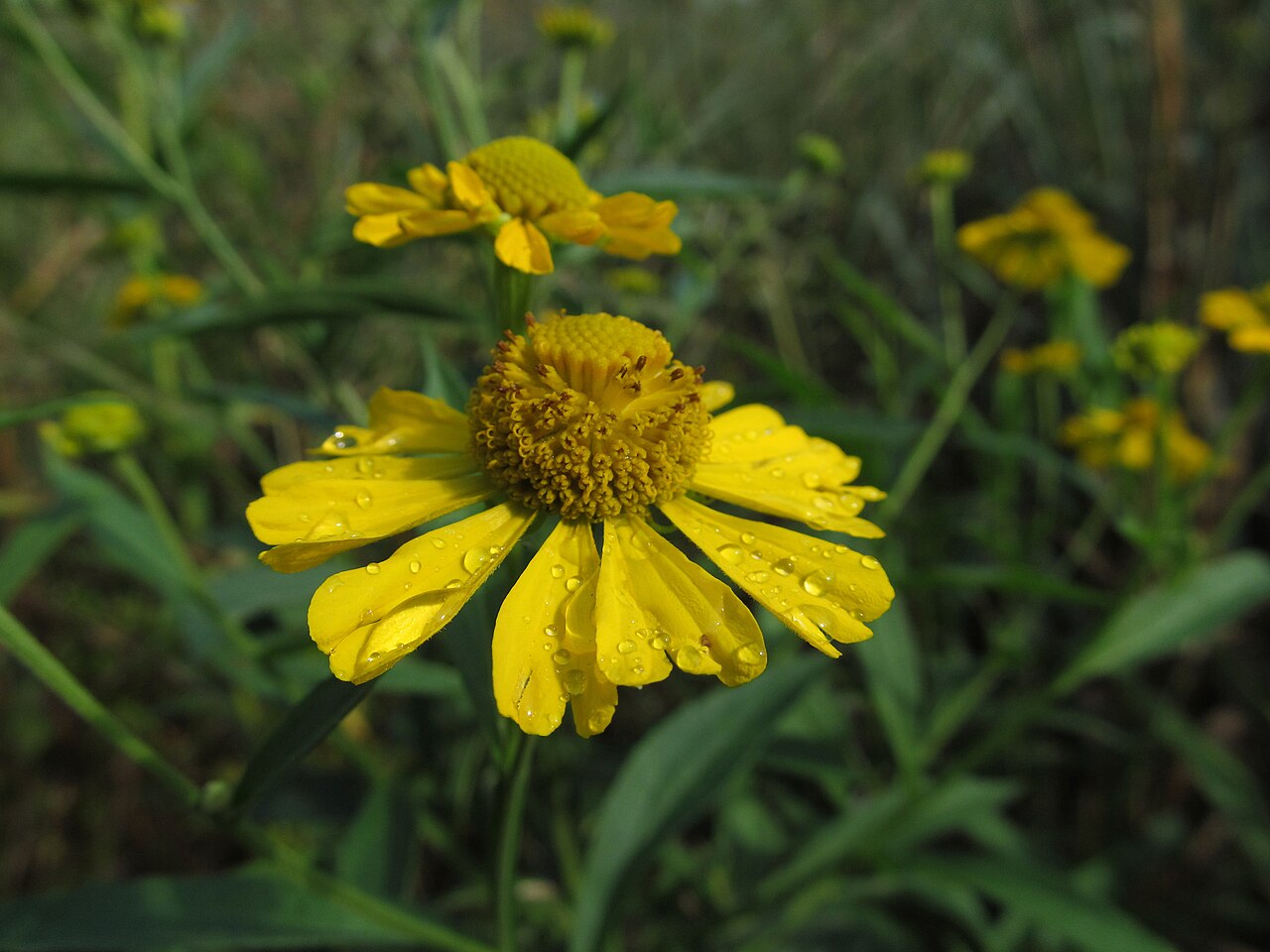
Common sneezeweed belongs where water lingers. The Wildflower Center lists moist clay soils and says it requires a damp site; Illinois Wildflowers gives a height of 3 to 5 feet. Its foliage is toxic and bitter, so keep it out of pasture edges and don’t plant it where pets graze.
Canada wild rye is the grass for this end. The Wildflower Center describes it as a cool-season, short-lived perennial that prefers moist soil, lists clay among its soils and notes it establishes easily for quick cover. Its whiskery, nodding seedheads give the wet end structure while the warm-season grasses are still growing.
Because it is short-lived, expect it to move around by seed rather than hold the same spot for years.
Plant Palette
| Plant | Role | Height | Sun / soil | Native range |
|---|---|---|---|---|
| Indian grass | Back-band grass; gold plumes | 5–7 ft | Sun; clay to loam | Que. and ME to Man., south to FL and AZ |
| Switchgrass | Back-band grass; aster support | 3–6 ft | Sun; dry to moist, any soil | Que. to Sask., south through most of the U.S. |
| Stiff goldenrod | Middle-band flower | 2–5 ft | Sun; clay, loam, gravel | AB to ON, south to GA and TX |
| New England aster | Middle-band flower | to 4 ft | Sun; moist loam or clay | Que. and ME to SC, west to e. Great Plains |
| Showy goldenrod | Middle-band flower, drier stretch | to 6 ft | Sun to part shade; rocky or clay | MA to GA mts., west to WY and c. TX |
| Smooth blue aster | Front-band flower | 1–3 ft | Sun to part sun; clay loam, loam | Most of the U.S. and Canada, incl. all Great Lakes states |
| Little bluestem | Front-band grass, drained spots only | 2–4 ft | Sun; well-drained | Que. and ME to AB and ID, south through most of the U.S. |
| Common sneezeweed | Wet-end flower | 3–5 ft | Sun; moist clay | W. Que. to BC, south to SC, TX, n. CA |
| Canada wild rye | Wet-end grass | 2–6 ft | Sun to part shade; moist, incl. clay | Que. to BC, south to NC, TX, AZ |
Ranges from the Lady Bird Johnson Wildflower Center, which records every plant here in MI, WI, MN, OH, IN, IL, NY and PA and in Ontario. Heights from Illinois Wildflowers, NC State or the Wildflower Center.
Example Planting for a 25 × 8 ft Border
| Back band | 3 Indian grass and 3 switchgrass, alternated about 3 ft apart |
| Middle band | 5 stiff goldenrod, 5 New England aster and 3 showy goldenrod in groups of 2 to 3 |
| Front band | 9 smooth blue aster; 5 little bluestem on the driest stretch only |
| Wet end (last 5 ft) | 3 common sneezeweed and 3 Canada wild rye, replacing showy goldenrod and little bluestem there |
| Spacing rule | Most plugs and quart pots 18 to 24 in apart; grasses at the wider end |
Fall Sequence: What Blooms When
Using the Wildflower Center’s bloom times, smooth blue aster and sneezeweed start in July, then stiff goldenrod, New England aster and Indian grass carry the border from August into October.
Switchgrass flowers from August to November, and its seedheads stay up into winter with Indian grass and little bluestem. That is your cue to leave the border standing until spring.
Installation Steps
- Kill the turf without tilling. Smother lawn with cardboard and mulch, or strip sod. Tilling wet clay leaves clods.
- Plant when the clay is workable. Spring after the soil dries enough to crumble, or early fall, which gives roots time before winter.
- Set out pots first. Lay out the back band, then the middle, then the front, and step back to check the repeats.
- Plant at grade. Don’t create a bowl of loosened soil in solid clay; it collects water. Rough up the sides of each hole.
- Water slowly. Utah State notes clay absorbs water slowly, so apply it at a slow rate over a longer time to avoid runoff.
- Mulch lightly. A thin layer of shredded leaves suppresses weeds between young plants without smothering the crowns.
The First Three Years
Year one: Expect modest top growth while the plants build roots. Water during dry spells, pull weeds every couple of weeks and mark the plants so you don’t weed out slow grasses.
Year two: Flowers fill in and the grasses start to bloom. Cut everything down to a few inches in early spring, before new growth, and remove the cuttings. Note where asters flop and add a grass nearby.
Year three: Edit. Pull showy goldenrod that wanders into the wet end, divide New England aster every few years as the Wildflower Center recommends, and fill gaps by moving self-sown seedlings rather than buying more.
Mistakes to Avoid
- Adding sand to clay. It can set like low-grade concrete.
- Rich compost everywhere. Fertile soil makes stiff goldenrod and asters flop.
- Flowers without grasses. New England aster needs neighbors to lean on.
- Dry-site grasses in wet clay. Little bluestem and prairie dropseed belong only on the driest spots.
- Cutting back in fall. You lose the winter seedheads and the stems that shelter insects.
If you want a smaller version, our guide to planting in front of tall fall asters works the same idea into a narrower bed. Outside the Great Lakes, check each plant against your own state list; sneezeweed and switchgrass, for example, cover very different regions than smooth blue aster. For hot southern clay, see our Piedmont front-yard shrub plan instead.
📋 Find these plants in your region: see our native plant lists for Michigan, Wisconsin & Eastern Minnesota, Ohio & Indiana and Illinois, Iowa & Missouri, which include several of the asters and goldenrods in this plan.
Frequently Asked Questions
Which native grasses grow best in Great Lakes clay?
Switchgrass and Indian grass are the safest choices. Illinois Wildflowers says switchgrass tolerates practically any soil, and the Wildflower Center lists clay for Indian grass. Use Canada wild rye where clay stays damp.
Should I add compost to clay before planting natives?
Only where the soil is compacted or disturbed. Prairie plants grow in heavy soil, and too much fertility can make stiff goldenrod and asters flop.
Why are my New England asters flopping?
They often flop without neighbors. Plant them in front of switchgrass or other grasses, and avoid rich soil and extra water.
Is prairie dropseed good for clay?
Not for heavy clay. Illinois Wildflowers lists loamy, rocky or gravelly soil, and the Wildflower Center lists dry, sandy soil. Use little bluestem on drained spots instead.
When should I cut back a native grass border?
In early spring, before new growth. Leaving stems and seedheads standing over winter keeps structure in the border.
Sources
- Lady Bird Johnson Wildflower Center plant database: Sorghastrum nutans, Panicum virgatum, Oligoneuron rigidum, Symphyotrichum novae-angliae, Solidago speciosa, Symphyotrichum laeve, Schizachyrium scoparium, Sporobolus heterolepis, Helenium autumnale, Elymus canadensis: state distribution, soils, bloom times, sizes.
- Illinois Wildflowers: stiff goldenrod, New England aster, smooth blue aster, switchgrass, prairie dropseed, common sneezeweed: soil preferences, habitats, heights, flopping, toxicity.
- NC State Extension Gardener Plant Toolbox: Indian grass, little bluestem: heights and widths.
- Utah State University Extension, Gardening in Clay Soils: clay particle behavior, why not to add sand, organic matter, slow water infiltration.