What a New Native Planting Looks Like in Years One, Two, and Three
Last updated: November 7, 2026
The first summer after a lawn conversion often disappoints. You planted dozens of plants, and by August the bed still looks like scattered tufts in a sea of mulch or bare soil.
That is normal. Most native perennials spend their early seasons building roots, and the top growth catches up later. Gardeners sum this up as “sleep, creep, leap,” a rough rule rather than a schedule.
This guide describes what a new native planting usually looks like in each of its first three years, for both container plants and seed. It also covers what to do each year and when slow progress is a real problem.
Plan at a Glance
| Site | A sunny bed or small meadow converted from lawn |
| Size | Any size; the timelines apply to a 100-square-foot bed or a quarter acre |
| Sun | Full sun to part sun for the example plants |
| Soil | Average, well-drained soil |
| Maintenance | Heaviest in year one (watering, weeding or mowing), lighter by year three |
| Best regions | The timelines are general; plant examples suit much of the eastern and central US |
Why New Native Plantings Start Slowly
University of Minnesota Extension’s guide to planting and maintaining a prairie garden explains that prairie grasses develop roots in the first few years and grow slowly above ground. By the third year, the plants put on more growth above ground.
The same guide compares the two ways to start. Seed is more economical but can take two to five years for plants to reach full size. Container plants cost more but establish quickly and may flower the first year.
Species differ too. The Lady Bird Johnson Wildflower Center describes prairie dropseed as slow growing and slow to establish, and notes that butterfly weed grown from seed takes two to three years to flower.
First, Assess What You Planted
Your timeline depends on three things: what you planted, how well the site was prepared, and how much competition the plants face.
- Container plants or plugs: Expect visible growth and some bloom in year one, with the bed closing in during year two or three.
- Seed: Expect very little that looks like a garden in year one. Many perennial seedlings are tiny, and some species do not germinate until the second or third year.
- Weedy site: If perennial weeds or lawn grass survived site preparation, every stage takes longer, because the natives are competing for light and water.
If you are still deciding how to start, our comparison of native plugs vs. seed for lawn conversion weighs cost, timing and weed pressure.
Write down what you planted and where. A planting map is the most useful tool for telling a slow native seedling from a weed in the first two years.
Year One: Roots First (“Sleep”)
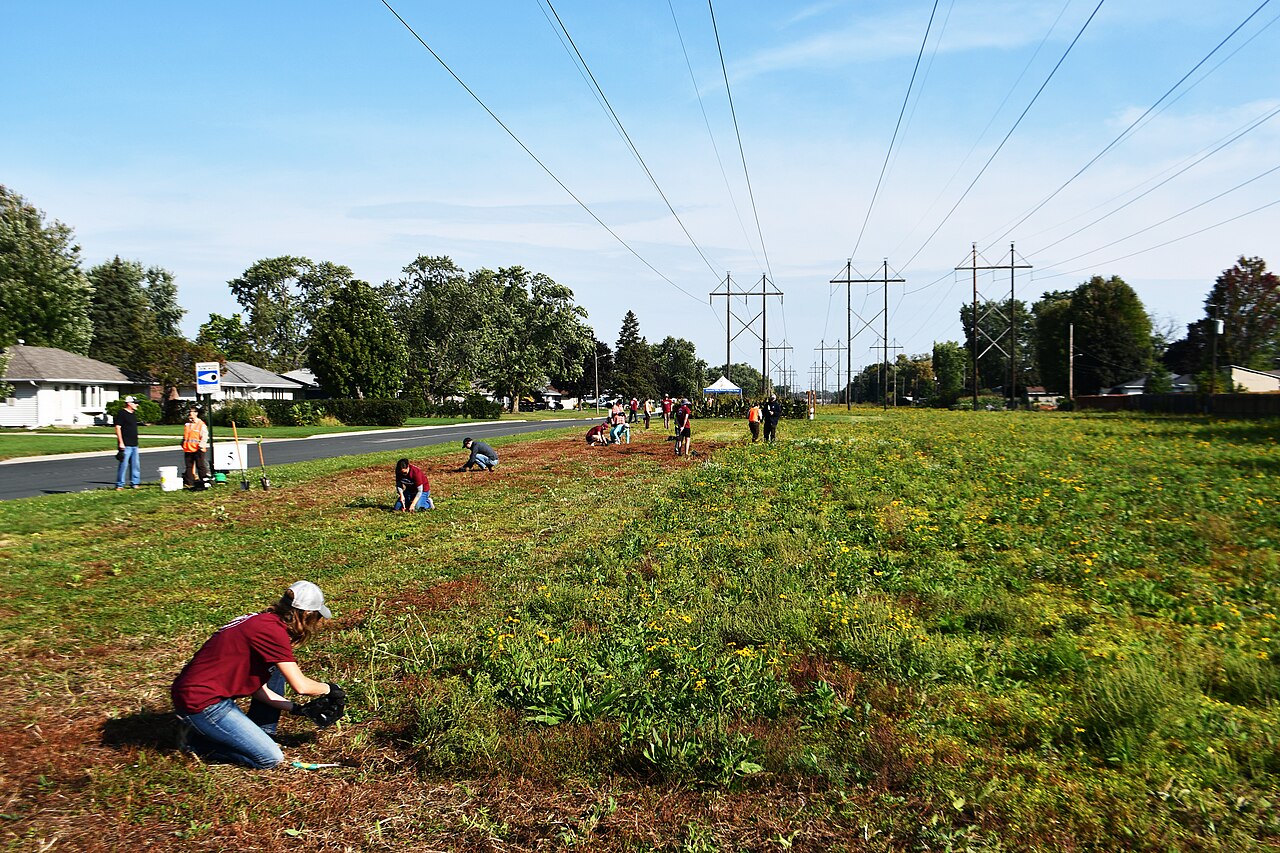
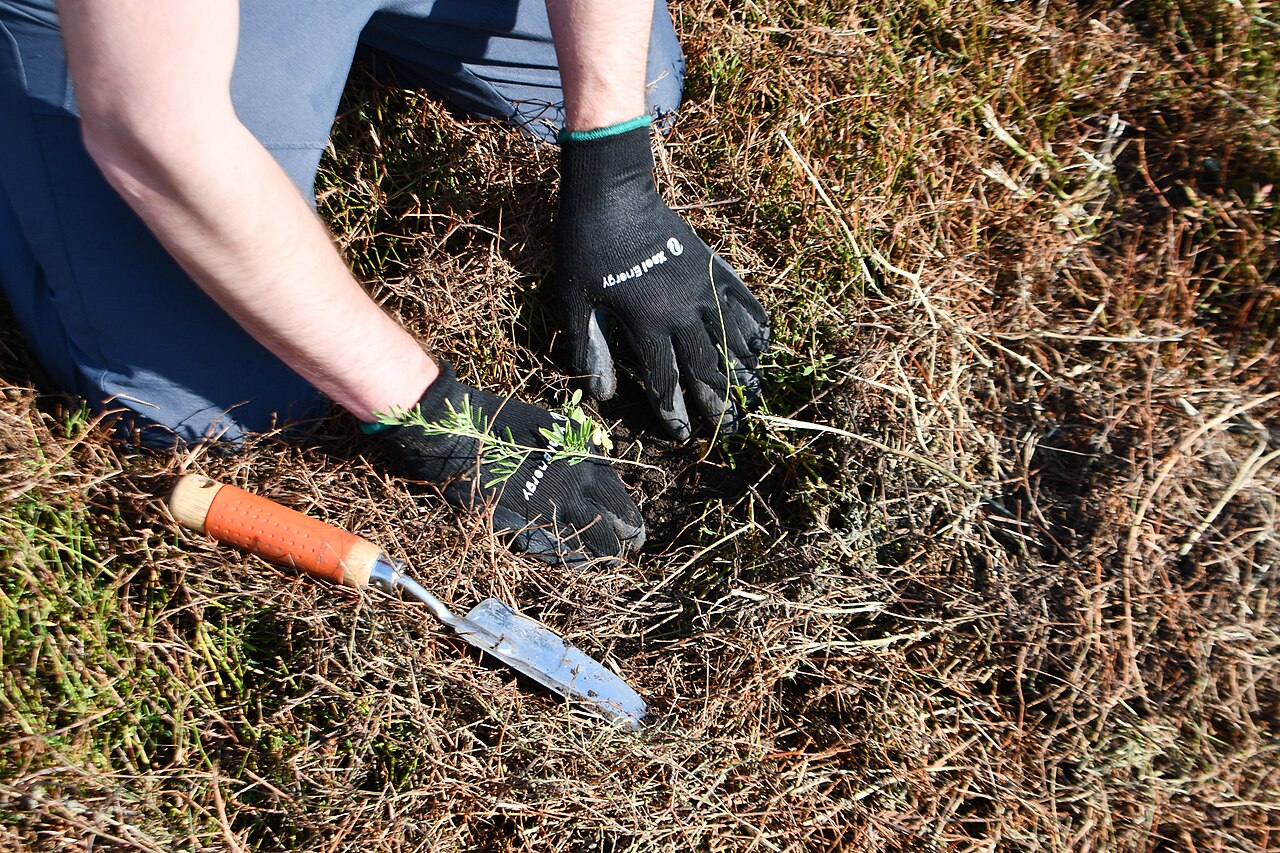
What it looks like: Container plants hold their size or grow modestly, and some bloom. The spaces between them stay open. In a seeded area, the first plants you notice are usually weeds, plus a few fast annuals or short-lived species from the mix.
The Xerces Society’s guide to establishing pollinator meadows from seed points out that perennial wildflower seeds often germinate slowly. That works in your favor, because fast-growing plants in a new perennial seeding are likely weeds and are easier to spot.
What to do with plugs and pots: Water consistently. The NOFA Organic Land Care Program’s plug guide recommends watering for about an hour every four days on mild spring days, or every three days in hot summer weather, for the first three weeks after planting.
What to do with seed: Mow rather than pull. UMN Extension recommends mowing the first-year planting regularly to a height of 4 to 6 inches and not letting weeds flower and set seed. It also advises against hand-pulling weeds, because that disturbs the new prairie plants.
Year Two: Filling In (“Creep”)
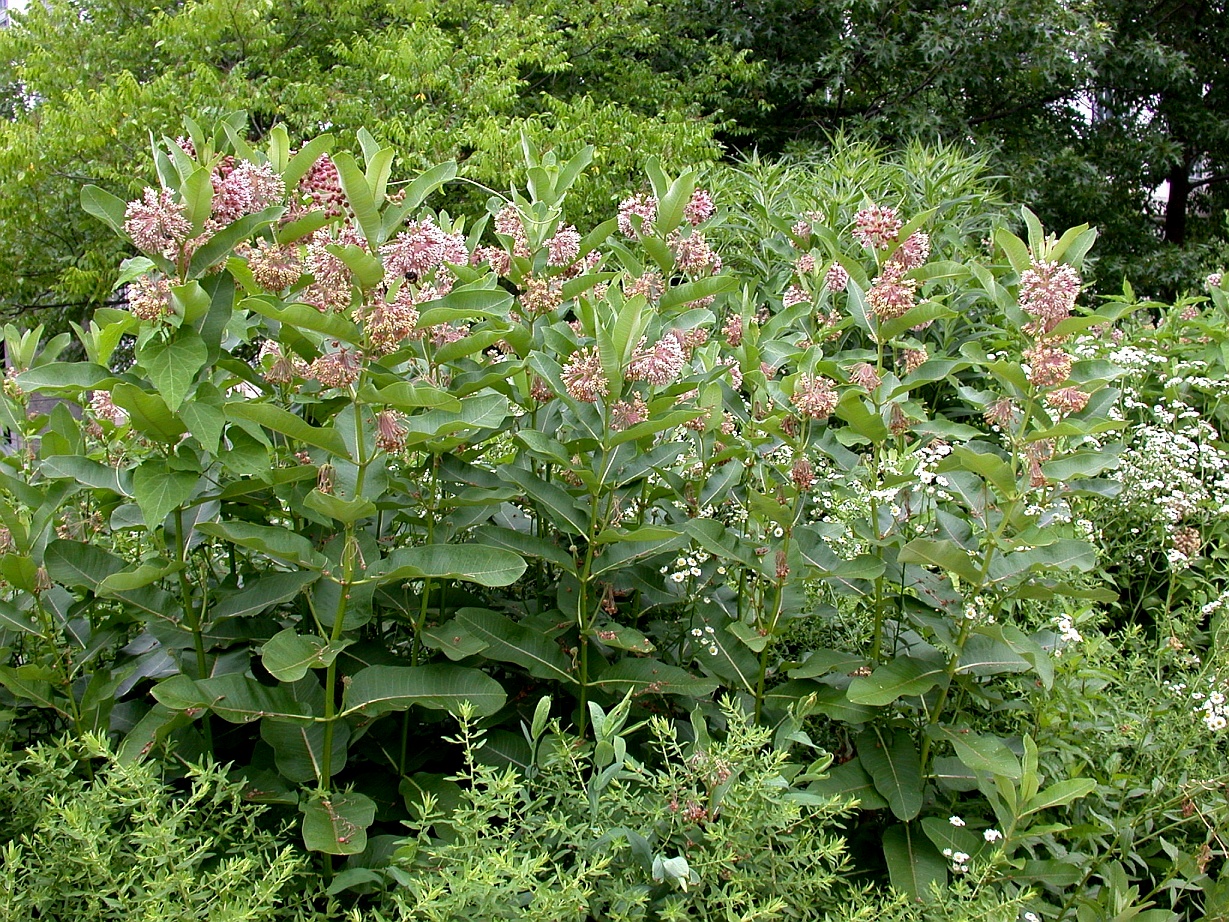
What it looks like: Container plantings are visibly bigger, and gaps begin to close. Many perennials bloom for the first time or bloom more heavily. In a seeded area, native seedlings become recognizable, and the planting starts to look intentional.
Xerces notes that in the second growing season, most remaining weeds in a seeded meadow are biennials. These form a taproot in their first year and flower in their second, so mowing just before they bloom stops them from setting seed. A simple weed-monitoring routine helps you catch them in time.
What to do: In early spring, cut back and rake off last year’s growth, as Xerces recommends for seeded meadows. UMN suggests evaluating weed levels at the start of the second season and mowing to 4 to 6 inches again in the second and third years if weeds need it.
Fill gaps left by first-year losses. Replacing a missing plant in year two costs far less than living with a hole that weeds will fill.
Year Three: The Planting Takes Off (“Leap”)
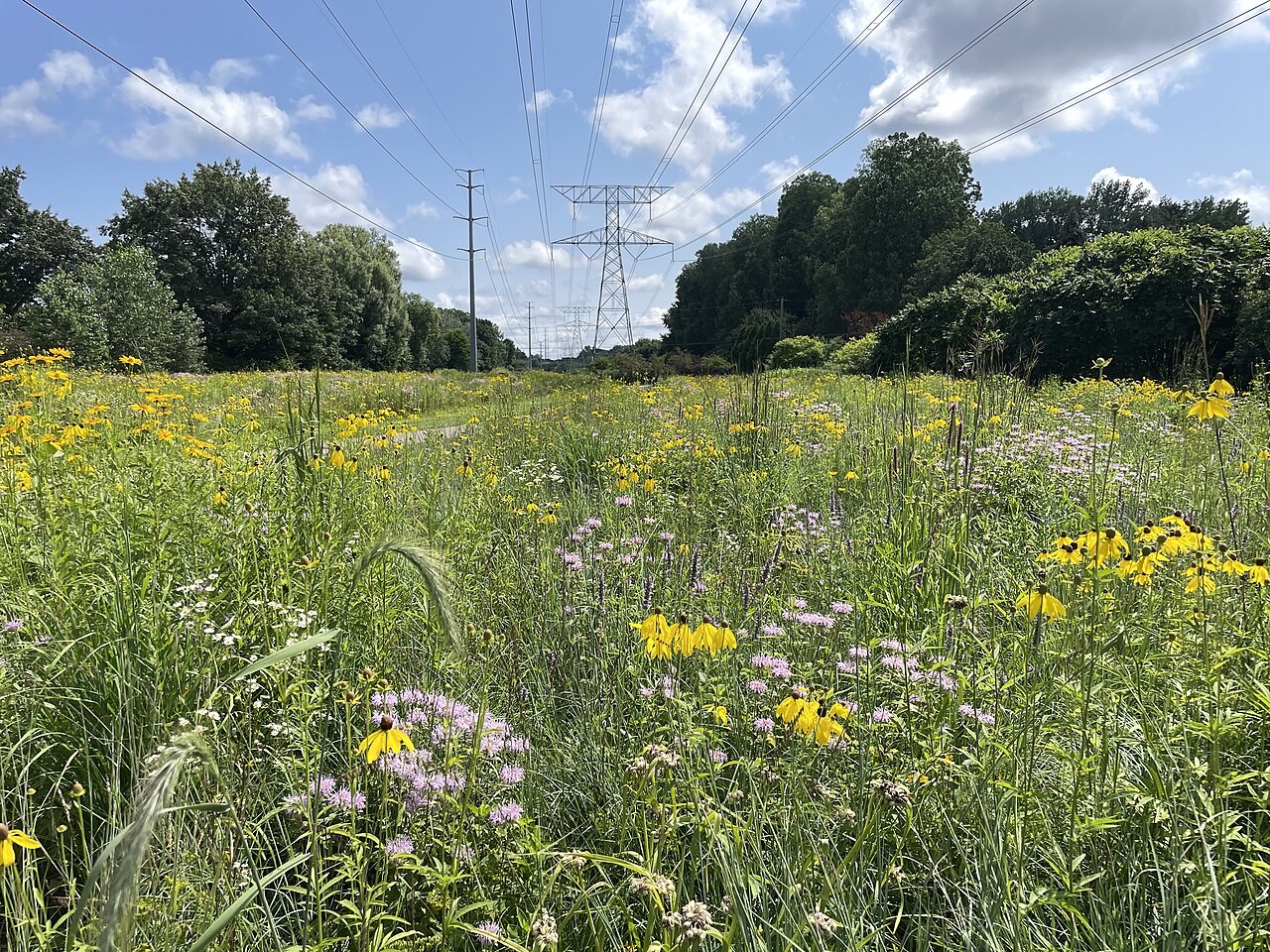
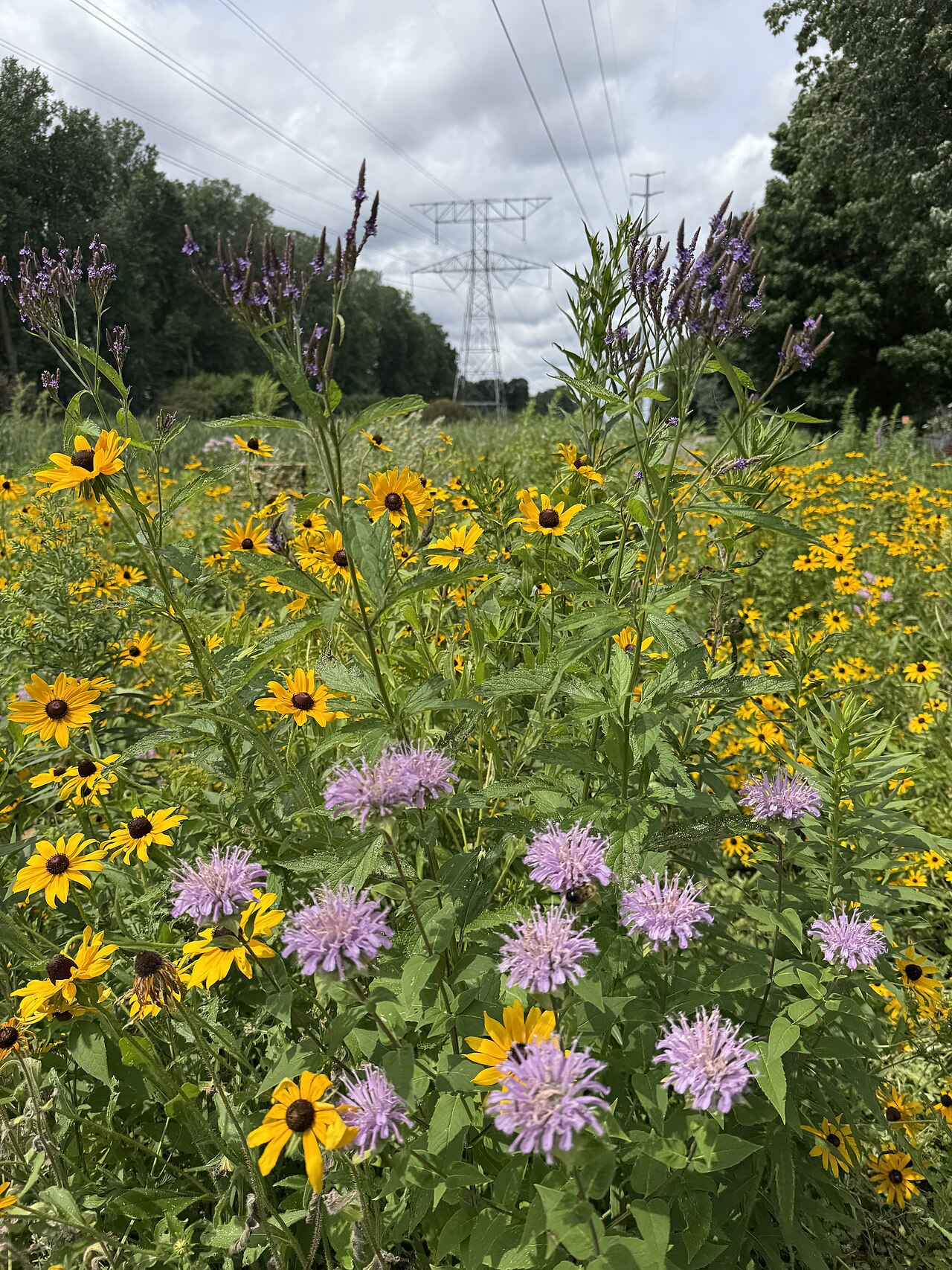
What it looks like: Plants approach full size and bloom heavily. Container plantings are close to closed, with little soil showing by midsummer. Xerces notes that from the third season, a seeded meadow should show regular flowering among most native plants, with more bees and butterflies visiting.
What to do: Maintenance shifts from establishment to upkeep. Xerces describes periodic early-spring mowing to remove small trees, shrubs, and cool-season weedy grasses before the natives emerge.
UMN adds that once a prairie has been established for at least three years, larger sites can be managed with controlled burns, often in rotation. Burning requires local permits and trained help, and most home gardeners use mowing or cutting instead.
Now is the time to edit. Thin species that are crowding out others, and move or divide plants that grew larger than planned.
Plant Palette: Fast Starters and Slow Builders
Mixing fast starters with slow builders gives a new bed some color in year one while the long-lived plants establish.
Plant Palette
Example plants by establishment speed, based on Wildflower Center notes. Confirm each one is native to your area.
| Plant | Role | Height | Sun / moisture | Native range (LBJ) |
|---|---|---|---|---|
| Black-eyed Susan | Fast starter; annual, biennial or short-lived perennial | Up to about 3 ft | Sun to part shade; dry to medium | W. MA to Man. & WY, south to FL & NM |
| Lanceleaf coreopsis | Fast starter; self-sows, not reliably perennial | 1–3 ft | Sun to part shade; dry | FL to e. TX & n. NM, north to VA, Ont., MI, WI, MO & CO |
| Wild bergamot | Midsummer bloom | 2–4 ft | Sun to part shade; medium | Most of the US east of the Rockies |
| Purple coneflower | Long-lived flower | 3–4 ft | Sun to part shade; medium | GA to NE TX, north to NC, OH, IL & IA |
| Butterfly weed | Slow builder; 2–3 years to flower from seed | 1–2 ft | Sun; dry to medium | New England to FL, west to TX, north through CO to MN |
| Prairie dropseed | Slow builder; slow to establish | 2–3 ft | Sun to part shade; dry to medium | Que. to Sask., locally south to NC, KY, e. TX & CO |
| Little bluestem | Matrix grass; readily reseeds | 2–4 ft | Full sun; dry to medium | Most of the US east of the Rockies |
Heights are from NC State Extension’s Plant Toolbox and the Wildflower Center. The Wildflower Center also notes that black-eyed Susan can become aggressive in ideal conditions, and that lanceleaf coreopsis self-sows readily and can become weedy, so use fast starters in moderation.
In the Southeast, purple coneflower’s range stops at Georgia, so Florida gardeners should pick another long-lived flower from their state list. In the western Plains, swap blue grama for prairie dropseed.
A Season-by-Season Calendar for the First Three Years
- Year one, spring to early summer: Plant; water plugs about every three to four days for the first three weeks. Mow seeded areas to 4 to 6 inches when growth gets tall.
- Year one, midsummer to fall: Keep weeds from flowering. Water container plants during dry spells. Leave dead stems standing over winter.
- Year two, early spring: Cut back and remove last year’s stems. Replace losses and fill gaps.
- Year two, summer: Mow biennial weeds in seeded areas just before they flower. Spot-weed container beds every few weeks.
- Year three, early spring: Cut back. Remove tree seedlings and cool-season weedy grasses before natives emerge.
- Year three, summer to fall: Note which species are spreading too far and which are fading. Divide, thin, or move plants in fall.
When Slow Progress Is a Problem
Slow is expected, but some signs point to a real problem. Weeds taller than the natives through most of the season in year two usually mean competition is winning, so step up mowing or weeding.
Container plants that shrink or disappear in year one often point to drought stress or a mismatch with the site, such as moisture-loving plants in dry soil. Recheck sun and drainage before replacing them with the same species.
If a seeded area shows almost no native seedlings by the end of year two, the seed may have been sown too deep, eaten, or washed away. Overseed or switch to plugs in the bare patches.
Mistakes to Avoid
- Judging the planting in its first summer, before roots have had time to develop.
- Hand-pulling weeds among tiny native seedlings in year one.
- Letting weeds go to seed because the bed “looks like a meadow anyway.”
- Skipping water for container plants in their first weeks.
- Filling gaps with fast, aggressive species that will crowd out the slow builders later.
- Failing to keep a planting map, then pulling native seedlings by mistake.
Plan how many plants you need with our guide to native plant spacing and bed coverage, and keep year-round access with a mown path laid out for maintenance. For the broader conversion process, see replacing lawn with wildflowers. Telling seedlings from weeds is easier with our guide to identifying seedlings before pulling.
📋 Confirm your plant choices against your regional list: Illinois, Iowa and Missouri, Kentucky and Tennessee, or Michigan, Wisconsin and eastern Minnesota.
Frequently Asked Questions
Why does my new native garden look so sparse in the first year?
Many native perennials put their first-year growth into roots. UMN Extension notes that prairie grasses grow slowly above ground in the first few years and put on more top growth by the third year.
Will native plants bloom the first year?
Container plants may flower the first year, according to UMN Extension. Plants grown from seed often take longer; the Wildflower Center notes butterfly weed takes two to three years to flower from seed.
Should I pull weeds in a newly seeded meadow?
Both UMN Extension and the Xerces Society advise against hand-pulling weeds in the first year, because it disturbs the native seedlings. Mow the weeds before they set seed instead.
How long until a seeded native meadow looks established?
UMN Extension says seeded plants can take two to five years to reach full size. Xerces says you should start seeing regular flowering among most natives from the third season.
When should I stop watering new native plants?
Water closely for the first few weeks after planting and during dry spells in the first season. Established natives matched to their site generally need less extra water after that, though watering during long droughts still helps.
Sources
- University of Minnesota Extension: Planting and Maintaining a Prairie Garden
- Xerces Society: Establishing Pollinator Meadows from Seed
- NOFA Organic Land Care Program: How to Effectively Establish Native Plant Plugs
- Lady Bird Johnson Wildflower Center Native Plant Database: species notes and native distribution
- NC State Extension Gardener Plant Toolbox: plant heights