A Weed-Monitoring Plan for a New Native Meadow: What to Check Before Seed Sets
Last updated: November 7, 2026
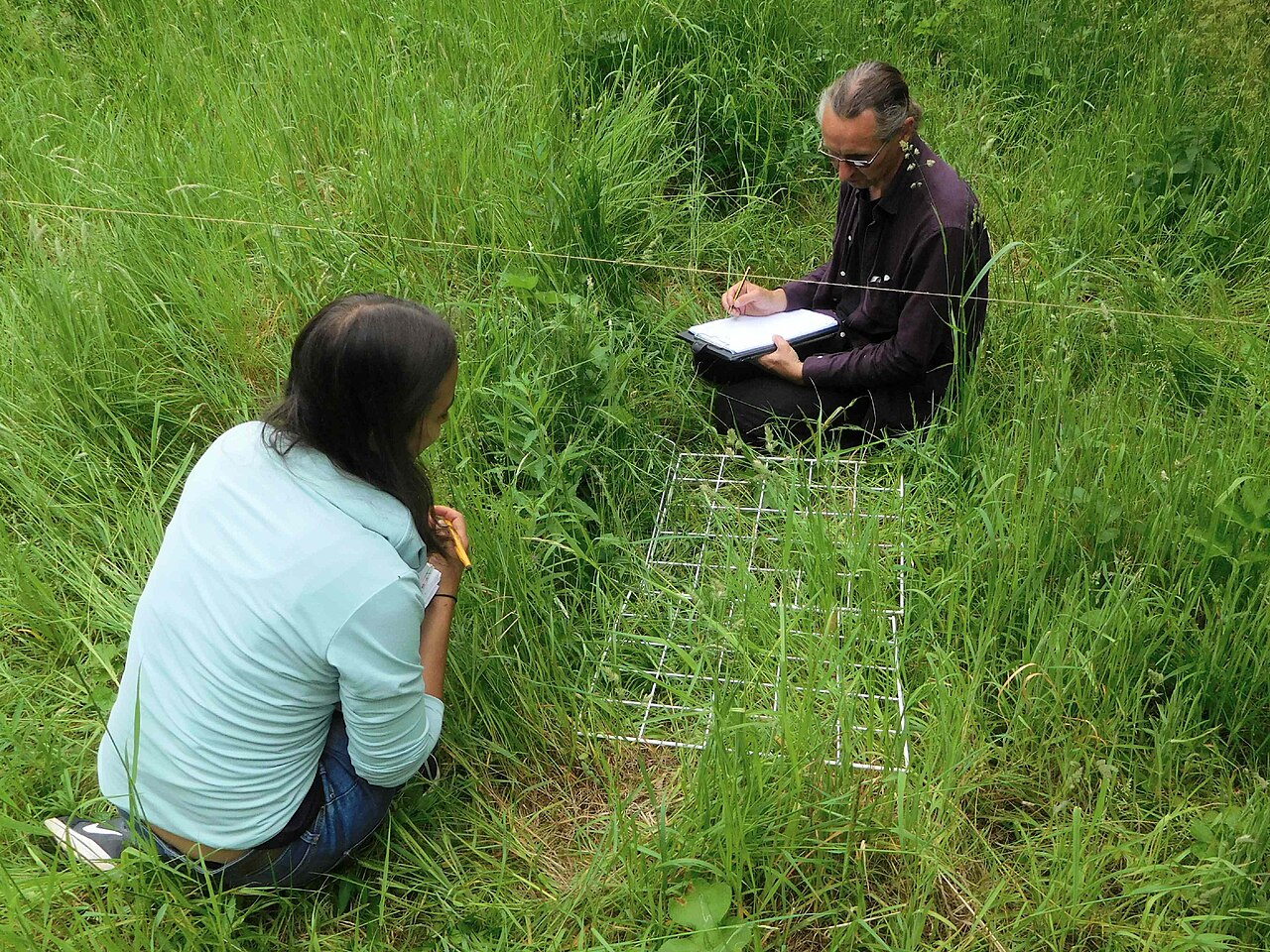
A new native meadow does not fail because weeds appear. Weeds always appear. It fails when weeds flower and drop seed for a season or two before anyone acts, and the seed bank fills with plants you will be fighting for years.
The fix is a monitoring plan: a set walking route, a calendar of what to look for each month, and a simple rule for each weed based on how close it is to setting seed.
This guide sets up that plan for a meadow converted from lawn, from the first growing season to the third. It focuses on timing and on three common problem plants in the Midwest and Northeast, with notes on how to adapt the plan to your region.
Plan at a Glance
| Site | A seeded or plug-planted meadow converted from lawn |
| Size | Plan written for a few hundred square feet up to a quarter acre |
| Sun | Full sun to part sun |
| Soil | Any; note wet areas separately, because some weeds favor them |
| Maintenance | A 15- to 30-minute walk every two weeks in the growing season |
| Best regions | Timing and weed examples fit the upper Midwest and Northeast; check your state’s weed list elsewhere |
Assess the Site Before the First Walk
Start with the site’s history. University of Minnesota Extension’s prairie garden guide advises choosing a site without weedy vegetation such as quackgrass, Canada thistle, or reed canary grass, and seeking professional help to prepare a site that has them.
If those weeds were present before planting, assume some survived. Note where they grew on a sketch of the site, because those spots get the closest checks.
Then mark the edges. Weeds often move in from neighboring lawns, fence lines, and ditches, so the outer few feet of the meadow need as much attention as the middle.
Lay Out a Monitoring Route
A route keeps checks quick and consistent. Walk the same loop each time, ideally along a mown path, so you are not trampling the planting.
Divide the meadow into a few zones you can name, such as “north edge,” “wet corner,” and “center.” Record each finding by zone, not by vague memory.
Pick two or three photo points: fixed spots where you stand and take the same picture each visit. Side-by-side photos over a season show trends that are easy to miss on the ground.
Keep a planting map or seed list with you. In the first two years, many native seedlings are small and unfamiliar, and the map is what stops you from pulling them by mistake. Our guide to telling seedlings from weeds before pulling shows the same approach for a single species.
The Rule: Act Before Seed Sets
The most important thing to record for each weed is its stage: rosette, bolting stem, bud, open flower, or seed. Stage tells you how much time you have.
The Xerces Society’s meadow establishment guide recommends mowing a first-year perennial seeding whenever vegetation reaches about 12 inches, or when a large number of weeds begin to flower. That keeps most annual weeds from reseeding while leaving native seedlings unharmed.
UMN Extension gives similar first-year advice: mow regularly to a height of 4 to 6 inches and do not let weeds flower and set seed. Ideally, weeds should not grow taller than 8 to 12 inches.
Monitoring Log
Copy this layout into a notebook or spreadsheet. One row per weed patch per visit.
| Date | Zone | Weed | Stage | Action taken |
|---|---|---|---|---|
| May 12 | North edge | Reed canary grass | Seed heads emerging | Cut heads, bagged; mark for fall follow-up |
| June 20 | Center | Wild parsnip | Bolting, no flowers | Removed with gloves and long sleeves |
| July 3 | Wet corner | Canada thistle | Buds | Mowed patch before bloom |
| July 17 | Whole meadow | Annual weeds | Many in flower, about 12 in tall | Mowed meadow to 6 in |
Know Your Priority Weeds
Every region has its own list, so check your state’s noxious weed list or your extension office. The three below show how timing changes from one weed to the next.
Canada thistle
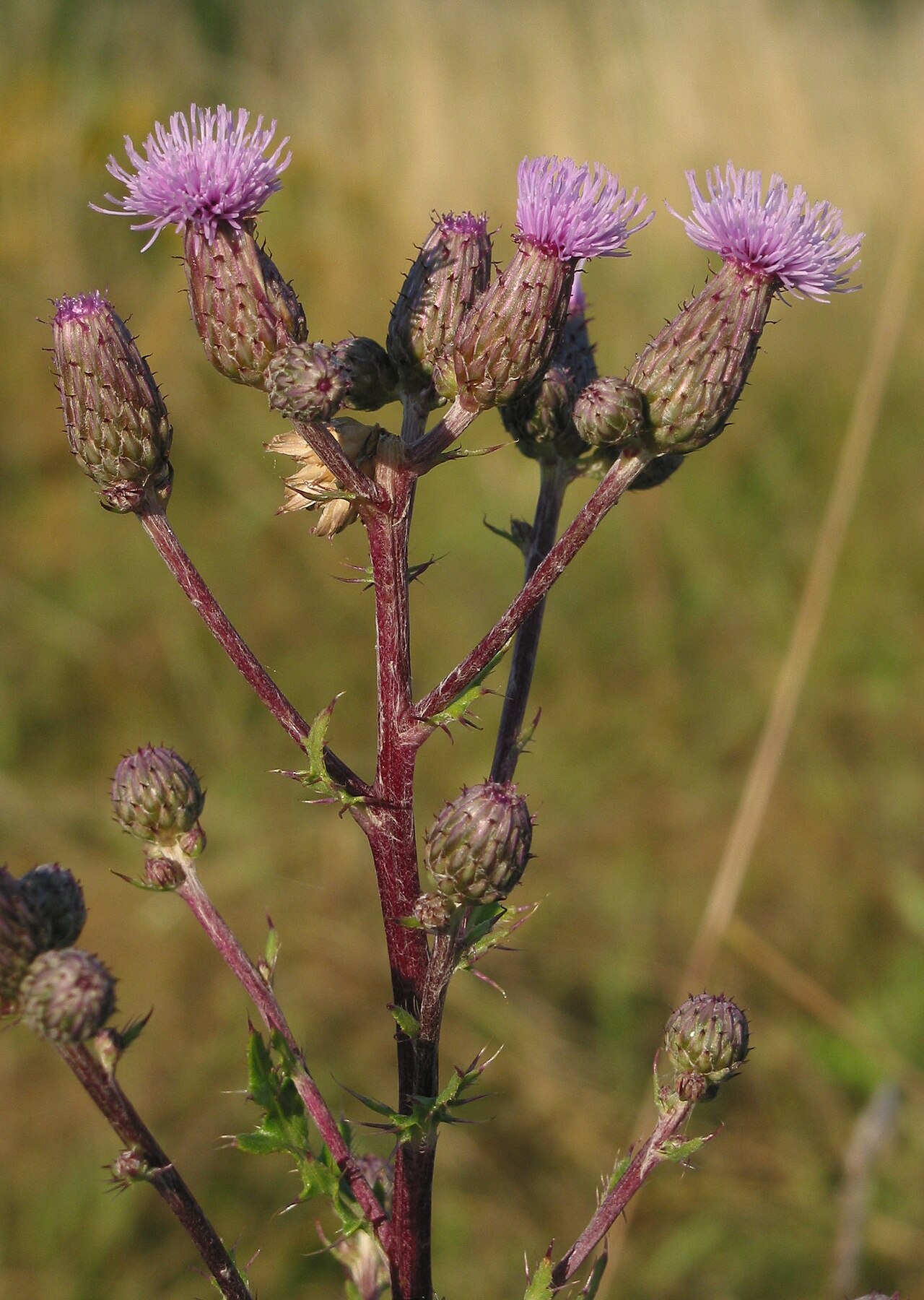
UMN Extension’s Canada thistle page describes it as an invasive perennial that spreads aggressively by seed and by horizontal roots. Small root pieces only a few millimeters long can grow into new plants.
It has small purple flower heads and, unlike many thistles, generally lacks spines on the stem. It blooms from June to September.
Mowing can stop Canada thistle from flowering and setting seed, but it will not stop spread by roots, and UMN advises against mowing once the plants have gone to seed. Native thistles are a different matter: UMN notes they support wildlife and do not often become weedy, so confirm the identification before you act.
Wild parsnip
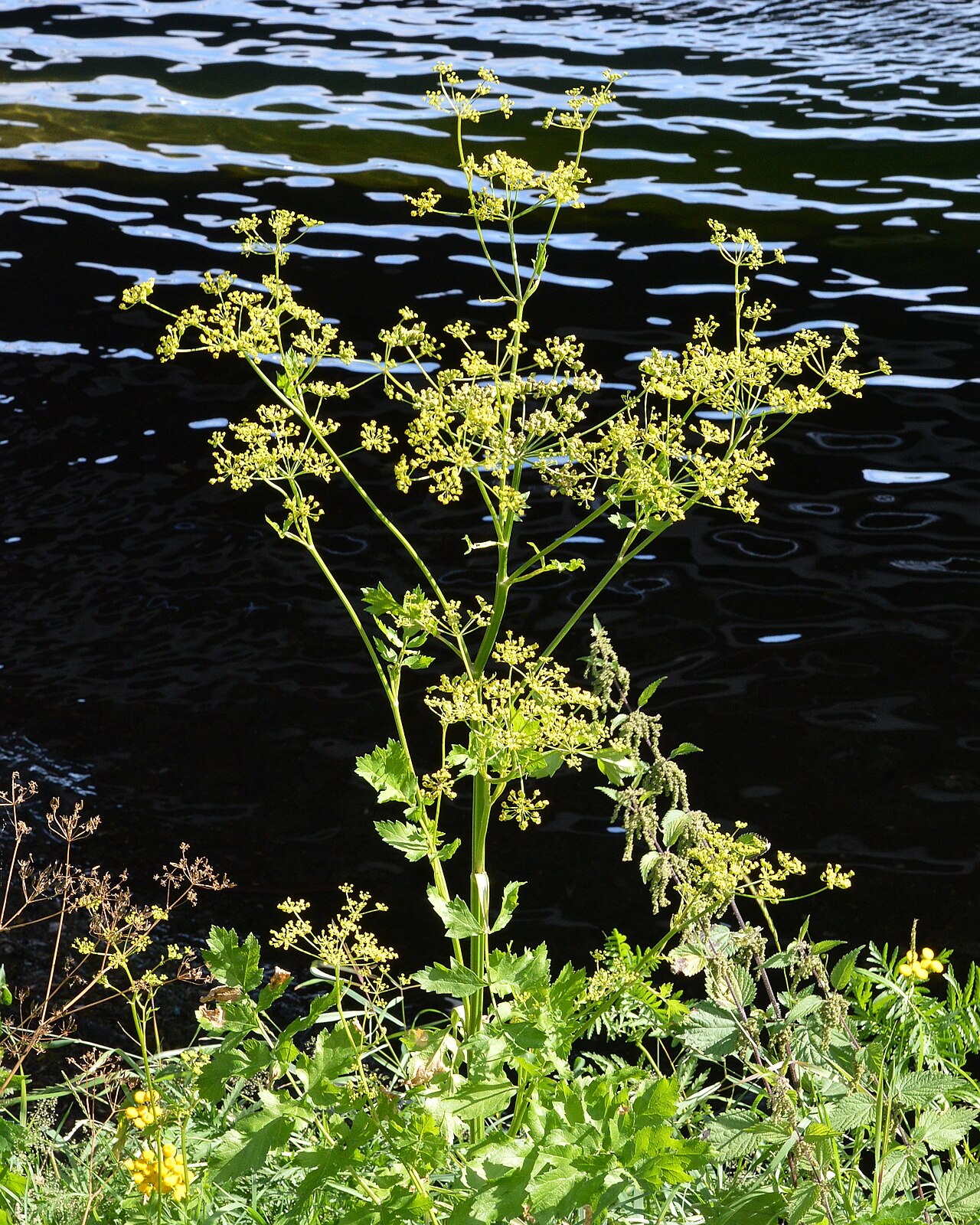
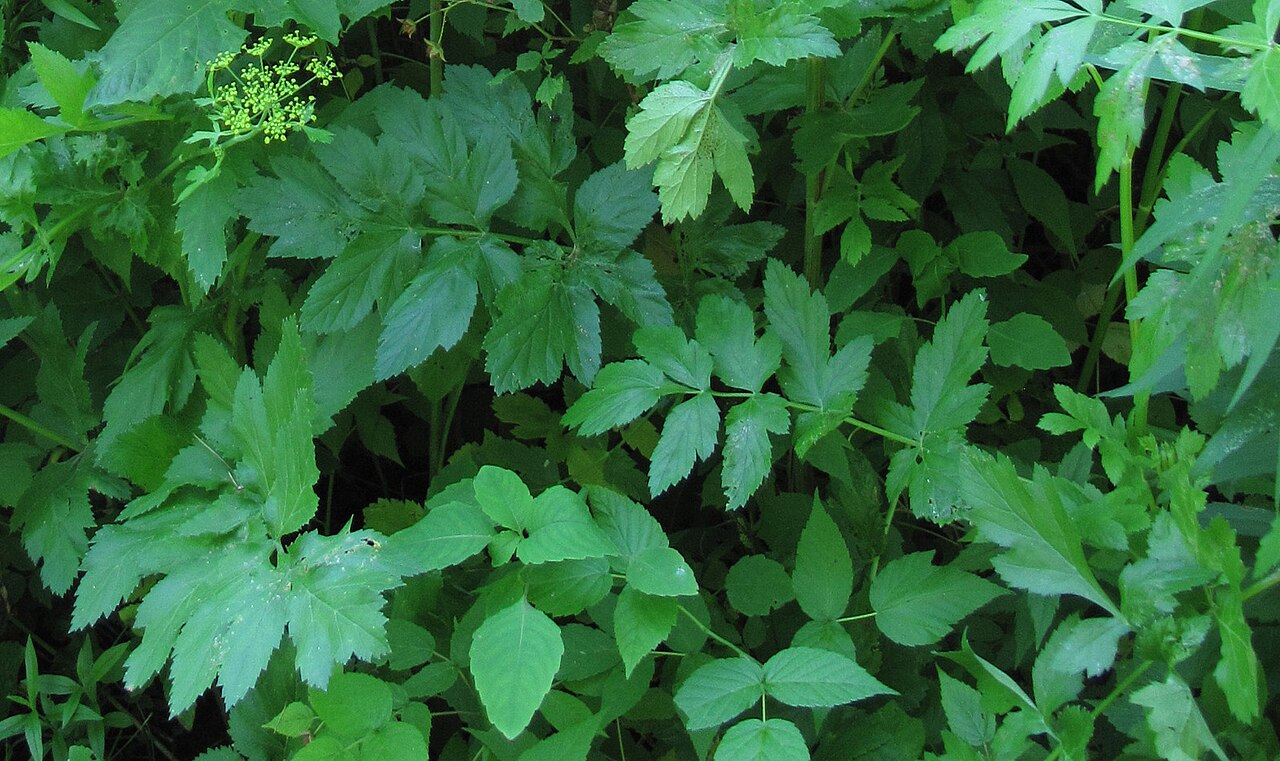
UMN’s wild parsnip page describes a plant that flowers only once and then dies. It sits as a low rosette about six inches high, then bolts to four to six feet when it flowers.
It has flat-topped clusters of yellow flowers from June to late summer. UMN notes the seeds take about three weeks to ripen and can survive in the soil for four years, so removing plants at bud or early flower prevents years of follow-up.
Use caution: UMN warns that contact with wild parsnip sap can cause severe chemical burns and blistering when the skin is then exposed to sunlight. Wear gloves, long sleeves, and long pants when handling it, and avoid contact with the sap.
Reed canary grass
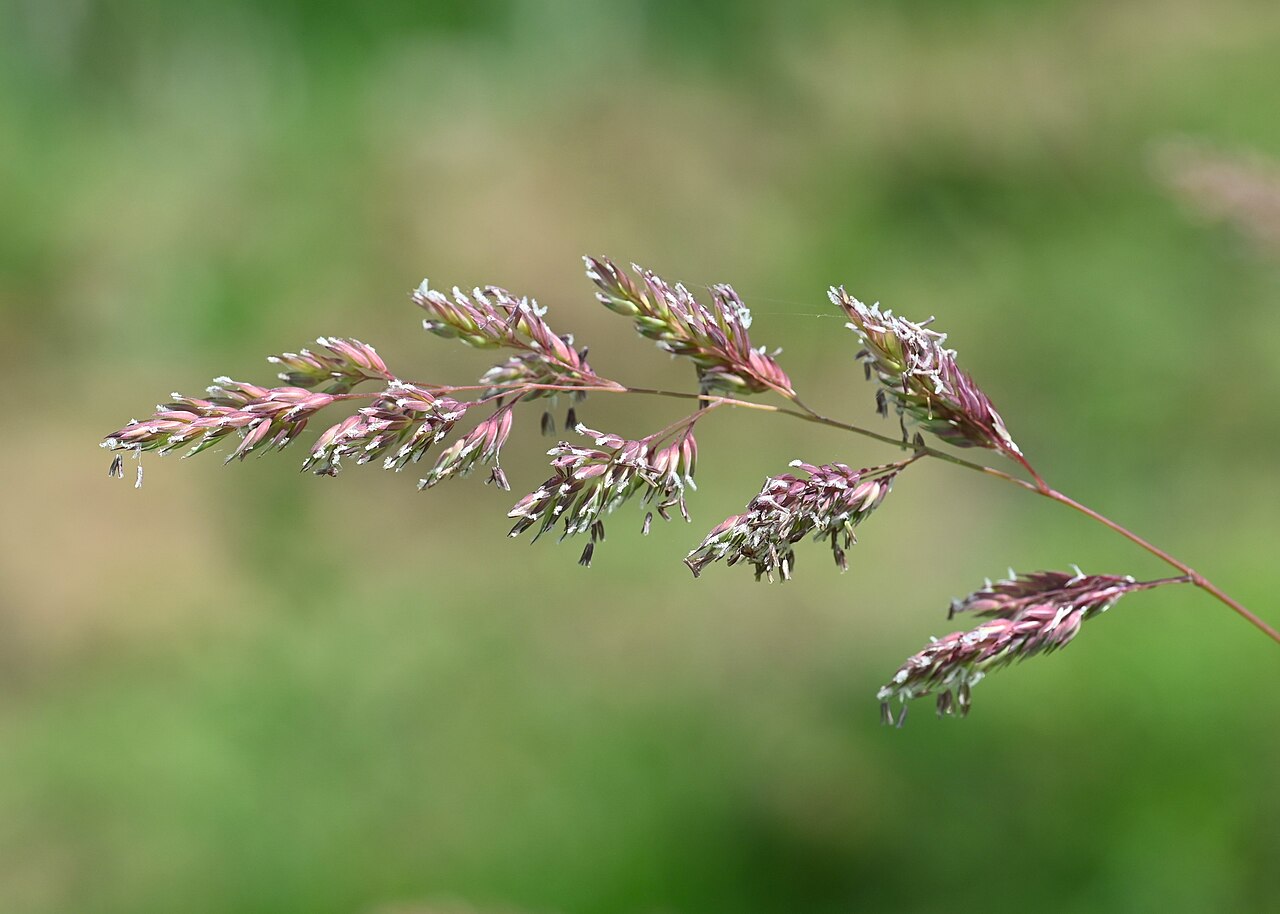
UMN’s reed canary grass page describes a perennial cool-season grass two to six feet tall that prefers moist soils but can also grow in uplands. It spreads by rhizomes.
It usually blooms from May to mid-June, and its seeds can germinate as soon as they mature. That makes it one of the first weeds to check each spring, especially in wet corners.
UMN notes that a prominent, transparent membrane where the leaf meets the stem helps tell it apart from native bluejoint grass. If you find more than a few plants, get advice from your extension office or a restoration professional.
Plant Palette: Natives to Protect While You Weed
Know what you planted and what it looks like young, so monitoring removes weeds rather than natives. These are common meadow species in the eastern and central US.
Plant Palette
Example meadow natives. Check each one against your regional list before planting.
| Plant | Role in a new meadow | Height | Sun / moisture | Native range (LBJ) |
|---|---|---|---|---|
| Black-eyed Susan | Fast early bloom; acts as annual, biennial or short-lived perennial | Up to about 3 ft | Sun to part shade; dry to medium | W. MA to Man. & WY, south to FL & NM |
| Wild bergamot | Midsummer flower | 2–4 ft | Sun to part shade; medium | Most of the US east of the Rockies |
| Purple coneflower | Long-lived flower | 3–4 ft | Sun to part shade; medium | GA to NE TX, north to NC, OH, IL & IA |
| Butterfly weed | Slow from seed; 2–3 years to flower | 1–2 ft | Sun; dry to medium | New England to FL, west to TX, north through CO to MN |
| New England aster | Late-season flower | 3–6 ft | Sun to part shade; moist | Que. & ME to SC, west to e. Great Plains |
| Little bluestem | Matrix grass | 2–4 ft | Full sun; dry to medium | Most of the US east of the Rockies |
Heights are from NC State Extension’s Plant Toolbox and the Wildflower Center. In the South and West, the priority weeds and the native palette change, so use your state’s lists for both.
Installation: Setting Up the Plan
- Sketch the meadow and divide it into named zones, marking edges, wet spots, and any areas where problem weeds grew before planting.
- Mow or mark a walking route that reaches every zone without crossing the planting.
- Choose two or three photo points and mark them with a stake or stone.
- Write down your state’s priority weeds, with their bloom months, at the top of your log.
- Put a reminder on your calendar for a walk every two weeks from spring green-up to fall.
- Keep gloves, long sleeves, pruners, and bags by the door for removing seed heads on the spot.
First Three Years: Monitoring Calendar
- Year one, May to June: Check wet corners for reed canary grass seed heads. Mow the seeded area when growth reaches about 12 inches, to 4 to 6 inches high. Do not hand-pull weeds among seedlings; both UMN and Xerces advise against it in the first year.
- Year one, July to September: Keep mowing before weeds flower. Watch Canada thistle patches at the bud stage.
- Year two, early spring: Xerces recommends mowing and raking off last year’s debris before natives emerge. Look for wild parsnip and other rosettes.
- Year two, summer: Xerces notes most remaining weeds are biennials in this season. Mow or remove them just before they flower.
- Year three onward: Xerces describes early-spring mowing to remove tree and shrub seedlings and cool-season weedy grasses. Illinois Extension’s backyard prairie guide adds that you should keep monitoring for weeds and pull, dig, or remove seed heads.
When to Use Herbicide
Mowing and removing seed heads handle most weeds in a small meadow. Xerces describes spot-treating perennial weeds that mowing misses, and cautions against letting herbicide drift or drip onto desirable plants.
If you choose herbicide, read and follow the label exactly, treat only the target plants, and check your state’s rules. UMN recommends professional help for preparing a site that has Canada thistle, quackgrass, or reed canary grass, and the same help is worth getting for established stands in a new meadow.
Mistakes to Avoid
- Waiting until weeds are in seed before acting, when mowing or pulling can spread more seed.
- Mowing Canada thistle after it has gone to seed, which UMN advises against.
- Handling wild parsnip without gloves and long sleeves.
- Hand-pulling weeds among first-year seedlings and uprooting natives with them.
- Removing native thistles or other natives because they look weedy.
- Checking only the middle of the meadow and missing weeds moving in from the edges.
For the bigger picture, see our guides to what a new native planting looks like in years one to three, replacing lawn with wildflowers, and keeping a small meadow organized with paths and edges. A mown maintenance path makes the monitoring walk easy, and our overview of removing invasive plants in Indiana covers removal methods in more depth.
📋 Choose meadow plants from your regional list: Michigan, Wisconsin and eastern Minnesota, Illinois, Iowa and Missouri, or the Dakotas and western Minnesota.
Frequently Asked Questions
How often should I check a new native meadow for weeds?
Every two weeks during the growing season is a practical rhythm for a home meadow. Check more often in late spring and early summer, when many weeds bolt and flower.
Should I pull weeds in a first-year meadow?
Usually not. UMN Extension and the Xerces Society both advise mowing rather than hand-pulling in the first year, because pulling disturbs native seedlings.
What height should I mow a new meadow to control weeds?
UMN Extension recommends mowing a first-year planting to 4 to 6 inches. Xerces suggests mowing whenever growth reaches about 12 inches or when many weeds begin to flower.
Is wild parsnip dangerous to handle?
Yes. UMN warns that its sap can cause severe chemical burns and blistering when skin is then exposed to sunlight. Wear gloves and long sleeves, and avoid contact with the sap.
Can I mow Canada thistle to get rid of it?
Mowing before it flowers stops seed, but UMN notes it will not stop spread by roots and can take several years to work. Do not mow it after it has gone to seed.
Sources
- University of Minnesota Extension: Planting and Maintaining a Prairie Garden
- University of Minnesota Extension: Canada Thistle
- University of Minnesota Extension: Wild Parsnip
- University of Minnesota Extension: Reed Canary Grass
- Xerces Society: Establishing Pollinator Meadows from Seed
- University of Illinois Extension: Backyard Prairies and Pollinator Meadows
- Lady Bird Johnson Wildflower Center Native Plant Database: native distribution