A Native Garden Shopping List: Buy the Structure Plants Before the Accents
Last updated: November 7, 2026
Most native garden shopping starts with flowers. A coneflower in bloom at a plant sale is hard to resist, and it’s easy to come home with a dozen perennials and no idea where the shrubs will go.
That order causes problems later. Trees and shrubs set the shade, the spacing, and the bones of the garden, and they’re the hardest plants to move once they’re in.
This guide turns that around into a buying sequence. Buy the structure plants first, then the plants that fill the ground between them, and save the accent flowers for last.
Plan at a Glance
| Site | A new bed, a lawn conversion, or a yard you’re replanting in stages |
| Size | The example list fits a yard-edge bed of roughly 20 by 40 feet; scale it up or down |
| Sun | Mixed: part shade under trees and shrubs, sun at the open edge |
| Soil | Average to moist garden soil for the example plants |
| Maintenance | Watering in the first year of each buying round; low after that |
| Best regions | Eastern U.S. for the example list, with regional swaps below |
Why Structure Comes First
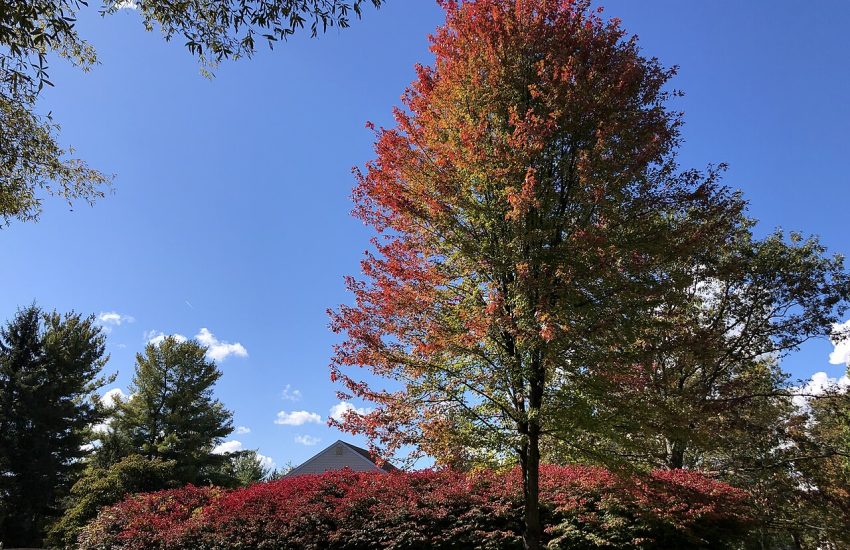
The Front Range chapter of Wild Ones puts it plainly in its design advice. If you don’t have existing trees and shrubs, design them in first. They’re your longest-living plants, your tallest plants, and your visual backdrop.
They also shape the rest of the garden. A tree or large shrub may shade a big area, so the perennials you’d choose for that spot in year one may not suit it in year five.
Buying structure first also lines up with planting seasons. University of Maryland Extension says fall, winter when the soil isn’t frozen, and early spring are the best times to plant trees and shrubs, and that summer planting is stressful for plants in full leaf.
Site Assessment Before You Write the List
Map what’s already there
Wild Ones recommends designing around existing trees and shrubs instead of fighting them. Mark them on a sketch first, along with their shade.
It also warns that established trees used to lawn irrigation will still need water after you convert the lawn around them.
Note sun, soil, and moisture by zone
Divide the bed into zones: shaded under existing canopy, part sun at the edge, and full sun in the open. Check soil moisture in each one after rain.
You’ll write a separate shopping list for each zone, so get this right before you buy. Our site-matching worksheet gives you a form for recording each zone.
Measure mature widths, not pot sizes
Structure plants are where spacing mistakes cost the most. A shrub that arrives in a one-gallon pot may need six or eight feet of width at maturity.
Our guide on how many native plants you need shows how to convert mature widths into a plant count.
Design: Four Buying Rounds
Think of the shopping list as four rounds, each building on the last.
Round 1: Trees
Buy and plant trees first, because they set the shade for everything else. In a typical yard that means one or two, not a dozen.
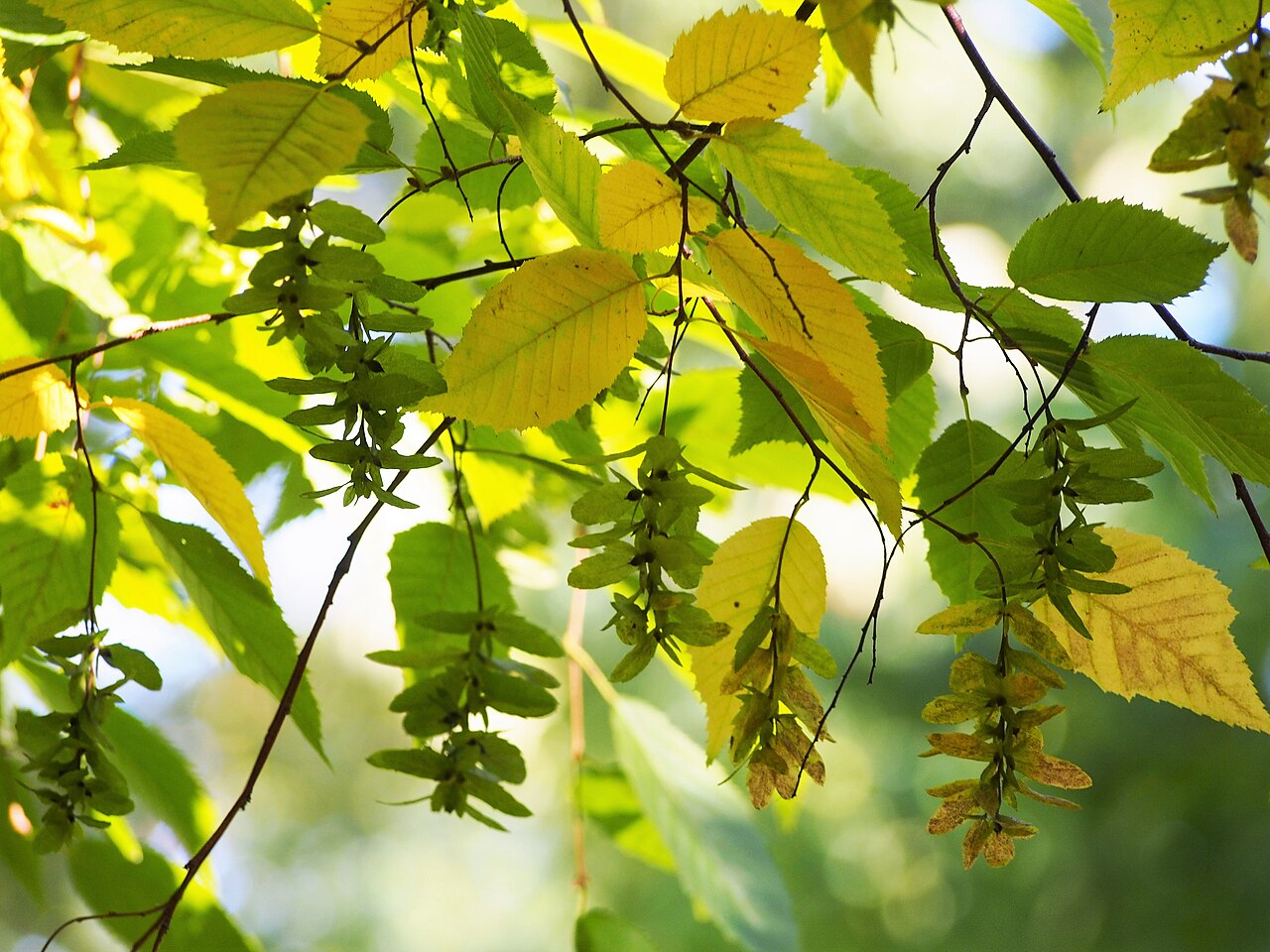
American hornbeam is a good example of a small structure tree for shade or part shade. NC State gives its size as 20 to 30 feet tall and 20 to 35 feet wide, and lists it for moist soil that can flood occasionally. Our American hornbeam understory layout shows a shady-yard plan built around it.
Round 2: Shrubs
Shrubs are the walls and rooms of the garden. Plant them in groups of three or more, spaced at their mature width, to form a backdrop.
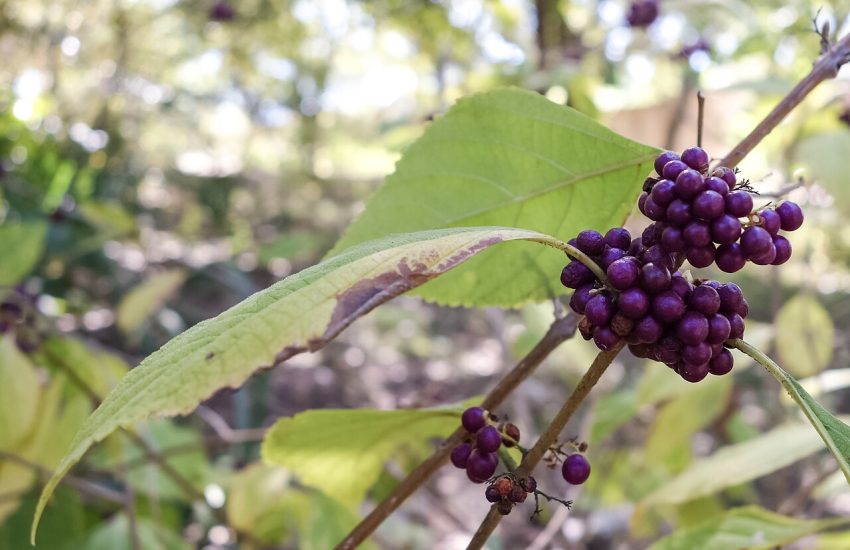
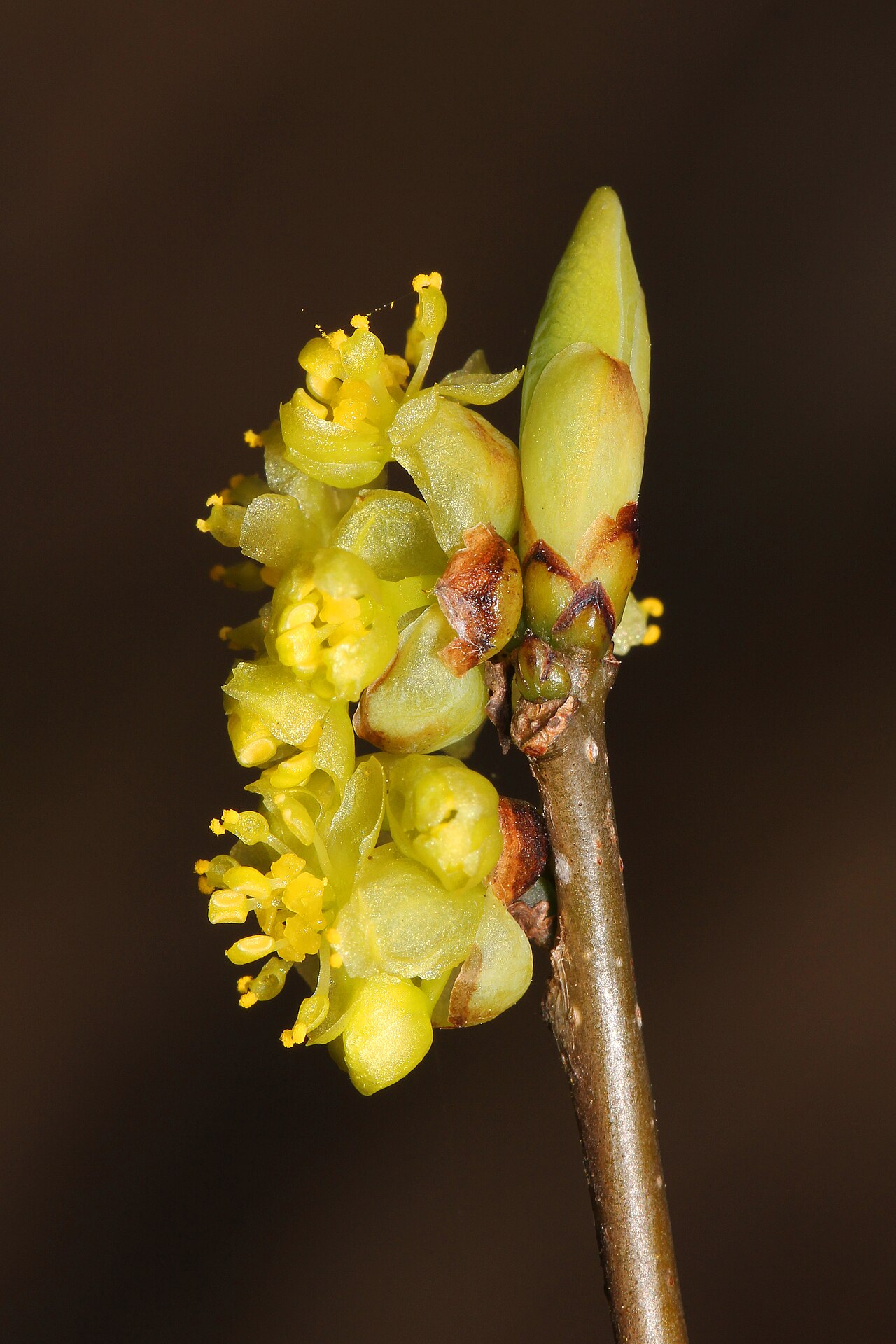
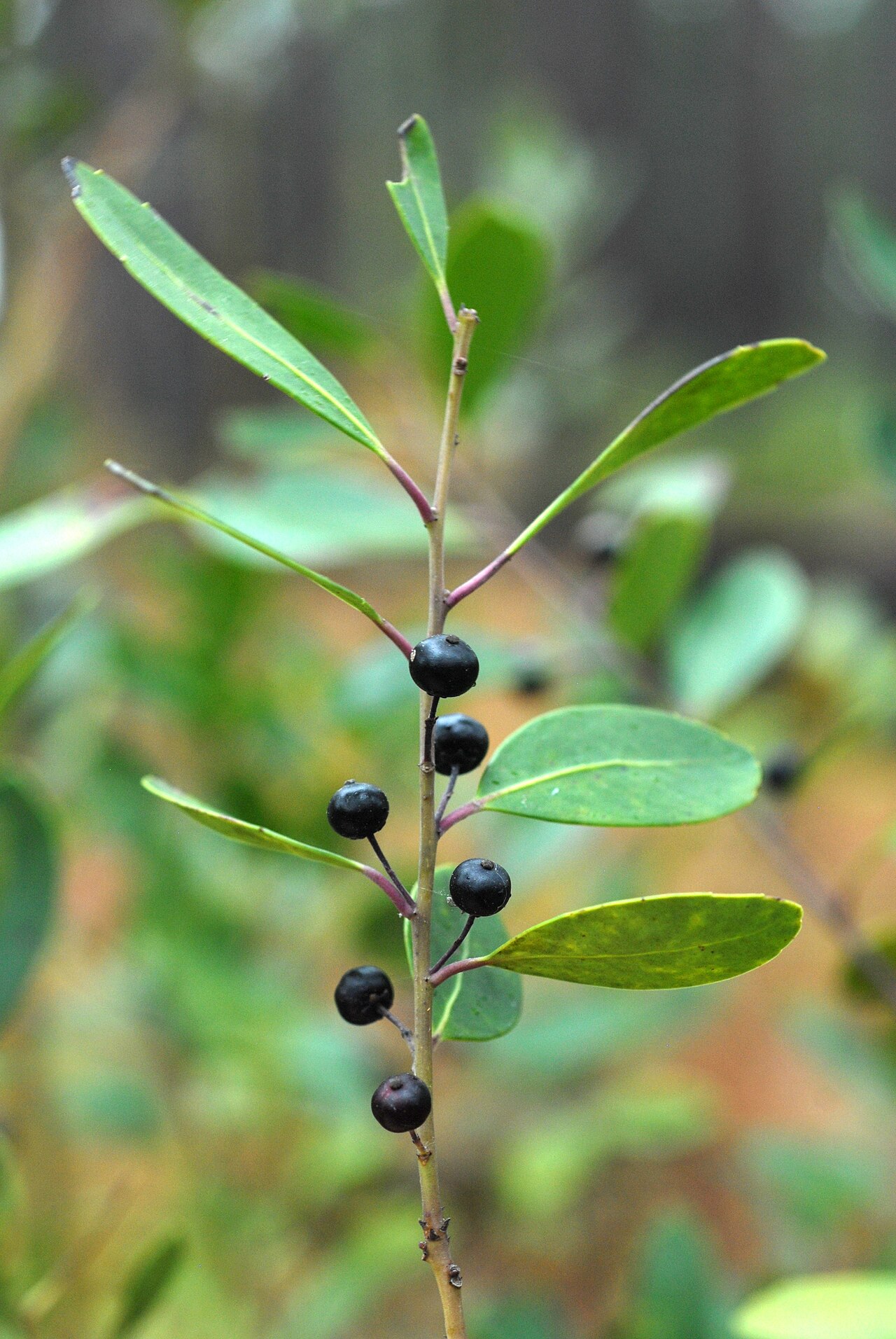
For a moist, shady zone, spicebush grows 6 to 15 feet tall, per the Wildflower Center. For evergreen structure, inkberry is a 5- to 10-foot holly that likes moist, acid soil; the Wildflower Center notes you need a male and a female plant for berries. In the sunnier zone, common ninebark grows 5 to 8 feet and tolerates clay, loam, or sand.
Round 3: The ground layer
This is the layer that covers soil between shrubs and holds the design together. Buy it in quantity, in one or two species, and repeat it.
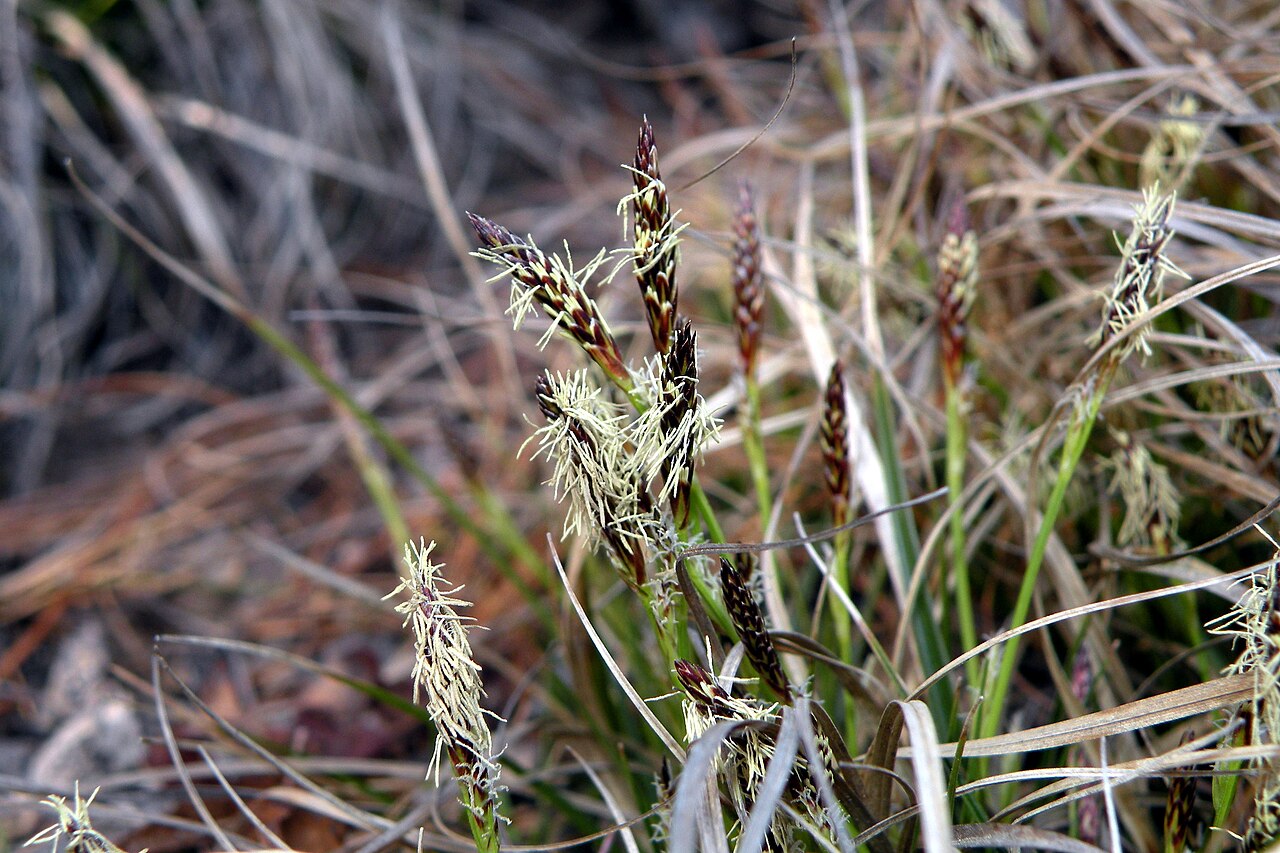
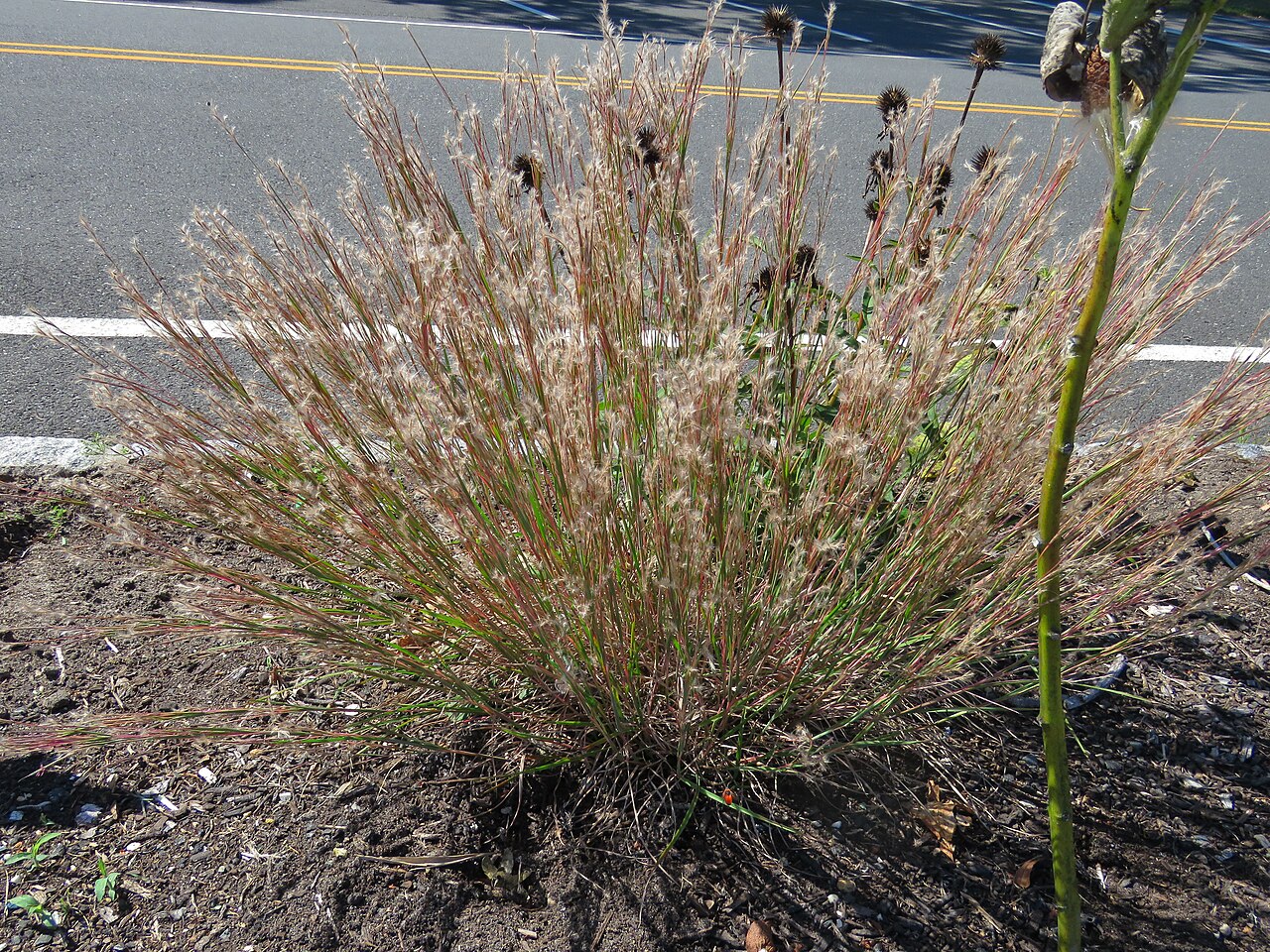
In sun, little bluestem forms clumps 2 to 4 feet tall in well-drained soil, according to NC State. In shade, Pennsylvania sedge is a low, grass-like plant 6 to 12 inches high, per the Wildflower Center.
Wild Ones suggests choosing multiples of each species and planting them together in swaths. A limited palette of 10 to 15 species is a good starting point for a whole yard, and fewer for a small bed. Our plan for three native plants repeated well shows how few species you need for a bed that looks intentional.
Round 4: Accent flowers
Now buy the showy plants. With trees and shrubs in place, you’ll know where the sun actually falls and how much room is left.
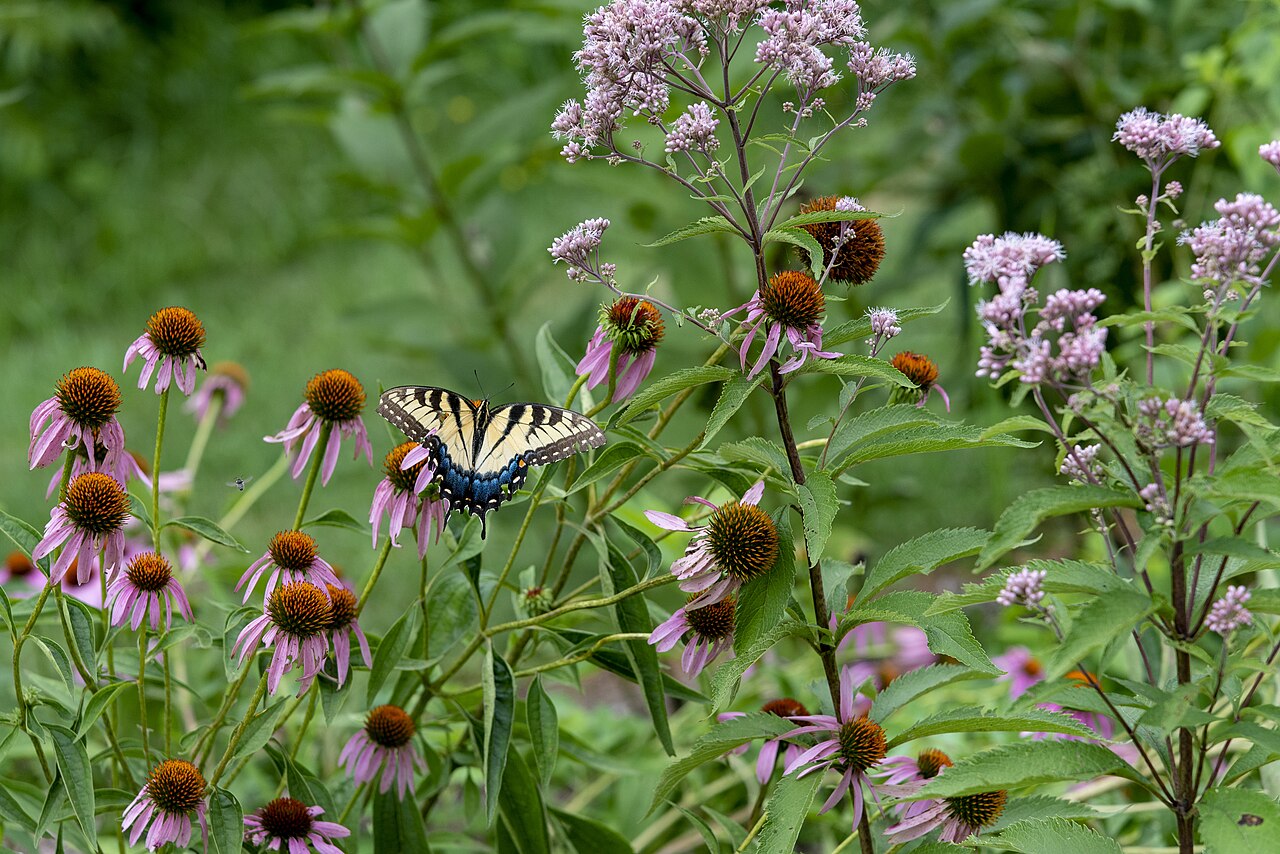
Purple coneflower grows 3 to 4 feet tall in full sun to part shade, per NC State. New England aster reaches 3 to 6 feet and brings late color. Wild Ones recommends planning bloom in succession, spring next to summer next to fall bloomers.
Plant Palette: Example Shopping List by Round
Sizes from NC State Extension; ranges from the Lady Bird Johnson Wildflower Center. This list fits much of the eastern U.S.; confirm each species is native to your county.
| Plant | Buying round and role | Height | Sun / moisture | Native range |
|---|---|---|---|---|
| American hornbeam | 1: Small shade tree | 20–30 ft | Shade to part shade; moist | S. Ontario and ME, south to FL, west to MN, IA, AR, east TX |
| Spicebush | 2: Shrub backdrop, shade | 6–15 ft | Sun to shade; moist | S.W. ME and MI to KS, south to FL and TX |
| Inkberry | 2: Evergreen shrub | 5–10 ft | Sun to part shade; moist, acid | Coastal plain, Nova Scotia to FL and LA |
| Common ninebark | 2: Shrub backdrop, sun | 5–8 ft | Sun to part shade; dry to moist | NY to MN and SD, south to FL, AR, KS |
| Little bluestem | 3: Ground layer, sun | 2–4 ft | Full sun; well-drained | Quebec to Alberta, south through much of the U.S. east of the Rockies |
| Pennsylvania sedge | 3: Ground layer, shade | 6–12 in | Dappled to deep shade; dry to moist | S. Quebec to ND and MT, south to GA, AR, WY |
| Purple coneflower | 4: Summer accent | 3–4 ft | Sun to part shade; well-drained | GA to NE TX, north to NC, OH, IL, IA |
| New England aster | 4: Fall accent | 3–6 ft | Sun to part shade; moist to average | Quebec and ME to SC, west to the eastern Great Plains |
Sample Shopping List for a 20 × 40-Foot Yard-Edge Bed
- Round 1 (fall or early spring): 1 American hornbeam at one end, sited where its eventual canopy can spread past the bed
- Round 2 (same season or next): 3 spicebush under and beside the tree; 3 inkberry, including at least one male; 2 ninebark at the sunny end
- Round 3 (following spring): little bluestem in groups across the sunny zone; Pennsylvania sedge in drifts under the shrubs
- Round 4 (once shrubs are in): purple coneflower and New England aster in groups of 3 to 5 where sun remains
- Count before you buy: use mature widths from your plant sources to set final numbers for each round
Regional Swaps
The rounds stay the same everywhere. Only the species change.
- Pacific Northwest: vine maple or tall Oregon grape as structure; native sedges and bunchgrasses as the ground layer.
- Texas and the Southwest: small native trees and evergreen shrubs suited to your ecoregion first; native bunchgrasses as the ground layer.
- Upper Midwest and prairie states: shrubs at the edges and native grasses as the dominant ground layer, with prairie flowers as accents.
Check your regional list for the specific structure plants that fit your area.
Installation Steps
- Plant Round 1 in the dormant season. UMD notes that some trees with fleshy roots, including dogwoods, magnolias, and tulip poplar, do better planted in spring.
- Plant shrubs next. UMD says broadleaf evergreens are generally best planted in spring, though hollies can also be moved at other times.
- Mulch and water the structure plants. Give them a season to settle before filling in around them.
- Add the ground layer the following spring. Plugs and small pots are an economical way to fill large areas.
- Place accents last. Set pots out on the bed and look at the light before planting.
For a project you’ll install across two seasons, our two-season native garden installation plan lays out the timing in more detail.
The First Three Years
- Year one: Plant trees and shrubs. Water through dry spells. Keep weeds down with mulch between the structure plants.
- Year two: Add the ground layer. Watch how much shade the young trees and shrubs already cast.
- Year three: Add or adjust accent flowers. Move any accents that are getting too much or too little sun now that the structure has grown.
When you start each round, our checklist for buying native plants online covers botanical names, provenance, and pot sizes.
Mistakes to Avoid
- Buying flowers first. You’ll end up planting shrubs on top of perennials or leaving no room for them.
- Planting structure plants too close. Space by mature width, even if the bed looks empty for a few years.
- Buying one of everything. Wild Ones recommends multiples of fewer species for a harmonious look.
- Ignoring existing trees. Design around them, and keep watering them after the lawn is gone.
- Planting woody plants in midsummer. UMD advises avoiding summer planting where possible.
- Forgetting a male holly. Inkberry and other hollies need both sexes for berries.
📋 Check your area’s list before you buy structure plants: American hornbeam, spicebush, and ninebark all appear on our New York, Pennsylvania, and northern New Jersey native plant list.
Frequently Asked Questions
Why should I buy trees and shrubs before perennials?
They’re the longest-lived, tallest plants and they set the shade and spacing. Wild Ones advises designing them in first, and they’re best planted in fall, winter, or early spring.
How many species should a native garden shopping list include?
Fewer than most people expect. Wild Ones suggests 10 to 15 species for a whole yard as a starting rule of thumb, planted in multiples.
Can I plant everything at once?
You can, but spacing and light decisions are easier when the structure plants are already in. Buying in rounds also spreads out cost and watering.
What counts as a structure plant?
Trees, large and evergreen shrubs, and anything that holds the garden’s shape through winter. Grasses and sedges in repeated groups act as structure at ground level.
Do I need a professional plan first?
Not for a small bed. A sketch showing existing trees, sun zones, and mature widths is enough to write a structure-first list.
Sources
- Wild Ones Front Range Chapter: How to Approach Designing Your Native Plant Landscape
- University of Maryland Extension: Planting a Tree or Shrub
- NC State Extension Plant Toolbox: Carpinus caroliniana
- NC State Extension Plant Toolbox: Ilex glabra
- NC State Extension Plant Toolbox: Physocarpus opulifolius
- NC State Extension Plant Toolbox: Schizachyrium scoparium
- NC State Extension Plant Toolbox: Carex pensylvanica
- NC State Extension Plant Toolbox: Echinacea purpurea
- NC State Extension Plant Toolbox: Symphyotrichum novae-angliae
- Lady Bird Johnson Wildflower Center: Carpinus caroliniana
- Lady Bird Johnson Wildflower Center: Lindera benzoin
- Lady Bird Johnson Wildflower Center: Ilex glabra
- Lady Bird Johnson Wildflower Center: Physocarpus opulifolius
- Lady Bird Johnson Wildflower Center: Schizachyrium scoparium
- Lady Bird Johnson Wildflower Center: Carex pensylvanica
- Lady Bird Johnson Wildflower Center: Echinacea purpurea
- Lady Bird Johnson Wildflower Center: Symphyotrichum novae-angliae