
Twining Snakelily (Dichelostemma volubile)
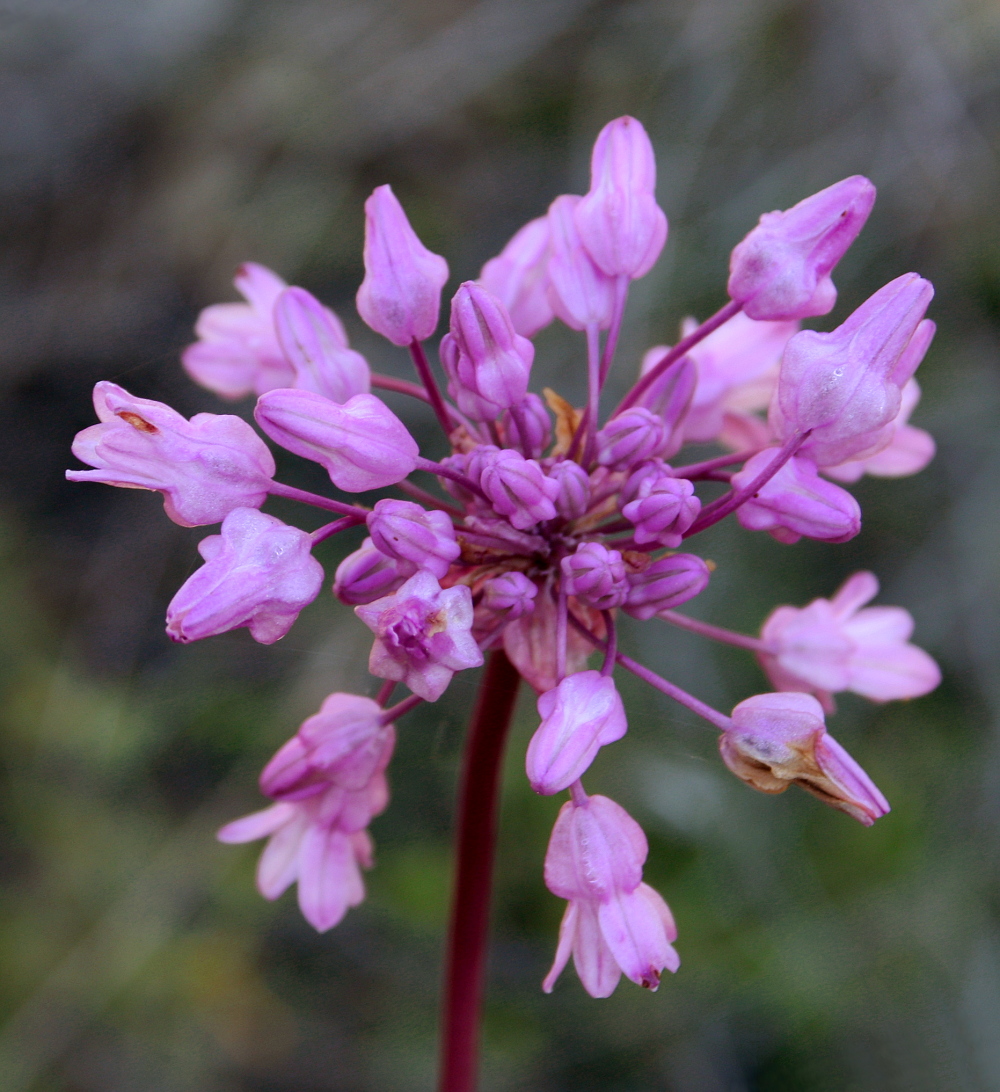
Dichelostemma volubile, known as Twining Snakelily, twining brodiaea or snake lily, is a California endemic wildflower that grows from an underground corm. It is found only in the foothills around the Sacramento Valley and the central Sierra Nevada, where it grows in chaparral, oak woodland and foothill woodland.
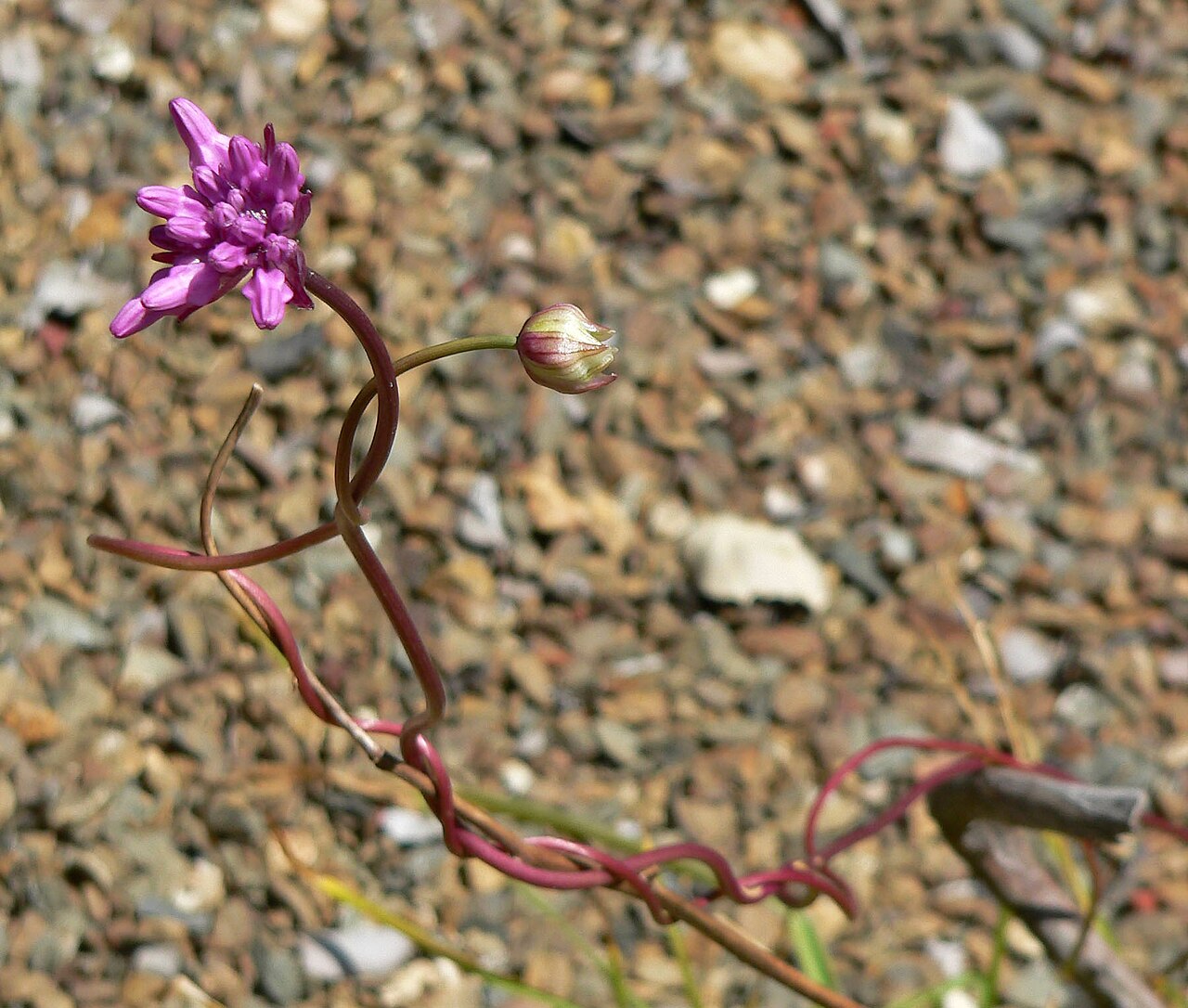
It is one of the strangest of California’s bulbs. Instead of standing upright, its slender, reddish flower stem twines around the branches of nearby shrubs, climbing several feet and sometimes much farther before it opens a rounded cluster of bright pink, urn-shaped flowers in late spring. The grasslike leaves have usually withered by the time it blooms, so the flowers seem to hang from the shrub itself.
Twining snakelily is uncommon in gardens but can be grown from seed or nursery-grown corms by patient gardeners in dry-summer climates. Never dig corms from the wild. This guide covers how to identify it, where it grows, how to grow it and its value to pollinators.
Identification
Twining snakelily is easy to identify in bloom: a twisting, vine-like flower stem winding through a shrub, topped with a ball of pink flowers. No other California brodiaea climbs.
Growth Habit
Each plant grows from a small, rounded corm a few inches underground. In winter it produces one to a few grasslike leaves, and in spring a single, leafless flower stem. The stem is slender, smooth and often reddish, and it twists and twines around twigs and stems, climbing up and through shrubs. It is usually 2 to 5 feet long and occasionally longer. Without support, it sprawls and coils on the ground.
Leaves
The leaves are long, narrow and grasslike, keeled underneath, and appear in winter and early spring. They usually dry up and wither by the time the plant flowers, as in other brodiaeas.
Flowers
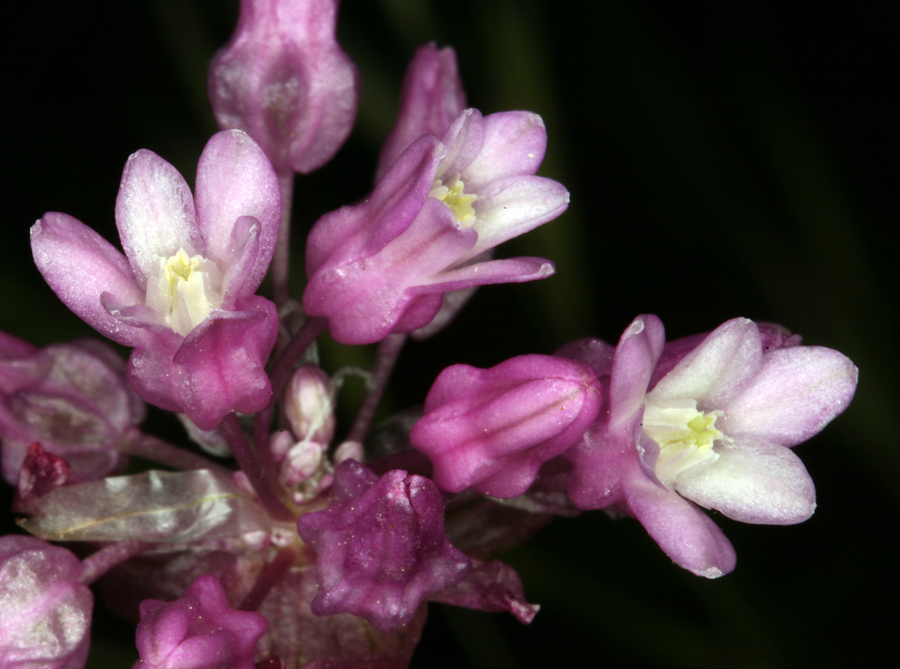
The flowers are borne in a rounded umbel of about 6 to 30 flowers at the tip of the stem, each on its own short stalk. Each flower is about 1/2 inch long, with a pink to rose, urn-shaped or angled tube and six short, spreading tips. Inside the throat are small, white, notched appendages that form a little crown around the three stamens. Bloom is mainly from April into June.
Fruit & Corm
After flowering, each flower forms a small, three-parted capsule with black seeds. The stem withers in summer, and the plant survives the dry season as a dormant corm underground, sprouting again with the fall and winter rains.
Look-alikes
Blue dicks (D. capitatum) and ookow (D. congestum) have upright, straight stems with heads of blue to violet flowers. Firecracker flower (D. ida-maia) has red and green tubular flowers. Harvest brodiaea and other Brodiaea have open, violet flowers on short, upright stems. None of them twine.
Quick Facts
| Scientific Name | Dichelostemma volubile (Kellogg) A. Heller |
| Family | Themidaceae (brodiaea family; formerly in Liliaceae) |
| Plant Type | Perennial from a corm, with a twining flower stem |
| Mature Height | Stems 2–5 ft long, climbing through shrubs |
| Mature Spread | 6–12 in at the base |
| Growth Rate | Slow (several years from seed to flower) |
| Sun Exposure | Full sun to part shade |
| Water Needs | Low; dry summer dormancy |
| Soil Type | Well-drained loam, gravel or rocky soil |
| Soil pH | Slightly acidic to neutral (about 6–7.5) |
| Bloom Time | April–June |
| Flower Color | Pink to rose |
| Fall Color | None; dormant in summer and fall |
| Fruit | Small three-parted capsule with black seeds |
| Deer Resistant | Moderate; corms are eaten by gophers |
| USDA Hardiness Zones | About 8–10 |
Native Range
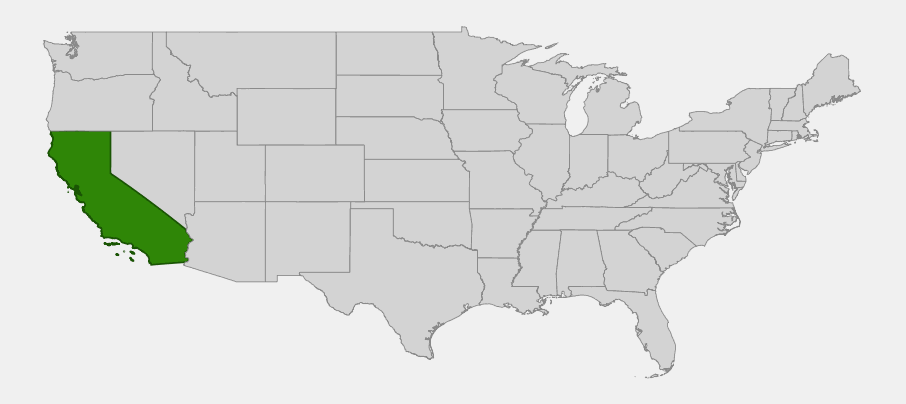
Twining snakelily is endemic to California: it grows wild nowhere else. USDA PLANTS lists it only in California, and it has a fairly small range in the northern half of the state.
It is found in the foothills on both sides of the Sacramento Valley: on the west side in the inner North Coast Ranges, and on the east side in the foothills of the northern Sierra Nevada and southern Cascades, from Butte and Yuba counties south through Nevada, Placer and El Dorado counties. Scattered populations extend south along the Sierra Nevada foothills into the central Sierra, as far as Fresno County.
Typical habitats are chaparral, oak woodland, foothill pine woodland and brushy slopes and canyons, usually at foothill elevations. It is almost always found among shrubs, which it needs for support, often on rocky or gravelly slopes.
📋 Regional plant lists featuring Twining Snakelily: California & Nevada
Growing & Care Guide
Twining snakelily is a collector’s bulb for California and similar dry-summer gardens. It is occasionally offered by native plant nurseries and specialist bulb growers. Plant it at the base of a shrub it can climb, and give it winter rain and a dry summer.
Light
Grow it in full sun to part shade. In the wild it climbs up through shrubs to reach the light, so it is happiest with its roots at the base of a shrub and its flowers in the sun.
Soil & Water
It needs well-drained soil: loam, gravel or rocky soil, or a raised bed or pot with a gritty mix. Water during the winter and spring growing season if rains are scarce, then let it dry out completely after flowering. Summer water in warm soil can rot the corms. In California gardens it usually needs no irrigation once planted.
Planting Tips
Plant nursery-grown corms in fall, about 3 to 4 inches deep, at the base of a small shrub such as a ceanothus, manzanita or other native shrub that will support the stem. A tomato cage or a few twiggy stakes also work. In pots, give each corm a support to climb. Never dig corms from the wild; buy them from reputable growers or grow them from seed.
Pruning & Maintenance
Very little care is needed. Let the stems and leaves wither naturally after bloom so the corm can store energy. Protect corms from gophers with wire baskets if gophers are common, and mark where they are planted so you do not dig them up during summer dormancy.
Propagation
Grow it from seed sown in fall in a deep pot of well-drained mix, left outdoors for winter rain and cool temperatures. Seedlings form tiny corms and usually take three or more years to reach flowering size. Established corms also produce small offsets that can be separated during summer dormancy.
Landscape Uses
- California native gardens: a twining bulb that weaves pink flowers through shrubs
- Chaparral and woodland gardens: grows naturally with ceanothus, manzanita and toyon
- Pollinator gardens: late-spring flowers for butterflies and bees
- Containers: an unusual potted bulb with a support to climb
- Dry-summer landscapes: dormant and needs no water in summer
Wildlife & Ecological Value
Twining snakelily blooms in late spring in the foothills, when many grassland wildflowers have finished, and its flowers feed butterflies and bees.
For Pollinators
The pink, tubular flowers are visited by butterflies, native bees and other insects. Holding its flowers up in the shrub canopy may help it attract pollinators above the dry grass.
For Birds
Seed-eating birds may eat the small black seeds, and the shrubs it climbs provide the cover birds use.
For Mammals
Pocket gophers and other rodents eat brodiaea corms, and deer may browse the flower stems. Its habit of growing among dense, sometimes spiny shrubs probably gives it some protection.
Ecosystem Role
Twining snakelily is part of the rich bulb flora of California’s foothills, where many species of Dichelostemma, Brodiaea, Triteleia and Calochortus grow together. These plants survive the dry summer as dormant corms or bulbs and provide spring flowers for pollinators and food for wildlife.
Cultural & Historical Uses
The genus name Dichelostemma comes from Greek words meaning “two-cleft crown,” a reference to the notched appendages in the flower’s throat. The species name volubile means “twining.” It was first described in the 19th century by the California botanist Albert Kellogg, and has also been placed in the genus Brodiaea. Mary Elizabeth Parsons called it twining hyacinth in her 1897 book The Wild Flowers of California.
California Native peoples gathered the corms of many brodiaeas and related plants as food, often called “Indian potatoes.” Harvesting was traditionally done with care, and the digging helped spread the small corms. Today, wild corms should be left in place; the plants are slow to replace and many foothill habitats have been lost to development.
Twining snakelily is sometimes grown in botanical gardens, such as the University of California Botanical Garden at Berkeley and the Regional Parks Botanic Garden in Tilden Park, where visitors can see it climbing through shrubs in late spring.
Frequently Asked Questions
Where does twining snakelily grow?
Only in California, in the foothills around the Sacramento Valley, including the northern Sierra Nevada foothills and the inner North Coast Ranges, with scattered populations south into the central Sierra foothills.
Why does twining snakelily climb?
Its flower stem twines around the branches of shrubs, lifting the flowers up into the light. Without support, the stem sprawls on the ground.
Can I grow twining snakelily?
Yes, in dry-summer climates. Plant nursery-grown corms in fall in well-drained soil at the base of a shrub or support, water in winter and spring if needed, and keep it dry in summer.
Can I dig up wild twining snakelily corms?
No. Buy corms or seed from reputable native plant nurseries. Wild plants are slow to replace, and digging damages their habitat.
When does twining snakelily bloom?
Mainly from April into June, usually after its leaves have dried up.

Looking for a nursery that carries Twining Snakelily?
Browse our native plant nursery directory: California

