
Sugar Apple (Annona squamosa)
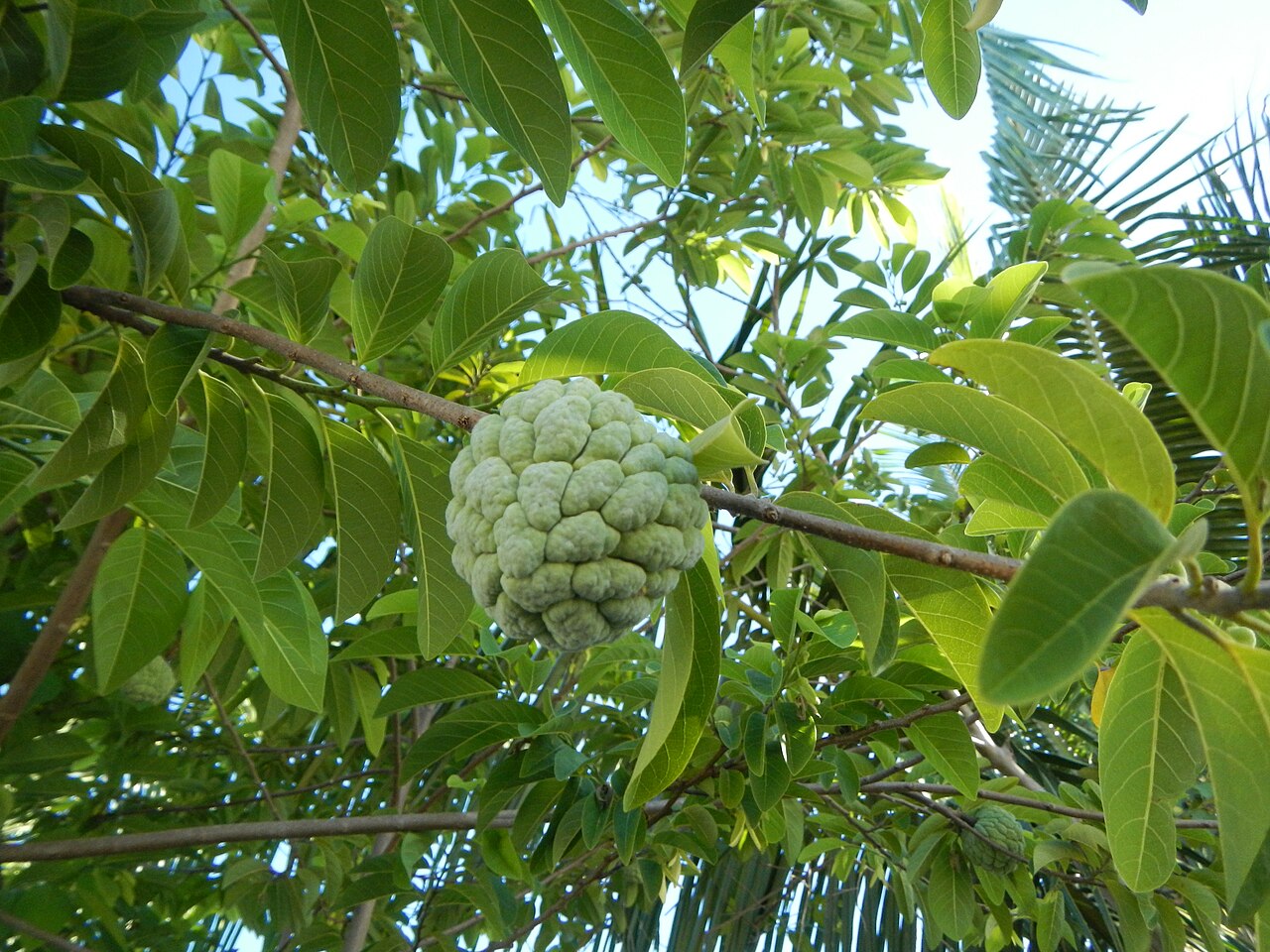
Annona squamosa, the Sugar Apple, also called sweetsop or custard apple and known in Puerto Rico as anón, is a small tropical tree in the custard apple family (Annonaceae). It grows 10 to 25 feet tall, with slender, zigzag branches and thin, oblong leaves, and it bears round, knobby, pale green fruits 2 to 4 inches across. Inside is a sweet, creamy white pulp with a custard-like texture, packed around shiny black seeds.
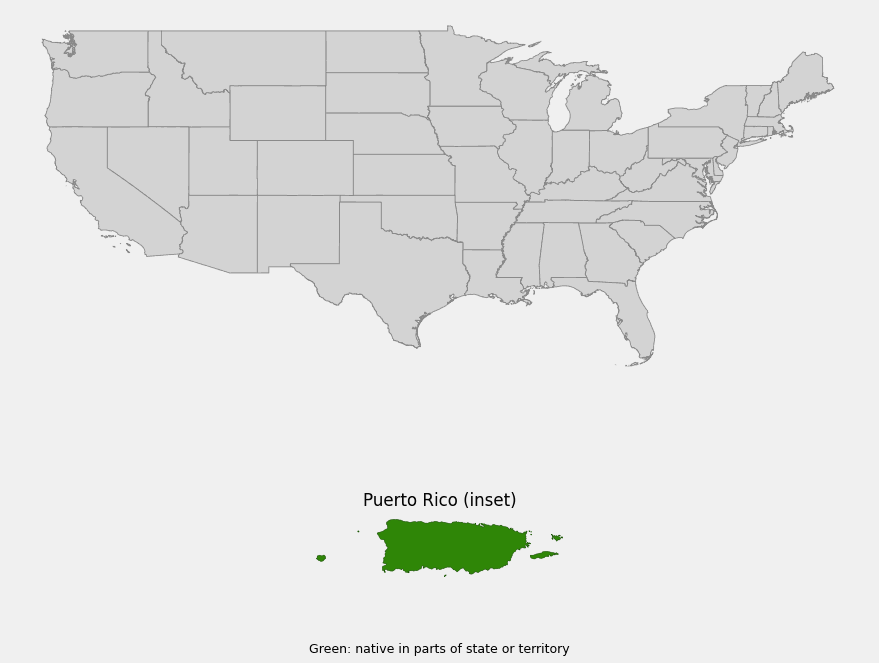
USDA PLANTS lists sugar apple as native to Puerto Rico and the U.S. Virgin Islands. It belongs to the tropical Americas, although its exact original home is uncertain because people have planted it for so long. It was carried to Asia in the 1500s and is now one of the most widely grown tropical fruits in the world, especially in India, Southeast Asia and the Philippines.
In the United States it can be grown outdoors only in frost-free areas: Puerto Rico, Hawaii and the warmest parts of South Florida and the Keys (roughly USDA zones 10b to 13). Elsewhere it can be kept in a large container and moved indoors for winter. It is a fast, easy fruit tree that can bear fruit within 2 or 3 years of planting from seed.
Identification
Look for a small, open, semi-deciduous tree with thin, oblong leaves that smell faintly sweet when crushed, drooping greenish-yellow flowers, and round, pale green fruits covered in rounded bumps.
Growth Habit
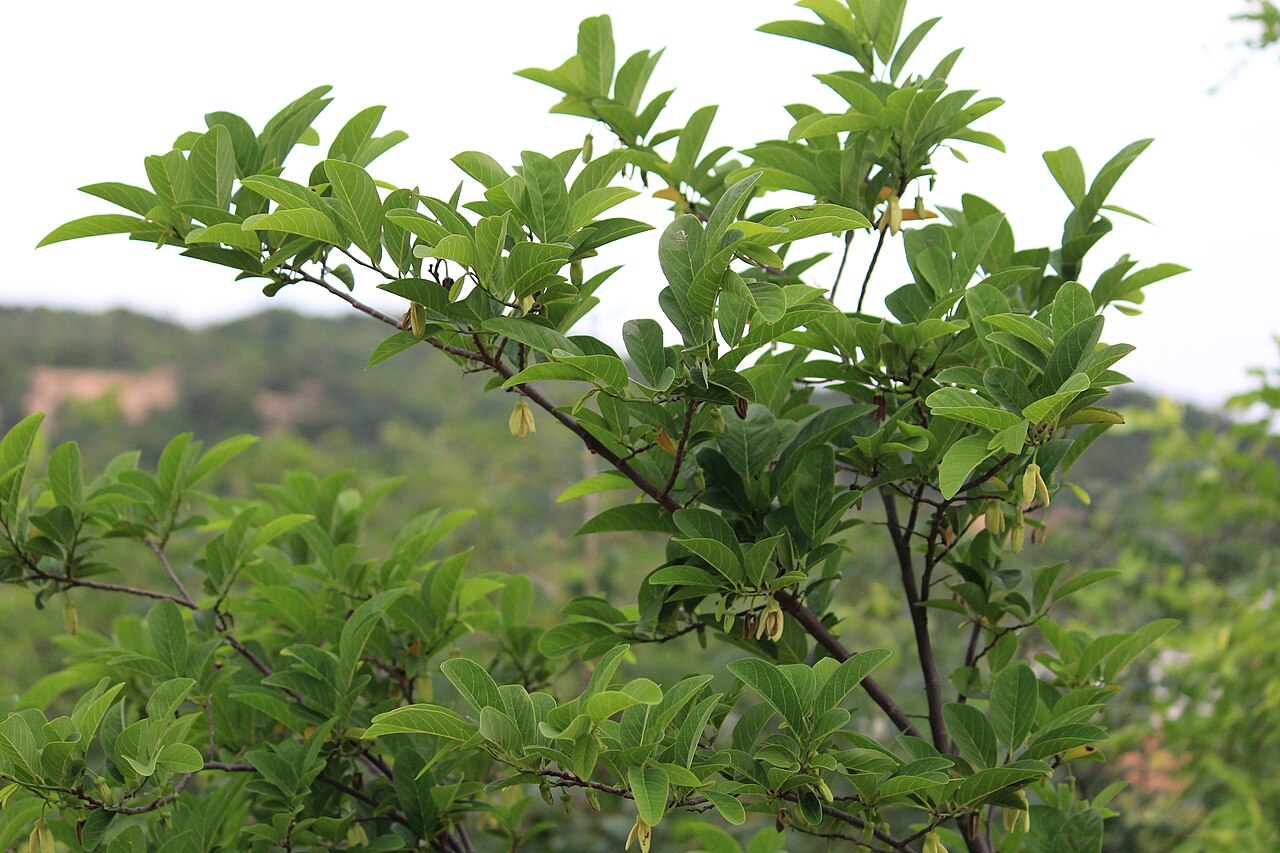
Sugar apple is a small tree or large shrub, usually 10 to 20 feet tall and occasionally up to about 26 feet, with an open, irregular crown. The branches are slender and zigzag, with light brown bark dotted with pale lenticels. It is semi-deciduous: in a dry season or a cool winter it drops many of its leaves and puts out new ones in spring, at the same time as the flowers.
Leaves
The leaves are alternate, simple and thin, about 2 to 6 inches long and 1 to 2 inches wide, oblong to lance-shaped with a pointed tip and smooth edges. They are dull green above and paler and slightly bluish beneath, hairy at first and then nearly hairless, on short stalks. They have a faint, sweetish smell when crushed.
Flowers
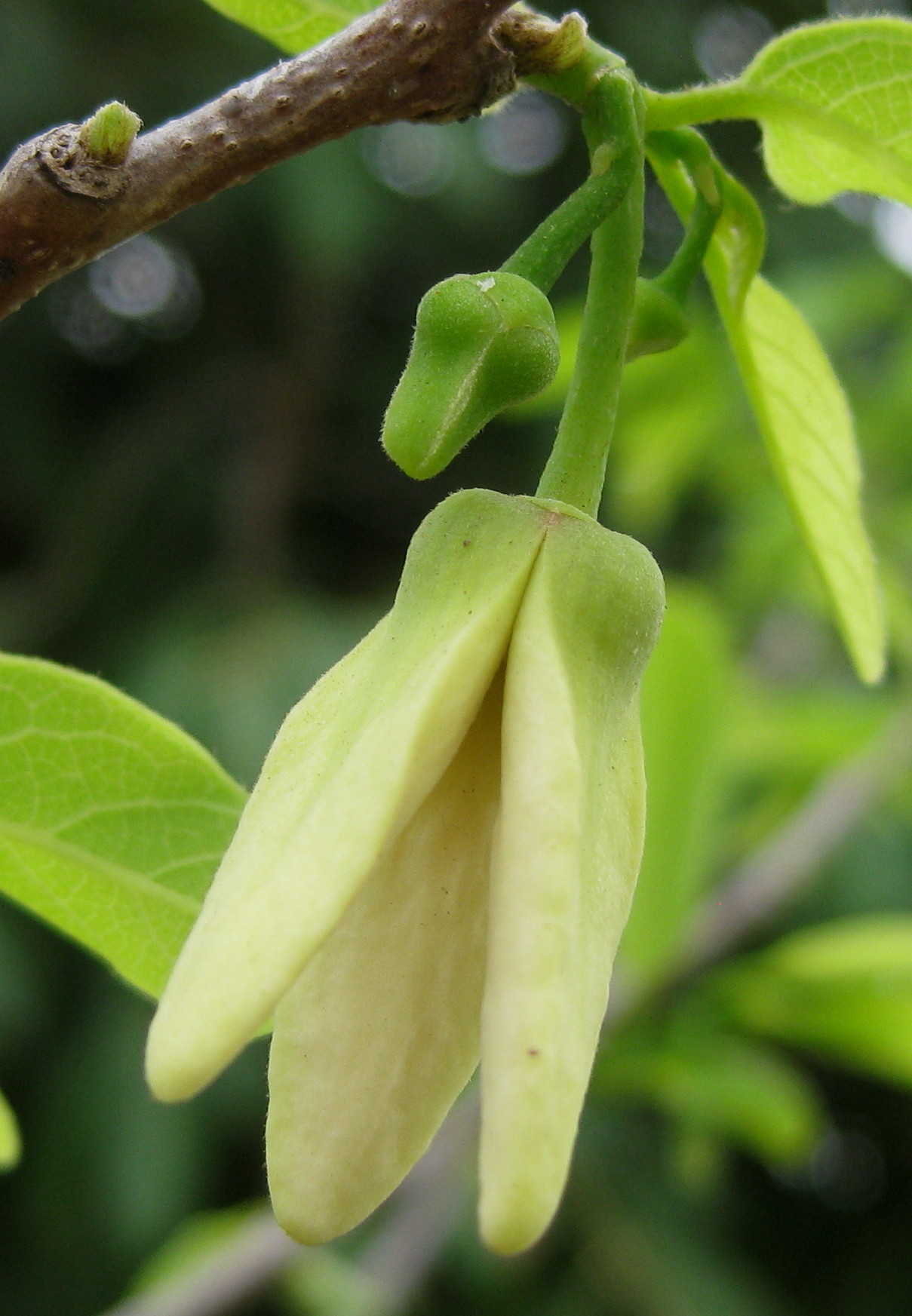
The flowers hang singly or in small clusters of 2 to 4 from the twigs, opposite the leaves or on older wood. Each is about 1 inch long, with three thick, narrow, greenish-yellow outer petals that are purplish at the base and barely spread apart. The three inner petals are tiny or missing. Inside are many crowded stamens around a cone of pistils. The flowers open mainly in spring and early summer, with new leaves.
Fruit & Seeds
The fruit is round to heart-shaped, about 2 to 4 inches across, with a rough skin made of many rounded, knob-like segments, each one formed from a separate pistil. It is pale green to bluish-green with a whitish bloom (some forms are reddish-purple) and ripens 3 to 4 months after flowering. When ripe it turns soft and slightly yellowish between the segments, and the segments start to separate. The white pulp is sweet and fragrant, and each segment holds a smooth, dark brown to black seed about 1/2 inch long. A fruit can have 20 to 40 or more seeds.
Look-alikes
Several relatives grow in Puerto Rico. Soursop (Annona muricata, guanábana) has much larger, oval fruits covered with soft spines and glossy, leathery leaves. Custard apple (Annona reticulata, corazón) has smoother, heart-shaped, reddish-brown fruits with a net-like pattern. Pond apple (Annona glabra), a wetland tree of Florida and the Caribbean, has smooth, yellowish fruits and thick, glossy leaves. Atemoya, a hybrid of sugar apple and cherimoya, has fruits with smoother, less separated segments.
Quick Facts
| Scientific Name | Annona squamosa |
| Family | Annonaceae (custard apple family) |
| Plant Type | Small semi-deciduous tree or large shrub |
| Mature Height | 10–25 ft |
| Mature Spread | 10–20 ft |
| Growth Rate | Fast |
| Sun Exposure | Full sun |
| Water Needs | Moderate; tolerates short dry spells |
| Soil Type | Well-drained sandy, rocky, limestone or loam soils |
| Soil pH | Slightly acidic to alkaline (about 6.0–8.0) |
| Bloom Time | Spring to early summer |
| Flower Color | Greenish-yellow, purplish at the base |
| Fall Color | None; leaves drop in dry or cool seasons |
| Fruit | Knobby green aggregate fruit with sweet white pulp, summer to fall |
| Deer Resistant | Not applicable in most of its range |
| USDA Hardiness Zones | 10b–13 |
Native Range
Within the United States, USDA PLANTS lists sugar apple as native to Puerto Rico and the U.S. Virgin Islands. It grows wild in Puerto Rico in lowland dry and moist forests, thickets, pastures and roadsides, most often near the coast and around farms and homes, where it has been planted for generations. USDA also lists Florida, but in Florida it is generally treated as a cultivated tree that has escaped and naturalized in a few spots in the far south, so it is not shown on the map for Florida.
Beyond the United States, it grows throughout the West Indies and from Mexico through Central America to northern South America. Botanists agree that it comes from the tropical Americas, but because it has been cultivated and spread by people since before Europeans arrived, its exact native range is uncertain. Spanish traders carried it to the Philippines and Asia in the 1500s, and it is now naturalized in many tropical countries.
It does best in hot lowland climates with a distinct dry season and is less tolerant of cool, humid mountain conditions than its relative the cherimoya. In Puerto Rico it is most common at low elevations, especially in the drier south and west.
📋 Regional plant lists featuring Sugar Apple: Puerto Rico
Growing & Care Guide
Sugar apple is one of the easiest tropical fruit trees to grow. It needs heat, sun and good drainage, and it must be protected from frost. Grafted trees of named varieties are sold by tropical fruit nurseries in Florida, Puerto Rico and Hawaii, and seedlings are easy to raise.
Light
Full sun gives the best growth and the most fruit. It tolerates light shade but fruits poorly there. Indoors or in a greenhouse, give it the brightest spot available, such as a south-facing window or a sunroom.
Soil & Water
Plant it in well-drained soil. It grows well in sand, limestone (including the rocky soils of South Florida and the Keys) and loam, but it will not tolerate standing water or soggy roots. Water regularly while it is flowering and the fruit is growing; drought at that time causes fruit to drop or dry out. In winter, when the tree is partly leafless, water less. Mature trees tolerate short dry spells.
Planting Tips
Outdoors, it can be grown only in frost-free climates (zones 10b to 13). Young trees are damaged near 32°F and killed a few degrees below freezing. In South Florida, plant it in the warmest, most sheltered part of the yard. In colder areas, grow it in a large container (15 gallons or more) with a fast-draining potting mix and bring it indoors when nights drop below about 50°F. Container trees stay small and can still flower and fruit. Space garden trees about 15 feet from buildings and other trees.
Pruning & Maintenance
Prune lightly after harvest to keep the tree low and open, which makes it easier to pick fruit and lets light into the canopy. Feed young trees lightly every couple of months in the growing season. The flowers are pollinated by small beetles, and fruit set is often poor where beetles are scarce, such as in screened areas or indoors. Growers in Florida often hand-pollinate: collect pollen with a small brush from flowers that are shedding it in the afternoon and dust it into flowers that are just opening. Pick fruits when the skin between the segments turns pale yellowish, and let them soften at room temperature for a few days.
Propagation
Seed is the easiest method. Sow fresh seeds about 1/2 inch deep in warm, moist soil; they germinate in about 3 to 5 weeks. Seedlings can bear in 2 to 4 years, but the fruit quality varies. Named varieties are grafted or budded onto sugar apple seedlings to get reliable, high-quality fruit.
Landscape Uses
- Edible landscapes: sweet, custard-like fruit on a small, easy tree
- Containers and patios: can be kept small and moved indoors in cold areas
- Puerto Rico and Hawaii yards: a traditional backyard fruit tree in frost-free gardens
- Wildlife gardens: fallen fruit feeds birds, bats and other animals
- Dry tropical gardens: tolerates heat, limestone soils and a dry season
Wildlife & Ecological Value
Sugar apple flowers and fruit feed a range of tropical animals, from tiny beetles to fruit bats.
For Pollinators
Like most members of its family, sugar apple is pollinated mainly by small beetles, especially sap beetles (Nitidulidae), which crawl inside the nearly closed flowers to feed and mate. The flowers first act as female (receptive) and later as male (shedding pollen), which encourages cross-pollination. Bees visit them only rarely.
For Birds
Birds peck at ripe and split fruits on the tree, eating the sweet pulp. They can damage a home crop, so some growers bag the fruits as they ripen.
For Mammals
In Puerto Rico and the Caribbean, fruit bats such as the Jamaican fruit bat feed on ripe sugar apples at night and help spread the seeds. Rats and other small mammals also eat fallen fruit.
Ecosystem Role
In the wild, sugar apple is a small understory and edge tree in dry lowland forests and thickets. Its seeds are spread by the animals that eat its fruit, which helps it colonize pastures and disturbed ground. It is closely tied to people, and in much of the Caribbean it grows wild around old farms and homesites.
Cultural & Historical Uses
The genus name Annona comes from anón, the Taíno name for the fruit, which is still used in Puerto Rico and other Spanish-speaking Caribbean islands. The species name squamosa means scaly, describing the fruit’s knobby segments. In India it is called sitaphal, and in the Philippines atis.
The atemoya, a cross between sugar apple and the Andean cherimoya, was first made in Florida in 1908 by USDA plant breeders. It combines the sugar apple’s tolerance of heat with the cherimoya’s larger, less seedy fruit, and is now grown commercially in Florida, Australia and Taiwan.
Safety note: only the ripe pulp is eaten. The seeds are hard and toxic and should not be chewed or swallowed, and the seeds, leaves and bark contain acetogenins and other compounds that are irritating or toxic. Crushed seeds have long been used in folk medicine to kill head lice and insects, but seed powder is very irritating and can seriously injure the eyes. Do not use seeds, leaves or bark as home remedies.
Frequently Asked Questions
Is sugar apple native to the United States?
Yes, in Puerto Rico. USDA PLANTS lists sugar apple (anón) as native to Puerto Rico and the U.S. Virgin Islands. In Florida it is a cultivated fruit tree that has escaped in a few places.
What is the difference between sugar apple and soursop?
Both are Annona trees. Sugar apple has small, round, knobby fruits with very sweet pulp. Soursop (guanábana) has much larger, spiny-looking green fruits with tangy pulp and bigger, glossier leaves.
Can I grow a sugar apple tree indoors?
Yes, in a large pot in bright light, if you move it outside in warm weather. Indoor trees often need hand-pollination to set fruit, and they should be kept above about 50°F.
How long does a sugar apple tree take to fruit?
Grafted trees can bear in 1 to 3 years and seedlings in about 2 to 4 years. The fruit ripens 3 to 4 months after the flowers, mostly in late summer and fall.
Are sugar apple seeds poisonous?
Yes. Eat only the pulp and spit out the seeds. The seeds, leaves and bark contain toxic compounds, and crushed seeds can injure the eyes and skin.

Looking for a nursery that carries Sugar Apple?
Our nursery directory does not yet include Puerto Rico. Browse the native plant nursery directory by state: Alabama–Arkansas · California · Colorado–Hawaii · Idaho–Kansas · Kentucky–Montana · Nebraska–Oklahoma · Oregon · Pennsylvania–Virginia · Washington · West Virginia–Wyoming

