
Silver Cluster Cactus (Mammillaria prolifera)
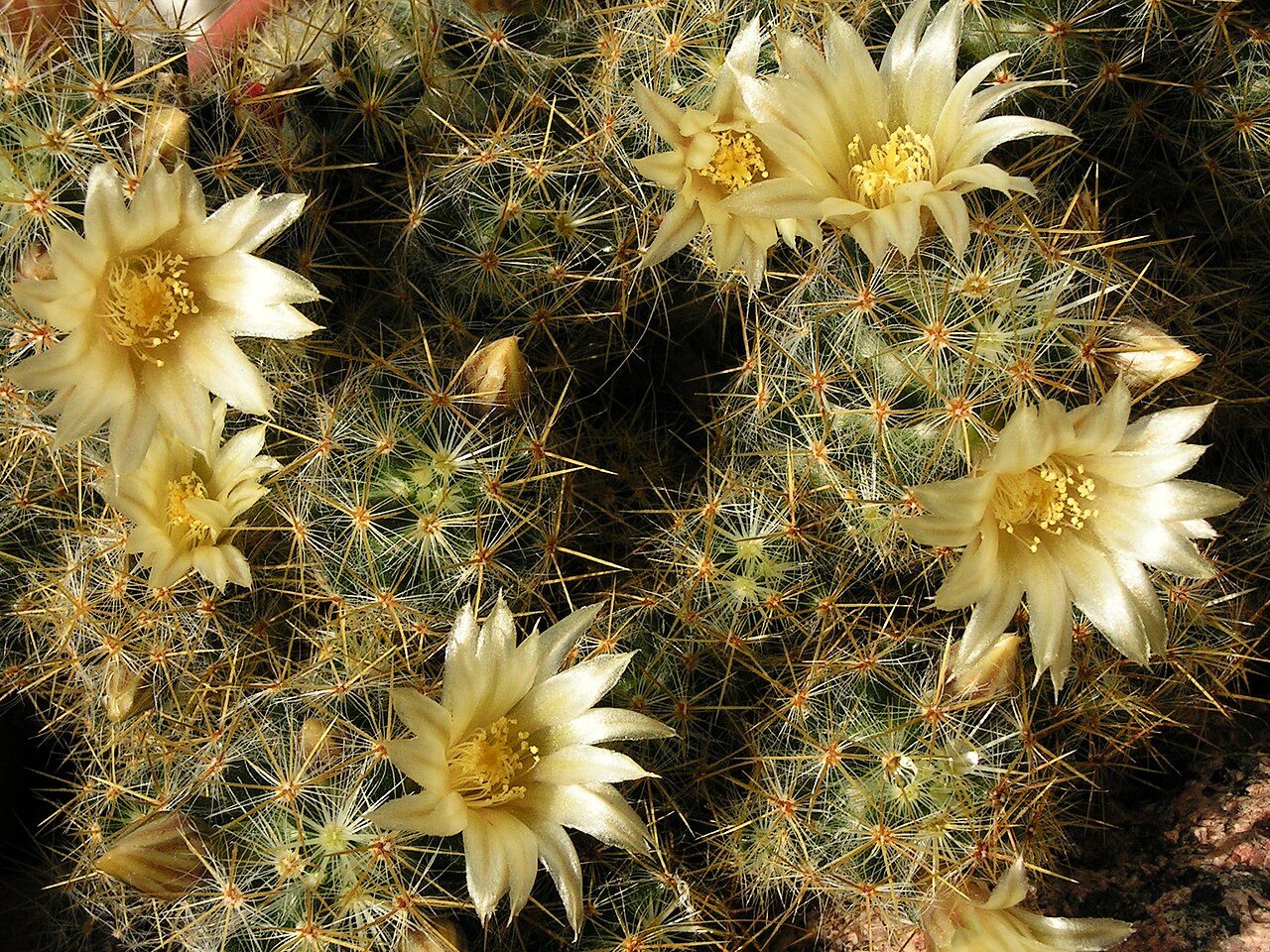
Mammillaria prolifera, the Silver Cluster Cactus, also called the Texas nipple cactus, grape cactus or hair-covered cactus, is a small, clump-forming cactus with round heads covered in fine white hairs and bristly spines. It is one of the most widely grown cacti in the world and a fixture of windowsills and garden-center shelves. Fewer people know that it is a native plant of the United States: its subspecies texana grows wild in the brush country of South Texas.
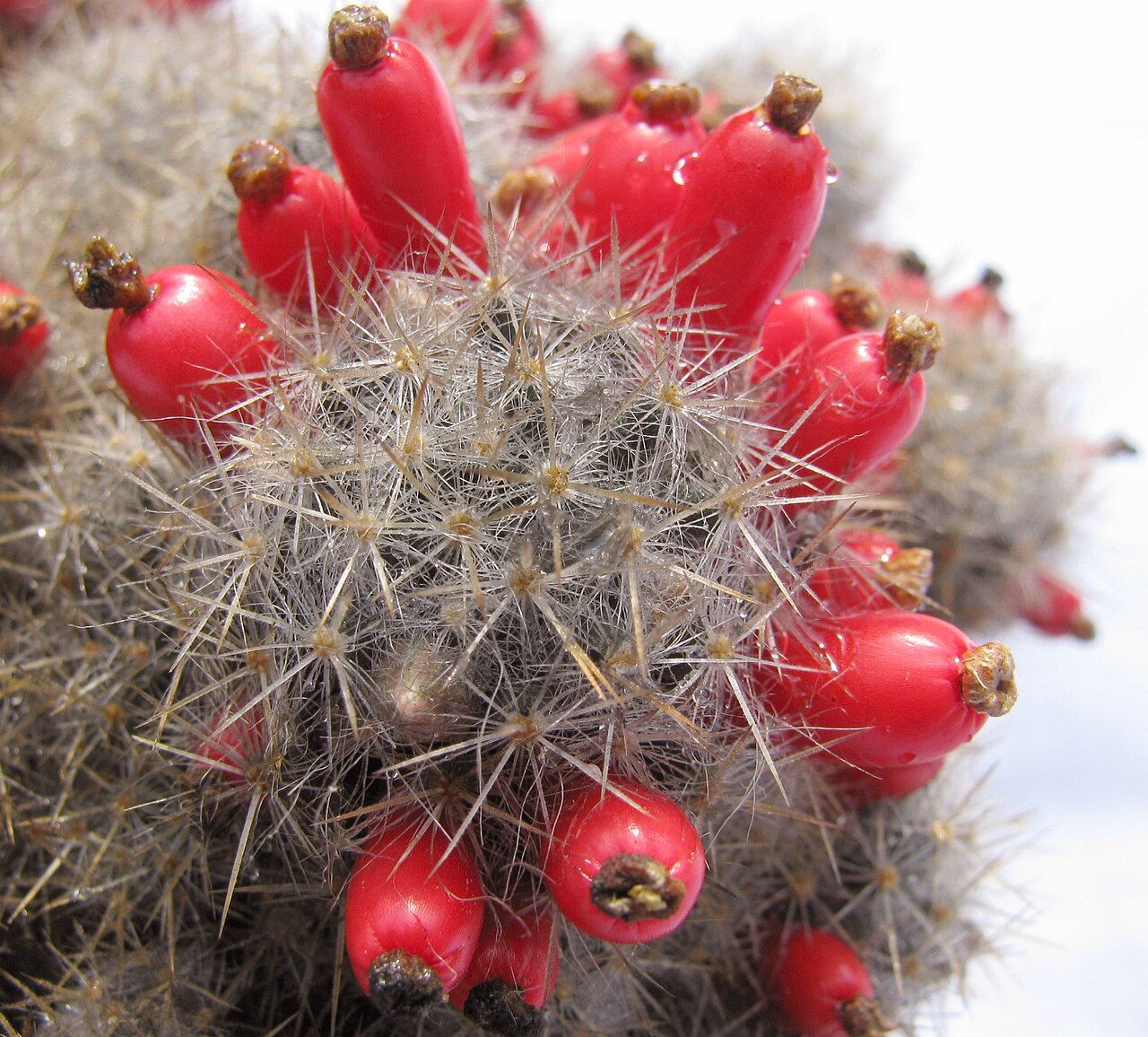
The species name prolifera means “producing offspring”, and it fits. Each head buds off many small offsets around its base, so a single plant soon becomes a mound of dozens of heads. In spring it opens small, pale yellow to cream flowers, followed by bright red, cylindrical fruits that may stay on the plant for months.
This page covers how to identify silver cluster cactus, where it grows wild in Texas, and how to grow it, outdoors in warm, dry climates and as a houseplant everywhere else. It is an easy cactus for beginners as long as it gets bright light, fast-draining soil and a dry rest in winter.
Identification
Mammillaria cacti have their spines on small, nipple-shaped tubercles, and their flowers form a ring around the top of the stem in the grooves between the tubercles. Silver cluster cactus is identified by its small heads, which cluster freely, and the dense, hair-like white radial spines and wool that give it a silvery look. Its Texas neighbor, little nipple cactus (M. heyderi), has a single, flat-topped stem that rarely clusters and milky sap.
Stems
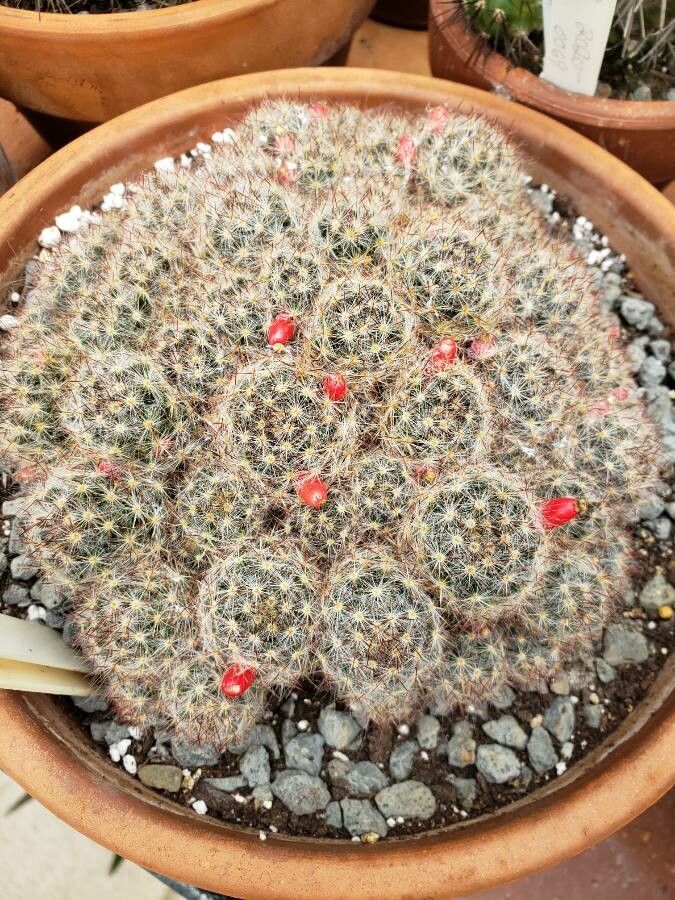
Each head is round to short-cylindrical, usually 1 to 2½ inches wide and up to about 3½ inches tall. The heads offset freely from the base and sides, forming dense clumps or mounds that can grow to a foot or more across in time. The surface is covered in small, conical to cylindrical tubercles, with fine white hairs in the spaces between them. The sap is clear, not milky.
Spines
Each tubercle carries many thin, bristle-like to hair-like white or pale radial spines that spread in all directions, and several stiffer central spines that are yellowish to reddish-brown with darker tips. The spines are not hooked. In the Texas subspecies they are often relatively long and dense, hiding the green stem beneath a pale tangle.
Flowers
In spring, mainly April to June, small, funnel-shaped flowers about ½ to ¾ inch long open around the upper part of each head. They are pale yellow to cream, sometimes tinged pink, salmon or brown on the outer petals.
Fruit
The fruits are bright red, smooth, club-shaped berries about ⅓ to ¾ inch long, with the dried flower still attached at the tip. They ripen months after flowering and often stay on the plant well into the following year, which is why the plant looks dotted with red beads. They are edible, with a mild, sweet-tart flavor, and contain small black seeds.
Quick Facts
| Scientific Name | Mammillaria prolifera (Mill.) Haw.; Texas plants: subsp. texana (Engelm.) D.R. Hunt (syn. M. multiceps) |
| Family | Cactaceae (cactus family) |
| Plant Type | Small, clump-forming cactus |
| Mature Height | 2–4 in |
| Mature Spread | Clumps 6–12 in or more |
| Growth Rate | Moderate; offsets freely |
| Sun Exposure | Full sun to part shade (bright light indoors) |
| Water Needs | Low; dry rest in winter |
| Soil Type | Very fast-draining gravelly, sandy or rocky soil; cactus mix in pots |
| Soil pH | Neutral to alkaline (about 6.5–8.0) |
| Bloom Time | Spring (Apr–Jun) |
| Flower Color | Pale yellow to cream, sometimes pinkish |
| Fall Color | None |
| Fruit | Bright red, club-shaped edible berry |
| Deer Resistant | Yes |
| USDA Hardiness Zones | 9–11 outdoors; houseplant elsewhere |
Native Range
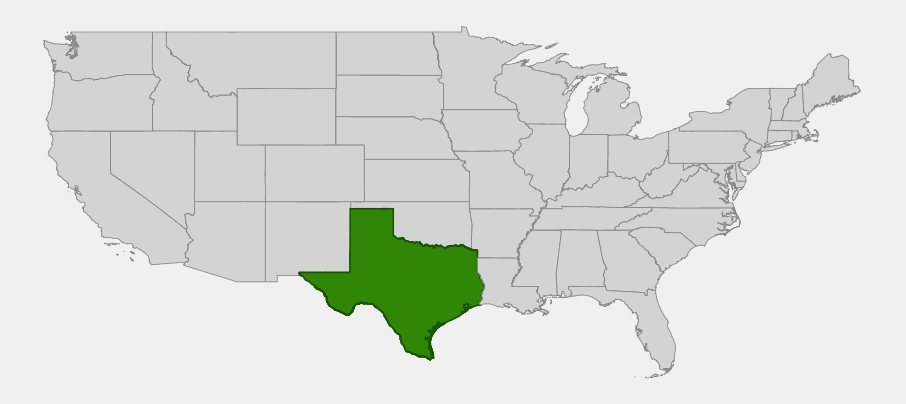
In the United States, silver cluster cactus grows wild only in Texas, as Mammillaria prolifera subsp. texana. It occurs in South Texas, mainly in the Rio Grande Plains (the South Texas brush country), from near the Rio Grande northward toward the southern edge of the Edwards Plateau. It grows in Tamaulipan thorn scrub on limestone, caliche, gravel and sandy soils, often tucked in the partial shade of shrubs or rocks, where its clumps are easy to miss.
Beyond Texas, subsp. texana continues into northeastern Mexico, in Coahuila, Nuevo León and Tamaulipas. The species as a whole also has two other subspecies: subsp. arachnoidea in central Mexico, and the typical subsp. prolifera in the Caribbean, on Cuba and Hispaniola. The species was first described in 1768 from Caribbean plants, and potted plants sold under this name can come from any of the subspecies, not only the Texas form.
Like all cacti in Texas, wild plants should be left in place. Brush clearing and development have removed much of the thorn scrub where it grows. Silver cluster cactus is easy to grow from seed and offsets, so buy nursery-grown plants.
📋 Regional plant lists featuring Silver Cluster Cactus: South & West Texas
Growing & Care Guide
Silver cluster cactus is one of the easiest cacti to grow. Outdoors it suits rock gardens and containers in warm, dry climates (roughly USDA zones 9 to 11). Everywhere else it is a reliable houseplant for a sunny window. The rules are the same in both cases: lots of light, very fast drainage, water only when the soil is dry, and a cool, dry rest in winter.
Light
Outdoors, give it full morning sun and some afternoon shade in the hottest areas; in the wild it often grows in the light shade of shrubs. Indoors, a south- or west-facing window or a bright spot under grow lights is best. In low light the heads stretch and become pale, and the plant rarely flowers. Move houseplants outside gradually in summer to avoid sunburn.
Soil & Water
Use a gritty cactus mix, or a standard cactus mix with extra pumice, perlite or coarse sand, in a pot with a drainage hole. From spring to early fall, water thoroughly, then let the soil dry out completely before watering again. In winter, water very little or not at all, especially if the plant is kept cool. Wet soil in cool weather leads to rot, the most common cause of death.
Planting Tips
Outdoors, plant in raised beds, rock gardens or on slopes in gravelly, fast-draining soil, and keep it dry in winter. It tolerates brief light frosts if dry, but protect it from hard freezes; in marginal areas, grow it in a pot you can move under cover. Shallow, wide pots suit its spreading clumps. Repot every two or three years in spring, wearing gloves or using folded paper to handle it.
Pruning & Maintenance
No pruning is needed. Remove old, shriveled or rotting heads with tweezers. Feed lightly with a diluted cactus fertilizer once or twice in spring and summer. A cool (about 45–55°F), dry, bright winter rest encourages spring flowers. Watch for mealybugs in the wool and spines, and for spider mites in dry indoor air.
Propagation
Easiest from offsets: gently twist or cut off a head, let it dry for a few days until the cut callouses, then set it on dry cactus mix and water lightly after a week or two. Offsets often root on their own where they touch the soil. It also grows readily from seed: squeeze the seeds out of ripe red fruits, rinse them, and sow on the surface of a moist, gritty mix in warmth and bright light.
Landscape Uses
- Houseplant: an easy, compact cactus for a sunny windowsill
- Rock gardens and xeriscapes: in warm, dry climates within its hardiness range
- Containers and dish gardens: its mounding clumps fill shallow pots
- Native Texas gardens: pairs with other South Texas cacti and shrubs
Wildlife & Ecological Value
In the South Texas brush country, silver cluster cactus is one of many small cacti that make up the thorn scrub understory. It is a modest plant, but its flowers and long-lasting fruits support small animals.
For Pollinators
The small, pale flowers are visited mainly by native bees, including small solitary bees, which gather pollen and nectar in spring.
For Birds
Birds eat the bright red fruits and can spread the seeds, often dropping them under the shrubs where they perch.
For Mammals
Rodents and other small mammals eat the fruits and seeds. The dense spines protect the stems from most browsers.
Ecosystem Role
As a small succulent that grows in the protection of larger “nurse” shrubs, it is part of the diverse low layer of Tamaulipan thorn scrub, one of the most species-rich habitats in Texas.
Cultural & Historical Uses
Silver cluster cactus has a long history in cultivation. The English gardener Philip Miller described it in 1768 as Cactus proliferus, from plants brought to London from the Caribbean, likely Cuba, calling it the “Small Childing Melon-Thistle”. The British botanist Adrian Hardy Haworth moved it to Mammillaria in 1812. It was only the second Mammillaria species to be described.
The Texas plants were named Mammillaria multiceps and later treated as a variety, then as subspecies texana, of M. prolifera. The species is very variable, and botanists have studied its subspecies through spine characters and chromosome counts.
Its ease of growth, quick clumping and long-lasting red fruits have made it one of the most commonly sold cacti in garden centers worldwide. In Mexico the fruits of Mammillaria species, called chilitos, have traditionally been eaten as a small snack.
Frequently Asked Questions
Is silver cluster cactus (Mammillaria prolifera) native to the United States?
Yes. Its subspecies texana grows wild in South Texas, mainly in the Rio Grande Plains, and in northeastern Mexico. USDA PLANTS lists it as native in Texas. Other subspecies grow in central Mexico and the Caribbean.
How do I care for silver cluster cactus indoors?
Give it a sunny window, a gritty cactus mix and a pot with drainage. Water thoroughly only when the soil is completely dry in spring and summer, and keep it nearly dry and cool in winter. Most problems come from too much water or too little light.
Is silver cluster cactus safe for pets?
It is not considered poisonous; the fruits are even edible. The main risk is the spines, which can lodge in skin, mouths and paws. Keep it out of reach of curious pets and children.
Why is my silver cluster cactus not flowering?
The usual causes are too little light and no winter rest. Give it the brightest spot you can, and keep it cool and dry in winter. Healthy, mature clumps then flower reliably in spring.
Can silver cluster cactus survive frost?
It tolerates brief, light frost if the soil is dry, but not hard freezes. Grow it outdoors only in about USDA zones 9 to 11, and protect it on frosty nights. Elsewhere, grow it in a pot and bring it indoors for winter.

Looking for a nursery that carries Silver Cluster Cactus?
Browse our native plant nursery directory: Texas

