
Braunton’s Milkvetch (Astragalus brauntonii)
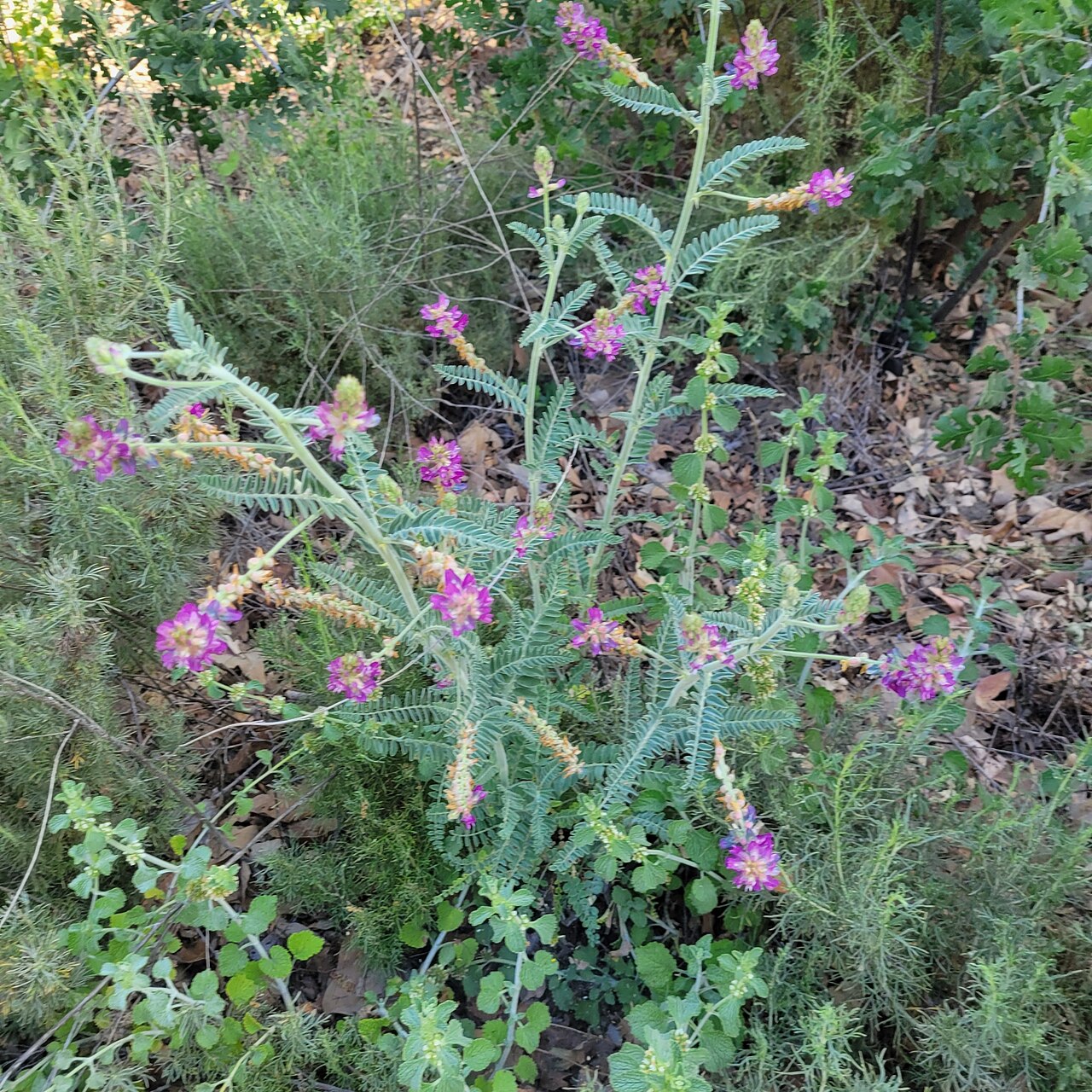
Astragalus brauntonii, known as Braunton’s Milkvetch (USDA: Braunton’s milkvetch), is a rare, short-lived perennial in the pea family (Fabaceae) found only in the foothills around the Los Angeles basin in southern California. It is a tall, coarse plant, often 3 to 5 feet high, with white-woolly stems, gray-green feathery leaves and dense spikes of rose-purple pea flowers in spring and early summer.
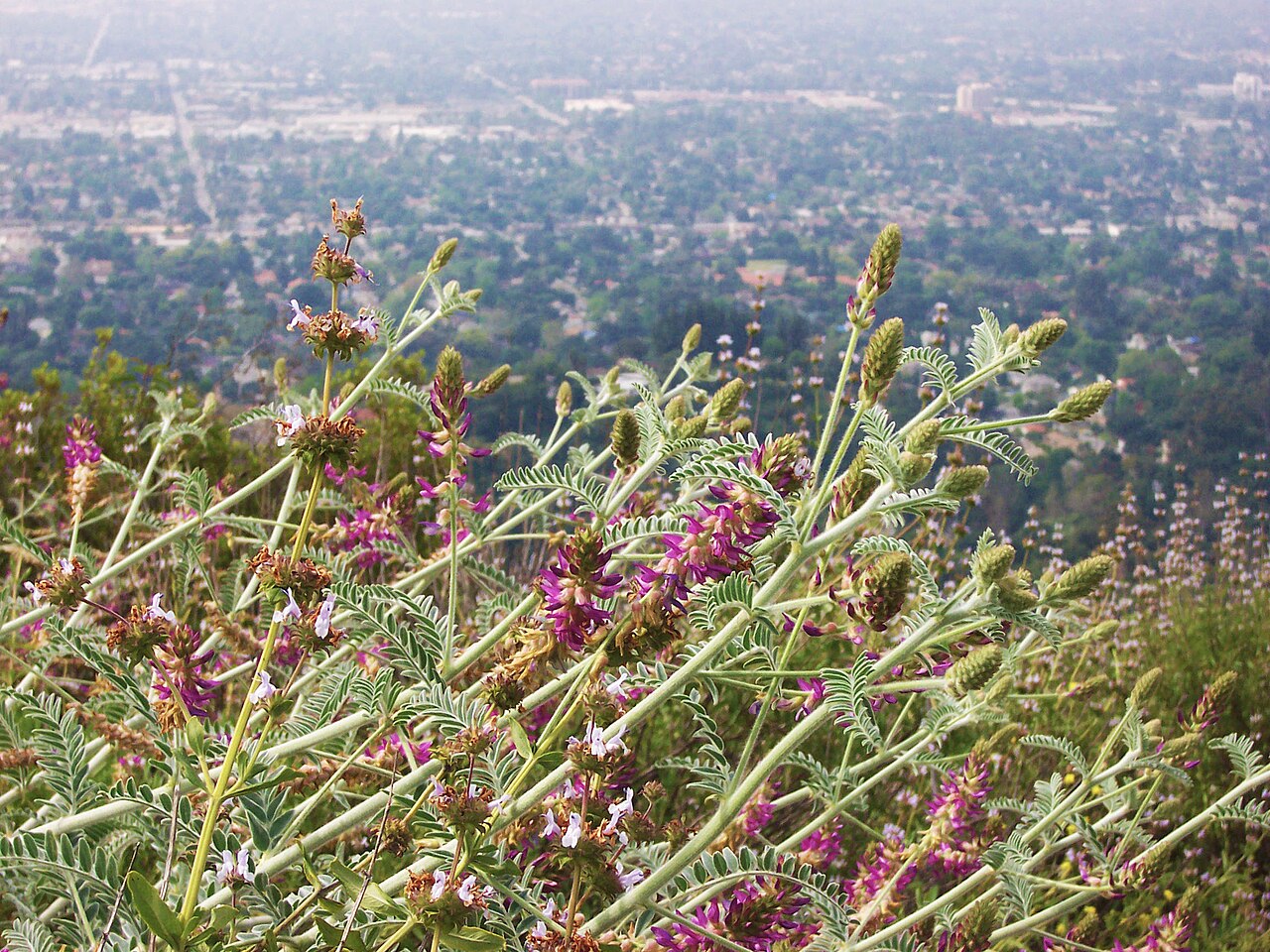
It is listed as endangered under the federal Endangered Species Act (since 1997) and is on the California Native Plant Society’s Rare Plant Inventory (rank 1B.1, seriously threatened). Most of its few known populations grow in the Santa Monica Mountains, the Simi Hills, the San Gabriel Mountain foothills and the Santa Ana Mountains, often within sight of houses and freeways.
Braunton’s milkvetch is a fire follower. Its hard-coated seeds wait in the soil for years, sometimes decades, and germinate in large numbers after wildfire or other soil disturbance, then the plants fade out as the chaparral closes in again. It cannot be bought as nursery stock, and wild plants and seeds must never be dug up or collected. This page is a guide to recognizing and appreciating it.
Identification
Braunton’s milkvetch is one of the tallest and woolliest milkvetches in southern California. Look for a big, gray, many-stemmed plant on a recently burned or disturbed slope, topped with spikes of purple pea flowers.
Growth Habit & Stems
A coarse, fast-growing perennial with a thick taproot and several stout, erect stems, usually 3 to 5 feet tall. Older plants develop a hardened, almost woody base. The stems are white and densely covered with fine, tangled, woolly hairs mixed with longer, wavy hairs, so the whole plant looks gray or silvery-green.
Leaves
The leaves are pinnately compound, several inches long, with many (often 25 or more) small, oblong leaflets arranged along a woolly central stalk. Both sides of the leaflets are covered in soft hairs, giving them a velvety, gray-green look.
Flowers
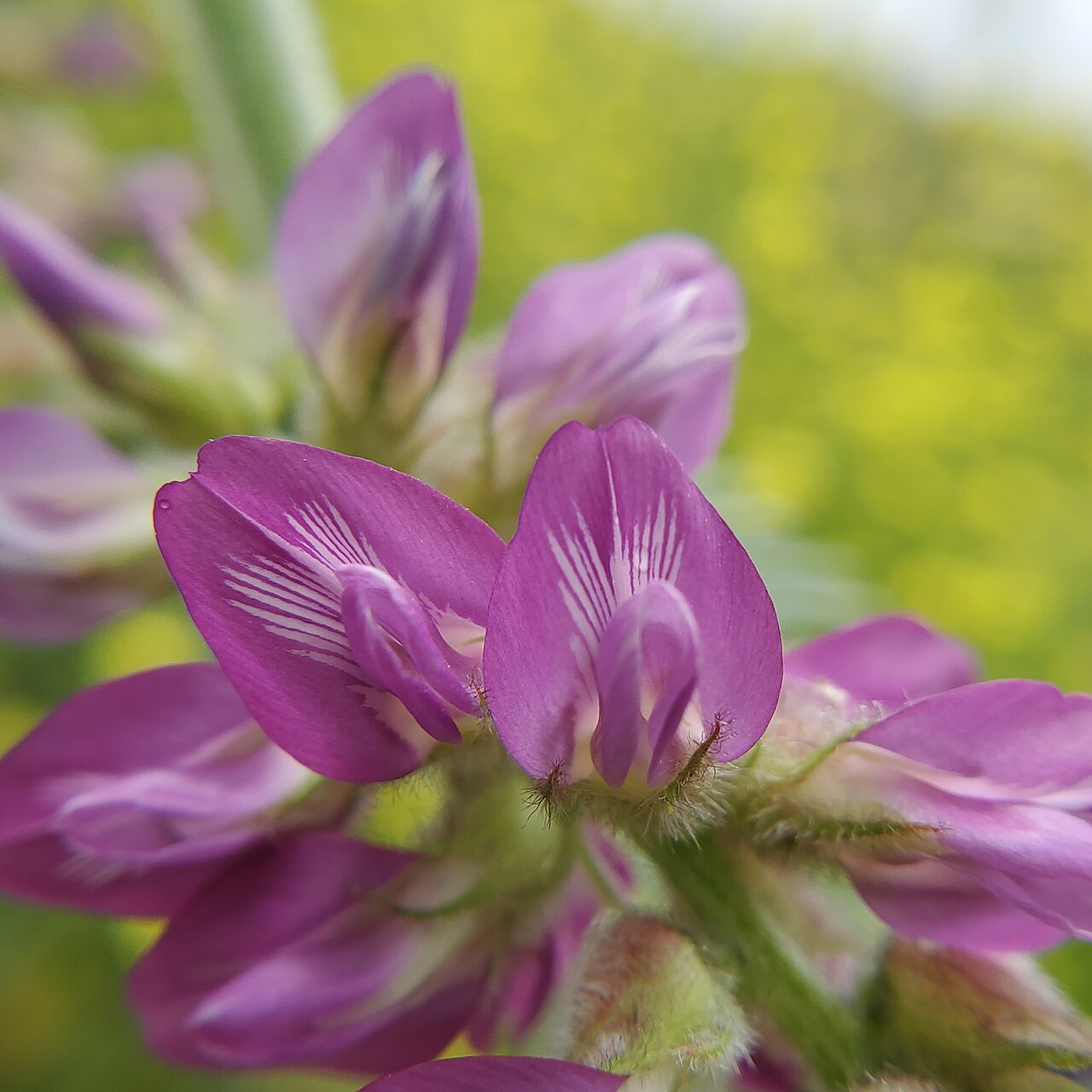
From about March into July, long-stalked spikes rise above the leaves, packed with dozens of small pea flowers. Each flower is about 1/2 inch long, dull pinkish-purple to rose-purple, with a banner petal often marked with paler stripes. The petals persist and wither on the plant after flowering.
Fruit
The fruit is a small, hairy pod about 1/3 to 1/2 inch long, held upright on the spike. Each pod contains a few hard, kidney-shaped seeds with a tough coat that lets them survive for many years in the soil seed bank.
Look-alikes
Other milkvetches in southern California, such as Santa Barbara Milkvetch (Astragalus trichopodus), are shorter and less woolly and have cream to yellowish flowers and inflated pods. Purple-flowered lupines differ in their palmately compound leaves, with leaflets radiating from one point like fingers, rather than arranged along a central stalk.
Safety
Many Astragalus species contain toxic compounds (such as the locoweed alkaloid swainsonine or nitro compounds) that poison livestock. Braunton’s milkvetch is not known as a stock poison, but like other wild milkvetches it should not be eaten. The bigger concern is the plant’s safety: it is a protected endangered species.
Quick Facts
| Scientific Name | Astragalus brauntonii Parish |
| Family | Fabaceae (pea or legume family) |
| Plant Type | Short-lived herbaceous perennial with a woody base; fire follower |
| Mature Height | 3–5 ft |
| Mature Spread | 2–3 ft |
| Growth Rate | Fast after fire or disturbance |
| Sun Exposure | Full sun |
| Water Needs | Low; winter rain only (Mediterranean climate) |
| Soil Type | Thin, gravelly or rocky soils, often over limestone or other carbonate rock |
| Soil pH | Neutral to alkaline (carbonate soils) |
| Bloom Time | March–July |
| Flower Color | Rose-purple to dull pinkish-purple |
| Fall Color | None; plants are gray-woolly |
| Fruit | Small hairy pod with a few hard seeds |
| Deer Resistant | Unknown; seedlings are grazed by rabbits and other small herbivores |
| USDA Hardiness Zones | Not grown in gardens; native to zones 9–10 |
Native Range
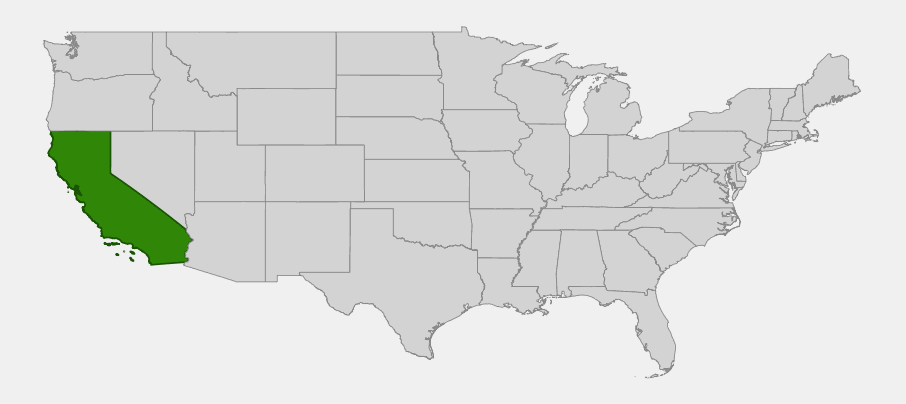
Braunton’s milkvetch is endemic to southern California. USDA PLANTS lists it as native only in California, and it is known from a small number of sites in the foothills that ring the Los Angeles basin, in Los Angeles, Orange and Ventura counties.
Its main population centers are the eastern Santa Monica Mountains and the Simi Hills, the foothills of the San Gabriel Mountains, and the northern Santa Ana Mountains near the Orange-Riverside county line. Some historic sites have been lost to development. Because the plants appear in large numbers only after fire or disturbance and then decline, the number of visible plants at a site can swing from a few to thousands from one decade to the next.
It grows in openings in chaparral and coastal sage scrub, on recently burned slopes, ridgetops and fuel breaks, from near sea level to about 2,100 feet. Many populations are on thin, gravelly or rocky soils derived from limestone or other carbonate-rich rock, a soil preference that helps explain why it is so localized.
📋 Regional plant lists featuring Braunton’s Milkvetch: California & Nevada
Can You Grow It?
Braunton’s milkvetch is not a garden plant. It is a federally endangered species, it is not sold by nurseries, and taking plants or seed from the wild is illegal without permits and harms the few remaining populations. The best way to “grow” it is to help protect the places where it lives. Here is what its life cycle tells us about why it is so hard to keep.
Light
In the wild it needs full sun. It comes up in open, sunny gaps created by fire or soil disturbance and declines once taller chaparral shrubs shade it out again.
Soil & Water
It grows on thin, rocky or gravelly soils, often over limestone or other carbonate rock, and lives on winter rain alone. Summer irrigation and rich garden soil would not suit it.
Planting Tips
Plants are reintroduced only by agencies and conservation partners working under federal and state permits, using seed or plants from known sources, into protected habitat. Home gardeners who want a woolly, purple-flowered native for dry slopes can plant Purple Sage or Black Sage instead.
Pruning & Maintenance
Wild populations need protection rather than care: fencing and signs where trails and fuel-break mowing could trample them, control of invasive grasses and mustards that crowd out seedlings, and timing of brush clearance to avoid plants in bloom or in seed.
Propagation
The hard seed coat must be scratched or nicked before it can absorb water, which in nature happens through fire, heat and soil movement. Botanic gardens and seed banks hold conserved seed collections as a safeguard against extinction. This work is done only under permit.
Where to See It
- Santa Monica Mountains National Recreation Area: the eastern Santa Monica Mountains and nearby parks hold several populations; look on burned slopes and ridges in spring
- Simi Hills and San Gabriel foothills: some populations grow on public open space; many are fenced or signed
- After wildfire: the best time to see it is the first few springs after a fire, when seedlings appear by the hundreds
- Respectful viewing: stay on trails, do not pick flowers or pods, and report sightings to land managers or through community science platforms
- Support conservation: volunteer with local land trusts, the National Park Service or California Native Plant Society chapters that monitor rare plants
Wildlife & Ecological Value
Braunton’s milkvetch is a classic fire-follower: a plant whose whole life is built around the cycle of burning and regrowth in southern California’s chaparral.
For Pollinators
The purple pea flowers are pollinated mainly by bees, including bumble bees and other native bees large enough to open the keel petals and reach the nectar and pollen.
For Birds
Seed-eating birds and quail forage in burned chaparral where the plants grow, and the tall stems give some cover in otherwise open, recently burned ground.
For Mammals
Rabbits and rodents graze seedlings and young plants and eat seeds, which can be a significant pressure on small populations.
Ecosystem Role
Like other legumes, its roots host nitrogen-fixing bacteria, adding nitrogen to poor soils after fire. Its long-lived seed bank lets the species persist through long fire-free periods, and its burst of growth after fire is part of the natural recovery of chaparral. Too-frequent fire, invasive annual grasses and development all threaten that cycle.
Cultural & Historical Uses
The species was named by the botanist Samuel Bonsall Parish for Ernest Braunton, a horticulturist in Los Angeles in the late 1800s and early 1900s who collected plants around the city.
Milkvetches get their common name from an old belief that some species increased the milk yield of goats and cattle. The genus Astragalus is one of the largest plant genera in the world, with roughly 3,000 species, and many of the rarest plants in western North America are milkvetches with tiny ranges like this one.
Braunton’s milkvetch has become a symbol of the challenge of conserving rare plants inside a huge metropolitan area. Its survival depends on fuel-break managers, park staff and volunteers who know where it grows and plan their work around it.
Frequently Asked Questions
Is Braunton’s milkvetch endangered?
Yes. It is listed as endangered under the federal Endangered Species Act and is ranked 1B.1 (seriously threatened) by the California Native Plant Society.
Where does Braunton’s milkvetch grow?
Only in southern California, in the foothills around the Los Angeles basin: the Santa Monica Mountains, Simi Hills, San Gabriel Mountain foothills and Santa Ana Mountains.
Can I grow Braunton’s milkvetch in my garden?
No. It is not sold by nurseries, and collecting wild plants or seed is illegal without permits. Grow common native shrubs such as purple sage or black sage instead, and support local conservation groups.
Why does it appear after wildfires?
Its hard-coated seeds lie dormant in the soil for years. Fire and soil disturbance crack the seed coat and open up sunny ground, so many seedlings come up in the first springs after a burn.
Is Braunton’s milkvetch poisonous?
It is not known as a livestock poison, but many milkvetches are toxic, so no wild milkvetch should be eaten.

Looking for a nursery that carries Braunton’s Milkvetch?
Browse our native plant nursery directory: California

