
Wild Sweet Basil (Ocimum campechianum)
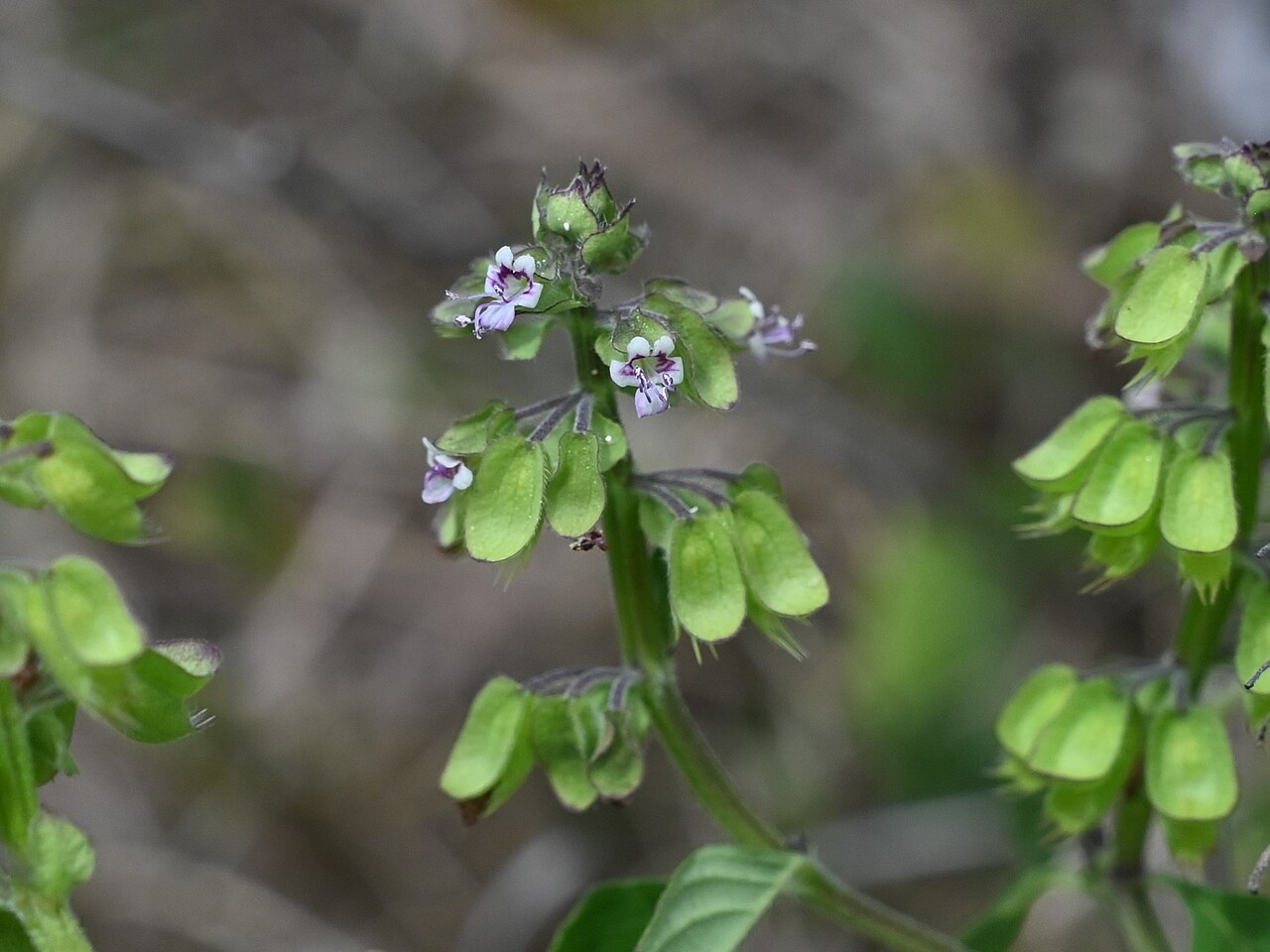
Ocimum campechianum, known as Wild Sweet Basil, least basil, Amazonian basil or Peruvian basil, is one of the few basils native to the Americas. It is a bushy, aromatic herb, usually 1 to 3 feet tall, with soft, oval leaves that smell strongly of basil and clove, and slender spikes of tiny white to pale lavender flowers. It is grown and used much like culinary basil, and it is a favorite of bees.
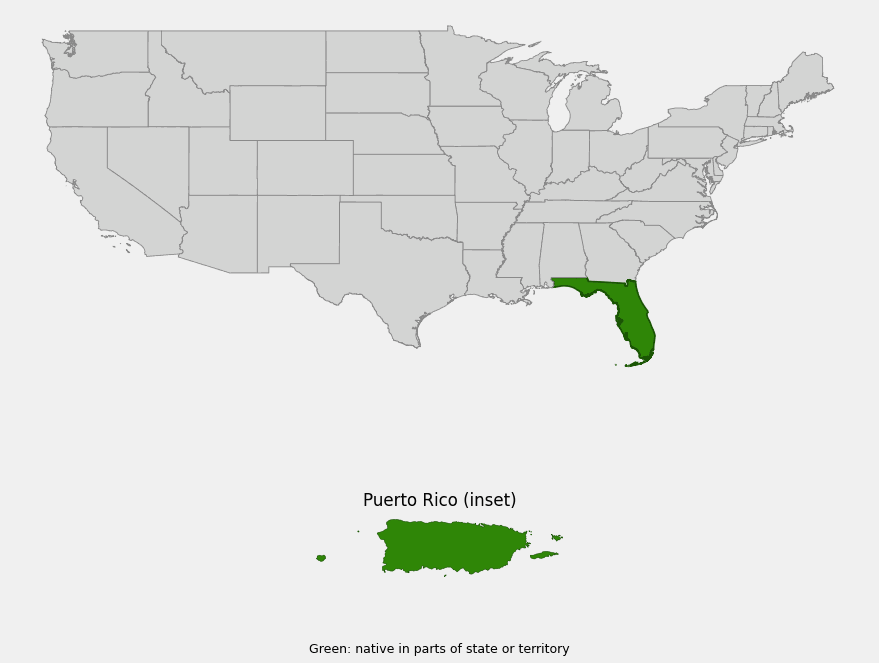
In the United States it is native only to South Florida, Puerto Rico and the U.S. Virgin Islands. In Florida it is rare, found mainly in Miami-Dade County and the Florida Keys, and it is listed by the state as endangered. In Puerto Rico it is a common plant of roadsides, thickets and dry forest. Its full native range extends from Mexico, including Campeche, which gave the plant its name, through Central America and the Caribbean to Peru and Brazil.
Many readers know it from Latin American cooking and herbal traditions, where it is called albahaca de monte or alfavaca. This page covers how to identify it, where it grows wild, how to grow it in the garden or in pots, and its uses.
Identification
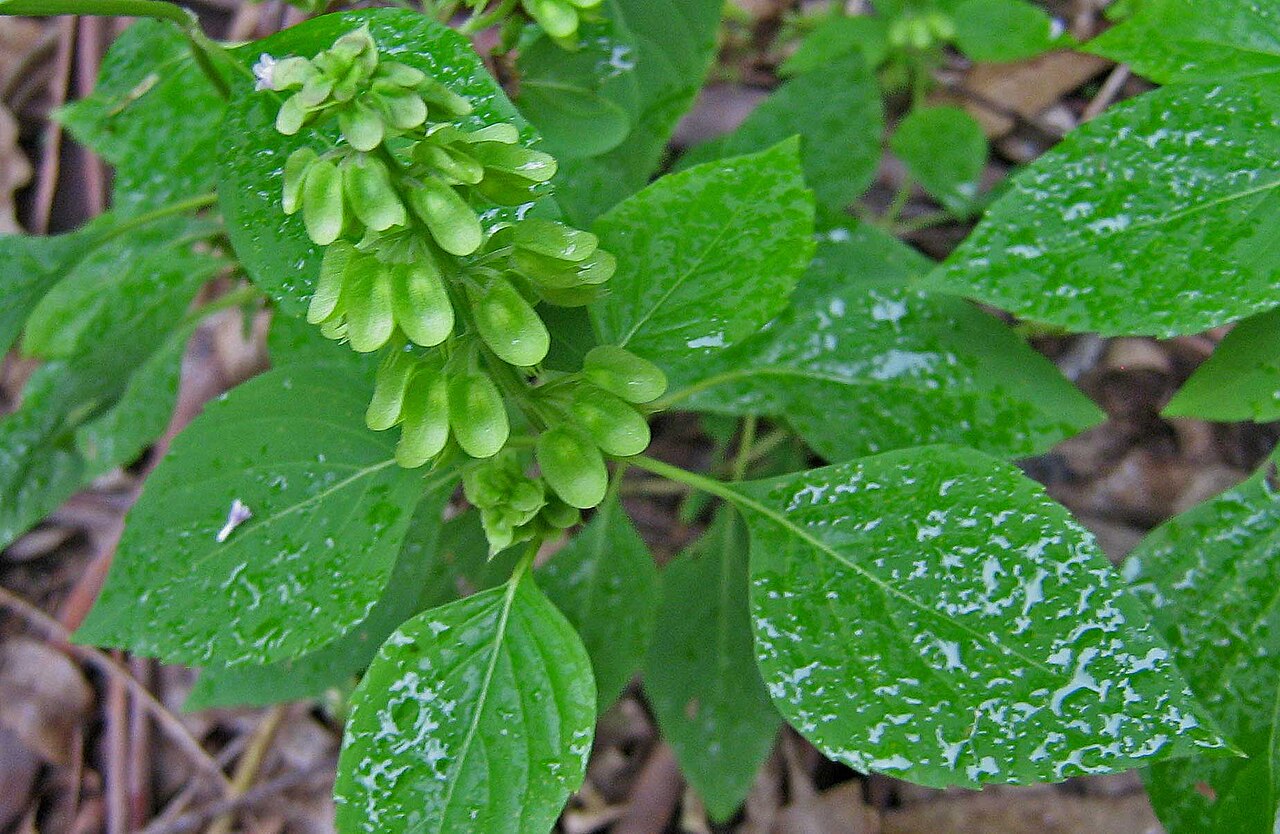
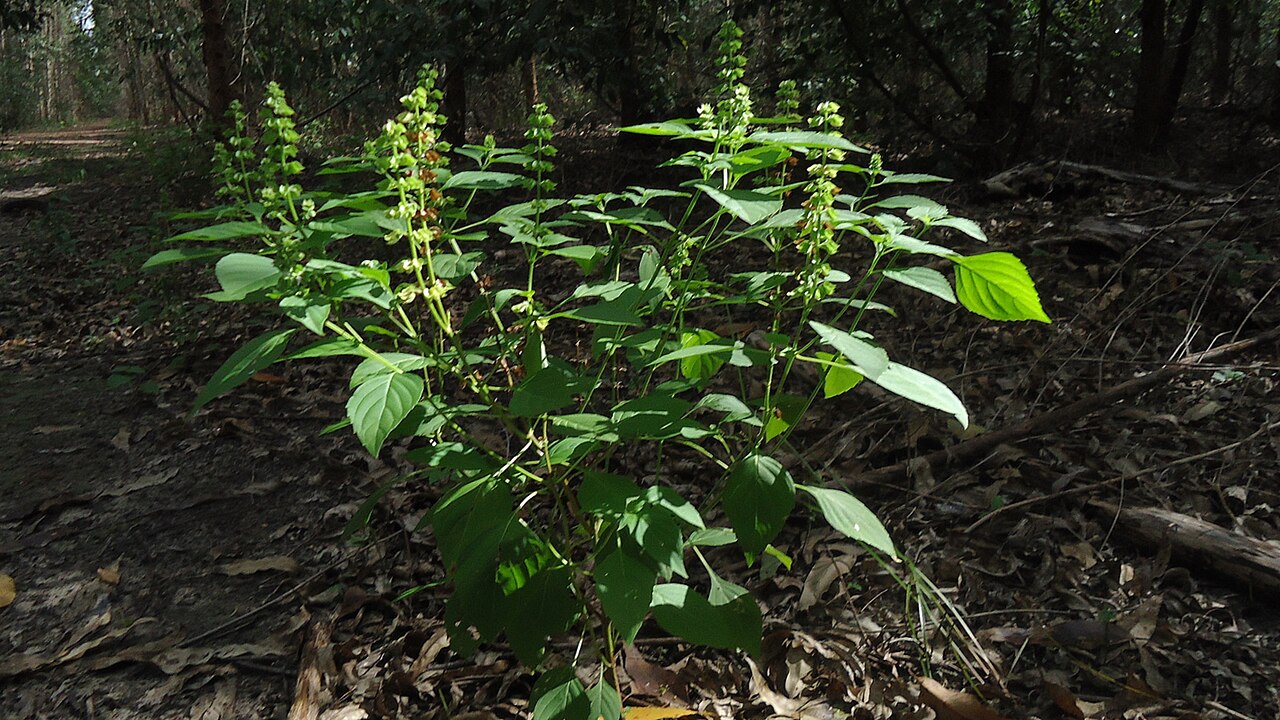
Wild sweet basil looks like a small, loose version of garden basil. Its strong aroma, small flowers, and green calyces that enlarge and droop as the seeds ripen are the main field marks.
Stems & Leaves
The plant is a short-lived perennial or annual herb with square stems, typical of the mint family, usually 1 to 3 feet tall and branching. The leaves are opposite, oval to elliptic, 1 to 3 inches long, thin and soft, with shallowly toothed edges. Crushed leaves give off a strong, spicy scent of basil and clove.
Flowers
Tiny two-lipped flowers, white to pale pink or lavender and about a quarter-inch long, grow in whorls along slender spikes at the ends of the stems. Flowering can happen at almost any time of year in the tropics, and from spring to fall in Florida.
Fruiting Calyx
The green calyx below each flower enlarges after flowering and hangs downward, with a broad, rounded upper lip. Each calyx holds four small, dark nutlets that become slippery and mucilaginous when wet, as basil seeds do.
Similar Species
Garden or sweet basil (Ocimum basilicum) and hoary basil (O. americanum), both native to the Old World, are sometimes grown or escape in Florida. Sweet basil has larger, glossier leaves and larger flowers, and hoary basil has narrower, hairy leaves. Native Musky Mint (Hyptis alata) is a mint-family herb of wet Florida pinelands with flowers in dense round heads.
Quick Facts
| Scientific Name | Ocimum campechianum Mill. (syn. Ocimum micranthum) |
| Family | Lamiaceae (mint family) |
| Plant Type | Aromatic annual or short-lived perennial herb |
| Mature Height | 1–3 ft |
| Mature Spread | 1–2 ft |
| Growth Rate | Fast |
| Sun Exposure | Full sun to part shade |
| Water Needs | Low to medium; drought tolerant |
| Soil Type | Well-drained sand, limestone or loam |
| Soil pH | About 6.0–8.0 |
| Bloom Time | Spring–fall in Florida; nearly year-round in the tropics |
| Flower Color | White to pale lavender or pink |
| Fall Color | None |
| Fruit | Small nutlets in an enlarged, nodding green calyx |
| Deer Resistant | Yes; strongly aromatic |
| USDA Hardiness Zones | 10–12 (perennial); grown as a summer annual elsewhere |
Native Range
USDA PLANTS lists wild sweet basil as native in Florida, Puerto Rico and the U.S. Virgin Islands. In Florida it is known from only a few areas in the far south, mainly Miami-Dade County and the Florida Keys, where it grows in rocky hammocks, coastal rock barrens, pine rocklands and along roadsides. The state lists it as endangered, and its Florida populations are small.
In Puerto Rico and the Virgin Islands it is far more common, growing in pastures, roadsides, thickets, dry and moist forest edges and disturbed ground, mainly at low and middle elevations. It is often gathered from the wild as a kitchen and medicinal herb.
Beyond the United States, it is native from Mexico and the Caribbean through Central America to tropical South America, including the Amazon basin. It has been introduced in a few other tropical regions, where it is grown as an herb.
📋 Regional plant lists featuring Wild Sweet Basil: North & South Florida · Puerto Rico
Growing & Care Guide
Wild sweet basil is as easy to grow as garden basil and more tolerant of heat and drought. It is grown outdoors year-round in frost-free areas and as a summer annual or windowsill herb elsewhere. Seeds are offered by some herb and heirloom seed companies, often as Amazonian or Peruvian basil. Because Florida’s wild plants are endangered, never collect them; buy seeds or plants from cultivated stock.
Light
Full sun to part shade outdoors. Indoors, give it a bright, sunny south- or west-facing window, or grow lights, for at least six hours of light a day.
Soil & Water
Grow it in well-drained soil, including sandy or limestone soils. Water regularly while plants are young; established plants tolerate dry spells better than garden basil. In pots, use a free-draining potting mix and let the top inch dry between waterings.
Planting Tips
Sow seeds on the surface of moist soil or mix, barely covered, once nights stay above about 60°F; they germinate in one to two weeks in warmth. In South Florida and Puerto Rico it can be sown almost any time of year. Space plants about 12 to 18 inches apart. It often self-seeds in warm gardens.
Pruning & Maintenance
Pinch the tips regularly to keep plants bushy and to delay flowering if you are harvesting leaves. Allow some plants to flower for the bees and to produce seed. Older plants become woody and can be cut back or replaced with seedlings.
Propagation
Grows easily from seed and from stem cuttings, which root in water or moist mix within a couple of weeks.
Landscape Uses
- Herb gardens: a heat-tolerant basil with a spicy, clove-like flavor
- Pollinator gardens: long-blooming nectar source for bees
- Containers and windowsills: grown indoors or on patios as a kitchen herb
- Native gardens in South Florida and Puerto Rico: a native alternative to imported basils
- Butterfly and wildlife gardens: small flowers for bees, wasps and small butterflies
Wildlife & Ecological Value
Like other basils, wild sweet basil is a magnet for pollinators.
For Pollinators
The small flowers produce nectar over a long season and are visited by honeybees, native bees, wasps and small butterflies. In Mexico’s Yucatán Peninsula it is known as a honey plant.
For Birds
Small seed-eating birds may take the nutlets, and birds forage for insects among the plants.
For Mammals
Its strongly aromatic leaves are rarely browsed by deer or other mammals.
Ecosystem Role
As a quick-growing herb of open, disturbed and rocky ground, it helps cover bare soil and supports insect life in South Florida’s rocklands and in Caribbean thickets.
Cultural & Historical Uses
Across tropical America, wild sweet basil has long been used as a culinary and medicinal herb. In the Amazon its leaves are eaten and used in teas, and in Brazil it is called alfavaca. In Mexico it is called albahaca, and in the Yucatán it is known in Maya as xkakaltun. In Puerto Rico and elsewhere in the Caribbean it is used in home remedies and to flavor food.
Its essential oil varies by plant, and several chemical forms (chemotypes) are known. Many plants are rich in eugenol, the compound that gives cloves their scent, which explains its spicy aroma. Studies have shown that the oil has antioxidant and antifungal properties.
Safety note: Use it in food in the same amounts as other basils. It has a history of use in traditional medicine to bring on menstruation and as an abortifacient, so pregnant people should avoid medicinal or concentrated use. Use only plants you have positively identified and grown yourself or bought, not wild Florida plants.
Frequently Asked Questions
Is wild sweet basil native to the United States?
Yes. It is native to South Florida, Puerto Rico and the U.S. Virgin Islands. It is one of the few basils native to the Americas. In Florida it is rare and listed as endangered.
Can you eat wild sweet basil?
Yes. Its leaves are used like garden basil in cooking and teas, and they have a spicier, clove-like flavor. Use it in normal culinary amounts.
Can I grow wild sweet basil indoors?
Yes. Grow it in a pot of well-drained mix in a sunny window or under grow lights, water when the top inch dries, and pinch the tips to keep it bushy.
What is the difference between wild sweet basil and garden basil?
Garden basil (Ocimum basilicum) comes from Asia and Africa and has larger leaves and flowers. Wild sweet basil is a smaller, more drought-tolerant native of tropical America with a spicier aroma.
Is Ocimum micranthum the same plant?
Yes. Ocimum micranthum is an older name for Ocimum campechianum, and you may see it in older books and seed catalogs.

Looking for a nursery that carries Wild Sweet Basil?
Browse our native plant nursery directory: Florida

