
Parry’s Beardtongue (Penstemon parryi)
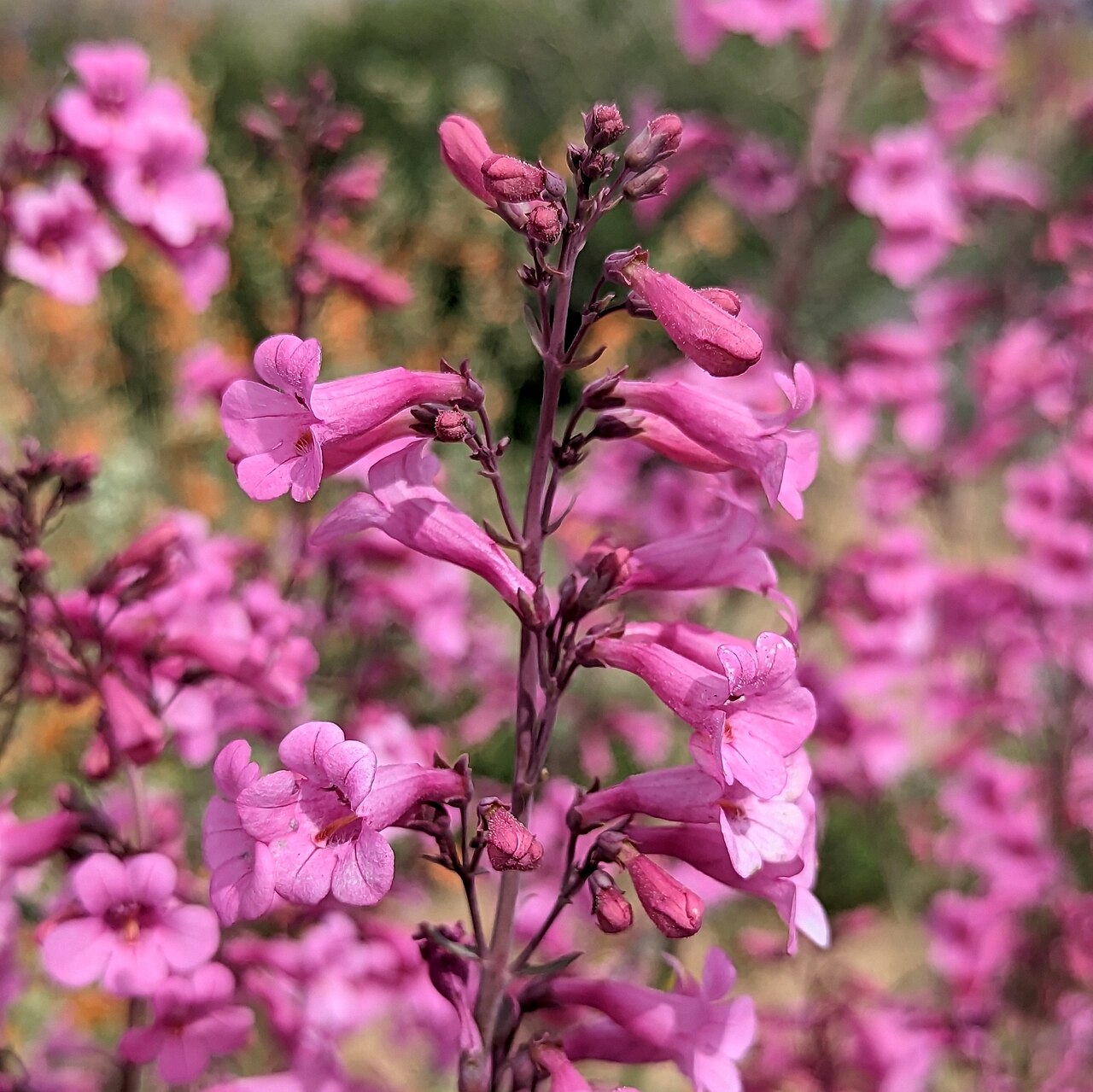
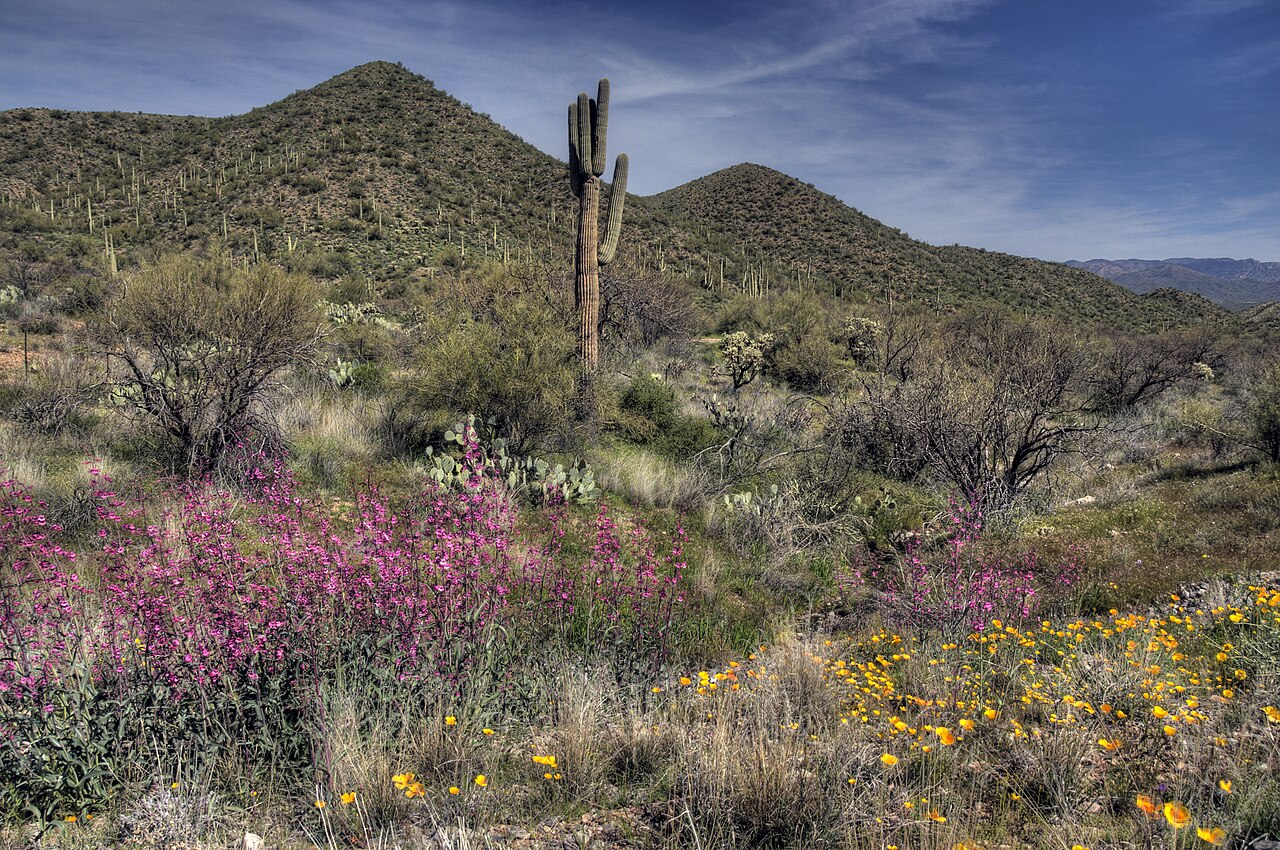
Penstemon parryi, Parry’s Beardtongue (also called Parry’s penstemon), is one of the signature spring wildflowers of the Sonoran Desert. From late winter into spring it sends up tall, slender stems lined with dozens of rose-pink to magenta tubular flowers, and in good years whole hillsides and washes in southern and central Arizona turn pink with it, often alongside saguaros, brittlebush and Mexican gold poppies.
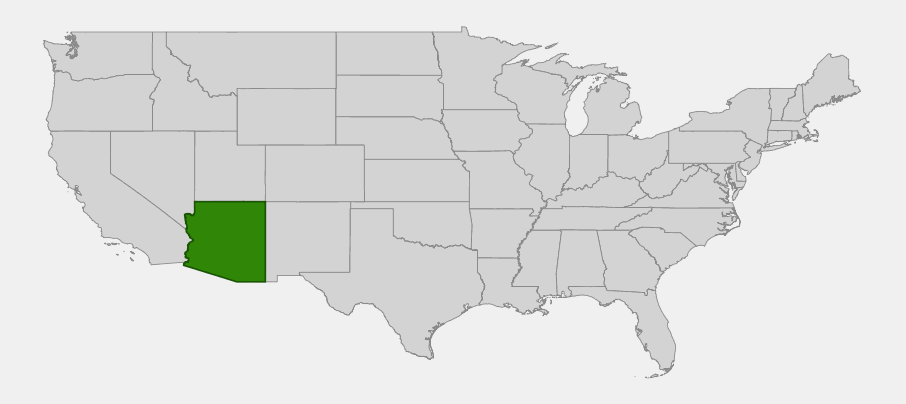
In the United States it grows only in Arizona, and it extends south into Sonora, Mexico. It is a short-lived perennial that grows a low rosette of smooth, blue-green leaves in winter, blooms in spring, and reseeds itself freely. Hummingbirds and large bees, especially carpenter bees, visit the flowers constantly, making it one of the best native plants for desert pollinator gardens.
Parry’s beardtongue is easy to grow and widely available from nurseries in the Southwest, where it is a staple of xeriscapes and desert landscapes. This guide covers identification, range, how to grow and keep it reseeding, and its value to wildlife.
Identification
Parry’s beardtongue is a clumping, short-lived perennial with smooth, gray-green to blue-green leaves and tall spikes of pink, tubular flowers. Its flower color and smooth, glaucous leaves are the best clues.
Leaves
Plants form a basal rosette of thick, smooth, lance-shaped to oblong leaves 2 to 5 inches long, gray-green to blue-green with a waxy bloom. Stem leaves are opposite, smaller and narrower, and clasp the stem. The rosette stays green through winter, when the plants put on most of their growth.
Stems & Flowers
From about February to April (to May at higher elevations), several erect, smooth stems rise 2 to 4 feet tall. Along their upper part, the flowers are held in loose clusters at each pair of leaves. Each flower is about ¾ inch long, a tube that widens abruptly into an open, two-lipped mouth with five spreading lobes. The color ranges from rose-pink to deep magenta. Like other penstemons, it has a sterile fifth stamen, the “beard-tongue,” which in this species carries short yellowish hairs toward the tip.
Fruit
The fruit is a small, oval capsule about ½ inch long that splits to release many small, angular seeds in late spring. Plants that are allowed to go to seed scatter seedlings freely nearby.
Look-alikes
Desert Beardtongue (P. pseudospectabilis) has similar pink flowers, but its upper leaves are fused around the stem and have toothed edges. Palmer’s Penstemon has large, inflated, pale pink and fragrant flowers. Firecracker Penstemon and superb penstemon (P. superbus) have red to coral flowers. Parry’s beardtongue has smooth, untoothed leaves and smaller, bright pink flowers.
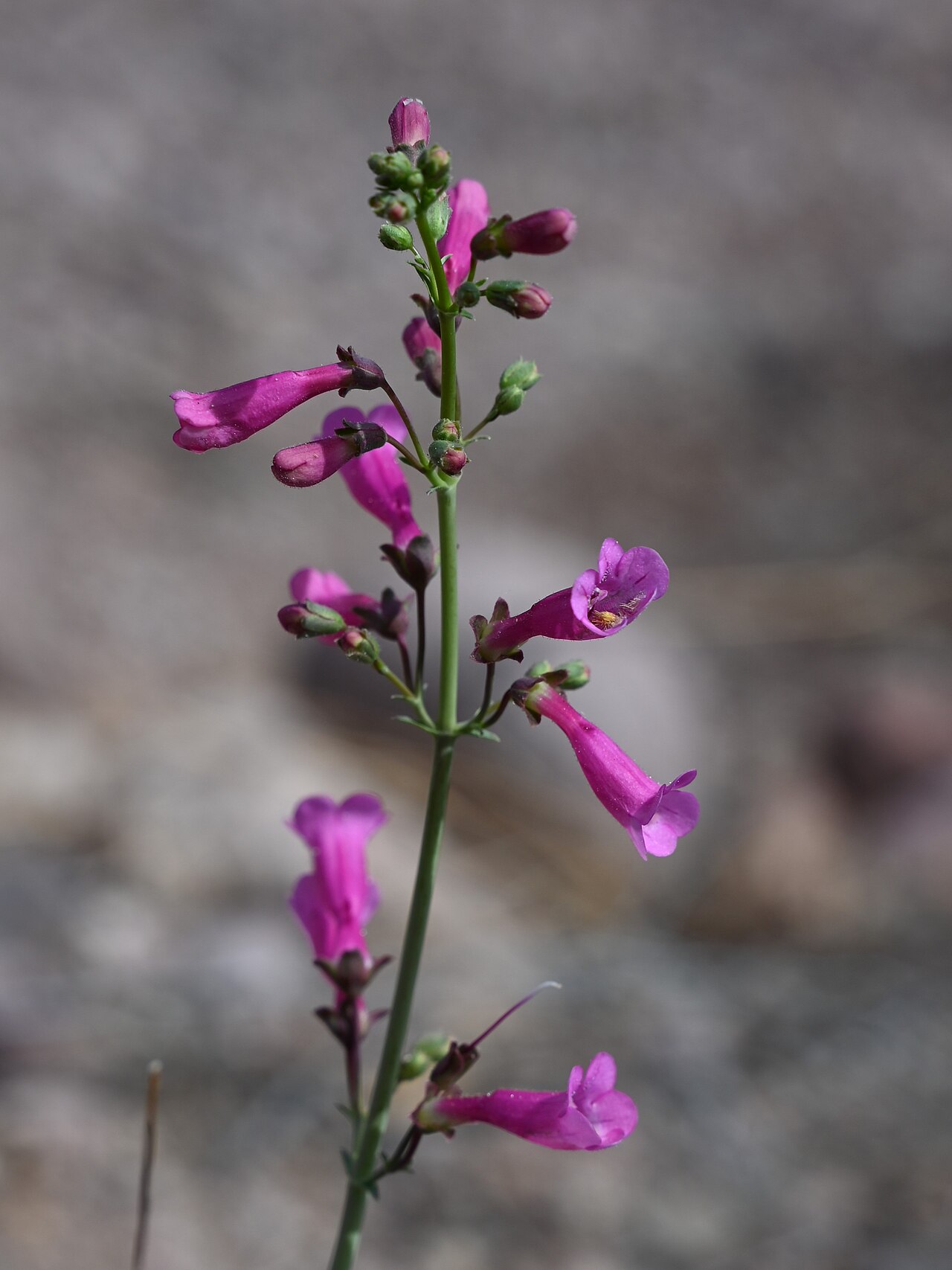
Quick Facts
| Scientific Name | Penstemon parryi (A. Gray) A. Gray |
| Family | Plantaginaceae (plantain family; formerly Scrophulariaceae) |
| Plant Type | Short-lived herbaceous perennial |
| Mature Height | 2–4 ft in bloom |
| Mature Spread | 1–2 ft |
| Growth Rate | Fast |
| Sun Exposure | Full sun to light shade |
| Water Needs | Low; occasional water in dry winters |
| Soil Type | Sandy, gravelly or rocky, well-drained |
| Soil pH | About 6.5–8.5 |
| Bloom Time | February–April (into May at higher elevations) |
| Flower Color | Rose-pink to magenta |
| Fall Color | None; evergreen basal rosette |
| Fruit | Small oval capsule with many seeds |
| Deer Resistant | Moderately; rabbits and javelina may eat young plants |
| USDA Hardiness Zones | 8–11 |
Native Range
Parry’s beardtongue is native to the Sonoran Desert and its edges. USDA PLANTS lists it only for Arizona, where it grows across the southern and central part of the state, including the Tucson and Phoenix areas, Organ Pipe Cactus National Monument, the Tonto National Forest and the desert foothills of the central mountains. Its range continues south into northern Sonora, Mexico.
It grows in sandy and gravelly washes, on rocky slopes and canyon sides, along the edges of arroyos and on desert plains, from about 1,500 to 5,000 feet. It is most common in the Arizona Upland part of the Sonoran Desert, among saguaros, palo verdes and brittlebush, and reaches into desert grassland and the lower edge of oak woodland.
Like many desert annuals and short-lived perennials, its numbers vary greatly from year to year. After a wet winter, seedlings and older plants bloom by the thousands; in dry years they may flower little. Because it is widely planted, it also turns up along roads and in neighborhoods from garden plantings, sometimes beyond its natural range.
📋 Regional plant lists featuring Parry’s Beardtongue: Arizona & New Mexico
Growing & Care Guide
Parry’s beardtongue is one of the easiest native perennials for low-desert gardens. It is sold by most nurseries in Arizona and the Southwest and is often included in desert wildflower seed mixes. Its main need is good drainage; its main quirk is that individual plants live only a few years, so let it reseed.
Light
Full sun gives the most compact plants and the heaviest bloom. In the hottest low-desert locations, light afternoon shade or filtered shade under a palo verde is also fine.
Soil & Water
Plant it in sandy, gravelly or rocky soil that drains quickly; it rots in heavy, wet soil. It needs no fertilizer. Water it every week or two in winter if rains fail, which is when it grows, and keep it on the dry side in summer, when established plants may go partly dormant.
Planting Tips
Plant in fall, from October to December, so roots establish during the cool, rainy season. Space plants 1 to 2 feet apart and plant in drifts of several for the best show. It combines well with brittlebush, desert marigold, globemallow and other desert wildflowers.
Pruning & Maintenance
After bloom, leave some flower stalks to ripen and drop seed, then cut them back to the basal rosette. Remove old, woody plants after a few years and let seedlings replace them. Avoid mulching heavily over the crown or keeping it wet in summer.
Propagation
Easy from seed. Sow seed in fall on the surface of sandy soil or a seed mix and keep lightly moist; it germinates in the cool season, and a short cold, moist period can improve germination. In gardens it usually reseeds on its own, and volunteer seedlings can be moved while small.
Landscape Uses
- Desert and xeriscape gardens: a staple pink wildflower for low-water landscapes
- Hummingbird gardens: one of the best spring nectar plants in the Sonoran Desert
- Wildflower meadows and seed mixes: reseeds with poppies, lupines and desert marigold
- Roadside and slope plantings: tolerates heat, rocky soil and drought
Wildlife & Ecological Value
Parry’s beardtongue blooms at a key time in the Sonoran Desert, when migrating and nesting hummingbirds and early-season bees need nectar.
For Pollinators
The tubular flowers are visited by large bees such as carpenter bees and bumble bees, which push into the open mouth for nectar and pollen, and by smaller native bees, including mason bees (Osmia), some of which specialize on penstemons. Butterflies and moths visit occasionally.
For Birds
Hummingbirds, especially Costa’s and Anna’s hummingbirds that nest in the desert in late winter and spring, are frequent visitors. Seed-eating birds such as finches and sparrows may pick seeds from the ripe capsules.
For Mammals
Rabbits and javelina sometimes browse the leaves, particularly of young plants, and new plantings may need protection. Established plants are not a major food source for mammals.
Ecosystem Role
As a spring-blooming wildflower, it is part of the burst of desert bloom after winter rains, supporting pollinators when they emerge. Its abundant seeds help it recolonize disturbed ground in washes and on slopes.
Cultural & Historical Uses
The species honors Charles Christopher Parry (1823–1890), a physician and botanist who collected plants on the U.S.–Mexico boundary survey in the 1850s and later throughout the West. Asa Gray, who described many of Parry’s finds, gave it its current name. Penstemon refers to the fifth stamen (pente, five, and stemon, stamen), and the common name beardtongue to the hairy, sterile stamen in many species.
Parry’s beardtongue is beloved by desert gardeners and naturalists. Wildflower lovers watch for its bloom in places such as Organ Pipe Cactus National Monument, Picacho Peak, the Tonto National Forest and the desert parks around Phoenix and Tucson, where it blooms with poppies and lupines in good years.
It is one of the most popular native wildflowers in Arizona landscaping and is a common choice in public plantings and roadside revegetation because it establishes quickly, tolerates heat and drought, and attracts hummingbirds.
Frequently Asked Questions
When does Parry’s beardtongue bloom?
Mainly from February to April in the low desert, and into May at higher elevations. Bloom is heaviest after wet winters.
Is Parry’s beardtongue a perennial?
Yes, but a short-lived one. Plants typically live two to four years, so it is best to let it reseed to keep it in the garden.
Does Parry’s beardtongue attract hummingbirds?
Yes. Its pink tubular flowers are a favorite of Costa’s and Anna’s hummingbirds, and carpenter bees and other native bees visit them as well.
How much water does Parry’s beardtongue need?
Very little once established. Water it every week or two in winter if rain is scarce and keep it on the dry side in summer. Too much water, especially in heavy soil, leads to rot.
Where is Parry’s beardtongue native?
In the United States, only in southern and central Arizona, mainly in the Sonoran Desert. It also grows in northern Sonora, Mexico.

Looking for a nursery that carries Parry’s Beardtongue?
Browse our native plant nursery directory: Arizona

