
Annual Blue-eyed Grass (Sisyrinchium rosulatum)
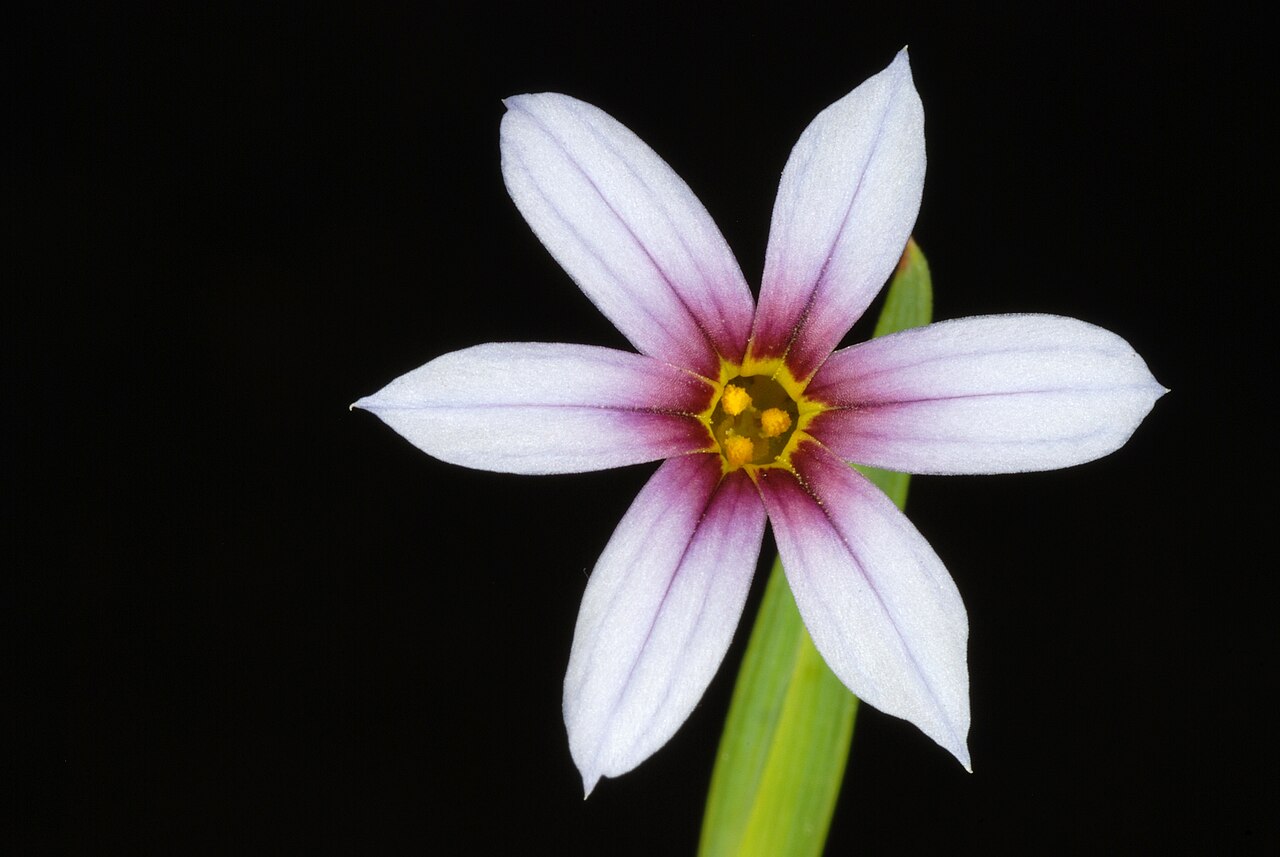
Sisyrinchium rosulatum, known as Annual Blue-eyed Grass or blue pigroot, is a small, tufted wildflower of the iris family. In spring it produces dainty, six-parted flowers about half an inch wide, in white, pale lavender, pink or pale yellow, each with a rose-purple ring around a bright yellow center. The plant grows from a small rosette of grass-like leaves, the feature behind its name rosulatum, and is usually only 4 to 12 inches tall.
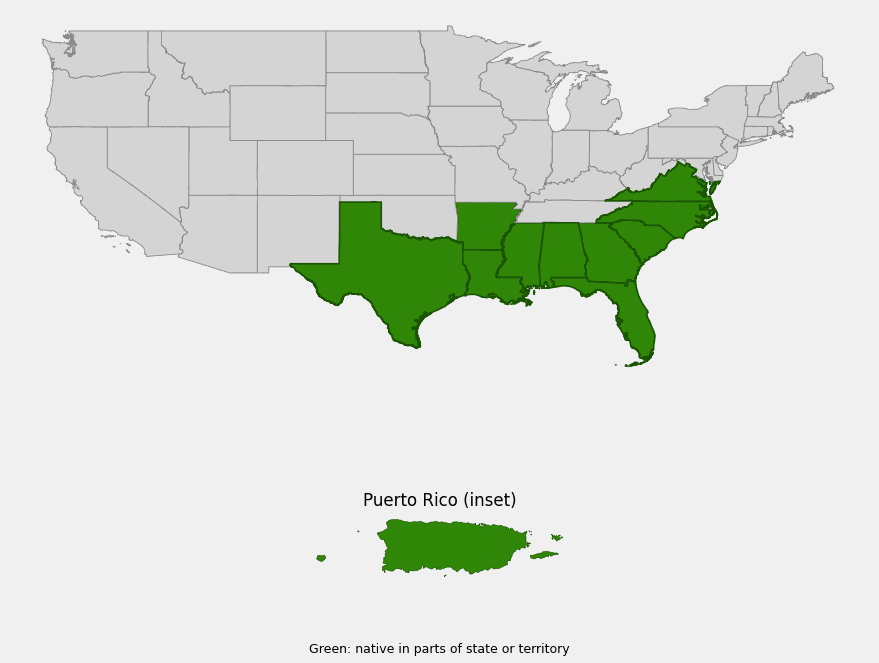
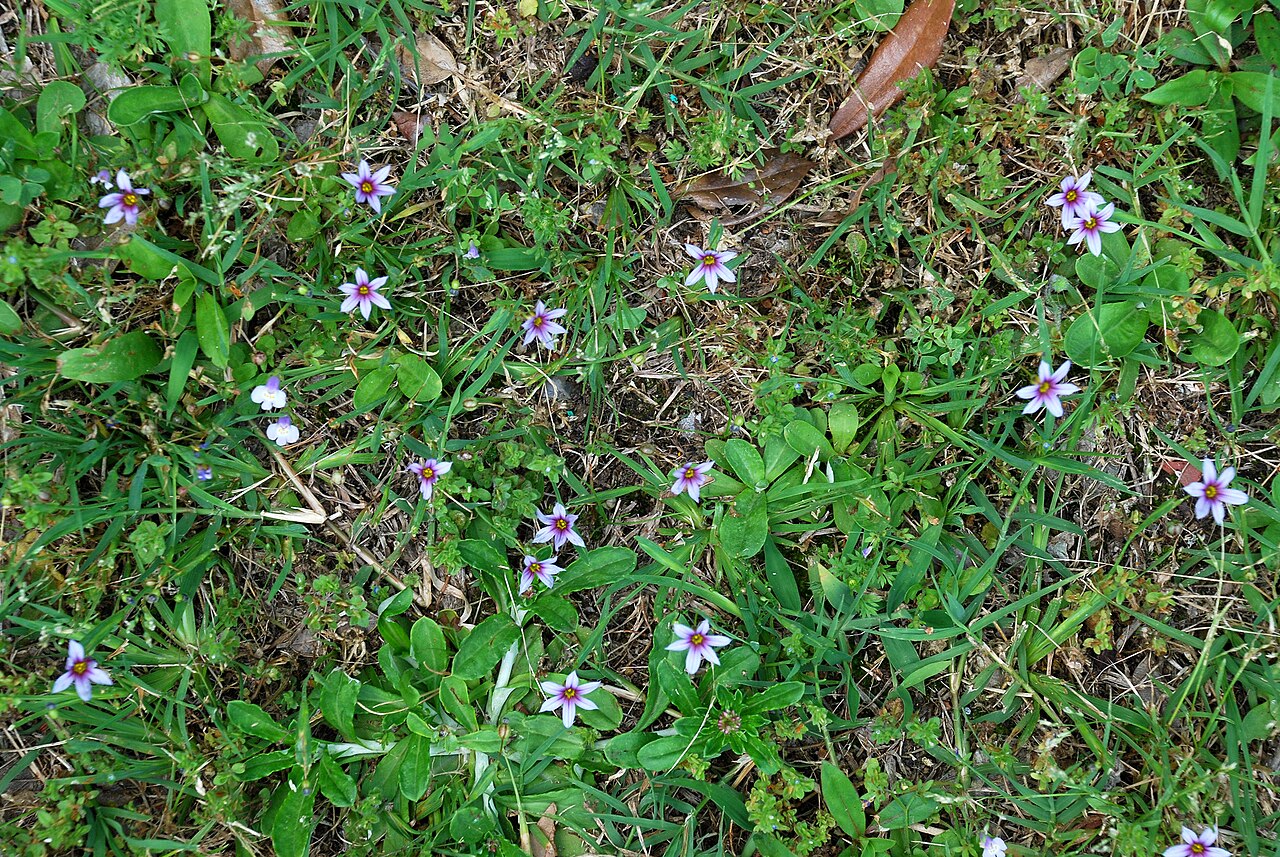
It is native to the southeastern United States, from Virginia and the Carolinas south to Florida and west to Arkansas and Texas, and to Puerto Rico. It is a familiar spring flower of lawns, roadsides, pastures, cemeteries and open sandy woods across the Coastal Plain, often appearing by the hundreds in mowed turf.
Annual blue-eyed grass has spread as a weed to many other parts of the world, including Hawaiʻi, Japan, Australia and New Zealand, where it is introduced. In its native Southeast it is a charming, low-maintenance addition to a lawn or meadow. This page covers how to identify it, where it grows, and how to grow it.
Identification
Blue-eyed grasses are not grasses but small members of the iris family. Annual blue-eyed grass is told from its perennial relatives by its small rosette, branched and often sprawling winged stems, small pale flowers with a dark eye, and short life.
Leaves & Stems
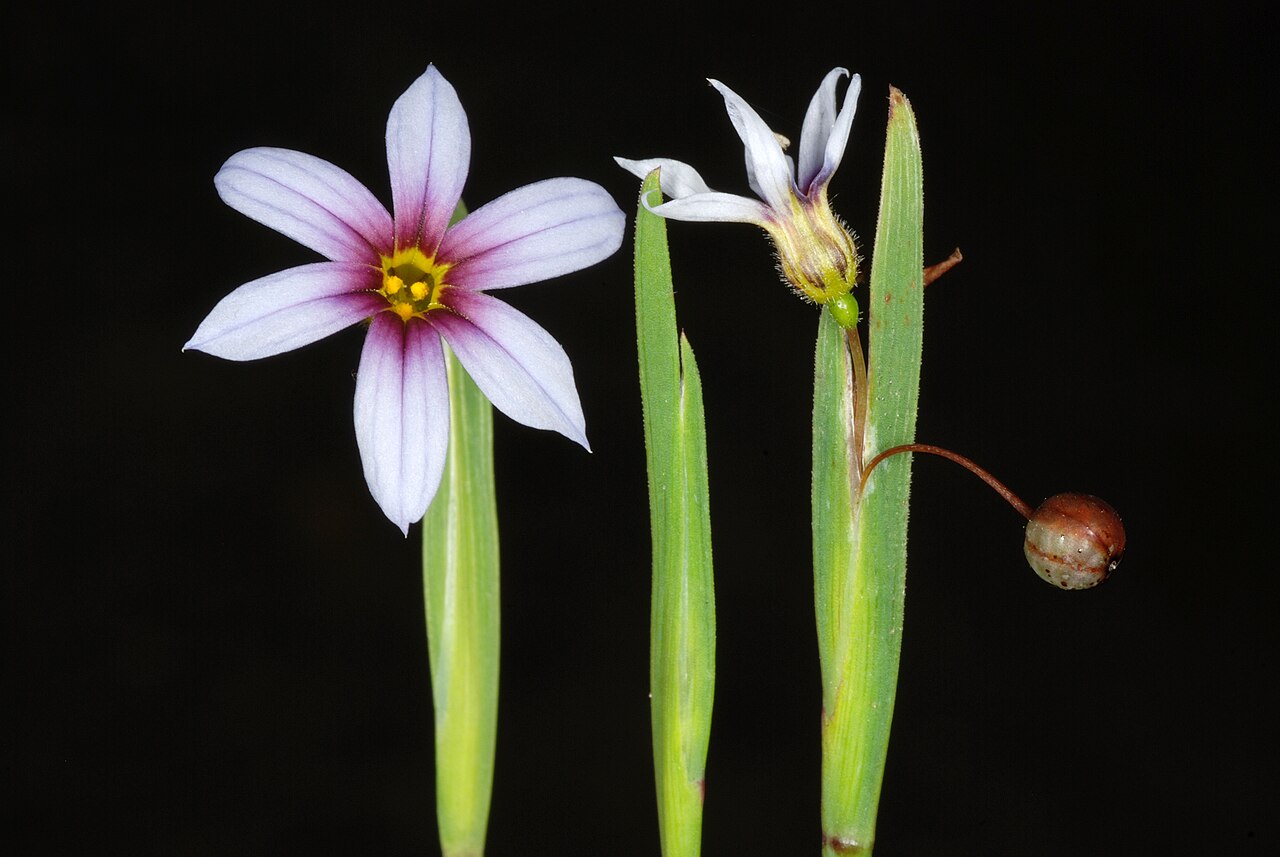
The leaves are soft, flat, light green and grass-like, up to about 6 inches long, forming a small basal rosette. The flowering stems are flattened and narrowly winged, branched, and often spread or lean outward from the rosette. The whole plant has a fibrous, shallow root system without the persistent clumps of perennial blue-eyed grasses.
Flowers
Each flower has six spreading tepals (petal-like parts), usually a third to half an inch long, ending in a small point. Color varies from white to pale lavender, pink or creamy yellow, often with darker veins, with a rose-purple to maroon band around the base and a yellow center. The stamens are joined into a small column. Flowers open in the morning and close by late afternoon.
Fruit
The fruit is a small, round capsule about an eighth of an inch across, tan to purplish, on a slender, curving stalk. It splits into three parts to release tiny black seeds.
Similar Species
Narrow-leaf Blue-eyed Grass is a clump-forming perennial with larger, deep blue to violet flowers and no rose-purple ring. Needle-tip Blue-eyed Grass has very narrow, wiry stems and violet-blue flowers. White blue-eyed grass (Sisyrinchium albidum) is a perennial with white or pale blue flowers and unbranched stems. Dwarf blue-eyed grass (S. minus) of the western Gulf Coast is very similar and sometimes treated as part of this species.
Quick Facts
| Scientific Name | Sisyrinchium rosulatum E.P. Bicknell (syn. Sisyrinchium exile) |
| Family | Iridaceae (iris family) |
| Plant Type | Annual (or short-lived perennial) herb |
| Mature Height | 4–12 in |
| Mature Spread | 3–8 in |
| Growth Rate | Fast |
| Sun Exposure | Full sun to part shade |
| Water Needs | Medium |
| Soil Type | Sandy, loamy or clay soils; tolerates disturbed and compacted ground |
| Soil pH | About 5.0–7.5 |
| Bloom Time | March–June (winter to spring in Florida and Puerto Rico) |
| Flower Color | White, pale lavender, pink or pale yellow with a rose-purple eye and yellow center |
| Fall Color | None; plants die after setting seed |
| Fruit | Small, round tan to purplish capsules |
| Deer Resistant | Moderate |
| USDA Hardiness Zones | 7–11 (grows as a cool-season annual) |
Native Range
USDA PLANTS records annual blue-eyed grass as native in Alabama, Arkansas, Florida, Georgia, Louisiana, Mississippi, North Carolina, South Carolina, Texas and Virginia, and in Puerto Rico. It is most common on the Atlantic and Gulf Coastal Plain, and in Texas it grows mainly in the eastern and coastal parts of the state. The Virginia records are near the northern limit of its native range.
It grows in open, sunny or lightly shaded places, especially those that are mowed or grazed: lawns, roadsides, pastures, fields, cemeteries, open pine and oak woods, sandy clearings and the edges of wet savannas. It is one of the most common wildflowers of southern lawns in spring.
USDA treats it as introduced in Hawaiʻi, where it is a weed of pastures and upland grasslands. It has also become naturalized in Japan, Korea, Australia, New Zealand and other regions with mild climates, where it was likely carried in grass seed or soil.
📋 Regional plant lists featuring Annual Blue-eyed Grass: North & South Florida · Alabama, Georgia & Mississippi · North & South Carolina · Arkansas, Louisiana, Eastern Oklahoma & Eastern Texas · Maryland, Virginia & West Virginia · Puerto Rico
Growing & Care Guide
Annual blue-eyed grass is rarely sold, but it is easy to encourage. It often appears on its own in southern lawns, and it can be added by scattering seed. Because each plant lives only a season, it persists by reseeding, so let some plants ripen their seed each spring.
Light
Full sun to part shade. It flowers best in sun and grows well among short grasses where it is not shaded out by taller plants.
Soil & Water
It tolerates a wide range of soils, from sand to clay, and moderately compacted ground. Spring rains are usually enough. It does best where the soil stays moist during its winter and spring growing season.
Planting Tips
Scatter seed on bare or lightly raked soil in fall, so seedlings can form rosettes over winter and bloom in spring. In lawns, avoid pre-emergent herbicides, which prevent its seeds from sprouting.
Pruning & Maintenance
In lawns, delay the first spring mowing or raise the mower blade until the capsules ripen and turn tan, usually in late spring, to let it reseed. No other care is needed.
Propagation
Grows easily from seed, which it produces in abundance. It readily self-sows in open, mowed areas.
Landscape Uses
- Lawn alternatives: adds spring flowers to low-input or “freedom” lawns
- Rock gardens and paths: tiny flowers between stepping stones and along walks
- Meadows: early-season color among native grasses and wildflowers
- Containers: a charming small annual for pots and troughs
- Pollinator lawns: small flowers for tiny native bees and flies
Wildlife & Ecological Value
Small as it is, annual blue-eyed grass adds early flowers to lawns and fields across the Southeast.
For Pollinators
The open, shallow flowers are visited by small native bees such as sweat bees, by syrphid flies and by small butterflies. They offer pollen and small amounts of nectar early in the year.
For Birds
Small seed-eating birds may pick up its tiny seeds, though it is not a major food source.
For Mammals
Rabbits and other grazers occasionally nibble the leaves.
Ecosystem Role
As a quick-growing annual of open ground, it fills small gaps in turf and fields and helps add diversity to managed landscapes such as lawns, roadsides and pastures.
Cultural & Historical Uses
The American botanist Eugene Pintard Bicknell, who studied the confusing blue-eyed grasses in the early 1900s, described Sisyrinchium rosulatum in 1899. Later botanists also used the name Sisyrinchium exile for it, and that name still appears in some older references and Hawaiian floras.
The genus name Sisyrinchium is an ancient Greek plant name, possibly meaning “pig snout,” because pigs were said to root for the plant’s roots. That explains the old common name “pigroot,” used for several blue-eyed grasses.
In Japan, where it has become widely naturalized, it is called niwazekishō, roughly “garden sweet-flag,” and is a familiar flower of parks and lawns in May and June.
Frequently Asked Questions
Is annual blue-eyed grass a grass?
No. Despite its grass-like leaves, it belongs to the iris family (Iridaceae), the same family as irises and gladiolus.
Is annual blue-eyed grass native?
Yes, it is native to the southeastern United States, from Virginia to Florida and Texas, and to Puerto Rico. It is introduced in Hawaiʻi and in many other countries.
Why are blue-eyed grass flowers sometimes white or pink?
Annual blue-eyed grass is variable. Its flowers can be white, pale lavender, pink or pale yellow, usually with a rose-purple eye and a yellow center. The perennial blue-eyed grasses more often have blue flowers.
Will annual blue-eyed grass come back every year?
Each plant lives one season, but it reseeds freely. Let some plants ripen their seed before you mow in spring, and it will return the next year.
What is blue pigroot?
“Pigroot” is an old common name for several blue-eyed grasses. Blue pigroot is another name for Sisyrinchium rosulatum, more often called annual blue-eyed grass.

Looking for a nursery that carries Annual Blue-eyed Grass?
Browse our native plant nursery directory: Alabama & Arkansas · Florida & Georgia · Louisiana & Mississippi · North Carolina · South Carolina, Texas & Virginia

