
Fineleaf Four-Nerved Daisy (Tetraneuris linearifolia)
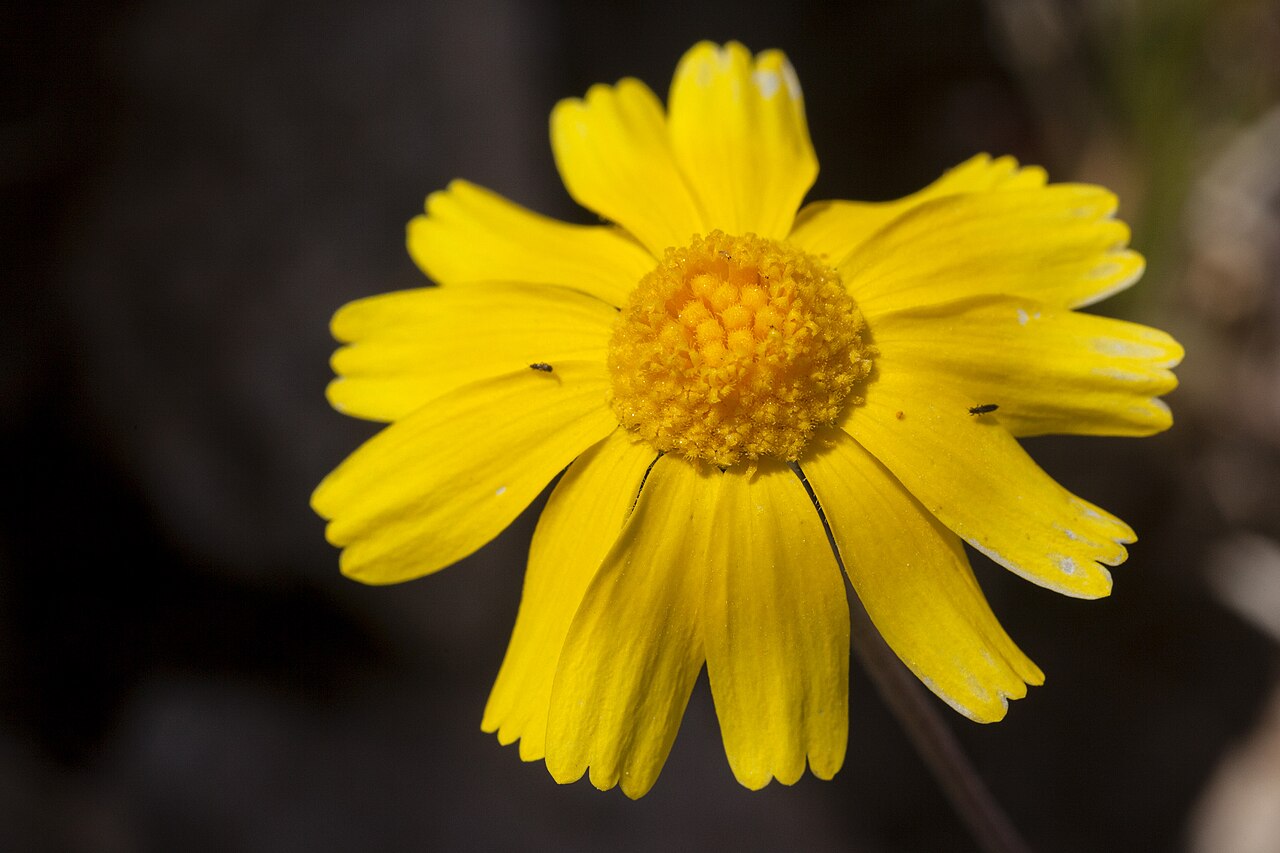
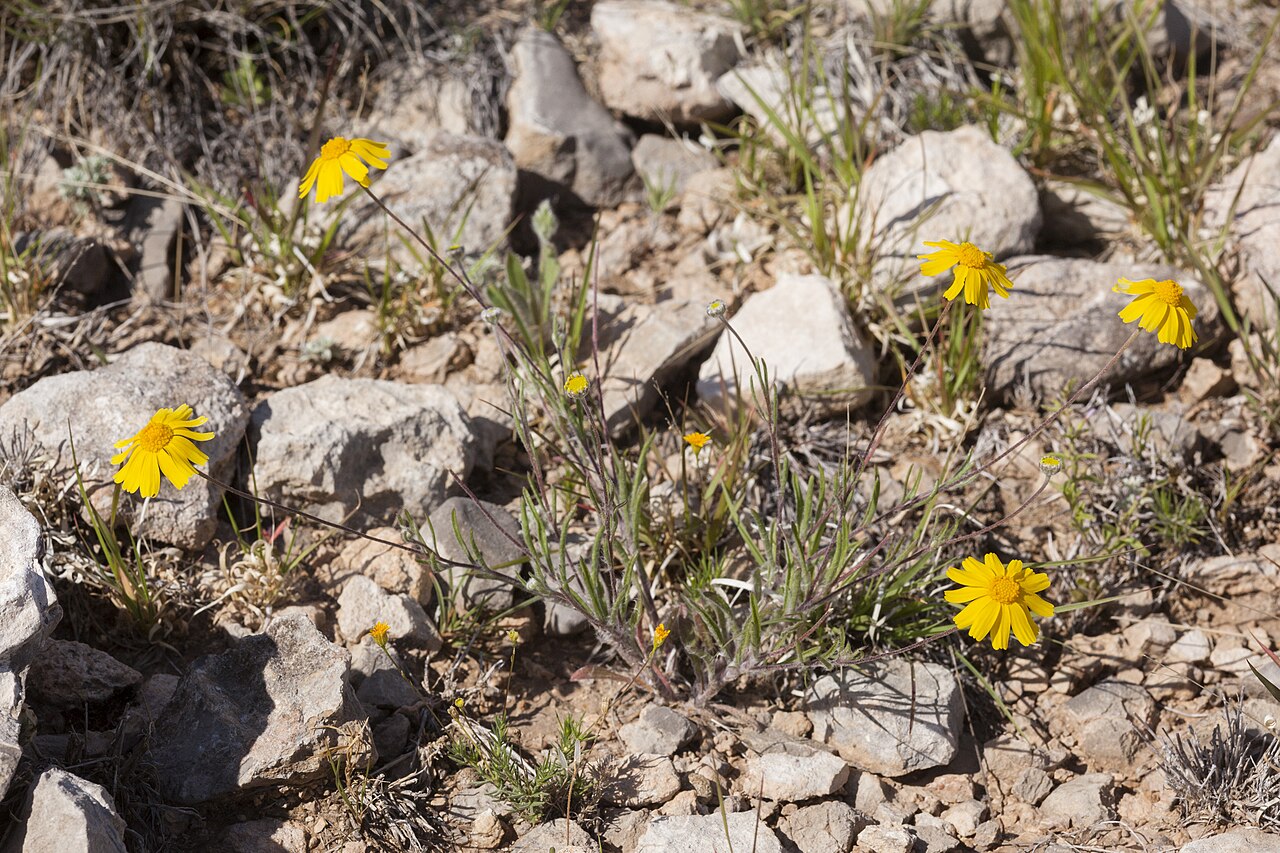
Tetraneuris linearifolia, known as Fineleaf Four-Nerved Daisy, fineleaf hymenoxys or slimleaf bitterweed, is a cheerful little annual wildflower of the southern Great Plains and the Southwest. It forms a loose, branching plant usually 6 to 20 inches tall, with narrow, thread-like leaves and a long display of bright yellow, daisy-like flower heads on slender stalks.
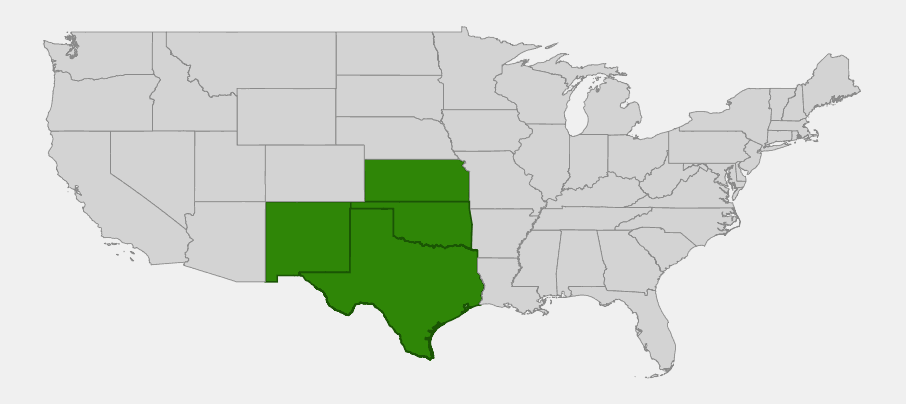
It is native to Texas, Oklahoma, New Mexico and southwestern Kansas, and south into northern Mexico. In Texas it is common on the Edwards Plateau, the Rolling Plains, the South Texas brush country and the Trans-Pecos, where it colors limestone hills, caliche roadsides, gravelly prairies and open, disturbed ground.
Its main bloom comes in spring and early summer, but after good rains it can flower in almost any month. It was long placed in the genus Hymenoxys as Hymenoxys linearifolia, a name still used in some older references. For gardeners it is an easy, self-sowing annual for dry, sunny spots and wildflower meadows.
Identification
Look for a small, loosely branched annual with very narrow leaves and many single yellow daisies, each ray marked with four fine nerves and three small teeth at the tip.
Growth Habit
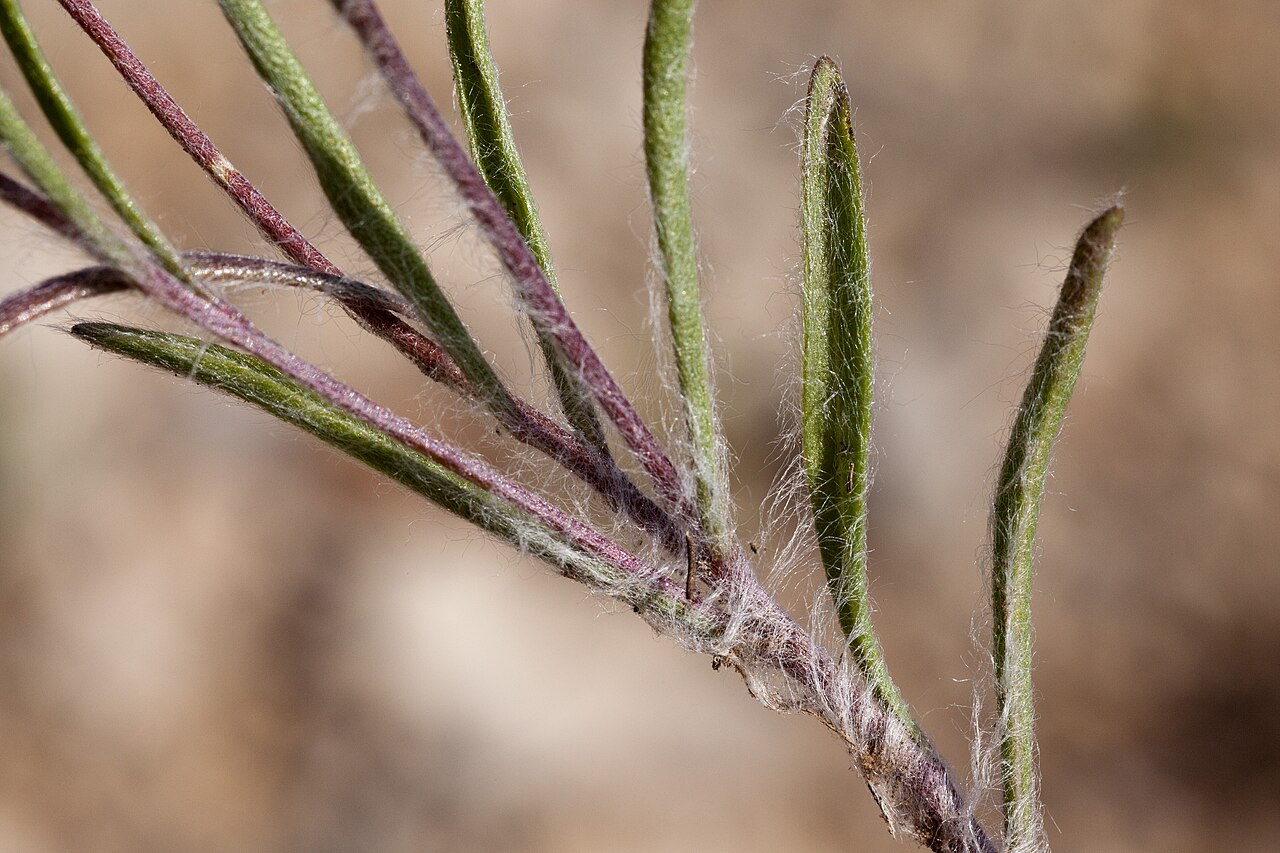
Fineleaf four-nerved daisy is an annual (sometimes behaving as a winter annual) with one to many stems branching from the base, usually 6 to 20 inches tall. The stems are leafy, often reddish near the base, and softly hairy.
Leaves
The leaves are alternate, narrowly linear to very narrowly spoon-shaped, usually 1 to 3 inches long and less than 1/4 inch wide, sometimes with a few narrow lobes. They are lightly to densely hairy and dotted with tiny glands. Basal leaves are often withered by the time the plant blooms well.
Flowers
Each flower head sits alone at the tip of a long, slender, leafless stalk. Eight to about fourteen bright yellow ray flowers surround a dome of yellow disc flowers. The rays are about 1/4 to 1/2 inch long, three-toothed at the tip, and marked by four fine veins, the feature behind the name “four-nerved.” Hairy green bracts cup the head from below. The main bloom is April to July, with scattered flowers in other months after rain.
Fruit
The fruits are small, hairy, dry achenes topped with a few pointed, papery scales. They are shed from the dried head and scatter around the parent plant.
Look-alikes
Four-nerve daisy (Tetraneuris scaposa) is a long-lived perennial with leaves in a basal rosette and leafless flower stalks, while fineleaf four-nerved daisy is an annual with leafy, branching stems. Bitterweed (Hymenoxys odorata) has finely divided leaves and smaller heads with drooping rays. Greenthread (Thelesperma filifolium) has thread-like divided leaves and rays notched in a different way.
Quick Facts
| Scientific Name | Tetraneuris linearifolia (syn. Hymenoxys linearifolia) |
| Family | Asteraceae (aster family) |
| Plant Type | Annual wildflower (sometimes a winter annual) |
| Mature Height | 6–20 in |
| Mature Spread | 6–12 in |
| Growth Rate | Fast |
| Sun Exposure | Full sun |
| Water Needs | Low; drought tolerant |
| Soil Type | Limestone, caliche, gravelly, rocky or sandy soils; well-drained |
| Soil pH | Neutral to alkaline (about 7.0–8.5) |
| Bloom Time | Mainly April–July; sporadic year-round after rain |
| Flower Color | Bright yellow |
| Fall Color | None |
| Fruit | Small hairy achenes with papery scales |
| Deer Resistant | Generally yes; bitter foliage is seldom browsed |
| USDA Hardiness Zones | Annual; grows wild in about zones 6–9 |
Native Range
USDA PLANTS lists fineleaf four-nerved daisy as native in four states: Texas, Oklahoma, New Mexico and Kansas. Its range also extends into northern Mexico.
Texas is the heart of its range. It is common across the Edwards Plateau and Hill Country, the Rolling Plains, the South Texas Plains and the Trans-Pecos, and it reaches north into western and central Oklahoma, southwestern Kansas and eastern and southern New Mexico. It is not a plant of the forested, acidic soils of East Texas and the lower Mississippi Valley.
It grows in open, sunny places with thin, well-drained soil: limestone hills and outcrops, caliche and gravel slopes, shortgrass and mixed-grass prairie, brushland openings, sandy flats and roadsides, roughly from about 300 to 6,500 feet.
📋 Regional plant lists featuring Fineleaf Four-Nerved Daisy: Nebraska, Kansas & Eastern Colorado · South & West Texas
Growing & Care Guide
Fineleaf four-nerved daisy is one of the easiest native annuals for dry, sunny gardens in Texas and the southern Plains. Sow it once and it usually reseeds itself year after year.
Light
Plant it in full sun. In shade it becomes leggy and flowers poorly.
Soil & Water
It grows best in lean, well-drained soil: limestone gravel, caliche, rocky or sandy loam. Rich, heavily watered soil makes it floppy and short-lived. Once seedlings are up, it needs little or no supplemental water; an occasional soak in long summer droughts extends the bloom.
Planting Tips
Scatter seed on bare, loosened soil in fall so it gets winter moisture, and press it lightly into the surface without burying it deeply. It is ideal for wildflower meadows, hellstrips, gravel gardens and the edges of paths, where its yellow daisies mix well with other low natives.
Pruning & Maintenance
No pruning is needed. Shearing spent heads in early summer can encourage a second flush, but leave some heads to ripen if you want it to reseed. Pull dried plants after they finish if you prefer a tidy look.
Propagation
Grow it from seed. Collect ripe heads once they turn brown and fluffy, and sow in fall or very early spring. Seeds germinate readily on bare soil with cool-season moisture.
Landscape Uses
- Wildflower meadows: long-blooming yellow color among grasses and other wildflowers
- Gravel and rock gardens: thrives in thin, alkaline, fast-draining soil
- Pollinator gardens: a steady source of pollen and nectar for small native bees
- Roadsides and hellstrips: tough in hot, dry, disturbed spots
- Low-water landscapes: needs little or no irrigation once up
Wildlife & Ecological Value
Its long, dependable bloom makes fineleaf four-nerved daisy a useful small food source in dry grasslands.
For Pollinators
Small native bees, including sweat bees and mining bees, along with flies, beetles and small butterflies, visit the flower heads for pollen and nectar.
For Birds
Seed-eating birds such as sparrows may pick at the small achenes once the heads dry.
For Mammals
Its bitter foliage is seldom eaten. Some relatives in Hymenoxys are known to be toxic to sheep and goats, so it is not a desirable forage plant.
Ecosystem Role
As a fast-growing annual, it quickly covers bare and disturbed soil after rains, helping to hold soil and adding flowers to young plant communities on limestone hills and caliche flats.
Cultural & Historical Uses
The genus name Tetraneuris comes from Greek words meaning “four nerves,” describing the four veins on each ray flower. The species name linearifolia means “with linear leaves.”
Botanists have moved this group between Hymenoxys, Actinella and Tetraneuris. Many Texas wildflower books and older herbarium labels list it as Hymenoxys linearifolia.
Because it can bloom in almost any month after rain, it is one of the first yellow daisies many people notice on Hill Country roadsides and limestone outcrops.
Frequently Asked Questions
Is fineleaf four-nerved daisy an annual or a perennial?
It is an annual. Plants live for one season, sometimes germinating in fall and blooming the next spring, but it reseeds readily so a patch can persist for years.
Why is it called four-nerved daisy?
Each yellow ray flower has four fine veins, or nerves, running along it. The genus name Tetraneuris means “four nerves.”
How is it different from four-nerve daisy?
Four-nerve daisy (Tetraneuris scaposa) is a perennial with a basal rosette of leaves and leafless flower stalks. Fineleaf four-nerved daisy is an annual with leafy, branching stems.
When does it bloom?
Mostly from April to July, but after good rains it can bloom in nearly any month in Texas.
Is it toxic?
Some related plants in Hymenoxys, such as bitterweed, are poisonous to sheep and goats. Fineleaf four-nerved daisy is not grown as food or forage, and livestock and deer generally avoid its bitter foliage.

Looking for a nursery that carries Fineleaf Four-Nerved Daisy?
Browse our native plant nursery directory: Kansas · New Mexico & Oklahoma · Texas