
Low Sagebrush (Artemisia arbuscula)
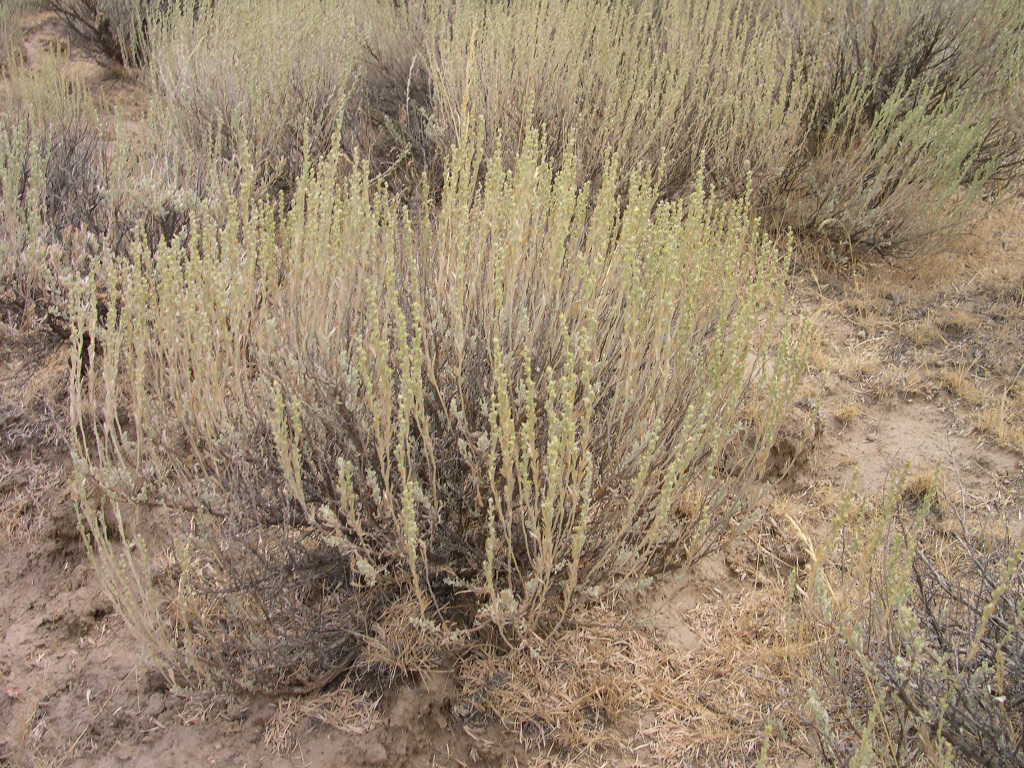
Artemisia arbuscula, known as Low Sagebrush or little sagebrush, is a dwarf, aromatic shrub of the sagebrush steppe of the interior West. It forms low, rounded, gray-green mounds usually less than 1½ feet tall, and it dominates thousands of square miles of rocky, shallow, clay-rich ground from the eastern Cascades and Sierra Nevada east to the Rocky Mountains, where taller sagebrushes cannot grow.
Low sagebrush is a close relative of Big Sagebrush (A. tridentata) and Black Sagebrush (A. nova), and it is often found in a patchwork with them: big sagebrush on the deeper soils, low sagebrush on the thin, rocky flats and ridges in between. Some botanists place it in the segregate genus Seriphidium as Seriphidium arbusculum.
Though small, it is one of the most important plants of the sagebrush ecosystem. Greater sage-grouse depend on low sagebrush flats for leks (display grounds), nesting and especially winter and early-spring food, and mule deer and pronghorn browse it in winter. It is a tough, long-lived shrub for xeric rock gardens and restoration projects in the dry West.
Identification
Low sagebrush is identified by its short, mounded form, small, deeply three-lobed gray leaves, and its habitat on shallow, rocky or clay soils. Its strong sagebrush scent is noticeable when the leaves are crushed.
Growth Form
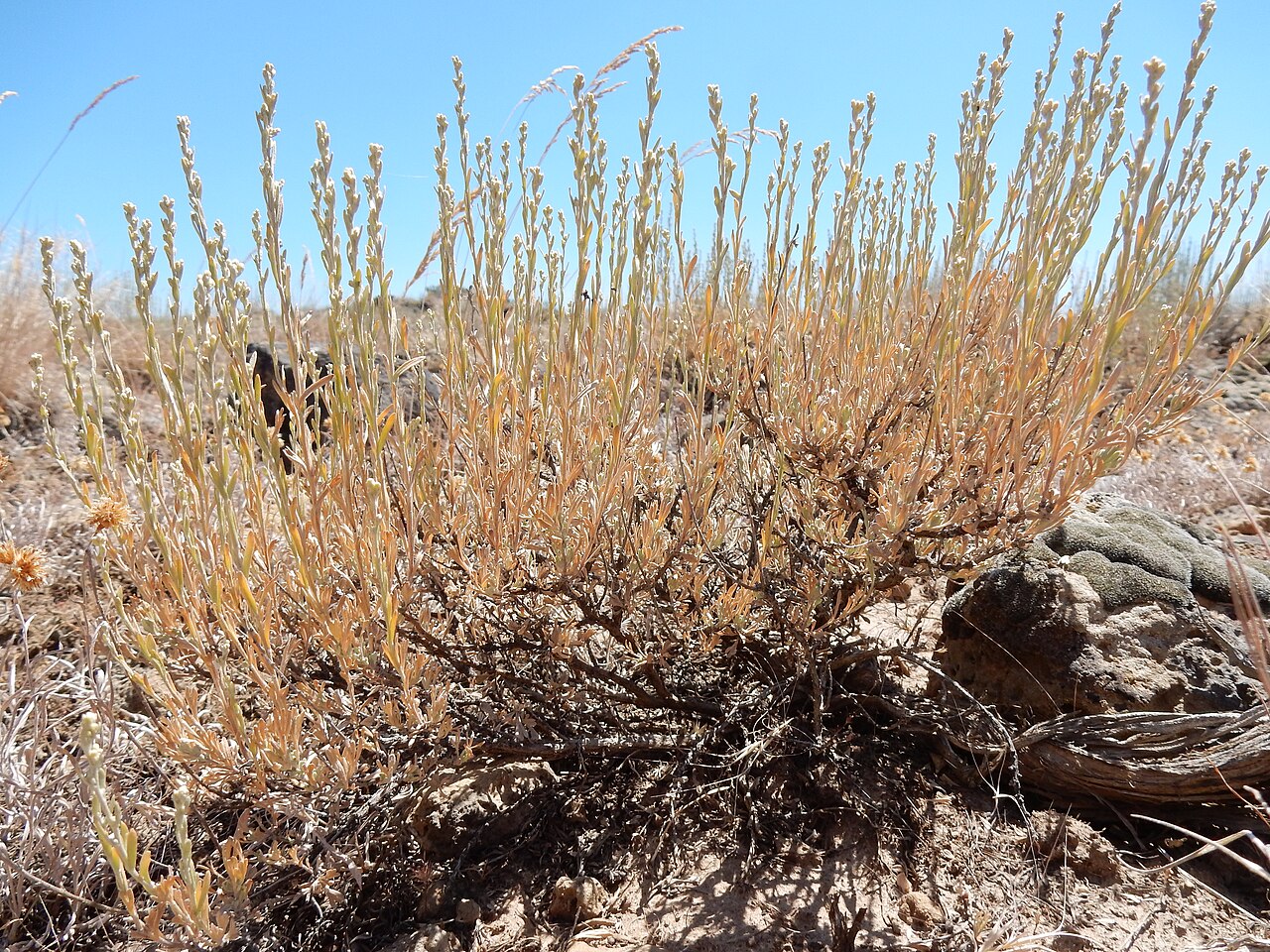
A low, spreading, much-branched shrub, usually 6 to 16 inches tall (occasionally to about 18 inches) and 1 to 2 feet wide. The stems are gray-brown with shredding bark at the base. Plants are evergreen, keeping their leaves through winter.
Leaves
The leaves are small (about ¼ to ¾ inch long), wedge-shaped and deeply divided at the tip into three lobes, usually cut farther toward the base than the shallow three teeth of big sagebrush leaves. They are covered with fine gray hairs and are strongly aromatic.
Flowers
In late summer and early fall (mostly July to September), slender, erect stalks rise above the foliage bearing narrow spikes of small, nodding, bell-shaped flower heads. Each head holds a few tiny pale yellow disk flowers and no petals. The flowers are wind-pollinated, and the tiny seeds (achenes) ripen in fall. The subspecies longiloba (early or alkali sagebrush) flowers earlier, in late spring and early summer.
Similar Species
Black Sagebrush (A. nova) is similar in size but has greener, darker, sticky-resinous leaves with fewer hairs and dark brown flower stalks; it usually grows on limestone or other calcareous soils. Big Sagebrush is much taller (2 to 7 feet or more) and has leaves that are only shallowly three-toothed at the tip, and it grows on deeper, better-drained soils. Silver sagebrush (A. cana) has narrow, mostly undivided silvery leaves and grows in moister bottomlands.
Quick Facts
| Scientific Name | Artemisia arbuscula Nutt. (syn. Seriphidium arbusculum) |
| Family | Asteraceae (aster family) |
| Plant Type | Dwarf evergreen aromatic shrub |
| Mature Height | 6–16 in (rarely to 18 in) |
| Mature Spread | 1–2 ft |
| Growth Rate | Slow |
| Sun Exposure | Full sun |
| Water Needs | Very low; dry once established |
| Soil Type | Shallow, rocky or gravelly soils, often over clay or hardpan |
| Soil pH | About 6.0–8.0 |
| Bloom Time | July–September (subsp. longiloba earlier) |
| Flower Color | Pale yellow (inconspicuous) |
| Fall Color | None; evergreen gray-green foliage |
| Fruit | Tiny achene, ripening in fall |
| Deer Resistant | No; browsed by mule deer and pronghorn in winter |
| USDA Hardiness Zones | 3–7 |
Native Range
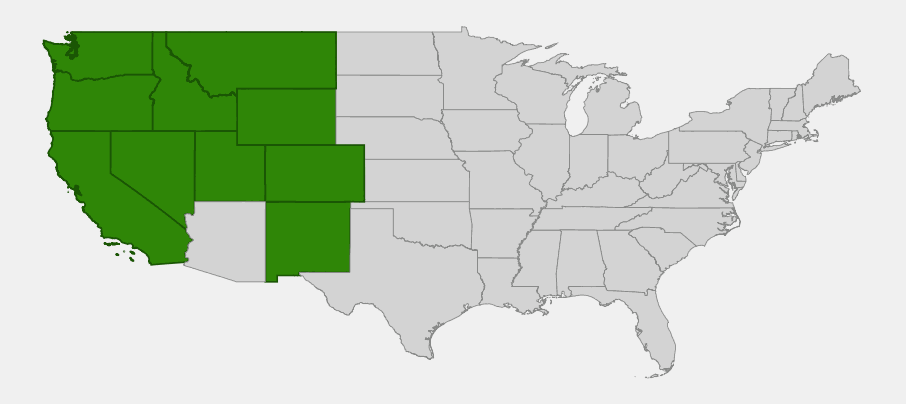
Low sagebrush is native to the interior western United States. USDA PLANTS records it in California, Colorado, Idaho, Montana, Nevada, New Mexico, Oregon, Utah, Washington and Wyoming. Its heartland is the northern Great Basin and the high plateaus of southern Idaho, eastern Oregon, northeastern California and northern Nevada, where low sagebrush communities cover vast areas. It extends into eastern Washington, western Wyoming and southwestern Montana, western Colorado and Utah, with outlying records in northwestern New Mexico.
In Oregon and Washington it grows east of the Cascades, and in California mainly on the Modoc Plateau and the east side of the Sierra Nevada. It occurs from about 3,000 feet to over 10,000 feet in elevation, from valley flats to high mountain ridges and windswept slopes.
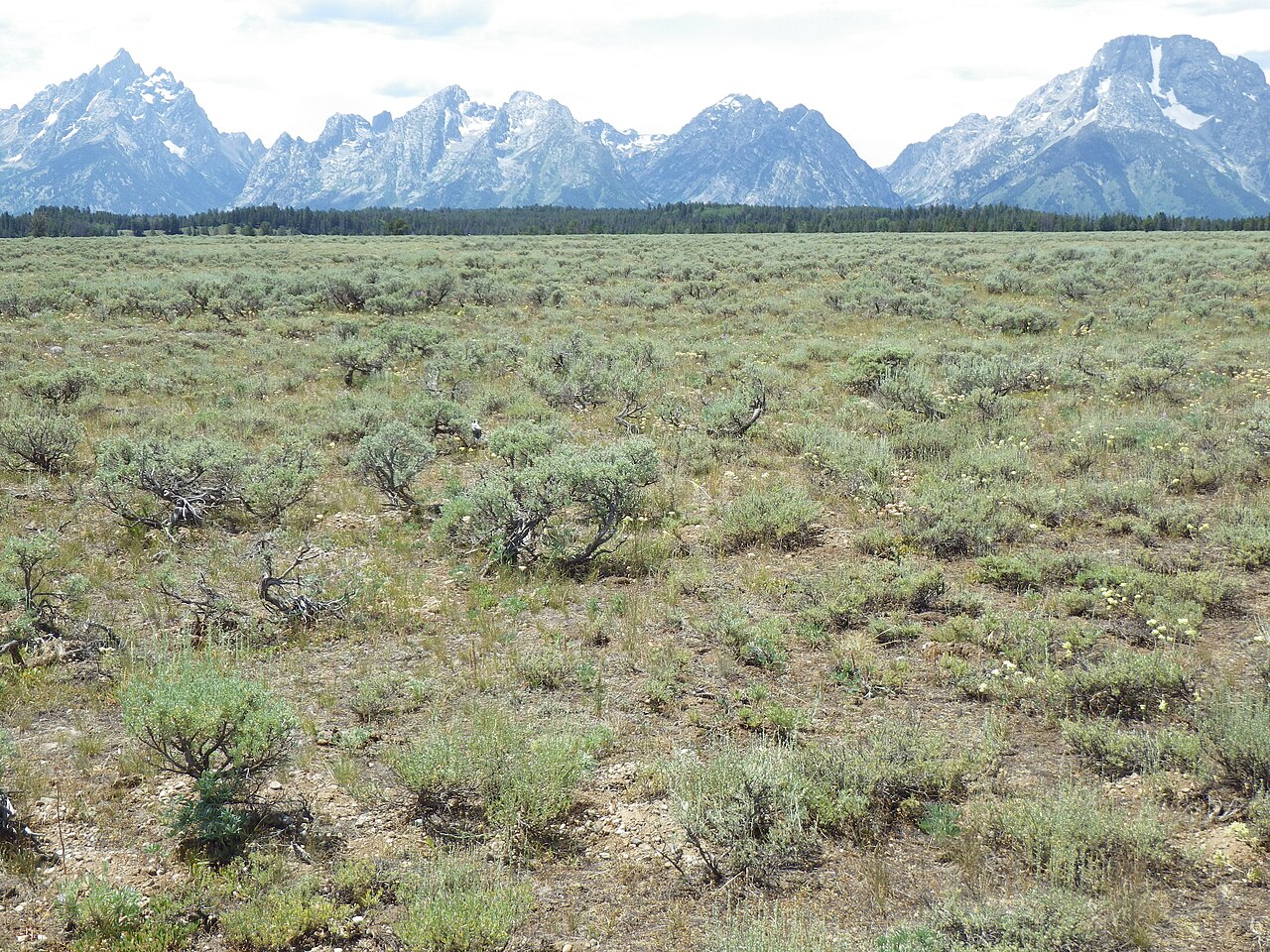
Its characteristic habitat is shallow, rocky or gravelly soil over a dense clay layer or bedrock. These soils are often saturated in early spring and bone-dry by summer, conditions that roots of big sagebrush cannot tolerate. Low sagebrush typically grows in a mosaic with big sagebrush on deeper soils, and with bunchgrasses such as Idaho fescue, bluebunch wheatgrass and Sandberg bluegrass.
📋 Regional plant lists featuring Low Sagebrush: Idaho, Eastern Oregon & Eastern Washington · California & Nevada · Utah & Western Colorado · Montana & Wyoming · Arizona & New Mexico · Western Oregon & Western Washington
Growing & Care Guide
Low sagebrush is mostly a plant for restoration and dry, naturalistic gardens in the interior West. It is not common in nurseries, but seed is offered by some western native seed suppliers, and specialty native nurseries sometimes grow it. Where it is native, it is an excellent low, evergreen, fragrant shrub for rock gardens and xeric landscapes that receive no summer water.
Light
Full sun only. It will not tolerate shade.
Soil & Water
Plant it in lean, rocky, gravelly or clay soil; it does not need rich soil and dislikes fertilizer. Water only to establish it during its first summer. After that, rely on natural precipitation. Regular summer irrigation, especially in warm climates, leads to root rot and short-lived plants.
Planting Tips
Plant small container-grown seedlings in fall or early spring, 1½ to 2 feet apart. It pairs well with native bunchgrasses, buckwheats and spring wildflowers in a sagebrush-steppe garden. It is best suited to cold, dry climates at moderate to high elevations; it struggles in humid, hot-summer regions.
Pruning & Maintenance
Little or none is needed. Do not shear it heavily or cut into old wood; like other sagebrushes it does not resprout from the base. Like most sagebrushes, it is killed by fire and recovers only from seed, so protect stands from wildfire and invasive cheatgrass, which fuels repeated fires.
Propagation
Grow from fresh seed sown on the soil surface in late fall or winter; the tiny seeds need light and cold, moist conditions to germinate well. Seed loses viability within a few years. Cuttings are difficult. In restoration, seeding is often combined with planting nursery-grown seedlings.
Landscape Uses
- Sagebrush steppe restoration: re-establishing sage-grouse winter and nesting habitat
- Xeric and rock gardens: a dwarf, fragrant evergreen shrub for dry, rocky sites
- Wildlife habitat plantings: winter forage for sage-grouse, mule deer and pronghorn
- Erosion control on thin soils: stabilizes shallow, rocky and clay soils on slopes and flats
- Low-water landscapes: no summer irrigation once established
Wildlife & Ecological Value
Low sagebrush is a keystone plant of the sagebrush steppe. Its communities provide food and cover for many of the sagebrush-dependent animals of the West.
For Pollinators
Low sagebrush is wind-pollinated and offers little for bees. It hosts many insects, including several gall-making flies and midges, such as the sagebrush medusa gall midge (Rhopalomyia medusa), and these insects in turn feed birds.
For Birds
Greater sage-grouse are closely tied to low sagebrush. They often use the open, low sagebrush flats as leks, nest under the shrubs, and eat low sagebrush leaves through winter and early spring, when sagebrush is nearly their entire diet. Where both grow, sage-grouse often prefer low sagebrush over big sagebrush as winter food. Sagebrush songbirds such as Brewer’s sparrow also forage in low sagebrush communities.
For Mammals
Mule deer, pronghorn and elk browse low sagebrush, mostly in winter when it stands above shallow snow and keeps its leaves. Ground squirrels, jackrabbits and other small mammals use low sagebrush communities for food and cover.
Ecosystem Role
Low sagebrush stabilizes shallow, erosion-prone soils and dominates sites where few other shrubs can grow. Because it is killed by fire and re-establishes only slowly from seed, large wildfires and invasion by cheatgrass are major threats to low sagebrush habitats and to the sage-grouse that rely on them.
Cultural & Historical Uses
The naturalist Thomas Nuttall, who collected plants across the Rocky Mountains and the Snake River country in the 1830s, described Artemisia arbuscula in 1841. The name arbuscula means “little tree” or “small shrub,” in reference to its dwarf size.
Sagebrushes have long been important to Indigenous peoples of the Great Basin and Columbia Plateau, who used various Artemisia species for medicine, smudging, fuel and fiber. These are historical and cultural uses, not recommendations; sagebrush contains strong aromatic oils that can be irritating or harmful in large amounts.
Today low sagebrush is central to sagebrush conservation. Federal and state agencies, ranchers and conservation groups work to protect and restore low sagebrush flats because of their value for greater sage-grouse and other wildlife of the “sagebrush sea.”
Frequently Asked Questions
What is the difference between low sagebrush and big sagebrush?
Low sagebrush is a dwarf shrub usually under 1½ feet tall, with deeply three-lobed leaves, and it grows on shallow, rocky or clay soils. Big Sagebrush is much taller (2 to 7 feet or more), has leaves only shallowly three-toothed at the tip, and grows on deeper, well-drained soils.
How do I tell low sagebrush from black sagebrush?
Both are low shrubs. Black Sagebrush has darker green, resinous leaves with fewer hairs and grows mostly on limestone or other calcareous soils. Low sagebrush has gray, hairy leaves and usually grows on non-calcareous clay or rocky soils.
Why is low sagebrush important for sage-grouse?
Sage-grouse use low sagebrush flats for leks and nesting, and they eat its leaves heavily in winter and early spring. In many areas they prefer it over big sagebrush as food, so protecting low sagebrush is important for sage-grouse conservation.
Can I grow low sagebrush in my garden?
Yes, in the dry interior West. Give it full sun, lean or rocky soil and no summer water once established. It does poorly in humid climates and with regular irrigation.
Does low sagebrush come back after fire?
No. Like big sagebrush, it is killed by fire and does not resprout. It returns only from seed, which can take decades, especially where cheatgrass has invaded.

Looking for a nursery that carries Low Sagebrush?
Browse our native plant nursery directory: California · Colorado · Idaho · Montana · Nevada & New Mexico · Oregon · Utah · Washington · Wyoming

