One-seed Juniper (Juniperus monosperma)
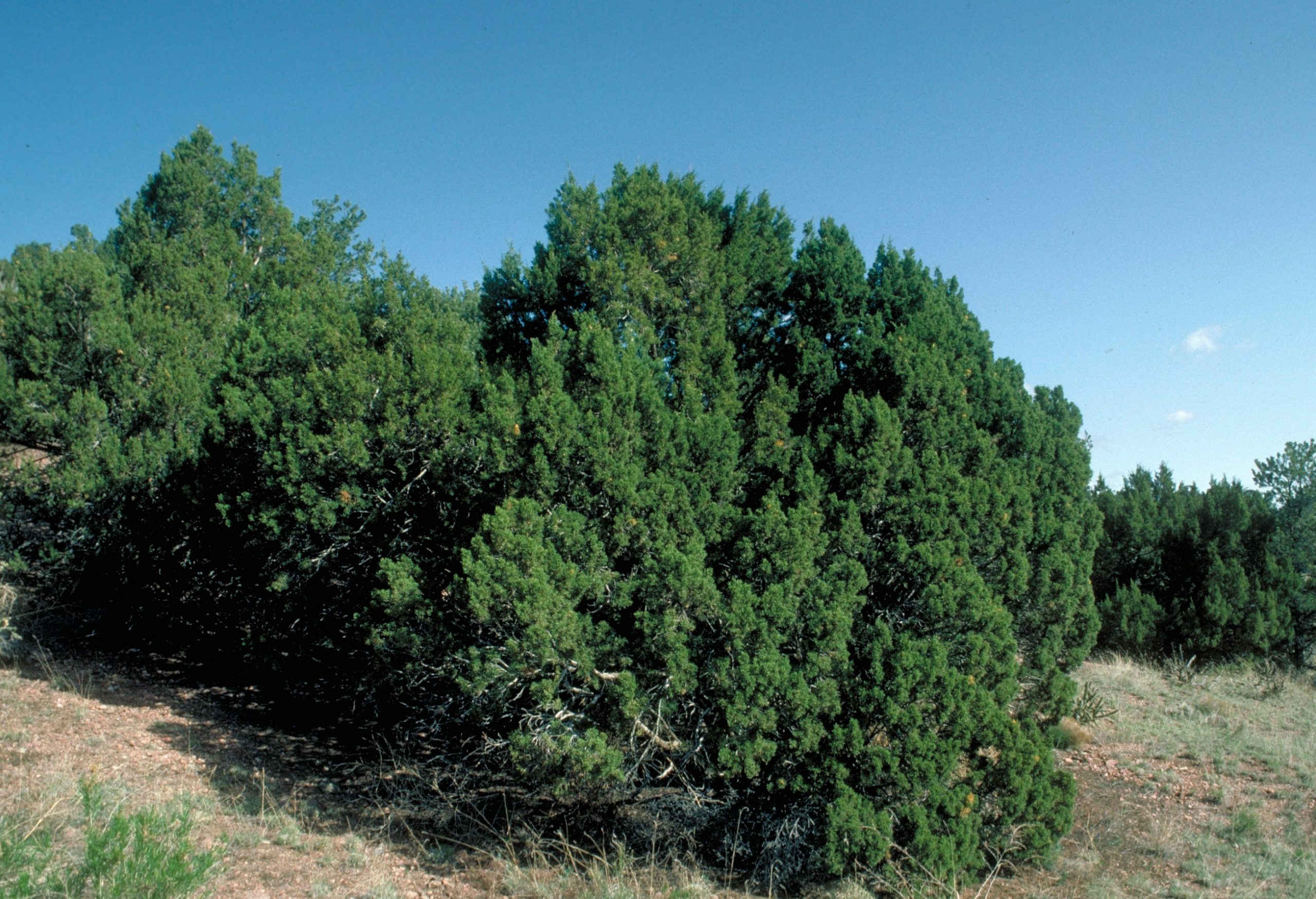
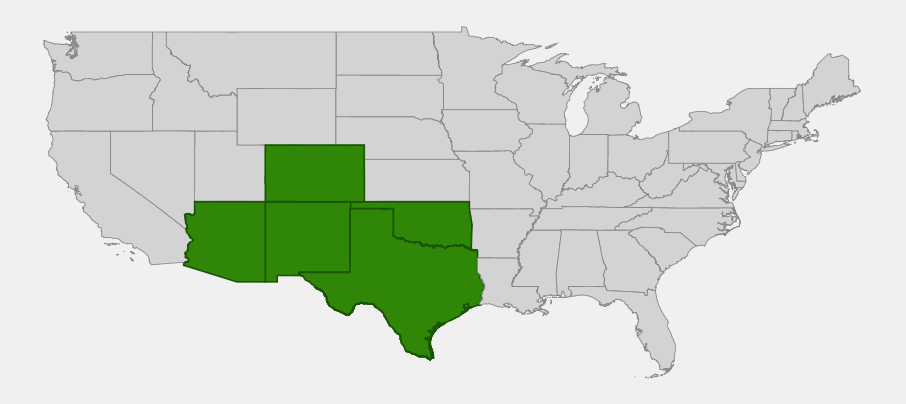
Juniperus monosperma, commonly called One-seed Juniper (also New Mexico juniper or oneseed juniper), is a tough, drought-defying evergreen of the Southwest’s high desert and foothill country. It is the signature juniper of the pinyon-juniper woodland — the vast, aromatic belt of small trees that covers millions of acres across Arizona, New Mexico, Colorado, Oklahoma, and Texas. Where other trees give up, one-seed juniper thrives, anchoring thin, rocky soils with roots that have been traced to extraordinary depths in search of water.
In the garden, one-seed juniper offers something increasingly valuable: a genuinely low-water, low-maintenance evergreen that still feeds and shelters wildlife. Its blue-tinged, berry-like cones are a winter lifeline for birds, its dense form blocks wind and screens views year-round, and once established it asks for almost nothing from the gardener. For xeriscape plantings, windbreaks, and naturalistic high-desert landscaping, it is hard to beat.
Identification
One-seed juniper is usually a large, multistemmed shrub or small tree, 7 to 20 feet tall (occasionally to 40 feet in old, undisturbed stands), with a rounded, often irregular crown that can look almost like a cluster of separate shrubs fused at the base. Multiple trunks splitting near ground level are typical and one of the easiest field marks distinguishing it from single-trunked junipers like Rocky Mountain juniper.
Bark and Form
The bark is gray-brown and peels away in thin, shreddy longitudinal strips, revealing a bright orange-brown layer underneath — a detail that stands out nicely against the dusty backdrop of its usual rocky habitat. Young shoots are slender, under 2 mm thick, giving the foliage a relatively fine, feathery texture compared to some of its stouter relatives.
Foliage
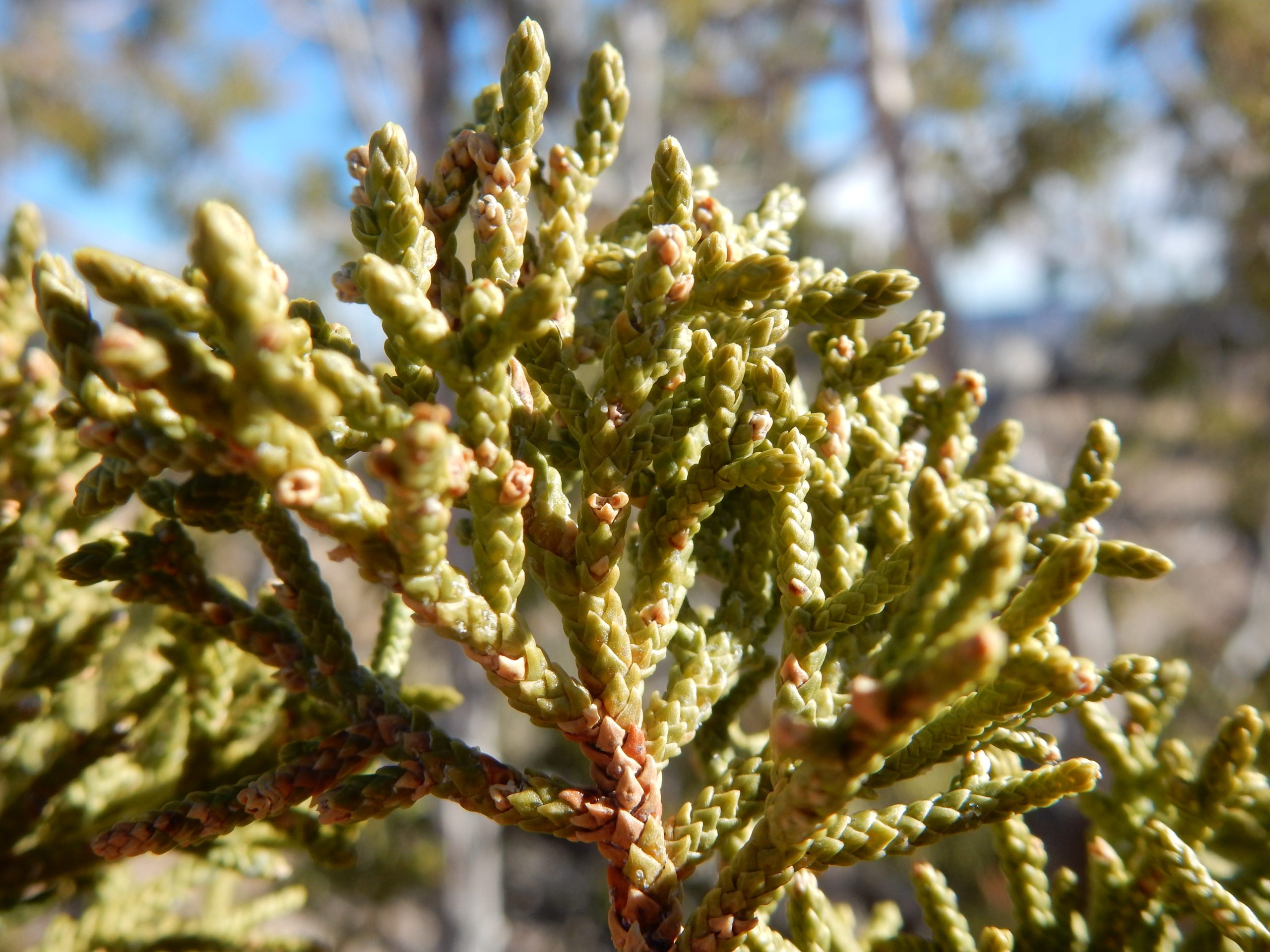
Leaves are scale-like, 1 to 2 mm long, pressed tightly against the twigs in overlapping, braided-looking whorls of three (sometimes opposite pairs). On vigorous young shoots the scales can stretch to 10 mm. Crush a sprig and you’ll get the sharp, resinous juniper scent that is unmistakable once you know it. Seedlings briefly produce sharp, needle-like juvenile foliage before switching to adult scale leaves.
Cones and Seeds
Like all junipers, the “berries” are actually small, fleshy cones — soft, rounded to egg-shaped, 5 to 7 mm across, dark blue with a pale waxy bloom. True to the species name monosperma, each cone typically holds a single hard seed, occasionally two or three. Cones take six to eight months to ripen from pollination and are a dependable winter food source for birds and small mammals. The species is usually dioecious, with separate male and female plants; male cones are tiny (2–4 mm) and release pollen in late winter, sometimes triggering noticeable juniper allergy season in the Southwest.
Oneseed juniper is frequently confused with Utah juniper (Juniperus osteosperma) and Rocky Mountain juniper (Juniperus scopulorum), which often grow alongside it. The multistemmed base, finer foliage texture, and single-seeded cones help separate it from Utah juniper’s typically single trunk and larger, often two-seeded cones.
Quick Facts
| Scientific Name | Juniperus monosperma |
| Family | Cupressaceae (Cypress) |
| Plant Type | Evergreen Shrub / Small Tree |
| Mature Height | 7–20 ft (occasionally larger) |
| Mature Spread | 10–20 ft |
| Growth Rate | Slow |
| Sun Exposure | Full Sun |
| Water Needs | Low (once established) |
| Soil Type | Rocky, caliche, or sandy; well-drained |
| Soil pH | Neutral to alkaline |
| Foliage | Blue-green, scale-like |
| Fruit | Blue, berry-like cones (single-seeded) |
| Deer Resistant | Yes |
| USDA Hardiness Zones | 4–8 |
Native Range
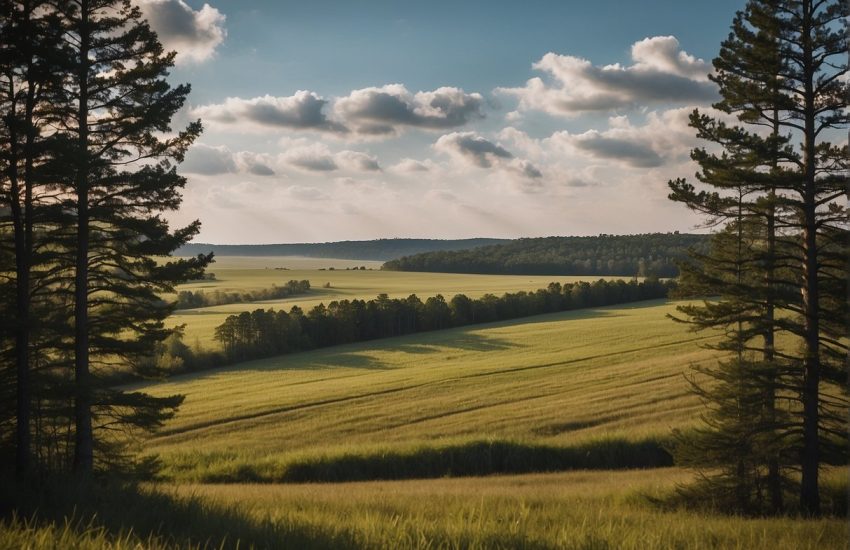
One-seed juniper is native to the warm, dry interior of the Southwest, forming extensive woodlands (often paired with Colorado pinyon, Pinus edulis) across Arizona and New Mexico, with outlying populations in southeastern Colorado, the western Oklahoma Panhandle, and far western Texas. It is especially abundant in the desert grassland and pinyon-juniper belts of New Mexico and in southeastern and north-central Arizona, typically between about 3,200 and 7,500 feet elevation.
Throughout its range it grows on dry mesas, rocky hillsides, and canyon slopes where few other woody plants persist. Common companions include Colorado pinyon, Utah juniper, Rocky Mountain juniper, various cacti and yuccas, and tough desert shrubs like creosote bush and ocotillo at the warmer, lower edges of its range.
📋 Regional plant lists featuring One-seed Juniper: Arizona & New Mexico · Nebraska, Kansas & Eastern Colorado
Growing & Care Guide
If you garden where summers are hot, water is scarce, and the soil is more rock than dirt, one-seed juniper is one of the most forgiving evergreens you can plant. It is essentially maintenance-free once established, and its main requirement — excellent drainage — is usually already satisfied in high-desert gardens.
Light
Give it full sun. One-seed juniper is a plant of open, exposed mesas and hillsides, and it grows densest and healthiest with at least six hours of direct sun daily. In heavier shade it becomes sparse and leggy and is more prone to disease.
Soil & Water
This juniper is built for rocky, caliche, and sandy soils with sharp drainage, and it tolerates alkaline conditions that stump many other evergreens. It is deeply drought tolerant once established — one of the most extreme examples being documented roots extending tens of meters underground in search of groundwater. New plantings need regular watering for the first one to two growing seasons to develop a strong root system; after that, established plants need little to no supplemental irrigation outside of extended drought. The one thing it cannot tolerate is “wet feet” — soggy, poorly drained soil will quickly lead to root rot.
Planting Tips
Plant in fall or early spring, choosing a site with full sun and fast-draining soil. Because mature plants are often multistemmed and irregular, allow generous space — 10 to 15 feet or more between plants — if you want them to develop their natural form rather than grow into one another. Avoid amending the planting hole with rich organic matter, which can hold excess moisture against the roots; native, unamended soil is usually best.
Pruning & Maintenance
Established one-seed junipers need very little upkeep. Remove dead or damaged wood as needed, and avoid heavy shearing, which can expose bare interior wood that junipers are slow to refill with new growth. If you want a cleaner, more tree-like silhouette, you can selectively remove lower branches and thin out some of the multiple trunks while the plant is young.
Landscape Uses
One-seed juniper’s toughness and year-round structure make it valuable in several garden roles:
- Xeriscape and water-wise gardens — thrives with minimal irrigation once established
- Windbreaks and screens — dense, multistemmed form blocks wind and view
- Wildlife gardens — winter cones feed birds when little else is available
- Erosion control on dry, rocky slopes
- Naturalistic pinyon-juniper landscaping paired with native pinyon pine, agave, and yucca
- Firewise, low-fuel-volume plantings when sited away from structures and regularly thinned
Fire Considerations
Like most junipers, one-seed juniper carries resinous, flammable foliage and can ignite readily, especially in drought conditions. In wildfire-prone areas, keep plants well-spaced from structures and from each other, remove accumulated dead interior branches, and avoid planting in dense, unbroken rows close to buildings.
Wildlife & Ecological Value
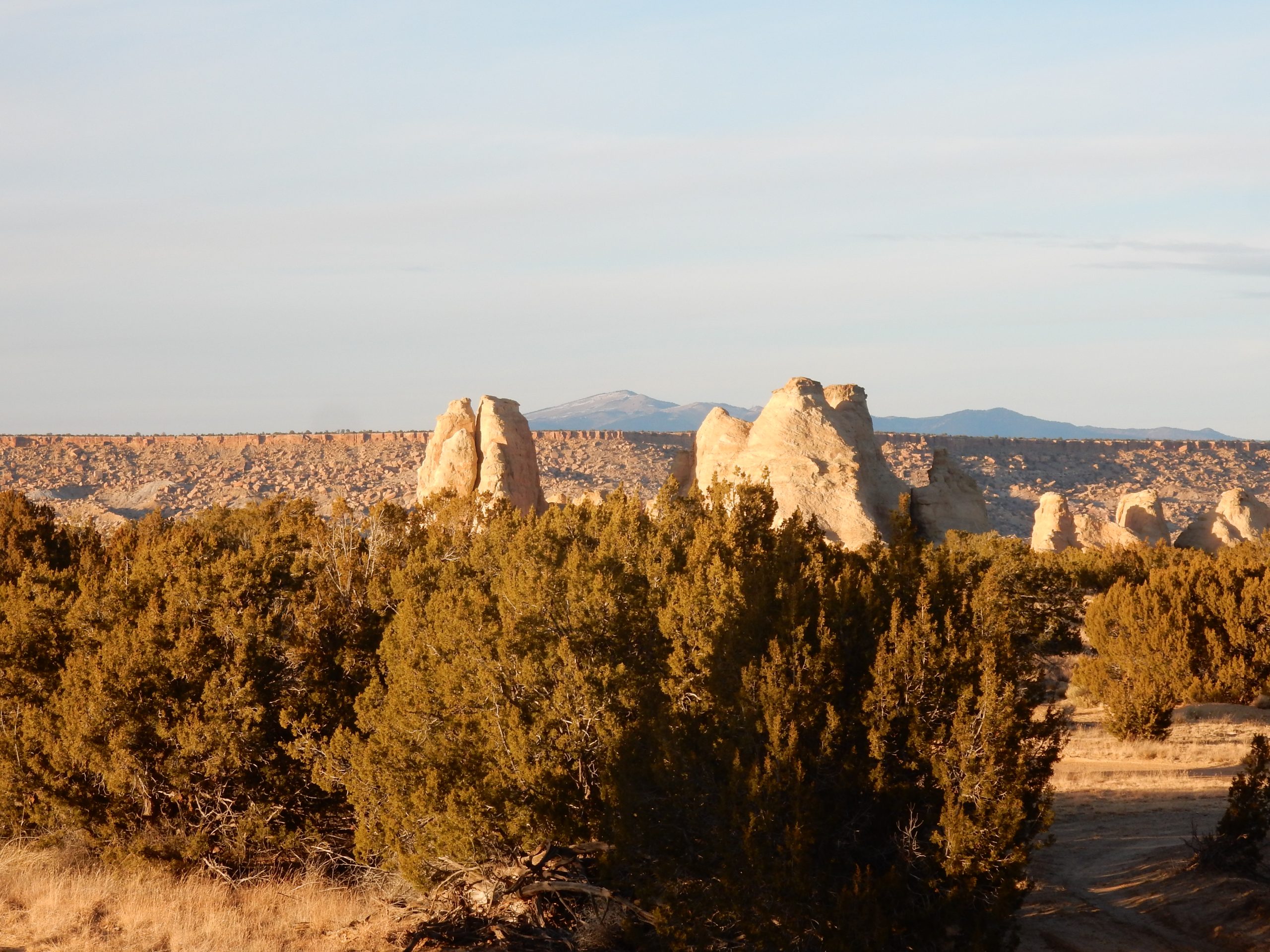
Pinyon-juniper woodland is one of the defining ecosystems of the interior Southwest, and one-seed juniper is a foundational part of it, providing year-round cover and a dependable winter food source in a landscape where resources are often scarce.
For Birds
The blue, berry-like cones are an important winter food for many birds, including American Robins, Cedar Waxwings, Townsend’s Solitaires, and various jays and thrushes, which also help disperse the seeds. The dense evergreen canopy offers year-round nesting sites and shelter from both weather and predators, particularly valuable in open, exposed terrain with few other tall woody plants.
For Mammals
Coyotes, foxes, and other small to medium mammals eat the cones, while mule deer and other browsers make use of the foliage, particularly in winter when other forage is limited. The thickets formed by multistemmed, mature plants provide hiding and bedding cover for a range of wildlife moving through open mesa and grassland country.
Ecosystem Role
As a dominant tree of the pinyon-juniper belt, one-seed juniper plays an outsized role in stabilizing thin desert soils, moderating temperature extremes at the ground level, and creating the vertical structure that many woodland-dependent species rely on in an otherwise open landscape. Because it tolerates conditions too harsh for most trees, it often represents the only significant woody cover across large stretches of mesa and foothill terrain.
Cultural & Historical Uses
Juniper species across the Southwest, including one-seed juniper, have a long history of use among Indigenous peoples of the region, including various Puebloan and Apache communities. Historically, the wood was used for fuel, construction, and tool-making, while the fibrous inner bark served practical purposes such as padding, cordage, and tinder. Cones and other plant parts figured in various traditional and ceremonial uses specific to individual communities.
The aromatic wood has also long been valued as reliable, long-burning firewood in the rural Southwest, and the distinctive gray, twisted old specimens are a defining visual feature of countless high-desert and canyon-country landscapes, appearing throughout regional art and photography. This article describes historical and cultural uses for background only, not as guidance for medicinal or dietary use.
Frequently Asked Questions
How fast does one-seed juniper grow?
Slowly. Like most junipers adapted to harsh, dry sites, it adds height gradually, often just a few inches a year, which is part of why old, established specimens are so valued and slow to replace if lost.
Is one-seed juniper deer resistant?
Generally yes — its resinous, aromatic foliage is not a preferred browse for deer, although animals may nibble it when other forage is scarce, especially in winter.
Can one-seed juniper handle clay soil?
It strongly prefers rocky or sandy, fast-draining soils. Heavy clay that stays wet is one of the few conditions that can seriously stress or kill this species, so improving drainage is important if your soil is dense and slow-draining.
Does one-seed juniper cause allergies?
Yes, like many junipers it releases substantial pollen from male plants in late winter, which is a well-known contributor to seasonal allergy symptoms across parts of the Southwest.
What is the difference between one-seed juniper and Utah juniper?
One-seed juniper is usually multistemmed from near the base with finer-textured foliage and single-seeded cones, while Utah juniper typically has a single trunk and cones that more often contain two seeds. Both frequently grow side by side in the same pinyon-juniper woodlands.

Looking for a nursery that carries One-seed Juniper?
Browse our native plant nursery directory: Arizona · Colorado · New Mexico & Oklahoma · Texas