
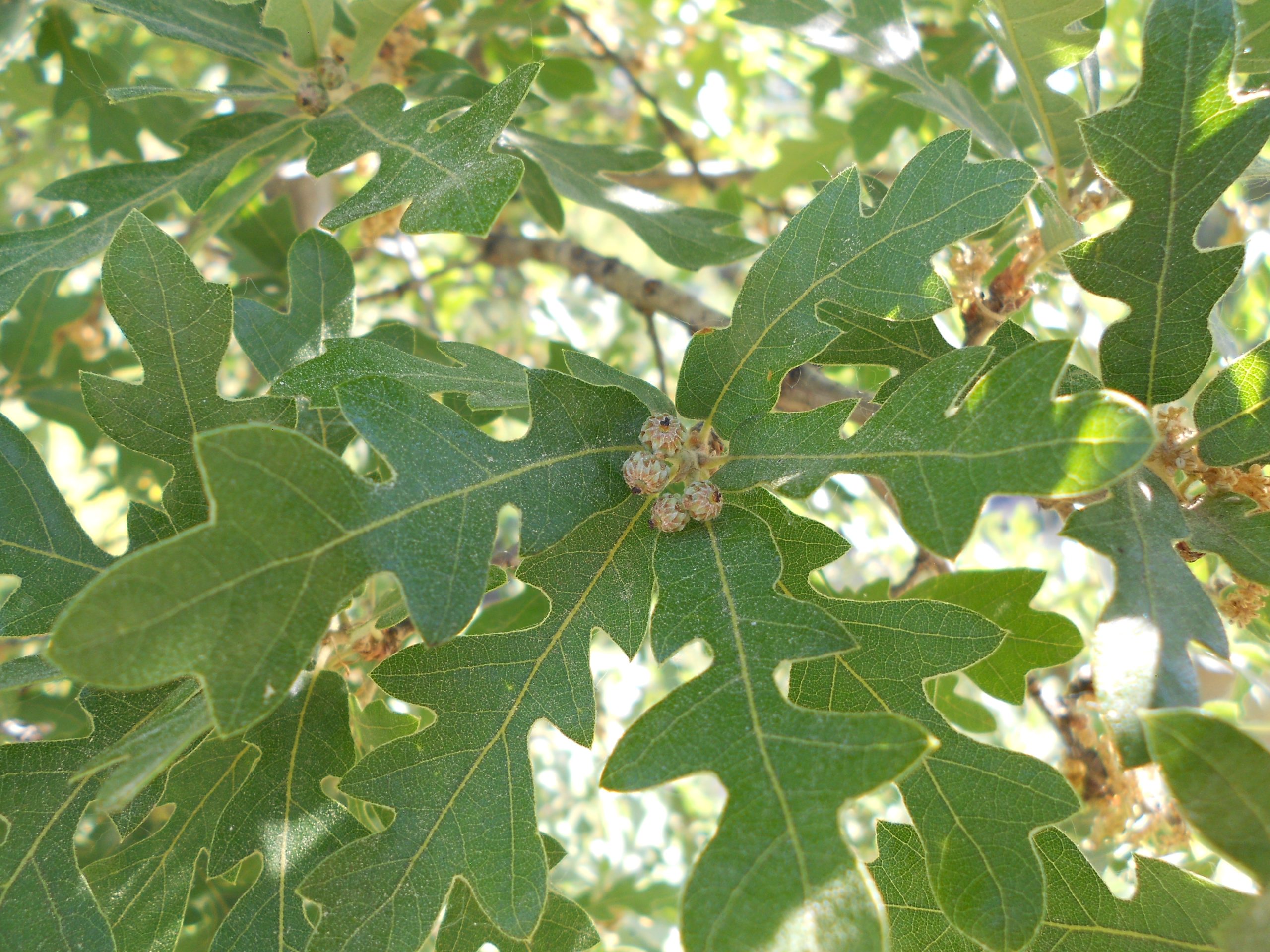
Wavyleaf Oak — a compact, evergreen oak of the Rocky Mountain Southwest with distinctive wavy-edged leaves. Photo: Wikimedia Commons (CC0) Quercus undulata, commonly known as
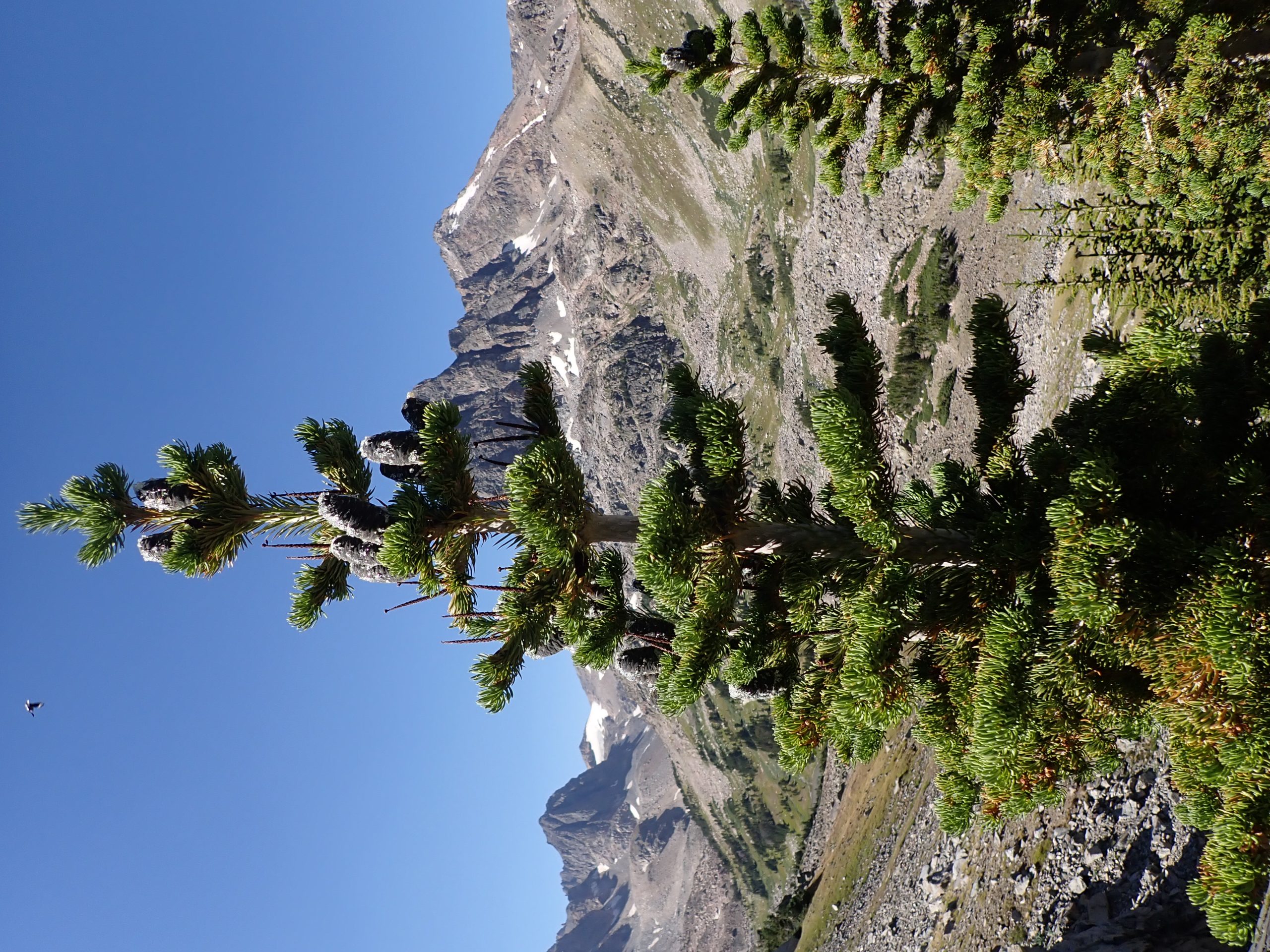
Subalpine Fir spires silhouetted against a mountain sky — one of the most dramatically shaped conifers of the Rocky Mountain West. Photo: Wikimedia Commons (CC
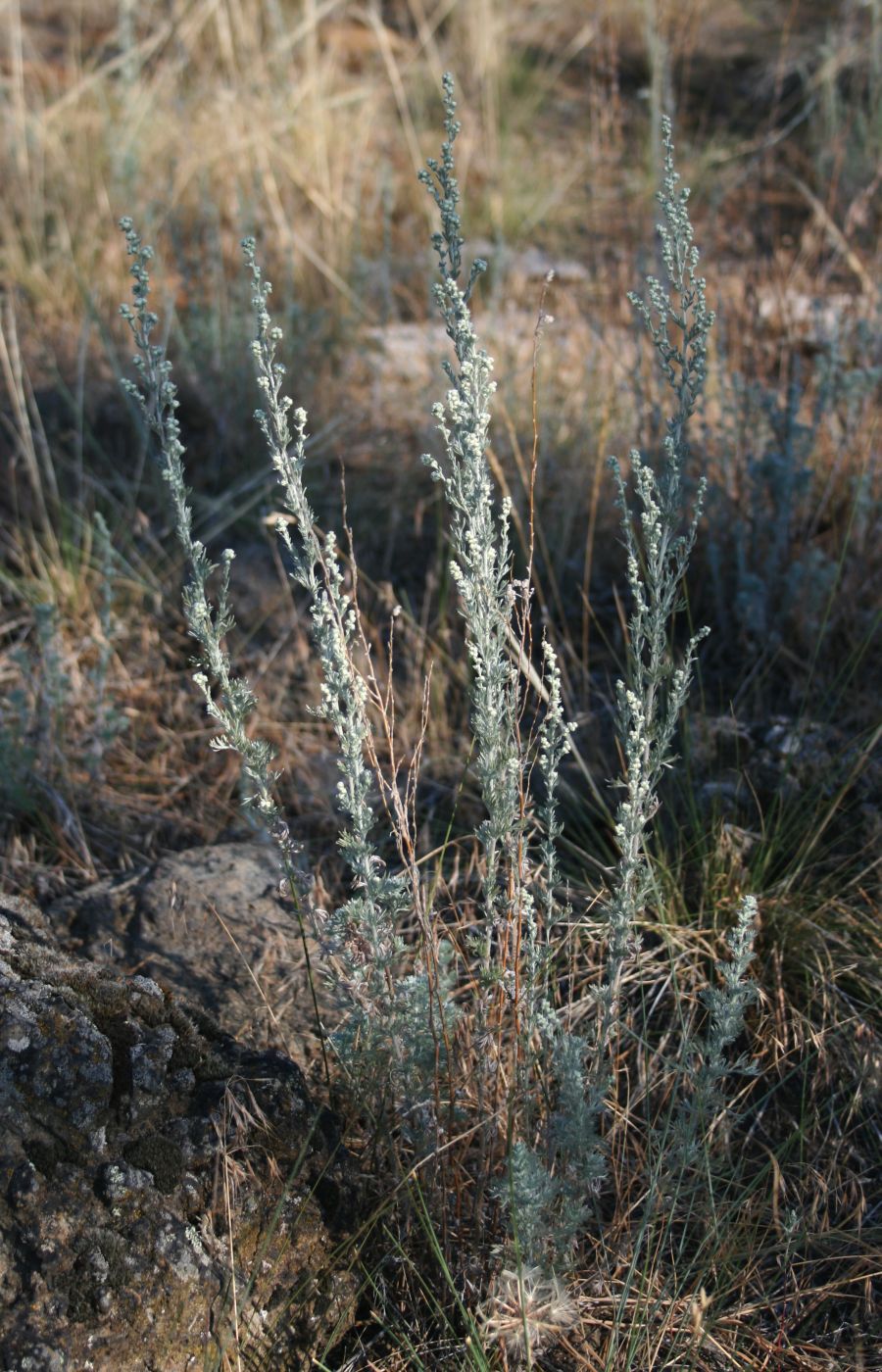
Fringed Sage’s delicate, silver-gray finely-cut leaves are among the most ornamental of any native sage. Photo: Wikimedia Commons (CC) Artemisia frigida, known as Fringed Sage,
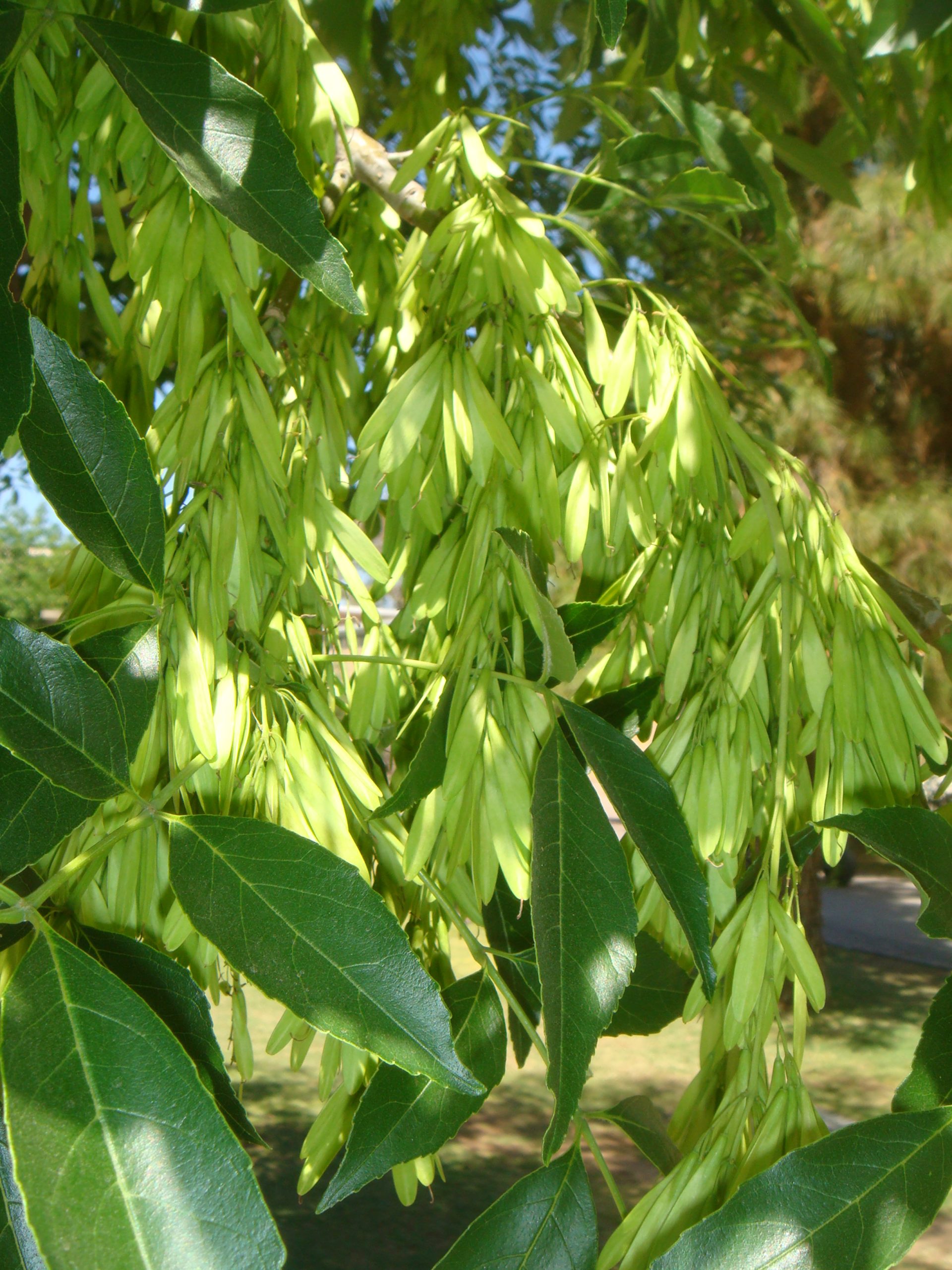
Velvet Ash showing its distinctive pinnate leaves and characteristic dense canopy. Photo: Wikimedia Commons (CC) Fraxinus velutina, commonly known as Velvet Ash or Arizona Ash,
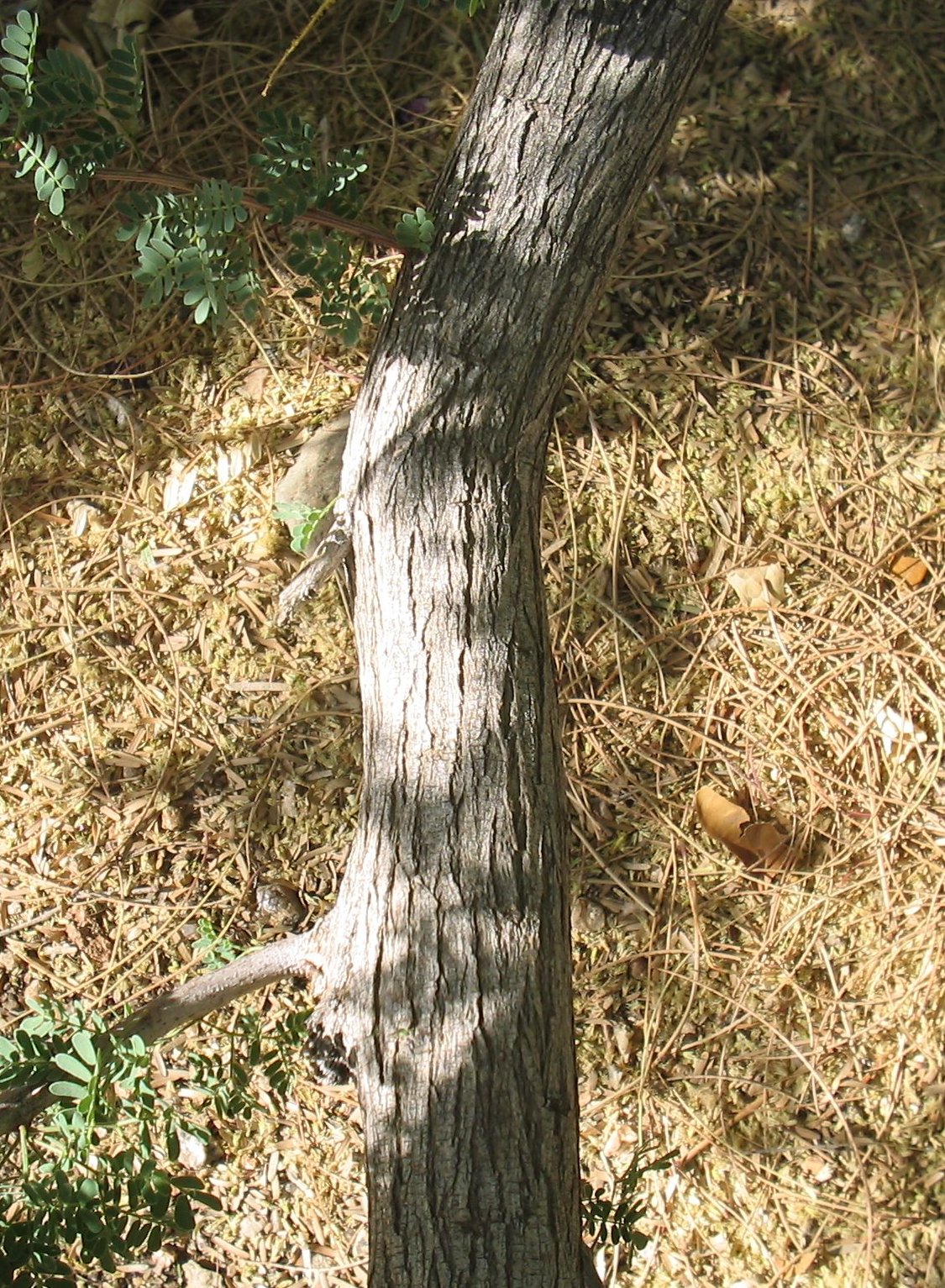
Catclaw Acacia with characteristic hooked thorns and creamy flower spikes. Photo: Wikimedia Commons (CC) Acacia greggii, commonly known as Catclaw Acacia, Wait-a-Minute Bush, or Devil’s
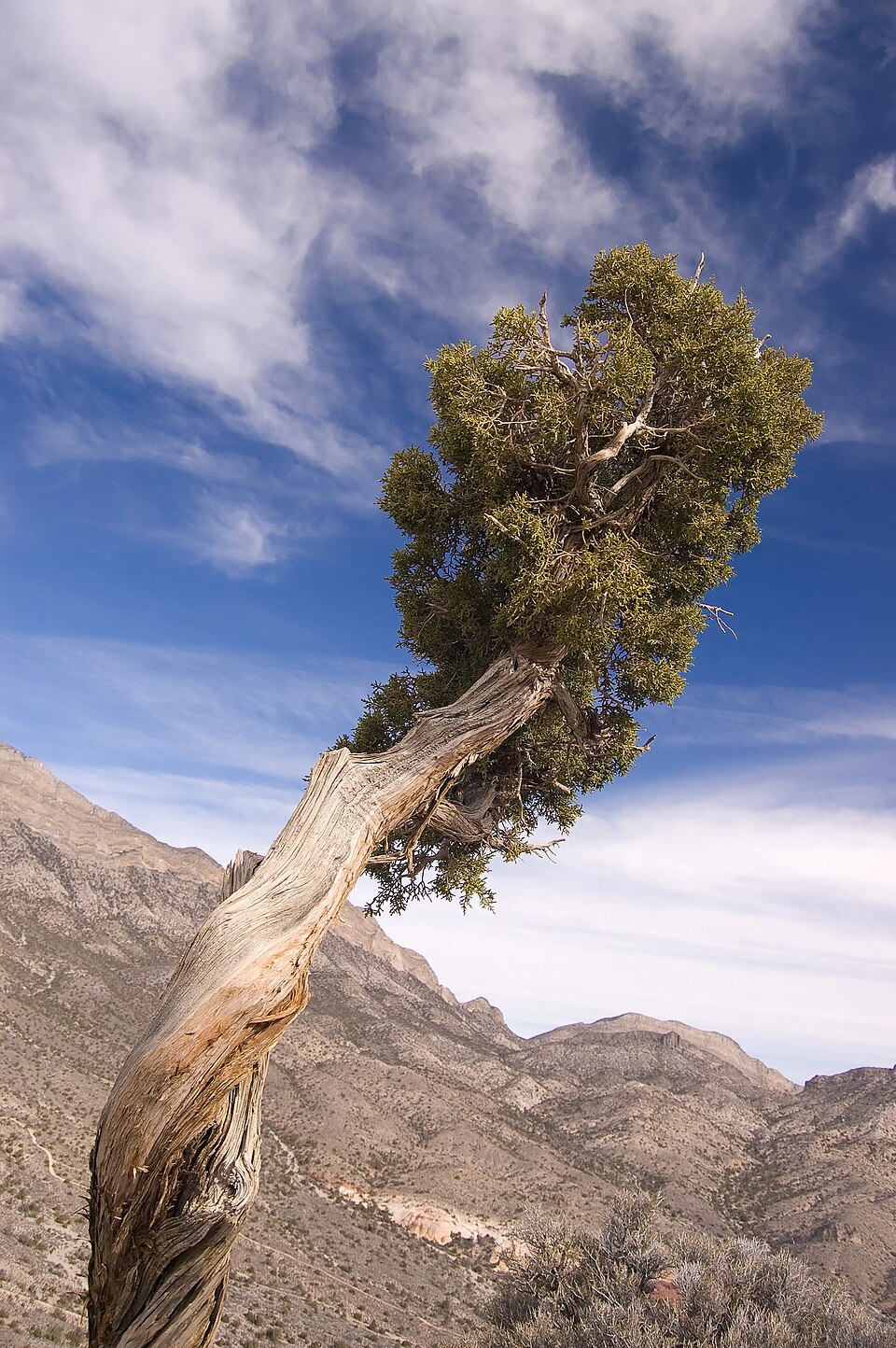
Utah Juniper — the most characteristic tree of Utah’s plateau and canyon country, valued for its beautiful bark and exceptional wildlife value. Photo: Wikimedia Commons
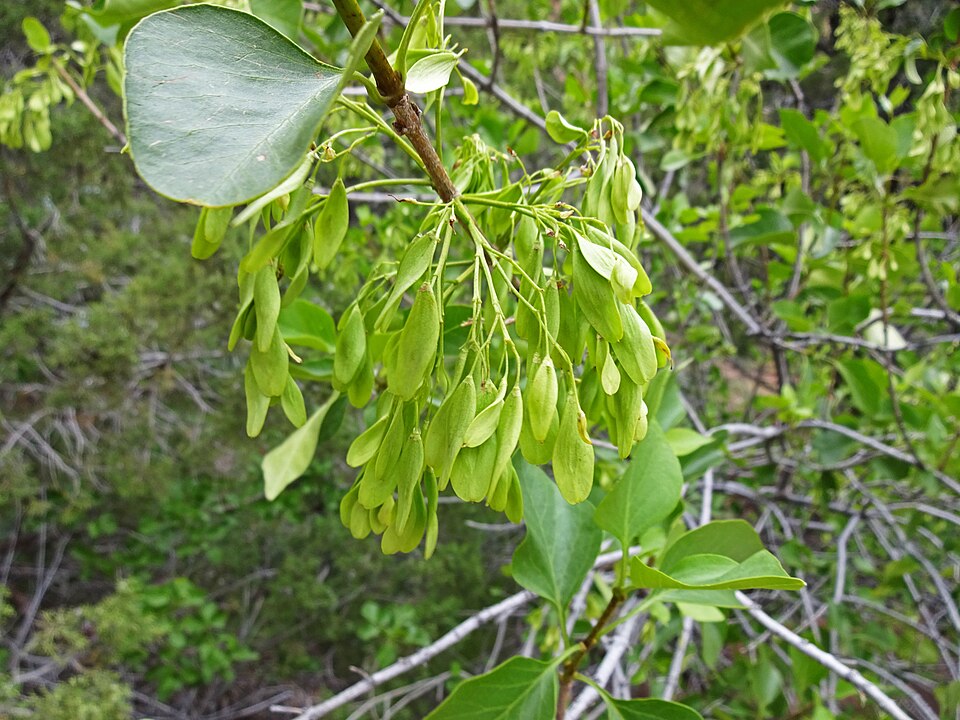
Singleleaf Ash — the botanically unusual simple leaves distinguish this ash from nearly all other members of its genus. Photo: Wikimedia Commons (CC BY 2.0)
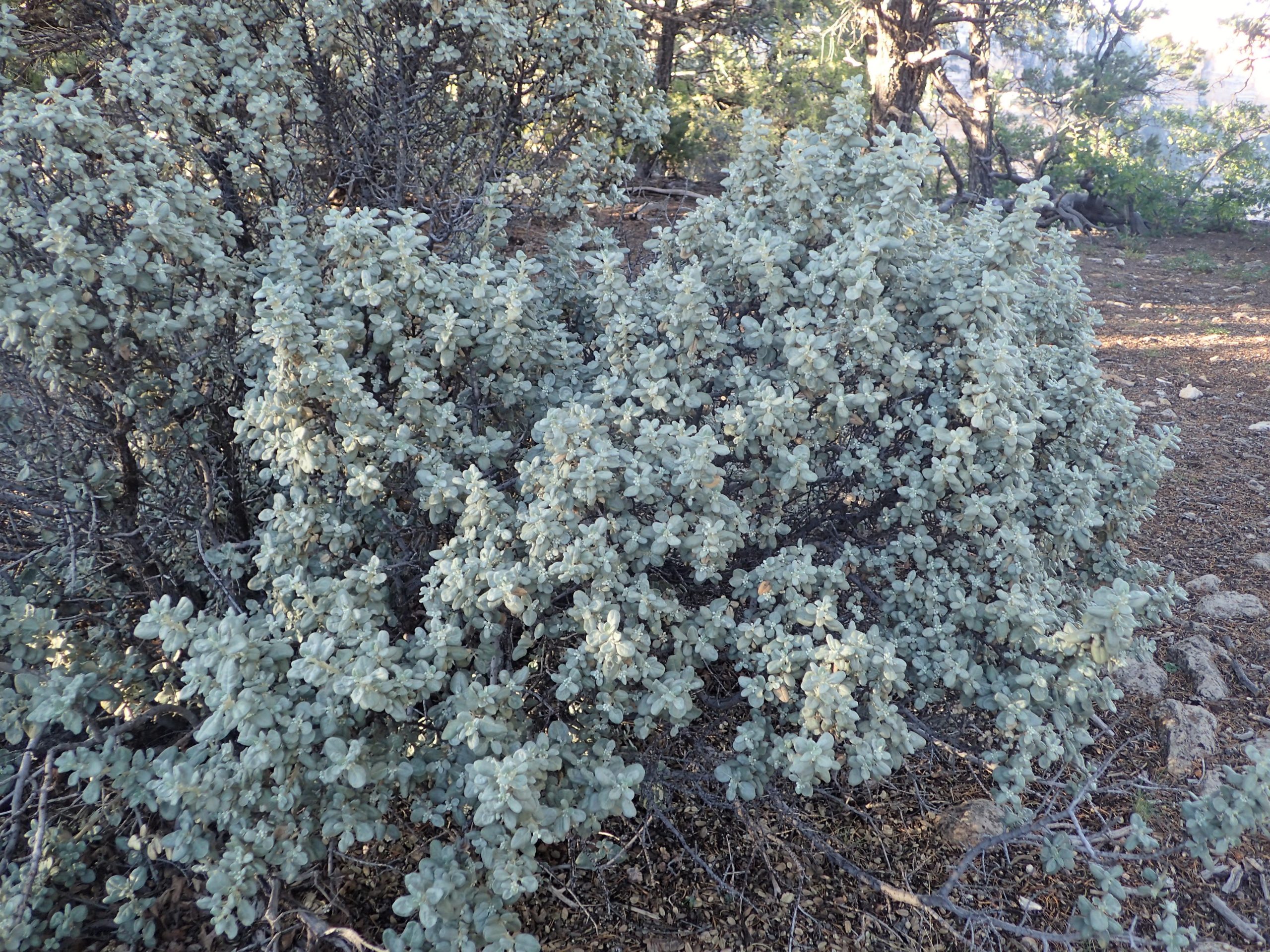
Roundleaf Buffaloberry — the striking silvery foliage is both a drought adaptation and an ornamental feature. Photo: Wikimedia Commons (CC BY-SA 4.0) Shepherdia rotundifolia, known
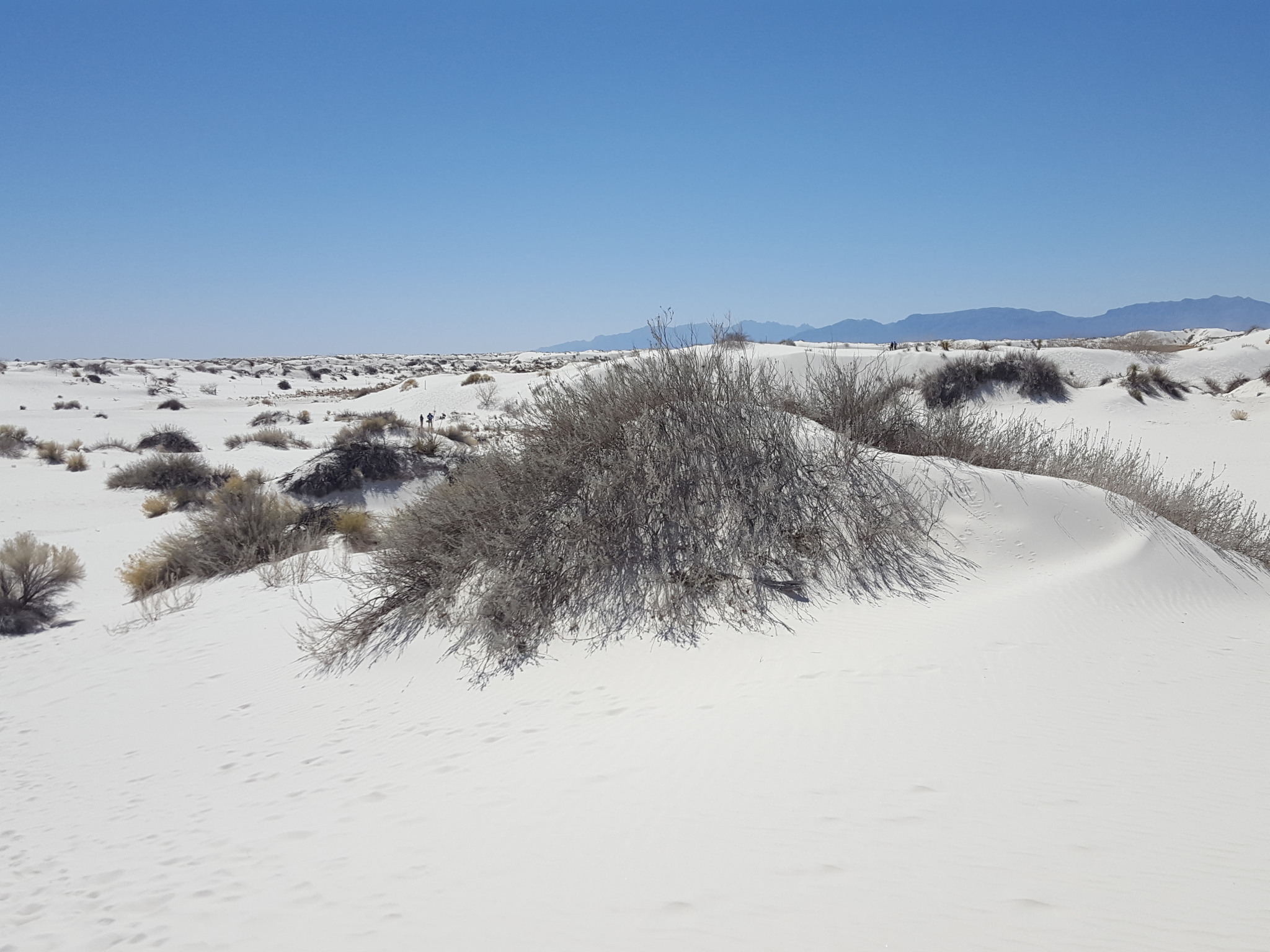
Hoary Rosmarymint in bloom — the silvery foliage and lavender flowers are as fragrant as they are beautiful. Photo: Wikimedia Commons (CC BY 4.0) Poliomintha
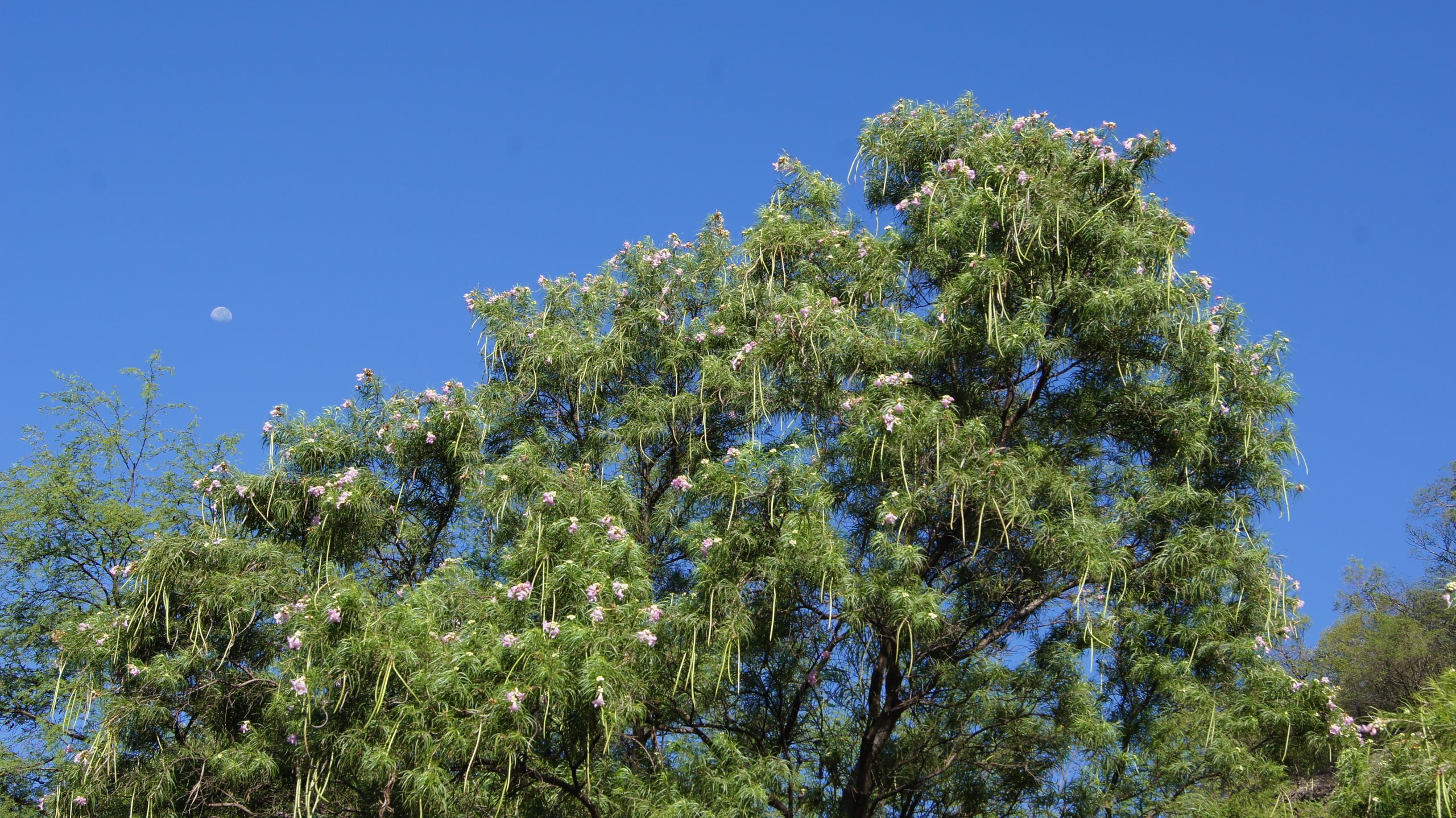
Desert Willow in full bloom — the trumpet-shaped flowers attract hummingbirds throughout summer. Photo: Wikimedia Commons (CC BY-SA 2.0) Chilopsis linearis, commonly known as Desert
View More