
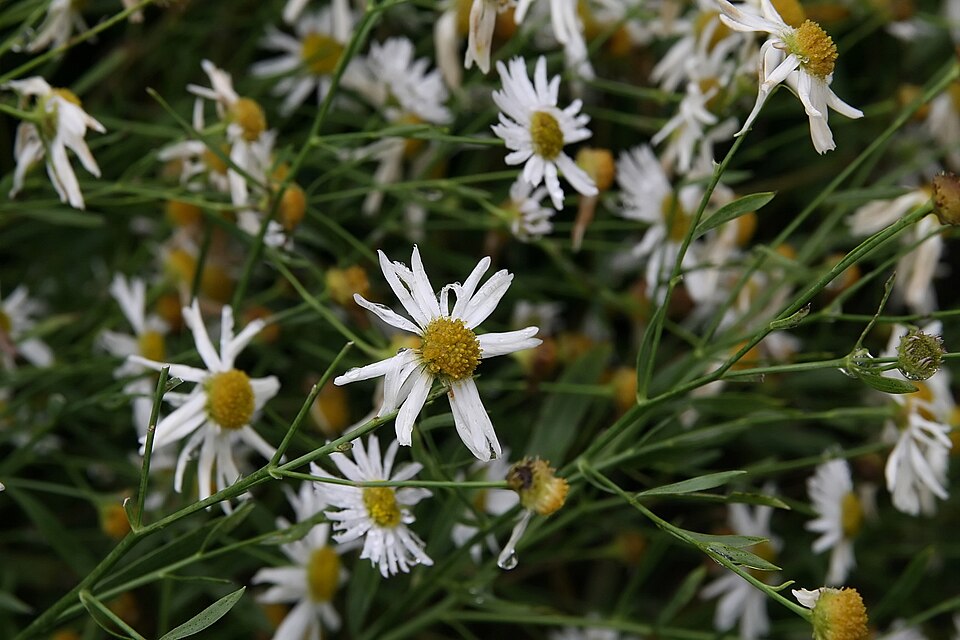
Boltonia in full bloom — masses of small white to pale pink aster-like flowers late in the season. Photo: Wikimedia Commons (CC BY-SA 4.0) Boltonia
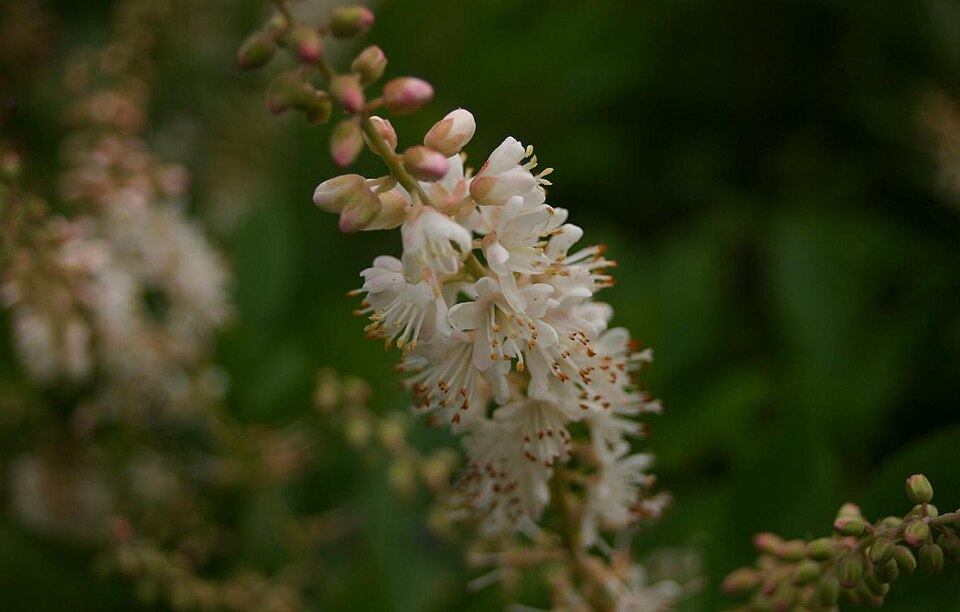
Summersweet in full bloom, showing its iconic fragrant white flower spikes. Photo: Wikimedia Commons (CC BY-SA 3.0) Clethra alnifolia, commonly called Summersweet, Sweet Pepperbush, or
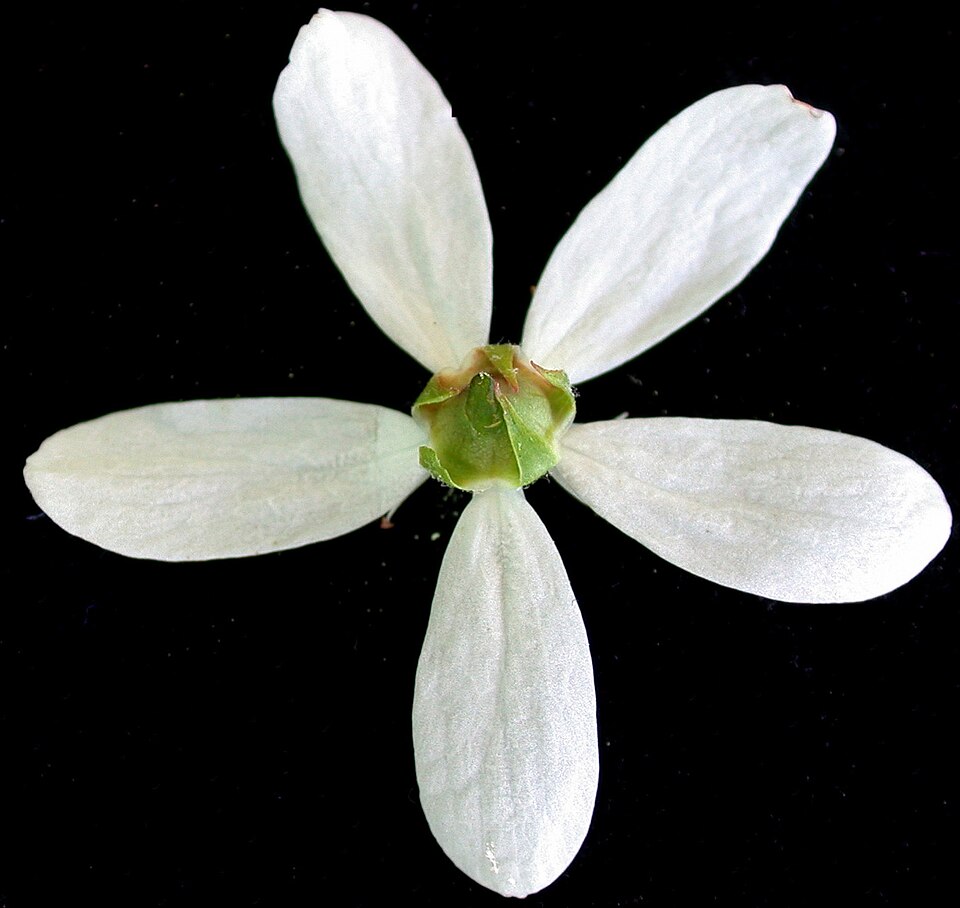
Alleghany Serviceberry in full spring bloom, with characteristic bronze-tinged emerging leaves. Photo: Wikimedia Commons (CC BY-SA 4.0) Amelanchier laevis, commonly called Alleghany Serviceberry or Smooth
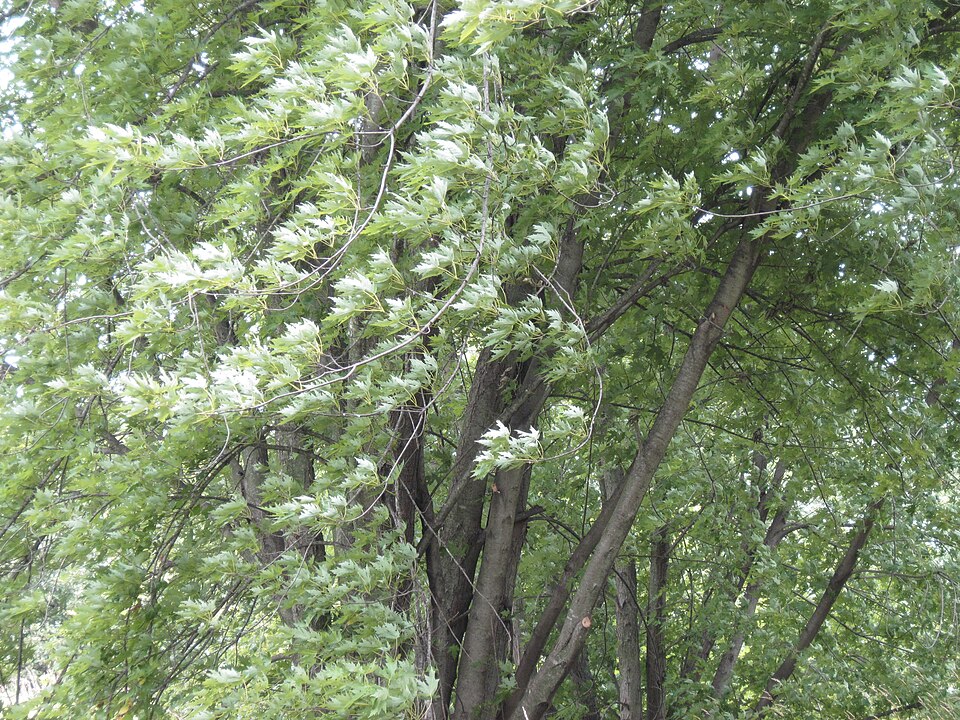
Silver Maple at a Grimes Farm showing its broad, arching canopy — one of the largest native maples. Photo: Wikimedia Commons (CC BY 2.0) Acer
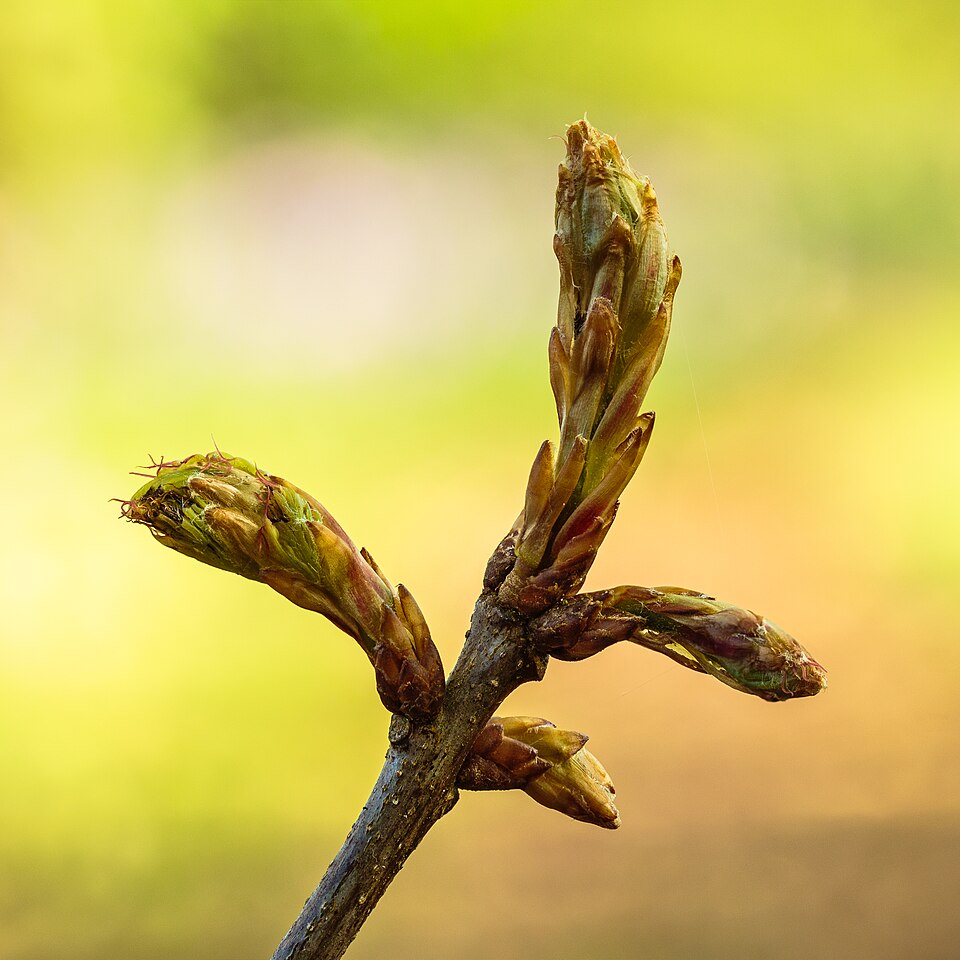
Pin Oak in its characteristic form with drooping lower branches, spring foliage emerging. Photo: Wikimedia Commons (CC BY-SA 4.0) Quercus palustris, the Pin Oak, is
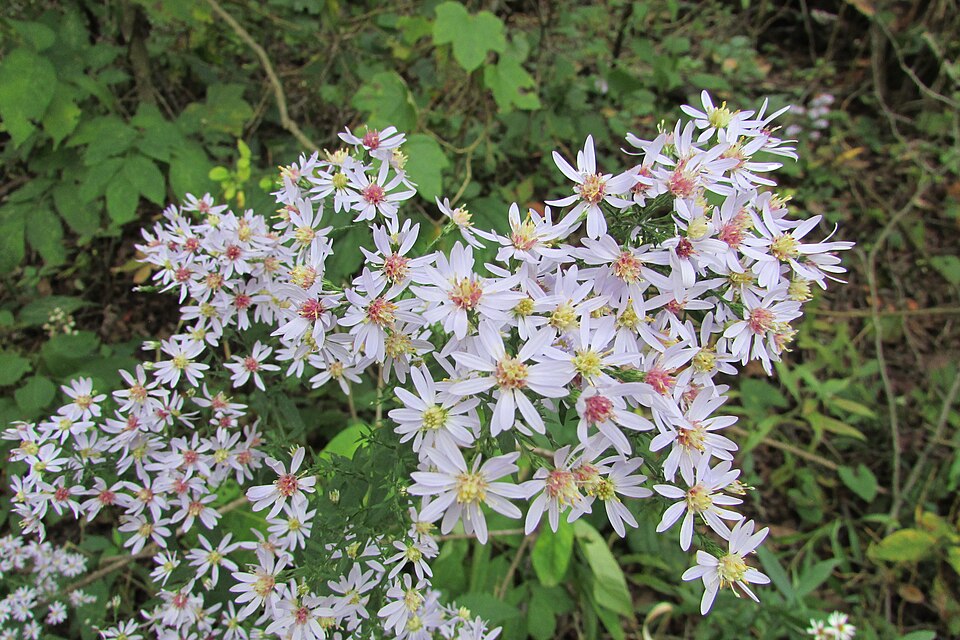
Heart-leaved Aster in full autumn bloom in a woodland edge habitat. Photo: Wikimedia Commons (CC BY-SA 4.0) Symphyotrichum cordifolium (formerly Aster cordifolius), commonly called Heart-leaved
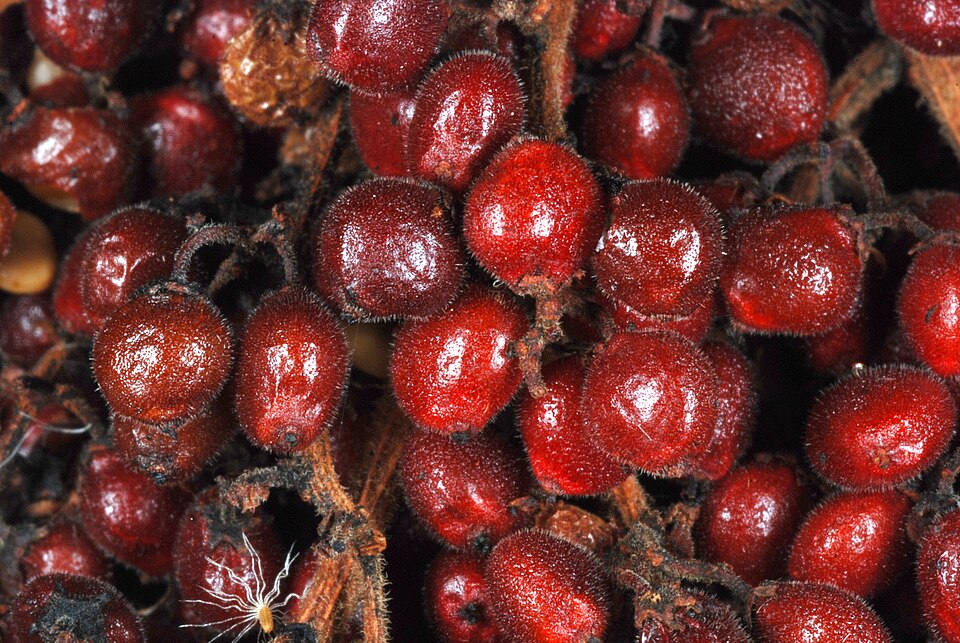
Dwarf-winged Sumac (Winged Sumac) in brilliant autumn foliage, Fairfax County, Virginia. Photo: Wikimedia Commons (CC BY-SA 4.0) Rhus copalina (also spelled Rhus copallinum), commonly called
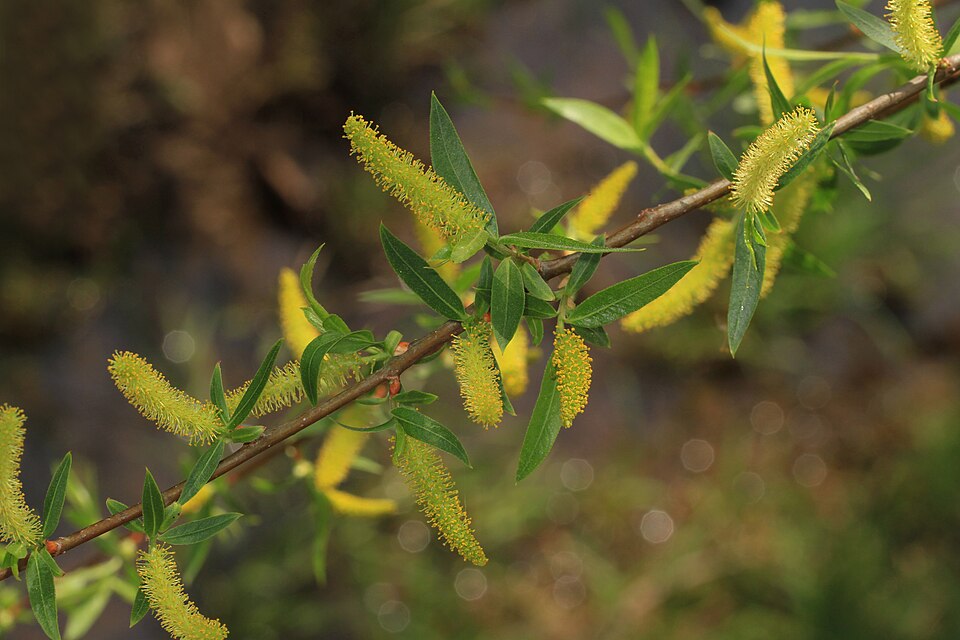
Black Willow along a stream corridor in Virginia — its natural habitat. Photo: Wikimedia Commons (CC BY 2.0) Salix nigra, the Black Willow, is the
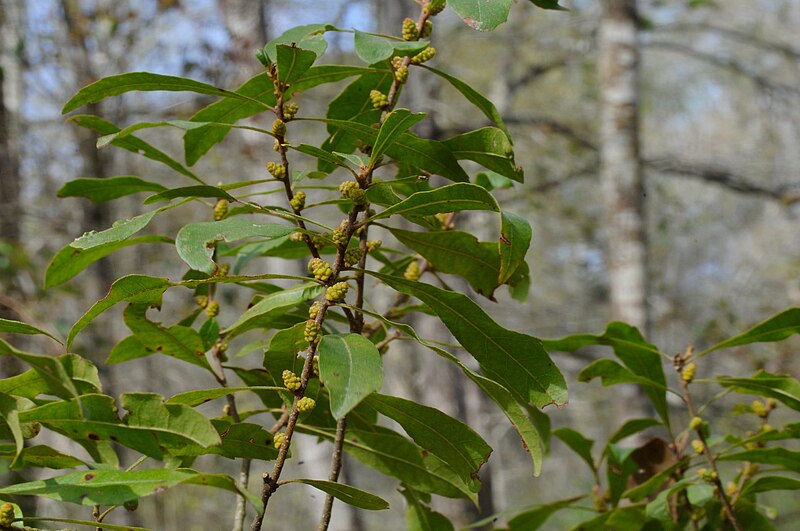
Wax Myrtle — one of the most versatile and ecologically valuable native evergreen shrubs of the southeastern coastal United States. Photo: Wikimedia Commons (CC BY
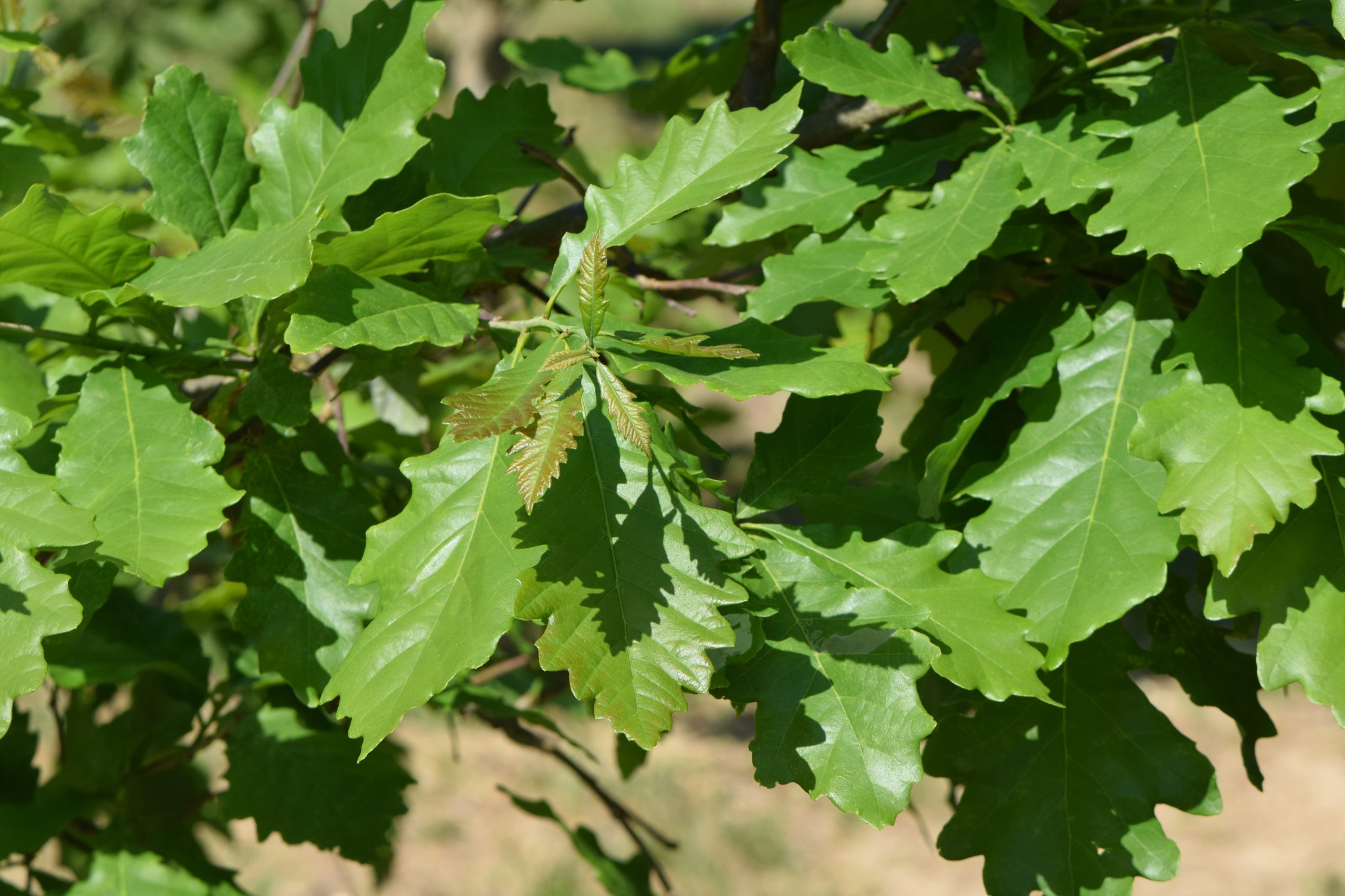
Swamp White Oak leaves display the striking two-toned coloration that gives the species its Latin name bicolor — dark glossy green above, pale white beneath.
View More