
Cornus alternifolia, commonly known as Pagoda Dogwood or Alternate-leaved Dogwood, is a distinctive native deciduous tree that stands out among North American dogwoods for its
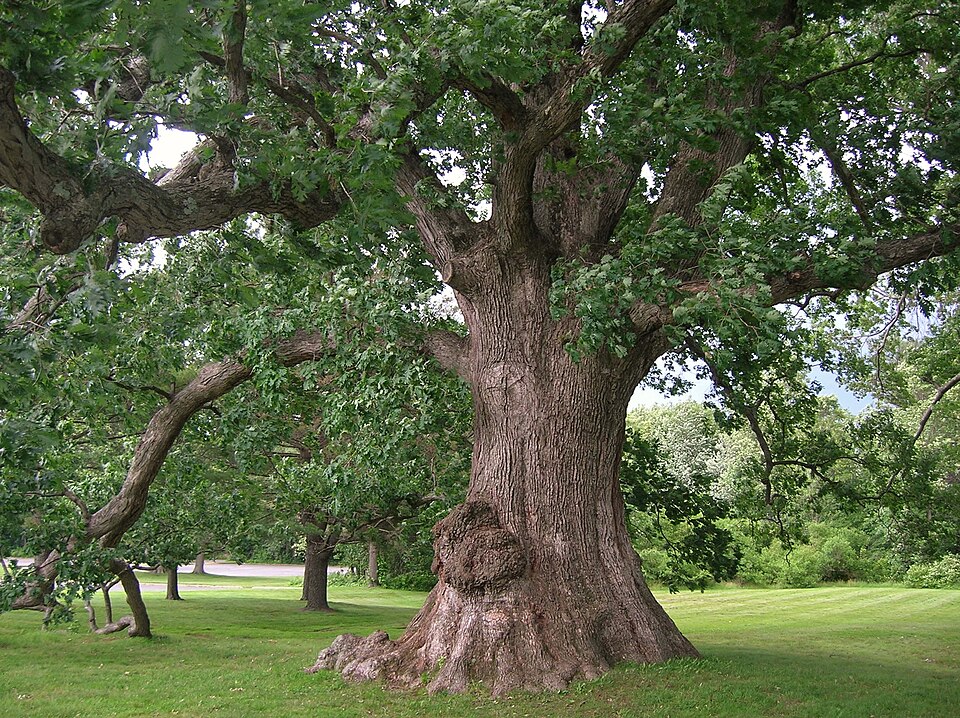
A majestic White Oak showing the species’ characteristic broad, rounded crown and impressive stature. Photo: Wikimedia Commons (CC BY-SA 3.0) Quercus alba, commonly known as
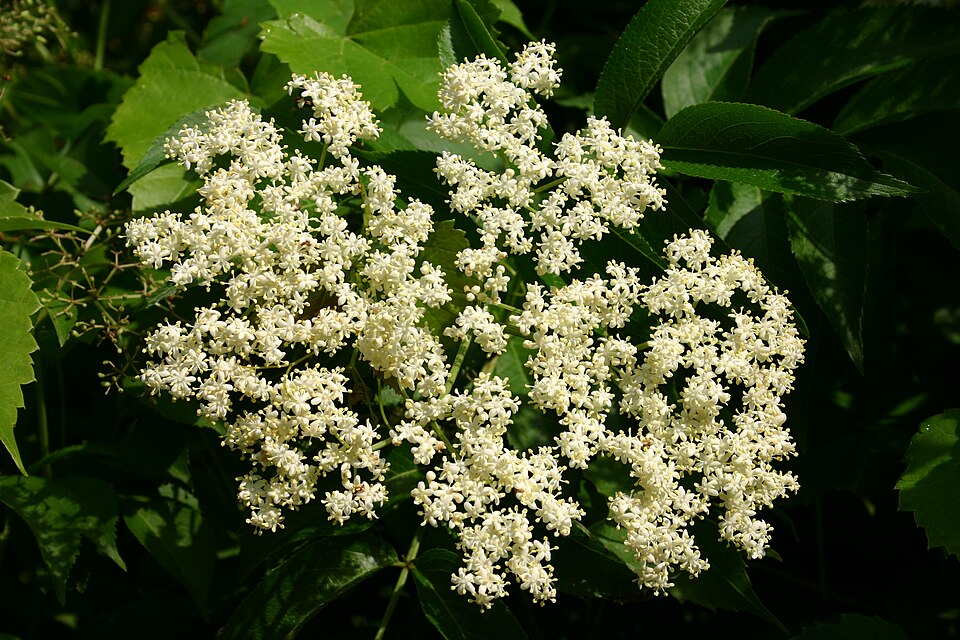
Elderberry’s distinctive creamy-white flower clusters bloom in early summer, creating stunning flat-topped displays. Photo: Wikimedia Commons (CC BY-SA 3.0) Sambucus canadensis, commonly known as Elderberry,
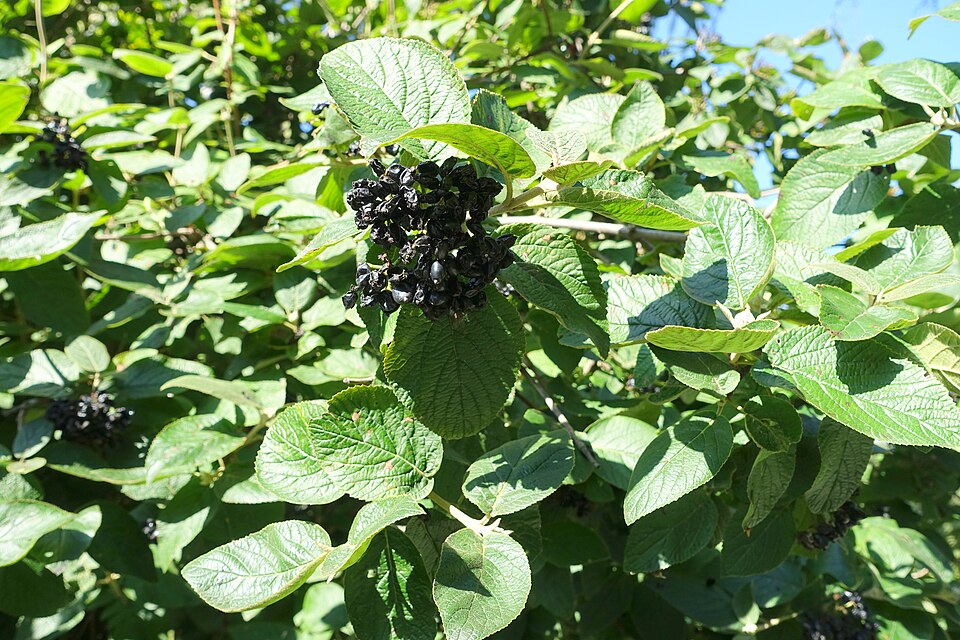
Hobblebush displaying its characteristic large, heart-shaped leaves and open growth form that earned it the nickname “hobble-bush” for its ability to trip forest travelers. Photo:
Salix sericea, commonly known as Silky Willow, is a graceful native deciduous shrub or small tree of eastern North America that plays a crucial role
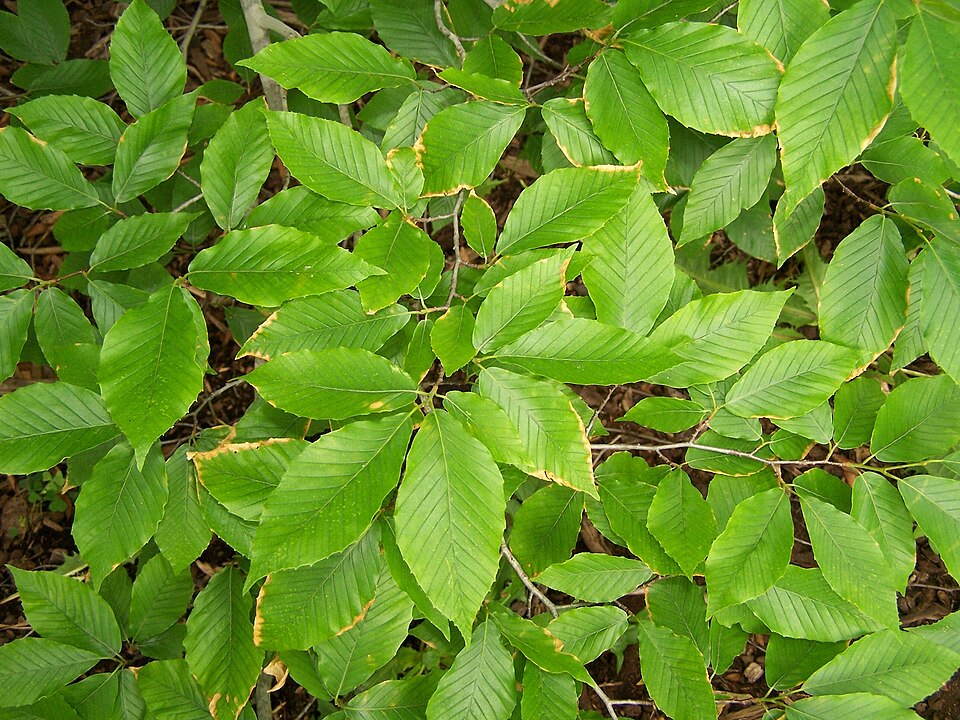
American Beech foliage displaying the species’ distinctive oval leaves with prominent parallel veining. Photo: Wikimedia Commons (CC BY-SA 2.5) Fagus grandifolia, commonly known as American
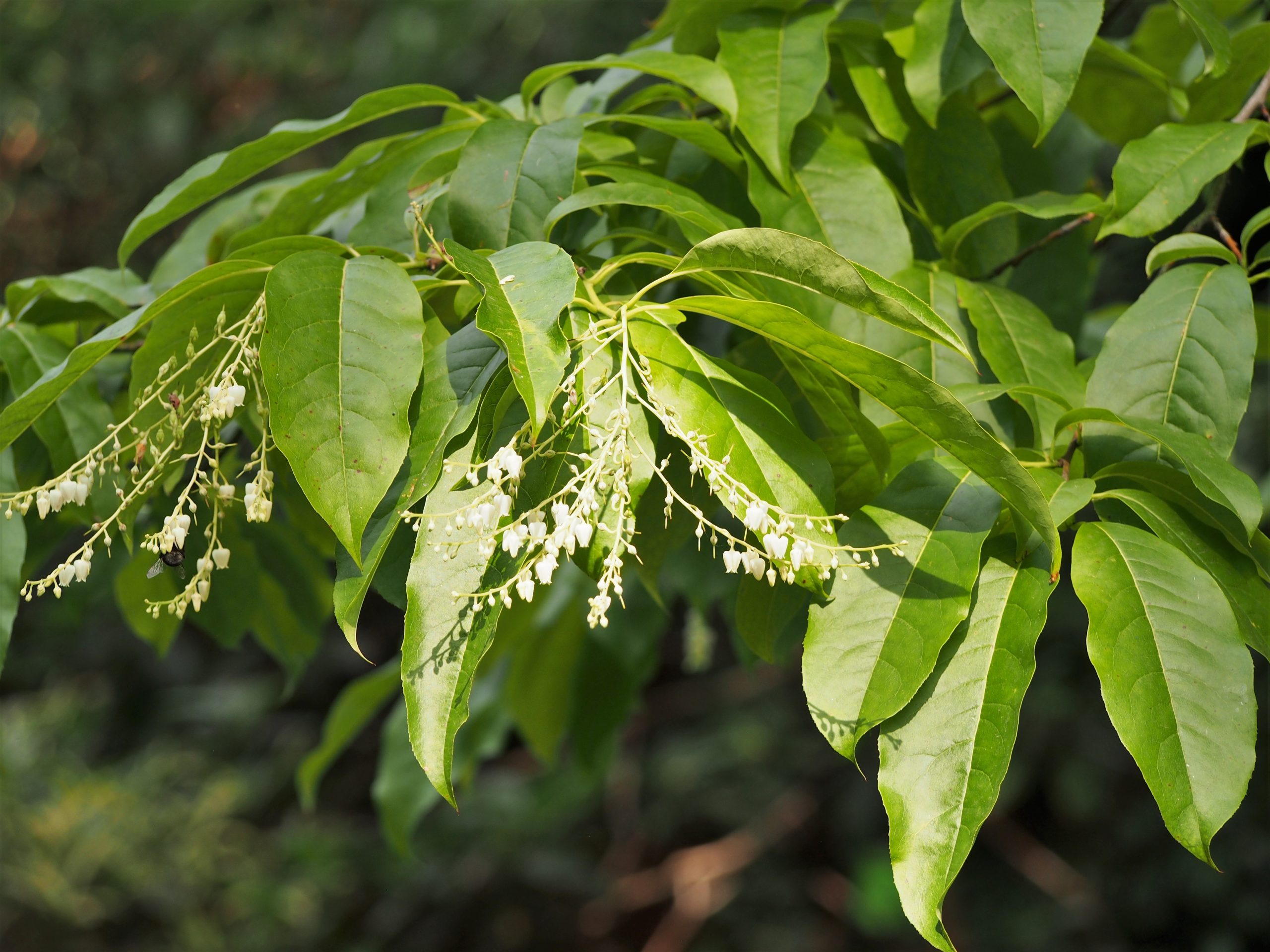
Sourwood in peak summer bloom with characteristic drooping sprays of lily-of-the-valley-like flowers. Photo: Wikimedia Commons (CC BY-SA 4.0) Oxydendrum arboreum, commonly known as Sourwood, Sorrel
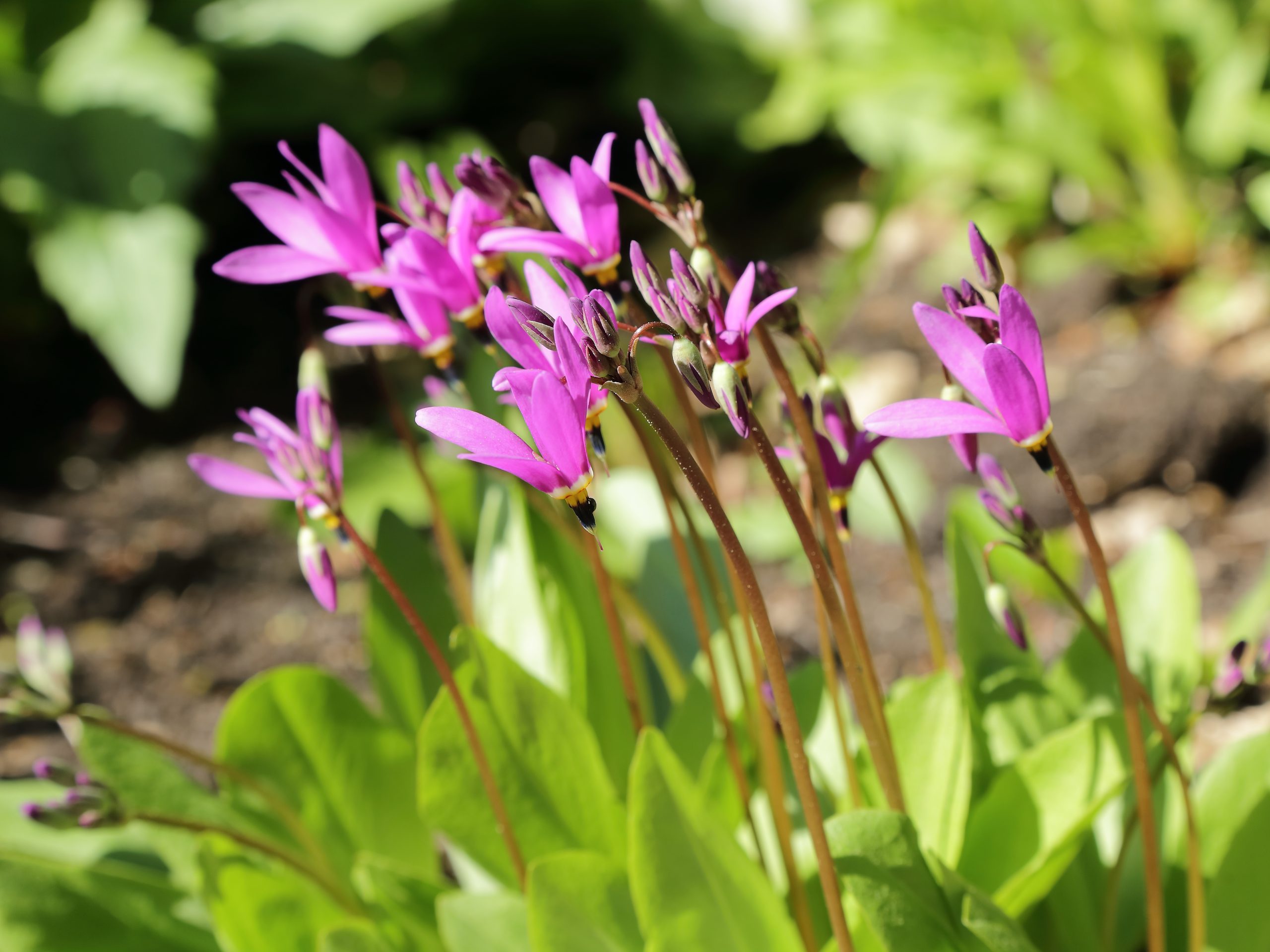
Shooting Star displaying its characteristic features in its native habitat. Photo: Wikimedia Commons (CC-BY-SA) Dodecatheon meadia, commonly known as Shooting Star or Eastern Shooting Star,
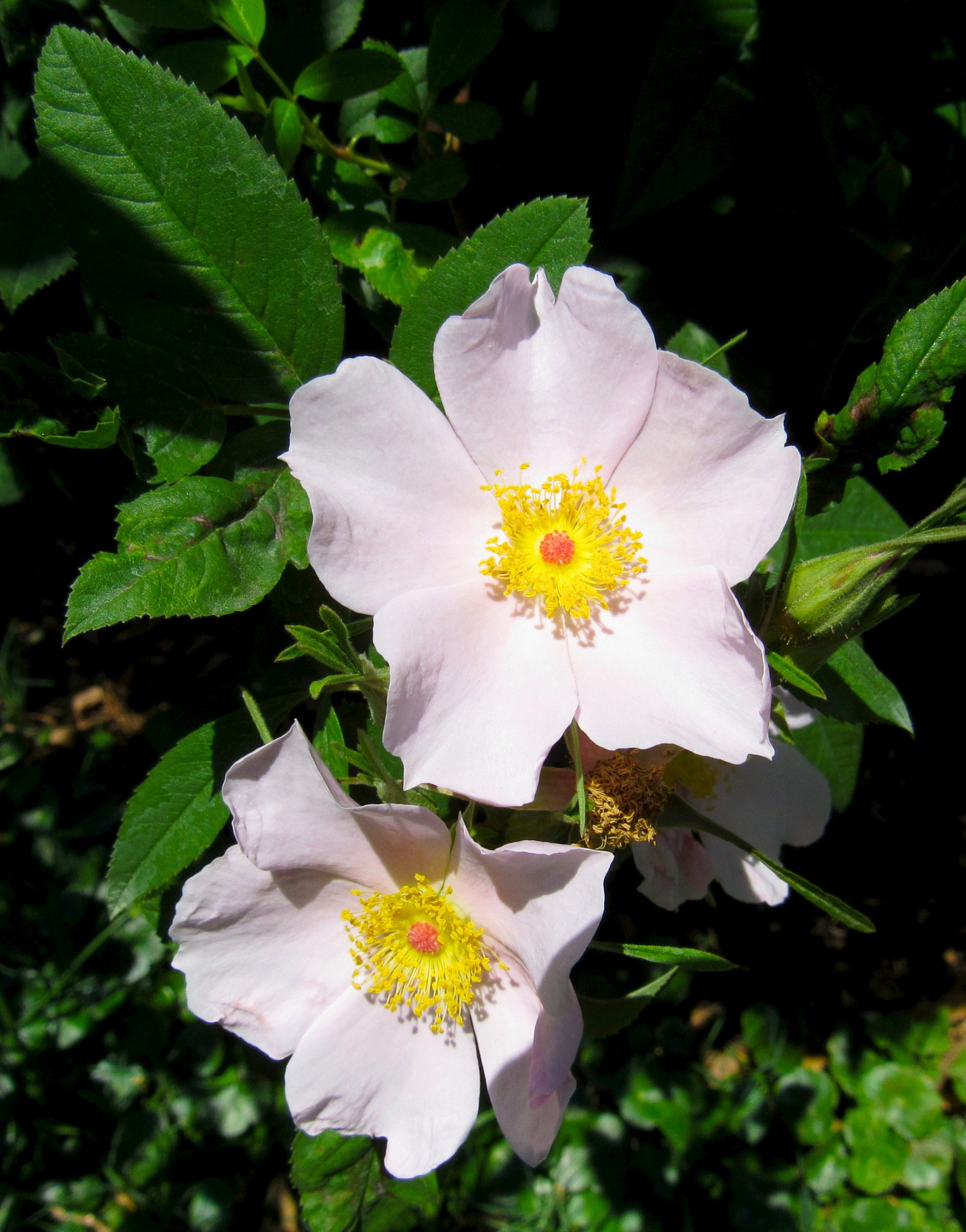
Swamp Rose flowers in full bloom, showcasing the fragrant pink blooms that attract pollinators throughout summer. Photo: Wikimedia Commons (CC BY 2.0) Rosa palustris, commonly
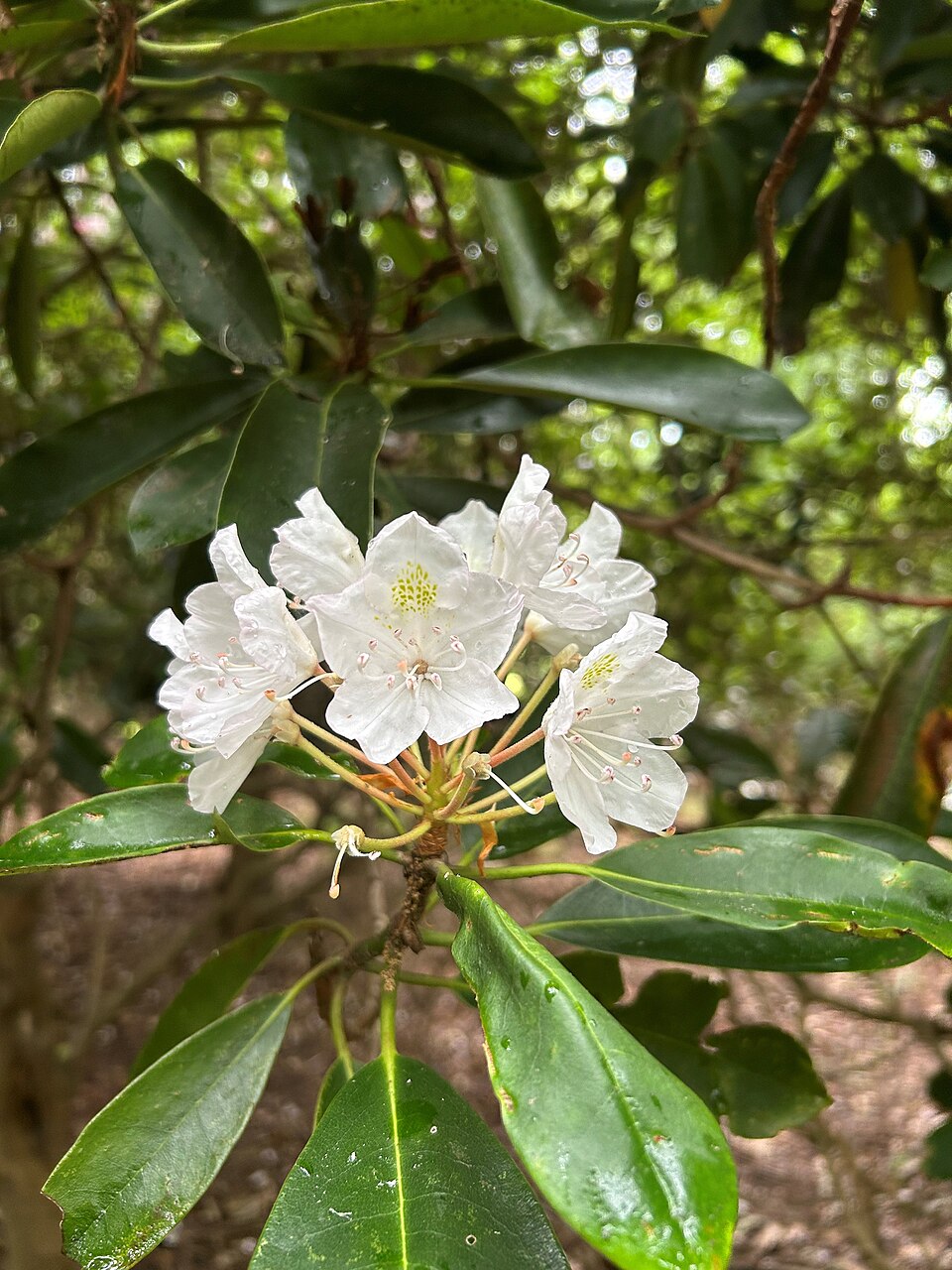
Rosebay Rhododendron blooming in its natural habitat — the dense understory thickets known as “rhododendron hells.” Photo: Wikimedia Commons (CC0) Rhododendron maximum, commonly known as
View More