
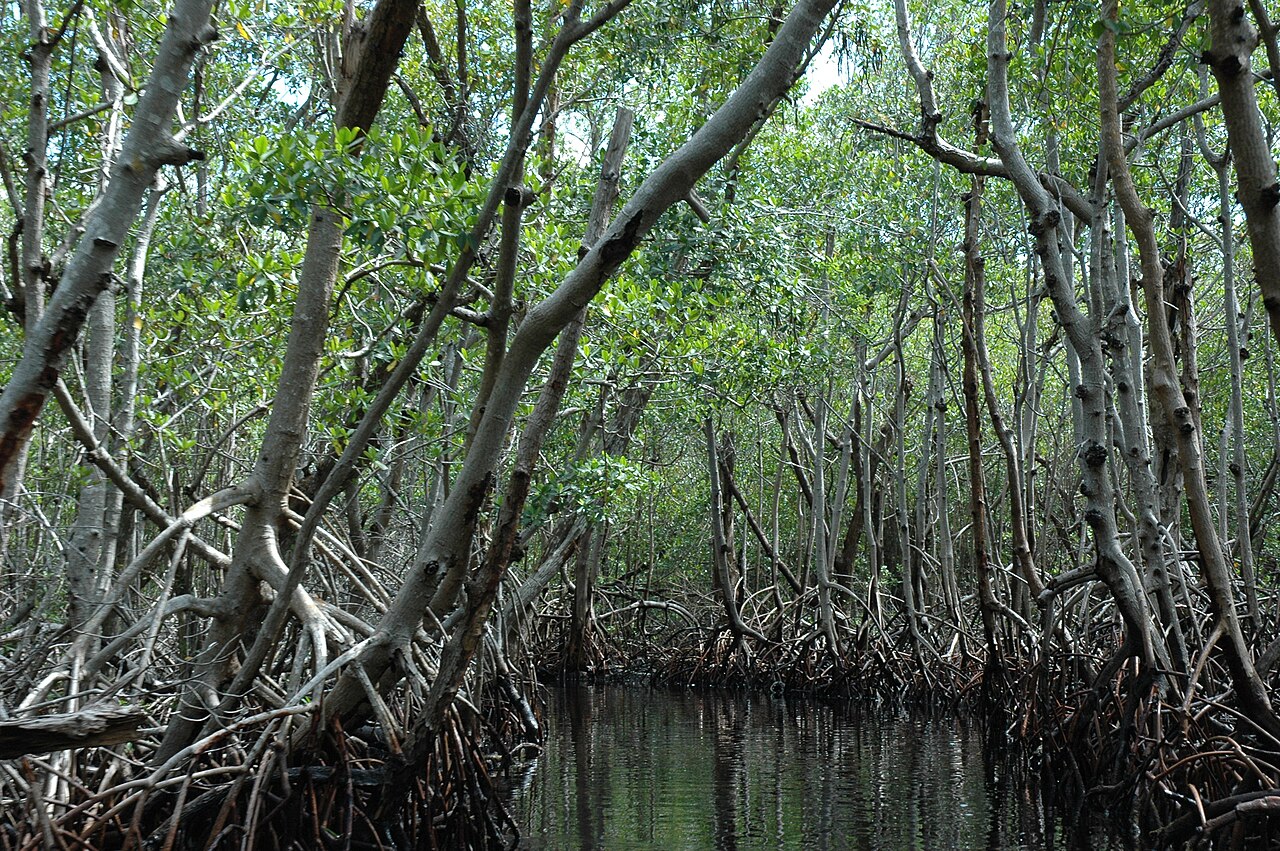
A mixed mangrove stand in the Everglades; white mangrove typically grows at the landward, higher-elevation edge of this community. Photo: Wikimedia Commons (CC BY-SA 3.0)
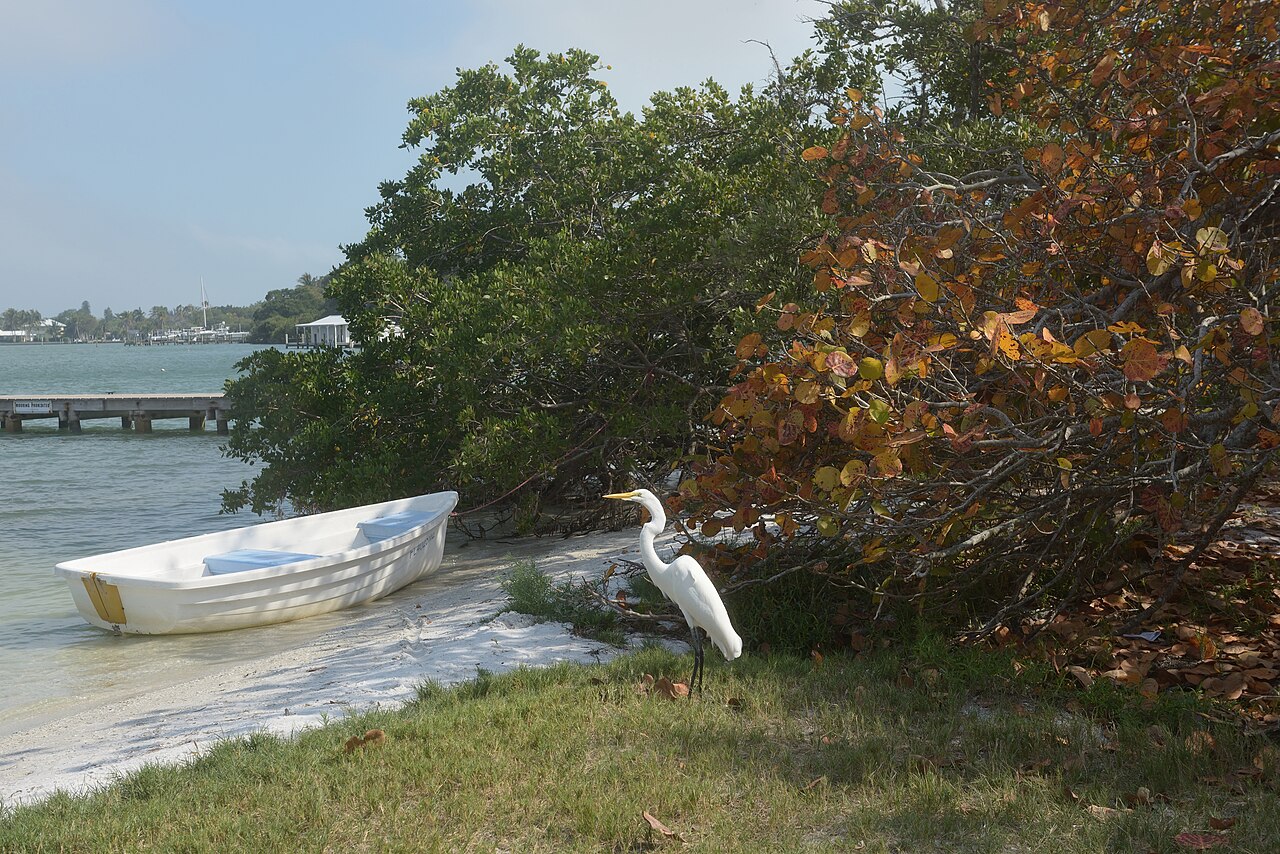
Sea grape growing at the water’s edge on Longboat Key, Florida, its rounded leaves turning copper with age. Photo: Ebyabe, Wikimedia Commons (CC BY-SA 3.0)
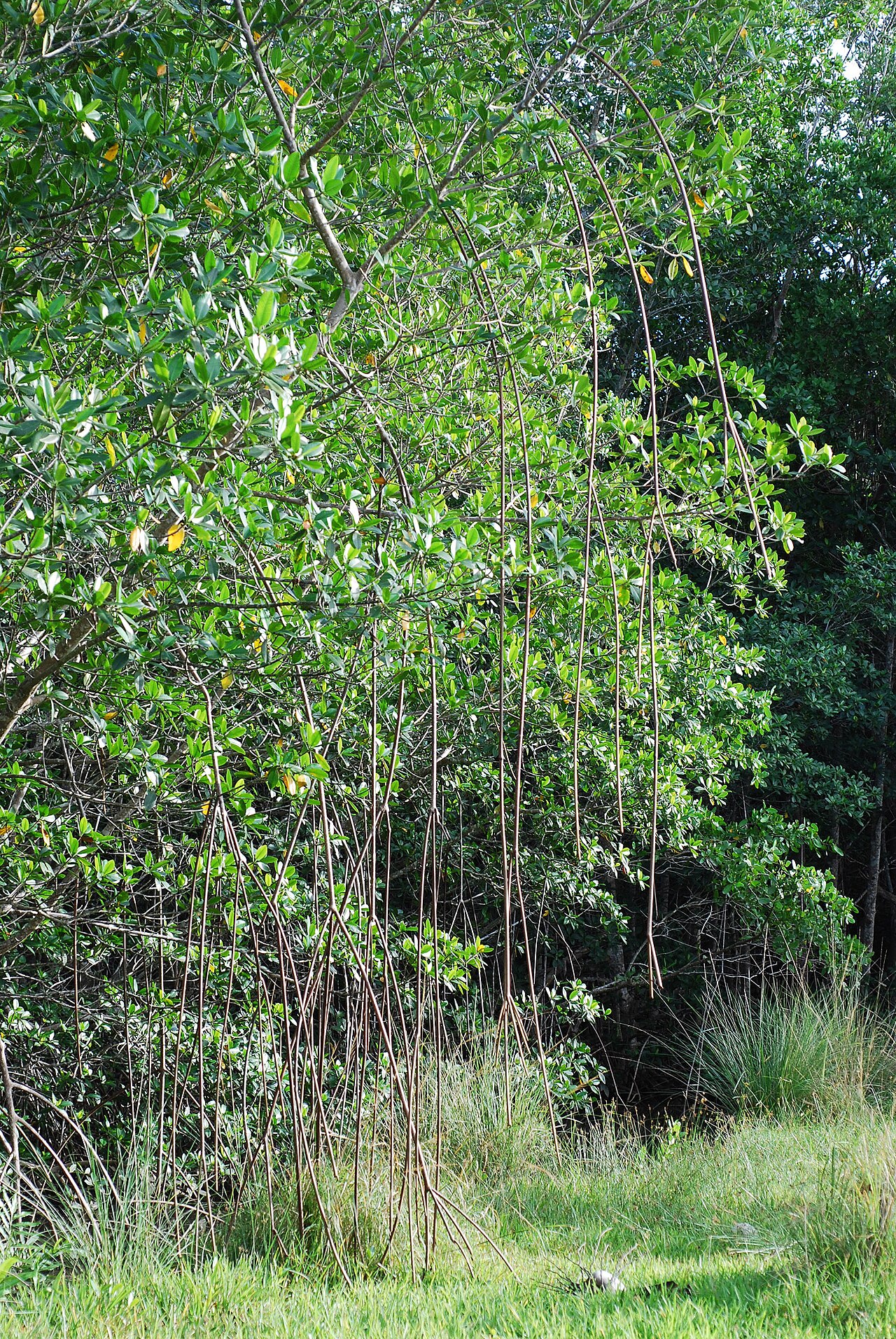
Red mangrove’s signature arching prop roots, which anchor the plant in soft, tidal substrate. Photo: Wikimedia Commons (CC BY-SA 4.0) Rhizophora mangle, the Red Mangrove,
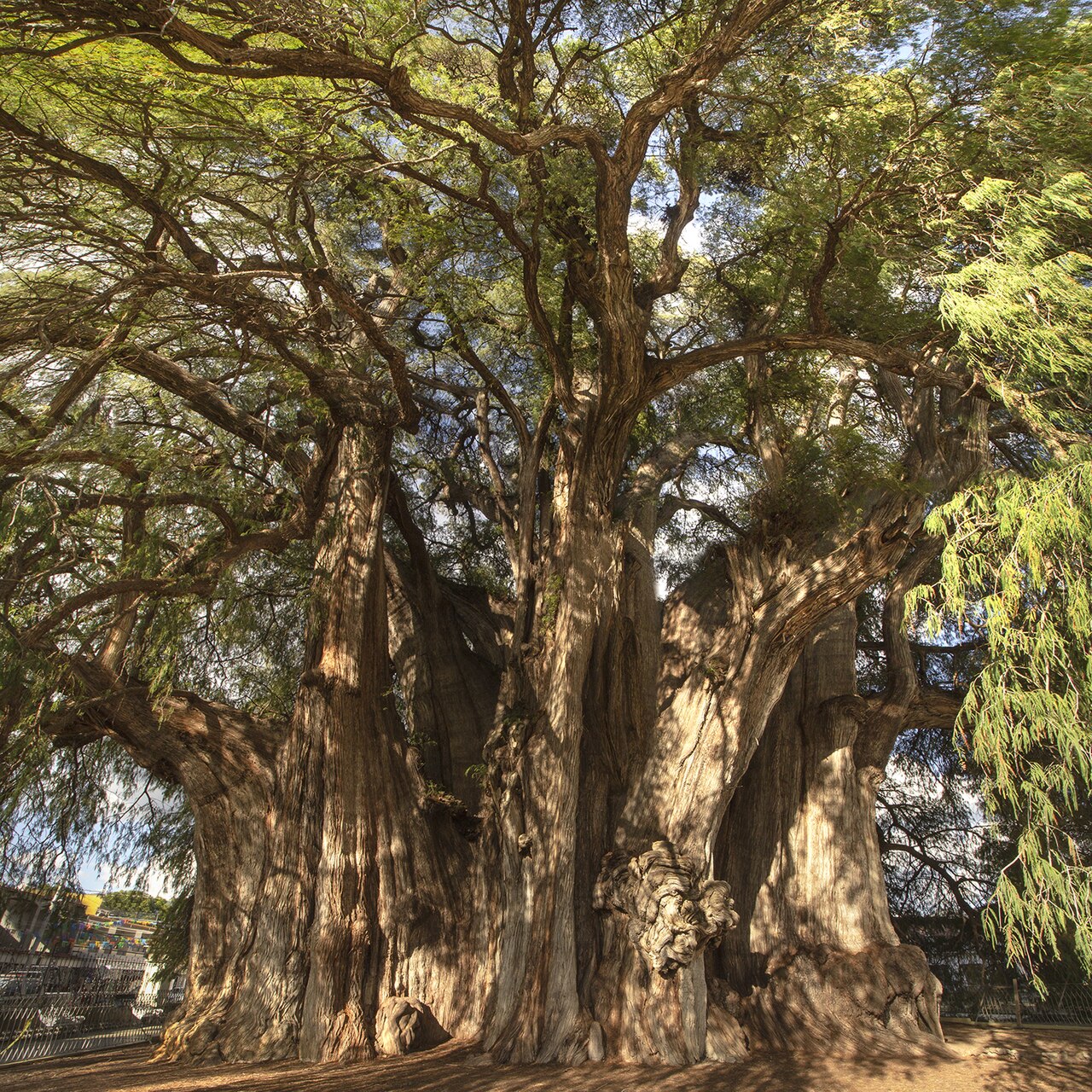
A legendary ancient Montezuma cypress in Mexico, showing the species’ capacity for an immense, buttressed, multi-stemmed trunk. Photo: Wikimedia Commons (CC BY-SA 4.0) Taxodium mucronatum,
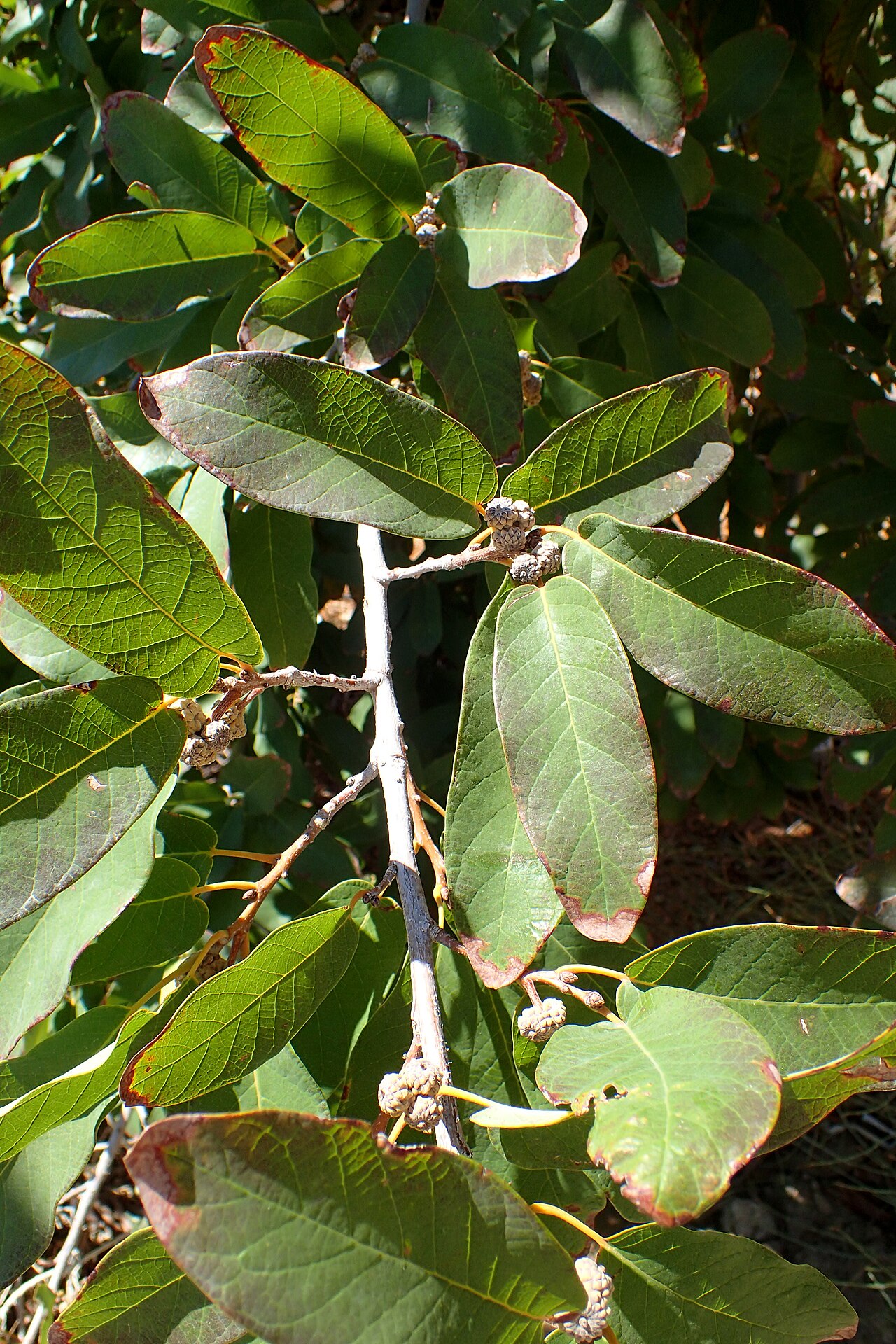
Monterrey oak foliage and young acorns on a cultivated tree. Photo: Krzysztof Ziarnek, Kenraiz, Wikimedia Commons (CC BY-SA 4.0) Quercus polymorpha, the Monterrey Oak (also
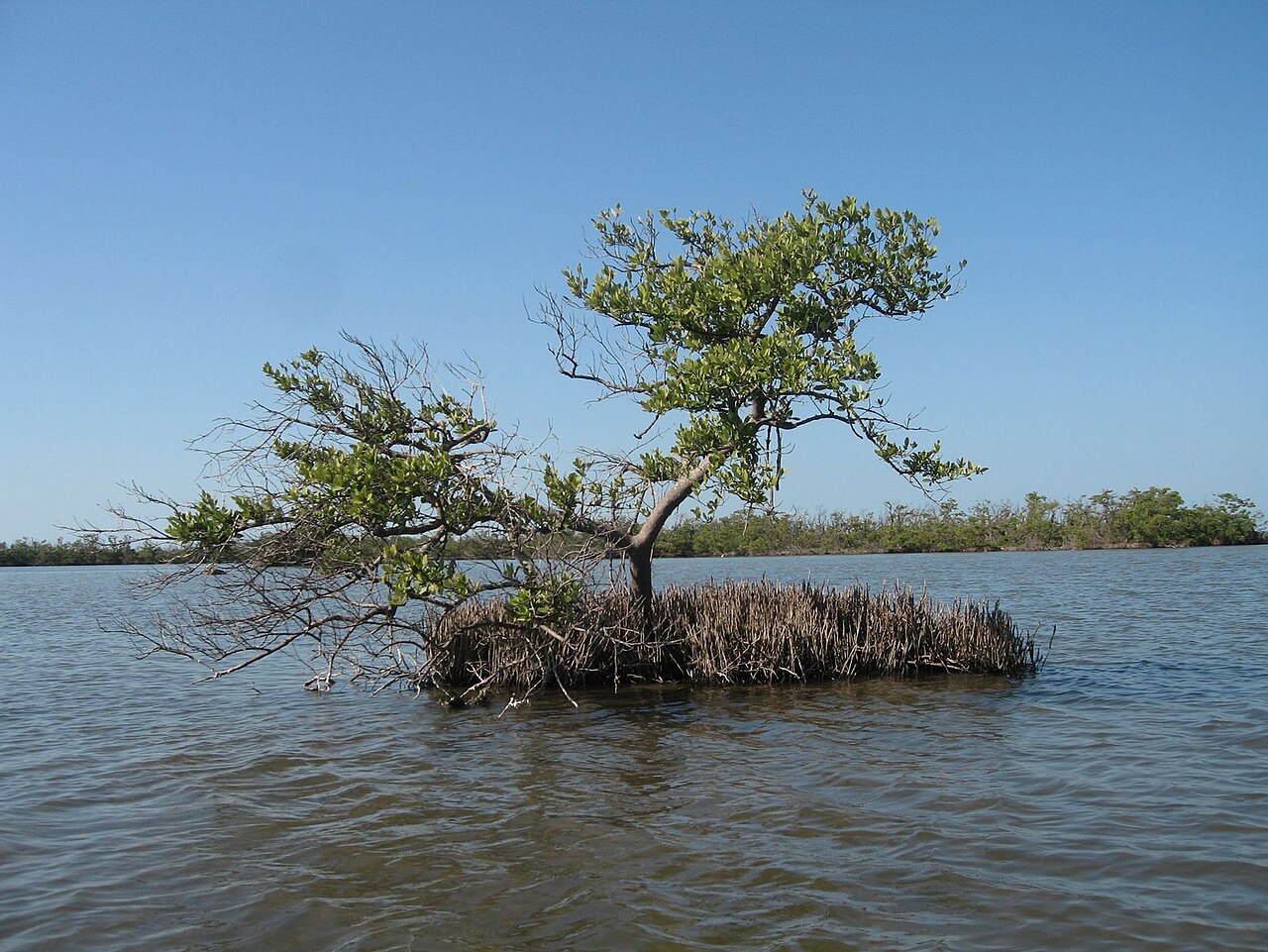
A black mangrove growing as a free-standing tree in shallow backcountry water, Everglades National Park, Florida. Photo: Wikimedia Commons (CC BY-SA 3.0) Avicennia germinans, the
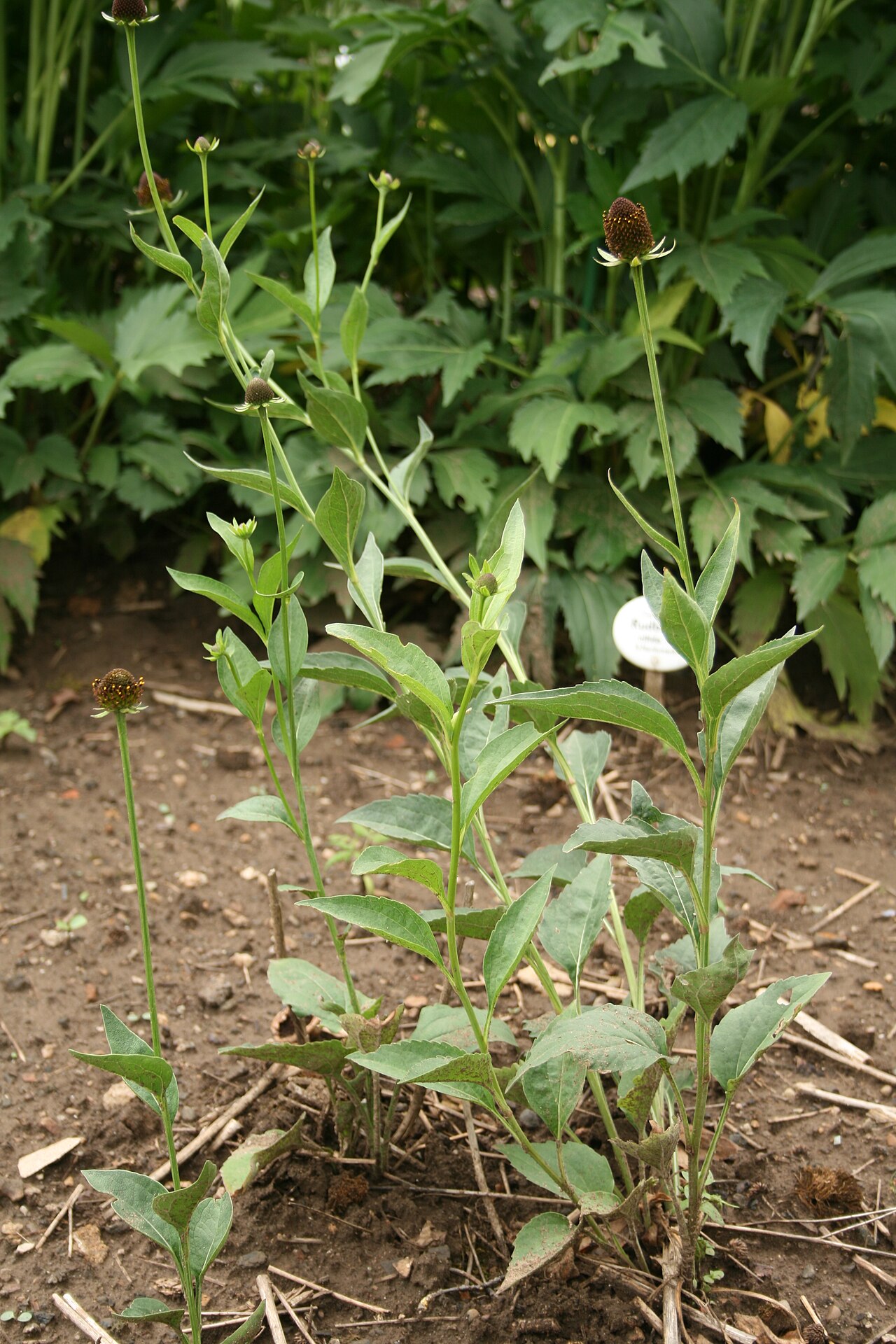
Western Coneflower’s leafy clumping habit and dark, rayless cones. Photo: Wikimedia Commons (CC BY-SA 3.0) Rudbeckia occidentalis, commonly known as Western Coneflower, is one of
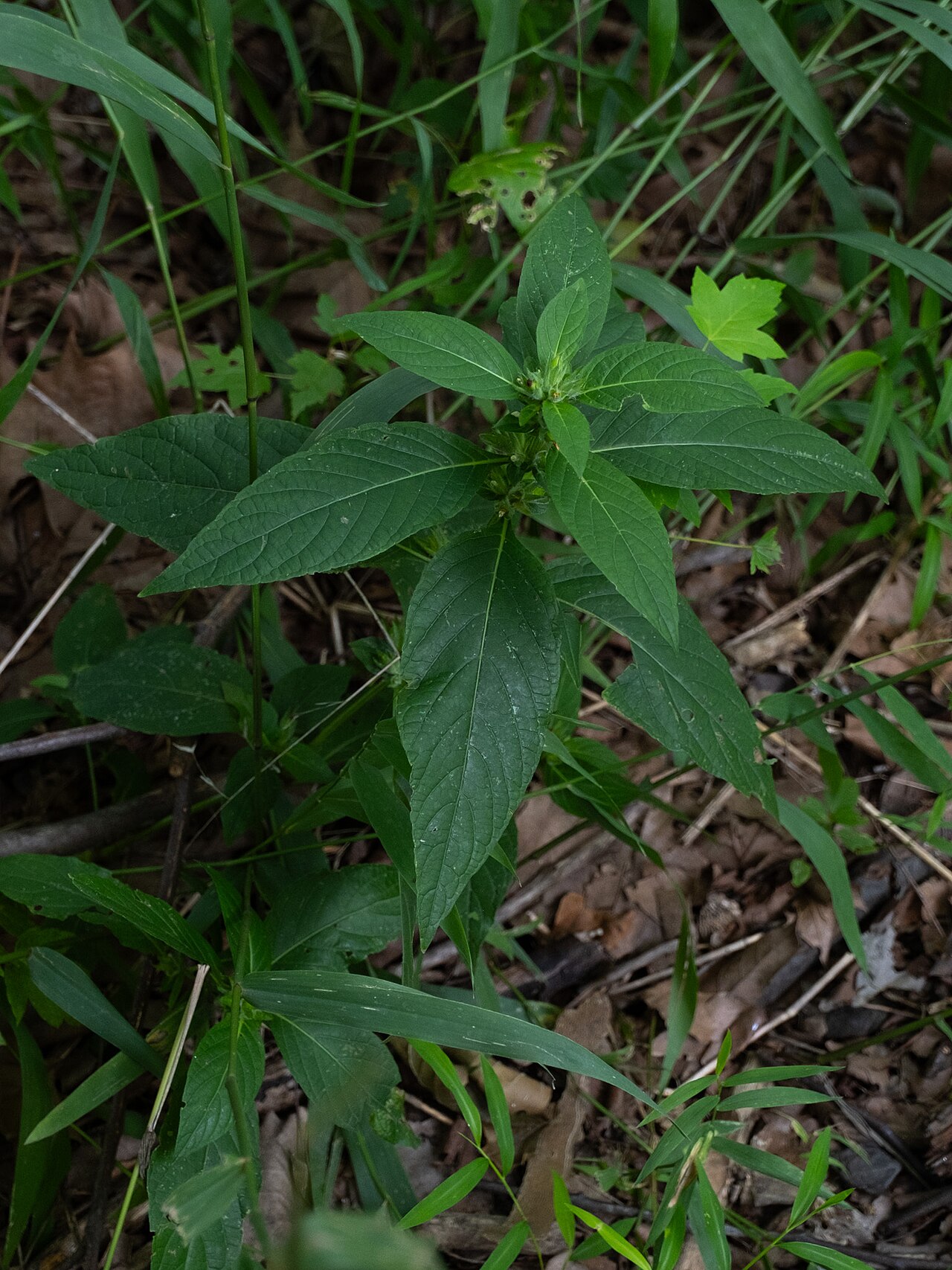
Smooth Ruellia’s smooth stems and broad, opposite leaves in bottomland forest habitat. Photo: iNaturalist contributor, Wikimedia Commons (CC BY 4.0) Ruellia strepens, commonly called Smooth
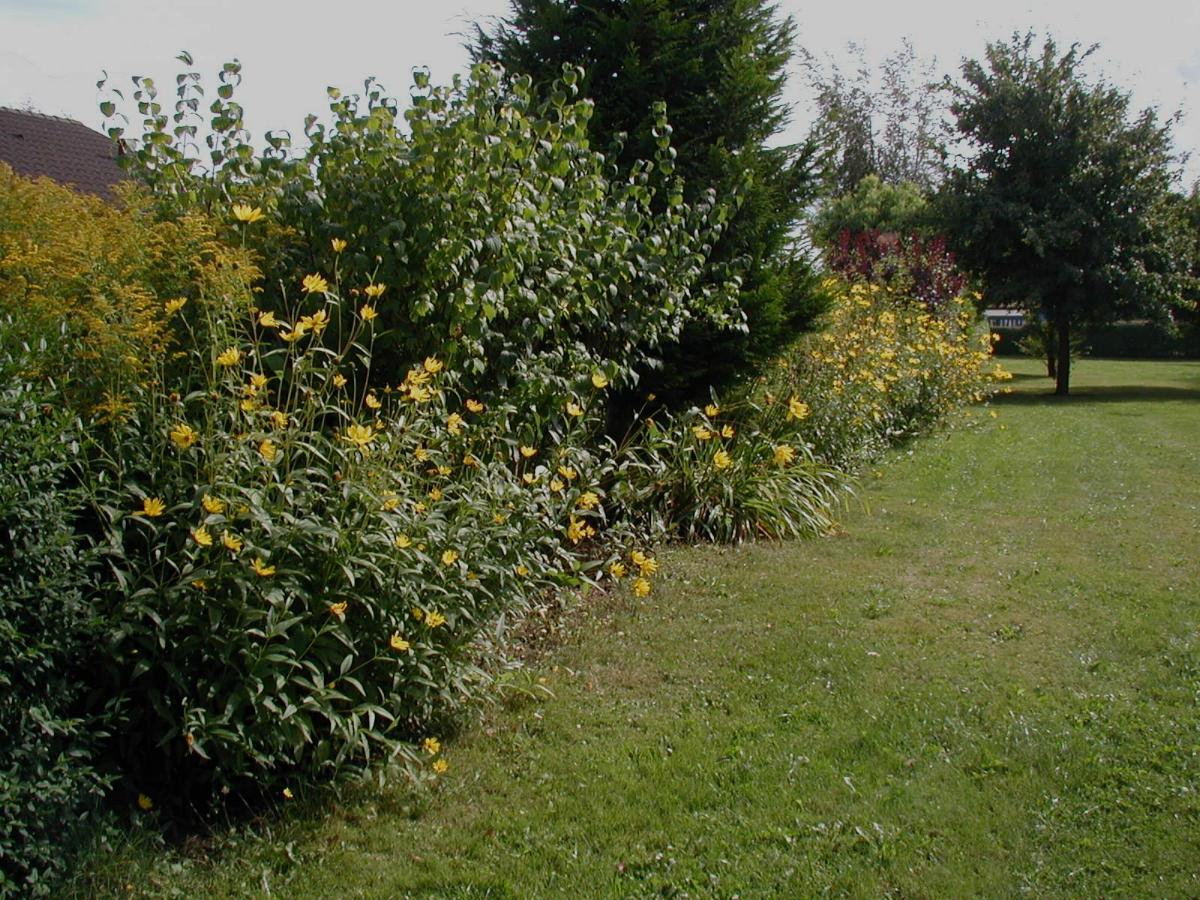
A dense stand of Shiny Coneflower in bloom, showing its tall, clump-forming habit. Photo: Sten Porse, Wikimedia Commons (CC BY-SA 3.0) Rudbeckia nitida, known as
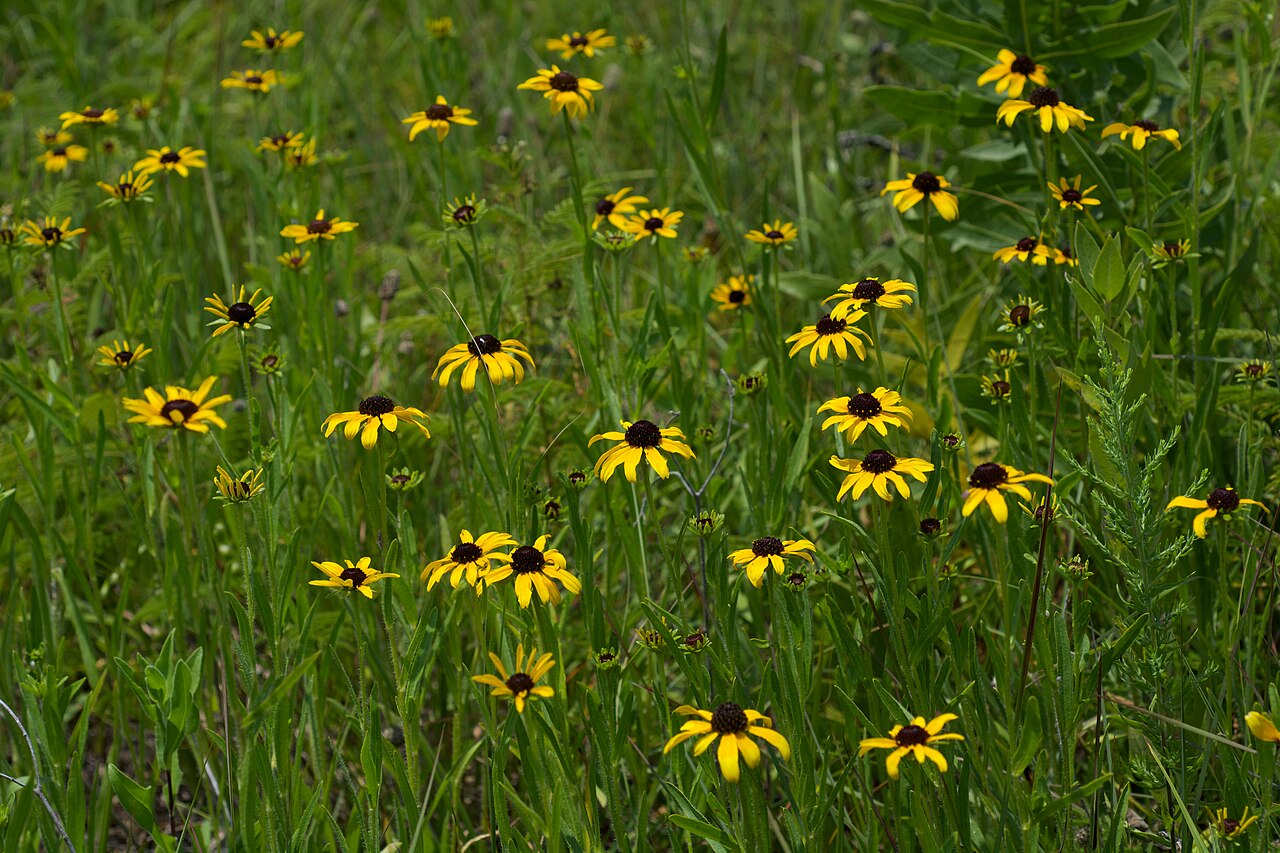
Missouri Coneflower in bloom on a calcareous prairie. Photo: Eric in SF, Wikimedia Commons (CC BY-SA 4.0) Rudbeckia missouriensis, commonly called Missouri Coneflower or Missouri
View More