
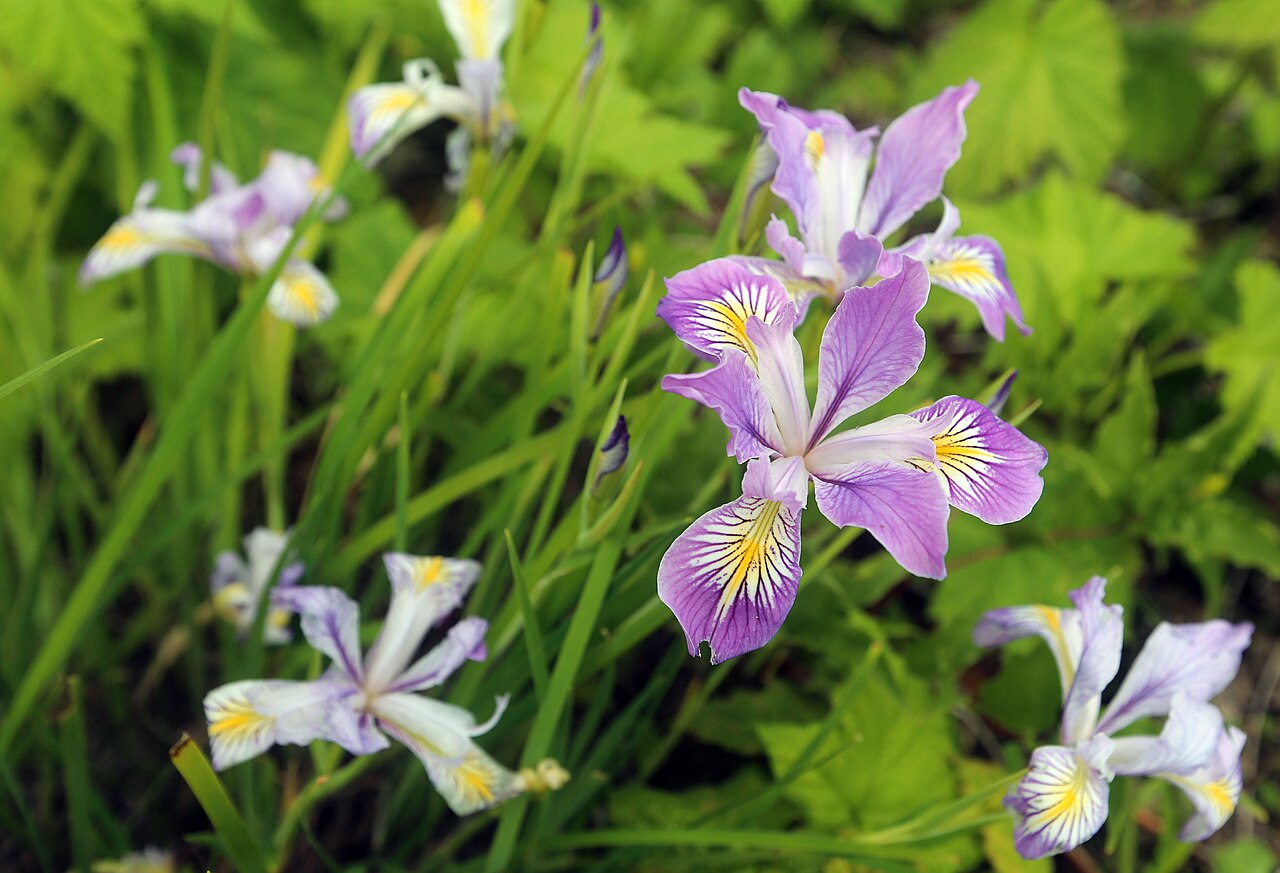
A clump of tough-leaf iris in bloom, its slender grass-like leaves and purple flowers typical of Willamette Valley prairies. Photo: USFWS, via Wikimedia Commons (Public
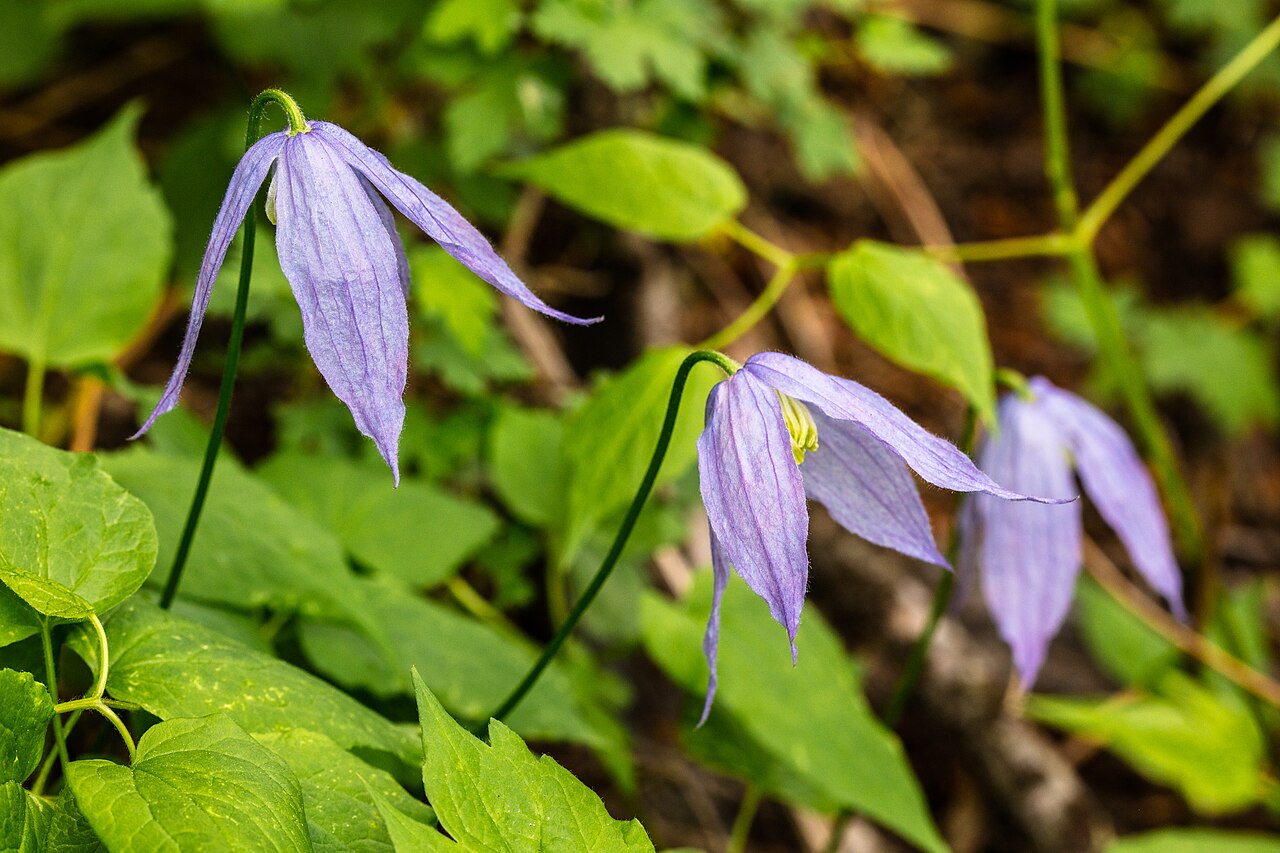
Rock clematis flowers nod on long stalks, their four pointed sepals giving each bloom a graceful, pendant shape. Photo: NPS/Jacob W. Frank, via Wikimedia Commons
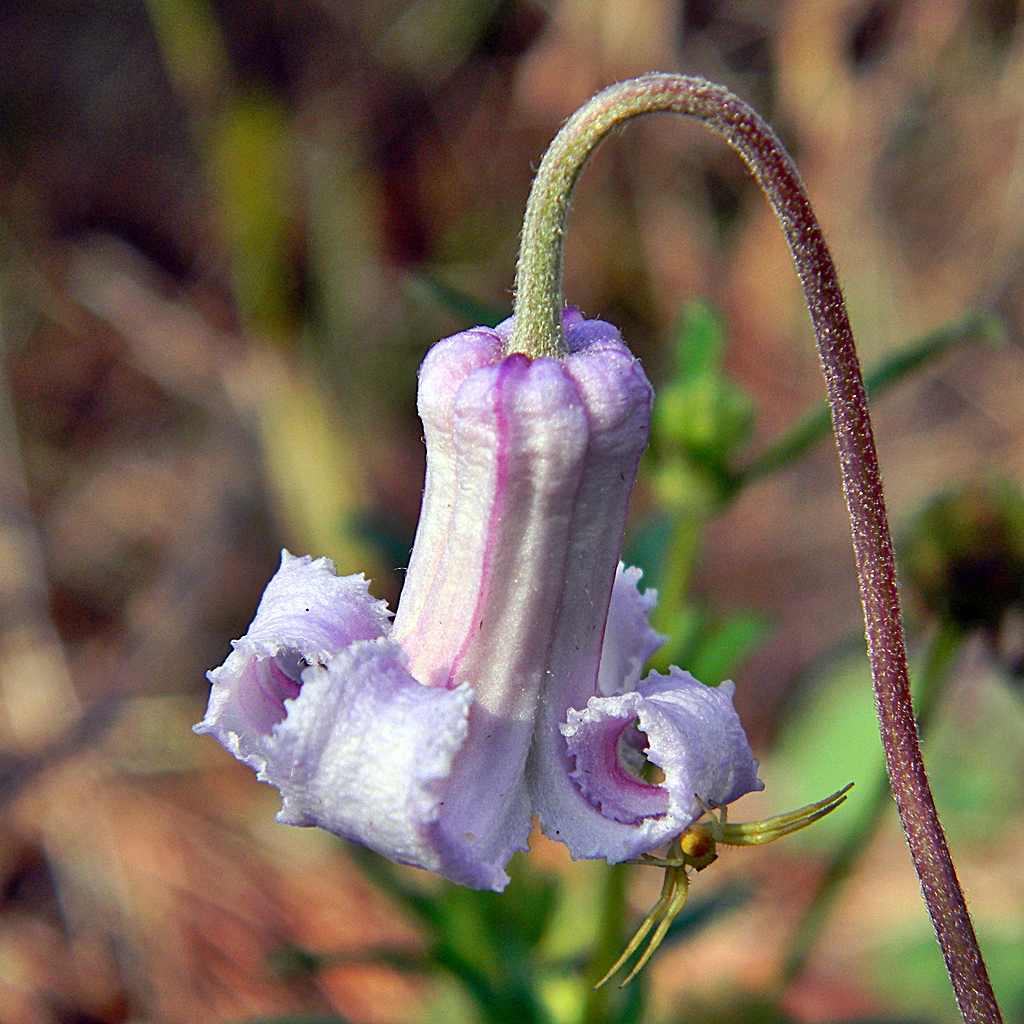
Pine-hyacinth’s distinctive nodding flower, with crinkled, lettuce-edged sepal tips that curl into tight ringlets. Photo: Wikimedia Commons (CC BY 2.0) Clematis baldwinii, commonly known as
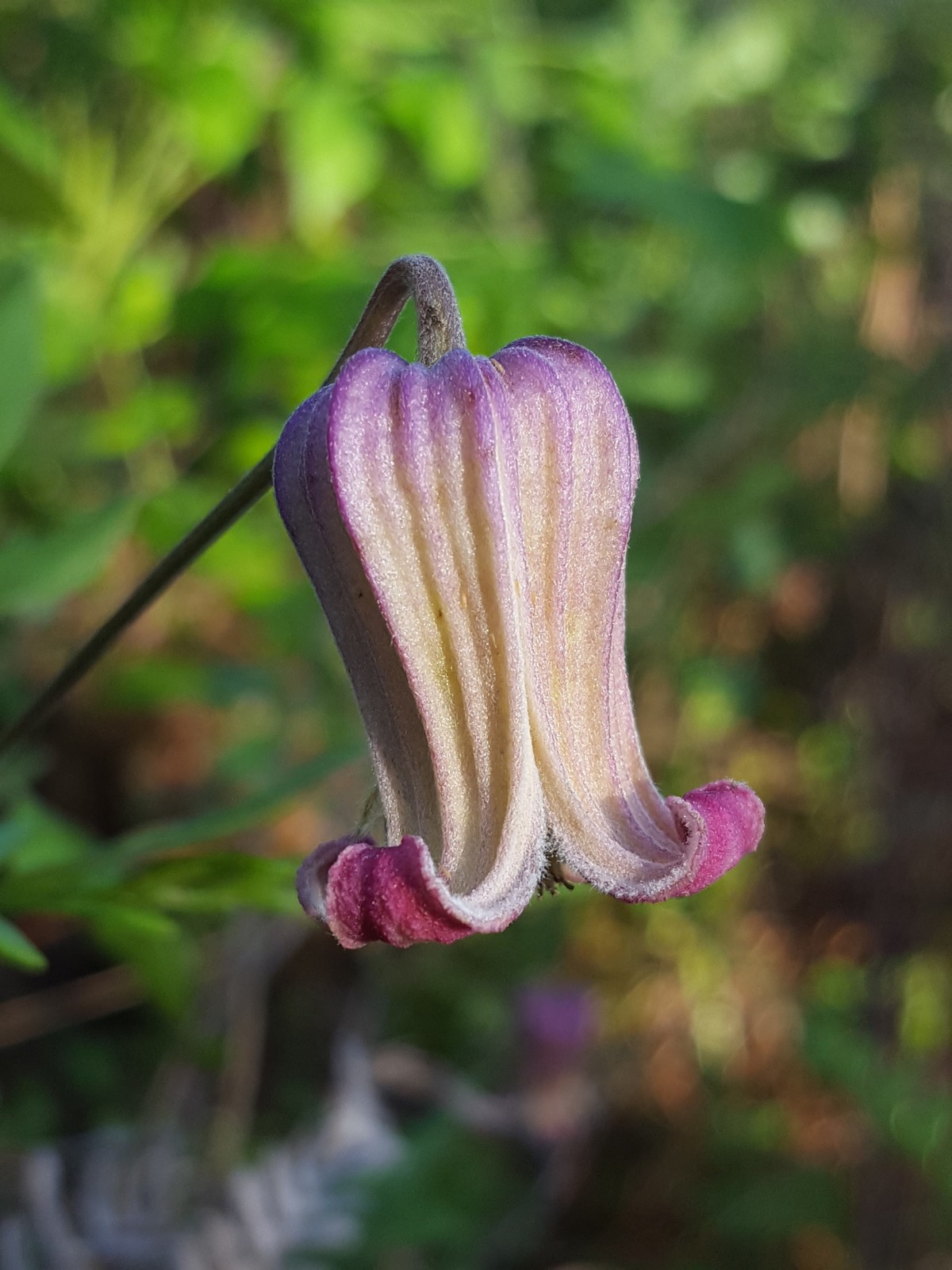
The thick, leathery, bell-shaped flower of netleaf leatherflower, with its characteristic curled, recurved sepal tips. Photo: Alex Abair, via Wikimedia Commons (CC BY 4.0) Clematis
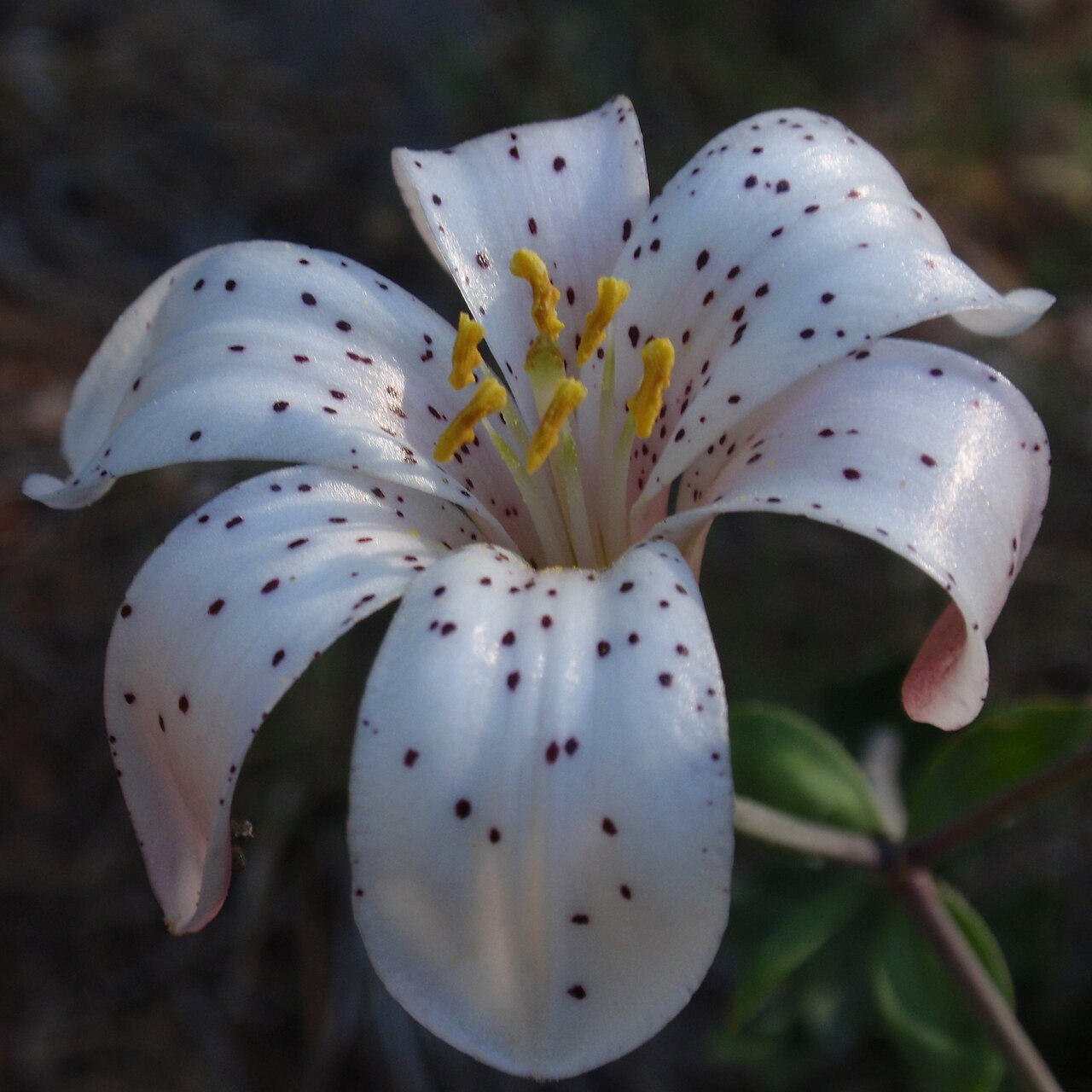
A Washington lily flower opening white before aging to pink or lavender, its petals flecked with fine maroon spots. Photo: Wikimedia Commons (CC BY 2.0)
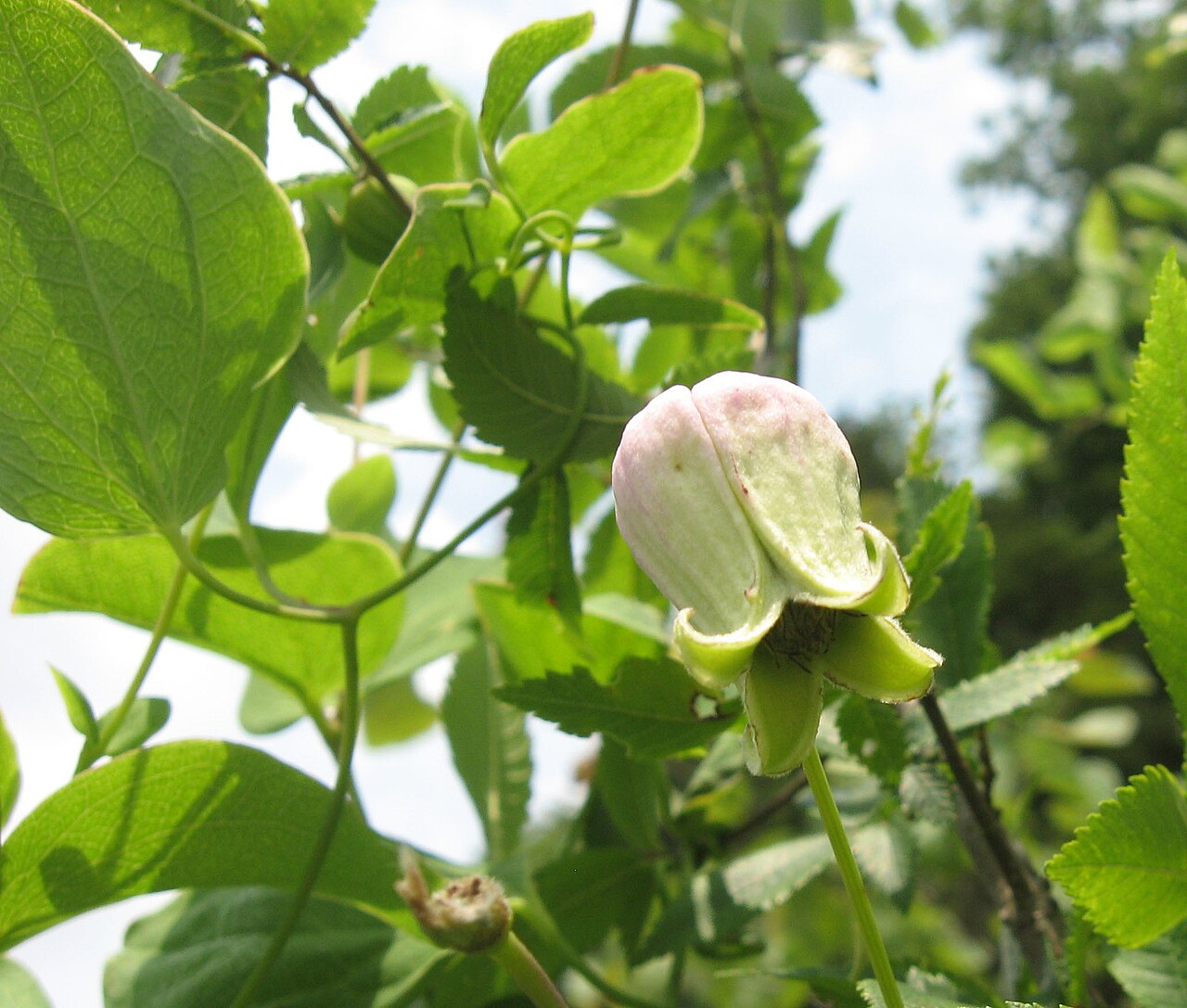
Pale leatherflower’s distinctive nodding, urn-shaped bloom, Logan County Glade State Nature Preserve, Kentucky. Photo: Mason Brock, Wikimedia Commons (Public domain) Clematis versicolor, commonly called Pale
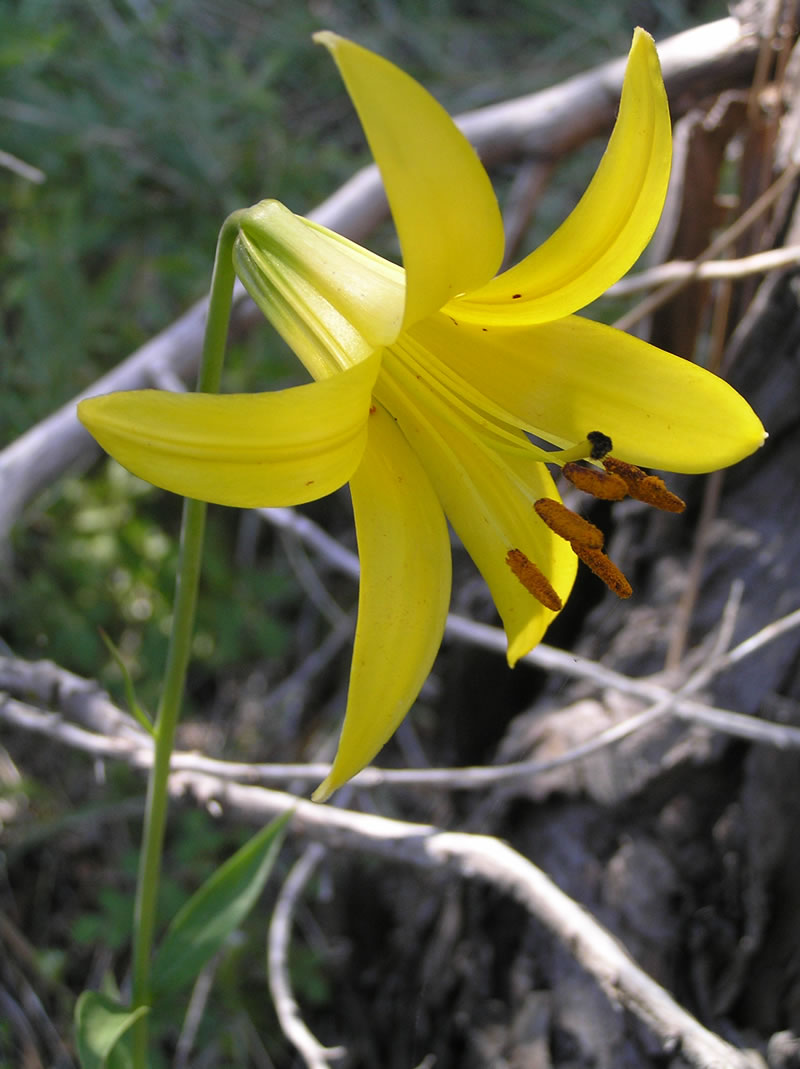
Lemon lily in the high country of the San Jacinto Wilderness, California. Photo: Jordan Zylstra, Wikimedia Commons (Public domain) Lilium parryi, the Lemon Lily, is
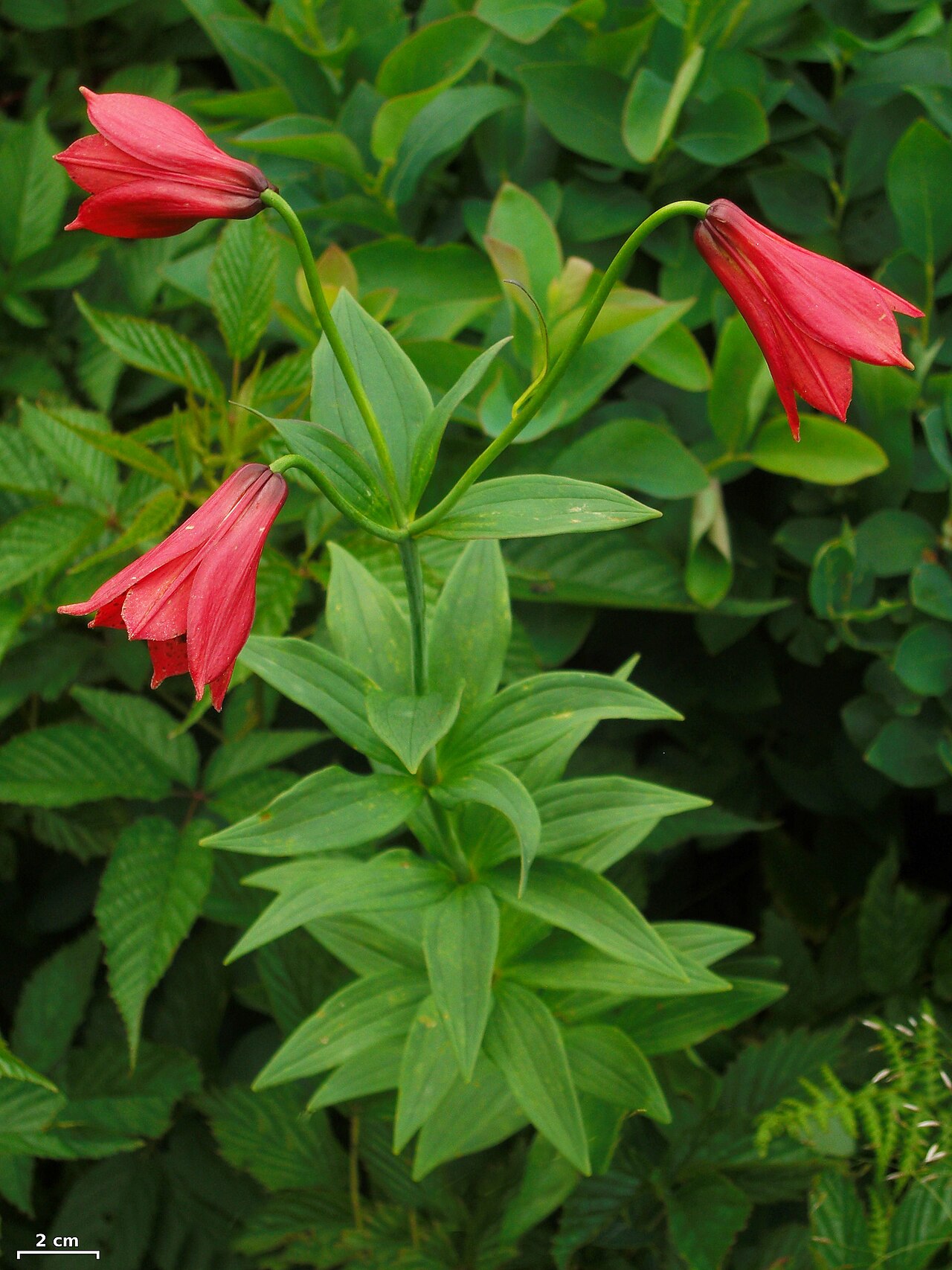
Gray’s lily near the Tennessee border, with its distinctive whorled leaves and narrow, bell-shaped flowers. Photo: pellaea, Wikimedia Commons (CC BY 2.0) Lilium grayi, commonly
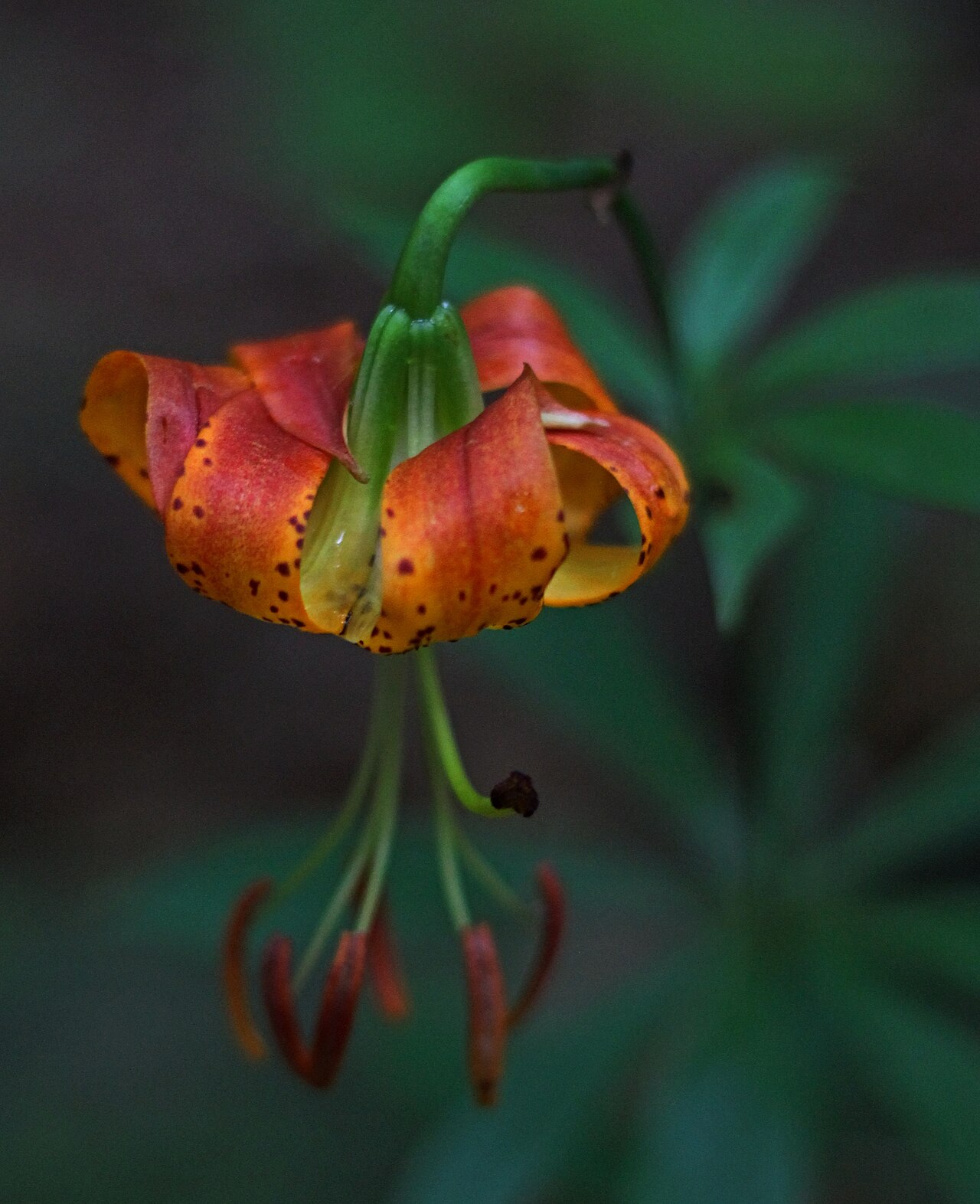
Carolina lily in bloom, Uwharrie National Forest, North Carolina. Photo: Wasrts, Wikimedia Commons (CC BY-SA 4.0) Lilium michauxii, the Carolina Lily, is a slender native
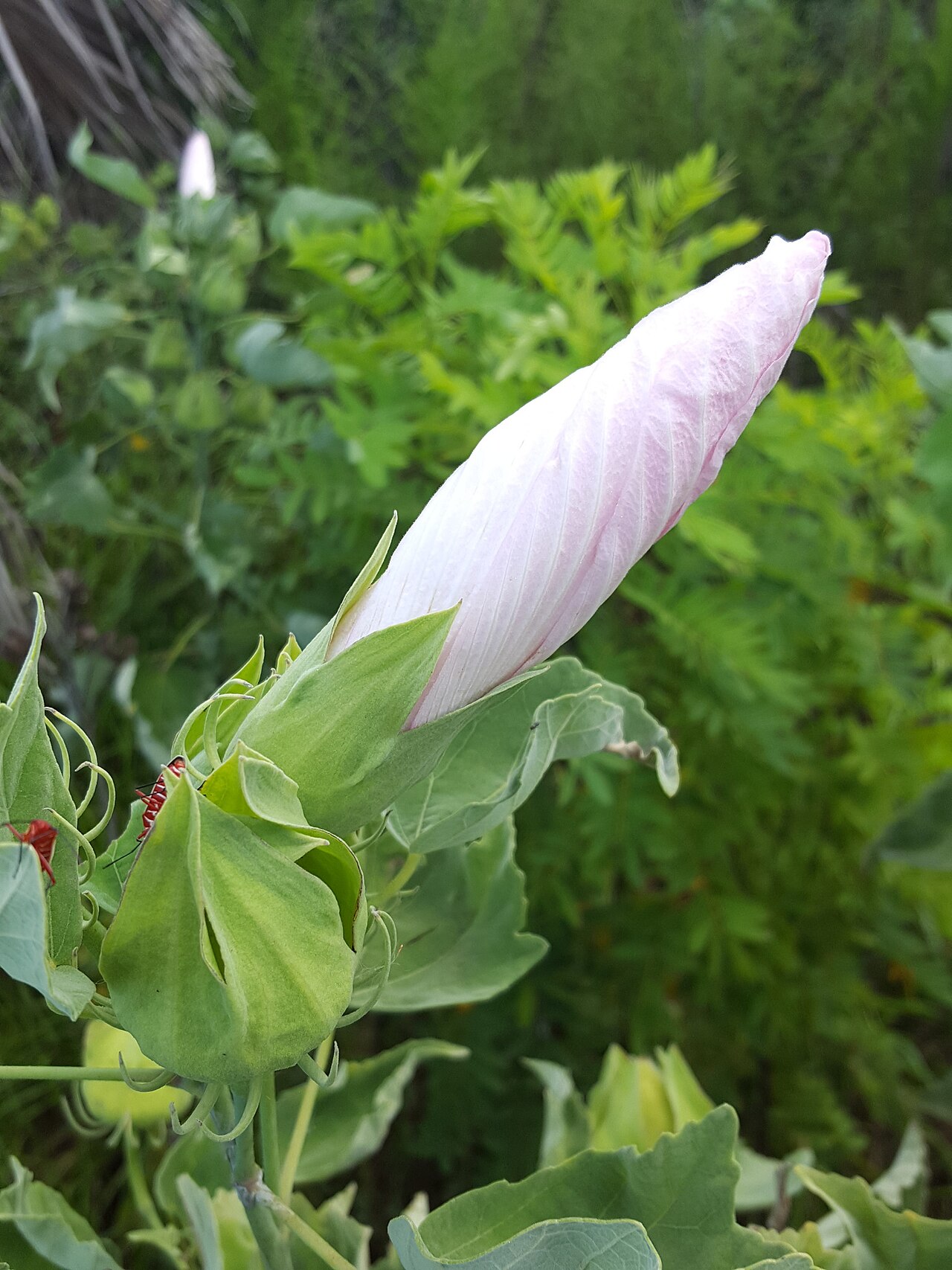
A swamp rosemallow bud unfurling; open flowers fade from pale pink to nearly white with a dark reddish-purple throat. Photo: Bulbdirect12345, iNaturalist (CC BY 4.0)
View More