Blue Mistflower Not Blooming: Light, Timing, and Growth Checks
Last updated: November 5, 2026
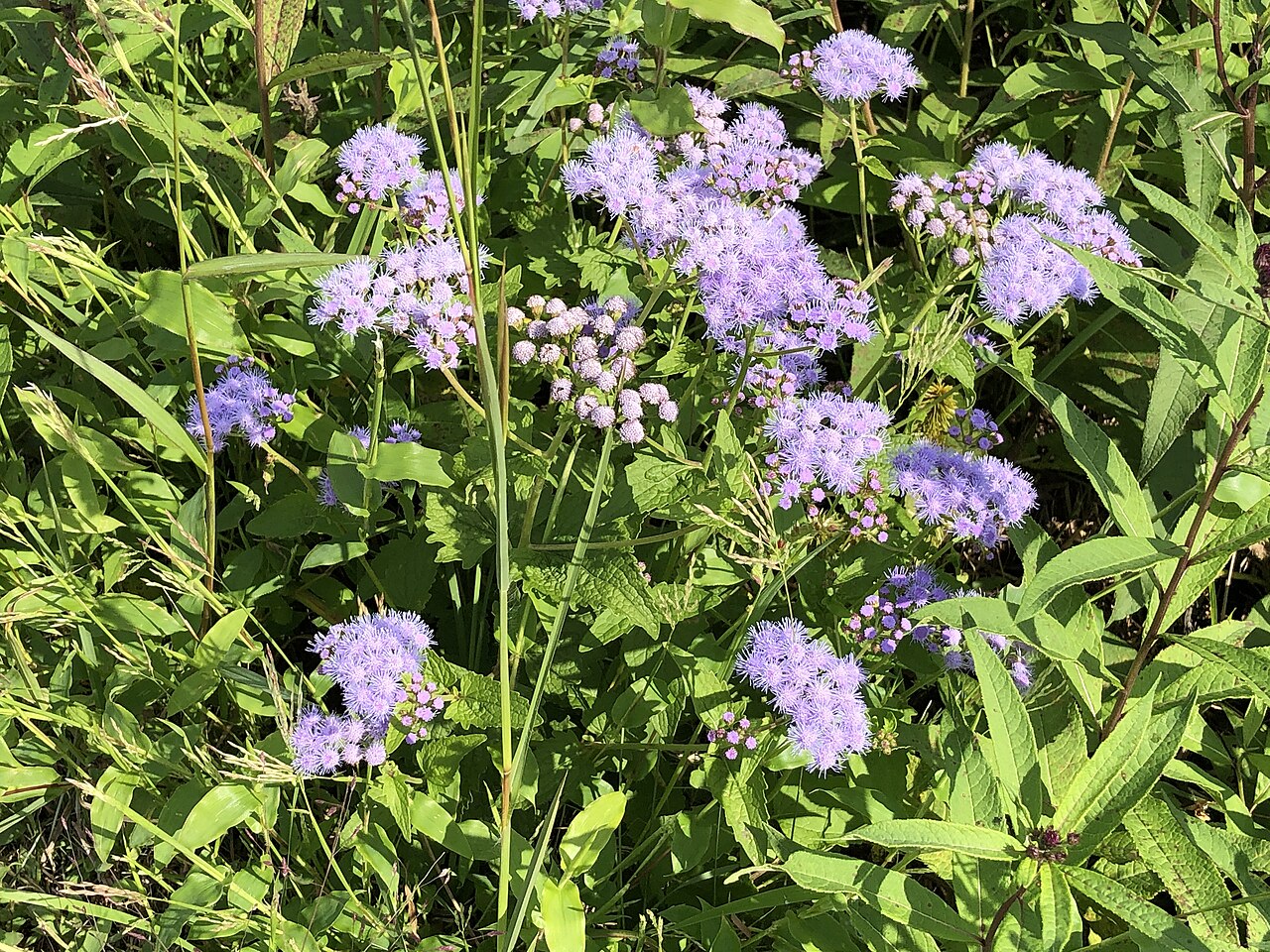
Your blue mistflower is green, leafy, and healthy. But the fuzzy blue flowers you planted it for are missing, or there are only a few scattered heads.
Before you move it or give up on it, check the calendar. Blue mistflower is a late bloomer, and many “not blooming” plants are simply on schedule.
If the season really has passed with no flowers, work through the checks below. Most problems come down to light, timing, water, or how the plant was cut back.
The Short Answer
Blue mistflower (Conoclinium coelestinum) blooms from mid to late summer until frost, on clusters at the tips of this year’s stems. No flowers usually means one of these:
- It’s not time yet. Leafy plants in June or early July are normal.
- Too much shade. It flowers in sun to part shade, but sparsely in deep shade.
- Stems cut too late in summer, removing the tips where flowers form.
- Dry soil. This is a moisture-loving plant with poor drought tolerance.
- A young plant or a short growing season before frost.
- A crowded, tired patch that needs dividing.
How Blue Mistflower Flowers
Blue mistflower is a herbaceous perennial that dies back each winter and regrows from underground rhizomes in spring. It spends spring and early summer growing leaves and stems.
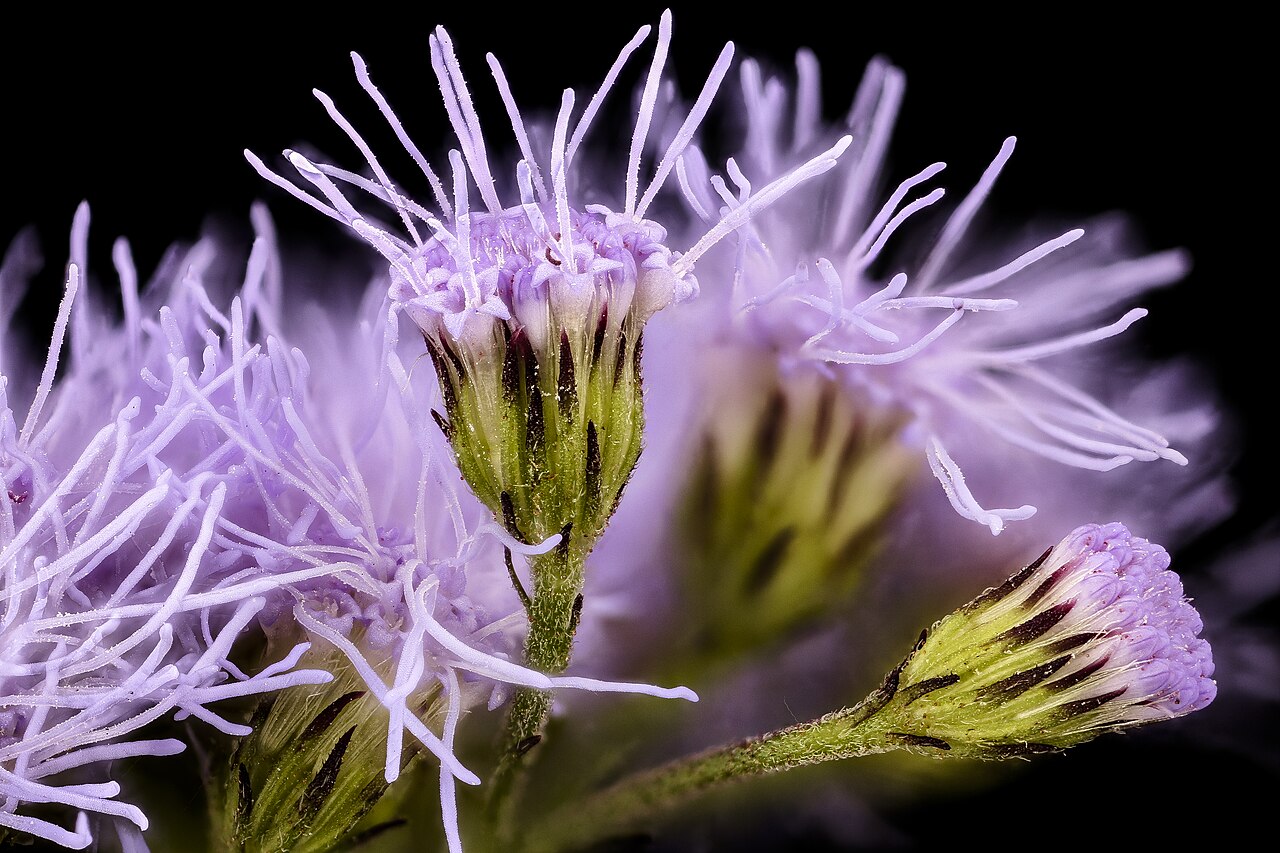
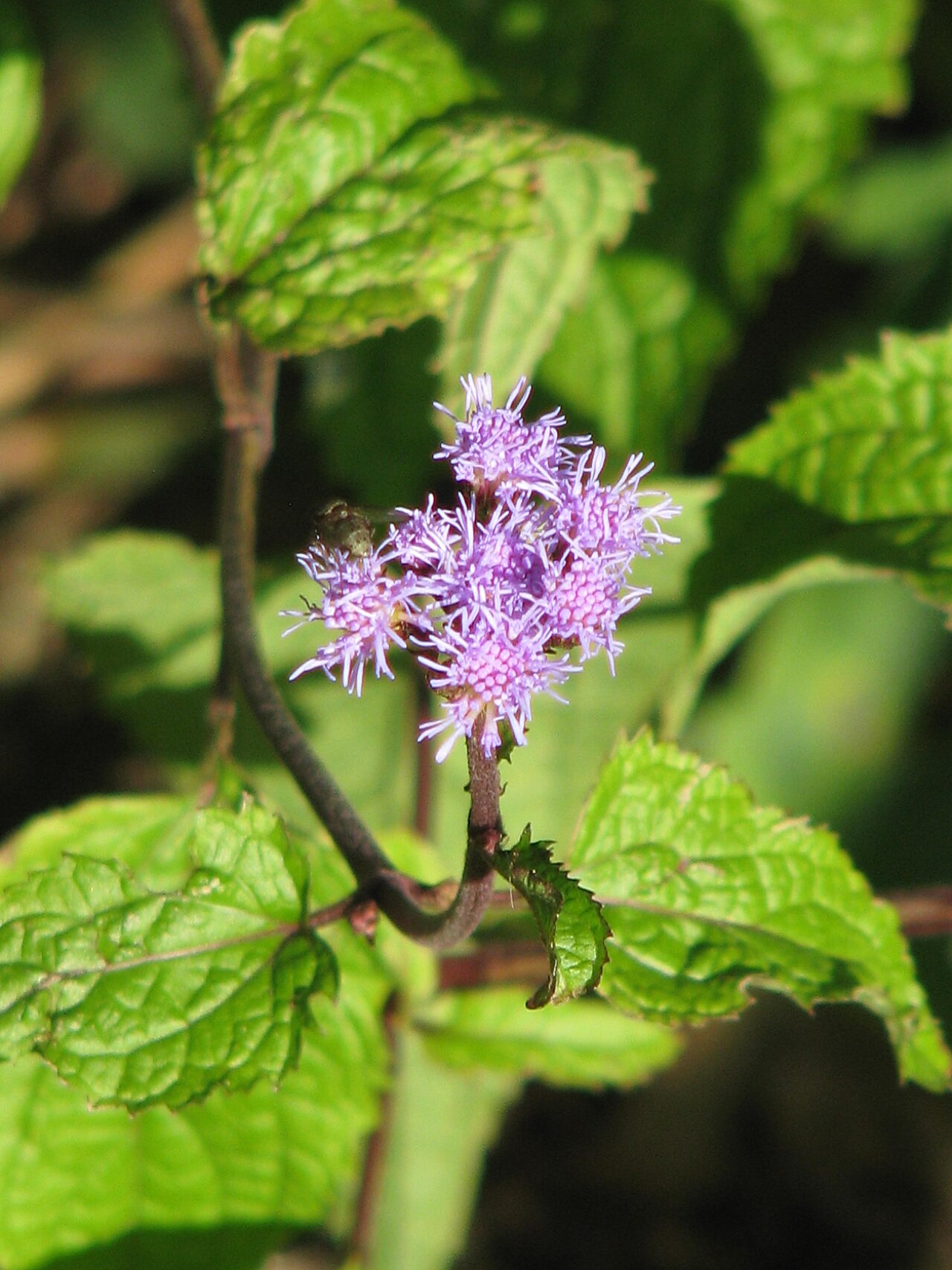
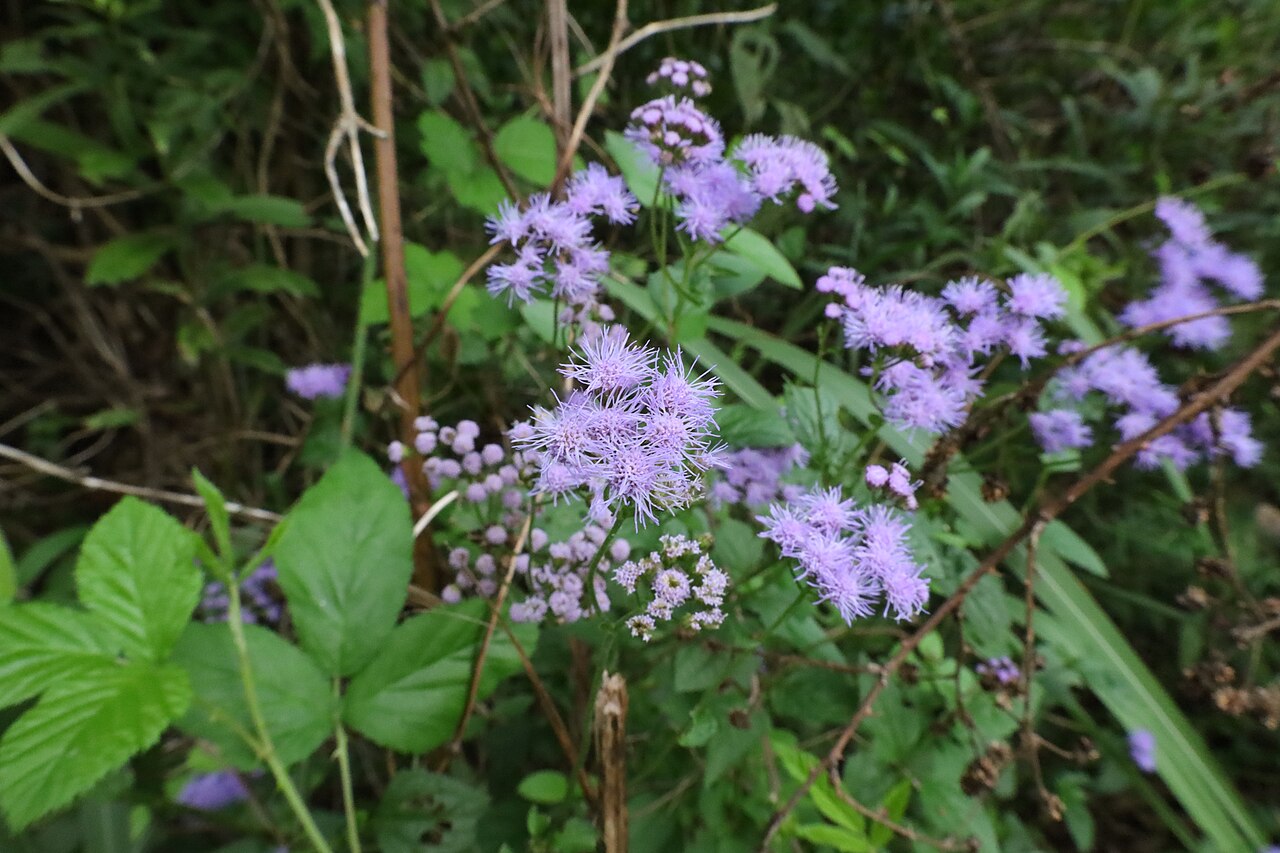
Flowers form at the top of each stem and branch. The Missouri Botanical Garden describes them as small, fluffy, blue-purple heads with no petals, packed into dense, flat-topped clusters at the stem tips.
Bloom timing varies by source and region. The Missouri Botanical Garden lists July to October, the Lady Bird Johnson Wildflower Center lists July to November, and NC State Extension says late summer until frost.
The Mistflower Year
| Winter | Dormant. Nothing shows above ground. |
| Spring | New shoots emerge from the rhizomes and start to fill in the patch. |
| Early summer | Leafy growth only. No flowers yet is normal. |
| Mid to late summer | Bud clusters form at the stem tips, then open. |
| Fall until frost | Bloom continues, then flower heads turn to fluffy seed. |
That timeline explains a lot. Anything that removes the stem tips, stresses the plant in midsummer, or ends the season early takes the flowers with it.
Check 1: Is It Actually Late?
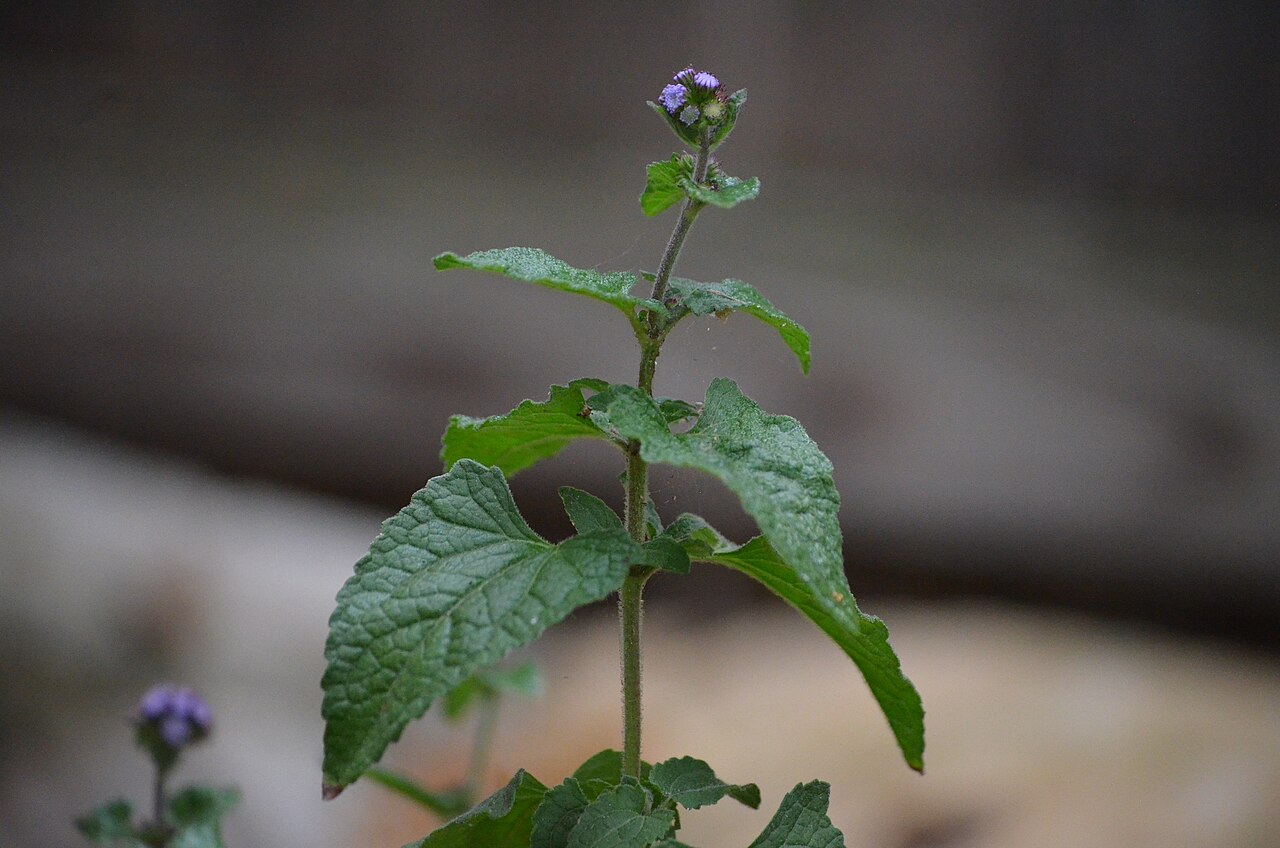
Start with the date. If it’s June or early July, look at the stem tips for small, tight bud clusters. No buds yet is normal for the season.
If it’s late summer and you see buds but no open flowers, give it a little more time. Many plants are just getting started then.
Only treat it as a problem if the plant goes through the bloom season with no buds at all, or if it flowers much less than it used to.
Check 2: Measure the Light
The Missouri Botanical Garden and NC State Extension both list full sun to part shade. NC State defines part shade as roughly two to six hours of direct sun a day.
Our species profile notes that in deep, dense shade flowering is significantly reduced. Plants in heavy shade tend to stay leafy, stretch toward the light, and produce only a few small clusters.
Count the hours of direct sun the plant gets in summer, when nearby trees are fully leafed out. A spot that felt sunny when you planted in spring can be much darker by August.
- 6+ hours: plenty of light. Look at water and pruning instead.
- About 2 to 6 hours: usually fine. Expect taller, looser plants.
- Less than that, or bright shade only: light is the likely cause.
In hot climates, some afternoon shade helps rather than hurts. The Native Plant Society of Texas notes it can take full sun with extra water but does better shaded in the afternoon in the heat of summer.
Check 3: Review When It Was Cut Back
Since the flowers form at the stem tips, any cut that removes those tips also removes flowers, unless the plant has time to branch and form new buds.
Cutting back is a legitimate technique. The Missouri Botanical Garden says taller plants may be cut back in summer to prevent flopping, and Jersey-Friendly Yards suggests a summer cut to promote bushier growth. Our species profile recommends pinching stem tips in late May or early June for a more compact plant, noting it may delay bloom slightly.
The risk is timing. The later in summer you cut, the less time the new branches have to form buds before frost. A hard trim in August, or a landscape crew shearing the bed for tidiness, can wipe out most of the season’s flowers.
Ask everyone who works in the garden whether the bed was trimmed, mowed, or string-trimmed this summer.
Check 4: Look at Soil Moisture
Blue mistflower grows naturally along stream banks, in wet meadows, and in ditches. The Missouri Botanical Garden says it prefers moist, fertile, humusy soils that don’t dry out, and Illinois Wildflowers rates its drought tolerance as poor.
A long dry stretch in mid to late summer, right when buds are forming, can mean fewer flowers or none. Wilting leaves are a reliable sign of moisture stress, according to our species profile.
In a dry summer, a slow, deep soak once or twice a week helps more than frequent light sprinkles. A few inches of shredded leaf or wood mulch keeps the root zone cooler and damper. See our mulching techniques for native gardens for options.
If the site is naturally dry, sandy, or sloped, the plant may never bloom well there. Moving it to a lower, moister spot is often the real fix.
Check 5: Consider Age and Season Length
A plant grown from seed may not flower until its second year. The Native Plant Society of Texas notes that seeds started in early spring can bloom by fall of their first year, and if they don’t, they will bloom in their second.
Small nursery plugs and fresh divisions are similar. They spend the first season building roots and may flower lightly or late.
Season length matters most at the cool end of the range. Since bloom runs until frost, an early hard freeze can end the show before it really starts.
If you garden near the northern edge of its hardiness range (USDA zone 5, per the Missouri Botanical Garden and NC State) or in a frost pocket, give it your warmest, sunniest moist spot. A south-facing bed or a spot near a wall can stretch the season a little.
Check 6: Look for a Crowded or Worn-Out Patch
Mistflower spreads by rhizomes and seed into dense colonies. After several years, the center of a patch can become a tangle of thin stems competing for light, water, and space.
Jersey-Friendly Yards notes it may need dividing every few years, and our species profile recommends dividing crowded colonies every two to three years in spring to keep them vigorous.
Signs of a tired patch include thin stems, small leaves, a bare or weak center, and good flowering only on the edges. Dig and replant the healthiest pieces in spring and the next fall’s bloom usually improves.
If the patch is also spreading where you don’t want it, our guide to keeping blue mistflower within a garden bed combines thinning with edge control.
Check 7: Check the Buds and Leaves
Blue mistflower has few serious problems. The Missouri Botanical Garden lists some susceptibility to powdery mildew and occasional leaf miners and aphids. A healthy plant shrugs these off, but a stressed one may bloom less.
Look closely at the bud clusters. Illinois Wildflowers notes that caterpillars of the three-lined flower moth feed on the florets and developing seeds of this plant. Chewed or hollow bud clusters point to insect feeding rather than a growing problem.
Browsing is less likely. Illinois Wildflowers notes that mammals rarely eat the bitter foliage, and NC State rates it moderately resistant to deer. Still, cleanly bitten-off stem tips mean something took the buds.
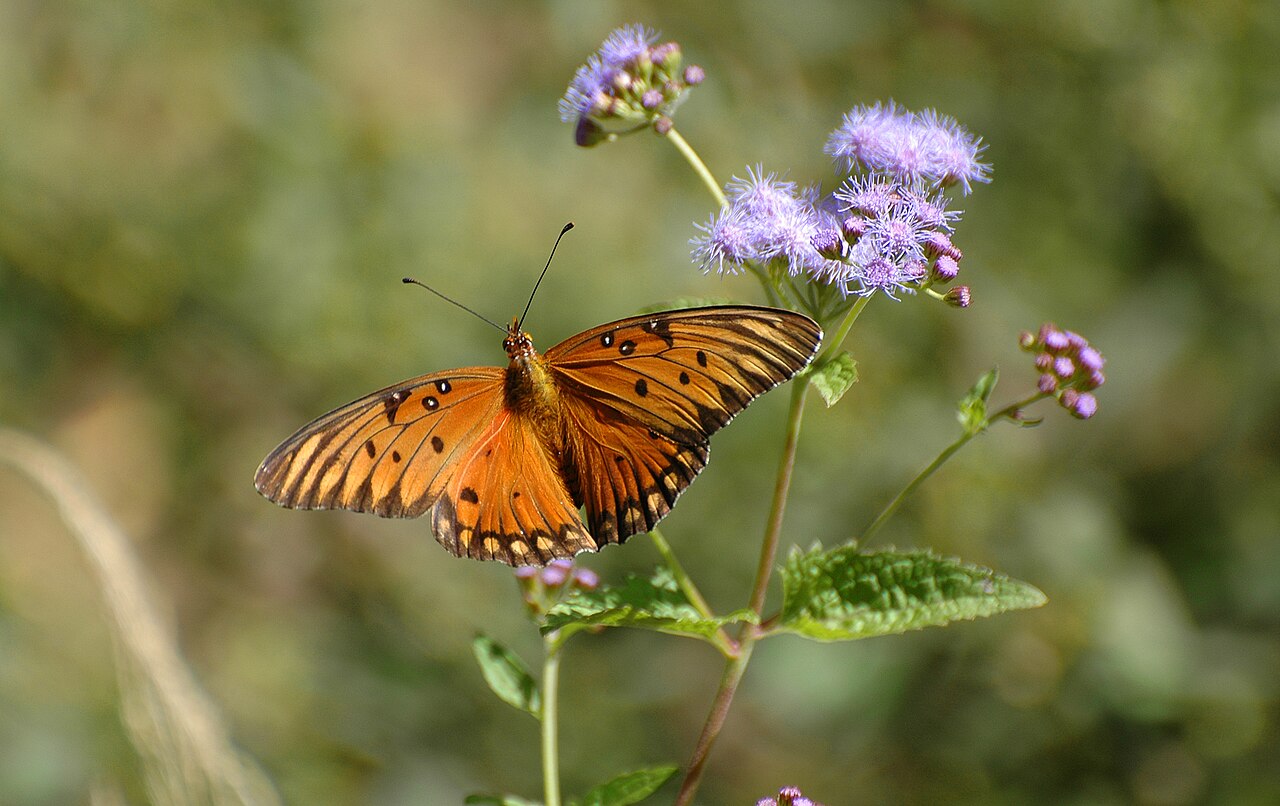
Avoid spraying insecticide to fix this. The same flowers feed bees and butterflies, and a few chewed clusters don’t justify the risk to them.
Check 8: Make Sure It’s Blue Mistflower
The Missouri Botanical Garden notes that blue mistflower looks like annual ageratum (Ageratum houstonianum), the bedding plant sold as floss flower. Plant tags sometimes mix them up, especially when mistflower is sold as “hardy ageratum.”
Annual ageratum is usually compact and blooms from summer on from transplants, then dies at frost and doesn’t return from roots. If a plant you bought as mistflower behaves like that, you may have the annual.
Blue mistflower, by contrast, comes back each spring from spreading rhizomes and blooms late. If your “mistflower” never spreads and doesn’t return after winter, it’s worth double-checking the label.
Troubleshooting at a Glance
| Leafy, no buds, June or July | Normal. Check again in late summer. |
| Tall, leaning stems, few flowers | Too much shade. Thin overhead branches or move the plant in spring. |
| Bushy and short, no flowers | Probably cut back too late. Finish any trimming early in summer next year. |
| Wilting leaves, small clusters | Dry soil. Water deeply and mulch, or move to a moister spot. |
| Buds formed, then frost hit | Short season. Use the warmest, sunniest moist spot you have. |
| Weak center, flowers only on edges | Crowded patch. Divide in spring. |
| Chewed bud clusters | Insect feeding. Usually no treatment needed. |
So What Should You Do Now?
If it’s early or midsummer: wait. Water during dry spells, skip any more trimming, and look for buds at the stem tips in late summer.
If it’s fall and the plant had no flowers: make notes on light and moisture while you can still see the site in its summer state. Don’t fertilize or move it now.
If light is the problem: in spring, when new shoots are a few inches tall, dig a few healthy clumps and move them to a brighter, moist spot. Leave part of the patch in place as a backup.
If timing of cutting was the problem: nothing to fix now. Next year, finish any pinching early, or skip it and stake or support tall stems instead.
If the patch is old and crowded: divide it in spring and replant the strongest pieces.
There’s no need for fertilizer in most gardens. The plant already prefers fertile, humus-rich soil. If you suspect the soil is very poor, a simple soil test beats guessing.
A Season-by-Season Plan for Next Year
- Early spring: cut back last year’s dead stems before new shoots get tall.
- Mid-spring: divide crowded patches and move plants out of deep shade.
- Late spring to early summer: pinch stem tips once if you want a shorter plant, then leave them alone.
- Summer: water deeply in dry spells and mulch the root zone. No shearing.
- Late summer to frost: look for bud clusters, enjoy the bloom, and note how many hours of sun the spot gets.
Pair it with other late bloomers like boneset and asters to stretch the season. Our guide to New England aster bloom time shows how the two overlap, and our pollinator garden design basics covers building a bloom sequence.
📋 More on this plant: read the full Mist Flower (Conoclinium coelestinum) profile, or see it in our native plant lists for Maryland, Virginia & West Virginia, Georgia, Alabama & Mississippi, and Arkansas, Louisiana, Eastern Oklahoma & Eastern Texas.
Frequently Asked Questions
When does blue mistflower bloom?
From mid to late summer until frost. The Missouri Botanical Garden lists July to October, and the Lady Bird Johnson Wildflower Center lists July to November. Exact timing varies with region and weather.
Will blue mistflower bloom in shade?
In part shade, yes. Sources list full sun to part shade, roughly two to six hours of direct sun. In deep shade it tends to stay leafy and flower poorly.
Does pinching blue mistflower stop it from blooming?
An early pinch in late spring mainly makes it shorter and bushier, and may delay bloom slightly. Cutting later in summer is riskier, because flowers form at the stem tips.
Does blue mistflower bloom the first year?
Often, if started early. The Native Plant Society of Texas notes seeds started in early spring can bloom that fall, and otherwise bloom in their second year.
Should I fertilize blue mistflower to get more flowers?
Usually not. It prefers fertile, humus-rich soil but doesn’t need feeding in most gardens. Fix light, water, and cutting time first.
Sources
- Missouri Botanical Garden Plant Finder, Conoclinium coelestinum: bloom time, terminal flower clusters, light and soil preferences, summer cutting, pests, resemblance to annual ageratum.
- North Carolina Extension Gardener Plant Toolbox, Conoclinium coelestinum: bloom until frost, light ranges, hardiness zones, deer resistance.
- Lady Bird Johnson Wildflower Center, Conoclinium coelestinum: bloom months and habitat.
- Illinois Wildflowers, Mistflower: drought tolerance, insect feeders on florets, bitter foliage.
- Native Plant Society of Texas, Conoclinium coelestinum: first-year bloom from seed, afternoon shade in hot climates.
- Jersey-Friendly Yards, Mistflower: summer cut-back and periodic division.