Replace Your First 100 Square Feet of Lawn With Native Plants: A Phased Plan
Last updated: November 7, 2026
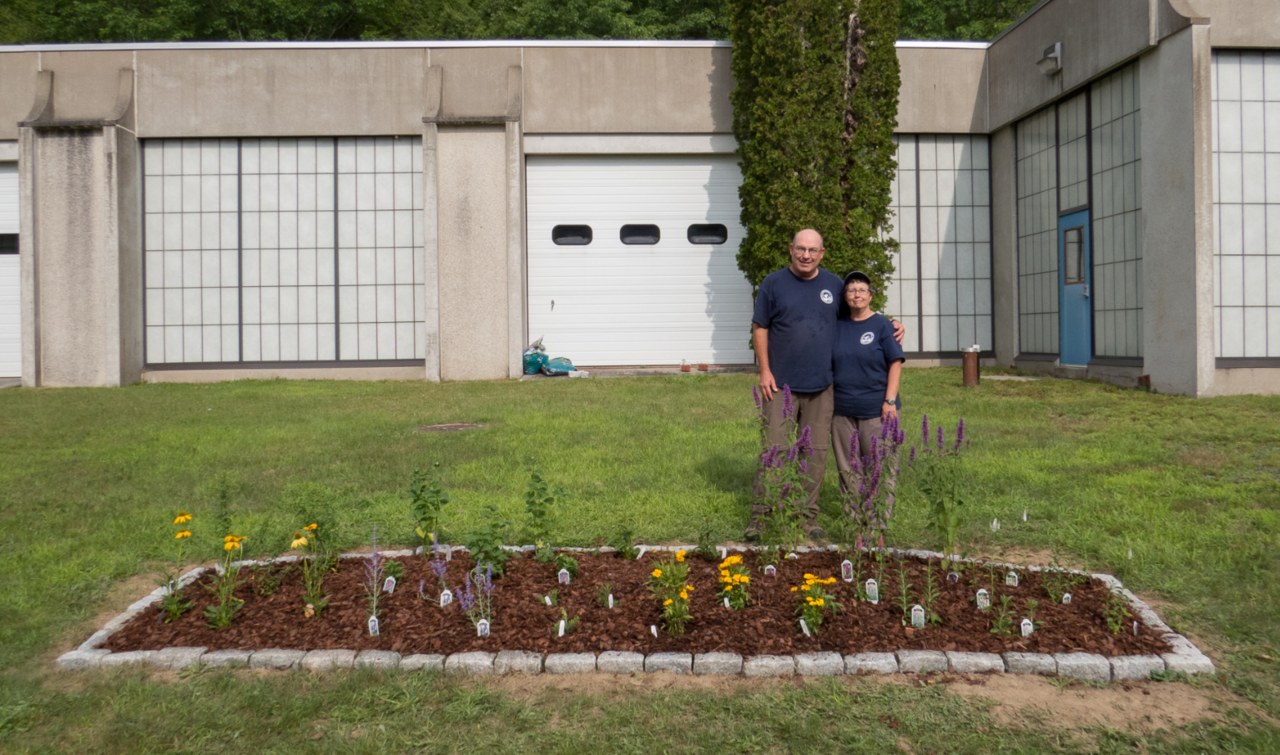
Converting a whole lawn at once sounds efficient until you are weeding a quarter-acre of bare soil in July. A single 100-square-foot module is small enough to clear in a weekend and plant in an afternoon, and you can learn the weeds and seedlings of your own site before going bigger.
Extension guidance points the same way. The University of Maryland Extension recommends that homeowners start meadow-style plantings on a few hundred square feet at most and add new modules year by year, and its lawn-alternatives page suggests starting with an area as small as 4 by 4 feet.
This plan treats your first 100 square feet as a test plot with a purpose: one season to prepare, one to plant, and the following year to harvest what you learned (and some of the seed) for the next module.
Plan at a Glance
| Site | One sunny patch of lawn you rarely walk on, ideally next to an existing bed, walk or fence |
| Size | 100 sq ft, as a 10 × 10 ft square or a 5 × 20 ft strip |
| Sun | Full sun (6+ hours) for the palette below; see the shade alternates |
| Soil | Average to dry, well-drained soil; lean subsoil is fine |
| Maintenance | Weekly checks in year one, then seasonal weeding and a late-winter cutback |
| Best regions | Eastern and central North America east of the Rockies; swap species elsewhere |
Phase 1: Choose the Right 100 Square Feet
If you are not sure which patch that is, our guide to mapping the lawn you actually use walks through a two-week observation exercise.
Pick the patch you would miss least. Lawn is useful where people play, where pets run and where it frames an entry, so those spots can wait. The Maryland Extension also lists slopes, poor soil and heavy shade as places where turf struggles anyway.
Start against something solid. A module that runs along a fence, a driveway or an existing bed has one finished edge already. Plant NOVA Natives suggests widening existing beds by a ribbon 2 to 4 feet wide each year, because clearing and weeding a large area all at once can be overwhelming.
Watch the sun for a full day before you commit. The palette in this plan needs at least six hours of direct sun. If the patch is under a tree or on the north side of a house, use the shade alternates further down instead of forcing sun plants into the wrong spot.
Mark the outline with a hose or flags and live with it for a week. Walk the mower around it. If you keep stepping into the corner on the way to the shed, move the bed rather than planting in a traffic line.
Before any digging, contact 811 or your state’s 811 center a few business days ahead so buried utility lines can be marked. The national 811 service explicitly includes planting projects, and the request is free.
Phase 2: Lay Out the Module
A square module reads as a deliberate island bed. A 5 × 20 ft strip is easier to reach from both sides and works well as an extension of a border. In either shape, keep every plant within about 2½ feet of an edge or a stepping stone so you can weed without trampling.
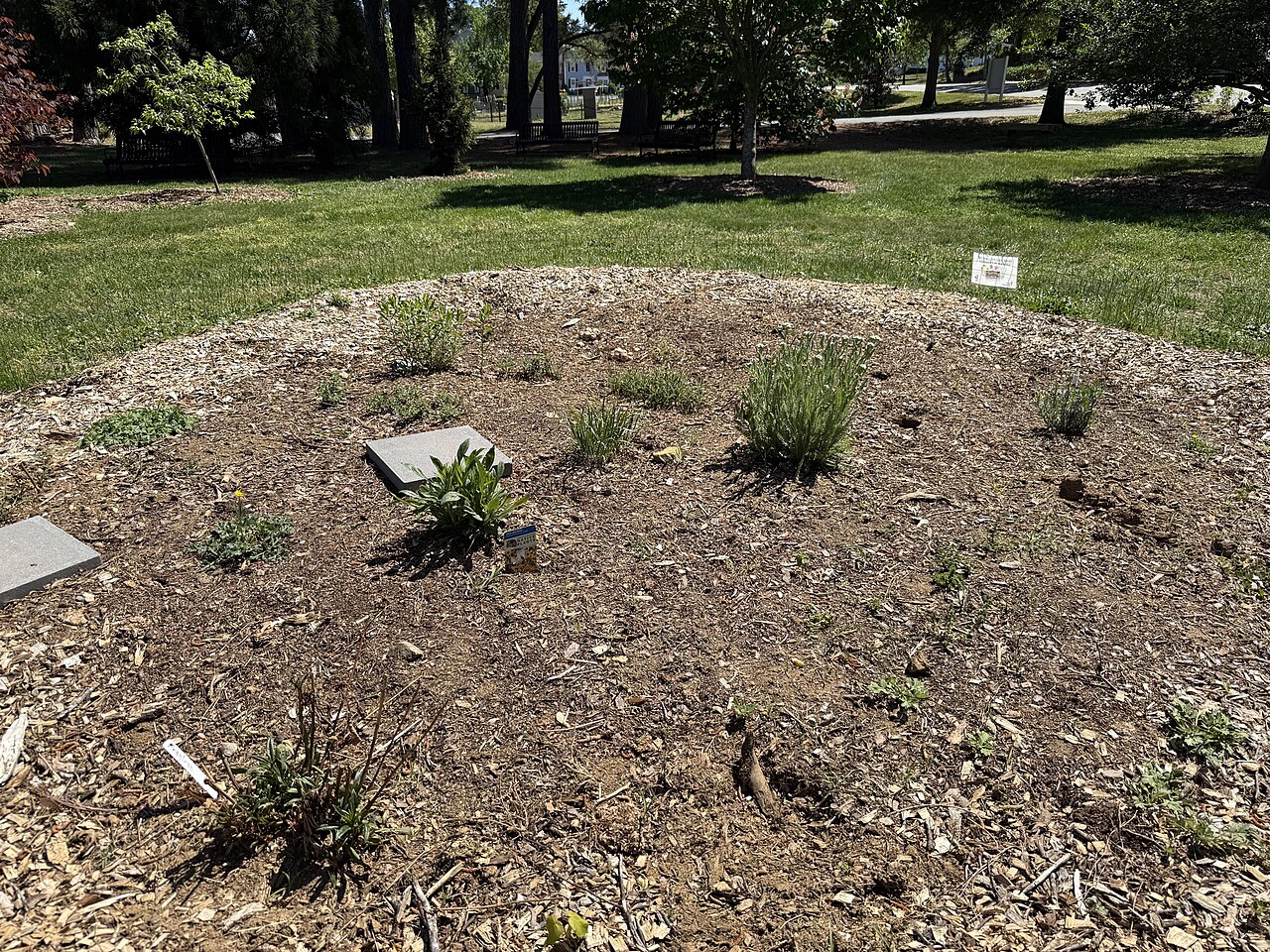
Think in drifts, not single specimens. Grasses form the background matrix and flowers come up through them in groups of five to ten. The Maryland Extension notes that stable meadows are 50 to 70 percent grasses, so order more grass plugs than flower plugs, even though the flowers are what tempt you.
Leave the edge simple. A clean mown strip or a sharp spade-cut edge makes even a first-year planting look intentional. If you want a softer transition, the layering ideas in our guide to planning a meadow transition at the lawn edge scale down well to a single module.
Plant Palette for a Sunny 100-Square-Foot Module
Plant Palette (Sunny, Average to Dry Soil)
Heights and spreads are from NC State Extension’s plant toolbox; native ranges are from the Lady Bird Johnson Wildflower Center. Confirm each species is native to your county before buying.
| Plant | Role | Height | Sun / Moisture | Native range |
|---|---|---|---|---|
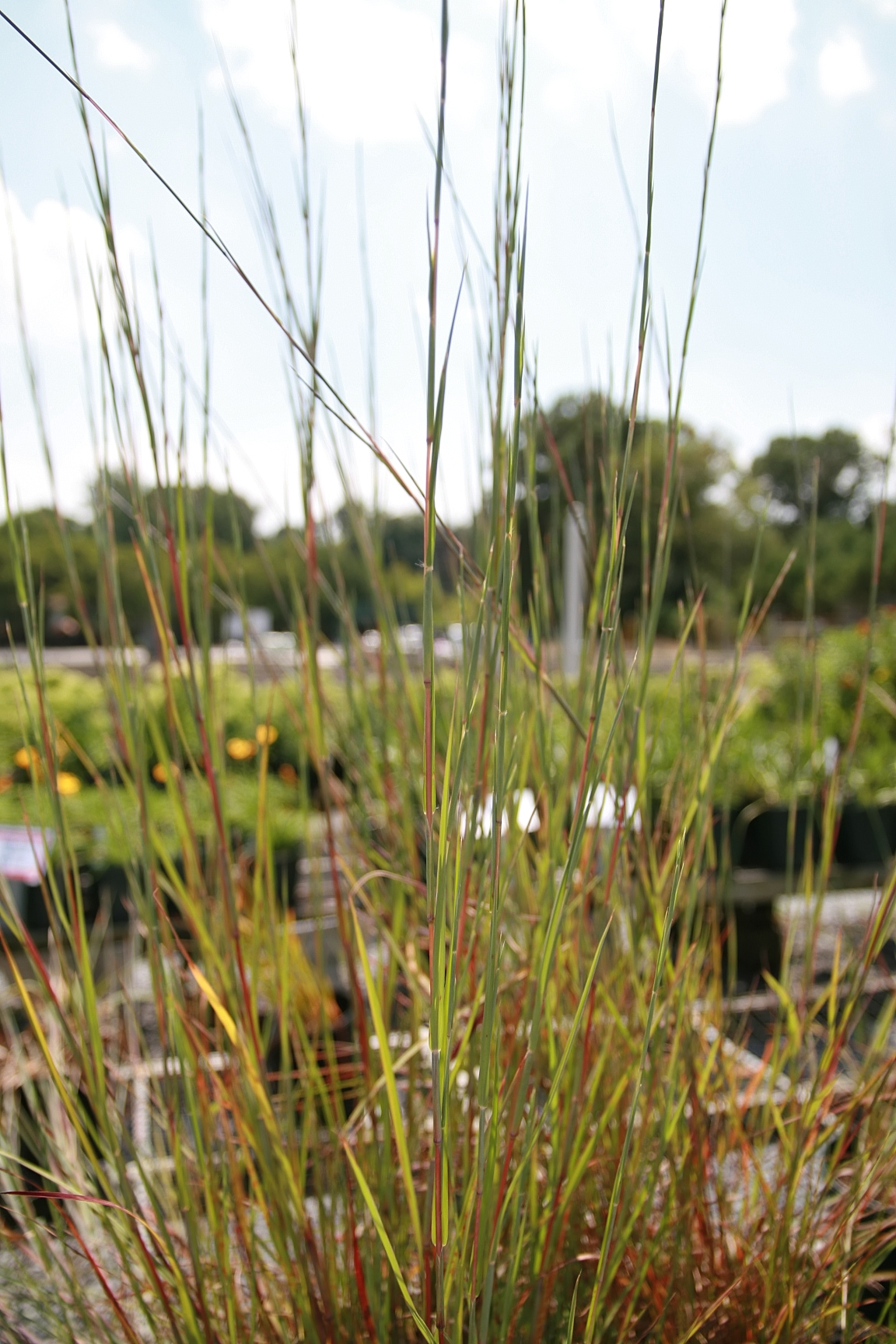
| Little bluestem | Matrix grass, winter color | 2–4 ft | Full sun / dry to medium | Much of the US and southern Canada east of the Rockies |
| Prairie dropseed | Edge grass, fine texture | 2–3 ft | Full sun / dry to medium | Quebec to Saskatchewan, locally south to NC, KY, TX and CO |
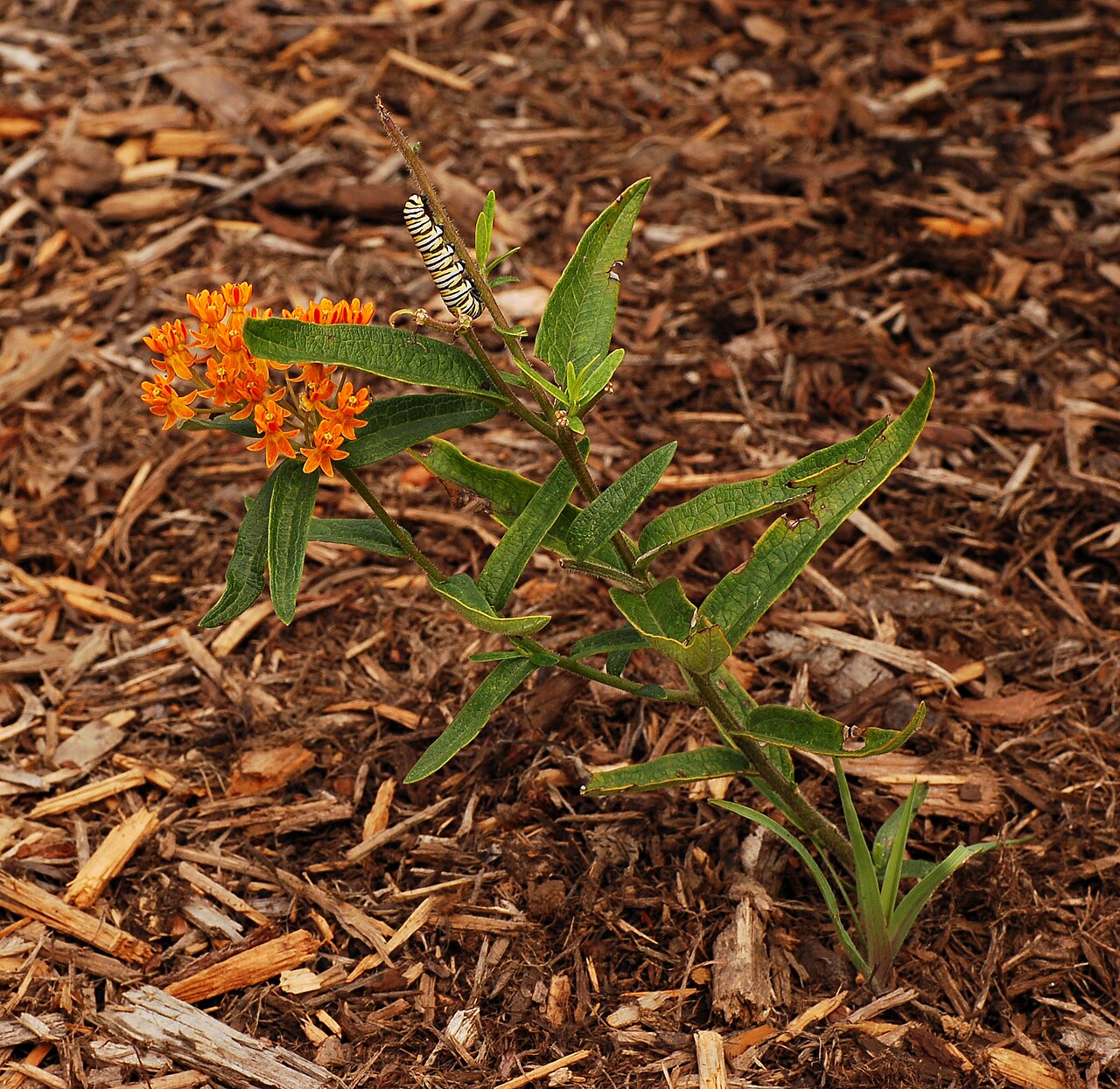
| Butterfly weed | Summer color, monarch host | 1–2 ft | Full sun / dry to medium | Ontario and New England south to FL, west to TX, north through CO to MN |
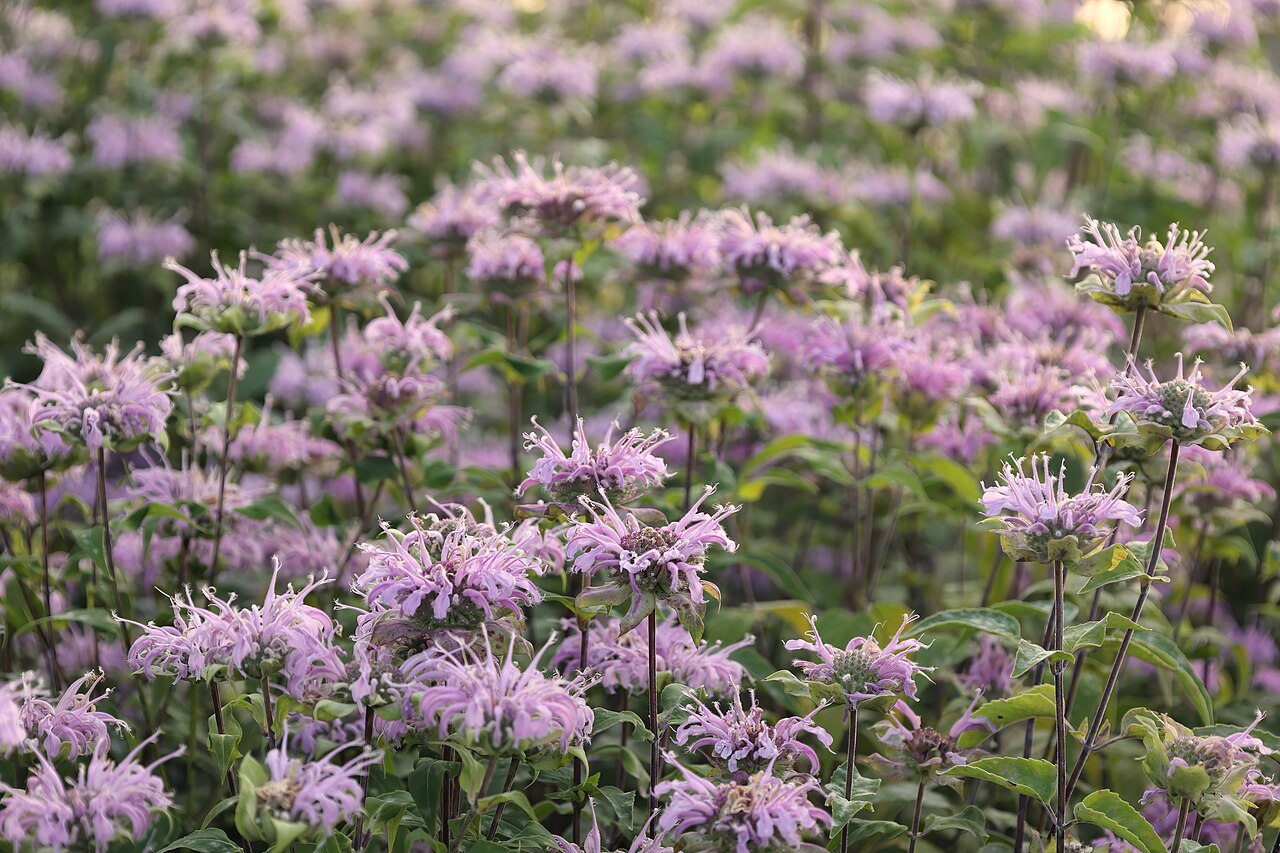
| Wild bergamot | Midsummer drift | 2–4 ft | Sun to part shade / dry to medium | Most of the US and southern Canada east of the Rockies |
| Aromatic aster | Fall color, front to middle | 1–3 ft | Full sun / dry to medium | PA to NC, west to WY and TX |
| Golden alexanders | Spring bloom | 1–2 ft | Sun to part shade / medium | Quebec to Saskatchewan and MT, south to New England, FL and TX |
Regional alternates. On the dry western Plains, blue grama can replace prairie dropseed as a short grass. The Wildflower Center lists its range as western North America, east to western Ontario and Illinois.
In a shady module, Pennsylvania sedge and wild geranium are better starting points than any plant on this list. In the Pacific states and the desert Southwest, build the palette from your regional list instead of adapting an eastern one.
Plug Count for One 100-Square-Foot Module
Based on the Maryland Extension’s meadow approach of about one plug per square foot, with grasses making up 50–70 percent of the plants.
| Group | Plugs | Example split |
|---|---|---|
| Grasses (about 60%) | 60 | 40 little bluestem + 20 prairie dropseed |
| Summer flowers | 22 | 12 butterfly weed + 10 wild bergamot |
| Fall flowers | 10 | 10 aromatic aster |
| Spring flowers | 8 | 8 golden alexanders |
| Total | 100 | One plug per square foot |
At that density the planting closes its canopy quickly, which is the Maryland Extension’s reason for planting so tightly: native foliage shades out weed seedlings. If your budget will not stretch to 100 plugs, shrink the module rather than spreading the same plugs thinly over a larger area.
Phase 3: Clear the Turf
You have two realistic choices for a module this size. Removing the sod is fast and lets you plant the same season. Smothering takes months but saves your back.
The Xerces Society describes sod removal as an excellent method for converting small patches of lawn, and says it works best where the turf has been mown regularly for years, so few weed seeds are waiting in the soil. Water the area a day before cutting, slice the turf with a rented sod cutter or a sharp spade, and take the rolls away. Xerces warns against flipping the sod and planting into it, because weeds come back through.
The Maryland Extension goes a step further for meadow modules and removes the topsoil under the turf as well, since that layer carries the weed seed bank and most meadow plants do fine on leaner subsoil. Use your judgment here. On thin or eroded soil, cutting off the turf alone may be enough.
If you prefer to smother, lay overlapping cardboard on the mown lawn, wet it and cover it with several inches of mulch. Plant NOVA Natives and the Northern Virginia master gardeners both describe this method; expect to wait several months before planting.
For a fuller side-by-side of the two methods, see our comparison of sheet mulching vs. sod removal.
Phase 4: Plant and Tend the First Module
Timing. Xerces suggests planting transplants in fall or in the following spring after sod removal. Fall planting gives roots a cool season to settle; spring planting is easier to water consistently if your autumns are dry.
If your weekends are limited, our two-season installation plan spreads this work across fall and spring.
Sourcing. The Maryland Extension advises buying plugs from a nursery that specializes in locally native plants and can tell you which ecoregion its stock came from. That question matters more than the price per plug.
Planting day. Set out all the plugs on the surface first, grouped in drifts, and adjust before you dig. Plant each one at the depth it grew in its cell, firm the soil, and water the whole module thoroughly.
Aftercare. Water as needed for the first few weeks until the plugs are established, and do not fertilize. Extra nitrogen mostly feeds weeds.
The Maryland Extension also cautions that mulch suits shade meadows better than dry, sunny ones, and that bought-in mulch can carry weed seed. If you mulch a sunny module, keep it thin and clean, and pull it back from the crowns.
Weeding. Walk the module every week in the first summer. Learn what each of your plants looks like as a seedling so you do not pull volunteers later.
Lawn grass creeping back in from the edge is the most common invader. The Maryland Extension notes that a simple mulched path will not stop most lawn grasses, and that mower clippings should always be thrown away from the planting.
Phase 5: Turn One Module Into the Next
Do not judge the module by its first summer. The Maryland Extension notes that a young meadow will not flower much in year one, and the Xerces Society’s meadow guide sums up perennial establishment as “sleep, creep, leap.”
In late summer and fall of the first or second year, cut seedheads into paper bags, let them dry somewhere mouse-proof, and shake the seed loose. The Maryland Extension’s module method uses that seed to sow the next patch: clear the next 100 square feet in fall, scatter the seed thinly in late fall or early winter, press it into the soil surface, and fill gaps with a few extra plugs the next spring.
Repeat that cycle and each new module costs less than the last, because part of the planting comes from your own seed and you already know which weeds to expect.
First-Three-Years Maintenance Calendar
- Year 1, spring–fall: Water new plugs until established, weed weekly, re-cut the lawn edge monthly, and leave stems standing over winter.
- Year 1, late winter: Cut last year’s stems to a few inches before new growth starts, and replace any plugs that died.
- Year 2: Weed every two to three weeks, collect seed in late summer and fall, and clear the next module in fall.
- Year 3: Weed seasonally, cut back once in late winter, sow or plug module two, and choose module three.
Mistakes to Avoid
- Starting too big. A half-weeded 1,000-square-foot bed looks worse than lawn. Finish 100 square feet well.
- Skipping site preparation. Plugs dropped into living turf rarely win against it.
- Too few grasses. Flower-heavy plantings flop and leave gaps for weeds to fill.
- Generic “wildflower” mixes. The Maryland Extension warns that garden-center mixes are often non-native annuals that fade after the first year.
- No plan for the edge. Lawn grass will creep in from every side unless you keep a crisp, regularly cut edge.
📋 Check your regional native plant list before ordering. The species above appear on lists such as the Kentucky and Tennessee native plant list and the North Dakota, South Dakota and western Minnesota list, but your own region’s list is the one to follow.
Frequently Asked Questions
How many plants do I need for 100 square feet of lawn conversion?
At the Maryland Extension’s meadow density of one plug per square foot, about 100 plugs. Plant fewer only if you accept more mulch and more weeding while the plants fill in.
Can I plant straight into the lawn without removing it?
It is not recommended. Turf grass competes hard with small plugs. Remove the sod or smother it first, as described in Phase 3.
What if my 100 square feet is in shade?
Use a shade palette instead. Pennsylvania sedge and wild geranium suit dappled shade in much of eastern North America. Check your regional list for local options.
Should I use seed instead of plugs for the first module?
For a first small module, plugs are more forgiving because you can tell them apart from weeds. Many gardeners switch to seed for later modules, as the Maryland Extension’s module method does. Our plugs vs. seed comparison covers cost and timing.
How long until it looks like a garden?
Expect a thin first year, a fuller second year and a much more complete look by the third year. For the bigger picture of shrinking a yard over time, see our guide to lawn reduction strategies, and for larger seeded areas, replacing lawn with wildflowers.
Sources
- University of Maryland Extension: How to Make a Meadow
- University of Maryland Extension: Lawn Alternatives
- Xerces Society: Organic Site Preparation for Wildflower Establishment
- Xerces Society: Mid-Atlantic Native Meadows
- Plant NOVA Natives: Reducing Lawn
- Master Gardeners of Northern Virginia: Shrink the Lawn
- 811: Before You Dig
- NC State Extension Plant Toolbox: Little Bluestem (and related species pages)
- Lady Bird Johnson Wildflower Center: Plant Database (SCSC, SPHE, ASTU, MOFI, SYOB, ZIAU, BOGR2)