How to Check Whether a Plant Is Native to Your Area Before Buying It
Last updated: November 7, 2026
A tag that says “native” is a starting point, not an answer. The real question is whether the plant is native to your area: your state, your county, and ideally the kind of habitat you are trying to recreate.
Many popular “native” perennials are native to North America but not to every part of it. A plant that belongs in an Ozark glade can be a garden escapee in New England or the Pacific Northwest.
This guide walks through a range check you can do in about ten minutes before you buy, using free public databases. It works for a single impulse purchase at a garden center or a full planting list.
Plan at a Glance
| Goal | Confirm a plant is native to your county and habitat before buying |
| Time needed | 5–10 minutes per species |
| What you need | The full botanical name, your county, and a rough idea of your site (sun, moisture, soil) |
| Best free tools | USDA PLANTS, the Lady Bird Johnson Wildflower Center plant database, county-level range maps, your state native plant society |
| Red flags | Common name only, “native to North America”, no species name on a cultivar tag |
| Best regions | Works anywhere in the U.S. and Canada; the sources differ by state |
Why “Native” on a Tag Is Not Enough
University of Maryland Extension makes the key point plainly: you cannot meaningfully call a plant native without saying where it is native to. In biogeography, a native species is one whose presence in a region is the result of natural evolution there, not human introduction.
Labels often skip that part. Some say “native to North America” or “U.S. native,” which can cover thousands of miles and very different climates.
Even a correct state-level answer can hide a problem. The UMD page notes that political boundaries usually have no ecological meaning, which is why county maps, ecoregions and habitat matter as much as the state list.
Our overview of ornamental native plants for landscaping covers why natives are worth growing. This article is about the step before that: proving the plant you are holding actually belongs where you live.
Step 1: Get the Full Botanical Name
Common names are unreliable for a range check. “Coneflower,” “hyssop” and “milkweed” each cover several species with very different native ranges.
Look for the genus and species on the tag, for example Echinacea purpurea. If the tag shows only a common name, ask the seller or skip the plant until you can confirm it.
If there is a cultivar name in single quotes, such as Echinacea purpurea ‘PowWow Wild Berry’, the range check applies to the species part. Whether a cultivar is the right choice is a separate design question.
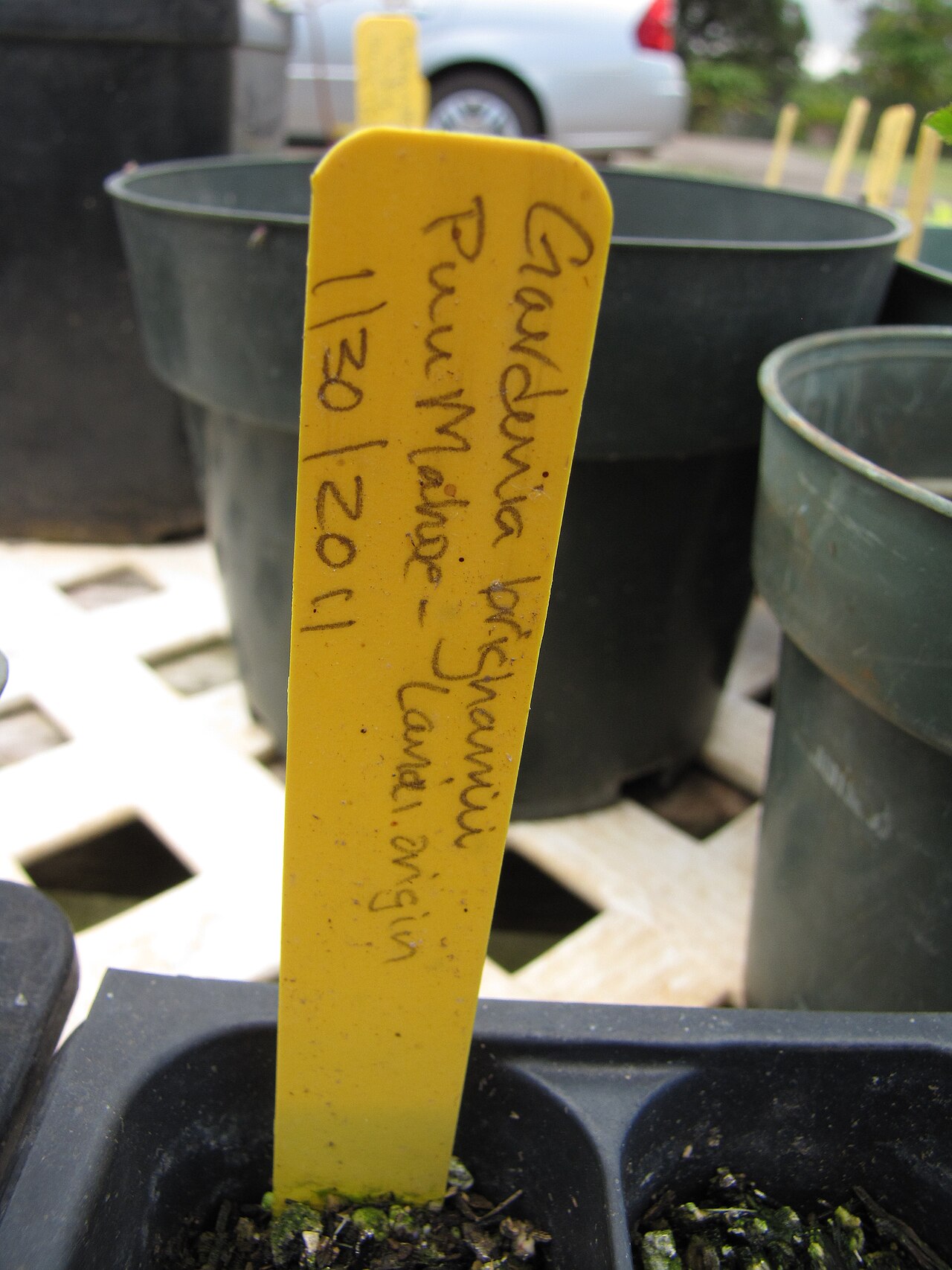
Write down the name exactly as printed. You will paste it into each database in the next steps, and spelling matters.
If you want help putting a name to a plant you have already seen growing wild, start with our beginner’s guide to identifying native plants.
Step 2: Check Native Status for the Whole Country
The USDA PLANTS Database gives each species a native status by large region. For eastern purple coneflower, it lists the lower 48 states as native and Canada as introduced.
That is useful, but only as a first filter. “L48 (N)” means the plant is native somewhere in the lower 48 states, not everywhere in them.
If USDA lists a plant as introduced (I) in the lower 48, you are done: it is not a native plant in the U.S. If it is listed as native, move on to the regional check.
Step 3: Narrow the Range to Your State and County
This is the step most buyers skip. The Lady Bird Johnson Wildflower Center profile for purple coneflower gives its native distribution as Georgia to extreme northeast Texas, north to North Carolina, Ohio, Illinois and Iowa.
That is a large range, but it is not the whole country. A purple coneflower sold as “native” in Maine or Oregon is native to the continent, not to the buyer’s area.
For a finer answer, use a county-level map. UMD Extension points readers to the Biota of North America Program (BONAP), which maps species distribution by county for the entire U.S.; your state flora or native plant society list is the other good check.
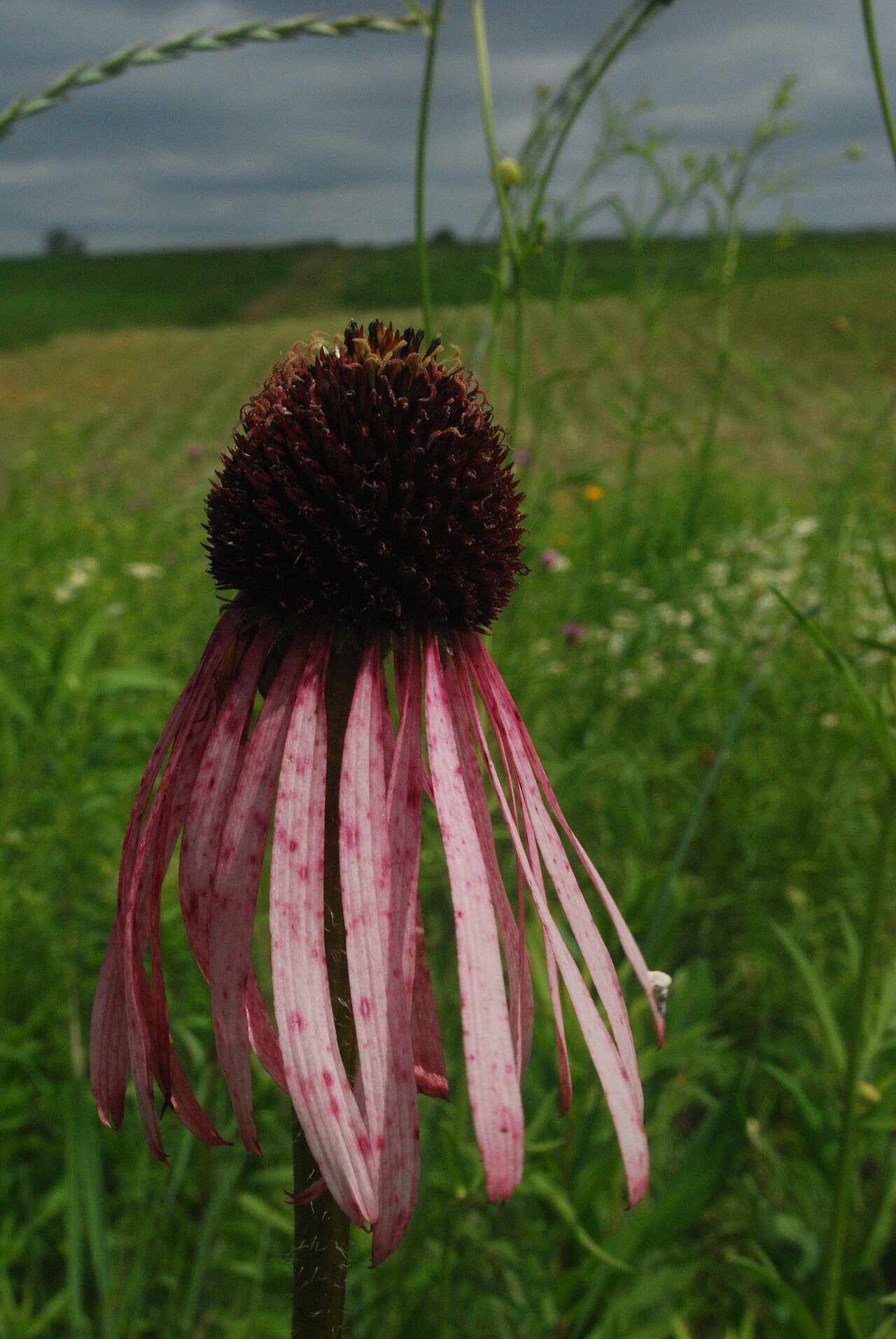
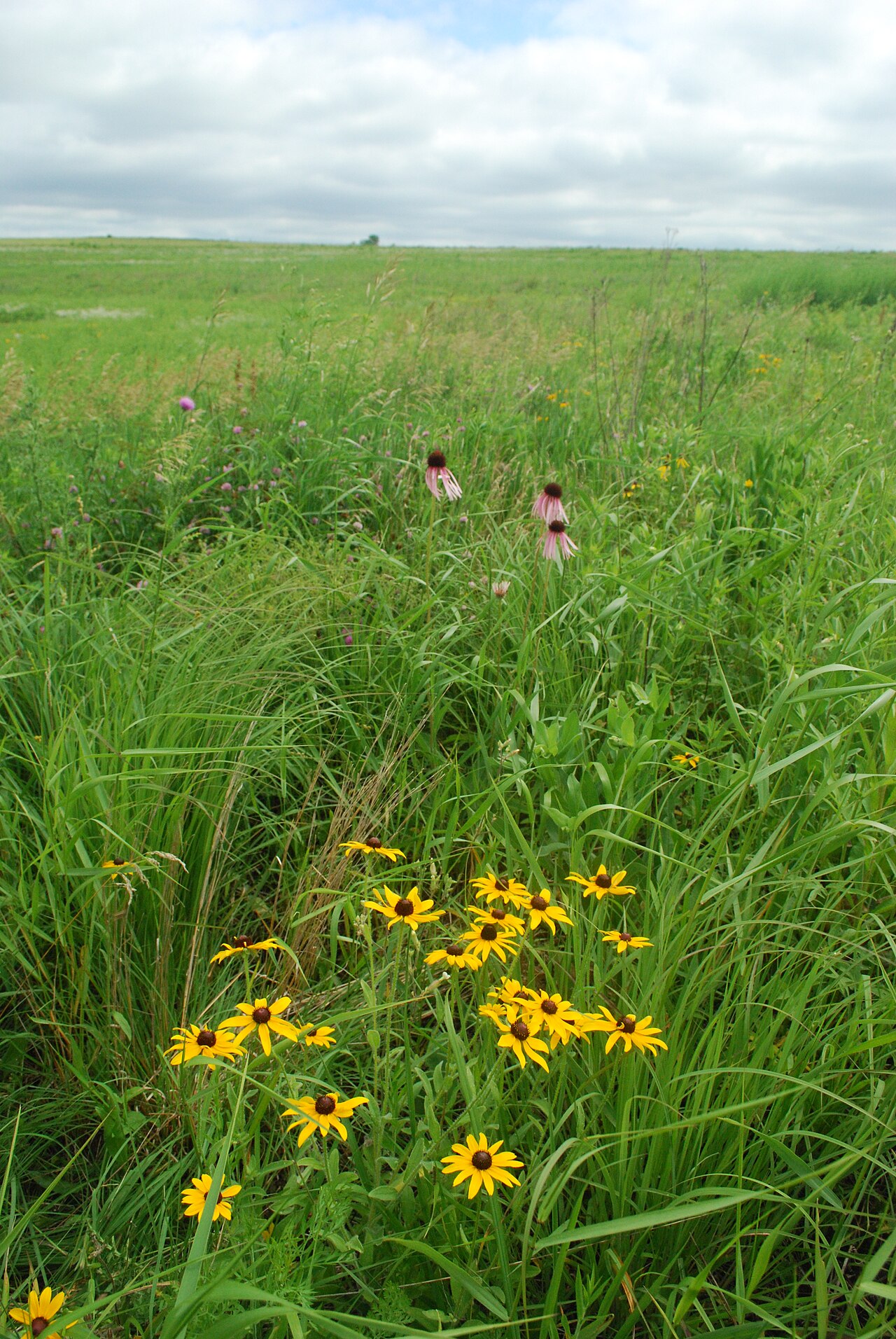
Look closely at similar-looking relatives too. The Wildflower Center lists pale purple coneflower from Wisconsin to eastern Kansas, south to Georgia and east Texas, and rare east of the Mississippi.
Narrowleaf purple coneflower sits farther west still: western Minnesota to Saskatchewan and Montana, south to Texas and New Mexico. Three coneflowers, three different answers.
Step 4: Match the Habitat, Not Just the Map
A dot on a county map tells you the plant grows wild somewhere nearby. It does not tell you it grows in conditions like your yard.
Read the native habitat line in the Wildflower Center profile or your state flora. Purple coneflower, for example, is described from rocky, open woods and thickets on well-drained soils, so it is a poor match for a soggy low spot even inside its range.
UMD Extension also describes native plants as occurring naturally in their ecoregion and habitat. EPA Level III ecoregions group areas with similar plant communities, which is a better guide than a state line.
If your state is split by mountains, coast or prairie edges, this step matters most. Our Texas ecoregion planting plan shows how much one state’s native palette can change from region to region.
Step 5: Think About Local Source and Ecotype
Within a species’ range, plants also adapt to local conditions. UMD Extension calls these local forms ecotypes and gives a vivid example: red maple is native from Florida to Canada, but Florida-adapted red maples cannot handle a Maryland winter, and Canadian-adapted trees struggle in a Maryland summer.
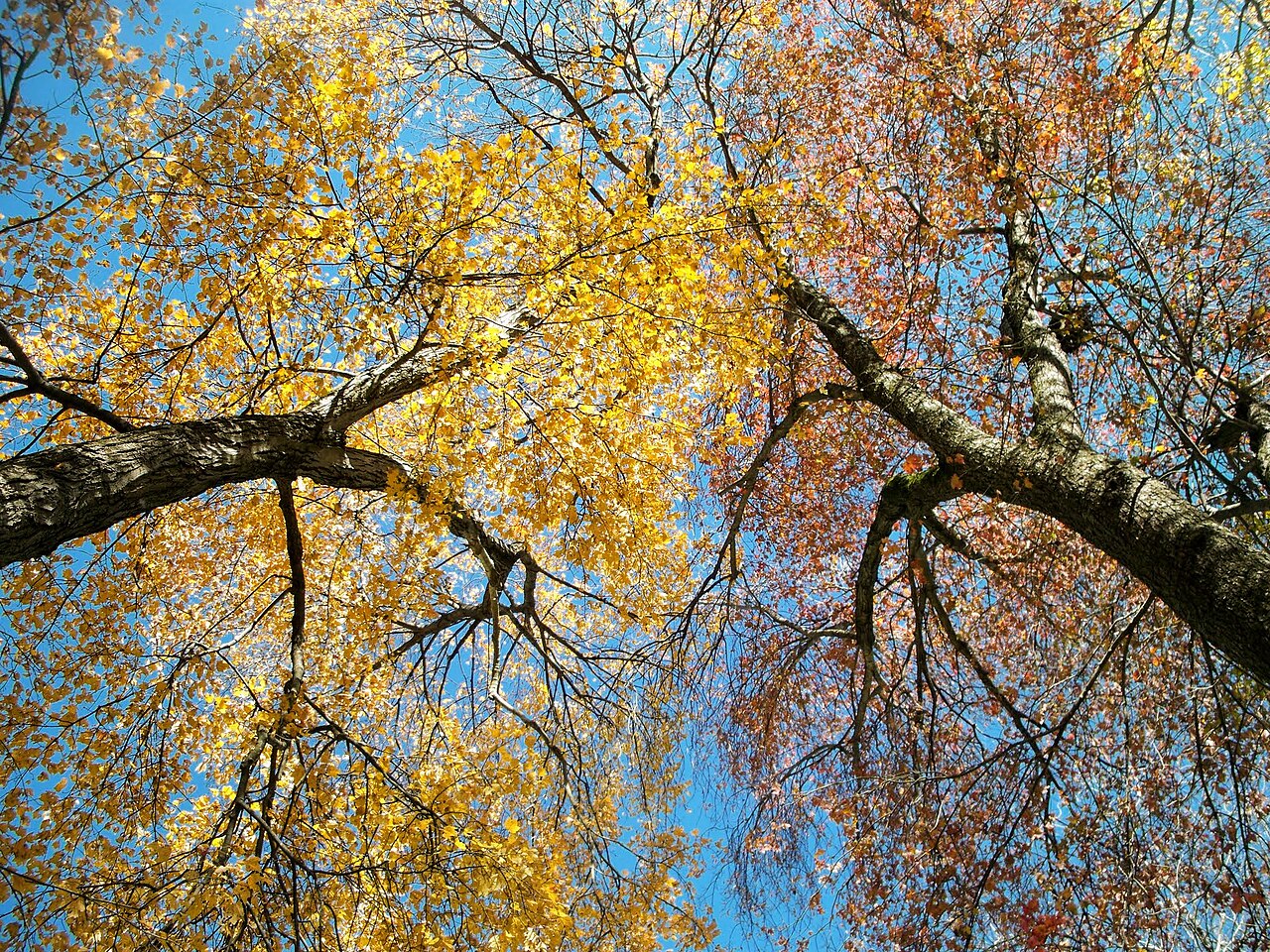
The same page notes that butterfly weed contains three visibly distinct ecotypes with different distributions, based on USDA PLANTS maps.
UMD cites a U.S. Forest Service recommendation to source native plants within the same EPA Level III ecoregion and to move them no more than half a hardiness zone north or south. For a red maple or other long-lived tree, that origin question is worth asking before you pay.
You do not need lab-grade provenance for every perennial. But when a seller can tell you where the seed came from, prefer the closer source.
Range Check Examples
Native ranges below are from the Lady Bird Johnson Wildflower Center profiles. Always confirm your own county on a county-level map.
| Plant | How it is often sold | Native distribution (Wildflower Center) | What the check tells you |
|---|---|---|---|
| Purple coneflower | “Native perennial” nationwide | GA to extreme NE TX, north to NC, OH, IL, IA | Native in the central and southeastern U.S.; not locally native in much of the Northeast or West |
| Pale purple coneflower | Prairie coneflower | WI to e. KS, south to GA and e. TX; rare east of the Mississippi | A prairie plant; check county records carefully in the East |
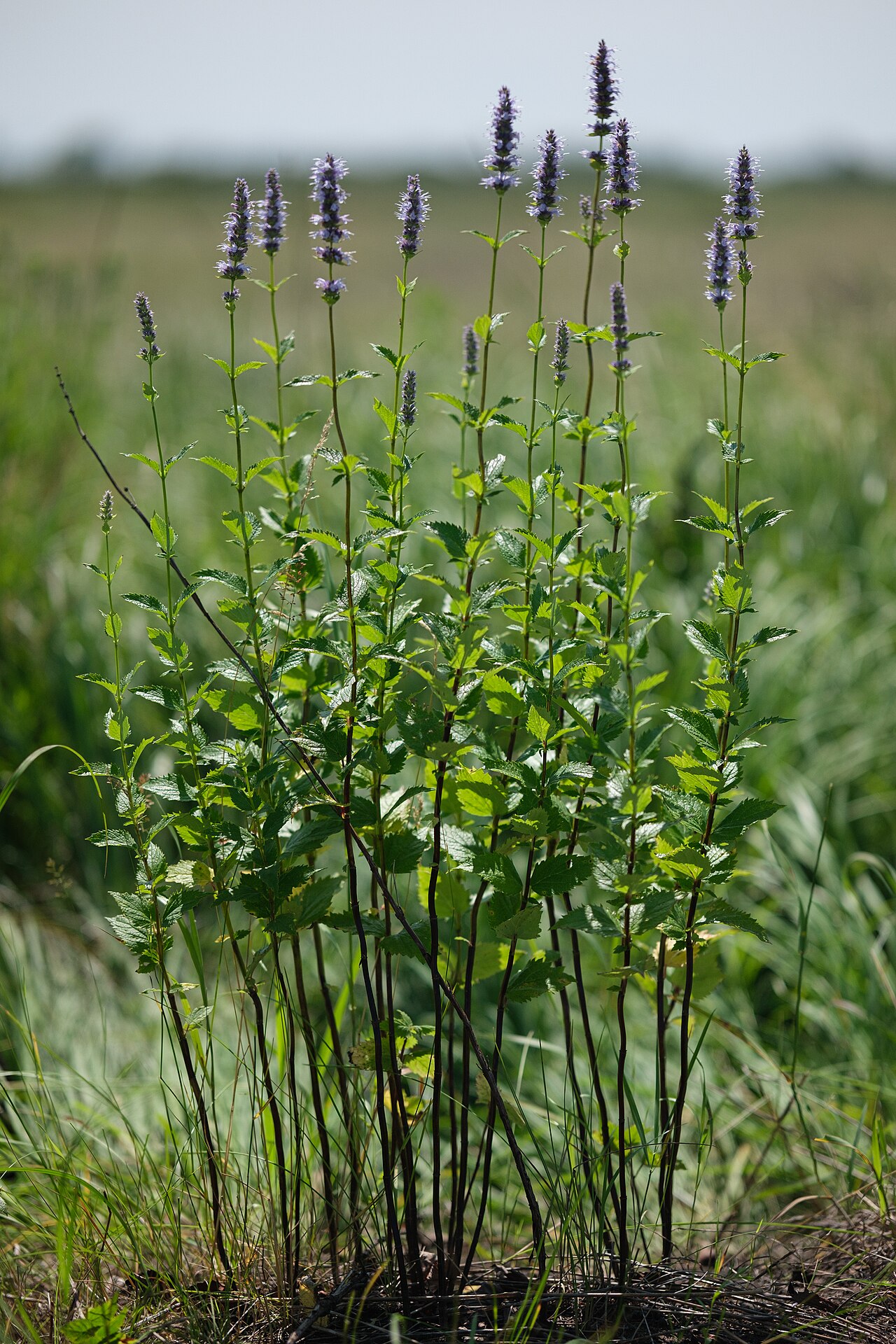
| Anise hyssop | Pollinator perennial | N. CO to WI, north into adjacent Canada | Northern Plains and upper Midwest native; outside that, treat it as a garden plant |
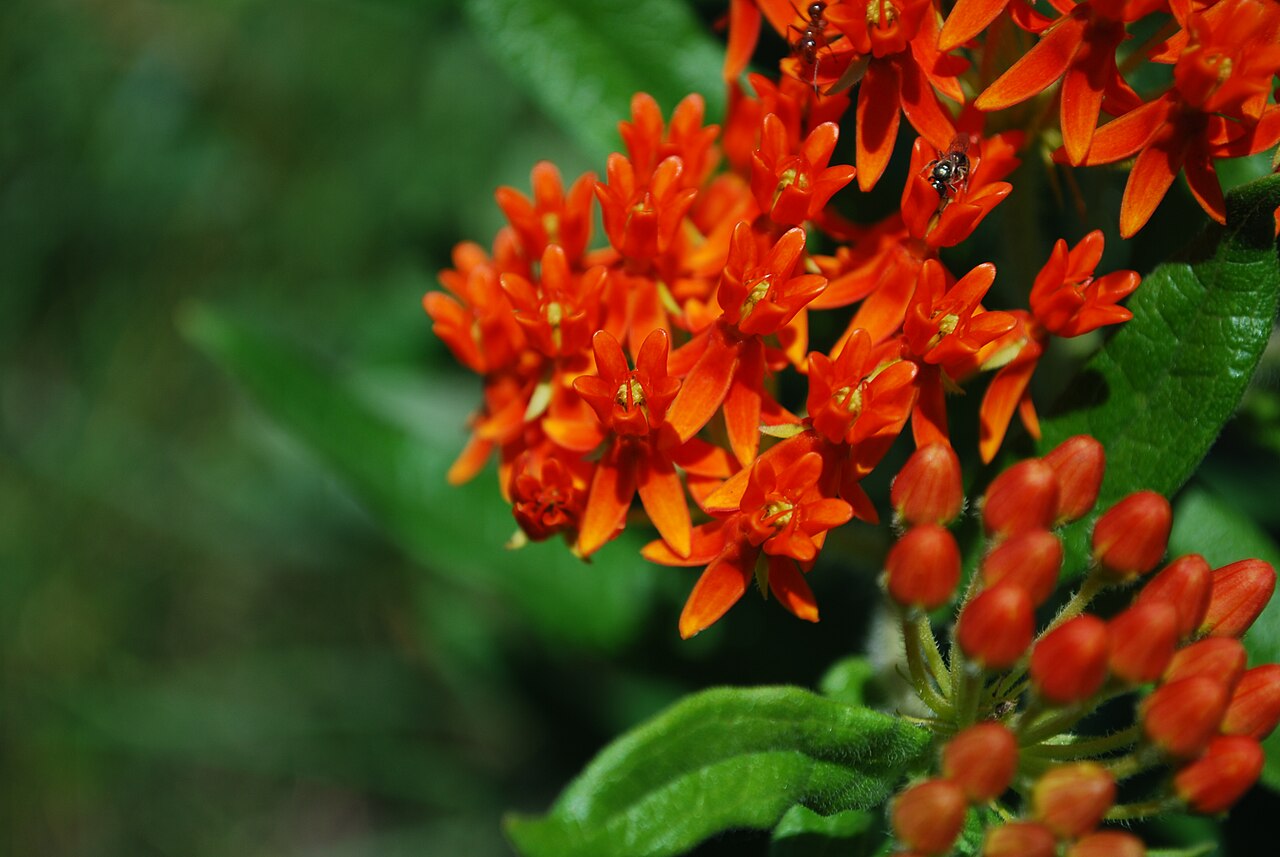
| Butterfly weed | Native milkweed | Ontario and New England south to FL, west to TX, north through CO to MN | Wide range, but with distinct ecotypes; prefer a local seed source |
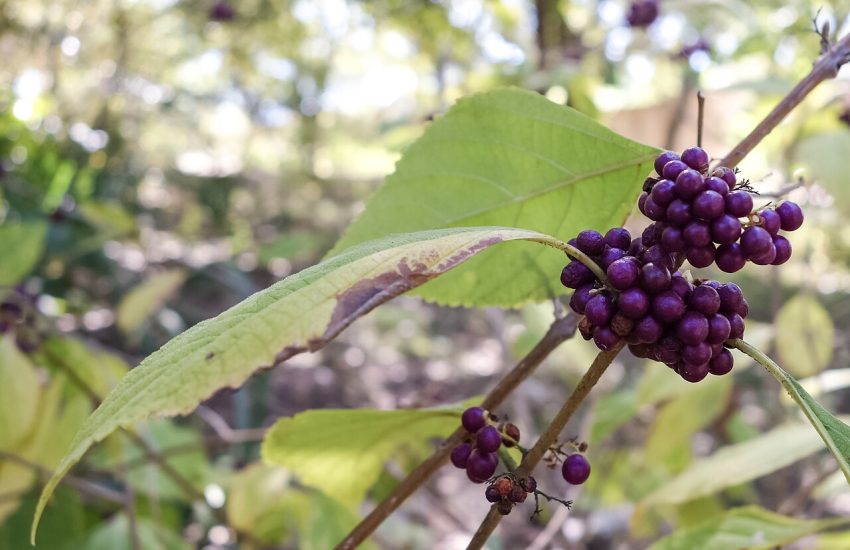
| American beautyberry | Southern native shrub | VA to AR, south to FL and e. TX | Locally native only in the South; northern buyers should pick a different shrub |
A Ten-Minute Range Check at the Nursery
Use this sequence on your phone before a plant goes in the cart.
- Photograph the tag and copy the full botanical name, including any cultivar name.
- Search the species in USDA PLANTS and confirm it is native (N) in the lower 48, not introduced.
- Open the Wildflower Center profile and read the native distribution line.
- Check a county-level map or your state flora for a record in your county or a neighboring one.
- Read the native habitat and compare it to your planting spot’s sun, moisture and soil.
- Ask the seller where the seed or cuttings came from, especially for trees, shrubs and large orders.
- If any step fails, mark it as “garden plant, not local native” and decide on that basis.
For a whole planting list, run the check at home before you shop. Sellers who specialize in local stock often save time here; our directory of native plant nurseries by state is a good place to start.
Quick Decision Guide
- Listed in your county and habitat matches: buy it with confidence.
- Listed in your state but not your county: check neighboring counties and habitat; it may still be a good fit.
- Native to North America but not your state: treat it as a non-invasive garden plant, not a local native.
- Introduced in USDA PLANTS: not native anywhere in the U.S.; check your state’s invasive plant list before buying.
- Common name only, no species: don’t buy until the seller can confirm the botanical name.
After You Plant: A Three-Year Follow-Up
Range checking does not end at the checkout. Keep the tag or a photo of it with your garden notes, along with where you planted it.
- Year one: Note how the plant handles your summer heat and first winter. A poor fit often shows up as winter loss or repeated stress.
- Year two: Watch whether it self-seeds beyond the bed. Plants growing outside their local range deserve a closer look if they spread.
- Year three: Compare it with the same species in nearby wild areas or demonstration gardens. Replace weak or out-of-range plants with locally native choices.
Mistakes to Avoid
- Trusting the word “native” alone. Always ask “native to where?”
- Stopping at the USDA lower-48 status. It confirms the plant is native somewhere in the country, not in your county.
- Ignoring look-alike species. Coneflowers, milkweeds and goldenrods each include species with very different ranges.
- Skipping the habitat match. A locally native wetland plant can still fail on a dry slope.
- Assuming a regional list covers every county. Multi-state lists are a shortlist, not a substitute for a county check.
- Choosing a distant southern shrub for a northern yard. If choosing between beautyberries or similar shrubs, pick the one native closest to you. The same check applies when you replace an invasive shrub such as burning bush.
📋 Use our regional lists as a shortlist, then confirm each species in your county: Illinois, Iowa & Missouri native plants and North and South Carolina native plants are two examples of the region-by-region lists on PlantNative.
FAQs
Is a plant native if USDA PLANTS lists it as native to the lower 48 states?
Only in the broad sense. The lower-48 status means the species is native somewhere in the contiguous U.S. Check a county-level map, your state flora or the Wildflower Center’s distribution line to see whether it is native where you live.
Does “native to North America” on a plant tag mean it is native to my state?
No. That phrase covers the whole continent. Purple coneflower, for example, is native to the central and southeastern U.S. but not to every state where it is sold.
Is a plant native if it grows wild in my county?
Not always. Some garden plants have escaped and naturalized. Before deciding, read the map legend to see whether your county’s record is marked as native or introduced.
Do I need a local ecotype for every plant?
It matters most for trees, shrubs and large restoration plantings. UMD Extension cites a Forest Service recommendation to source within the same EPA Level III ecoregion and within half a hardiness zone north or south. For a few garden perennials, aim for the closest source you can reasonably find.
What if a plant I already own is not native to my area?
You don’t need to rip it out if it is not invasive. Treat it as a garden plant, and choose locally native species for your next additions and replacements.
Sources
- University of Maryland Extension: What Is a Native Plant?
- USDA NRCS PLANTS Database: Echinacea purpurea profile
- Lady Bird Johnson Wildflower Center: Echinacea purpurea, Echinacea pallida, Echinacea angustifolia, Agastache foeniculum, Asclepias tuberosa, Callicarpa americana
- Wikipedia: Native plant