
Manyflower Beardtongue (Penstemon multiflorus)
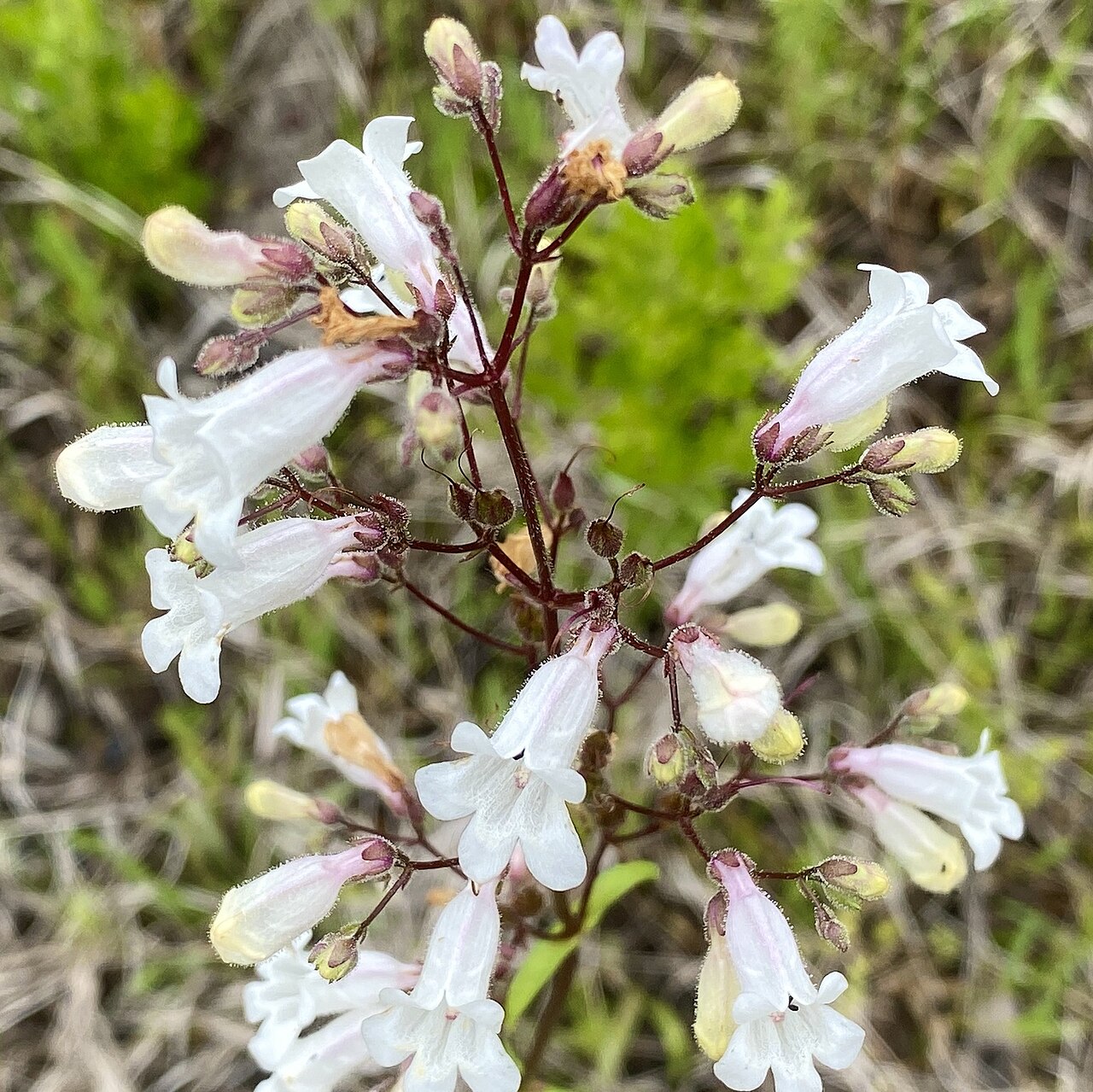
Penstemon multiflorus, known as Manyflower Beardtongue, is a showy white-flowered penstemon of the dry pinelands and sandhills of the Deep South. In late spring and early summer, slender stems 1 to 3 feet tall (occasionally taller) rise from a low clump of leaves and open into airy, branching clusters of dozens of tubular white flowers, each about an inch long. It belongs to the plantain family (Plantaginaceae), into which botanists have moved the penstemons from the snapdragon family.
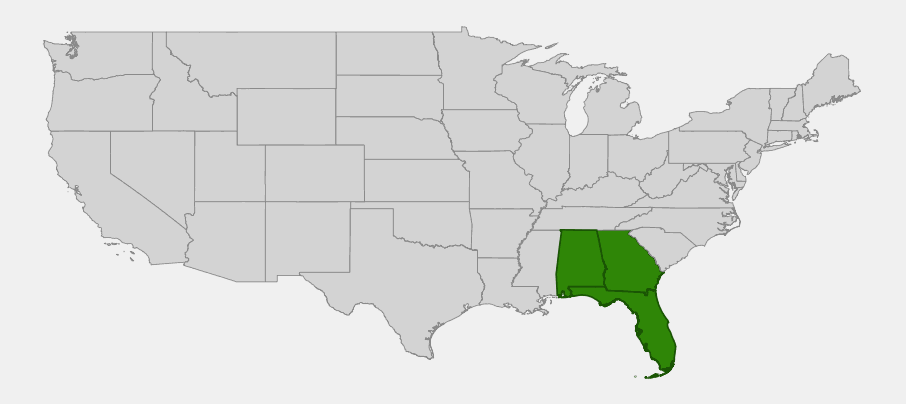
Its range is small: USDA PLANTS and the Lady Bird Johnson Wildflower Center record it from Florida, Georgia and Alabama. Within that area it is a characteristic wildflower of longleaf pine sandhills, dry flatwoods, and scrub oak woods, and it is especially common in north and central Florida. In bloom, a sandhill full of manyflower beardtongue is a striking sight.
This is one of the best penstemons for Florida gardens. Most beardtongues sold in nurseries are adapted to cold winters and dry summers and do poorly in Florida heat and humidity, but this native thrives in sandy soil and the summer rainy season. Its flowers attract native bees, and it needs little care once established. This guide covers identification, range, and how to grow it.
Identification
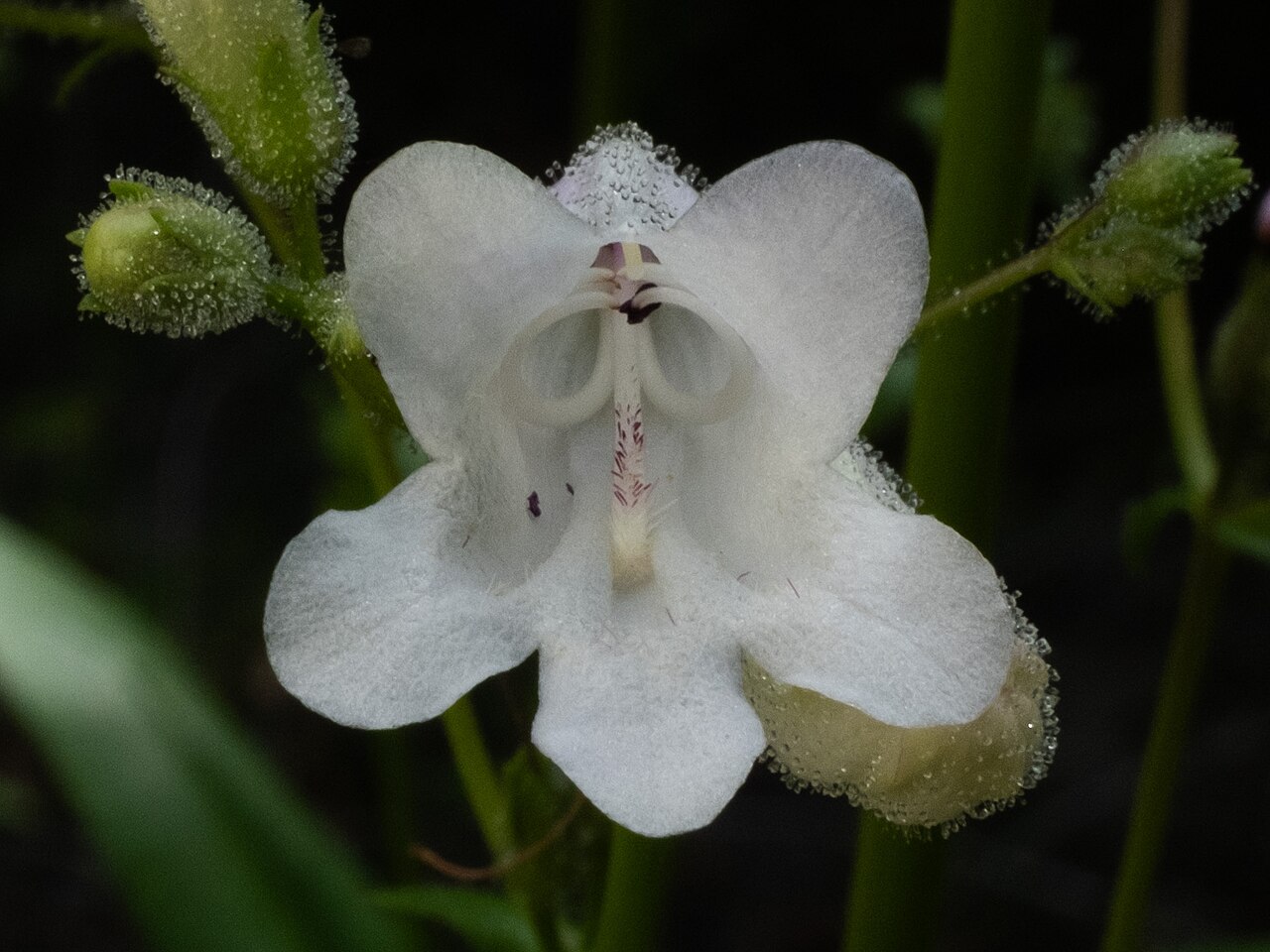
Penstemons are recognizable by their tubular, two-lipped flowers and the hairy, sterile fifth stamen (the staminode, or “beard”) that gives them the name beardtongue. Manyflower beardtongue is the only common white-flowered penstemon in most of Florida.
Leaves & Stems
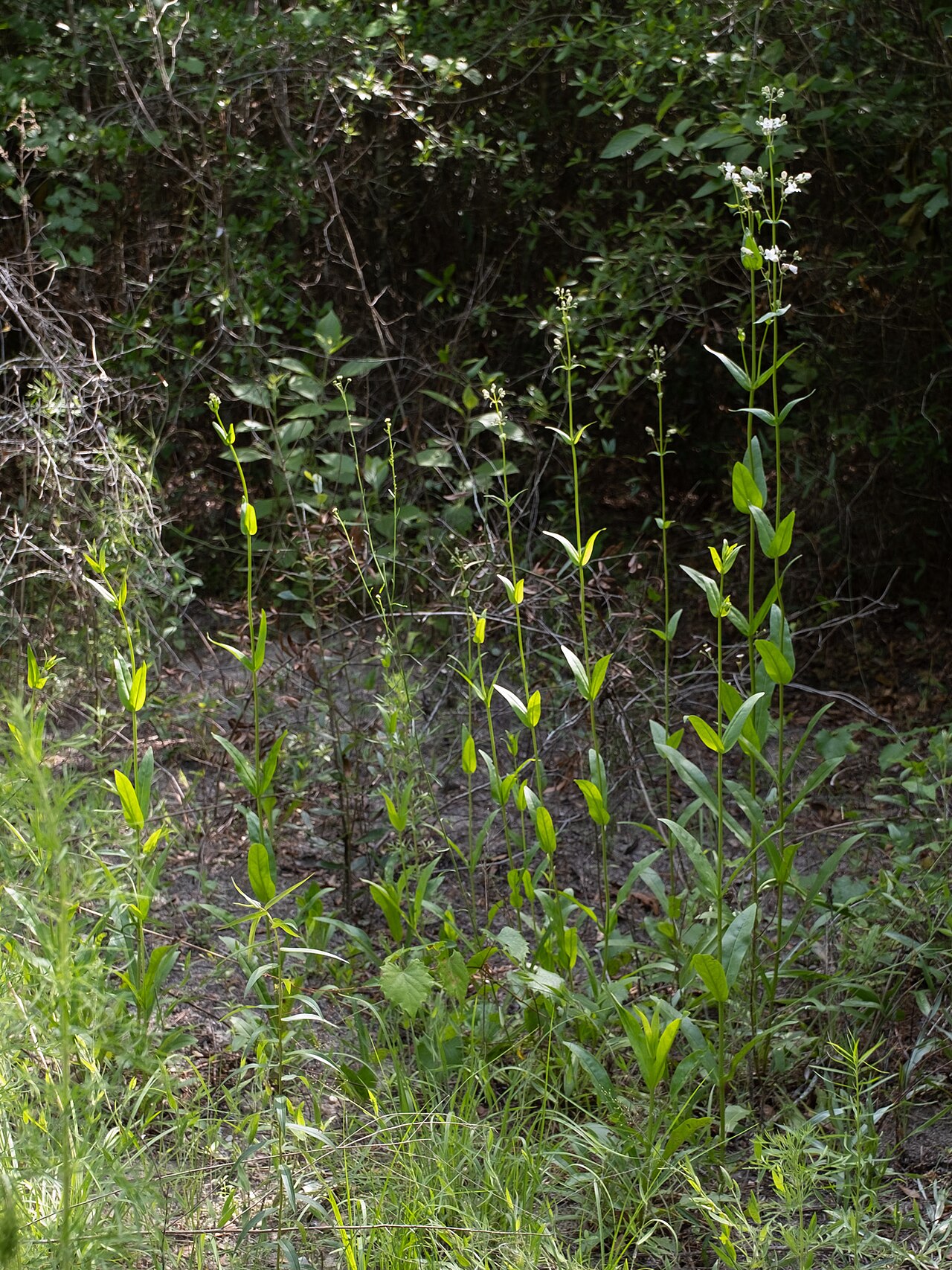
The plant forms a basal rosette of smooth, often slightly bluish-green, oval to spoon-shaped leaves 2 to 5 inches long. The rosette stays green through most of the winter in Florida. The upright flowering stems are smooth and often purplish, with pairs of stalkless, clasping, lance-shaped leaves that become smaller toward the top. Plants usually have one to several stems.
Flowers
The flowers are arranged in a loose, branching panicle along the upper half of the stem, often 30 or more per stem, which gives the plant its name. Each flower is about ¾ to 1 inch long, white or sometimes faintly tinged with pink or lavender, with a tube that widens gradually into two upper and three lower spreading lobes. The outside of the flower and the flower stalks are covered with fine glandular hairs, and the inside of the tube has faint purple lines that guide bees to the nectar. The staminode in the throat is bearded with yellowish hairs.
Flowering runs from about April to July, with the peak in May and June in north Florida.
Fruit & Seeds
After flowering, each flower produces a small, pointed, egg-shaped capsule about ¼ to ⅜ inch long. When ripe in summer the capsule splits and releases many tiny, angular brown seeds. The dry stalks with open capsules often stand through late summer.
Similar Species
Several other penstemons grow in north Florida and adjacent states. Eastern smooth beardtongue (Penstemon laevigatus) and foxglove beardtongue (P. digitalis) have white to pale lavender flowers but grow in moister woods and fields, and their flowers are usually in narrower clusters. Southern beardtongue (P. australis) has pinkish to purple-tinged flowers with a more inflated throat. Manyflower beardtongue is the one most often found in dry sandhill and scrub habitats.
Quick Facts
| Scientific Name | Penstemon multiflorus Chapm. ex Benth. |
| Family | Plantaginaceae (plantain family); formerly Scrophulariaceae |
| Plant Type | Herbaceous perennial wildflower |
| Mature Height | 1–3 ft in flower (occasionally to 5 ft) |
| Mature Spread | 8–18 in |
| Growth Rate | Moderate |
| Sun Exposure | Full sun to part shade |
| Water Needs | Low; drought tolerant once established |
| Soil Type | Dry, well-drained sand or sandy loam, low in nutrients |
| Soil pH | About 4.5–6.5 (acidic) |
| Bloom Time | April–July (peak May–June) |
| Flower Color | White, sometimes faintly pink or lavender |
| Fall Color | None; basal leaves stay green, sometimes tinged purple in winter |
| Fruit | Small, pointed capsule with many tiny seeds |
| Deer Resistant | Moderately; occasionally browsed |
| USDA Hardiness Zones | 8–10 |
Native Range
Manyflower beardtongue has a small range on the lower Coastal Plain. USDA PLANTS and the Lady Bird Johnson Wildflower Center record it from Florida, Georgia and Alabama, describing it as a plant of the Coastal Plain from Florida to Alabama. In Florida it grows through the Panhandle and north Florida and south through the central peninsula. Outside Florida it occurs in southern Georgia and southeastern Alabama.
It is a plant of dry, sandy uplands. Typical habitats are longleaf pine and turkey oak sandhills, dry pine flatwoods, scrubby flatwoods, the edges of scrub, open oak woods, and sandy roadsides and old fields. It does best where frequent fire or occasional mowing keeps the groundcover open, and it often flowers abundantly after a burn.
Manyflower beardtongue is still fairly common within its range and is not considered rare. Like many sandhill wildflowers, though, it has declined where native groundcover was plowed for pine plantations or pasture, or overgrown by shrubs and hardwoods after decades of fire suppression.
📋 Regional plant lists featuring Manyflower Beardtongue: North & South Florida · Alabama, Georgia & Mississippi
Growing & Care Guide
Manyflower beardtongue is a reliable perennial for sunny, sandy gardens in north and central Florida and nearby parts of Georgia and Alabama. Florida native nurseries grow it regularly, and seed is sometimes available from native seed producers. Its main needs are good drainage and not too much competition from taller plants.
Light
Full sun gives the strongest stems and the most flowers. It tolerates part shade, such as the light, shifting shade of pines, and the Lady Bird Johnson Wildflower Center lists it for part shade, but in deeper shade it flowers less and the stems lean.
Soil & Water
Plant in well-drained sand or sandy loam. It does not need amended soil or fertilizer, and rich, wet soil can rot the crowns. Water new plants regularly for the first few weeks; established plants usually need no irrigation beyond rainfall. Avoid planting where irrigation systems keep the soil constantly moist.
Planting Tips
Plant from containers in fall or early spring, so roots establish before the heat of summer. Space plants 12 to 18 inches apart in groups of three or more. It combines well with other sandhill wildflowers such as blazing stars, narrowleaf silkgrass, and butterfly weed, and with low native grasses such as wiregrass. Keep mulch thin around the rosettes.
Pruning & Maintenance
After flowering, either leave the stems to ripen seed, which may produce volunteer seedlings, or cut them back to the basal rosette for a tidier look. Plants are fairly short-lived, often three to five years, so allowing some reseeding keeps them in the garden. Keep taller, aggressive plants from overgrowing the rosettes.
Propagation
Grow from seed sown in fall or winter on the surface of a sandy seed mix, lightly pressed in and kept moist outdoors; cool, moist conditions improve germination. Seedlings usually bloom in their second year. Established clumps can also be divided in fall or winter.
Landscape Uses
- Pollinator gardens: spring nectar for native bees, especially bumblebees and carpenter bees
- Sandhill and pineland gardens: with wiregrass, blazing stars and other dry-upland wildflowers
- Florida-friendly landscapes: a drought-tolerant perennial for sunny, sandy beds
- Cottage gardens: airy white flower clusters among other perennials
- Restoration plantings: in sandhill and dry flatwoods restoration within its range
Wildlife & Ecological Value
Manyflower beardtongue is an important spring nectar source in Florida sandhills, and its flowers are adapted to bees.
For Pollinators
The tubular flowers fit bees, which crawl into the throat to reach the nectar and pick up pollen on their backs. Bumblebees, carpenter bees and smaller native bees are the main visitors, and the Xerces Society lists it as having special value to native bees. Hummingbirds and butterflies occasionally visit as well.
For Birds
The tiny seeds have little value for birds, but insects attracted to the flowers feed insect-eating birds of pinelands.
For Mammals
Deer and rabbits occasionally browse the stems and leaves. It is not an important food plant for mammals.
Ecosystem Role
As part of the diverse groundcover of longleaf pine sandhills, manyflower beardtongue is one of many wildflowers that depend on frequent fire to keep their habitat open. It survives fire as a low rosette and root crown, flowers well in the seasons after a burn, and helps support the native bee communities of these ecosystems.
Cultural & Historical Uses
Alvan Wentworth Chapman, a physician and botanist in Apalachicola, Florida, and author of Flora of the Southern United States (1860), first recognized this penstemon as a distinct species. George Bentham published the formal description using Chapman’s name, which is why it is credited to “Chapm. ex Benth.” The species name multiflorus means many-flowered.
The genus name Penstemon comes from Greek words meaning “five stamens,” referring to the four fertile stamens plus the sterile, hairy fifth stamen. The common name beardtongue refers to the same structure, which looks like a hairy tongue in the flower’s throat. More than 250 species of penstemon grow in North America, most of them in the West. Manyflower beardtongue is one of only a handful native to Florida.
In recent decades Florida native plant societies and growers have promoted manyflower beardtongue as a native alternative to non-native bedding plants. It is regularly sold by Florida native nurseries and is often recommended for pollinator gardens in north and central Florida.
Frequently Asked Questions
Will manyflower beardtongue grow in Florida gardens?
Yes. Unlike most penstemons sold at garden centers, it is native to Florida and adapted to sandy soils, heat and summer rains. It does best in north and central Florida in full sun to light shade.
When does it bloom?
Mainly from April through July, with the peak in May and June. Each stem flowers for several weeks.
How long does it live?
It is a short-lived perennial, usually lasting three to five years. Let some plants go to seed so seedlings replace older plants.
Does it attract hummingbirds?
Occasionally, but it is mainly a bee flower. Bumblebees, carpenter bees and other native bees are the main pollinators.
Can it grow in wet soil?
No. It needs well-drained sand or sandy loam and tends to rot in soils that stay wet. For moister sites, other native wildflowers are better choices.

Looking for a nursery that carries Manyflower Beardtongue?
Browse our native plant nursery directory: Alabama · Florida & Georgia