
Rose Heath (Chaetopappa ericoides)
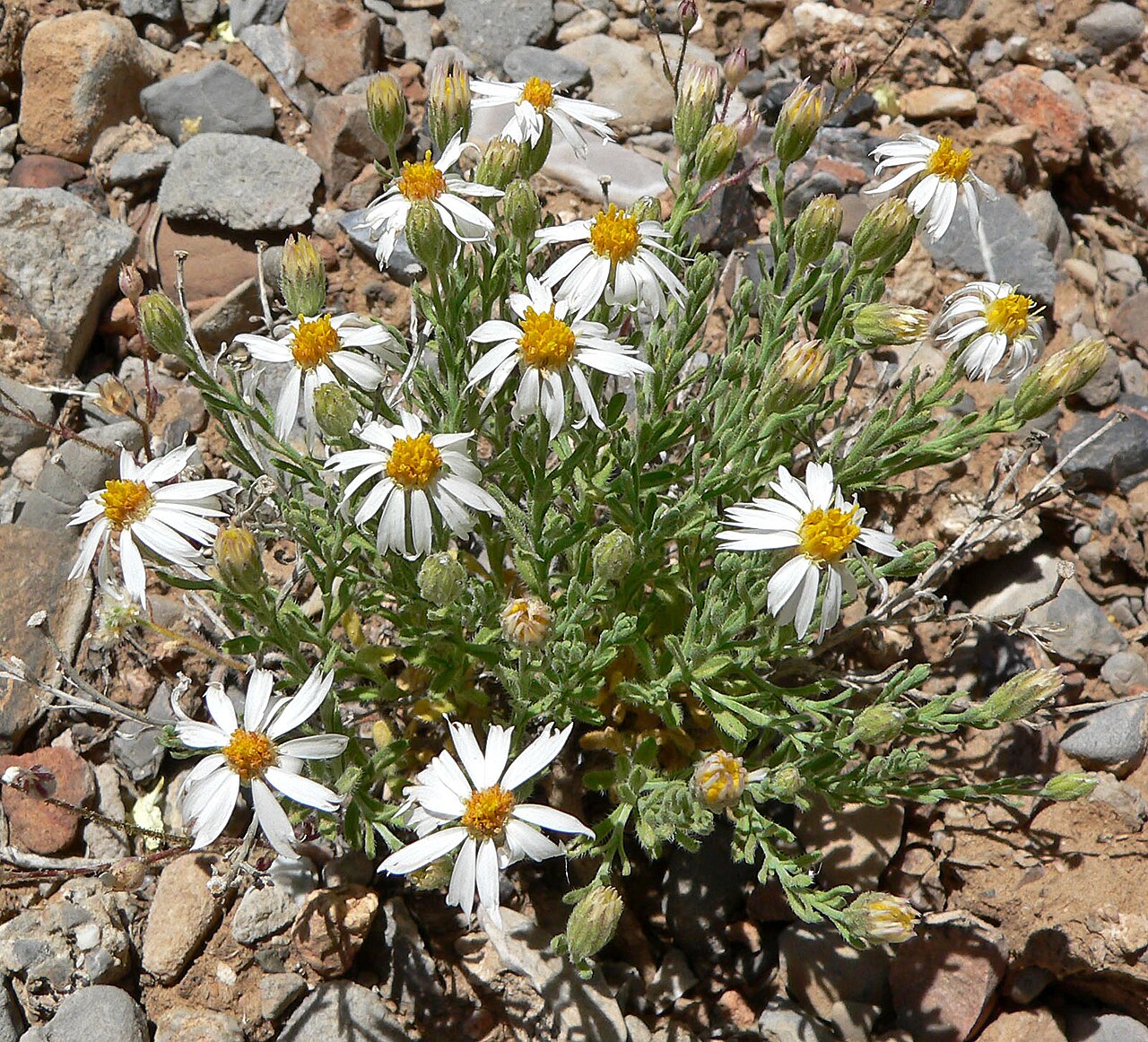
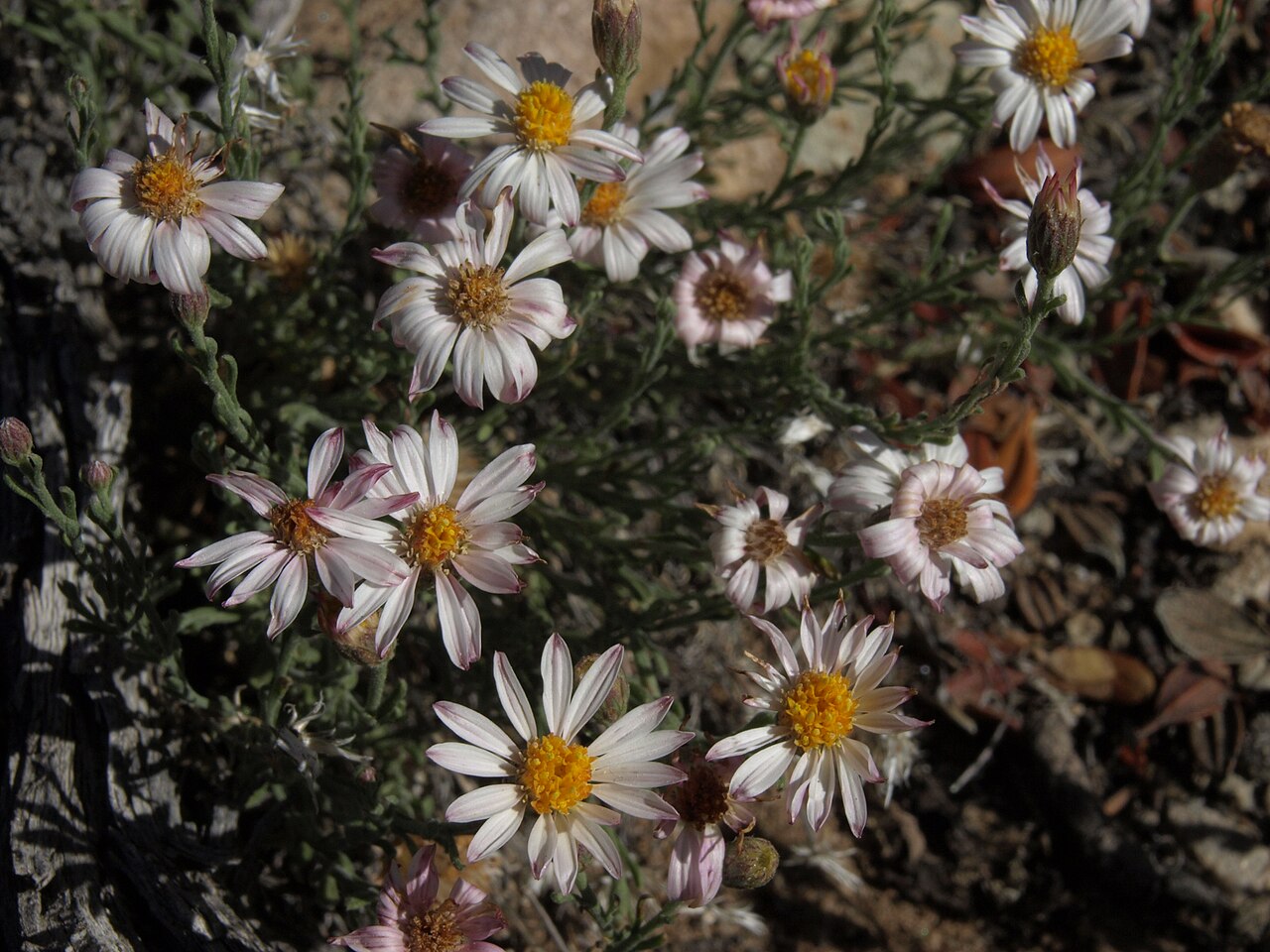
Chaetopappa ericoides, known as Rose Heath, white aster or babywhite aster, is a small, tough perennial wildflower of dry plains, deserts and foothills in the western and southwestern United States and northern Mexico. It belongs to the aster family (Asteraceae). It forms low, bushy tufts or patches of wiry stems crowded with tiny, narrow, heath-like leaves, and from spring to fall it is dotted with small daisies that have white rays and golden-yellow centers. The rays often turn rosy pink underneath and with age, which explains the name “rose heath.”
It was long known as Leucelene ericoides, and many older books and plant lists use that name. Its range covers a huge area, from the Mojave Desert and the eastern Sierra Nevada of California east across the Great Basin and the Colorado Plateau to the Rocky Mountain foothills, the western Great Plains of Wyoming, Nebraska and Kansas, and south through New Mexico, western Oklahoma and West Texas into Mexico.
Rose heath is an excellent, very drought-tolerant groundcover for rock gardens, xeriscapes and dry meadows in the West. It thrives in poor, rocky or sandy soil and full sun, spreads slowly by underground stems, and blooms for months with little or no extra water once established.
Identification
Look for a low, wiry, gray-green tuft of crowded needle-like leaves on dry ground, topped with small white daisies with yellow centers, the rays often pinkish beneath.
Growth Habit
Rose heath is a low, many-stemmed perennial, usually 2 to 8 inches tall and occasionally up to about 12 inches. It grows from a woody base and slender, spreading underground stems (rhizomes), so it often forms small colonies or mats. The stems are thin, branched and covered with short, stiff and glandular hairs.
Leaves
The leaves are alternate, stalkless and very small, about 1/8 to 1/2 inch long, linear to narrowly oblong, and crowded along the stems, giving the plant the look of a heath or heather. They are gray-green, rough or hairy, sometimes with stiff bristles along the edges. Lower leaves often wither by flowering time.
Flower Heads
Single heads sit at the tips of the branches, each about 1/2 to 3/4 inch across. They have about 12 to 24 white ray florets around a disk of yellow tubular florets. The undersides of the rays are often rose-tinged, and the whole ray may turn pinkish as it ages. The bracts under the head are narrow, overlapping and often have green or purplish tips. It blooms mainly from April to September, depending on elevation and rainfall.
Seeds
The small seeds (achenes) are hairy and topped by a pappus of many fine, white bristles mixed with short scales, which help them blow away in the wind.
Look-alikes
Blackfoot daisy (Melampodium leucanthum) has larger heads with only 8 to 13 broad white rays and wider, opposite leaves. Arkansas lazy daisy (Aphanostephus skirrhobasis) is an annual with softer leaves and drooping buds. Fleabanes (Erigeron) have many more, very thin rays. Leaves of rose heath are much smaller and more crowded than any of these.
Quick Facts
| Scientific Name | Chaetopappa ericoides |
| Family | Asteraceae (aster family) |
| Plant Type | Low, rhizomatous herbaceous perennial |
| Mature Height | 2–8 in (to 12 in) |
| Mature Spread | 6–18 in, spreading slowly |
| Growth Rate | Slow to moderate |
| Sun Exposure | Full sun |
| Water Needs | Very low; dry |
| Soil Type | Dry, rocky, gravelly or sandy soil; limestone and gypsum tolerant |
| Soil pH | Neutral to alkaline (about 6.5–8.5) |
| Bloom Time | April–September |
| Flower Color | White rays (often pink beneath or with age), yellow center |
| Fall Color | None notable |
| Fruit | Small hairy achenes with white bristles |
| Deer Resistant | Yes; seldom browsed |
| USDA Hardiness Zones | 4–9 |
Native Range
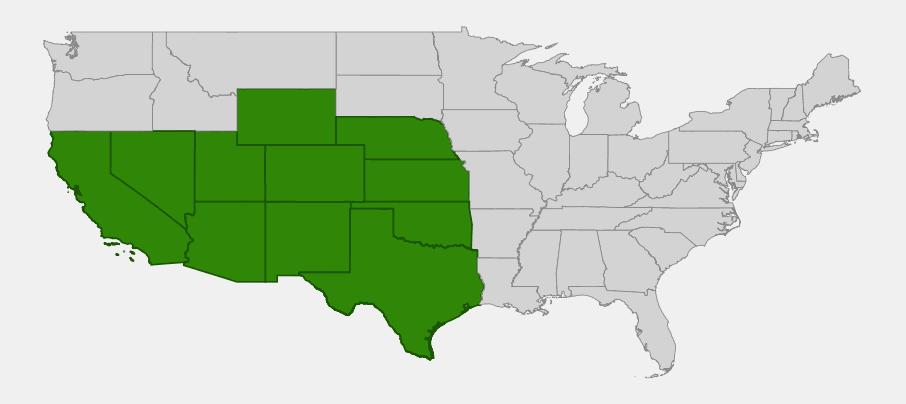
Rose heath is native to the western United States and northern Mexico. USDA PLANTS lists it as native in Arizona, California, Colorado, Kansas, Nebraska, Nevada, New Mexico, Oklahoma, Texas, Utah and Wyoming. It does not grow in Canada. It also grows in northern Mexico.
In California it grows mainly in the eastern deserts and mountains, including the Mojave Desert, the White and Inyo Mountains and the eastern Sierra Nevada. It is widespread on the Colorado Plateau and in the Great Basin ranges of Nevada and Utah, throughout Arizona and New Mexico, on the plains and foothills of eastern Colorado and southern Wyoming, and in western Nebraska and Kansas. In Oklahoma it grows in the western part of the state and the Panhandle, and in Texas it grows in the Trans-Pecos, the Panhandle, the Rolling Plains and the Edwards Plateau.
It is a plant of dry, open places: shortgrass prairie and desert grassland, rocky hillsides and mesas, pinyon-juniper and oak woodlands, desert scrub, sandy plains and limestone, gypsum or caliche outcrops. It grows from about 1,000 feet in Texas to above 10,000 feet in the mountains of California and the Southwest.
📋 Regional plant lists featuring Rose Heath: Montana & Wyoming · Nebraska, Kansas & Eastern Colorado · Utah & Western Colorado · Arizona & New Mexico · South & West Texas · California & Nevada
Growing & Care Guide
Rose heath is a tough little plant for hot, dry, sunny gardens in the West and Southwest. Give it lean, fast-draining soil and full sun, and it needs almost no care once established.
Light
Full sun. In shade it becomes thin and floppy and flowers poorly.
Soil & Water
Plant in dry, well-drained soil: rocky, gravelly, sandy or limestone-based soil is ideal, and it tolerates alkaline and gypsum soils. Water regularly only during the first growing season. After that, rainfall is usually enough, although an occasional deep watering during long droughts keeps it blooming. Avoid rich, heavy or irrigated soil, which leads to rot.
Planting Tips
Plant in spring or fall, about 12 inches apart, in a rock garden, between flagstones, on a dry slope or along the front of a xeric border. It pairs well with blue grama and other short native grasses, blackfoot daisy, zinnias and small cacti. Use a gravel mulch rather than wood mulch to keep the crowns dry.
Pruning & Maintenance
Little care is needed. Shear plants lightly in late winter to remove old stems and encourage fresh growth. Do not fertilize.
Propagation
Grow it from seed sown in fall or in spring after a short period of cold, moist stratification, or dig and replant rooted pieces from the edge of an established clump in spring.
Landscape Uses
- Rock gardens: a low, long-blooming daisy for sunny, rocky pockets
- Xeriscapes: thrives with little or no supplemental water
- Between pavers: spreads slowly into gaps in flagstone paths and patios
- Dry meadows and prairies: a small forb for shortgrass and desert grassland plantings
- Pollinator gardens: months of small flowers for native bees and butterflies
Wildlife & Ecological Value
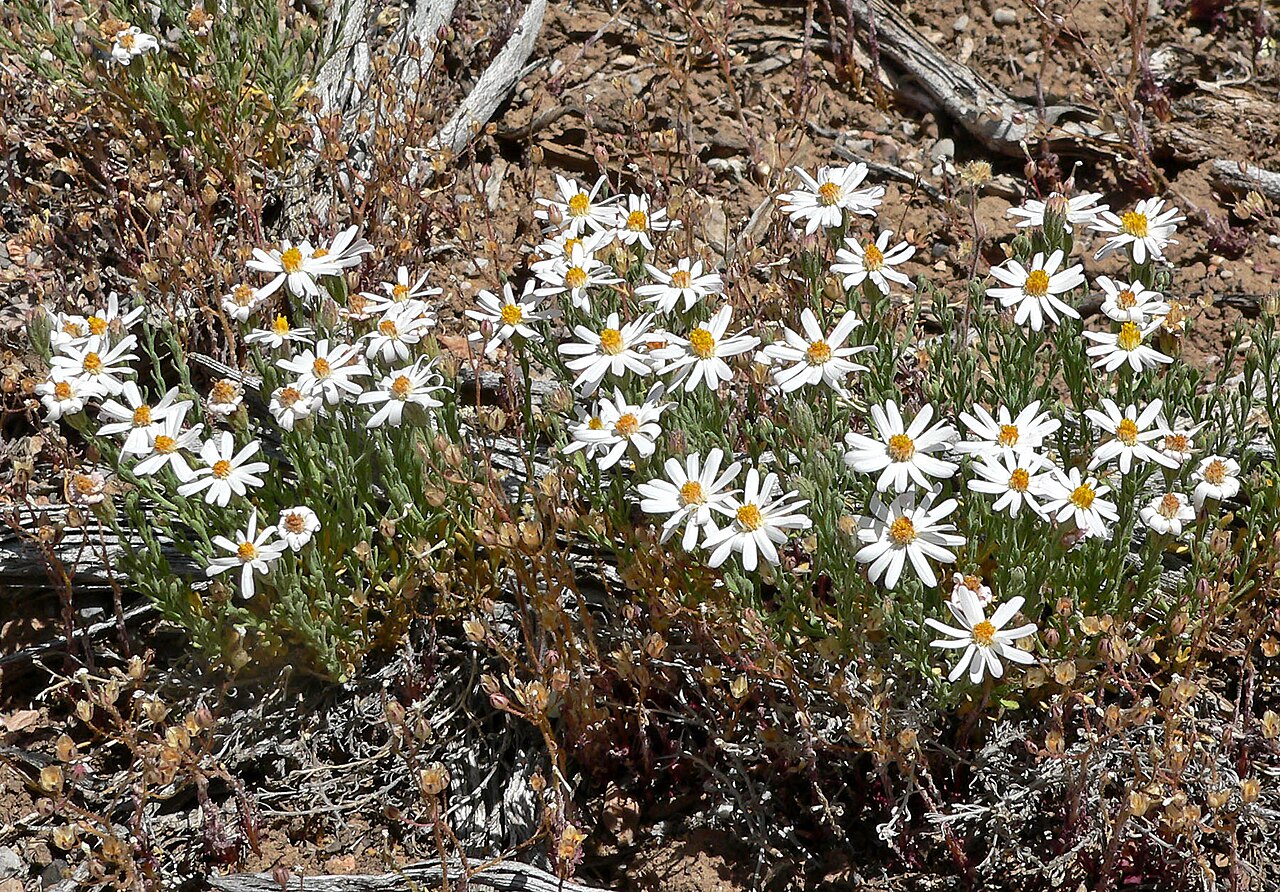
Rose heath is a common, long-blooming wildflower across a huge area of the arid West, and it supports many small insects.
For Pollinators
Its flowers are visited by native bees, especially small sweat bees and other solitary bees, as well as small butterflies, flies and beetles. Its long bloom season makes it a reliable source of nectar and pollen in dry places.
For Birds
Small seed-eating birds such as sparrows and finches feed on the seeds of many small composites like rose heath, and its low tufts give cover to ground insects that birds eat.
For Mammals
Deer rarely browse it. Rabbits and small rodents may nibble it, and pronghorn and other grazers take small amounts in grasslands.
Ecosystem Role
As a rhizomatous perennial of dry, rocky and sandy ground, it helps hold the soil on slopes, mesas and sandy plains. It is a typical forb of healthy shortgrass prairie, desert grassland and pinyon-juniper woodland.
Cultural & Historical Uses
The genus name Chaetopappa comes from Greek words meaning “bristle pappus,” for the bristles on its seeds. The species name ericoides means “like Erica,” the heath or heather genus, a reference to its tiny, crowded leaves.
The plant was long placed in its own genus as Leucelene ericoides and was moved to Chaetopappa by botanist Guy Nesom in 1988, after studies showed its close relationship to the other small asters in that genus. Many field guides still list it under Leucelene.
Its other common names, white aster and babywhite aster, reflect its small white daisies. For hikers in the Southwest it is one of the most familiar small wildflowers, blooming along dry trails and roadsides from spring into fall, often long after other flowers have faded in the heat.
Frequently Asked Questions
Why is it called rose heath?
Its tiny, crowded leaves look like those of a heath or heather, and its white rays are often rose-tinted underneath or turn pinkish as they age.
Is rose heath the same as Leucelene ericoides?
Yes. Leucelene ericoides is an older name for the same plant, and many books still use it.
Is rose heath drought tolerant?
Yes, very. Once established it grows in dry, rocky or sandy soils with little or no supplemental water.
Does rose heath spread?
It spreads slowly by underground stems to form small patches, but it is not aggressive and is easy to control.
When does rose heath bloom?
Mainly from April to September. In good years it blooms on and off through the warm season, especially after rain.

Looking for a nursery that carries Rose Heath?
Browse our native plant nursery directory: Arizona · California · Colorado · Kansas · Nebraska, Nevada, New Mexico & Oklahoma · Texas & Utah · Wyoming

