
Odora (Porophyllum gracile)
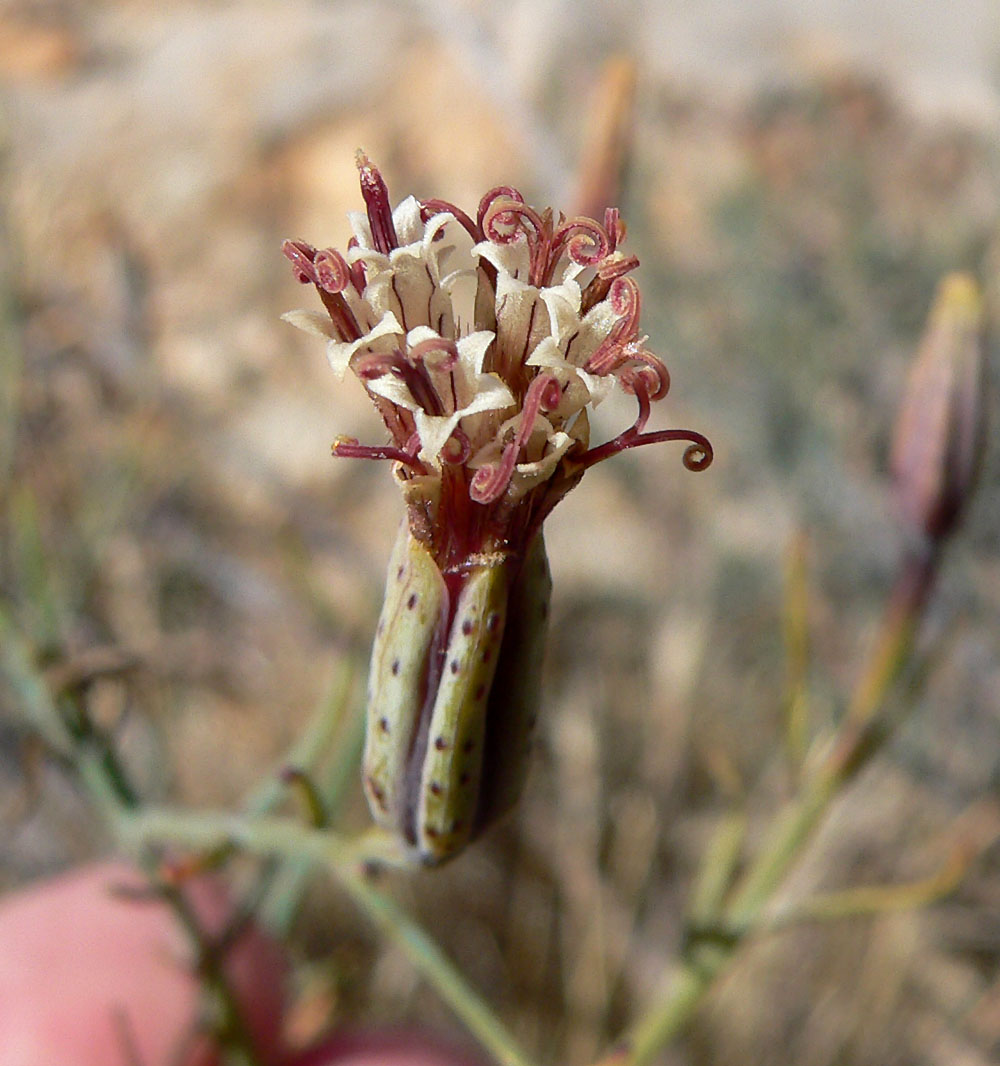
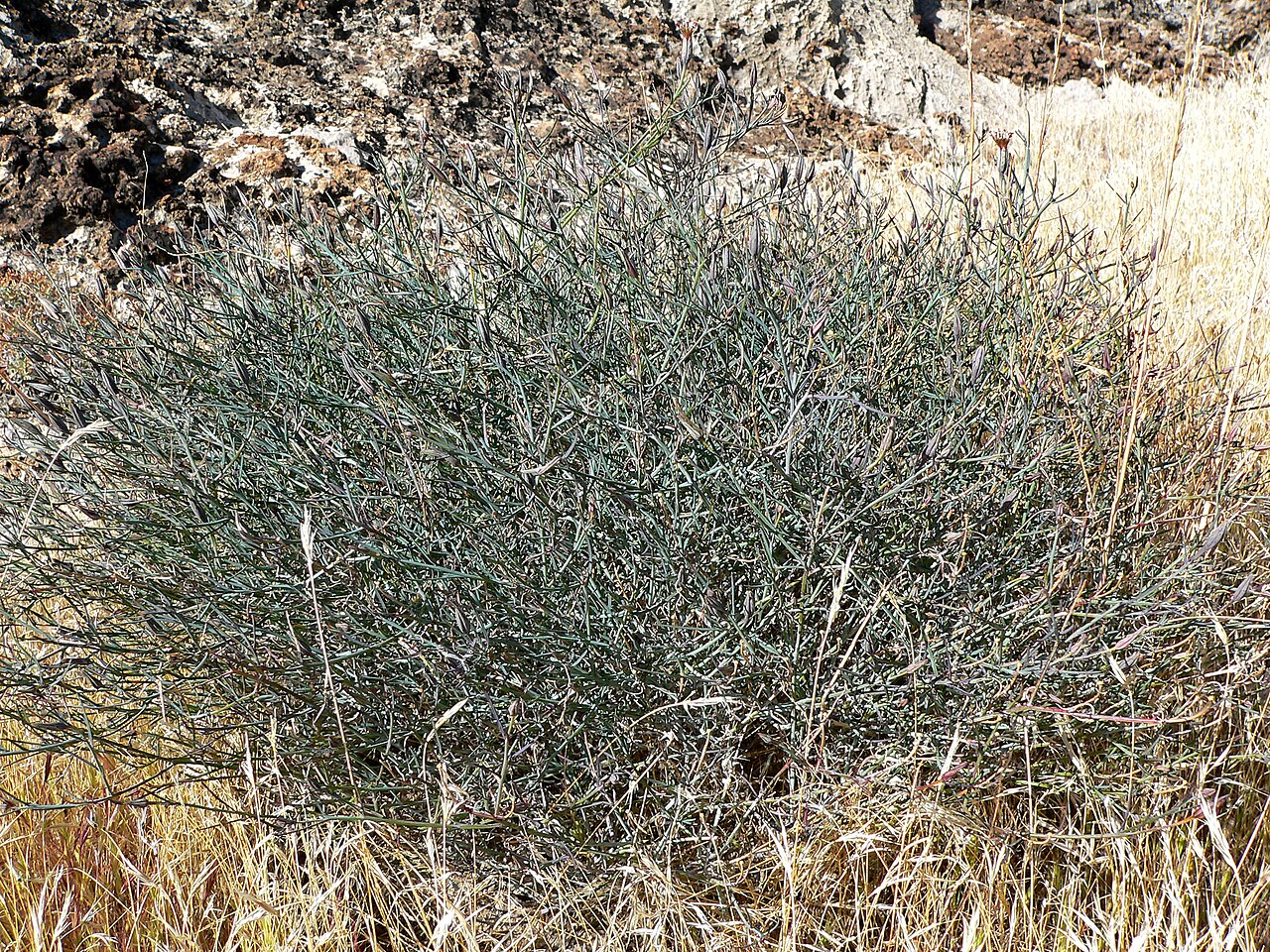
Porophyllum gracile, known as Odora, slender poreleaf (the USDA name) or hierba del venado, is a small, strongly scented desert subshrub of the American Southwest and northern Mexico. It forms rounded clumps 1 to 2 feet tall of wiry, waxy, blue-gray stems with thread-like leaves, topped by slender flower heads of white to purplish florets with long, curling styles.
It belongs to the aster family (Asteraceae), in the same tribe as marigolds (Tagetes) and the Dahlberg daisy. Like them, it is dotted with oil glands that give the whole plant a powerful aroma when brushed or crushed. The genus name Porophyllum means “pore leaf”, referring to these translucent glands, and gracile means slender.
Odora grows on rocky slopes, bajadas and sandy washes in the Mojave, Sonoran and Chihuahuan Deserts, from southeastern California and southern Nevada to Utah, Arizona, New Mexico and West Texas. This guide covers how to identify it, where it grows, how to grow it in a desert garden, and its traditional uses.
Identification
Odora is easiest to recognize by its smell. Look for a low, blue-gray clump of thin, rush-like stems with few leaves; rub a stem, and it releases a strong, pungent scent.
Growth Habit
It is a short-lived perennial subshrub, usually 1 to 2 feet tall and rarely to about 28 inches, with many slender, upright, branching stems from a woody base. The stems are hairless, waxy and blue-gray to gray-green, giving the plant a fine, broom-like look.
Leaves
The leaves are few, very narrow and thread-like, about 3/8 to 2 inches long, and waxy. Like the stems and bracts, they are dotted with oil glands in small cavities, which hold aromatic chemicals that deter many plant-eating insects.
Flowers
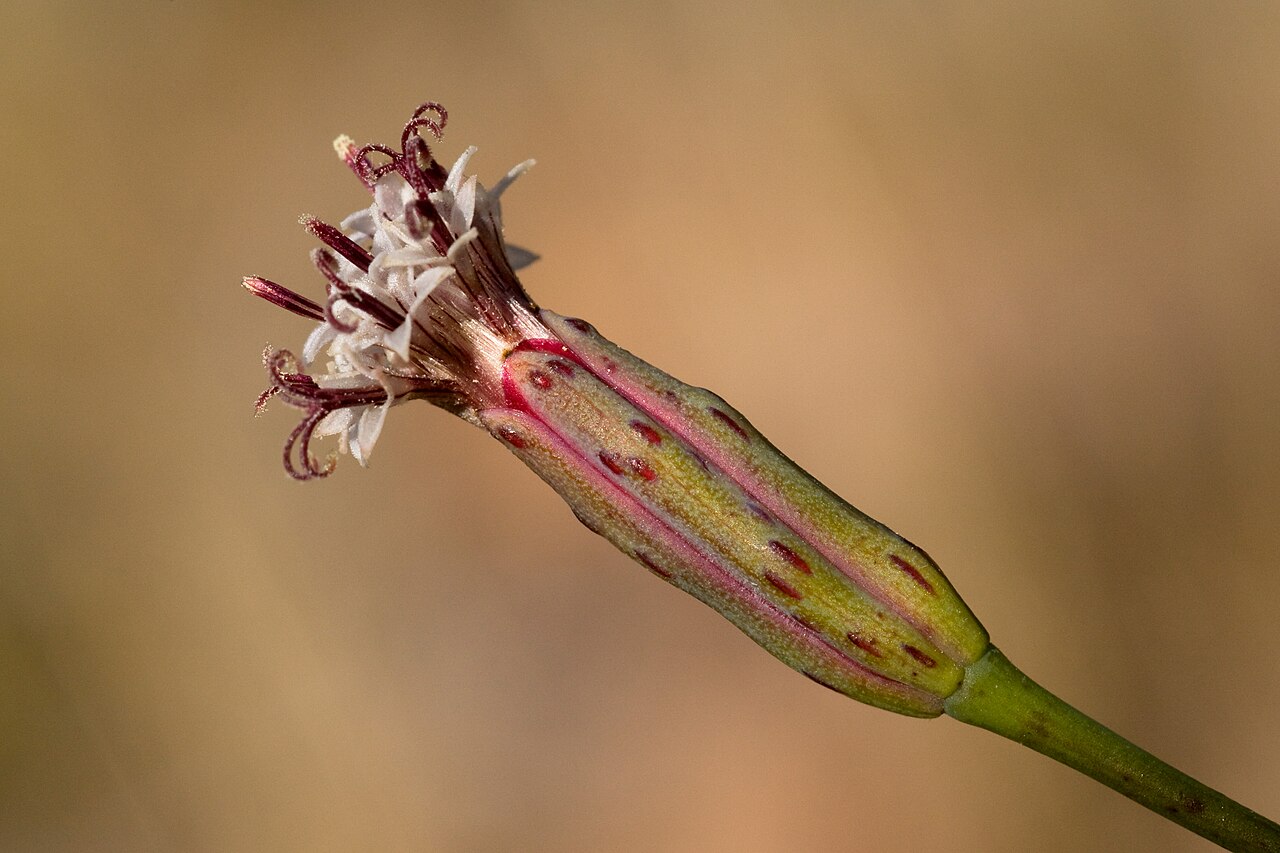
The flower heads are narrow and cylindrical, up to about 1 inch long, enclosed by five waxy, purple-streaked bracts studded with dark oil glands. Each head contains about 20 to 30 tubular disc florets and no ray petals. The florets are white to purplish, with long, curling, purple-tipped styles that give the heads a whiskery look. It can flower in almost any month after rain, mostly from spring to fall.
Fruit & Seeds
The fruit is a slender, dark achene topped with a pappus of tan bristles, the whole unit about 1/2 inch long. The fluffy seeds are spread by wind.
Look-alikes
Its relative Porophyllum ruderale subsp. macrocephalum (papaloquelite) is a taller, broad-leaved annual with larger heads. Desert broom and rush-like shrubs such as sweetbush have similar wiry stems, but sweetbush has yellow flower heads and lacks the strong scent and oil glands.
Quick Facts
| Scientific Name | Porophyllum gracile Benth. |
| Family | Asteraceae (aster family) |
| Plant Type | Aromatic perennial subshrub |
| Mature Height | 1–2 ft (rarely to 28 in) |
| Mature Spread | 1–2 ft |
| Growth Rate | Moderate |
| Sun Exposure | Full sun |
| Water Needs | Very low; desert rainfall once established |
| Soil Type | Rocky, gravelly or sandy, well-drained desert soils |
| Soil pH | About 7.0–8.5 (neutral to alkaline) |
| Bloom Time | Mainly March–October, after rains |
| Flower Color | White to purplish |
| Fall Color | None; blue-gray stems year-round |
| Fruit | Slender achene with a tuft of bristles |
| Deer Resistant | Yes; strongly aromatic and seldom browsed |
| USDA Hardiness Zones | 8–11 |
Native Range
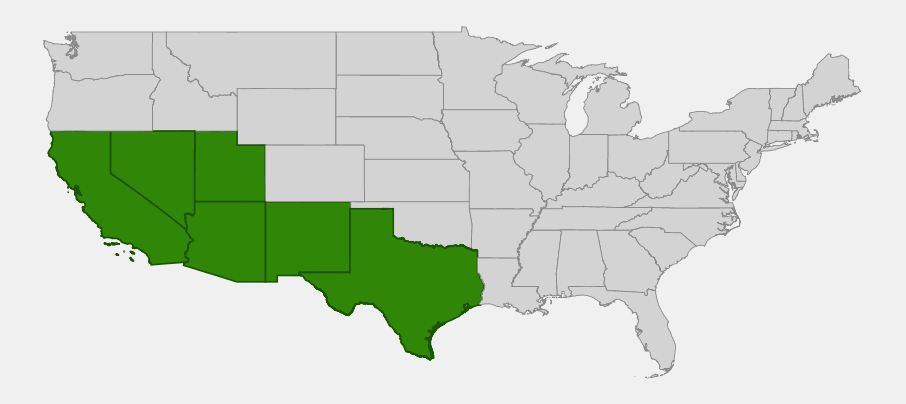
Odora is native to the southwestern United States and northern Mexico. USDA PLANTS lists it in California, Nevada, Utah, Arizona, New Mexico and Texas. In Mexico it grows in Baja California, Sonora, Chihuahua and nearby states.
In California it is found in the Mojave and Colorado (Sonoran) Deserts and the desert edges of the southern mountains. In Nevada and Utah it reaches the southern tips of those states, in the Mojave Desert around Las Vegas and in Washington County, Utah. It is widespread in the deserts of Arizona and southern New Mexico, and in Texas it grows in the Trans-Pecos region of West Texas.
It grows on rocky slopes, bajadas, canyon walls, sandy and gravelly washes and desert flats, usually below about 5,000 feet, in creosote bush scrub, Sonoran Desert scrub and Chihuahuan Desert scrub.
📋 Regional plant lists featuring Odora: Utah & Western Colorado · Arizona & New Mexico · South & West Texas · California & Nevada
Growing & Care Guide
Odora is an interesting, low-maintenance plant for desert rock gardens and naturalistic dry landscapes in the low deserts. Its fine, blue-gray stems add texture among cacti and desert shrubs, and its scent is a conversation piece. It is occasionally available from desert native plant nurseries and native seed suppliers.
Light
Plant it in full sun. It tolerates intense desert heat and reflected light.
Soil & Water
Give it rocky, gravelly or sandy soil with excellent drainage. Water occasionally during the first summer to establish it, then rely mostly on natural rainfall, with an occasional deep soak in long droughts. Too much water shortens its life.
Planting Tips
Plant in fall or late winter in a rock garden, on a dry slope or among boulders, where you can brush it and enjoy the aroma. It combines well with brittlebush, desert lavender, globemallows, penstemons and small cacti.
Pruning & Maintenance
Little care is needed. Trim back old, woody stems in late winter to keep plants compact. Plants are short-lived but often reseed in open, gravelly ground.
Propagation
Grow it from fresh seed sown in warm weather on the surface of a sandy mix; it usually germinates without special treatment. Let some plants self-sow in the garden to replace older ones.
Landscape Uses
- Desert rock gardens: fine, blue-gray texture among boulders and cacti
- Xeriscapes: very drought-tolerant once established
- Pollinator gardens: flowers after rain for butterflies, bees and other insects
- Sensory gardens: a strongly aromatic plant to brush and smell
- Habitat restoration: a native subshrub for rocky desert slopes and washes
Wildlife & Ecological Value
Odora is a modest but useful member of desert plant communities, flowering after rains when nectar is scarce.
For Pollinators
The tubular florets attract butterflies, native bees and other insects. Because it can bloom in almost any season after rain, it helps fill gaps when few other desert plants are flowering.
For Birds
Small seed-eating birds may take the seeds, and the plants offer a little low cover on open desert slopes.
For Mammals
The strong-smelling, chemically defended foliage is rarely eaten by rabbits, deer or livestock.
Ecosystem Role
The oil glands in odora contain volatile compounds, including thiophenes typical of its tribe, that work together to repel many insect herbivores. A few specialized insects, such as caterpillars of some Cucullia moths, can feed on it. It is part of the diverse small-shrub layer that stabilizes rocky desert soils.
Cultural & Historical Uses
The Seri people of Sonora call odora xtisil and have used a tea made from the stems as a remedy for colds and in difficult childbirth, and macerated roots for toothache. In some Mexican markets, fresh and dried plants are sold as a medicinal herb under the name hierba del venado. These traditional uses are cultural history, not medical advice.
Many members of the marigold tribe, including odora, contain thiophenes, compounds with antimicrobial and insect-repellent properties, which may help explain the plant’s traditional medicinal reputation.
The species was described by the English botanist George Bentham in the nineteenth century, from specimens collected in northwestern Mexico. The name odora, used in California and Nevada, refers to the plant’s powerful scent.
Frequently Asked Questions
Why is it called odora?
The whole plant is dotted with oil glands that give it a strong, pungent scent when brushed or crushed.
Where does odora grow?
It grows on rocky slopes, bajadas and washes in the Mojave, Sonoran and Chihuahuan Deserts, from southeastern California and southern Nevada and Utah to Arizona, New Mexico, West Texas and northern Mexico.
When does odora bloom?
It can flower in almost any month after rain, mostly from spring to fall.
Can I grow odora in my garden?
Yes, in hot, dry gardens with full sun and very well-drained, rocky or sandy soil. It needs little water once established and often reseeds.
Is odora related to marigolds?
Yes. It belongs to the same tribe of the aster family as marigolds and has similar oil glands and a strong scent.

Looking for a nursery that carries Odora?
Browse our native plant nursery directory: Arizona · California · Nevada & New Mexico · Texas & Utah

