
Pitted Stripeseed (Piriqueta cistoides)
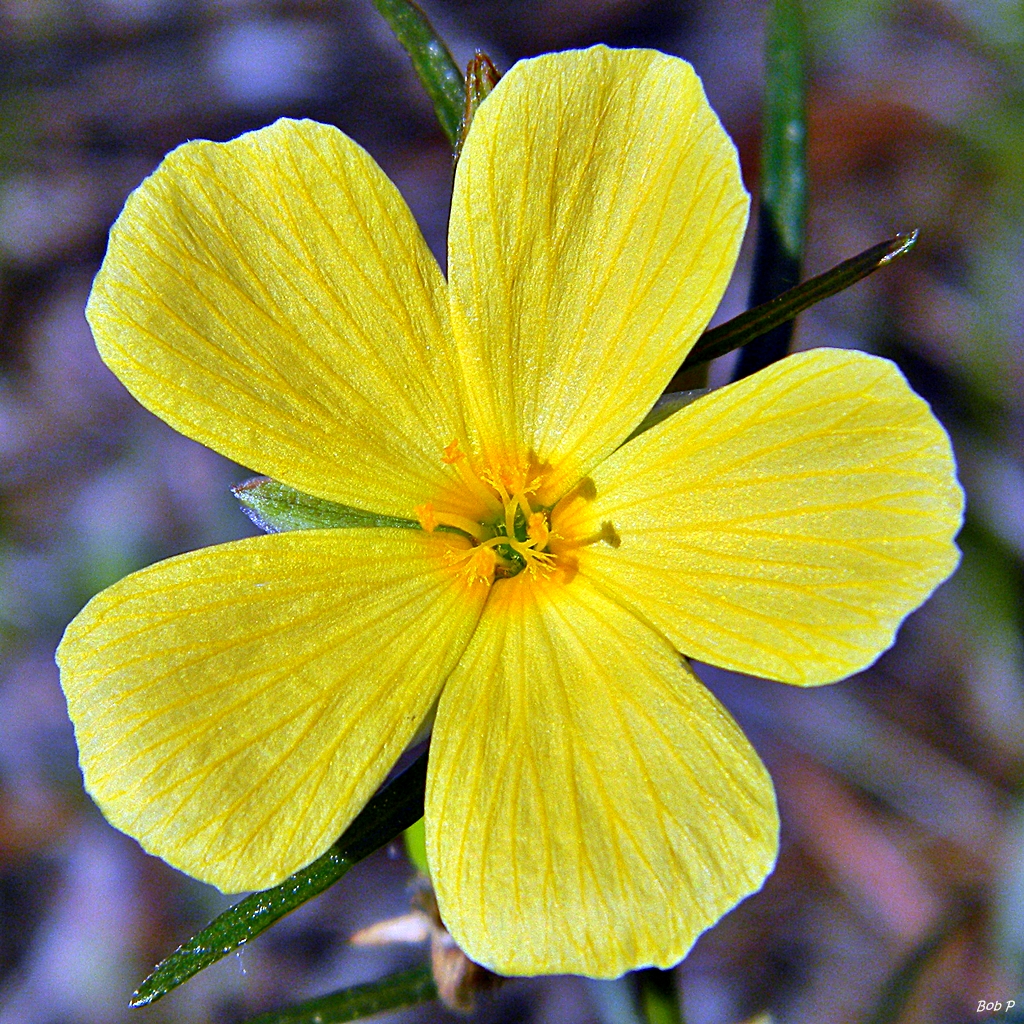
Piriqueta cistoides, known as Pitted Stripeseed or morning buttercup, is a small perennial wildflower in the passionflower family (Passifloraceae), a relative of passionflowers and of damiana (Turnera). It grows about 6 to 20 inches tall, with bristly, hairy stems, toothed leaves and bright yellow, five-petaled flowers about 1 to 1 1/2 inches across that open in the morning and close by early afternoon.
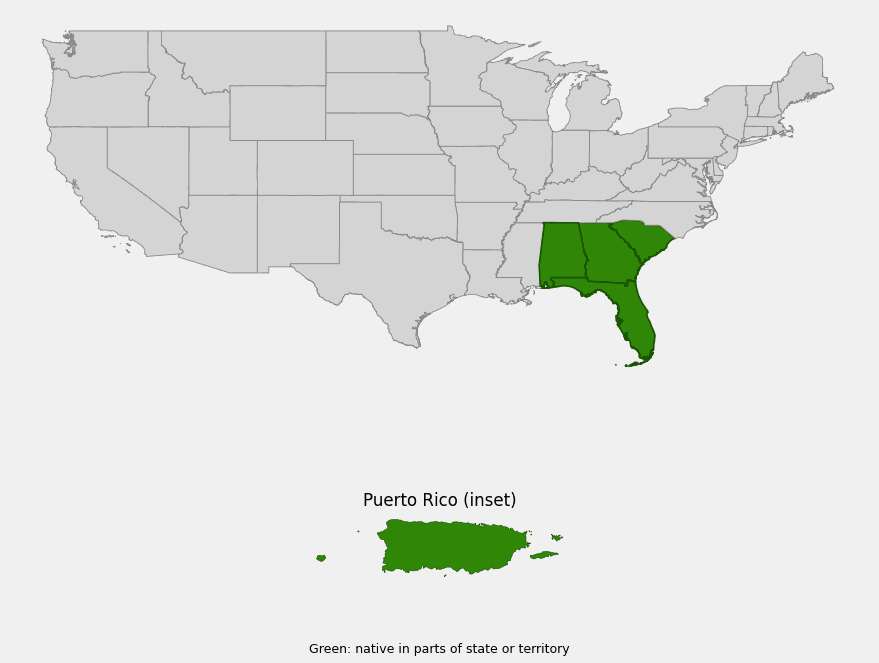
In the United States it is native to the southeastern Coastal Plain, in Florida, Georgia, Alabama and South Carolina, and it is also native to Puerto Rico. The mainland plants have often been treated as a separate species, Piriqueta caroliniana, or as the subspecies caroliniana. It grows in dry, sandy, open places: sandhills, scrub, pine flatwoods, coastal dunes, old fields and sandy roadsides.
It blooms from spring into fall, and in South Florida nearly year-round. It is a low-maintenance native for sandy, sunny gardens in Florida and the coastal Southeast, where it spreads slowly from its roots and mixes well with grasses and other pineland wildflowers.
Identification
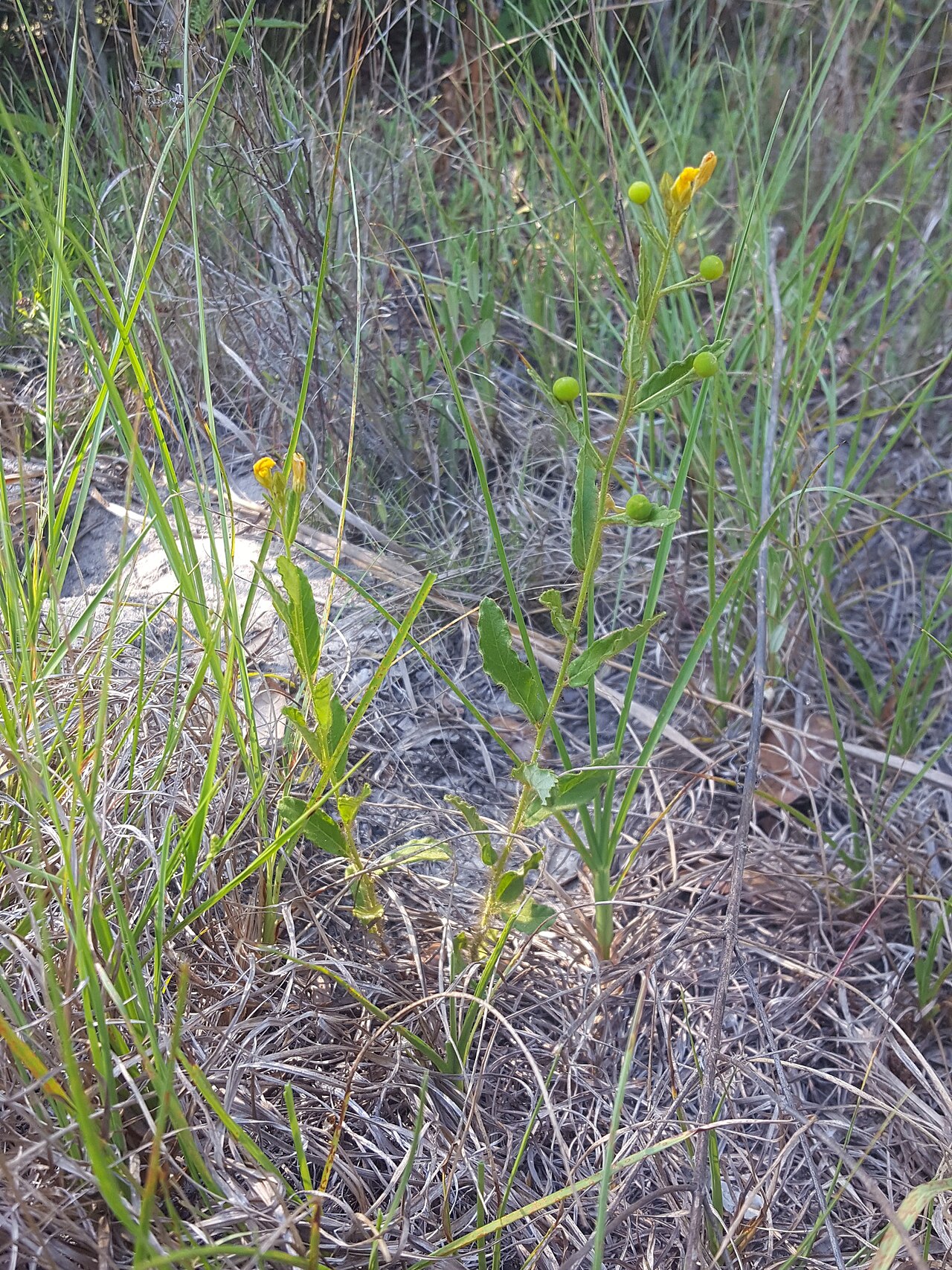
Look for a low, hairy plant with alternate, toothed leaves and flat, bright yellow, five-petaled flowers that are open only in the morning, followed by small round capsules.
Growth Habit
Pitted stripeseed is a perennial with a deep, woody root that sends up one to several upright or leaning stems, about 6 to 20 inches tall. It sprouts from its roots, so several stems often grow together in a loose colony. The stems are covered in a mix of long, stiff bristles and small, star-shaped hairs, which give the plant a grayish, rough look.
Leaves
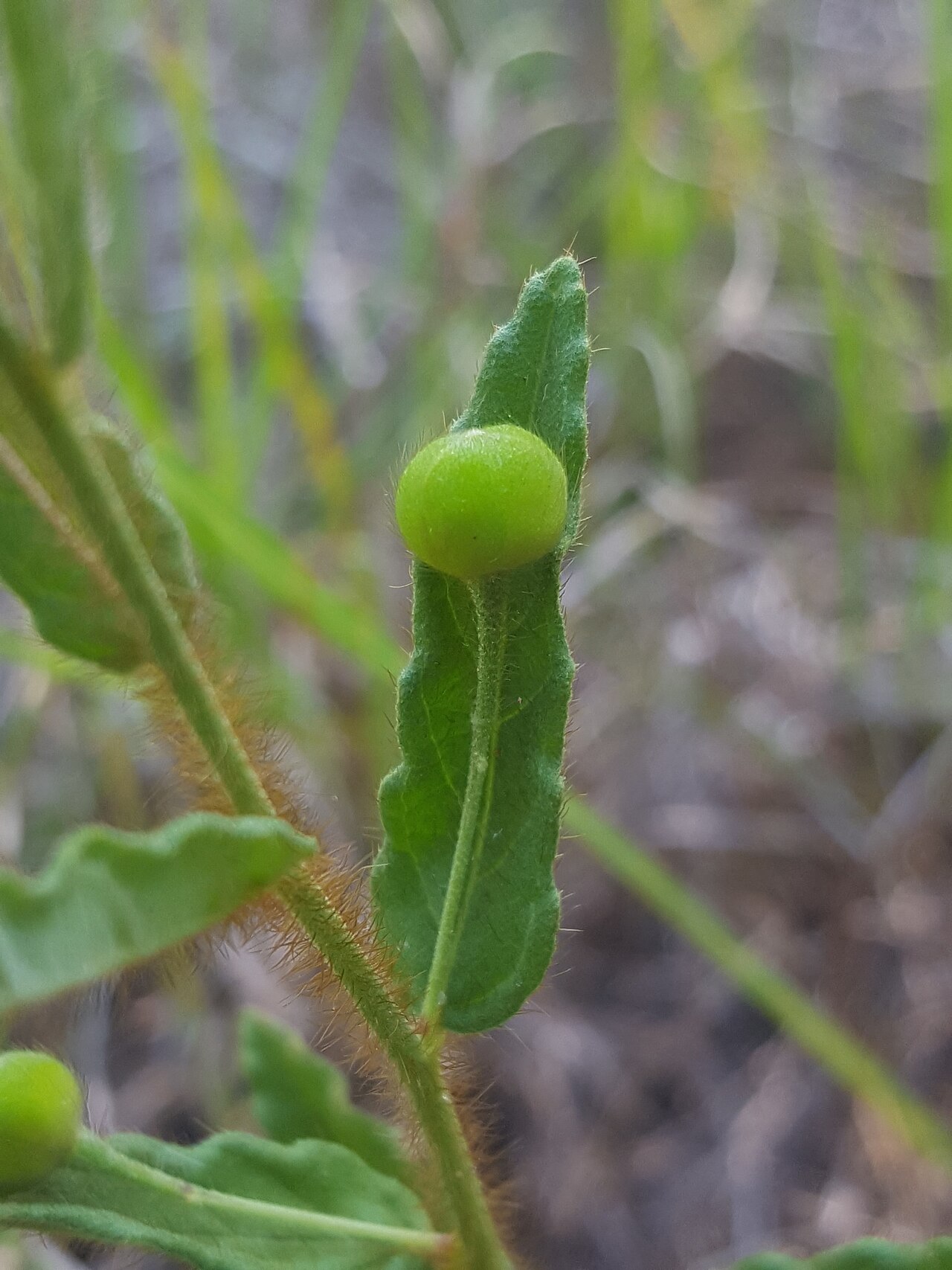
The leaves are alternate, about 1 to 2 inches long and 1/4 to 3/4 inch wide, oblong to lance-shaped, with toothed or wavy edges. They are rough and hairy on both sides, especially underneath. Leaf width varies a lot from plant to plant, from narrow and almost linear to fairly broad.
Flowers
The flowers grow singly from the leaf axils and at the tips of the stems, on slender stalks. Each has five broad, rounded, bright yellow petals, often orange toward the center, and five stamens around three thread-like styles. The petals are about 3/4 inch long. The flowers open in the morning sun and wilt by early afternoon, which is why the plant is sometimes called morning buttercup. Like many relatives in Turnera, the flowers come in two forms, one with long styles and short stamens and one with the reverse, which promotes cross-pollination.
Fruit & Seeds
The fruit is a small, round capsule about 1/4 to 1/3 inch across that splits into three parts when ripe. The seeds are small, curved and tan to gray, with a pitted, net-like surface, the feature behind the common name.
Look-alikes
Its yellow flowers can be mistaken for those of St. John’s-worts (Hypericum), which have many stamens and smooth, opposite leaves, or for small sundrops and evening primroses, which have four petals. Pineland frostweed and rockroses (Crocanthemum) also have yellow, five-petaled flowers but have many stamens. The hairy, toothed alternate leaves and five stamens of pitted stripeseed set it apart.
Quick Facts
| Scientific Name | Piriqueta cistoides (syn. Piriqueta caroliniana) |
| Family | Passifloraceae (passionflower family; formerly Turneraceae) |
| Plant Type | Herbaceous perennial with a woody root |
| Mature Height | 6–20 in |
| Mature Spread | 6–18 in, slowly forming colonies |
| Growth Rate | Moderate |
| Sun Exposure | Full sun to light shade |
| Water Needs | Low; drought tolerant |
| Soil Type | Dry to moist, well-drained sand |
| Soil pH | Acidic to neutral (about 4.5–7.0) |
| Bloom Time | April–October; nearly year-round in South Florida |
| Flower Color | Bright yellow, often orange in the center |
| Fall Color | None notable |
| Fruit | Small round capsule with pitted seeds |
| Deer Resistant | Moderately (rough, hairy foliage) |
| USDA Hardiness Zones | 8–11 |
Native Range
Pitted stripeseed is native to the southeastern Coastal Plain of the United States. USDA PLANTS lists it as native in Florida, Georgia, Alabama and South Carolina, and in Puerto Rico. It is most common in Florida, where the Atlas of Florida Plants records it from much of the peninsula and the Panhandle, and it becomes more local northward through the Georgia and South Carolina Coastal Plain and southern Alabama.
The species as a whole is widespread in the American tropics, from the Caribbean and Mexico through Central and South America. The southeastern U.S. plants, often called subspecies caroliniana or Piriqueta caroliniana, differ somewhat in their hairs and leaf shape from the typical tropical form found in Puerto Rico and the West Indies.
It grows in dry to seasonally moist, sandy, open places: longleaf pine sandhills and flatwoods, scrub, coastal dunes and swales, old fields, pastures and sandy roadsides. It recovers quickly after fire, resprouting from its deep root.
📋 Regional plant lists featuring Pitted Stripeseed: Alabama, Georgia & Mississippi · North & South Florida · Puerto Rico · North & South Carolina
Growing & Care Guide
Pitted stripeseed is easy in sandy, sunny gardens in Florida and the coastal Southeast. It is occasionally sold by Florida native nurseries and often appears on its own in sandy yards and meadows.
Light
Full sun to light shade. It flowers most in full sun, and the flowers open fully only on sunny mornings.
Soil & Water
Grow it in well-drained sandy soil, from dry sandhill sand to the seasonally moist sand of flatwoods. It tolerates poor, acidic soil and needs no fertilizer. Once established, its deep root carries it through droughts without watering. Avoid heavy, wet clay.
Planting Tips
Use it in a native meadow, a pine savanna planting, a sunny sandy bed or along a path where its morning flowers can be seen. Plant it with grasses and other low pineland wildflowers, about 12 inches apart. It is small and best in groups.
Pruning & Maintenance
Little care is needed. It resprouts after mowing or fire, so a meadow can be mowed or burned in late winter. Keep taller, aggressive plants from shading it.
Propagation
Grow it from seed collected from ripe capsules, sown on the surface of a sandy mix. It can also be propagated from root sprouts or root cuttings dug carefully from the edge of a colony. Because of its deep root, small plants transplant better than older ones.
Landscape Uses
- Native meadows: yellow flowers from spring to fall in sandy meadows
- Pine savanna gardens: fits with wiregrass, saw palmetto and pineland wildflowers
- Pollinator gardens: pollen and nectar for small native bees
- Coastal gardens: handles sandy, dry, salty-air sites
- Low-maintenance lawns: persists in mowed, sandy, low-input yards
Wildlife & Ecological Value
Pitted stripeseed flowers over a long season, adding steady food for small pollinators in sandy pinelands and scrub.
For Pollinators
The open, morning flowers are visited by small native bees, including sweat bees, which collect pollen, and by flies and small butterflies. Its two flower forms depend on insects to move pollen between plants.
For Birds
Ground-feeding birds such as doves, quail and sparrows may pick up the small seeds, which fall from the open capsules.
For Mammals
The rough, hairy foliage is not a favorite of browsers, though gopher tortoises and other herbivores in sandhill habitats may nibble it.
Ecosystem Role
As a fire-adapted perennial that resprouts from a deep root, pitted stripeseed is part of the diverse ground layer of longleaf pine sandhills, flatwoods and scrub. It also colonizes disturbed sandy soils, helping to cover bare ground.
Cultural & Historical Uses
The species name cistoides means “like Cistus,” the rockroses, whose yellow or white, five-petaled flowers it resembles.
Botanists have long debated how to treat the southeastern U.S. plants. They have been called Piriqueta caroliniana, P. cistoides subsp. caroliniana and several other names. Studies of the group have found much variation and intergradation between forms, and USDA PLANTS now treats them under P. cistoides.
The genus Piriqueta and its relative Turnera were long placed in their own family, Turneraceae, but are now usually included in the passionflower family, Passifloraceae.
Frequently Asked Questions
Why is it called pitted stripeseed?
The name refers to the small seeds, which have a pitted, net-like surface. It is also called morning buttercup because the flowers are open only in the morning.
Is pitted stripeseed related to passionflowers?
Yes. It is now placed in the passionflower family, Passifloraceae, along with passionflowers and damiana.
Is Piriqueta caroliniana the same plant?
Yes. Piriqueta caroliniana is an older name for the southeastern U.S. plants, which USDA PLANTS now includes in P. cistoides.
Why do the flowers close in the afternoon?
Each flower opens in the morning and lasts only a few hours. New flowers open every sunny morning during its long bloom season.
Where does pitted stripeseed grow?
In sandhills, pine flatwoods, scrub, dunes and sandy fields in Florida, Georgia, Alabama and South Carolina, and in Puerto Rico and the American tropics.

Looking for a nursery that carries Pitted Stripeseed?
Browse our native plant nursery directory: Alabama · Florida & Georgia · South Carolina

