
Rocky Mountain Fringed Gentian (Gentianopsis thermalis)
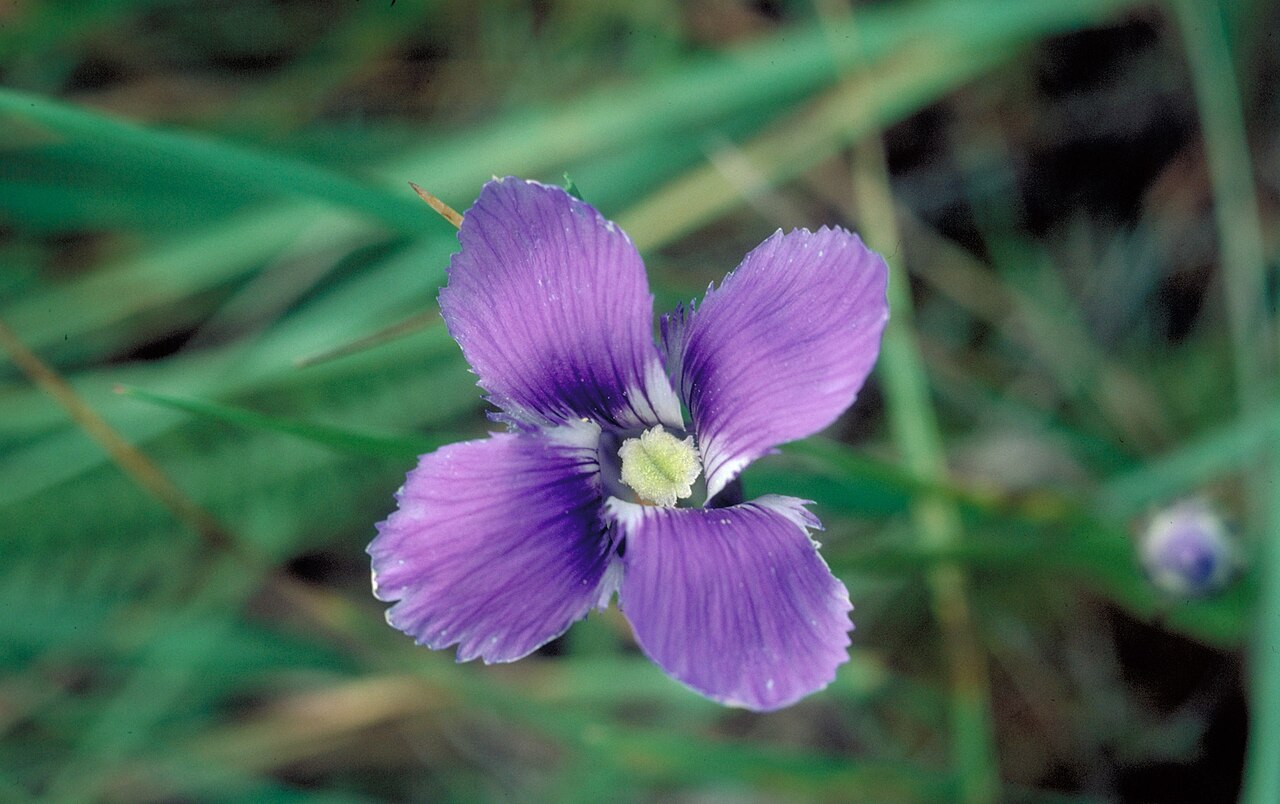
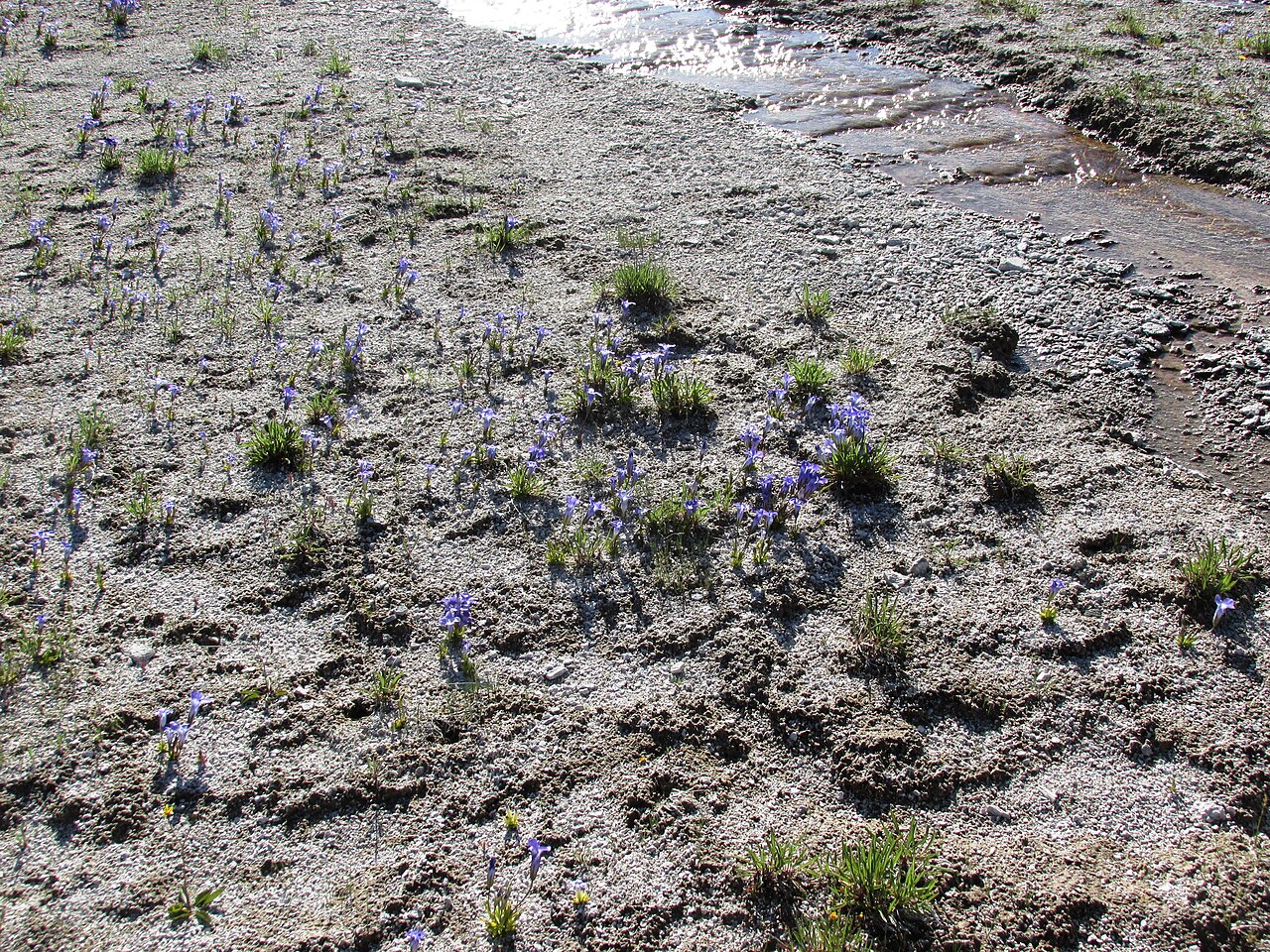
Gentianopsis thermalis, the Rocky Mountain Fringed Gentian, is one of the showiest late-summer wildflowers of western mountain meadows. Each slender stem carries a single long, tubular flower of deep blue to violet, which opens in sunshine into four spreading petals with delicately fringed edges. It is the official flower of Yellowstone National Park, where it carpets wet meadows and the warm ground around geyser basins and hot springs.
Despite its striking flowers, it is a short-lived plant: an annual or biennial that grows from seed, flowers once and dies. Its flowers close on cloudy days and at night and open again in the sun, so a meadow can seem almost bare in the morning and turn blue by midday. The species name thermalis means “of warm springs”, a reference to the hot-spring areas of Yellowstone where it was first collected.
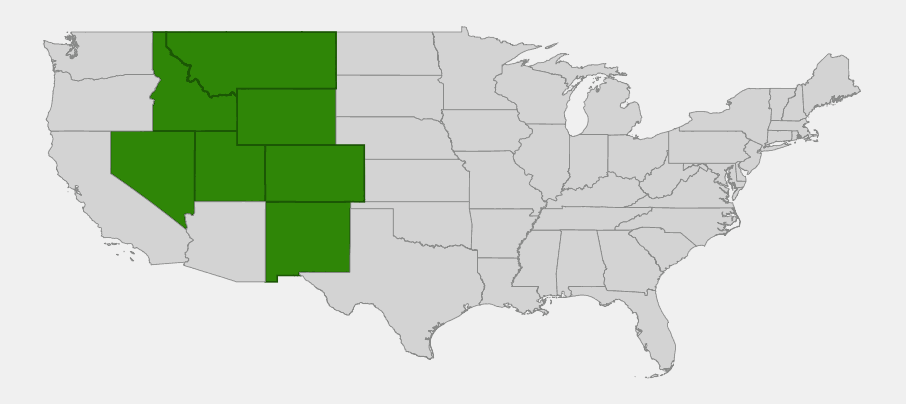
It grows in Montana, Idaho, Wyoming, Nevada, Utah, Colorado and New Mexico. Some botanists treat it as part of a broader species, Gentianopsis detonsa. This guide covers how to identify Rocky Mountain fringed gentian, where to find it, why it is so hard to grow in gardens, and its place in mountain wetlands.
Identification
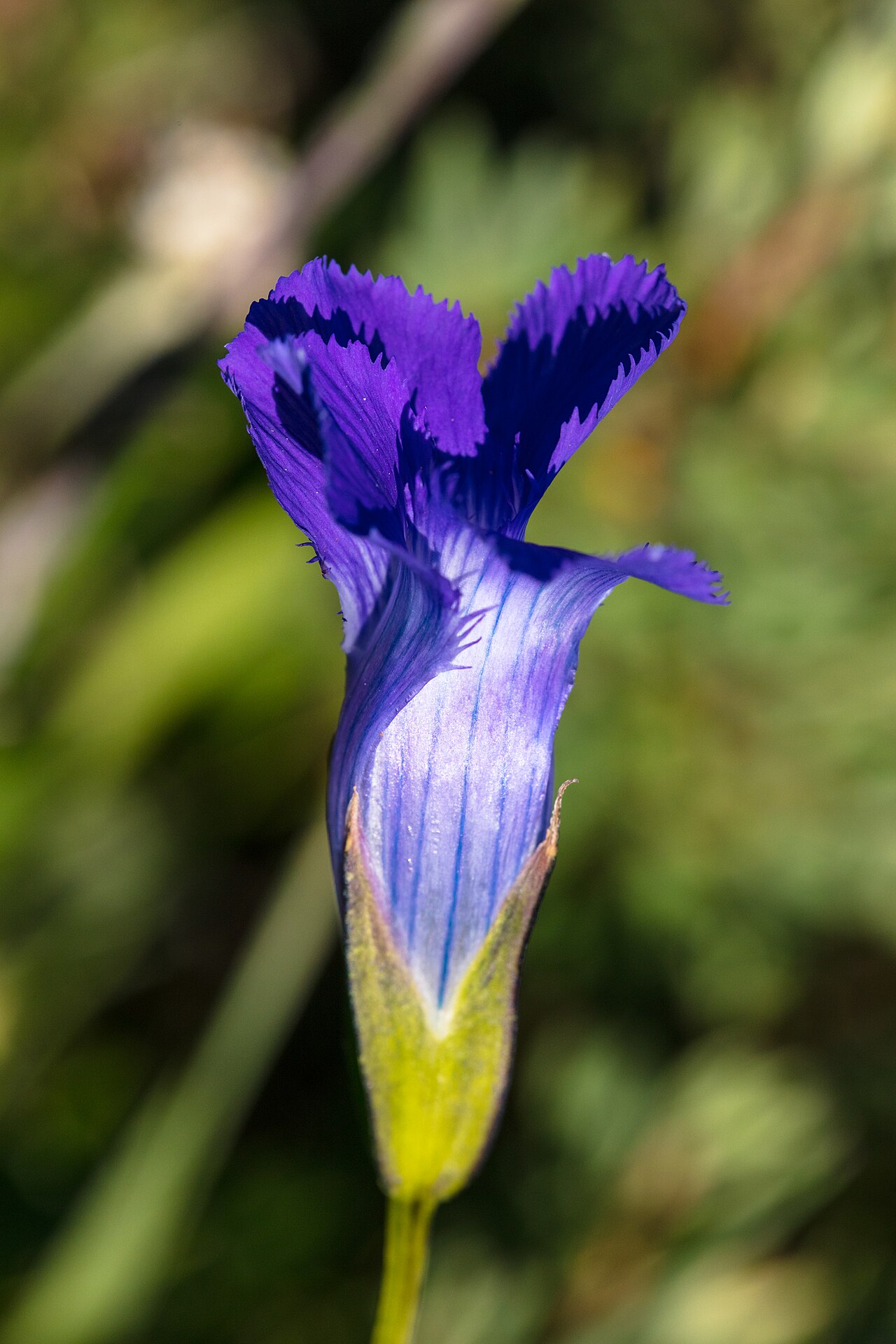
Look in wet mountain meadows in late summer for single, long-stalked, tubular blue-violet flowers with four fringed petals, held on slender stems with a few pairs of narrow leaves.
Growth Habit
Rocky Mountain fringed gentian is an annual or biennial herb with one to several slender, upright stems, usually 4 to 16 inches tall. Plants often grow in loose colonies, and numbers can vary greatly from year to year depending on moisture.
Leaves
Leaves are opposite, narrow and lance-shaped to oblong, about 1/2 to 2 inches long, with smooth edges. A few leaves form a small rosette at the base, and several pairs grow along the stem.
Flowers
Each stem ends in a single flower on a long, leafless stalk. The flower is tubular, roughly 1 1/2 to 2 1/2 inches long, deep blue to purple (occasionally paler), with four rounded petal lobes that are fringed along the sides and spread wide when open. The calyx below it is four-angled and green. Flowers open in sun and close in cloudy weather. Bloom time is mainly July to September.
Fruit & Seeds
The fruit is a long, narrow capsule that splits in two to release many tiny seeds in fall. Because the plant does not live on, each year’s flowers depend on the seed set in previous years.
Look-alikes
Lesser fringed gentian (Gentianopsis virgata) and greater fringed gentian (G. crinita) are eastern relatives; greater fringed gentian has more deeply fringed petals and branched stems with several flowers. Mountain bog gentian (Gentiana calycosa) and Parry’s gentian have five petals with small pleats between them and no fringe. Northern gentian (Gentianella amarella) has smaller, purplish flowers in clusters.
Quick Facts
| Scientific Name | Gentianopsis thermalis (Kuntze) Iltis |
| Family | Gentianaceae (gentian family) |
| Plant Type | Annual or biennial herb |
| Mature Height | 4–16 in |
| Mature Spread | 2–6 in |
| Growth Rate | Fast (completes its life in one or two seasons) |
| Sun Exposure | Full sun |
| Water Needs | High; moist to wet soil |
| Soil Type | Moist to wet meadow soils, fens, stream banks and thermal ground |
| Soil pH | About 6.0–8.0 |
| Bloom Time | July–September |
| Flower Color | Deep blue to violet-purple |
| Fall Color | None; plants die after setting seed |
| Fruit | Narrow two-parted capsule with many tiny seeds |
| Deer Resistant | Unknown; occasionally grazed in meadows |
| USDA Hardiness Zones | 3–6 |
Native Range
Rocky Mountain fringed gentian is native to the Rocky Mountains and nearby ranges of the interior West. USDA PLANTS lists it in Colorado, Idaho, Montana, Nevada, New Mexico, Utah and Wyoming.
It is best known from the Greater Yellowstone region of Wyoming, Montana and Idaho, where it is common in wet meadows and geyser basins. It also grows in the mountain parks and high valleys of Colorado, through the mountains of Utah and the higher ranges of Nevada, and south to the mountains of northern New Mexico.
Its habitat is moist to wet, open ground: wet meadows, stream and lake margins, fens, seeps and the warm, wet soils around hot springs and geysers. It generally grows at middle to high elevations, from about 6,000 feet to above 11,000 feet, in montane to subalpine zones.
📋 Regional plant lists featuring Rocky Mountain Fringed Gentian: Idaho, Eastern Oregon & Eastern Washington · Montana & Wyoming · Utah & Western Colorado · California & Nevada
Growing & Care Guide
Rocky Mountain fringed gentian is a plant to admire in the wild rather than in the garden. Because it is a short-lived annual or biennial with very specific needs, it is almost never sold by nurseries, and attempts to grow it outside its mountain meadow habitat usually fail.
Light
In the wild it grows in full sun in open meadows; its flowers open only in bright light.
Soil & Water
It needs constantly moist to wet, mineral soil with little competition from taller plants, a combination that is hard to recreate in a garden. Plants dry out and die quickly in ordinary garden beds.
Planting Tips
Transplanting is not practical: it has a delicate root system and lives only one or two seasons. Where it can be tried at all, for example in a high-elevation wet meadow garden within its natural range, sow fresh seed directly onto bare, wet soil.
Pruning & Maintenance
No pruning is needed. Leave the dry stems standing in fall so the capsules can scatter seed, and keep taller grasses from crowding the patch.
Propagation
Seed only. The tiny seeds need a period of cold, moist conditions (natural winter or several weeks of stratification) and light to germinate. Seed is rarely available; collect only where it is legal and in small amounts, and never in national parks, where collecting plants or seed is prohibited without a permit.
Landscape Uses
- Wildflower viewing: a signature late-summer flower of Yellowstone and Rocky Mountain meadows
- Wet meadow restoration: a native annual for high-elevation wetland seed mixes, where seed is available
- Pollinator habitat: a late-season nectar source for bumble bees in mountain wetlands
- Photography and nature study: its flowers open and close with the sun
- Indicator of healthy meadows: thrives in wet, open, undisturbed mountain meadows
Wildlife & Ecological Value
Rocky Mountain fringed gentian blooms late in the short mountain summer, when many other meadow flowers are finished.
For Pollinators
The deep, tubular flowers are visited mainly by bumble bees, which crawl down into the tube to reach the nectar and pollen. Their late bloom helps queens and workers build reserves before winter.
For Birds
It is not an important bird food, but the wet meadows where it grows support many birds, including sandhill cranes, snipe and songbirds that forage for insects among the flowers.
For Mammals
Elk, deer and bison graze in the same meadows and may eat it along with other forage; it is not known as a preferred food.
Ecosystem Role
As an annual or biennial, it depends on open, moist ground where its seeds can germinate each year. It is part of the diverse wildflower community of mountain wetlands and is sensitive to drainage, trampling and changes in water flow.
Cultural & Historical Uses
The Rocky Mountain fringed gentian was adopted as the official flower of Yellowstone National Park in 1926. It is common in the park’s wet meadows and geyser basins, where warm, moist ground lets it bloom late into the season.
The genus name Gentianopsis means “resembling Gentiana“, the true gentians, which were named after Gentius, a king of ancient Illyria said to have used gentian roots as medicine. The fringed gentians were separated from Gentiana because of differences in their flowers and capsules, including the lack of pleats between the petals.
Gentians have a long history in herbal bitters, but those uses involve other species, and this plant should not be picked or eaten. In Yellowstone and other national parks, picking wildflowers is prohibited, so enjoy it with a camera.
Frequently Asked Questions
Is Rocky Mountain fringed gentian the Yellowstone park flower?
Yes. It was chosen as the official flower of Yellowstone National Park in 1926 and is common in the park’s wet meadows and geyser basins in late summer.
Where does Rocky Mountain fringed gentian grow?
It grows in wet mountain meadows, fens, stream margins and thermal areas in Montana, Idaho, Wyoming, Nevada, Utah, Colorado and New Mexico, usually between about 6,000 and 11,500 feet.
Why do its flowers close?
The flowers close in cloudy weather and at night and open in sunshine, which protects the pollen and nectar from rain and cold.
Can I grow Rocky Mountain fringed gentian?
It is very difficult. It is an annual or biennial that needs constantly wet, open mountain meadow conditions and is almost never sold. It is best enjoyed in the wild.
When does it bloom?
Mainly from July to September, peaking in August in many areas.


